Mold on Soil on Swedish Ivy: Causes, Checks & Fixes
Quick answer
White or gray fuzz on Swedish Ivy soil usually means the surface stays wet too long-not a disease attacking the leaves. Scrape off the mold, let the top inch of mix dry completely, and adjust watering before root problems start.
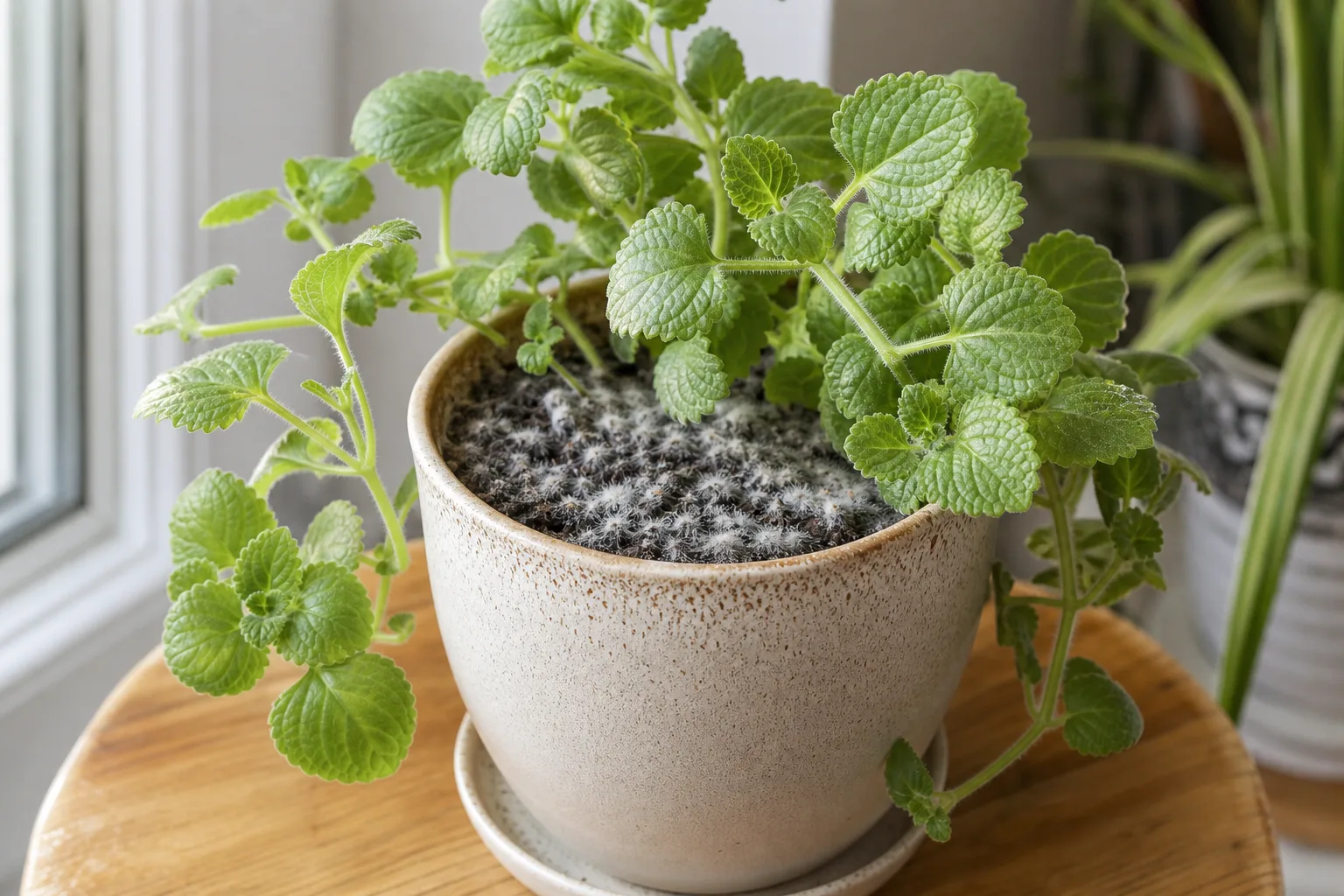
Mold on Soil on Swedish Ivy: Causes, Checks & Fixes
This guide covers mold on soil on Swedish Ivy. See also the general Mold on Soil guide, watering, and light pages for this plant.
Mold on Soil on Swedish Ivy: Causes, Checks & Fixes
Quick answer
Surface mold on Swedish Ivy (Plectranthus australis) is almost always a harmless saprophytic fungus feeding on organic matter in damp potting mix-not a leaf disease. On this fast-growing trailer, mold appears when the soil surface stays wet longer than the plant can use the moisture. Your first move: scrape off the visible fuzz, then let the top inch of mix dry before you water again.
What mold on soil looks like on Swedish Ivy
The most common sign is a white or gray fuzzy film on the top of the potting mix, sometimes spreading in patches after several days of surface dampness. You may notice a faint musty smell when you water or move the pot. In hanging baskets, mold often concentrates where trailing stems rest on the mix and shed small leaves.
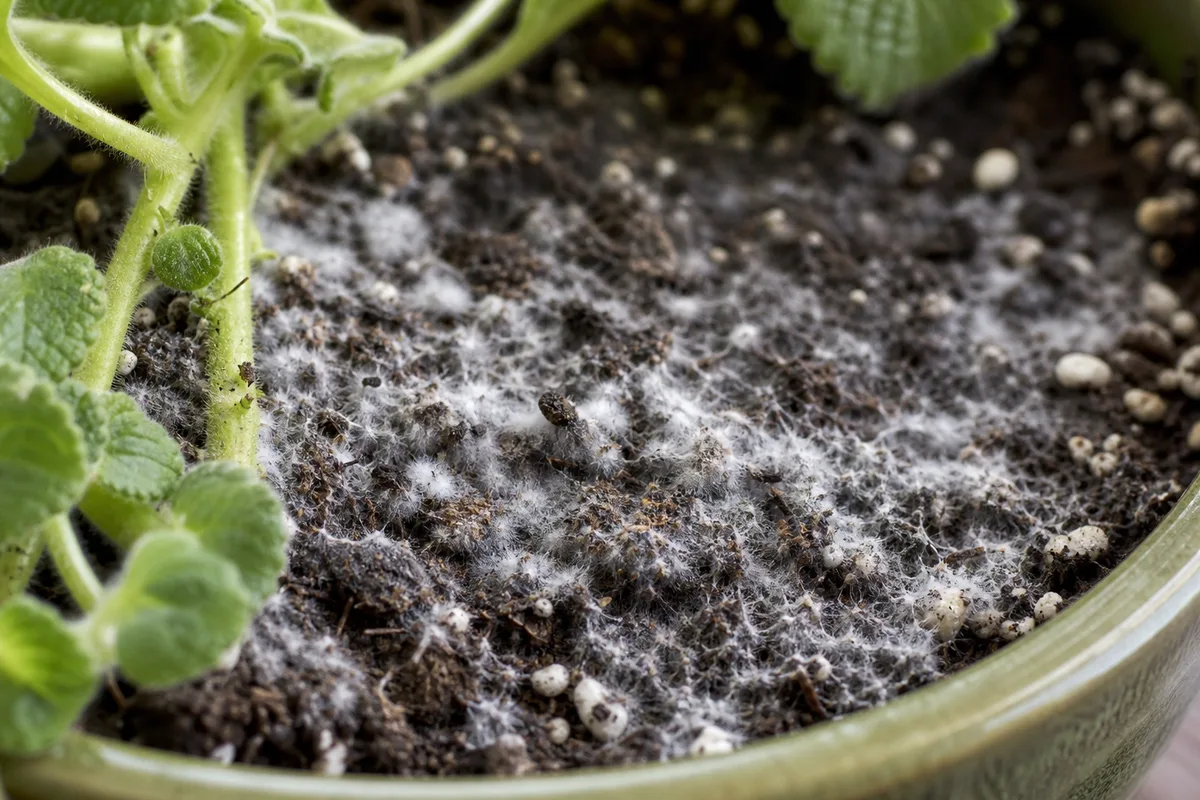
Mold on Soil symptoms on Swedish Ivy - compare with healthy tissue on the same plant.
The plant itself may look fine at first-glossy green leaves and firm stems are normal with early surface mold. That is why many owners ignore it. But Swedish Ivy is sensitive to soggy roots, and the same wet surface that grows mold also invites fungus gnats and root decline. Yellow leaves, limp runners, or a pot that stays heavy for a week are warning signs that moisture-not the mold alone-is the real problem.
Why Swedish Ivy gets mold on soil
Swedish Ivy wants consistently moist but well-drained potting media. It does not tolerate a constantly wet surface. When you water before the top inch dries, or when a large hanging basket holds moisture around shallow roots for days, the surface layer stays damp and saprophytic fungi colonize decaying peat, bark, and fallen leaf bits.
Several habits make this worse on Swedish Ivy specifically:
- Overwatering on a schedule. Watering every week regardless of pot weight or season keeps mix wet through winter when growth slows.
- Dense, peaty mix in oversized pots. A big basket with little root mass dries slowly; the top layer can stay wet while lower mix is merely cool and damp.
- Low light and poor airflow. Dim corners slow evaporation. Trailing stems that cascade over the rim can shade the soil surface and trap humidity.
- Organic debris on the surface. Dropped leaves and stem tips from regular pinching give mold a food source. Hanging plants accumulate this debris faster than upright pots.
Mold and fungus gnats often appear together because over-watering and poor drainage can encourage fungus gnats as well as other pest issues in the same wet organic habitat.
How to confirm the cause
Work through these checks before Swedish Ivy repotting guide or spraying anything:
- Surface moisture. Press a finger into the top inch. If it feels cool and clings to your skin days after watering, overwatering or slow drainage is confirmed.
- Pot weight. Lift the container. A heavy pot a week after watering means the mix is not drying at the rate Swedish Ivy needs.
- Stem firmness. Gently squeeze stem bases at the soil line. Firm tissue with surface mold only suggests a moisture habit problem, not active rot. Soft, squishy bases mean chronic wetness has already damaged roots.
- Smell. Sniff near the drainage hole. Sour or rotten odors point to decomposing roots or anaerobic mix-not harmless surface fungus alone.
- Gnats and recurrence. Small flies when you water, or mold returning within days of scraping, confirm the environment-not a one-time spore landing-is the issue.
If stems are firm, leaves are healthy, and only the surface is fuzzy, treat this as a care correction. If stems soften or soil smells bad, inspect roots the same way you would for overwatering before focusing on the mold.
First fix for Swedish Ivy
Scrape off the top 1–2 cm of moldy mix with a spoon and discard it. Do not blow spores toward other plants; work over a bag or outdoors if possible. Then stop watering until the top inch of the soil feels dry to the touch.
That single dry-down cycle is the most important step. Scraping without changing moisture habits guarantees the mold returns. Move the basket to Swedish Ivy light guide with gentle airflow so the surface dries faster. Empty any saucer or cache pot so water cannot wick back up.
Do not repot on day one unless mold has returned multiple times, the mix is compacted, or you find mushy roots on inspection. Mild surface mold on an otherwise healthy Swedish Ivy usually clears with scraping plus corrected watering.
Step-by-step recovery
Once the surface is clean and dry:
- Resume watering correctly. Water deeply only when the top inch dries-not on a calendar. In winter, that interval often stretches longer because growth slows.
- Refresh the surface if needed. After the dry-down, you can top-dress with a thin layer of dry, well-draining potting mix to replace what you removed.
- Remove debris. Keep the soil surface free of dead leaves and stems after pruning or when runners rest on the mix.
- Address gnats together. If flies appear, let surface soil dry as much as possible between waterings and use yellow sticky traps for adults while you fix watering. Treating gnats without drying the soil fails on Swedish Ivy.
- Repot chronic cases. If mold returns within two weeks despite dry surface cycles, repot into fresh well-draining mix in a right-sized container with a drainage hole. Trim any mushy roots before replanting.
Judge recovery by new growth at stem tips and a pot that feels noticeably lighter before each watering-not by whether a single fuzzy patch reappears overnight after heavy watering.
Lookalike symptoms
Not every white or green patch on the pot is the same problem:
- Green algae on soil and pot rim - Constant surface moisture plus low light. Algae feel slimy, not fluffy. Brighten indirect light and lengthen the dry-down between waterings.
- Mealybugs on stems - Cottony masses on stems and leaf undersides signify mealybugs, not soil surface mold. Wipe stems and treat pests; mealybugs are unrelated to saprophytic mold.
- Powdery mildew on leaves - White dust on foliage, not the mix. Improve airflow and avoid wetting leaves when you water.
- Mineral or perlite crust - Hard white specks that do not spread or smell musty. These are not fungal growth.
If only the soil surface is fuzzy and stems stay firm, surface mold is the likely diagnosis.
Mistakes to avoid
- Scraping repeatedly without drying the soil. You remove spores but leave the wet habitat that grows new colonies.
- Watering because leaves look limp while the pot is still heavy. Wilting with wet mix can mean damaged roots, not thirst.
- Misting trailing stems onto already damp soil. Extra surface moisture slows drying in hanging baskets.
- Using decorative pot covers that trap humidity around the drainage hole or saucer.
- Repotting into an even larger container hoping fresh mix fixes mold. An oversized pot stays wet longer on shallow Swedish Ivy roots.
- Applying fungicide as a first response. Surface saprophytic mold on healthy plants rarely needs chemical treatment; moisture correction works better.
Swedish Ivy care cross-check
Mold is a moisture signal. Align these basics and surface fungus usually stops recurring:
- Light: Bright indirect light helps the basket dry between waterings. Leggy pale growth in dim rooms often pairs with chronically damp mix.
- Mix: Standard well-draining potting media-not straight peat or garden soil. Perlite or bark chunks improve surface drying.
- Water rhythm: Top-inch dry rule year-round; stretch intervals in cool months when the plant is not actively pushing new runners.
- Container: Drainage holes and empty saucers. Never let a hanging basket sit in a full outer pot.
- Trailing habit: Pinch tips for bushiness, but clear fallen foliage from the soil surface so it does not feed fungi.
How to prevent mold next time
Prevention on Swedish Ivy is mostly about letting the surface breathe and dry:
- Water when the top inch of the soil feels dry.
- Use well-draining potting mix and a pot sized to the root ball, not an oversized decorative basket.
- Keep bright indirect light and gentle airflow around grouped plants.
- Remove organic debris from the soil surface after pruning.
- Reduce watering frequency in winter when growth slows and the pot takes longer to lighten.
Healthy Swedish Ivy puts out firm new tips regularly. If growth stalls while the surface stays damp, fix moisture before worrying about fertilizer or repotting.
When to worry
Escalate beyond scraping and dry-down if:
- Mold returns within a week despite a dry surface cycle.
- Soil smells sour or rotten.
- Stem bases soften, turn dark, or feel hollow at the soil line.
- Yellow leaves increase while the mix stays wet.
- Fungus gnats persist for weeks after you corrected watering.
In those cases, unpot the plant, inspect roots, trim anything mushy, and repot into fresh mix. If several runners are soft, take healthy tip cuttings before the base fails completely.
Conclusion
White mold on Swedish Ivy soil looks alarming but is usually a harmless surface fungus telling you the mix has stayed wet too long. Scrape it off, dry the top inch, and match watering to how fast your basket actually dries in its spot. Firm stems and new tip growth mean you caught it in time; soft bases or sour soil mean root health needs attention-not just a cleaner soil surface.
When to use this page vs other Swedish Ivy guides
- Swedish Ivy watering guide - Use for routine moisture checks before assuming mold on soil is the main issue.
- Swedish Ivy problems hub - Browse all 18 common issues on this species.
- Black Spots on Swedish Ivy - Different entry point when symptoms overlap with mold on soil.