Swedish Ivy Problems: Causes & Quick Fixes
Quick answer
Swedish Ivy is prone to 30 common issues - each link below is a plant-specific fix guide.
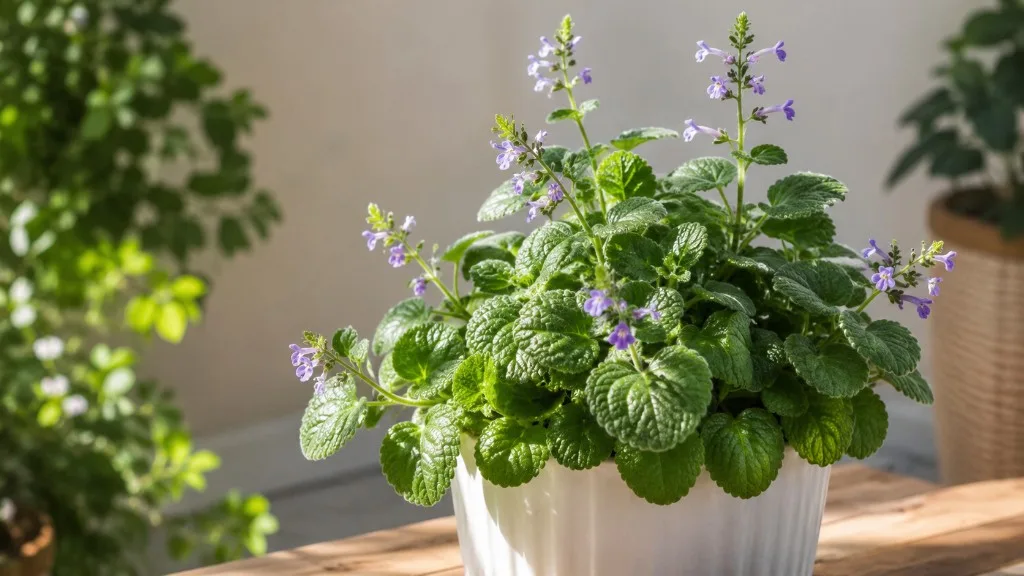
Swedish Ivy problems
Use the guides below to diagnose and fix common issues on Swedish Ivy. Each problem page explains why it happens on this species and what to do first.
Or use our problem diagnosis tool to narrow down symptoms.
Common problems on Swedish Ivy
Brown Leaves
MediumLikely cause: Mar 1, 2026 · If you’re reading this, chances are you’re facing the same issue with your beloved Swedish Ivy . Don’t worry; it happens to the best of us! Let’s explore the common reasons why your Swedish Ivy ’ s leaves might be turning brow
Quick fix: Confirm diagnosis on your Swedish Ivy, then address the most likely care or pest factor described in current extension guidance.
Full fix guide →Black Spots
MediumLikely cause: Aug 8, 2025 · Swedish Ivy thrives in bright, indirect light. Too much direct sunlight can scorch leaves, causing them to bleach or develop brown spots . Insufficient light often results in leggy growth and pale foliage. Move the plant to a
Quick fix: Confirm diagnosis on your Swedish Ivy, then address the most likely care or pest factor described in current extension guidance.
Full fix guide →Caterpillars
MediumLikely cause: Jul 25, 2023 · If you notice caterpillars on your Swedish Ivy plant, it is essential to take immediate action to prevent further damage. Here are some natural methods you can employ to get rid of these pests:
Quick fix: Confirm diagnosis on your Swedish Ivy, then address the most likely care or pest factor described in current extension guidance.
Full fix guide →Aphids
MediumLikely cause: Pests: * Plectranthus australis * can be susceptible to pests such as spider mites, mealybugs, and aphids . Inspect the plant regularly for signs of infestation, such as webbing, sticky residue, or visible insects.
Quick fix: Confirm diagnosis on your Swedish Ivy, then address the most likely care or pest factor described in current extension guidance.
Full fix guide →Cold Damage
MediumLikely cause: Aug 13, 2025 · Swedish Ivy is sensitive to cold, and prolonged exposure to low temperatures can cause significant damage . While it can tolerate brief periods as low as 50°F (10°C), temperatures consistently below this threshold will stress
Quick fix: Confirm diagnosis on your Swedish Ivy, then address the most likely care or pest factor described in current extension guidance.
Full fix guide →Deformed New Growth
MediumLikely cause: Aug 8, 2025 · When Swedish Ivy leaves lose turgidity, they may hang limply. Stems might also appear soft and unable to support the foliage. This drooping can affect individual leaves or the entire plant. A lack of new growth or unusually sm
Quick fix: Confirm diagnosis on your Swedish Ivy, then address the most likely care or pest factor described in current extension guidance.
Full fix guide →Distorted Leaves
MediumLikely cause: Sep 29, 2024 · Watering issues are common with Plectranthus, and identifying them is crucial. Overwatered plants show yellowing leaves , mushy stems, and may develop root rot, while underwatered plants exhibit wilting leaves , dry soil, and
Quick fix: Confirm diagnosis on your Swedish Ivy, then address the most likely care or pest factor described in current extension guidance.
Full fix guide →Crispy Leaves
MediumLikely cause: Aug 8, 2025 · Overwatering is a common problem for Swedish Ivy , often leading to yellowing leaves and a mushy stem base, indicating root rot. Conversely, underwatering causes leaves to crisp at the edges and eventually droop.
Quick fix: Confirm diagnosis on your Swedish Ivy, then address the most likely care or pest factor described in current extension guidance.
Full fix guide →Damaged Roots
MediumLikely cause: Jun 17, 2024 · Root rot in Swedish Ivy doesn't have to be a death sentence. First step: suit up with sterilized scissors. Snip away the mushy, discolored roots with the precision of a bonsai master. Remember, healthy roots are your allies,
Quick fix: Confirm diagnosis on your Swedish Ivy, then address the most likely care or pest factor described in current extension guidance.
Full fix guide →Draft Stress
MediumLikely cause: Jan 17, 2026 · Temperatures below 50°F (10°C) can cause stress or damage, so keep the plant away from cold drafts or exterior doors. While the Swedish Ivy tolerates typical indoor humidity, it benefits from moderate levels, especially in dr
Quick fix: Confirm diagnosis on your Swedish Ivy, then address the most likely care or pest factor described in current extension guidance.
Full fix guide →Exposed Roots
MediumLikely cause: Jun 8, 2022 · They are shallow- rooted plants, appreciating adequate water but can tolerate short periods of drought since they store water in their stems. They are easily propagated and only require pruning for cosmetic reasons. Some Plect
Quick fix: Follow extension or botanical guidance for Swedish Ivy exposed roots; adjust care before applying broad treatments.
Full fix guide →Faded Leaves
MediumLikely cause: Aug 8, 2025 · The most common disease affecting Swedish Ivy is root rot, caused by overwatering. Symptoms include wilting, yellowing leaves , and a soft, mushy stem at the soil line.
Quick fix: Confirm diagnosis on your Swedish Ivy, then address the most likely care or pest factor described in current extension guidance.
Full fix guide →Likely cause: May 11, 2025 · Swedish ivy produces small, tubular, pale purple or white flowers in the spring or summer. However, they are short-lived and should be pruned away after the blooms fade to encourage the plant stems to branch out and keep the
Quick fix: Follow extension or botanical guidance for Swedish Ivy faded flowers; adjust care before applying broad treatments.
Full fix guide →Dry Hydrophobic Soil
MediumLikely cause: May 11, 2025 · While Swedish ivy can survive neglect and tolerate drought , it will look its healthiest with consistently moist, well-draining soil . Overwatering can cause root rot. A constant room temperature between 60°F and 75°F is idea
Quick fix: Follow extension or botanical guidance for Swedish Ivy dry hydrophobic soil; adjust care before applying broad treatments.
Full fix guide →Drooping Leaves
MediumLikely cause: Sep 29, 2024 · By following these steps, you can effectively treat droopy leaves and restore your Plectranthus to its vibrant self. Next, let’s explore how to prevent droopy leaves from becoming a recurring issue.
Quick fix: Confirm diagnosis on your Swedish Ivy, then address the most likely care or pest factor described in current extension guidance.
Full fix guide →Leaf Drop
MediumLikely cause: Leaf Drop : Sudden changes in temperature or light can cause leaf drop . Avoid placing the plant in drafty areas or exposing it to extreme temperature fluctuations.
Quick fix: Confirm diagnosis on your Swedish Ivy, then address the most likely care or pest factor described in current extension guidance.
Full fix guide →Leggy Growth
MediumLikely cause: Insufficient light or lack of pruning.
Quick fix: Move to brighter light and pinch tips regularly.
Full fix guide →Likely cause: Overwatering.
Quick fix: Allow soil to dry slightly between waterings.
Full fix guide →Brown Tips
MediumLikely cause: Brown tips on Swedish Ivy are usually environmental-tap-water minerals, salt buildup from fertilizer, or uneven watering-not a disease. First step: switch to filtered or rested tap water and water onl
Quick fix: See plant-specific guide for step-by-step fixes.
Full fix guide →Fungus Gnats
MediumLikely cause: Fungus gnats on Swedish Ivy almost always mean the top of the potting mix stays wet too long-often from watering before the top inch dries. First step: stop watering until the top 1–2 inches of mix ar
Quick fix: See plant-specific guide for step-by-step fixes.
Full fix guide →Low Humidity
MediumLikely cause: Low humidity rarely hurts Swedish Ivy-it grows well at average household humidity. If leaf edges crisp in dry winter heat, check watering rhythm and tap-water salts before trying to raise humidity.
Quick fix: See plant-specific guide for step-by-step fixes.
Full fix guide →Mealybugs
MediumLikely cause: Mealybugs on Swedish Ivy show up as white cottony masses in leaf axils and along trailing stems-UF/IFAS notes this species is often the first plant in a room to attract them. First step: isolate the p
Quick fix: See plant-specific guide for step-by-step fixes.
Full fix guide →Mold on Soil
MediumLikely cause: White or gray fuzz on Swedish Ivy soil usually means the surface stays wet too long-not a disease attacking the leaves. Scrape off the mold, let the top inch of mix dry completely, and adjust watering
Quick fix: See plant-specific guide for step-by-step fixes.
Full fix guide →Not Enough Light
MediumLikely cause: Swedish Ivy needs bright indirect light year-round-not a dim hallway or north-facing corner far from the glass. When light is too weak, stems stretch, leaves pale, and soil stays wet longer. First ste
Quick fix: See plant-specific guide for step-by-step fixes.
Full fix guide →Overwatering
MediumLikely cause: Overwatering on Swedish Ivy usually shows as yellowing leaves, limp vines, and wilting even while the mix is wet. First, stop watering and empty any standing water, then confirm with pot weight, top-i
Quick fix: See plant-specific guide for step-by-step fixes.
Full fix guide →Root Rot
MediumLikely cause: Root rot on Swedish Ivy starts when trailing stems sit on wet mix or the basket stays saturated too long. Stop watering, check stem bases for softness, unpot if the mix smells sour, and trim mushy roo
Quick fix: See plant-specific guide for step-by-step fixes.
Full fix guide →Slow Growth
MediumLikely cause: Slow growth on Swedish Ivy is usually too little light, a root-bound pot, or normal winter quiet-not disease. Move to bright indirect light first. Resume spring watering and light feeding only after n
Quick fix: See plant-specific guide for step-by-step fixes.
Full fix guide →Spider Mites
MediumLikely cause: Spider mites on Swedish Ivy show as pale stippling and fine silk on glossy trailing stems, especially in hot dry window air. First step: move the plant away from neighbors and rinse leaf undersides th
Quick fix: See plant-specific guide for step-by-step fixes.
Full fix guide →Underwatering
MediumLikely cause: Swedish Ivy underwatering shows as limp, thin leaves and a very light pot when the top inch of mix has been dry too long-especially in bright hanging baskets. First step: water deeply until excess dra
Quick fix: See plant-specific guide for step-by-step fixes.
Full fix guide →Wilting
MediumLikely cause: Wilting on Swedish Ivy is acute collapse-whole runners hang limp when roots cannot keep fleshy leaves firm. Lift the pot and check the top inch of mix before you water: light and dry means rehydrate;
Quick fix: See plant-specific guide for step-by-step fixes.
Full fix guide →