Spider Mites on Swedish Ivy: Causes, Checks & Fixes
Quick answer
Spider mites on Swedish Ivy show as pale stippling and fine silk on glossy trailing stems, especially in hot dry window air. First step: move the plant away from neighbors and rinse leaf undersides thoroughly before applying any spray.
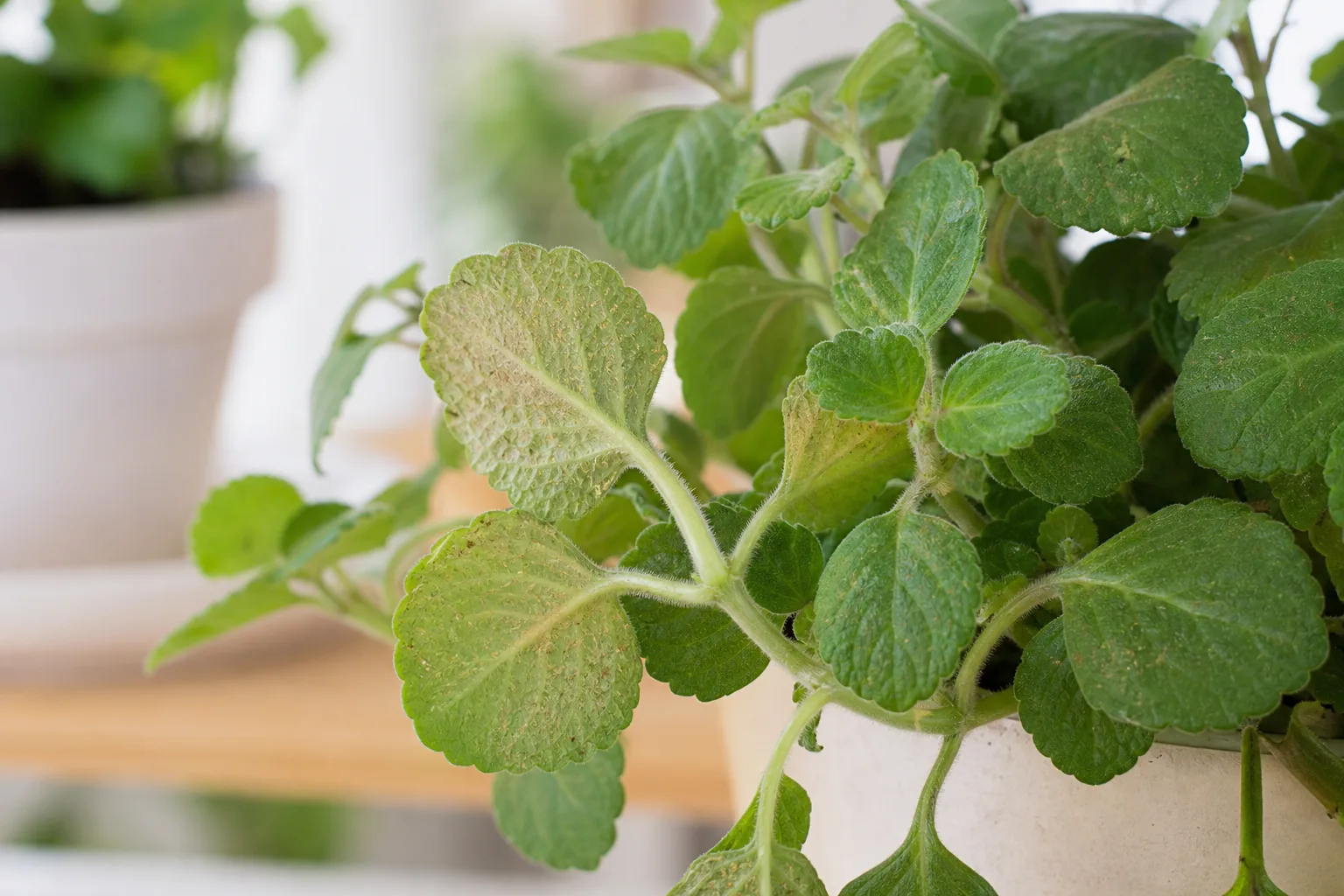
Spider Mites on Swedish Ivy: Causes, Checks & Fixes
This guide covers spider mites on Swedish Ivy. See also the general Spider Mites guide, watering, and light pages for this plant.
Spider Mites on Swedish Ivy: Causes, Checks & Fixes
Quick answer
Spider mites on Swedish Ivy (Plectranthus australis) almost always show up where the plant is warm, bright, and dry-exactly the microclimate around a south- or west-facing window where trailing stems look their best. The mites are tiny arachnids, not insects; they pierce leaf cells and suck sap, leaving pale stippling that stands out on glossy, scalloped foliage before the whole runner turns dull or bronze.
First step: isolate the basket and rinse every leaf underside under lukewarm water. Swedish Ivy is pet-safe and tough enough to handle a thorough shower, but you need to knock live mites and webbing off before reaching for soap or oil. One rinse does not finish the job-eggs hatch on a cycle, so plan on repeated washes or labeled sprays until new growth stays clean.
What spider mites look like on Swedish Ivy
Early damage is easy to miss on a busy hanging basket because the worst feeding happens under the leaves, not on the glossy surface you see from across the room.
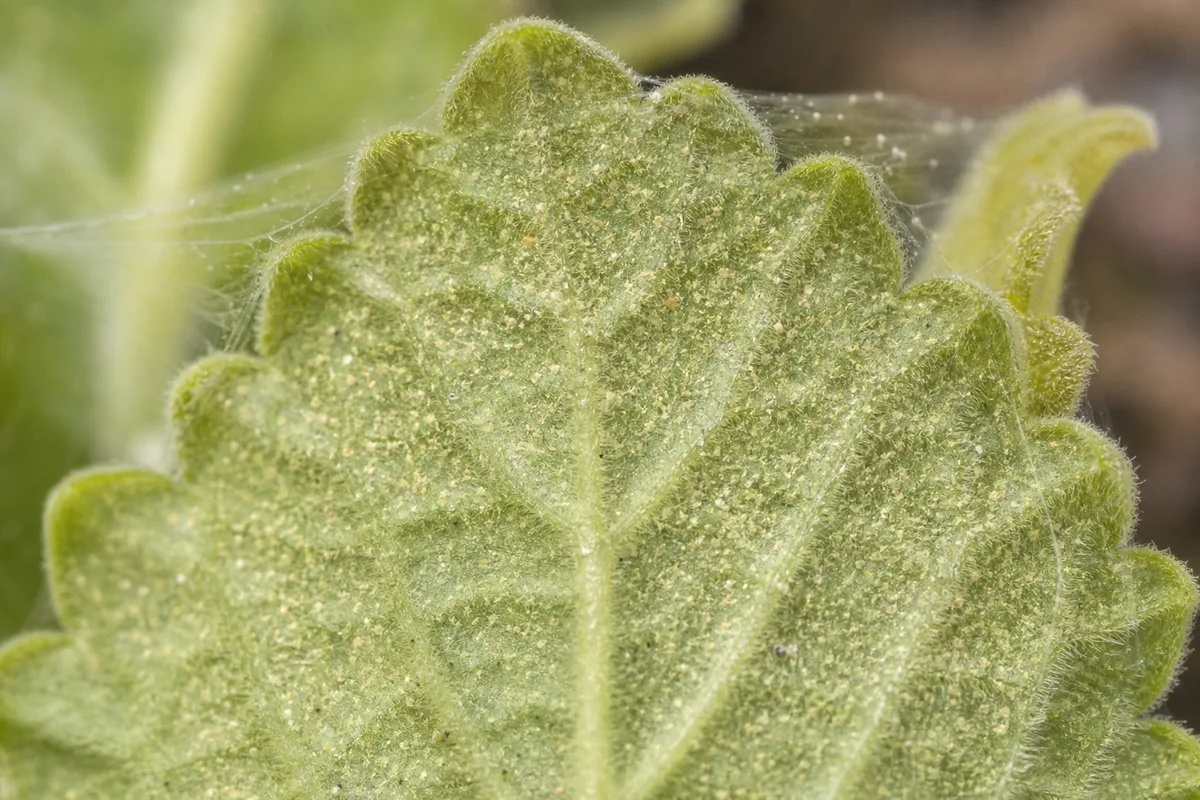
Spider Mites symptoms on Swedish Ivy - compare with healthy tissue on the same plant.
Typical mite signs on Swedish Ivy:
- Fine yellow or white speckles scattered across leaf surfaces, like someone pricked the tissue with a pin
- Leaves losing their shine and turning dusty, dull, or bronze while stems still feel firm
- Fine silk webbing at leaf axils, stem tips, or between overlapping runners-not the thick webs of true spiders
- New tips on infested stems growing slowly, curled, or smaller than healthy side shoots
- Moving pepper-grain specks when you tap a stem over white paper
Swedish Ivy’s fast, trailing growth gives mites plenty of real estate. A colony often starts on the outer runners closest to the glass, then spreads inward along stems that touch neighboring leaves or pots.
What mites are not:
- Underwatering crisps leaf edges and wilts whole stems when the top inch of mix has been dry for days-but you will not see silk or moving dots on paper
- Mealybugs leave cottony white clumps at nodes; UF/IFAS notes mealybugs often hit Swedish Ivy first in a room, so check for both when you see pale foliage
- Normal winter rest may slow growth, but healthy leaves stay evenly green without stippling
Why Swedish Ivy gets spider mites
Swedish Ivy is marketed as easy-and it is-but that trailing habit creates mite-friendly conditions indoors.
Bright window heat. The plant wants Swedish Ivy light guide and grows fastest near windows. That same spot becomes a hot, dry pocket when winter heating runs, exactly what spider mites prefer. Extension guidance consistently links indoor mite outbreaks to warm air with low humidity.
Lots of leaf surface on one pot. A single hanging basket can carry yards of stem. More leaves mean more feeding sites, and overlapping runners let mites walk silk bridges from one section to another without you noticing.
Moderate Swedish Ivy watering guide. Swedish Ivy likes the top inch of soil to dry between drinks. Letting the whole pot go chronically dry while the foliage sits in hot air stresses the plant; drought-stressed hosts show mite damage faster than evenly watered ones. This is not a call to keep soil wet-soggy mix causes root rot-but bone-dry stress plus dry air invites mites.
Crowded displays. Trailing stems resting on a shelf, touching a pothos, or brushing a window screen give mites a highway to the rest of your collection.
Missouri Botanical Garden lists spider mites among pests to watch for on Plectranthus australis, and UF/IFAS describes pale leaves with webby undersides as the classic Swedish Ivy mite pattern-not a random houseplant problem.
How to confirm the cause
Work through these checks in order:
- Paper tap test - Hold white paper under a suspect runner and tap the stem sharply. Slow-moving specks confirm live mites better than guessing from color alone.
- Underside inspection - Lift trailing stems and look at the backs of leaves with a hand lens or phone macro mode. Stippling concentrates where sap was drained; webbing often starts at petiole joints.
- Warm-side comparison - Compare outer window-facing runners with inner shaded stems. Mites usually hit the warm side first on Swedish Ivy baskets.
- Webbing check - Fine silk at tips or between stems confirms an established colony, not just early feeding.
- Watering cross-check - Stick a finger into the top inch of mix. If it is parched and leaves are crispy without stippling or mites on paper, consider drought-but if speckling and silk are present, treat for mites regardless of soil moisture.
- Neighbor scan - Inspect pots whose leaves touch the basket or sit on the same sill. Mites spread before every plant shows webbing.
If stippling is uniform, no specks move on paper, and undersides are clean, look at light or watering stress instead. If any step confirms mites, skip fertilizer and Swedish Ivy repotting guide until the population is under control.
First fix for Swedish Ivy
Move the plant away from all other houseplants and rinse the entire basket under lukewarm water, targeting leaf undersides and stem axils.
Use a sink sprayer or shower head on moderate pressure. Support the pot so mix does not turn to mud-tilt slightly and avoid flooding the soil repeatedly in one session. Let foliage dry in bright indirect light the same day.
This single step physically removes mites, webbing, and dust that hide colonies. Do not spray insecticide on dry, dusty leaves without washing first-you will miss mites tucked under overlapping runners.
Because Swedish Ivy is non-toxic to cats and dogs, rinsing indoors is safer than with many toxic houseplants, but still wash hands after handling heavy webbing.
Step-by-step recovery
After the initial isolation rinse:
- Repeat water rinses every two to three days for two weeks if the infestation is light and you can thoroughly wet undersides each time.
- Apply insecticidal soap or horticultural oil labeled for mites if stippling spreads after several rinses. Cover undersides completely; mites must be hit directly. Repeat on a four- to seven-day interval for at least three cycles to catch newly hatched nymphs.
- Test a small section first on variegated cultivars-soaps can spot sensitive foliage in direct sun.
- Prune the worst runners if webbing covers most of a long stem and spray cannot reach the interior. Cut back to healthy tissue with clean scissors; Swedish Ivy will branch from nodes below the cut.
- Raise humidity modestly near the plant-a pebble tray or grouping pots helps, but do not enclose the basket in stagnant plastic. Air movement matters on trailing plants.
- Adjust placement - Move the basket slightly back from the hottest glass or away from heating vents while treating. You can return it after new growth stays clean for two weeks.
- Scout neighbors weekly with the paper tap test even if they look fine. Mites travel before webbing shows on every plant.
Hold fertilizer until new tips look normal for two weeks. Feeding a mite-stressed plant pushes tender growth mites prefer.
Recovery timeline
Light infestations often show cleaner new tips within one to two weeks of consistent rinsing. Moderate cases needing soap or oil commonly take three to four weeks with label-interval repeats-one application rarely clears eggs.
Old stippled leaves do not revert to glossy green; they may drop or stay bronzed until you trim them. Judge success by unmarked new leaves on pinched-back stems and no fresh webbing at axils.
Severe defoliation on one side of a basket can look dramatic, but firm stems and white roots in moist (not soggy) mix mean the plant can refill from nodes. If most runners are webbed and new tips keep failing after a full treatment course, propagate clean tip cuttings into water or fresh mix and discard the parent to protect the rest of the room.
Lookalike symptoms to rule out
Chronic underwatering wilts whole sections and crisps margins when the pot has been light and dry for days. No moving specks, no silk.
Mealybugs show white cottony masses at stem joints. Sticky residue can appear, but stippling without cottony clumps points to mites.
Low light fade bleaches entire leaves evenly toward the soil side of a dark room-not speckled pinprick damage on window-facing runners.
Root rot from overwatering causes soft stems at the soil line and sour-smelling mix, with yellowing that starts low-not stippling confined to outer sunny stems.
Normal trichome texture on mint-family stems can feel slightly rough; mite damage adds visible speckles and webbing, not just texture.
Mistakes to avoid
Do not treat only the top surface of leaves-mites live and feed under Swedish Ivy’s glossy blades.
Do not stop after one soap spray when stippling stops spreading. Eggs survive; outbreaks return within a week if you quit early.
Do not blast the plant with horticultural oil in direct midday sun on a window sill-leaf burn on trailing baskets is common.
Do not hang the treated basket back among neighbors the same day. Keep isolation until at least one full treatment cycle completes with no new webbing.
Do not assume a dry pot caused the speckles and soak heavily-wet soil plus weakened foliage invites root problems without fixing mites.
Do not compost heavily infested trimmings near outdoor beds; bag and discard them.
Swedish Ivy care cross-check
While treating mites, keep the basics steady:
- Light: Bright indirect light is still correct-just avoid the hottest glass contact until the colony is gone.
- Water: Water when the top inch of mix dries; avoid long drought cycles that stress runners in dry air.
- Air: Trailing baskets need space between stems and walls so rinsed foliage dries and you can inspect undersides.
- Pruning: Pinching tips after recovery restores bushiness on leggy stems that lost lower leaves to mites.
Fix the pest first, then adjust placement or watering if the basket was sitting in a chronic hot-dry pocket.
How to prevent spider mites next time
Prevention on Swedish Ivy is mostly environment and scouting, not pesticide on a schedule.
- Rinse foliage monthly in winter when indoor air is driest; UF/IFAS recommends periodic washing for this plant.
- Quarantine new baskets two to three weeks before mixing them into a trailing display.
- Keep slight space between hanging pots so runners do not touch.
- Scout the warmest window ledge first each week-a quick paper tap on outer stems catches colonies before webbing blankets the basket.
- Maintain even moisture without overwatering; stressed dry plants in hot air invite mites faster than firm, evenly watered ones.
Spider mites will always be a risk on fast-growing trailing houseplants in heated rooms. Catching stippling on one runner early saves weeks of cascade growth.
When to worry
Escalate or consider discarding the parent plant if:
- Webbing covers most of the basket and new tips keep dying through three labeled spray cycles
- Multiple plants on the same sill show stippling despite isolation attempts
- Stems go soft at the base while mix stays wet-that is rot, not mites; do not keep soaking
- You cannot physically reach all undersides on a dense mat of runners-take clean cuttings and start fresh rather than reinfecting the room
Most Swedish Ivy baskets recover with isolation, repeated rinsing, and timed soap or oil applications. The leaves that were stippled may never look perfect again, but new trailing growth can refill the pot within a season if you stay consistent past the first visible improvement.
When to use this page vs other Swedish Ivy guides
- Swedish Ivy watering guide - Use for routine moisture checks before assuming spider mites is the main issue.
- Swedish Ivy problems hub - Browse all 18 common issues on this species.
- Leaf Drop on Swedish Ivy - Different entry point when symptoms overlap with spider mites.