Slow Growth on Swedish Ivy: Causes, Checks & Fixes
Quick answer
Slow growth on Swedish Ivy is usually too little light, a root-bound pot, or normal winter quiet-not disease. Move to bright indirect light first. Resume spring watering and light feeding only after new tips appear.
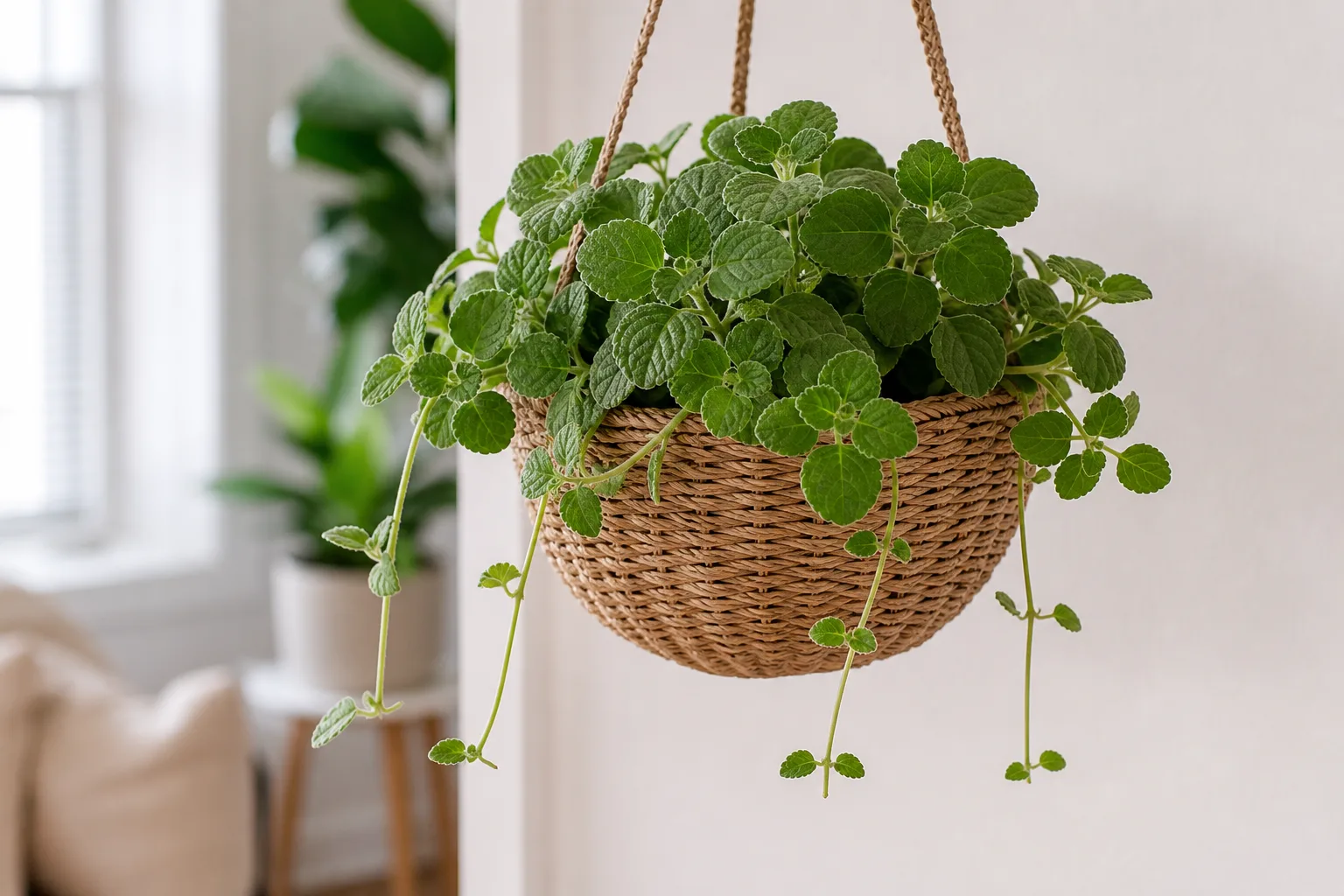
Slow Growth on Swedish Ivy: Causes, Checks & Fixes
This guide covers slow growth on Swedish Ivy. See also the general Slow Growth guide, watering, and light pages for this plant.
Slow Growth on Swedish Ivy: Causes, Checks & Fixes
Quick answer
Swedish Ivy (Plectranthus australis, often sold interchangeably with P. verticillatus) is a fast-growing trailing houseplant when conditions are right. In spring and summer, healthy baskets often push new runners every few weeks. If yours barely adds length through a full warm season, the usual limiters are too little light, a root-bound pot, or the quiet period after winter-not a mysterious disease.
First step: move the plant to the brightest indirect spot you have and watch for new stem tips over the next two to three weeks. Do not fertilize, repot, or increase watering on day one. Fix light first, then adjust water and pot size only after you confirm stems are firm and the soil dries at a normal pace. For measurable window placement and grow-light specs, see the Swedish Ivy light guide.
Scope check: This page owns stall pace-when the whole basket stops adding runner tips. If your main complaint is pale stretch with long gaps between leaves, use not enough light on Swedish Ivy. If stems are stretching but tips still appear, use leggy growth on Swedish Ivy. Winter quiet with firm stems is normal here; chronic spring silence is not.
Is this slow growth or something else?
Swedish Ivy problem pages overlap because weak light affects growth speed, spacing, and color at once. Use this quick decision tree before stacking fixes:
| Your main symptom | Likely issue | Start here |
|---|---|---|
| No new runner tips through a warm season; plant looks static | True slow growth / stall | This page |
| Long gaps between leaves, pale washout, soil stays wet weeks | Low light etiolation | Not enough light |
| Tips still grow but internodes are long and crown is bare | Leggy stretch + skipped pinching | Leggy growth |
| Firm stems, little change Nov–Feb only | Winter rest | Wait for spring light |
| Soft stem bases, sour soil, yellow lower leaves | Root failure | Root rot |
| Blooms faded or absent while runners still trail | Flower issue, not stall | Faded flowers |
This slow-growth page focuses on runner-tip rhythm and basket vigor. Placement mechanics, lux-style targets, and crown-vs-tips light gradients live in the light guide. Dry-down rhythm and winter watering reduction live in the watering guide.
What slow growth looks like on Swedish Ivy
Healthy Swedish Ivy in active growth pushes new runners every few weeks in spring and summer. Leaves stay glossy green, internodes stay relatively short, and the basket gains visible length month over month. That pace is what you should expect from this species-not the near-dormant rhythm of a succulent.
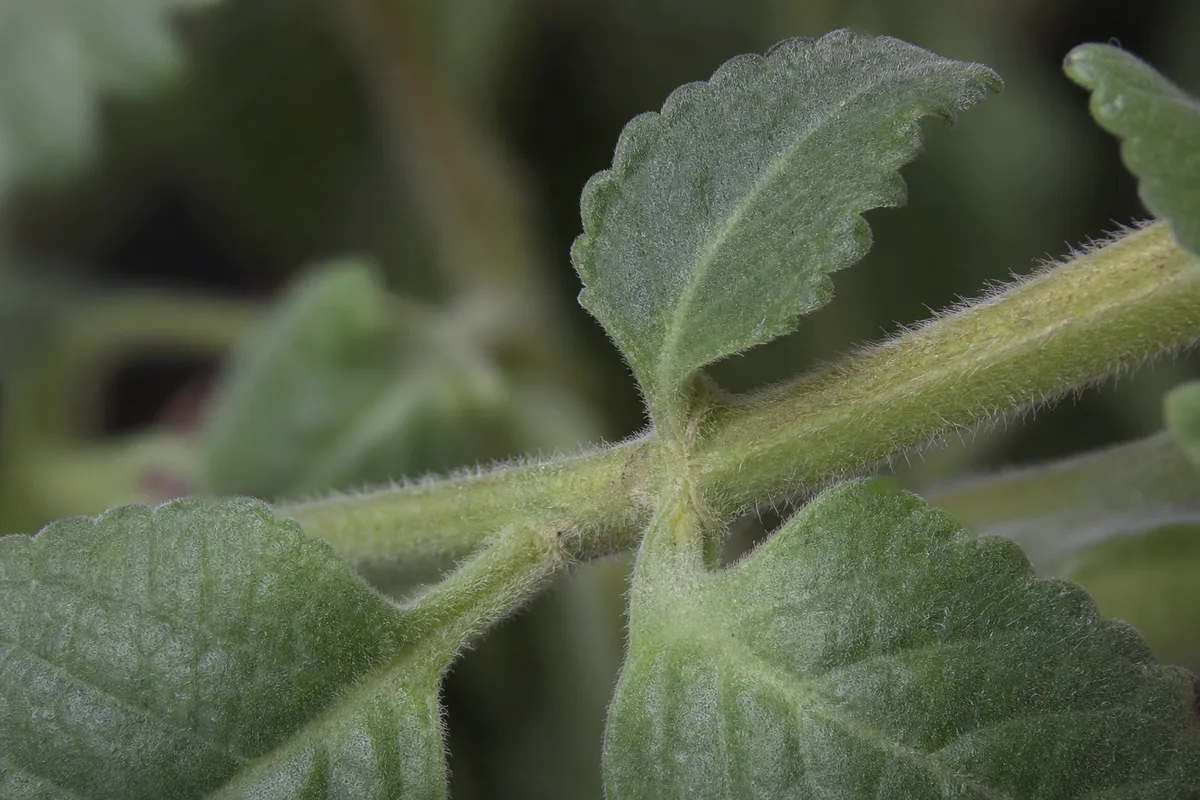
Slow Growth symptoms on Swedish Ivy - compare with healthy tissue on the same plant.
Normal slow growth looks like this:
- Firm stems with no soft spots at the soil line
- A quiet pause through winter when light is weak and temperatures dip
- Occasional new tips once days lengthen, even if the plant looks mostly static for a few weeks after winter
Problem slow growth looks different:
- No new runners through an entire warm spring despite stable care
- Long gaps between small pale leaves on stretched stems
- Soil that stays wet for a week or more while the plant adds almost nothing
- Water running straight through a crowded root ball with little absorption
- Soft, mushy stem bases with yellowing lower leaves-often a root issue, not simple sluggishness
Compare your plant to how Swedish Ivy normally behaves in a bright hanging basket, not to slow-growing foliage plants like ZZ plant or snake plant.
Annotated recovery example
In a documented March placement test, a Swedish ivy basket hung in a north-facing alcove 2 m from the only window added zero new runner tips over eight weeks despite weekly watering. Stems stayed firm and leaves held color-the plant looked “fine” while producing almost no new tissue, a pattern shallow-root crowding and dim placement share.
On March 15, the basket moved to an east windowsill within 60 cm of the glass. Room temperature held 20–22°C. The first new tip appeared March 28 (day 13). A tape-marked runner showed measurable length by week six. Watering shifted from roughly every 10 days to every 5–6 days as brighter light increased dry-down-see the watering guide for basket rhythm after any light upgrade. Old pale sections along pre-move runners did not shorten; only new tips confirmed the fix.
Why Swedish Ivy grows slowly
Insufficient light is the top indoor limiter
Swedish Ivy prefers bright light indoors. In dim corners, photosynthesis drops, internodes stretch toward light, and new tips appear rarely even when watering looks correct. Low light also slows water use, which keeps mix wet longer and can trigger hidden root stress that further stalls growth.
On this species, a hanging basket crown often sits below the window line while trailing tips reach brighter air. The cascade can look acceptable while the crown and soil zone receive a fraction of the light at the glass-stall disguised as a healthy trailer. The light guide covers crown-vs-tips diagnosis and grow-light distance when windows are not enough.
Winter rest is normal
During winter, Swedish Ivy can tolerate brief exposure to cooler temperatures and naturally grows less when daylight is short. A few weeks of little new growth after the heating season ends is not automatically a crisis-especially if stems stay firm and leaves hold their color.
Root-bound pots restrict uptake
Swedish Ivy has relatively shallow roots that appreciate room to spread. When roots circle densely inside a small basket, the plant may stay alive but add little new tissue. Water may pour through the root mass without evenly moistening it-mimicking drought while the soil surface stays damp. That channeling pattern is common on root-bound trailers and is not fixed by soaking again. Slide the root ball out before assuming underwatering; see repotting for spring timing.
Chronic overwatering steals energy
Trailing stems in weak light use less water. If you keep watering on a summer schedule through winter or in a dim room, roots can rot slowly. The plant looks merely sluggish while stem bases soften-easy to misread as a light-only problem. Escalate to overwatering and root rot when soil stays heavy and bases go mushy.
Nutrient gaps matter only after basics are right
Depleted potting mix can produce pale, small new leaves-but fertilizer cannot fix dim light or rotting roots. Feed only when light is adequate and stems are firm. Timing and half-strength rates sit in the fertilizer guide.
Recent repotting or a cold draft can pause growth temporarily
A plant moved to a much larger pot, chilled below its comfort range, or stressed by a sudden location change may sit idle for several weeks before resuming. That pause is temporary if the underlying condition is corrected. Draft stress and post-repot rest can look like slow growth for a few weeks without being a full-season stall.
How to confirm the cause
Work through these checks in order:
- Season check - Note the calendar. Little growth from November through February in a temperate home is often normal. Little growth from April through August in bright weather is not.
- Light at the pot - Bright indirect light should reach the foliage for most of the day. North-facing rooms far from glass, interior hallways, and shelves deep in a room commonly explain chronic slow growth within weeks. Use the light guide if placement is the bottleneck.
- Stem firmness - Pinch a runner near the soil. Firm green tissue suggests care limits; soft mushy tissue suggests rot or severe overwatering.
- Soil moisture rhythm - Water when the top inch of mix feels dry. If the top stays wet for many days while growth is zero, light is probably too low-or drainage is failing.
- Root inspection - Slide the root ball out gently. Dense white roots circling the pot wall point to root-bound conditions. Brown mushy roots with sour smell point to rot-related stagnation.
- Pest scan - Check leaf undersides for webbing, cottony mealybug patches, or sticky residue. Low-level infestations drain vigor before obvious leaf damage appears. See spider mites and mealybugs if confirmed.
If light is weak, stems are firm, and soil dries at a reasonable pace, low light is the most likely bottleneck. If soil stays soggy and stems soften, inspect roots before moving the plant to brighter light.
First fix for Swedish Ivy
Move the plant to brighter indirect light over one to two weeks.
Shift it closer to an east- or west-facing window, or to the sunniest indirect spot in the room. If coming from deep shade, increase exposure gradually so leaves do not scorch. Outdoors, Swedish Ivy needs shade-direct sun burns foliage-but indoors it wants strong indirect brightness. Window distance, acclimation, and supplemental LEDs are covered in the Swedish Ivy light guide.
Once new tips appear in spring or after a light upgrade, resume watering when the top inch of mix dries and apply diluted balanced fertilizer at half strength once monthly during active growth only. Repot in spring if roots were circling heavily-but not on the same day you fix light.
Step-by-step recovery
After improving light:
- Track new tips weekly - Mark a runner with a piece of tape and measure whether it adds length. Visible progress within two to four weeks in warm months confirms the bottleneck was environmental.
- Match watering to dry-down - In better light, mix dries faster. Check the top inch before every watering rather than following a fixed calendar. Details sit in the watering guide.
- Pinch stem tips - Remove the growing tip just above a leaf pair on leggy runners once new growth resumes. Pinch back stems to encourage branching and a fuller cascade. Cut placement on square stems is in the pruning guide.
- Repot if root-bound - Move up one pot size in spring using well-draining houseplant mix and a drainage hole. Do not jump to an oversized container hoping for faster growth.
- Feed lightly during active growth - Use balanced liquid fertilizer at half strength monthly from spring through summer. Stop if the plant is stressed, newly repotted, or not producing new tips.
- Treat pests if found - Rinse leaf undersides and apply insecticidal soap on label intervals if mealybugs or spider mites are confirmed. Pests must be cleared before expecting normal growth speed.
If stems are soft and roots are brown, skip fertilizer and repotting until you trim damaged roots and let the plant stabilize in fresh mix. If the crown is too compromised, salvage healthy runners via the propagation guide.
Recovery timeline
After a light upgrade in spring, many Swedish Ivy baskets show new tips within two to three weeks. Measurable runner length often follows within four to six weeks when temperatures stay in the comfortable indoor range.
Winter improvements may take longer-sometimes until late February or March when daylight lengthens. Root-bound plants repotted in spring may pause two to three weeks before growth resumes; judge success by firm new tips, not immediate length.
Old pale stretched sections do not shorten on their own. New growth after better light will look tighter; prune bare runners once the plant is stable if you want a fuller shape.
Lookalike symptoms to rule out
| Pattern | What it usually means | Where to go |
|---|---|---|
| No tips all warm season; firm stems | Light limit or root-bound basket | This page + light |
| Long internodes but tips still appear | Leggy stretch, not total stall | Leggy growth |
| Pale leaves, wet soil for weeks | Low light + slow water use | Not enough light |
| Quiet Nov–Feb only | Winter rest | Wait; recheck in March |
| Pause 2–3 weeks after repot | Transplant shock | Normal; see repotting |
| Soft bases, sour mix | Root rot | Root rot |
| Blooms absent; runners still grow | Nitrogen/light bloom issue | Faded flowers |
Leggy growth with some new tips - The plant is growing, just stretched. That is a light-and-pinching issue more than true stagnation. See whether internodes are long even when tips appear.
Wilting with dry soil - Underwatering causes collapse, not slow steady growth. Lift the pot; a very light container that wilts despite watering suggests drought stress. See underwatering.
Yellow leaves with wet soil - Points to overwatering or root rot, not simple low vigor. Slow growth here is a secondary sign; fix roots and watering before light alone.
No flowers - Bloom failure from too much nitrogen or insufficient light is separate from overall runner growth. A non-blooming but actively trailing plant may not need the same fix as a fully stalled basket.
Mistakes to avoid
Do not pour on fertilizer to force speed in dim light-that produces weak pale shoots without solving the real limiter.
Do not repot into a huge pot hoping for a growth spurt. Oversized containers stay wet and can slow roots further.
Do not keep winter watering on a summer schedule in a dim room. Less growth means less water use.
Do not assume slow growth always needs more water. Soggy mix in low light is a common stall pattern on trailing houseplants.
Do not confuse water running straight through a root-bound basket with underwatering-check root density before soaking again.
Do not discard a quiet winter plant that has firm stems and normal leaf color-wait for spring light before major interventions.
Swedish Ivy care cross-check
Slow growth often means one pillar of the normal routine is out of sync:
- Light - Bright indirect exposure most of the day; poor fit for long-term low-light rooms. See light guide.
- Water - Top inch dry before watering; never let the pot sit in runoff. See watering guide.
- Temperature - Comfortable room range; avoid cold drafts below roughly 50°F for extended periods
- Soil - Well-draining potting mix; refresh when roots crowd or mix breaks down. See soil guide.
- Feeding - Light balanced fertilizer only during active growth with adequate light. See fertilizer guide.
When several factors are wrong at once, fix light first, then water, then pot size. Changing everything the same week makes it hard to see what helped.
How to prevent chronic slow growth
Hang Swedish Ivy where it receives strong indirect light year-round-not where it merely looks decorative. Rotate the basket weekly so all sides get brightness. Repot in spring when roots fill the container. Pinch tips during active growth to keep a full trailing shape. Scout leaf undersides monthly for mealybugs and spider mites so low-level pests never drain vigor silently.
When to worry
Investigate further if slow growth continues through a full warm season despite bright light, if stem bases stay soft after you corrected watering, or if yellow leaves spread while soil remains wet. Those patterns suggest root failure rather than a fixable care limiter-see root rot on Swedish Ivy. A plant with firm roots, adequate light, and still no tips after eight weeks in summer may need fresh mix or division-but discard only after confirming rot, not after a normal winter pause.
Conclusion
If your Swedish Ivy adds no new runner tips through an entire warm season despite firm stems, the bottleneck is almost always light energy or shallow-root crowding-not fertilizer hunger. Move to brighter indirect exposure, confirm firm stems and healthy roots, then adjust water, pinching, and repotting in that order. Normal winter quiet is expected; judge recovery by new tips, not old stretched runners. When symptoms overlap with sibling pages, follow the linked guide for the matching cause before stacking interventions.
Frequently asked questions
How can I confirm slow growth is a problem on Swedish Ivy?
Compare growth to the season. No new tips through an entire warm spring with adequate light is a problem. No growth in winter after temperatures drop is normal for this trailer.
What should I check first for slow Swedish Ivy growth?
Count bright indirect light hours at the pot, whether winter just ended, pot size relative to circling roots, and whether runners look pale, firm, or soft at the base.
Why does my Swedish ivy survive in a bright room but never trail longer?
A room can feel bright while the basket sits too far from glass or the crown hangs below the light line. Root-bound shallow roots also let water channel through without uptake-firm stems, no new tips, and water running straight out often mean repot timing, not more water.
When is slow growth urgent on Swedish Ivy?
Slow growth paired with soft stem bases, sour soil, or declining yellow leaves may signal root rot or chronic overwatering-not normal sluggishness. Inspect roots before fertilizing.
How do I prevent slow growth on Swedish Ivy?
Keep bright indirect light during active growth, repot in spring when roots fill the basket, pinch tips to encourage branching, and feed lightly only while new growth is active.