Syngonium Wendlandii Repotting: When and How to Do It
Syngonium Wendlandii Repotting: When and How to Do It
Syngonium Wendlandii Repotting: When and How to Do It
What Repotting Does for Syngonium wendlandii
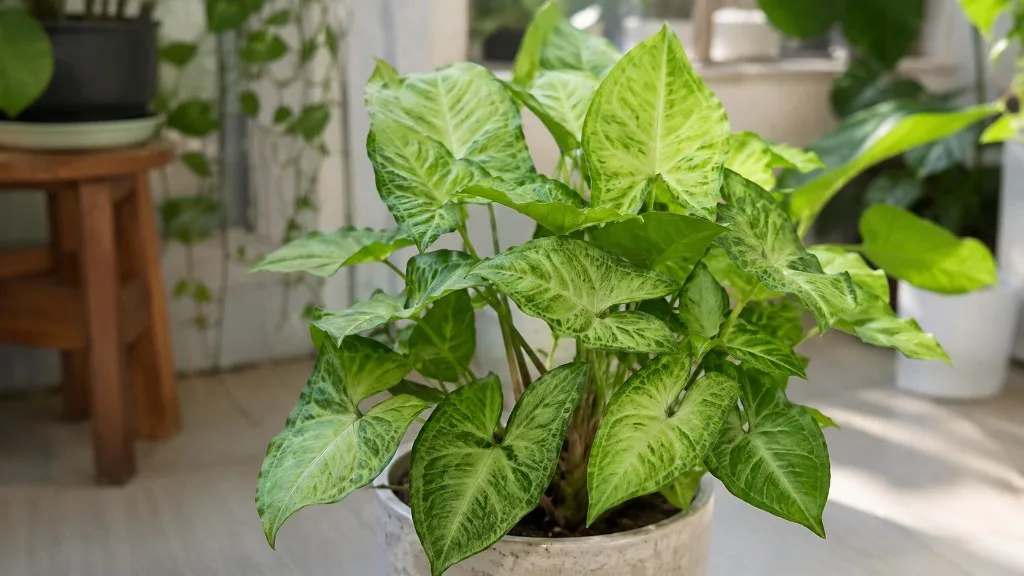
Syngonium Wendlandii repotting is a root-zone reset for a collector-favorite aroid—not a cosmetic pot upgrade. Syngonium wendlandii Schott, often sold as Wendland’s arrowhead, velvet arrowhead, or silver goosefoot, is a climber native to Costa Rica in the wet tropical forest understory. Indoors it is grown for velvety dark green leaves with a silver-white midrib and venation that reads almost metallic under good light. That foliage depends on a fibrous, relatively shallow root system you rarely see until watering rhythm changes or new leaves stop arriving.
When roots fill a container, they circle the pot wall, compress the mix, and reduce the soil’s ability to hold air and water predictably. Repotting gives those roots fresh, aerated aroid mix, corrects circling before it becomes structural, and resets a Syngonium Wendlandii watering guide that may have drifted out of sync with the plant’s size. The same procedure can refresh exhausted soil without upsizing—peat- and coco-based mixes break down over 12 to 24 months, collapsing air pockets and holding moisture differently than when new. A same-pot soil refresh solves compaction and salt buildup without adding wet volume the roots cannot use, a distinction many owners miss when they upsize on calendar habit rather than genuine crowding.
Repotting is also your best opportunity to inspect root health. Brown mushy tissue and sour-smelling mix often appear before leaf symptoms make the problem obvious, and catching rot during a planned spring repot is far easier than emergency surgery in winter. If you want the plant to climb, repotting is the ideal moment to anchor a moss pole at the bottom of the new container before roots spread—inserting support later means cutting through established roots and adding unnecessary stress on velvet leaves that bruise easily when bumped.
Why Wendlandii Repotting Differs From Generic Arrowhead Advice
Most repotting articles online target Syngonium podophyllum—the fast-growing pink- and cream-variegated arrowhead sold in every garden center. S. wendlandii is a different species with a narrower native range and a slower indoor growth rate. That matters for timing: Wendlandii often stays comfortable 18 to 24 months in the same pot where a vigorous podophyllum cultivar might need upsizing every 12 to 18 months. Rushing repot because a generic arrowhead calendar says so disturbs a plant that was not actually root-bound.
Wendlandii also carries textured, velvet-like leaf surfaces that scuff and crease when stems are yanked or leaves are crushed against the pot rim during a clumsy move. Handle stems near nodes, support the weight of foliage from below, and work on a clean surface where sap from cut tissue will not spread to upholstery. Like other Araceae members, the sap contains calcium oxalate crystals; the ASPCA lists arrowhead vine as toxic to cats and dogs, so keep the plant out of reach while soil and cut stems are exposed.
Finally, Wendlandii’s juvenile arrowhead leaves can mature into more lobed, divided foliage as the vine climbs—normal developmental morphology, not repot failure. Do not interpret a leaf-shape shift after repot as shock unless the plant also shows soft stems, progressive yellowing, or sour soil.
When to Repot Syngonium Wendlandii
Repot when the root zone is genuinely constrained or the soil system has failed—not because the nursery pot looks plain or because you saw a repotting tutorial on a slow weekend. The strongest triggers are visible root crowding, water behavior that no longer matches the plant’s size, and mix breakdown that creates chronic moisture errors. Severe root rot on Syngonium Wendlandii, a cracked pot, or hydrophobic soil that will not absorb water justify action even off-season, with longer recovery expected. For every other scenario, align repotting with active growth so S. wendlandii can rebuild fine roots quickly.
Spring Timing and the Active Growth Window
Spring through early summer—roughly March through June in the Northern Hemisphere—is the best time to repot Syngonium Wendlandii. Clemson Extension recommends repotting only as needed during spring and summer while plants are actively growing, and avoiding repot of dormant or stressed specimens. During this window Wendlandii is typically pushing new velvet leaves every two to four weeks under bright indirect light—slower than many podophyllum cultivars, but still signaling that root tissue is extending.
Avoid routine repotting in late fall and winter unless you face an urgent root-zone problem such as rot, a broken pot, or soil that has gone completely hydrophobic. A disturbed root system in that period may take six to ten weeks to re-establish rather than the three to five weeks common after a spring repot on this species. Wendlandii tolerates indoor temperatures between roughly 60 and 80°F (16 and 27°C), but cold drafts and repotting with near-freezing rinse water can trigger disproportionate shock regardless of species hardiness.
Do not repot a Syngonium Wendlandii the same week you bring it home. Wait two to three weeks minimum unless the plant is clearly root-bound in waterlogged nursery mix or showing active rot—many specialty growers recommend at least 14 days of acclimation before any repot. New purchases are still adjusting to your home’s light and humidity; stacking transport stress, acclimation, and root disturbance in one weekend is one of the most common reasons owners report wilting that lasts far longer than a normal spring repot would.
How Often Indoor Wendlandii Needs Repotting
A useful baseline: most actively growing indoor Syngonium Wendlandii need repotting every 18 to 24 months, while compact, heavily pruned tabletop specimens may go two to three years between upsizing events. Clemson Extension notes slow-growing houseplants may require repotting every two to three years, which aligns well with Wendlandii’s pace. Young plants in small nursery pots often hit the lower end of that range because even a slower aroid eventually outgrows a 4-inch starter.
Separate upsizing from soil refresh—even when the root ball still fits comfortably, refreshing the mix every two years replaces decomposed organic matter and accumulated fertilizer salts. NC State Extension notes repotting every few years and trimming the root system can keep Syngonium manageable—sound genus-level advice that applies equally to Wendlandii’s fibrous roots.
Wendlandii tolerates being slightly snug better than swimming in an oversized pot. A few roots visible at a drainage hole after 18 months is not an automatic emergency. Repot when crowding affects function—watering rhythm, growth rate, or root health—not when you simply notice roots exist. Top-dressing with an inch of fresh aroid mix in spring can extend the interval between full repots when the plant is healthy but the surface soil has compacted, though top-dressing does not solve circling roots at the pot wall.
Root-Bound Signs Worth Acting On
Root-bound means the root system has outgrown its container to the point where growth and water management suffer—not merely that you can see a few roots at the drainage hole or along the stem as aerial roots. Wendlandii naturally produces aerial roots along vining stems; those are climbing anchors, not evidence that the pot is too small. Snip them if you dislike the look, but do not repot solely because aerial roots appeared. Repot when two or more independent signs align during active growth season: physical evidence at the pot wall plus watering behavior that no longer makes sense plus stalled spring growth.
Physical Root Clues You Can Inspect
Lift the plant by tipping the container on its side and sliding the root ball free—never yank upward on velvet stems alone. Look for roots circling tightly around the outer edge in concentric rings, a solid root mat at the bottom, or roots growing horizontally across the top of the mix. External signs include multiple roots emerging from drainage holes and staying rigid when you tug gently, pots bulging or cracking from internal pressure, and water running straight through in seconds without the mix absorbing. When you slide the plant out, healthy roots are firm and whitish to pale tan; brown, slimy tissue indicates rot that must be corrected during repot, not transferred to a bigger pot.
Performance Symptoms on Velvet Foliage
Roots announce crowding through watering rhythm changes and growth patterns before the pot looks obviously too small. A Wendlandii that dries out much faster than it used to—needing water every few days when the same schedule used to last a week—often has a root-to-soil ratio shifted toward roots. Some bound plants also stay wet too long if the center has compacted, causing chronic wilt despite moist surface soil. Stalled new growth during spring and summer, smaller velvet leaves on elongated internodes, or fading silver venation can trace to root crowding, exhausted mix, or insufficient light—but rule out overwatering on Syngonium Wendlandii and check Syngonium Wendlandii light first.
Performance signs are most trustworthy when they persist after you stabilize light and watering for two to three weeks. A plant that loses contrast after you moved it to a dim corner is telling you about light, not necessarily about roots. A Wendlandii in stable bright indirect light that still dries in 48 hours and produces no new leaves through May is worth inspecting at the root ball.
Choosing the Right Pot Size and Depth
Giving a struggling velvet arrowhead “room to grow” in a much larger container frequently increases struggle because excess soil holds water the root system cannot use. Syngonium Wendlandii in an oversized pot sits in wet mix for days after each watering, fine roots suffocate, and the plant shows the same wilting and yellowing you were trying to fix. Correct pot size is slightly larger than the root ball, not slightly larger than your vision for how long the vine should become this year. Every new pot must have at least one drainage hole—decorative cachepots without drainage work only as outer shells if you remove the inner pot to water and empty runoff.
The One-Size-Up Rule for Shallow Roots
The safe rule is one pot size up—approximately 1 to 2 inches (2.5 to 5 cm) wider in diameter than the current container, matching Clemson Extension guidance for indoor repotting. A 4-inch nursery pot moves to 6-inch—not 8-inch. Until roots extend into new mix, that extra volume is unoccupied wet soil where anaerobic conditions develop while the surface looks merely moist. Root rot in week two after repot often traces to a pot two sizes too large, especially in plastic containers that dry slowly.
Depth matters differently for Wendlandii than for deep-rooted ficuses. Wendlandii’s roots stay relatively shallow and spreading; a wide shallow pot that anchors a moss pole without tipping often suits a climbing specimen better than an unnecessarily deep cylinder that holds a large wet zone below the root ball. If teased roots still fit the current pot with fresh mix around them, stay in the current pot—upsizing is for when the root ball genuinely contacts the pot wall on most sides after you loosen the outer layer.
Soil, Drainage, and Adding a Moss Pole
Syngonium wendlandii wants a mix that drains within minutes of watering but retains enough moisture that you are not watering daily indoors. As an aroid, it evolved in loose, organic forest debris—not dense, water-retentive peat slabs. The Missouri Botanical Garden recommends a soil-based potting mix with regular watering during the growing season for the genus Syngonium—amended indoors into a chunkier aroid blend for Wendlandii’s velvet leaves and moderate humidity needs.
Prepare enough moistened mix before starting, plus clean scissors, a chopstick for settling soil, and nitrile gloves if you are sensitive to aroid sap. Gently tease circling roots on the bottom and outer edges so they point outward. Remove dead, brown, mushy tissue with sterile scissors. Avoid bare-rooting healthy Wendlandii—stripping all old soil removes fine absorptive hairs and extends recovery on a plant that already grows more slowly than podophyllum. Loosen the outer third of the root ball and accept that some original soil remains in the center unless rot requires washing everything clean.
If you want the plant to climb, install the moss pole before backfilling soil around the root ball. Place the pole base against the pot wall or center depending on your layout, set the root ball beside it, and fill mix while pressing the pole firmly so it does not shift when you tie the first stems. Trying to stab a pole through an established root ball six months later damages roots you already paid for during the last repot.
Aroid Mix Composition for Wendlandii
A reliable Syngonium Wendlandii repotting mix combines roughly 40 to 50% quality potting soil or coco coir, 25 to 30% perlite, and 20 to 25% orchid bark or coarse coco chips—see the full recipe on the Syngonium Wendlandii soil guide. A simpler three-part blend of 3 parts potting soil, 1 part perlite, 1 part orchid bark works well for most rooms. Avoid heavy moisture-control mixes marketed for generic houseplants; they often stay wet too long for aroid roots. Skip garden soil, which compacts and introduces pests.
When switching blends, match the new mix as closely as practical to the old drainage behavior so your watering rhythm stays predictable. Skip fertilizer mixed into repotting soil for the first month, and do not rely on gravel at the bottom of the pot—Clemson Extension notes a gravel layer actually slows water movement; drainage comes from holes and mix structure.
Step-by-Step Repotting Process
Stage everything before the plant leaves its old pot. The root ball should spend minutes, not an hour exposed to air. Work on a surface you can wipe clean of sap and spilled mix, and support vining stems when moving the plant so velvet leaves are not creased against the pot rim—damaged foliage will not repair, though new leaves emerge cleanly once roots stabilize.
Before You Lift the Plant
Water the plant 24 to 48 hours before repotting, not the morning of and not while the soil is already soggy. A lightly hydrated root ball holds together when you slide it out, reducing breakage of fine roots. The top inch should still feel dry-ish at repotting time—you want flexible roots, not a waterlogged mass that falls apart into mud. Gather the new pot, moistened mix, scissors, gloves, moss pole if using, and soft ties for stems. Pre-fill the new pot so the root ball sits approximately one inch below the rim at the same depth as before, and choose the same bright indirect aftercare location you will return the plant to immediately after repotting.
During the Move and Settling Fresh Mix
Tip the pot and slide the root ball out with stem support—never pull upward on vining stems alone. If roots have grown through drainage holes into a saucer, trim those threads cleanly rather than tearing them, or cut disposable nursery plastic if the pot will not release. Examine the ball: tease circling roots, trim rot, and place the plant on the pre-measured mix layer in the new pot so depth matches the previous planting—the soil line on the stems should sit at the same height as before. Burying Syngonium stems deeper than they were growing can encourage rot at buried nodes.
Fill around the sides with fresh mix in small increments, tapping the pot gently or using a chopstick to settle soil into voids without compacting it into concrete. Do not press mix down heavily with your palms; firm enough to eliminate large air pockets is enough. When full, the mix surface should sit slightly below the rim for watering space. Water lightly and evenly once to settle contact between roots and new mix—enough that the fresh soil darkens and makes contact with root hairs, not a flood that saturates an entire oversized volume. Empty any saucer within 30 minutes.
Return the plant to the exact same location and orientation it occupied before repotting. Same window, same distance, same direction the largest leaves faced. Resist rotating the pot for “even growth” during the first three weeks. Tie vining stems loosely to the moss pole after repotting only if the plant was already trained; wait until recovery is visible before aggressive repositioning of long vines.
Aftercare That Limits Transplant Shock
Minimizing transplant shock after Syngonium Wendlandii repotting is mostly about not changing anything else while roots rebuild. The most common post-repot failure is misreading mild wilting as thirst and watering repeatedly into already-wet mix, converting shock into rot. Your aftercare mantra for the first month: same light, same temperature band, cautious water, no fertilizer, no heavy pruning, no second repot. Wendlandii in bright indirect light recovers faster than plants in dim corners where wet mix persists dangerously long.
Water when the top 1 to 2 inches (2.5 to 5 cm) of mix feel dry at depth—use a finger, skewer, or moisture meter—rather than on the old schedule automatically. Fresh mix often dries at a different rate than old compacted soil, especially if you corrected an oversize pot problem or improved aeration with bark and perlite. A plant that droops slightly but sits in wet mix below the surface is telling you roots are not yet taking up water efficiently, not that they need more immediately.
Keep temperatures in the 65 to 80°F (18 to 27°C) band the plant experienced before repot, and avoid cold drafts. High humidity supports recovery and helps velvet leaves unfurl cleanly; grouping plants or a small humidifier near the pot is more reliable than misting. Do not fertilize for four weeks minimum after repotting, longer if the plant dropped multiple leaves or you trimmed significant rot—when you resume, start at half strength once rather than a full dose, and see the Syngonium Wendlandii fertilizer guide for seasonal timing.
What Normal Recovery Looks Like
Mild wilting for several days to two weeks is normal after Syngonium Wendlandii repotting, especially on large velvet leaves or recently unfurled growth. Some lower-leaf yellowing or drop may follow as the plant sheds foliage it can no longer support—damaged leaves will not green up again, but new leaves emerging firm with crisp silver venation indicate successful root re-establishment. Complete recovery of canopy turgor often takes three to five weeks in spring on this slower species; off-season repots may need six to eight weeks before you judge failure.
Mark day zero on a calendar and commit to stable care until at least day 21 before deciding the repot failed. Daily panic adjustments—moving to brighter light, repotting again, fertilizing to “boost” the plant—are the most common reason spring repots that would have succeeded instead spiral. If by week five in spring the plant continues to decline with progressive leaf drop, soft stems at the base, or sour smell from the mix, inspect roots again for rot hidden in the center of the ball.
Success metrics are new growth and stable soil moisture rhythm, not immediate perkiness of every existing leaf. A Wendlandii that pauses new leaves for ten to fourteen days then produces a healthy flush is a normal recovery pattern. One that loses half its canopy while the stem softens at soil level is not—that distinction saves you from both premature abandonment and dangerous passivity.
Common Repotting Mistakes
The most damaging mistake is jumping two or more pot sizes because a slightly larger pot felt insignificant at the garden center. Excess wet soil around a small root mass causes rot more reliably on Wendlandii than underwatering on Syngonium Wendlandii during recovery, especially in plastic pots that dry slowly. The second mistake is repotting on a calendar without root-bound evidence, disturbing a comfortable plant and inviting shock when nothing was wrong with the root zone. The third is changing light, location, and pot simultaneously—the classic fresh start that reads as multiple crises to a plant tracking stability.
Bare-rooting healthy Wendlandii to “clean everything out” removes fine root hairs and extends drought sensitivity for weeks on an already slow grower. Keep a buffer of old soil on the core unless rot requires washing. Fertilizing or pruning heavily immediately after repot steals resources from root repair and removes photosynthetic leaf area the plant needs to fund that repair. Watering on the old schedule without checking depth in new mix leads to chronic wet feet—especially after upgrading to chunkier bark content that looks dry on top while staying moist below.
Repotting brand-new nursery plants the first weekend stacks transport stress, home acclimation, and root disturbance. Repotting in winter “because you had time” without urgent cause trades a convenient afternoon for a long, uncertain recovery. Confusing aerial roots with root-bound urgency leads to unnecessary repots that solve no actual problem. Crushing velvet leaves against the pot rim during the move causes permanent cosmetic damage that looks like shock but is purely mechanical.
Misreading transplant shock as underwatering and watering daily into drooping leaves in already-wet mix converts shock into rot—the hardest recovery of all. Check moisture at depth, trust the spring timing you chose, and change one variable at a time if adjustment is truly necessary after the initial three-week stable period.
Conclusion
Syngonium Wendlandii repotting succeeds when you treat it as a root-zone decision made in spring or early summer, sized by the one-size-up rule, and followed by deliberate stillness while the plant recovers. Inspect for genuine root-bound signs—circling roots, drainage-hole growth that resists gentle tug, watering rhythm that no longer matches the canopy, stalled spring growth—rather than repotting on habit alone or because aerial roots appeared along a vine. Choose fresh, well-draining aroid mix from the soil guide, tease circling roots without bare-rooting healthy tissue, anchor a moss pole now if you want climbing later, and return the plant to the same light and location with a cautious watering rhythm and a four-week fertilizer pause.
Most Wendlandii plants show some wilting after repot; that response is normal when technique and pot size are correct. New firm velvet leaves with bright silver venation within three to five weeks are the signal that roots have found their footing. Oversized pots, winter timing without urgent cause, and simultaneous environmental changes are what turn a manageable adjustment into a months-long setback—avoid those, and your Syngonium wendlandii will have the root room and fresh soil it needs to keep producing the compact juvenile arrowheads or climbing mature foliage you bought it for.
When to use this page vs other Syngonium Wendlandii guides
- Syngonium Wendlandii overview — Start here for whole-plant context before deep-diving this topic.
- Syngonium Wendlandii soil — Use this guide for mix recipes and drainage tests; return here when roots have outgrown the pot.
- Root Rot on Syngonium Wendlandii — Escalate here when repotting adjustments are not enough.