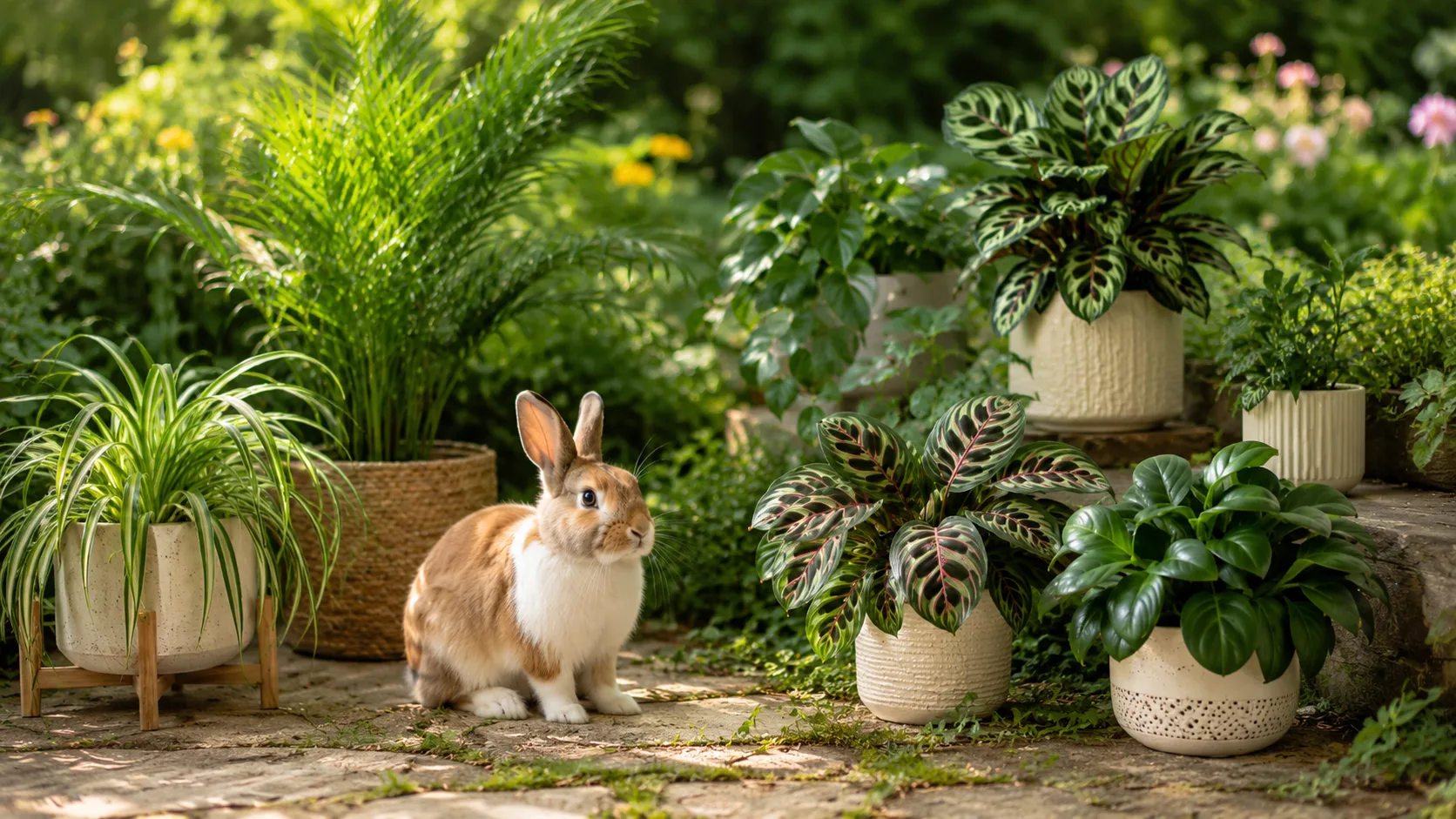
A rabbit-safer plant list should do more than reassure you that chewing might be okay. It should name species you can identify confidently, grow without nursery pesticides, and offer in small test amounts while hay remains the main diet. The best pick is rarely a decorative foliage plant in a free-roam home—it is an ASPCA-verified herb or flower you can source cleanly and introduce gradually.
This guide features five plants with individual ASPCA non-toxic listings. ASPCA does not publish rabbit-specific toxicity data; we use verified cat and dog non-toxic profiles as the strongest available public anchor and still treat non-toxic ≠ unlimited food. For plants to avoid, see Plants Toxic to Rabbits.
The five rabbit-safer plants featured here are basil, coriander, rosemary, rose, and zinnia. All five are listed by the ASPCA as non-toxic to cats and dogs. That is our conservative inclusion threshold—not a license for unlimited grazing.
Non-Toxic Does Not Mean Safe to Eat Freely
When the ASPCA classifies a plant as non-toxic, it means the plant is not expected to cause the classic severe poisoning profile in cats and dogs. It does not mean a rabbit should eat unlimited amounts, and it does not replace hay as the primary diet.
Rabbits that receive large servings of any fresh plant—even ASPCA non-toxic herbs—can develop soft stools or reduced appetite, especially when introduced abruptly. Pesticides, potting mix, and fertilizer residues on nursery plants create separate hazards.
Treat rabbit-safe as lower toxicology concern when verified by ASPCA, offered in small pesticide-free amounts, with hay still dominant—not as a grazing buffet.
Call your rabbit-savvy veterinarian promptly if your rabbit shows reduced appetite, drooling, lethargy, bloating, or abnormal droppings after eating plant material.
Editor note (free-roam setups): Rabbits investigate floor-level pots before owners finish unpacking. If you free-roam, remove or fence off all unverified houseplants first—then add one ASPCA-verified herb pot, not a full windowsill collection.
Quick Pick: Best Rabbit-Safer Plant for Your Situation
For the most practical kitchen-window herb, choose basil—ASPCA-listed non-toxic, easy to grow indoors, familiar to most owners.
For cilantro-family flavor in small test amounts, choose coriander (cilantro leaves)—ASPCA non-toxic for cats and dogs.
For woody herbs in pots on raised stands, choose rosemary—ASPCA non-toxic; strong flavor means most rabbits take only small samples.
For flower petals in outdoor runs (pesticide-free only), choose rose—ASPCA non-toxic; watch thorns on canes, not petals.
For annual color in outdoor pens, choose zinnia—ASPCA lists zinnias non-toxic to cats and dogs.
How to Choose a Rabbit-Safer Plant
Judge each plant against ASPCA verification, pesticide-free sourcing, introduction quantity, and separation from toxic houseplants.
Verify the Exact Plant
“Mint” and “oregano” sound similar at nurseries but carry different ASPCA profiles—mint is ASPCA toxic to cats and dogs and does not appear on this list. Always match botanical names to ASPCA listings.
Grow Pesticide-Free or Buy Organic
Nursery herbs are often sprayed. For rabbits, grow from seed indoors or buy organic starts and rinse foliage before any test nibble.
Introduce One Plant at a Time
Offer a small leaf or petal, wait 24–48 hours, watch droppings. Hay should remain unlimited throughout.
Keep Toxic Houseplants Out of Free-Roam Zones
Many popular houseplants are toxic to mammals. A verified herb pot does not protect a rabbit from pothos on the next shelf.
How We Selected These Five
We required individual ASPCA non-toxic listings for cats and dogs. We omitted decorative foliage without clear ASPCA profiles and omitted ASPCA toxic species (including mint) even when other rabbit-diet discussions differ.
We left out popular toxic houseplants entirely—they belong on Plants Toxic to Rabbits.
Rabbit-Safer Plant Comparison Table
Basil
Best for: kitchen-window herbs, first rabbit-safe grow.
ASPCA status: Non-toxic (ASPCA basil listing)
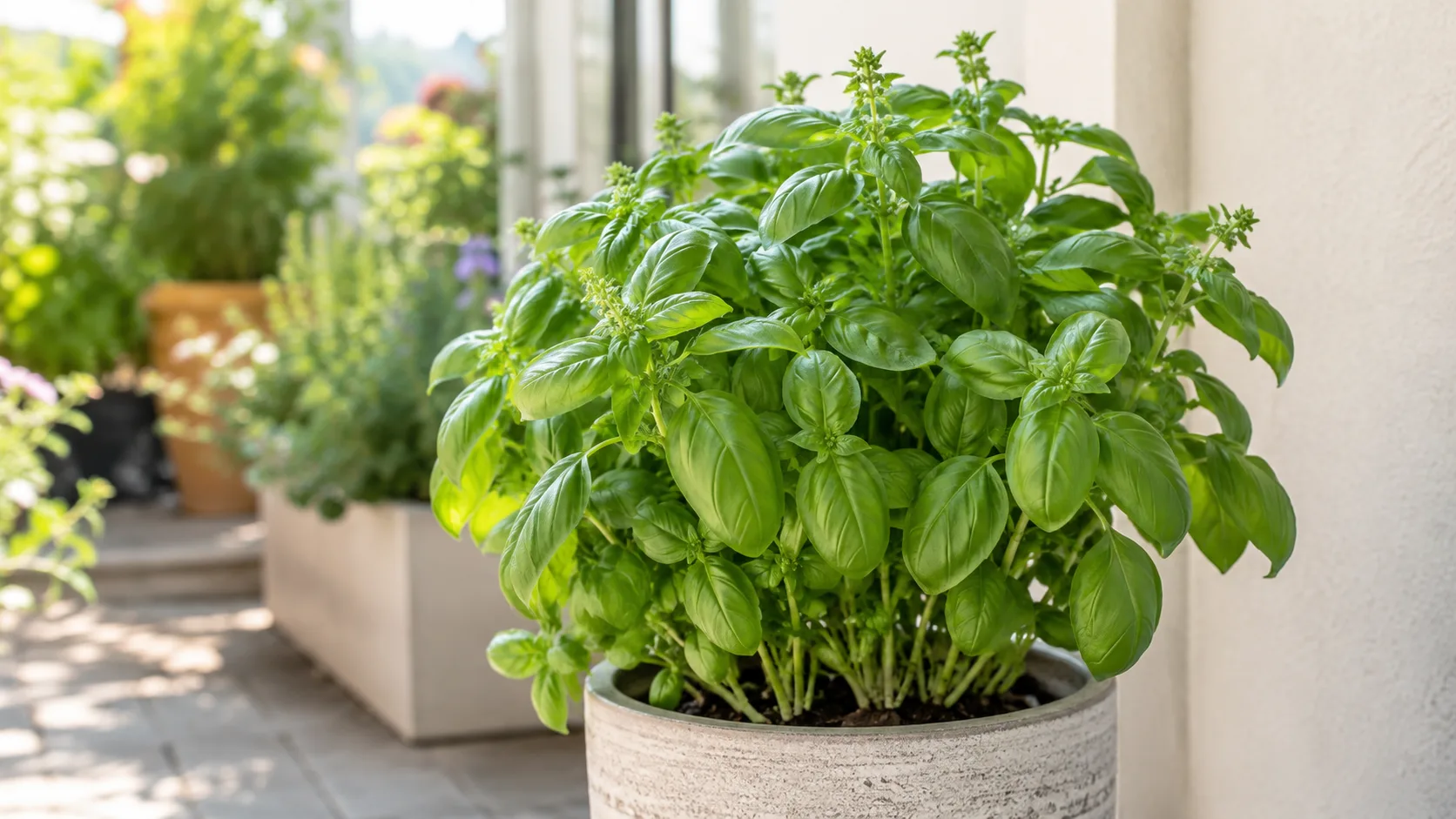
Basil (Ocimum basilicum) is ASPCA-listed non-toxic to cats and dogs—a practical conservative anchor for rabbit homes. Grow pesticide-free; offer one small leaf as a test, not a handful.
Why it works: Clear ASPCA profile plus real kitchen utility.
Common mistake: Offering nursery basil without rinsing off grower sprays.
Avoid if: You expect it to replace hay.
Useful care guides: Basil care · Watering · Light · Problems
Coriander
Best for: cilantro-family herbs in bright kitchens.
ASPCA status: Non-toxic (ASPCA coriander listing)
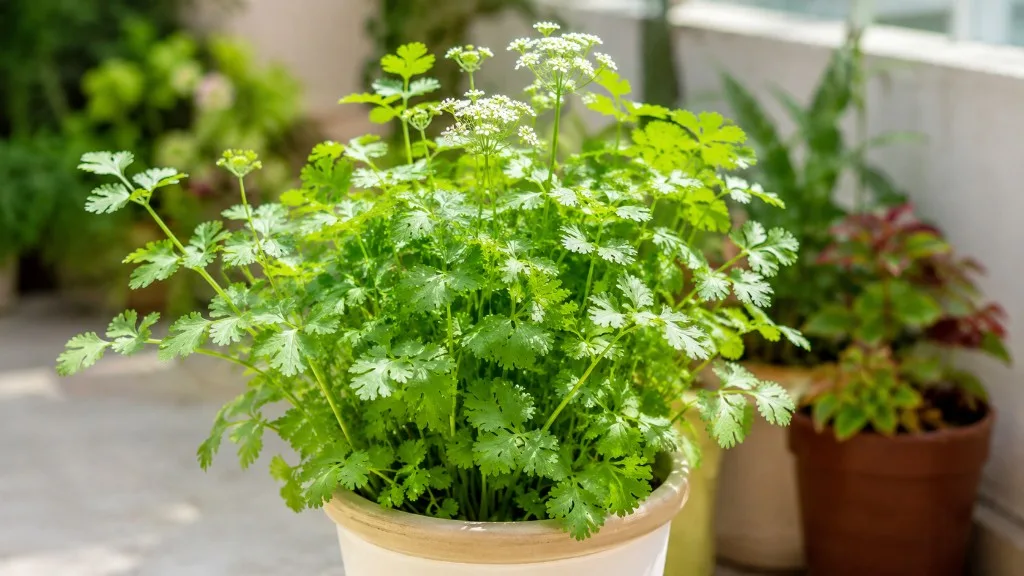
Coriander (Coriandrum sativum)—cilantro leaves—carries an ASPCA non-toxic listing. Some rabbits accept small amounts; others ignore it. Introduce gradually.
Why it works: ASPCA-verified herb with indoor growing value.
Common mistake: Confusing coriander with toxic look-alikes at unstructured herb stands.
Avoid if: You need a decorative foliage centerpiece.
Useful care guides: Coriander care · Watering · Light · Problems
Rosemary
Best for: woody herbs on raised stands.
ASPCA status: Non-toxic (ASPCA rosemary listing)
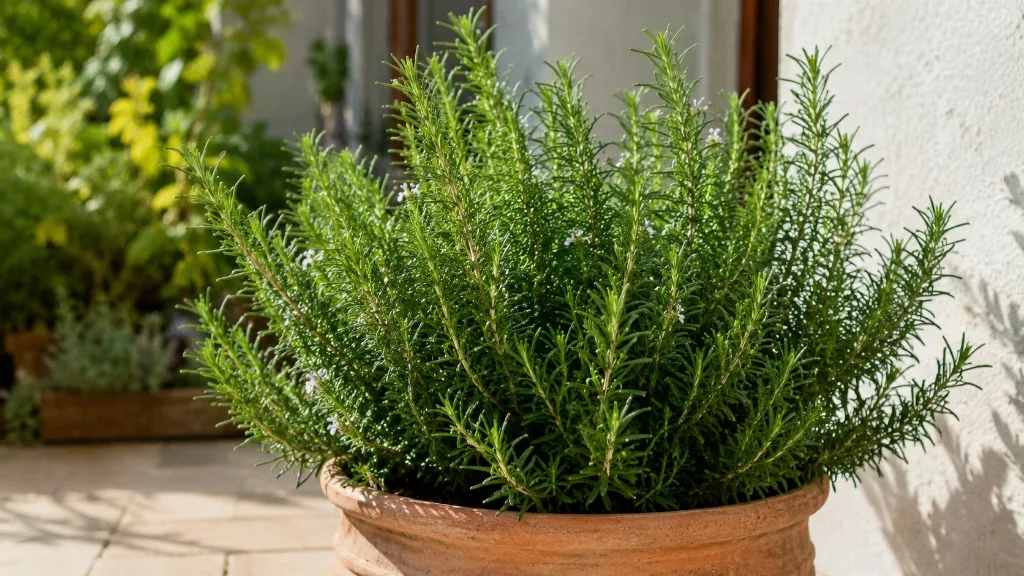
Rosemary (Rosmarinus officinalis) is ASPCA-listed non-toxic. Strong aroma limits how much most rabbits consume—still not unlimited grazing.
Why it works: ASPCA-verified woody herb that stays contained in pots.
Common mistake: Assuming woody herbs are automatically high-volume rabbit food.
Avoid if: You cannot provide bright light.
Useful care guides: Rosemary care · Watering · Light · Problems
Rose
Best for: outdoor runs, petal-only offerings.
ASPCA status: Non-toxic (ASPCA rose listing)
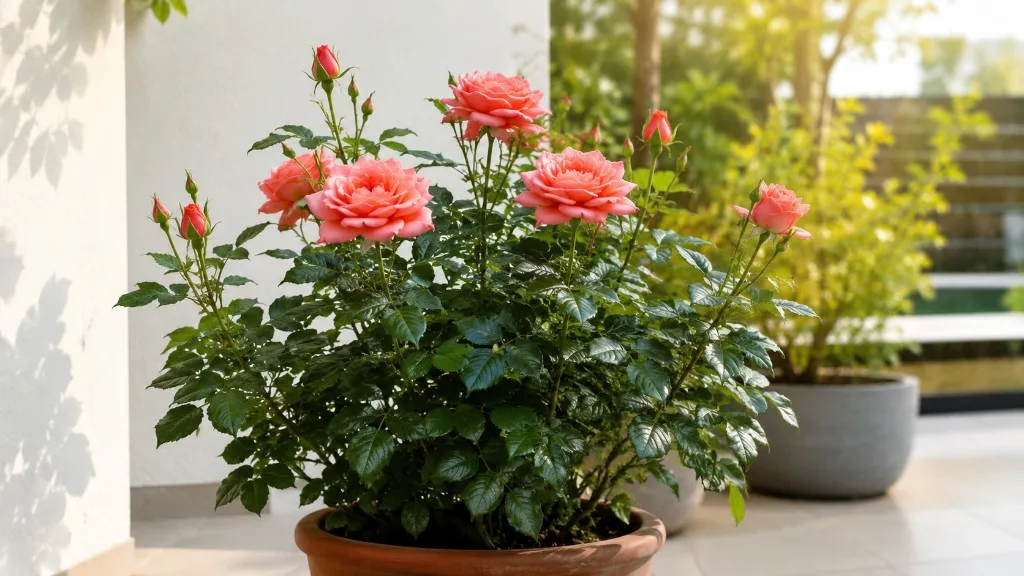
Rose (Rosa spp.) is ASPCA-listed non-toxic to cats and dogs. Thorns injure mouths—offer petals from pesticide-free plants only, not whole canes.
Why it works: ASPCA-verified flowering plant with defined petal-only use.
Common mistake: Using florist roses with pesticide residues.
Avoid if: You cannot guarantee pesticide-free sourcing.
Useful care guides: Rose care · Watering · Light · Problems
Zinnia
Best for: outdoor annual color in pens.
ASPCA status: Non-toxic (ASPCA zinnia listing)
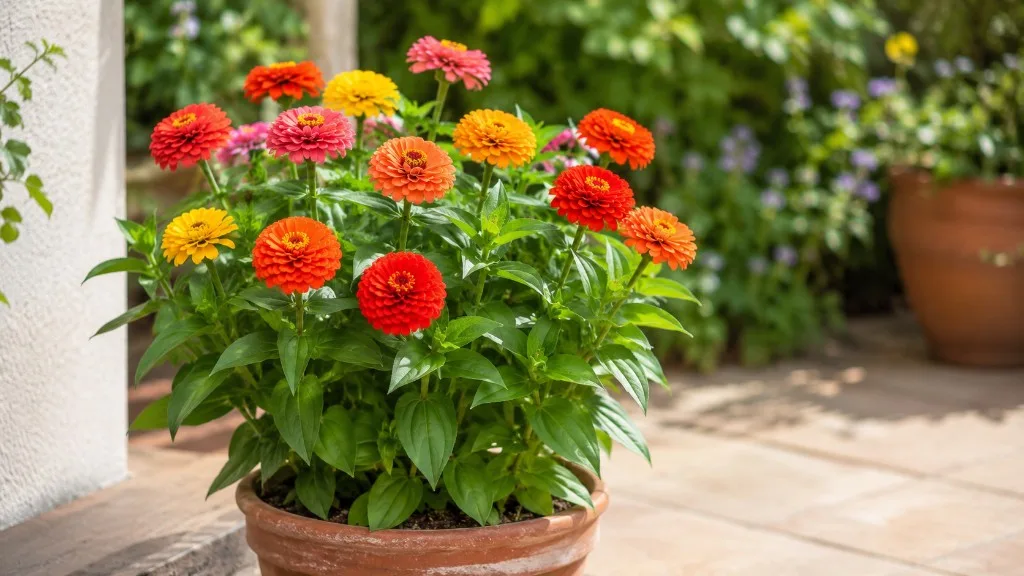
Zinnia (Zinnia spp.) is ASPCA-listed non-toxic—one of the safer flowering annuals in public toxicology data. Grow from seed in outdoor runs; avoid treated bedding plants from big-box stores.
Why it works: ASPCA-verified annual with clear outdoor use case.
Common mistake: Letting rabbits strip entire plants on day one.
Avoid if: You need an indoor foliage statement plant.
Useful care guides: Zinnia care · Watering · Light · Problems
Common Mistakes in Rabbit-Safer Plant Homes
Treating non-toxic as unlimited food. Hay stays primary; herbs are supplements in test amounts.
Free-roaming before removing toxic houseplants. Verify the whole room, not just one herb pot.
Using ASPCA toxic species because social media says rabbits eat them. Mint is ASPCA toxic to cats and dogs—we exclude it.
Skipping pesticide checks. Nursery sprays are not rabbit food.
Conclusion
The best rabbit-safer plant is an ASPCA-verified, pesticide-free herb or flower you introduce slowly while hay remains the main diet. Basil, coriander, and rosemary suit indoor kitchen grows. Rose petals and zinnia blooms fit outdoor pens when sourcing is clean.
ASPCA does not publish rabbit-specific listings; our conservative threshold is individual non-toxic cat and dog profiles. That is still not permission for unlimited grazing. Call your rabbit-savvy veterinarian if digestion changes after plant exposure. For removals, see Plants Toxic to Rabbits.