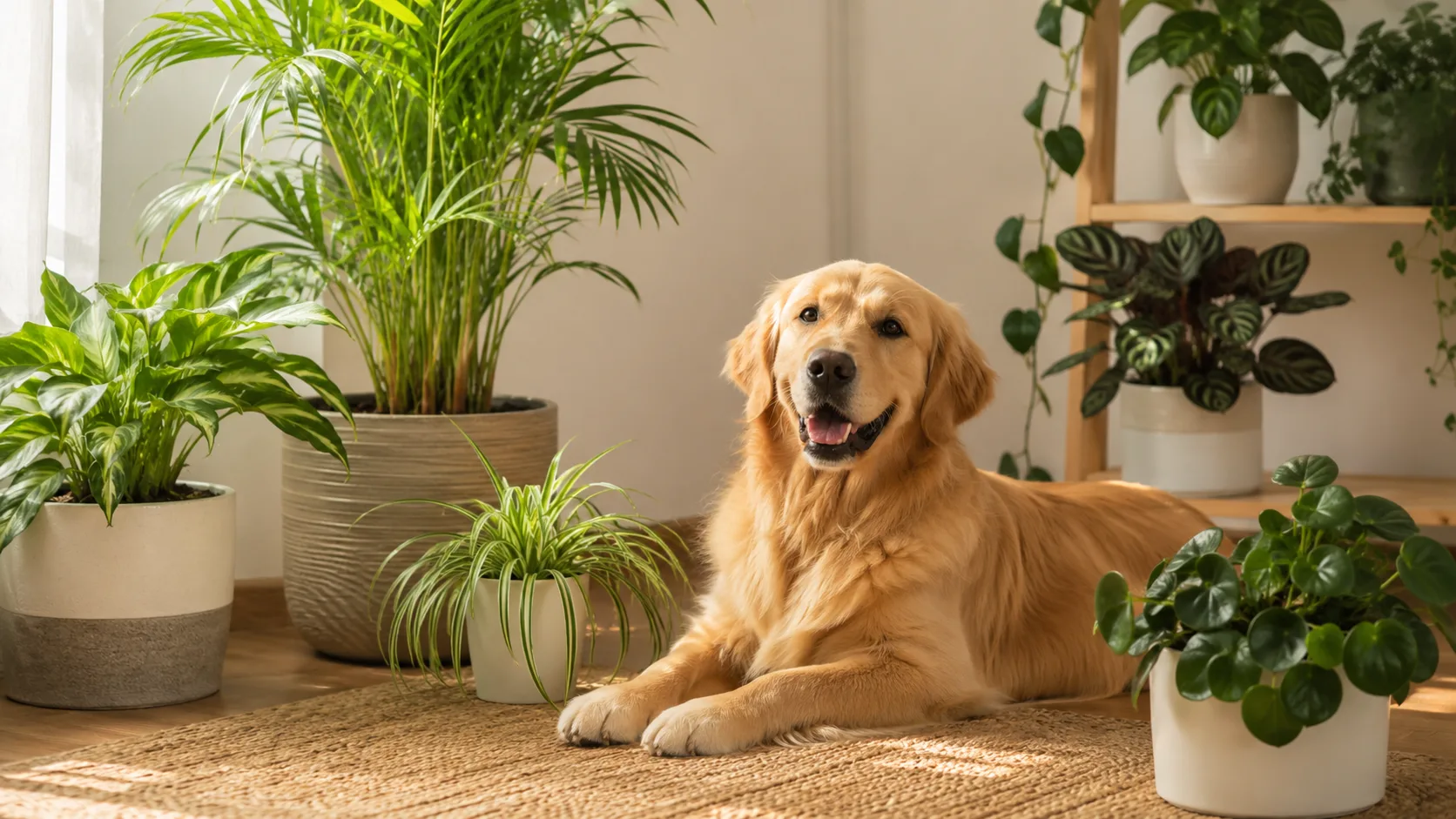
A dog-safe houseplant should do more than appear on a non-toxic list. It should fit the light you actually have, survive your watering habits, and stay reasonable to live with when a curious dog investigates floor pots, coffee tables, and anything at tail height. The best pick is rarely the trendiest plant online—it is the plant whose sturdiness and care demands match your room and your dog’s behavior.
If you want a broader filterable list for cat and dog homes, start with Best Pet-Safe Indoor Plants. This guide goes deeper: ASPCA-verified safety notes for eight common species, a comparison table, floor-placement context, and links to full species care. For plants to remove first, see Plants Toxic to Dogs.
The eight best dog-safe indoor plants for most homes are areca palm, spider plant, cast iron plant, parlor palm, peperomia, haworthia, Boston fern, and prayer plant. All eight are listed by the ASPCA as non-toxic to dogs.
Non-Toxic Does Not Mean Safe to Eat
When the ASPCA classifies a plant as non-toxic to dogs, it means the plant is not expected to cause the classic severe poisoning profile associated with known toxic houseplants. It does not mean foliage is food.
Dogs that chew houseplants—even non-toxic ones—can still develop vomiting, diarrhea, drooling, or mechanical irritation. Potting mix, slow-release fertilizer, and pesticide residues create hazards separate from the plant’s toxicity listing (Pet Poison Helpline).
Treat dog-safe as lower consequence if a small nibble happens, not as permission to let your dog graze.
Call your veterinarian or poison control promptly if your dog shows repeated vomiting, diarrhea that does not settle, marked lethargy, difficulty breathing, swelling of the mouth or face, or if you cannot identify the plant eaten. ASPCA Animal Poison Control is available at 888-426-4435 (fee may apply).
Editor note (floor-level exposure): In typical dog homes, spider plant spiderettes and soft palm frond tips at coffee-table height attract the most mouthing—not because dogs are “hungry for greens,” but because trailing foliage moves when brushed by a tail. A heavier cachepot and moving the plant 12–18 inches higher often reduces damage more than swapping one non-toxic species for another.
Quick Pick: Best Dog-Safe Plant for Your Situation
For soft tropical height in a bright room, choose areca palm. It fills space with arching fronds and carries a clear ASPCA non-toxic listing for dogs. Trade-off: needs floor space and consistent moisture.
For the best all-rounder, choose spider plant. Forgiving, widely available, and one of the strongest ASPCA non-toxic records. Trade-off: dangling spiderettes attract chewing.
For a beginner who forgets to water, choose cast iron plant, peperomia, or haworthia.
For low-light corners, choose parlor palm—compact, elegant, and ASPCA-listed non-toxic to dogs.
For humid bathrooms with steady care, choose Boston fern. For patterned foliage, choose prayer plant if you can manage humidity.
How to Choose a Dog-Safe Houseplant
Judge each plant against verified ASPCA safety, light, care difficulty, and floor-level exposure risk.
Verify the Exact Plant
“Peperomia” covers dozens of species. “Haworthia” is sometimes sold beside toxic succulent look-alikes. Check the botanical name on the tag and cross-reference the ASPCA database before placing a new plant within dog reach.
Match Light Before Floor Placement
A dog-safe plant in the wrong light becomes a stressed plant with dropped leaves—and dropped leaves become chew toys. Choose cast iron plant or parlor palm for dimmer rooms; choose areca palm or Boston fern when you have brighter windows.
Factor in Chewing and Tail Traffic
Dog-safe classification addresses toxicity, not household peace. Large dogs wag tails through fern fronds; puppies dig in potting mix. Sturdy floor pots and relocation after the first chewing episode often matter more than species choice.
Separate Plant Safety from Soil and Chemical Safety
Even ASPCA non-toxic plants grow in potting mix that is not meant to be eaten. Rinse new nursery plants, avoid heavy fertilizing in reach of curious dogs, and keep chemical bottles off plant shelves.
How We Selected These Eight
We required verified dog-specific non-toxic status backed by individual ASPCA listings. We ranked for beginner-friendliness, typical indoor size, and how often the species appears in homes where dogs have floor and table access.
We left out popular plants toxic to dogs (pothos, philodendron, peace lily, monstera, dracaena, sago palm) because they belong on our toxic-to-dogs list, not here.
Dog-Safe Houseplant Comparison Table
Areca Palm
Best for: bright living rooms, soft tropical texture, dog owners who want height.
Difficulty: Medium | Light: Bright indirect
ASPCA dog status: Non-toxic (ASPCA areca palm listing)
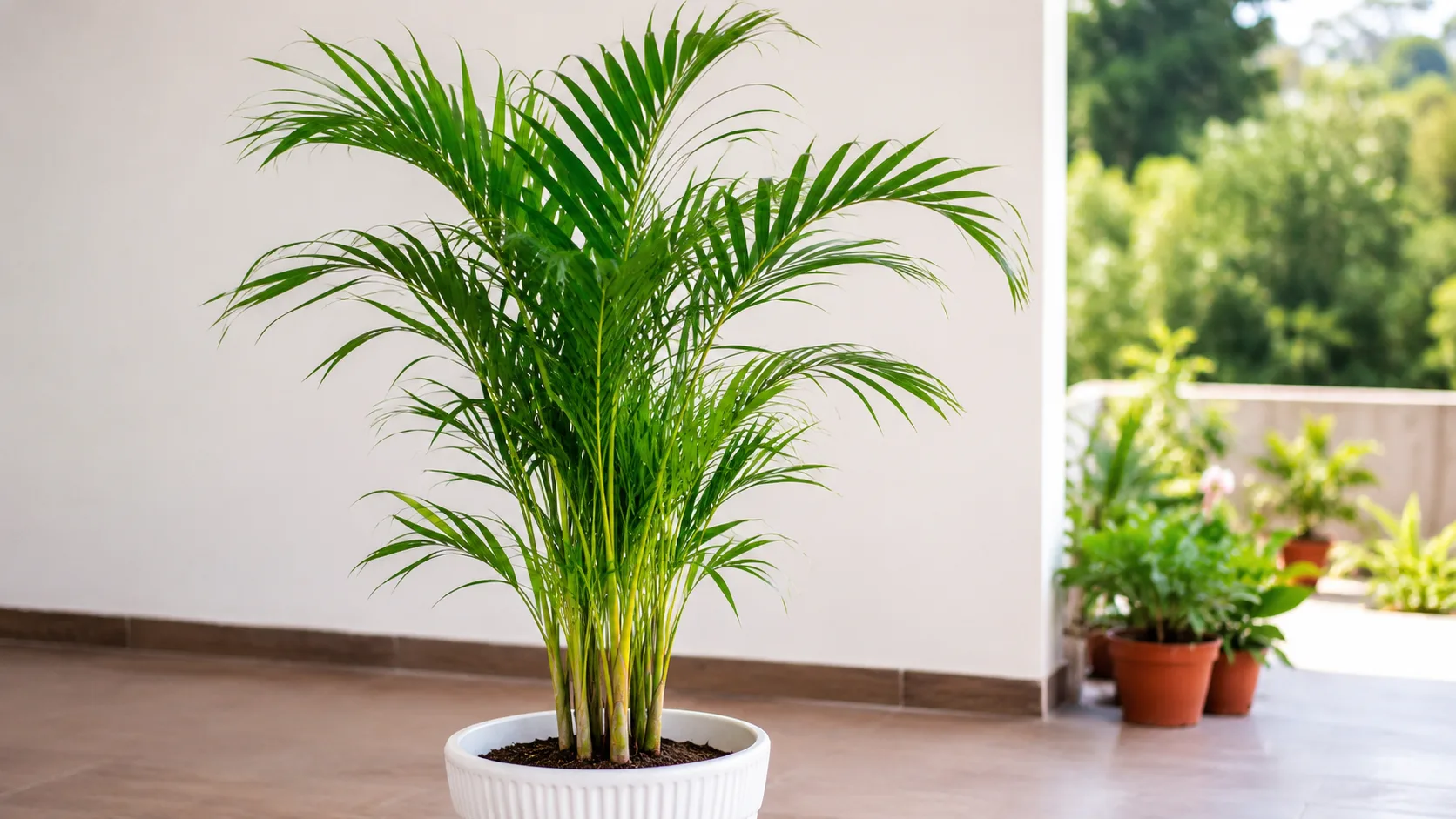
Areca palm (Dypsis lutescens) is one of the few large indoor palms with clear ASPCA non-toxic listing for dogs. Dogs may chew soft frond ends or dig in the pot; the plant is not poisonous, but repeated damage slows growth.
Why it works: Real indoor height with verified dog safety when most tall plants are toxic.
Common mistake: Placing in a dim room and overwatering because soil never dries.
Avoid if: You lack floor space for frond spread.
Useful care guides: Areca palm care · Watering · Light · Problems
Spider Plant
Best for: first dog-safe plant, bright kitchens, hanging baskets above tail height.
Difficulty: Easy | Light: Bright to medium indirect
ASPCA dog status: Non-toxic (ASPCA spider plant listing)
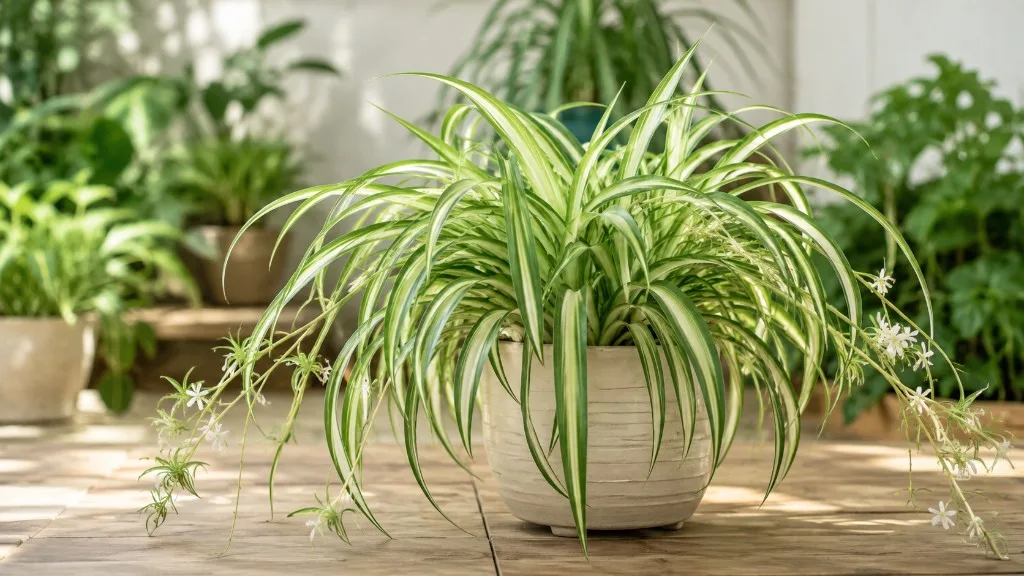
Spider plant (Chlorophytum comosum) is forgiving and clearly documented non-toxic on the ASPCA list. Spiderettes on long stems attract dogs—especially puppies.
Why it works: Strong ASPCA safety record plus beginner-friendly care.
Common mistake: Leaving spiderettes at floor level where puppies grab them.
Avoid if: You want zero chewing interest at coffee-table height.
Useful care guides: Spider plant care · Watering · Propagation · Problems
Cast Iron Plant
Best for: dark hallways, beginner neglect tolerance, floor pots in low-traffic corners.
Difficulty: Easy | Light: Low to medium indirect
ASPCA dog status: Non-toxic (ASPCA cast iron plant listing)
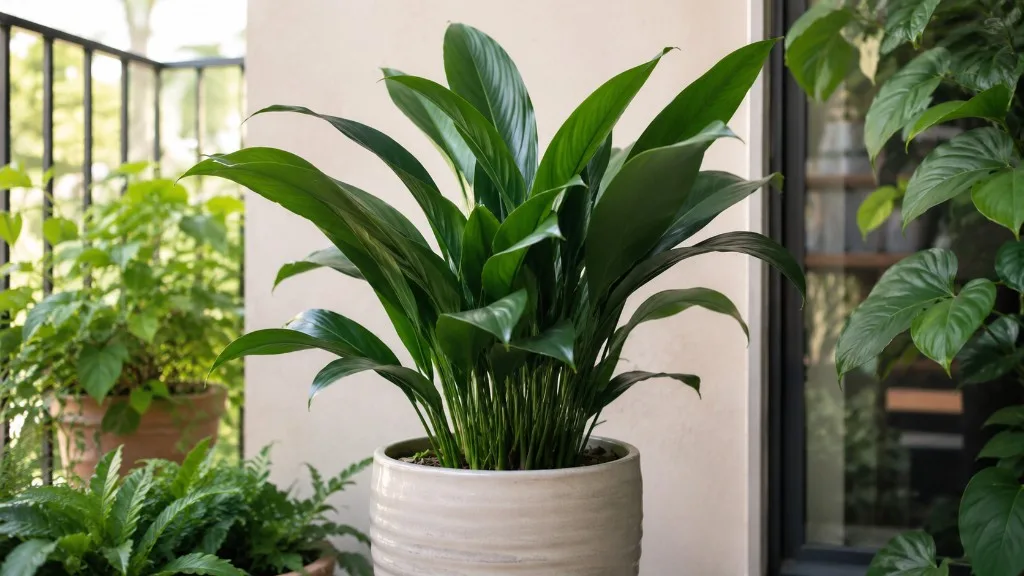
Cast iron plant (Aspidistra elatior) tolerates low light and irregular watering. Broad sturdy leaves survive minor tail contact better than delicate fern fronds.
Why it works: Low-light insurance policy with verified dog safety.
Common mistake: Placing in direct afternoon sun—leaves bleach.
Avoid if: You want fast growth.
Useful care guides: Cast iron plant care · Watering · Light · Problems
Parlor Palm
Best for: low-light rooms, offices, smaller dog homes.
Difficulty: Easy | Light: Medium to low indirect
ASPCA dog status: Non-toxic (ASPCA parlor palm listing)
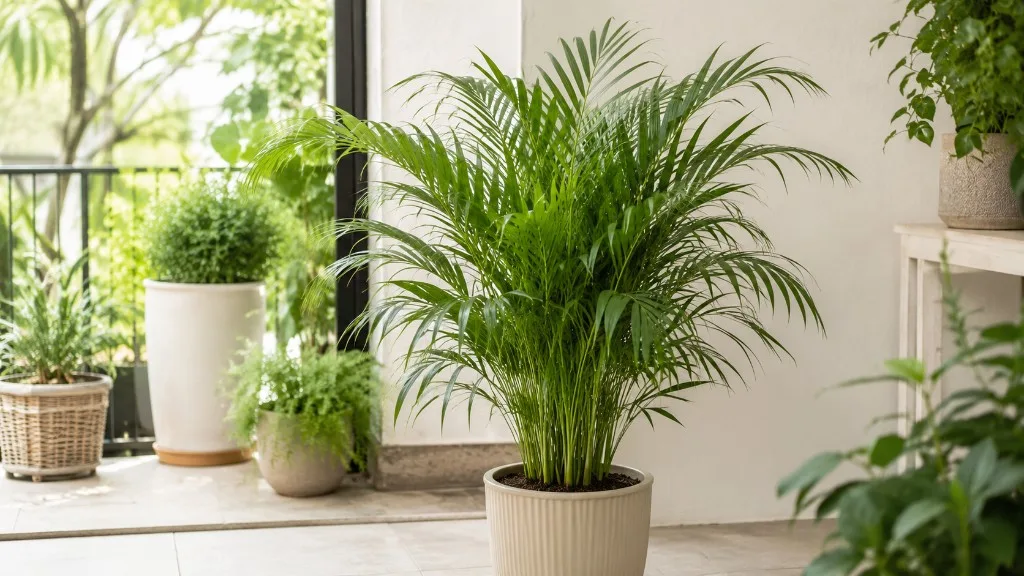
Parlor palm (Chamaedorea elegans) handles lower light better than most palms. Choose a heavier cachepot if your dog bumps lightweight nursery pots.
Why it works: Palm look with lower light tolerance and verified dog safety.
Common mistake: Repotting into an oversized container that stays wet too long.
Avoid if: You need fast vertical impact.
Useful care guides: Parlor palm care · Watering · Light · Problems
Peperomia
Best for: side tables, shelves above floor level.
Difficulty: Easy | Light: Medium to bright indirect
ASPCA dog status: Non-toxic (ASPCA peperomia listing)
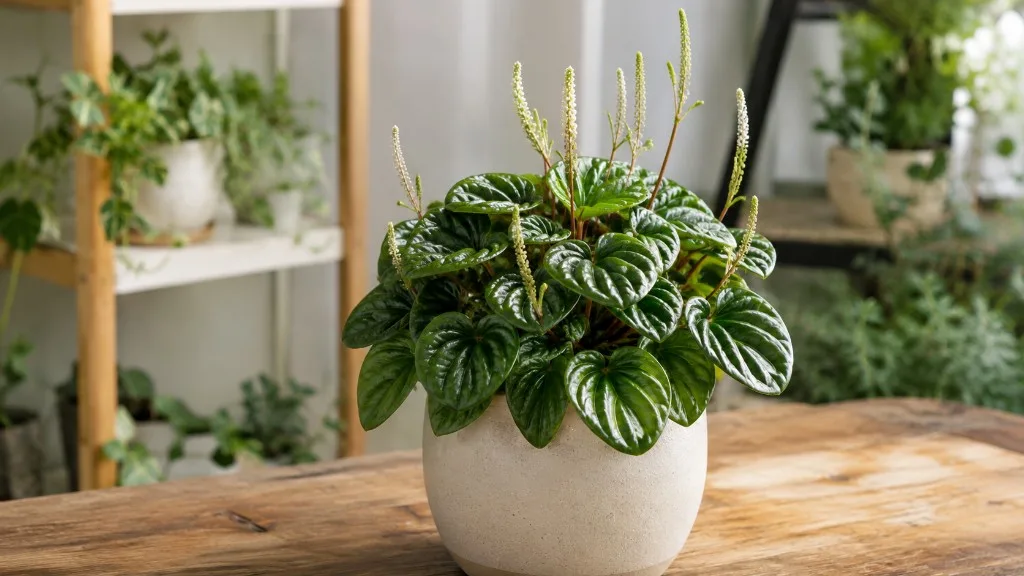
Peperomia (Peperomia spp.) is compact and clearly non-toxic. Do not confuse with toxic Ficus elastica “rubber plant”.
Why it works: Shelf plant in dog traffic zones with verified safety.
Common mistake: Confusing pet-safe peperomia with toxic ficus by common name.
Avoid if: You want a large floor specimen.
Useful care guides: Peperomia care · Watering · Propagation · Problems
Haworthia
Best for: sunny windowsills above dog reach, desk succulents.
Difficulty: Easy | Light: Bright indirect
ASPCA dog status: Non-toxic (ASPCA haworthia listing)
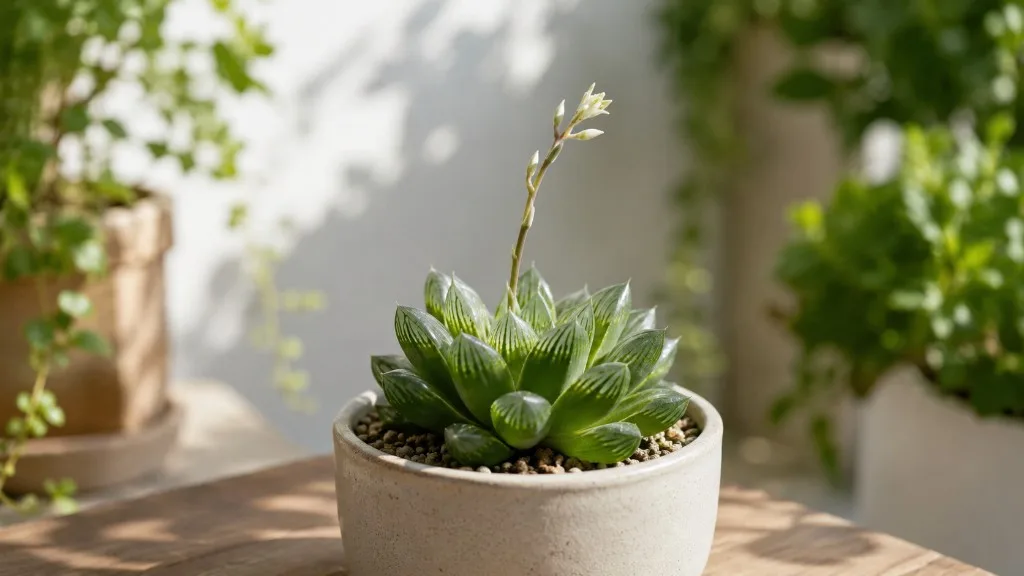
Haworthia (Haworthia spp.) is the dog-safe succulent for small spaces. Verify you are not buying a toxic aloe look-alike.
Why it works: Succulent form with clear non-toxic status.
Common mistake: Planting in peat-heavy mix with no grit.
Avoid if: You need trailing or large-scale impact.
Useful care guides: Haworthia care · Light · Watering · Problems
Boston Fern
Best for: humid bathrooms, hanging baskets above tail height.
Difficulty: Medium | Light: Bright to medium indirect
ASPCA dog status: Non-toxic (ASPCA Boston fern listing)
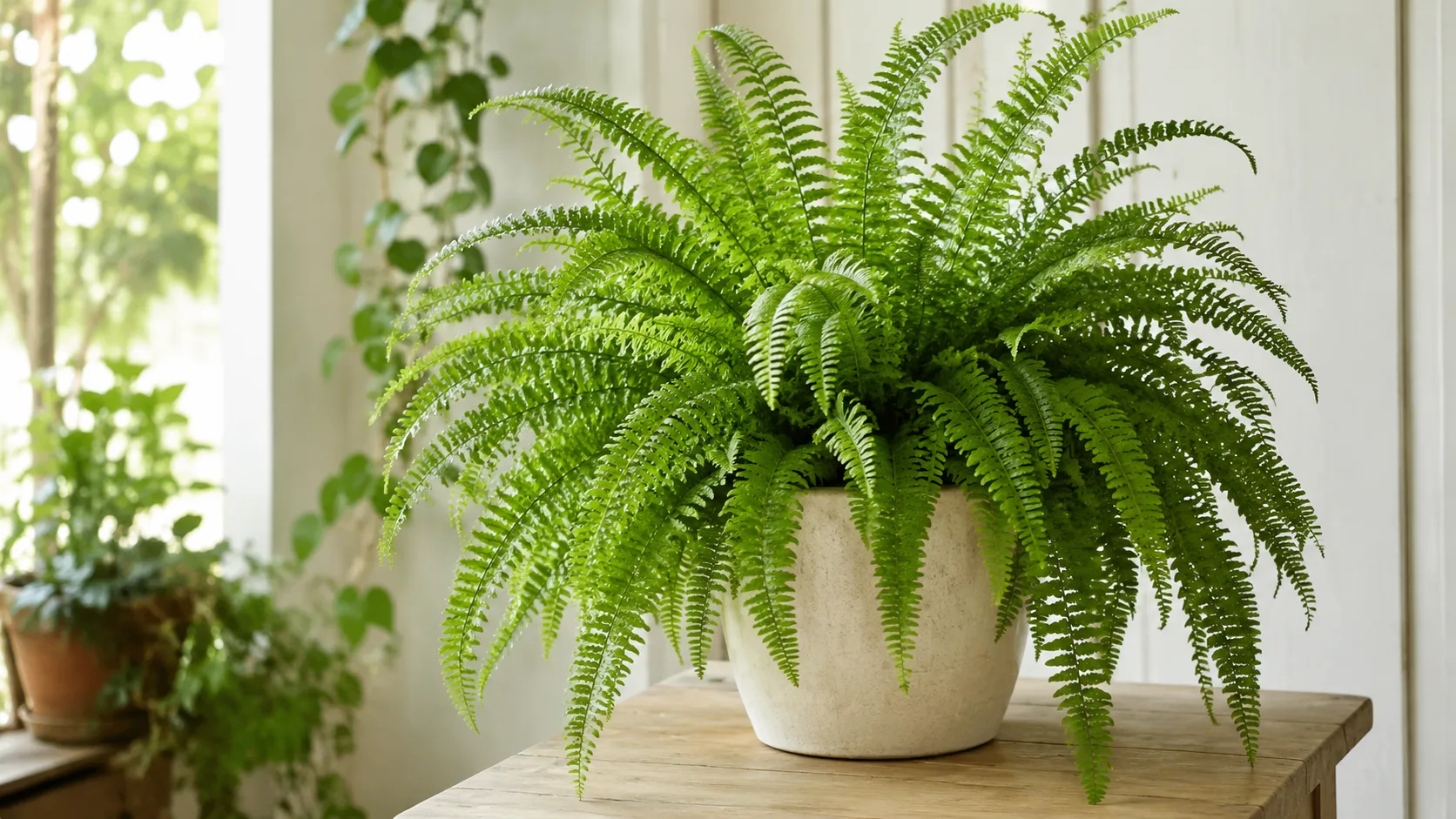
Boston fern (Nephrolepis exaltata) is a classic pet-safe foliage plant. Not to be confused with toxic asparagus fern. Demands steady moisture and humidity.
Why it works: True fern look with verified dog safety.
Common mistake: Buying for a dry living room under greenhouse-lush nursery conditions.
Avoid if: You cannot commit to frequent watering.
Useful care guides: Boston fern care · Watering · Light · Problems
Prayer Plant
Best for: patterned foliage lovers, humid rooms.
Difficulty: Medium to demanding | Light: Medium indirect
ASPCA dog status: Non-toxic (ASPCA prayer plant listing)
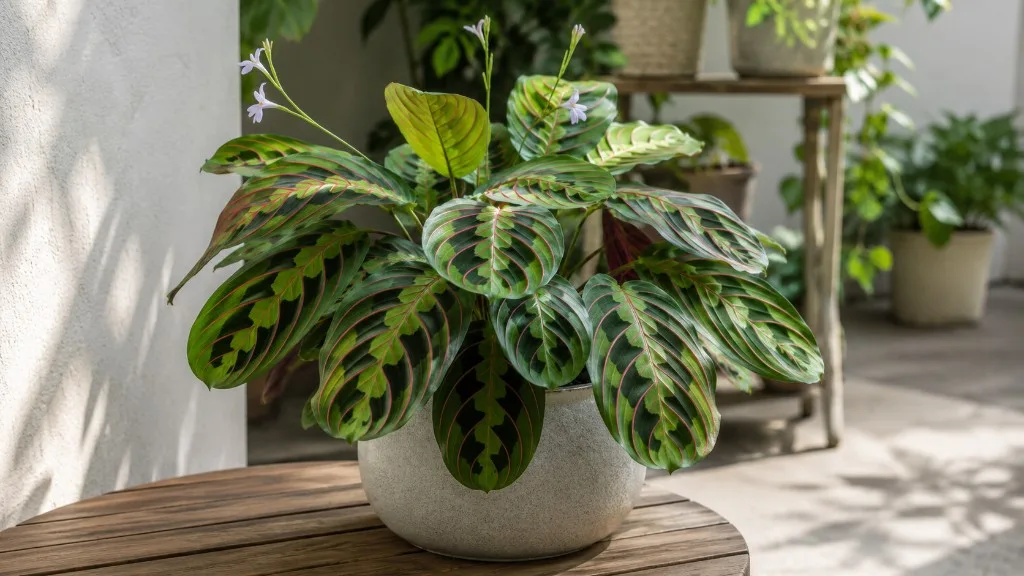
Prayer plant (Maranta leuconeura) gives graphic leaves without toxicity worry. More demanding than spider plant or parlor palm.
Why it works: Decorative foliage with verified safety.
Common mistake: Treating prayer plant like cast iron plant in a dry living room.
Avoid if: Your home is arid year-round.
Useful care guides: Prayer plant care · Watering · Light · Problems
Common Mistakes in Dog-Safe Plant Homes
Treating non-toxic as edible. Reduces poisoning concern; does not eliminate GI upset or soil ingestion.
Buying by common name alone. Baby rubber plant (peperomia) and rubber plant (Ficus elastica, toxic) are not the same.
Ignoring potting mix. Dogs often eat soil before leaves. Fertilizer salts irritate stomachs.
Keeping toxic plants on coffee tables. Puppies and large breeds reach further than owners expect.
Conclusion
The best dog-safe houseplant matches your light, your care habits, and how your dog actually behaves around floor-level foliage. Spider plant, parlor palm, peperomia, cast iron plant, and haworthia are the most forgiving starting points. Areca palm and Boston fern reward brighter, more humid rooms. Prayer plant adds pattern for growers ready to manage humidity.
All eight species are listed by the ASPCA as non-toxic to dogs. Verify plant IDs at purchase, and call your veterinarian or ASPCA Animal Poison Control at 888-426-4435 if ingestion concerns you. For a broader cat-and-dog hub, see Best Pet-Safe Indoor Plants.