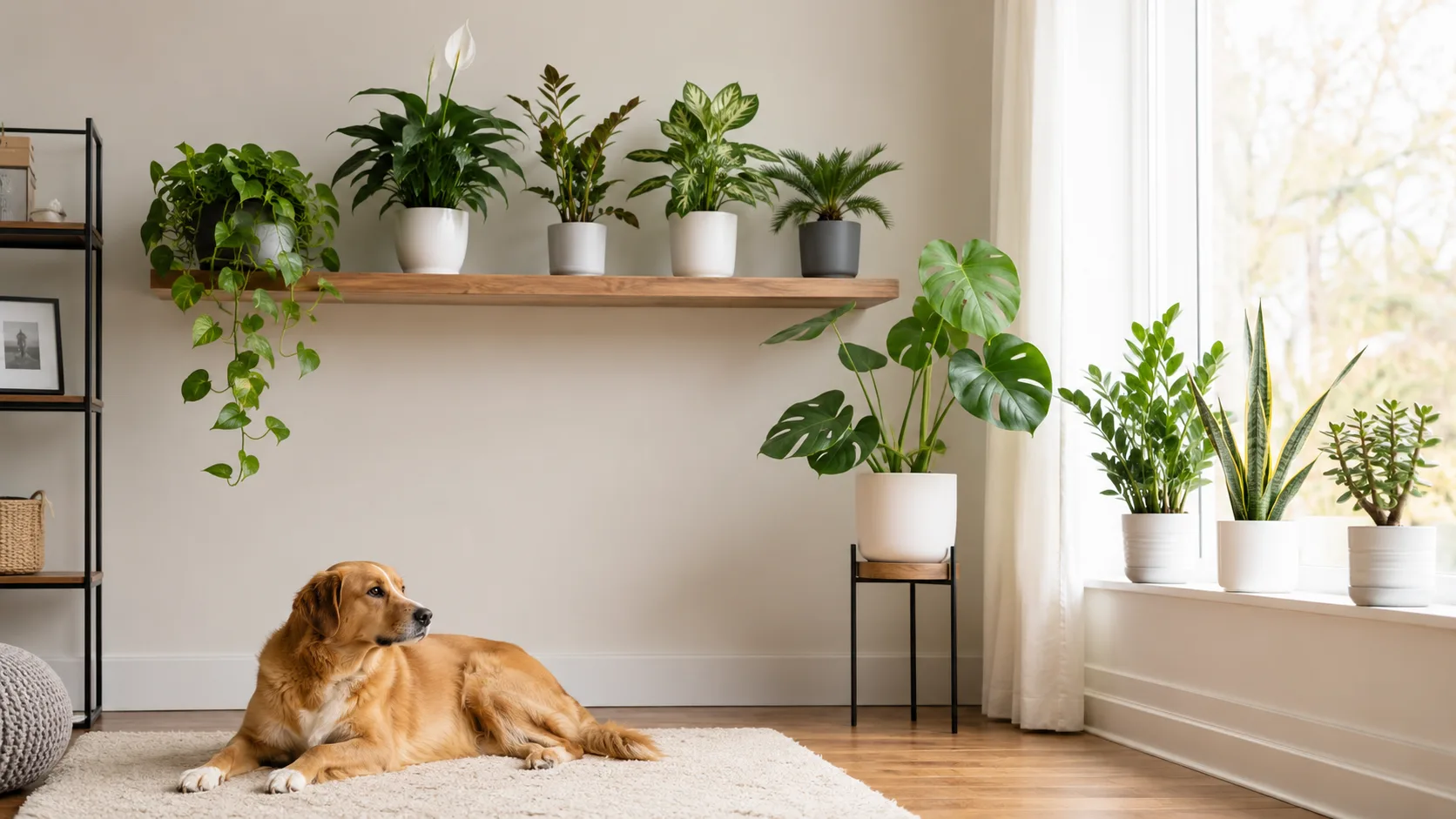
Dogs explore the world at nose height. A peace lily beside the dog bed, a pothos trailing to the floor, or a sago palm on a coffee table puts toxic foliage exactly where mouths and paws meet it. Puppies and habitual chewers face the highest risk, but any dog can knock over a floor pot and sample leaves in seconds.
This guide covers eight common houseplants toxic to dogs that create the most preventable exposures: pothos, philodendron, peace lily, dieffenbachia, ZZ plant, sago palm, dracaena, and English ivy. All are listed toxic to dogs by the ASPCA. For safe swaps, see Indoor Plants Safe for Dogs.
Not Every Toxic Plant Means the Same Emergency
Aroid houseplants (pothos, philodendron, peace lily, dieffenbachia, ZZ plant) contain insoluble calcium oxalates that cause oral pain, drooling, and vomiting—often within minutes. Pet Poison Helpline notes that immediate mouth irritation sometimes limits how much a dog swallows. (Pet Poison Helpline - Insoluble Oxalates)
Sago palm is different. The ASPCA lists it toxic to dogs, and ingestion of any part—especially seeds—can cause liver failure. That is an emergency regardless of how much was eaten.
Call your veterinarian or ASPCA Animal Poison Control at 888-426-4435 if your dog vomits repeatedly, becomes lethargic, has bloody stool, shows tremors, or if sago palm ingestion is possible.
Quick Pick: Remove These First
Start with pothos and philodendron—trailing stems reach the floor in most homes, and both are ASPCA toxic to dogs. (ASPCA golden pothos)
Remove sago palm from any dog-accessible space immediately. Severity outweighs placement debates. (ASPCA sago palm)
For floor pots beside dog beds and sofas, relocate peace lily, dieffenbachia, and ZZ plant—or replace them with cast iron plant or parlor palm.
How to Prioritize Removal in a Dog Home
Floor Level Comes First
Dogs rarely climb curtain rods—they mouth what sits on the floor, trails to the floor, or grows beside nap spots. Prioritize toxic plants at dog height before worrying about a dracaena in a closed office.
Puppies Change the Math
Puppies chew potting mix, fertilizer pellets, and plant labels along with leaves. A toxic floor plant with a lightweight nursery pot is a double hazard: ingestion plus spilled soil.
Verify Identity at Purchase
“Palm” on a label may mean sago palm (toxic) or parlor palm (ASPCA non-toxic). Always check the botanical name.
How We Selected These Eight
We required ASPCA-verified toxic status for dogs, then ranked by how often each species appears in home collections at floor level. Sago palm ranks high for severity despite lower frequency. The aroid group ranks high for reachability and volume of exposures reported to poison-control hotlines.
Toxic Houseplant Comparison Table
Pothos
Exposure risk: High—trailing stems at dog mouth height.
ASPCA dog status: Toxic (ASPCA golden pothos listing)
Typical signs: Excessive drooling, pawing at mouth, vomiting
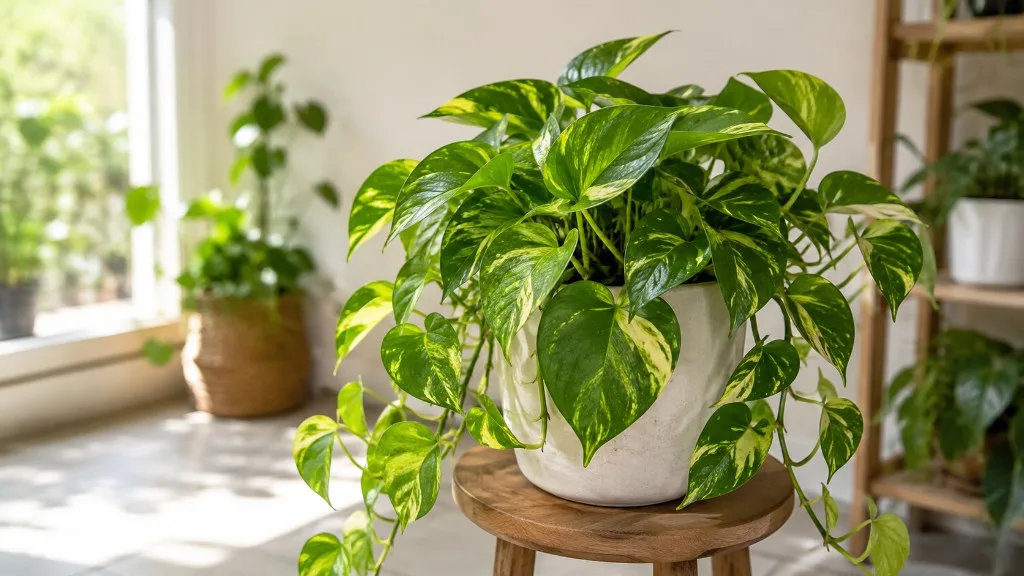
Pothos (Epipremnum aureum) is the most common trailing toxic plant in dog homes. Dogs grab dangling stems during play or sniff fallen leaves on hardwood floors. The ASPCA lists golden pothos toxic to dogs.
Action: Remove from dog-accessible rooms. Spider plant is an ASPCA non-toxic trailing alternative for the same light conditions.
Useful references:
Philodendron
Exposure risk: High—heart-leaf varieties trail from low tables.
ASPCA dog status: Toxic (ASPCA philodendron listing)
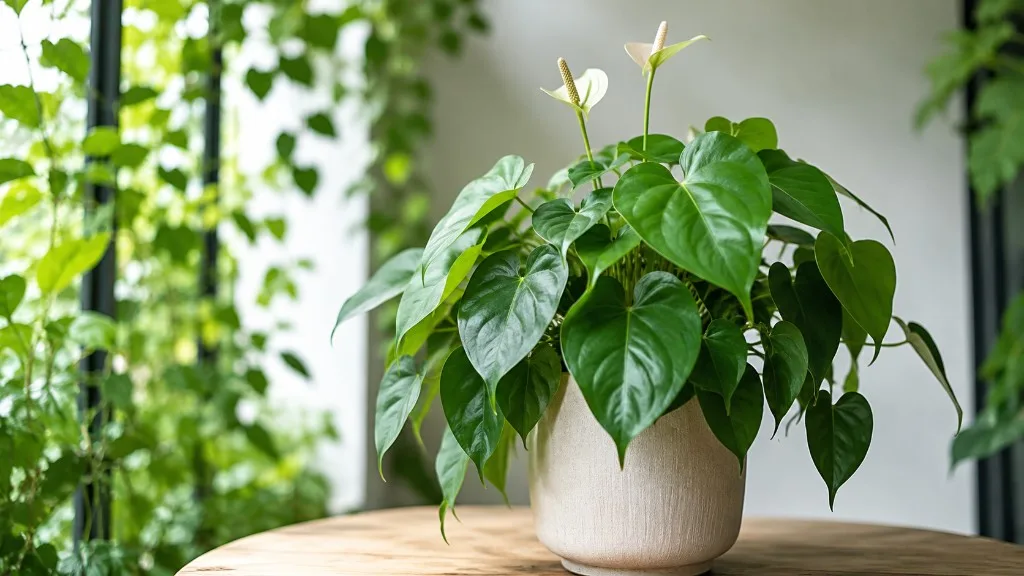
Philodendron shares pothos’s oxalate mechanism and care profile—so dog owners often have both. Do not confuse with peperomia, which is ASPCA non-toxic.
Action: Remove or restrict to closed rooms. Replace with peperomia on side tables.
Useful references:
Peace Lily
Exposure risk: High—classic floor plant beside sofas and dog beds.
ASPCA dog status: Toxic (ASPCA peace lily listing)
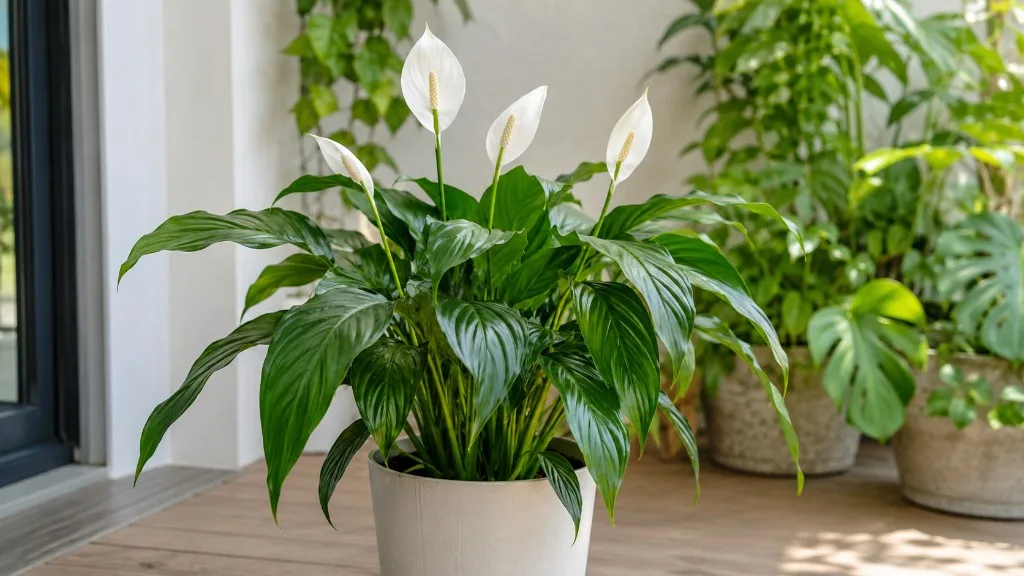
Peace lily (Spathiphyllum spp.) fits low-light floor corners where dogs rest. The ASPCA lists it toxic to dogs despite its “peaceful” common name.
Action: Swap for parlor palm in the same spot.
Useful references:
Dieffenbachia
Exposure risk: Medium to high—broad leaves invite chewing.
ASPCA dog status: Toxic (ASPCA dieffenbachia listing)
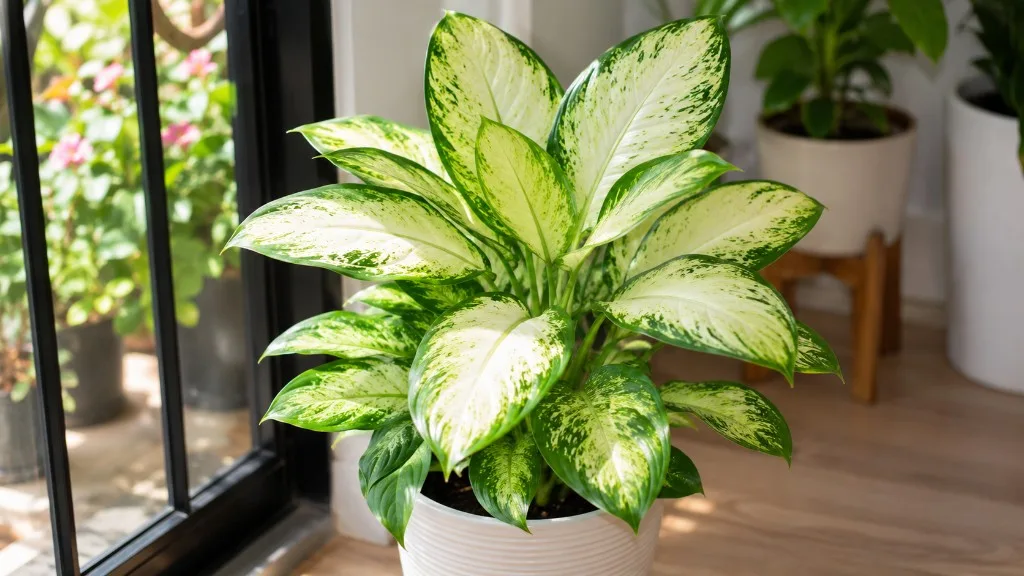
Dieffenbachia (dumb cane) causes intense oral irritation. Dogs that bite through leaves may refuse food and drool heavily. ASPCA classification: toxic to dogs.
Action: Replace with cast iron plant for large upright foliage.
Useful references:
ZZ Plant
Exposure risk: Medium—indestructible reputation leads to floor placement.
ASPCA dog status: Toxic (ASPCA ZZ plant listing)
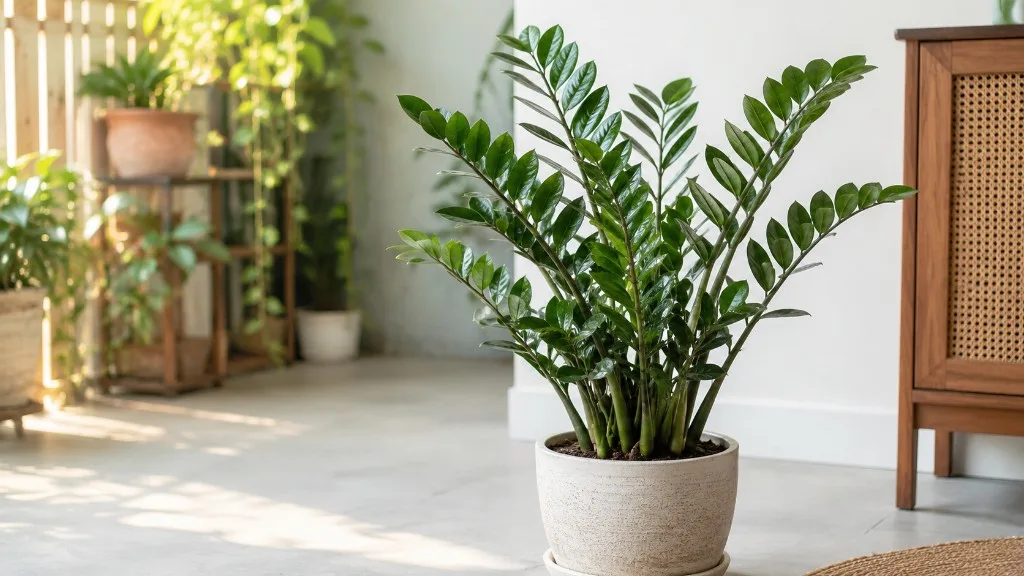
ZZ plant (Zamioculcas zamiifolia) is ASPCA toxic to dogs despite being marketed as bulletproof. Dogs that chew houseplants out of boredom still sample it.
Action: Swap for cast iron plant in low-light floor corners.
Useful references:
Sago Palm
Exposure risk: Medium placement, severe toxicity.
ASPCA dog status: Toxic (ASPCA sago palm listing)
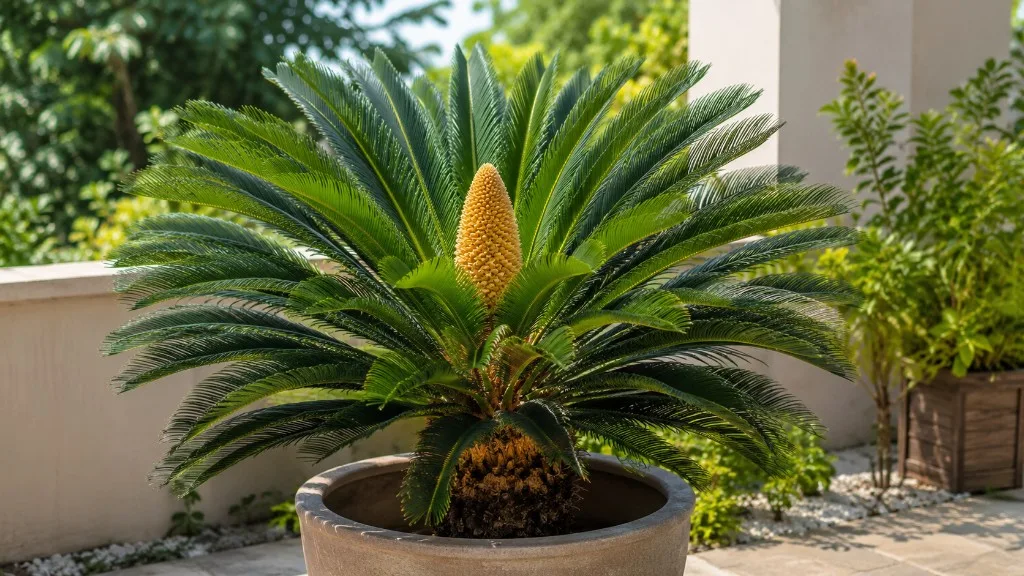
Sago palm (Cycas revoluta) causes liver damage in dogs. All parts are toxic; seeds are most concentrated. This is not an oxalate-irritation scenario—contact your vet or poison control immediately if ingestion is suspected.
Action: Remove from the home if dogs are present.
Useful references:
Dracaena
Exposure risk: Medium—tall floor specimens beside windows.
ASPCA dog status: Toxic (ASPCA dracaena listing)
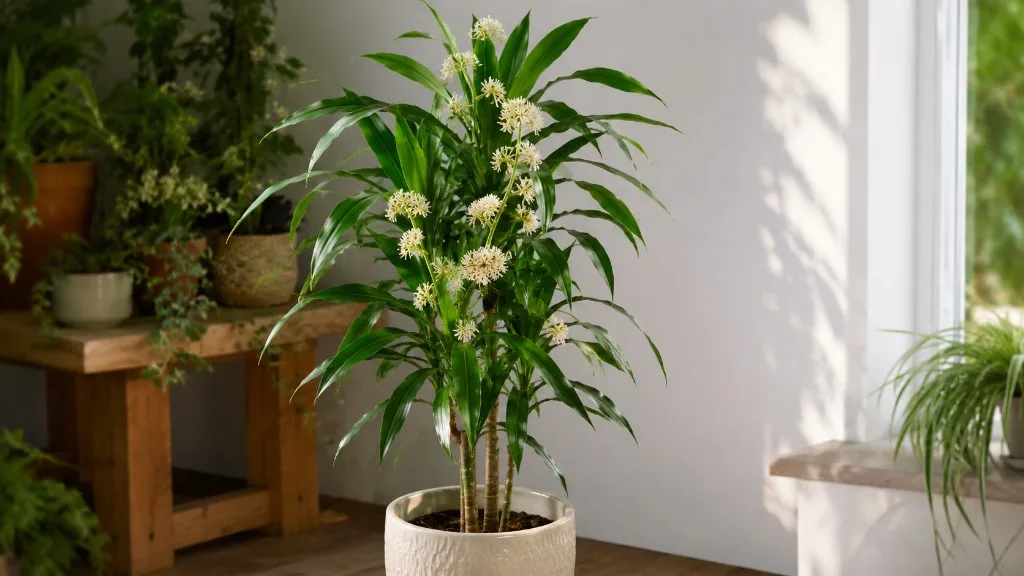
Dracaena (corn plant) is ASPCA toxic to dogs. Saponins can cause vomiting—sometimes with blood—and depression. Dogs may swallow more leaf material than cats because oxalate mouth pain is less immediate.
Action: Replace with areca palm for tall tropical greenery.
Useful references:
English Ivy
Exposure risk: High—trailing stems reach the floor from sills.
ASPCA dog status: Toxic (ASPCA English ivy listing)
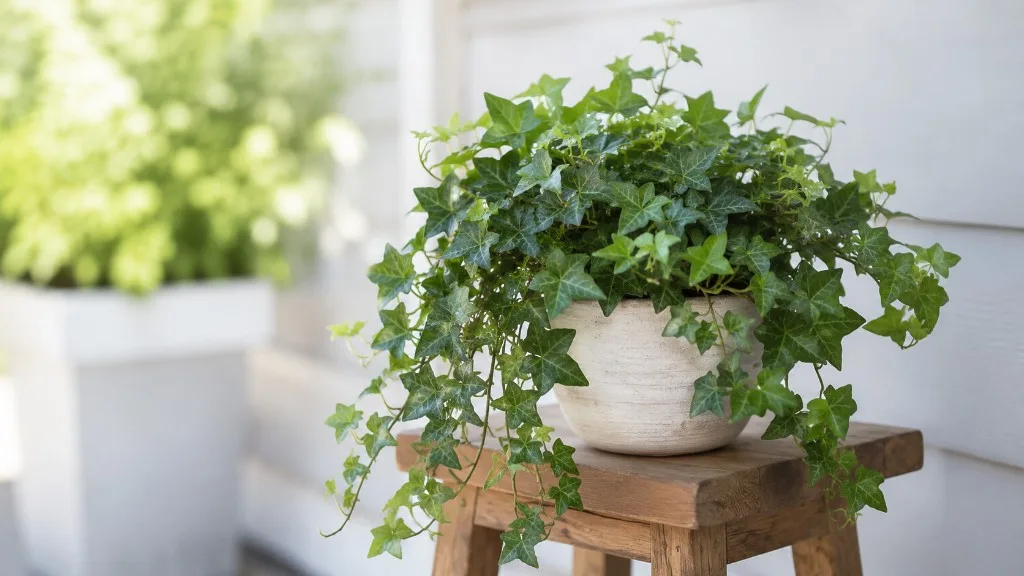
English ivy (Hedera helix) contains triterpenoid saponins. Dogs chewing trailing stems beside windows or outdoor transitions are a common exposure pattern. ASPCA: toxic to dogs.
Action: Replace with Boston fern for soft trailing texture.
Useful references:
Common Mistakes Dog Owners Make
Assuming “out of reach” means safe. Trailing plants reach the floor; dogs reach table height.
Keeping sago palm because it is small. Size does not reduce severity.
Confusing parlor palm with sago palm. Verify botanical names at purchase.
Ignoring potting mix ingestion. Toxic plant plus fertilizer-laced soil doubles risk.
Waiting to see if vomiting stops after sago palm or large aroid ingestion.
Conclusion
Remove pothos, philodendron, peace lily, dieffenbachia, ZZ plant, sago palm, dracaena, and English ivy from dog-accessible spaces before fine-tuning placement on lower-risk plants. All eight are ASPCA toxic to dogs.
Replace with options from Indoor Plants Safe for Dogs. If your dog eats any plant on this list, call your veterinarian or ASPCA Animal Poison Control at 888-426-4435. Treat sago palm ingestion as urgent.