Are ZZ Plants Toxic to Cats and Dogs? Symptoms, Safety, and Pet-Safe Alternatives
ZZ plants are toxic to cats and dogs due to calcium oxalate crystals. Learn the symptoms, what to do if your pet eats a ZZ plant, how to keep pets safe, and pet-friendly alternatives.

Quick Answer: Are ZZ Plants Toxic to Pets?
Yes, ZZ plants are toxic to cats and dogs. Every part of the plant — leaves, stems, rhizomes, and sap — contains microscopic needle-shaped crystals called calcium oxalate raphides. When a pet chews on any part of the plant, these crystals are released and embed in the soft tissues of the mouth, tongue, and throat, causing immediate pain and irritation. (ASPCA News)
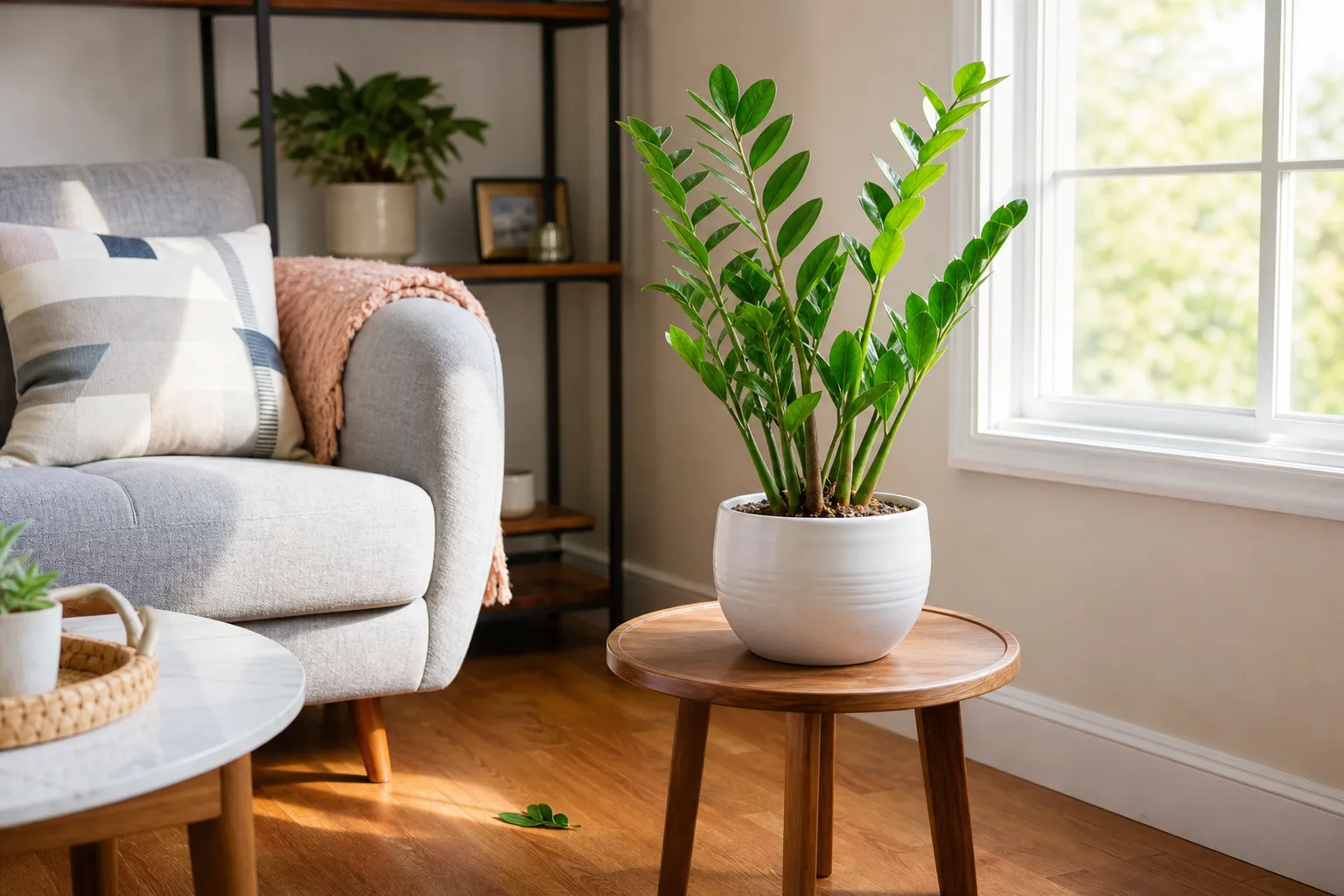
The toxicity is usually mild to moderate, not fatal. Most pets who chew a ZZ plant experience painful but temporary symptoms, and serious long-term effects are rare. But the experience is uncomfortable and can be frightening for both the pet and the owner. A pet who bites into a ZZ plant will not quietly have a stomach ache — they will drool, paw at their mouth, and likely show clear signs of distress within minutes.
This guide covers exactly what makes ZZ plants toxic, what symptoms to watch for, what to do if your pet eats part of one, and the safest ways to keep both your plant and your pet in the same home.
How This Guide Relates to Our ZZ Plant Hub
This page is a dedicated pet safety guide focused on toxicity, symptoms, treatment, and prevention. For general ZZ plant care — watering, light, soil, repotting, and daily maintenance — use our ZZ Plant care guide. For topic-specific depth on every aspect of ZZ care, use the ZZ Plant care hub which links to dedicated guides on watering, light, soil, propagation, repotting, and problem pages including yellow leaves and root rot. Think of this guide as the pet safety on-ramp; the hub is where you go for every other aspect of keeping a ZZ plant healthy.
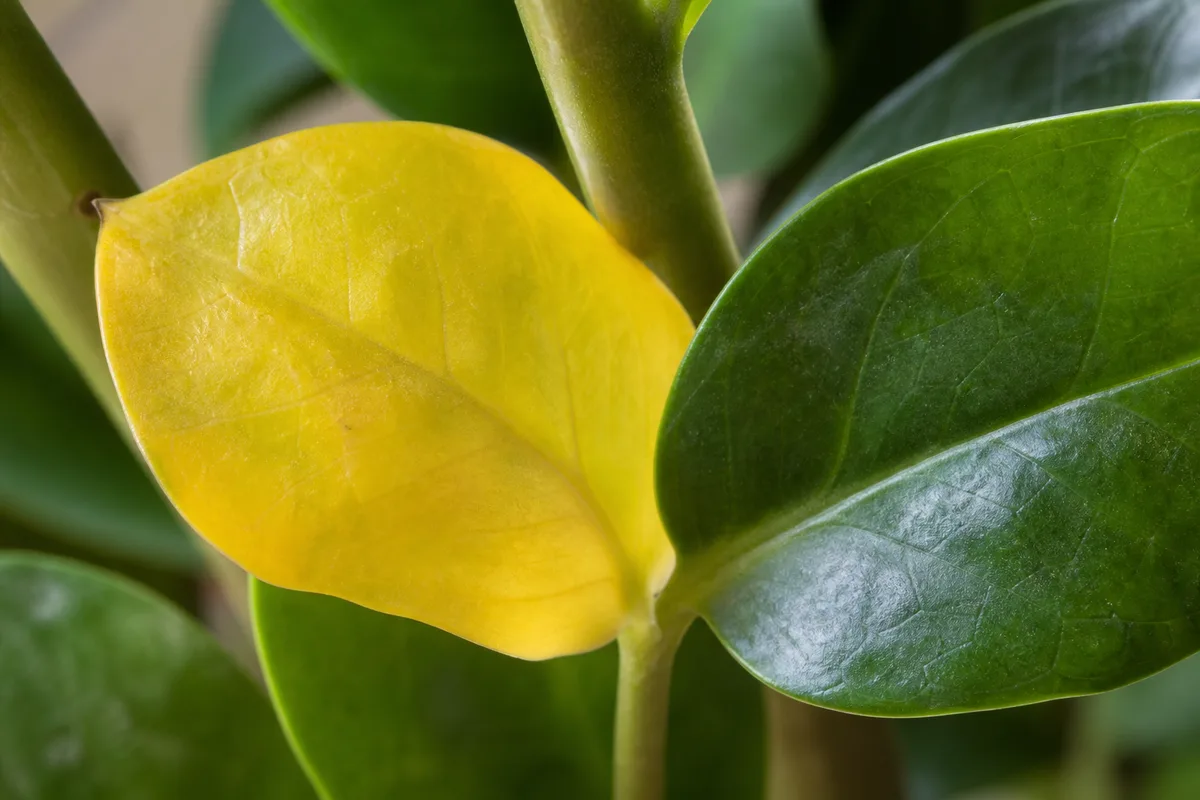
If you want to learn more about propagating your ZZ safely around pets, pair this with how to propagate ZZ plant — the propagation guide includes specific pet-safety notes for handling cut stems and rooting cuttings.
What Makes ZZ Plants Toxic?
The ZZ plant, Zamioculcas zamiifolia, belongs to the aroid family alongside pothos, philodendrons, peace lilies, and dieffenbachia — many of which share the same toxic mechanism. ASPCA Poison Control lists ZZ plants among the most common insoluble calcium oxalate-containing houseplants they receive calls about, alongside dumb cane, peace lily, pothos, philodendrons, and monstera. (ASPCA News)
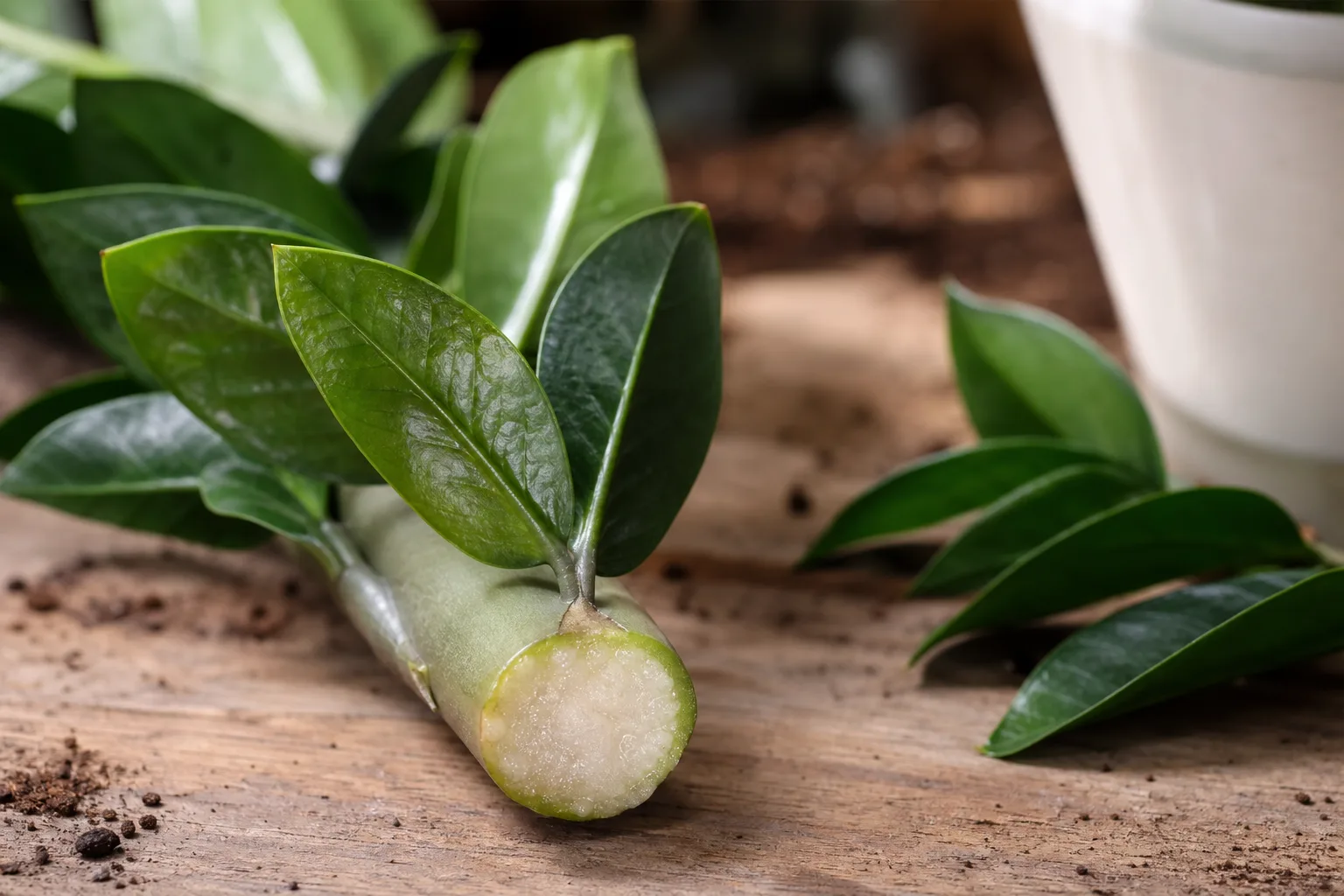
The plant’s defense system is mechanical, not chemical. Inside the cells of every leaf, stem, and rhizome are bundles of microscopic needle-shaped crystals called raphides. These crystals are packaged in specialized cells called idioblasts. When a pet chews or crushes the plant tissue, the idioblasts rupture and eject the raphides into the surrounding mouth tissue — essentially firing tiny needles into the soft surfaces of the tongue, gums, and throat. (Merck Veterinary Manual)
The pain is immediate and intense. A pet that takes a bite of a ZZ plant will typically stop chewing and start showing distress right away. The rapid onset of symptoms is actually protective — pets rarely eat large quantities of these plants because the first bite hurts enough to stop them.
Insoluble vs. Soluble Oxalates
There is an important distinction to understand. ZZ plants contain insoluble calcium oxalate crystals. These crystals do not dissolve in the body and are not absorbed into the bloodstream. Their damage is physical — embedding in tissues — not systemic poisoning. This is different from soluble oxalates found in plants like rhubarb leaves or certain lilies, which can be absorbed and cause kidney damage or systemic toxicity. (Pet Poison Helpline)
In practical terms, this means a ZZ plant exposure is typically a local tissue problem, not a systemic poisoning event. The mouth, throat, and stomach lining get irritated by the crystals, but the crystals do not travel to the liver, kidneys, or other organs the way some true poisons do.
Which Parts of the ZZ Plant Are Toxic?
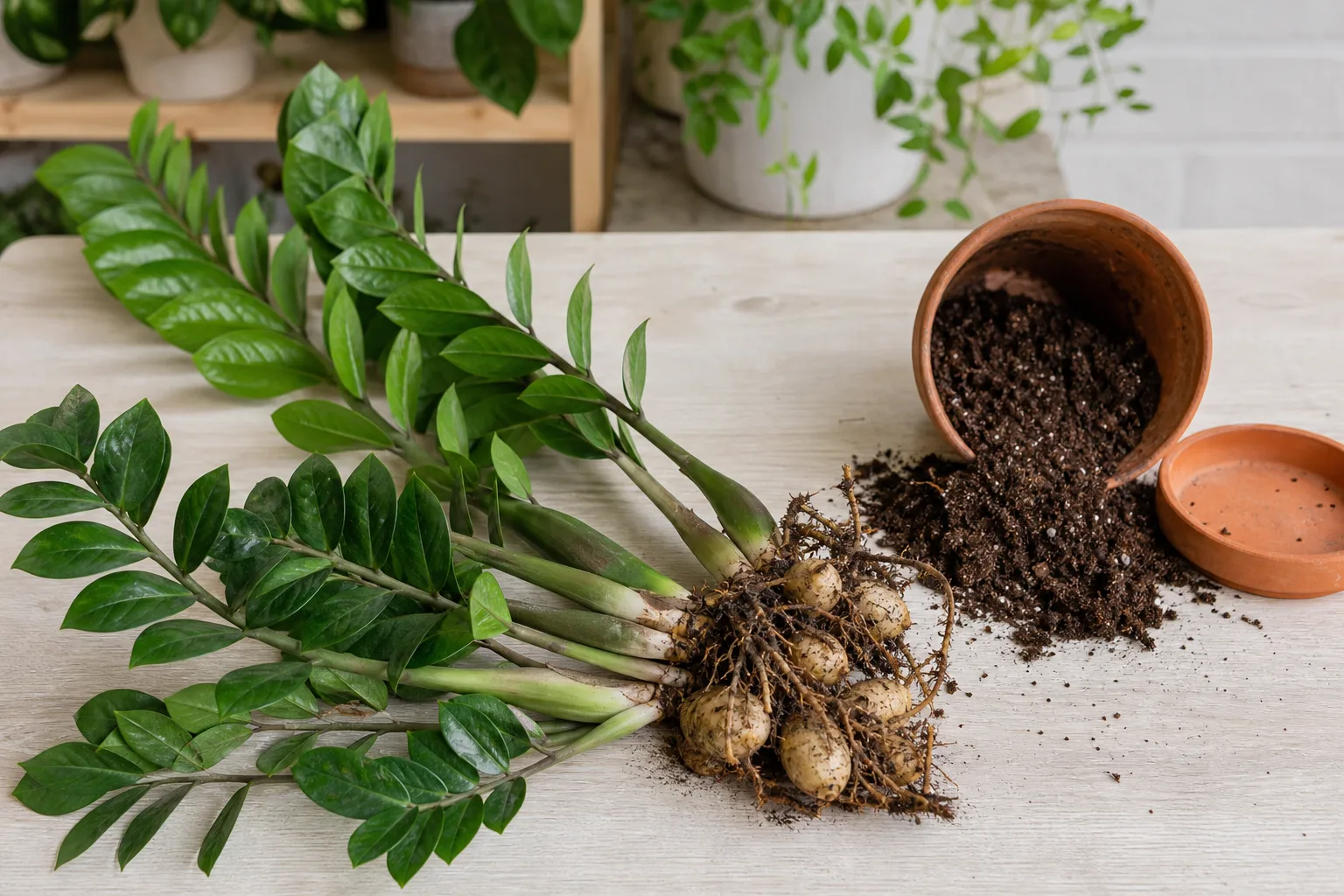
All parts are toxic, but not equally accessible to pets. The leaves and stems are the parts pets are most likely to chew because they are above ground and visible. Cats especially may bat at the dangling leaflets. Dogs are more likely to chew lower leaves or stems, or dig in the soil and encounter rhizomes.
- Leaves — contain calcium oxalate crystals throughout; the glossy waxy surface may not deter chewing because the irritation starts only after the tissue is crushed
- Stems — thick and fleshy, also packed with crystals; a stem cut during pruning or broken by a pet releases sap that can irritate skin and mouth tissue on contact
- Rhizomes — the underground storage structures are the most concentrated source; pets that dig in pots may expose and chew these
- Sap — any cut, break, or crushing of plant tissue releases sap containing the crystals; this is relevant during repotting, pruning, and propagation
NC State Extension notes the species contains calcium oxalate crystals that can cause mouth and digestive tract irritation. (NC State Extension) Clemson HGIC similarly warns that ZZ plant can irritate cats and dogs if chewed or eaten. (Clemson HGIC)
The takeaway for pet owners is simple: do not assume any part is safe. Even a fallen leaf on the floor is a hazard for a curious pet who might chew on it.
Symptoms of ZZ Plant Poisoning in Cats and Dogs
Symptoms appear within minutes to an hour after a pet chews the plant. The speed of onset is one of the most reliable signs that the problem is a plant with insoluble oxalate crystals rather than something else.
Immediate Symptoms
- Profuse drooling — often the first and most obvious sign; the mouth pours saliva in response to pain
- Pawing at the mouth — cats and dogs may repeatedly scratch at their face or rub their muzzle on surfaces
- Head shaking or head tilt — a response to mouth and throat discomfort
- Lip smacking, gagging, or retching — the pet may try to clear the irritating material from the mouth and throat
- Vocalizing — whining, crying, or yowling from mouth pain
- Swelling of the tongue, lips, or mouth — visible swelling that makes the pet look puffy around the face
- Difficulty swallowing — the pet may approach water or food but hesitate to eat or drink
Delayed or GI Symptoms
If the plant material is swallowed despite the oral pain, the crystals can irritate the esophagus, stomach, and intestines as they pass through:
- Vomiting — may contain plant material; can be repeated if the stomach lining is significantly irritated
- Diarrhea — less common but possible, especially with larger ingestions
- Decreased appetite — may refuse food for hours or a day after the exposure due to mouth soreness and stomach upset
- Lethargy — the pet may seem subdued or hide after the painful experience
ASPCA Poison Control notes that behavioral changes such as head shaking and pawing at the mouth may be observed with insoluble oxalate exposure. (ASPCA News)
Are Symptoms Life-Threatening?
In the vast majority of household pet exposures, symptoms are painful but self-limiting and not life-threatening. The oral pain peaks shortly after exposure and typically improves over the course of hours. Gastrointestinal symptoms like vomiting may continue for up to a day.
There are two scenarios where a ZZ plant exposure could become serious:
-
Airway swelling — in rare cases with large ingestions, swelling in the back of the throat can narrow the airway and cause breathing difficulty. This is a medical emergency requiring immediate veterinary attention.
-
Dehydration from repeated vomiting — if a pet vomits persistently and cannot keep water down, they can become dehydrated. Small pets and pets with pre-existing health conditions are more vulnerable.
If your pet shows trouble breathing, persistent vomiting, severe swelling, or extreme lethargy, do not wait — go to a veterinary hospital immediately.
What to Do If Your Pet Eats a ZZ Plant
If you catch your pet chewing on a ZZ plant or find chewed leaves and a drooling pet, do not panic. The toxicity is typically not life-threatening, and you can take several steps right away to help your pet.
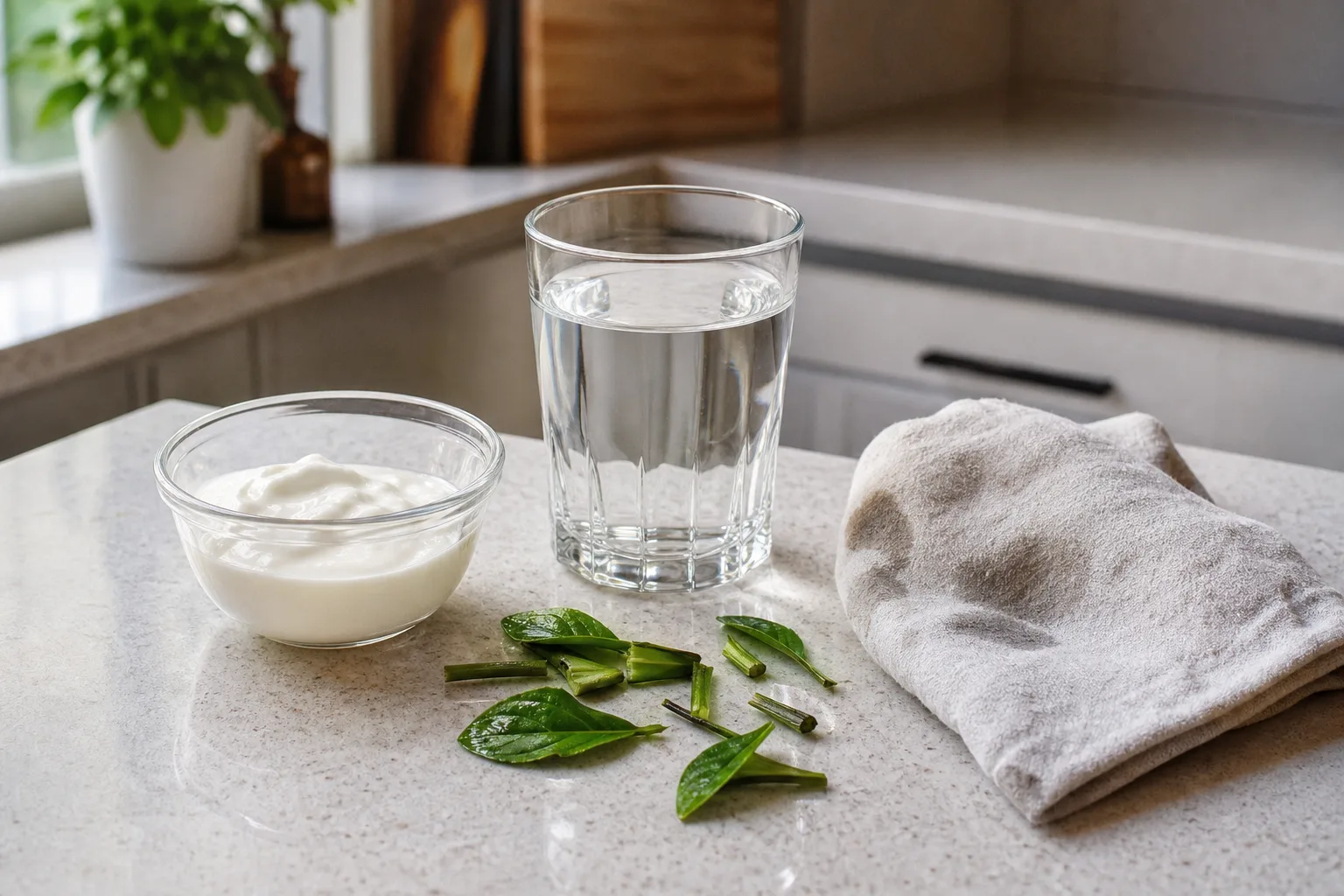
Step 1: Remove Plant Material
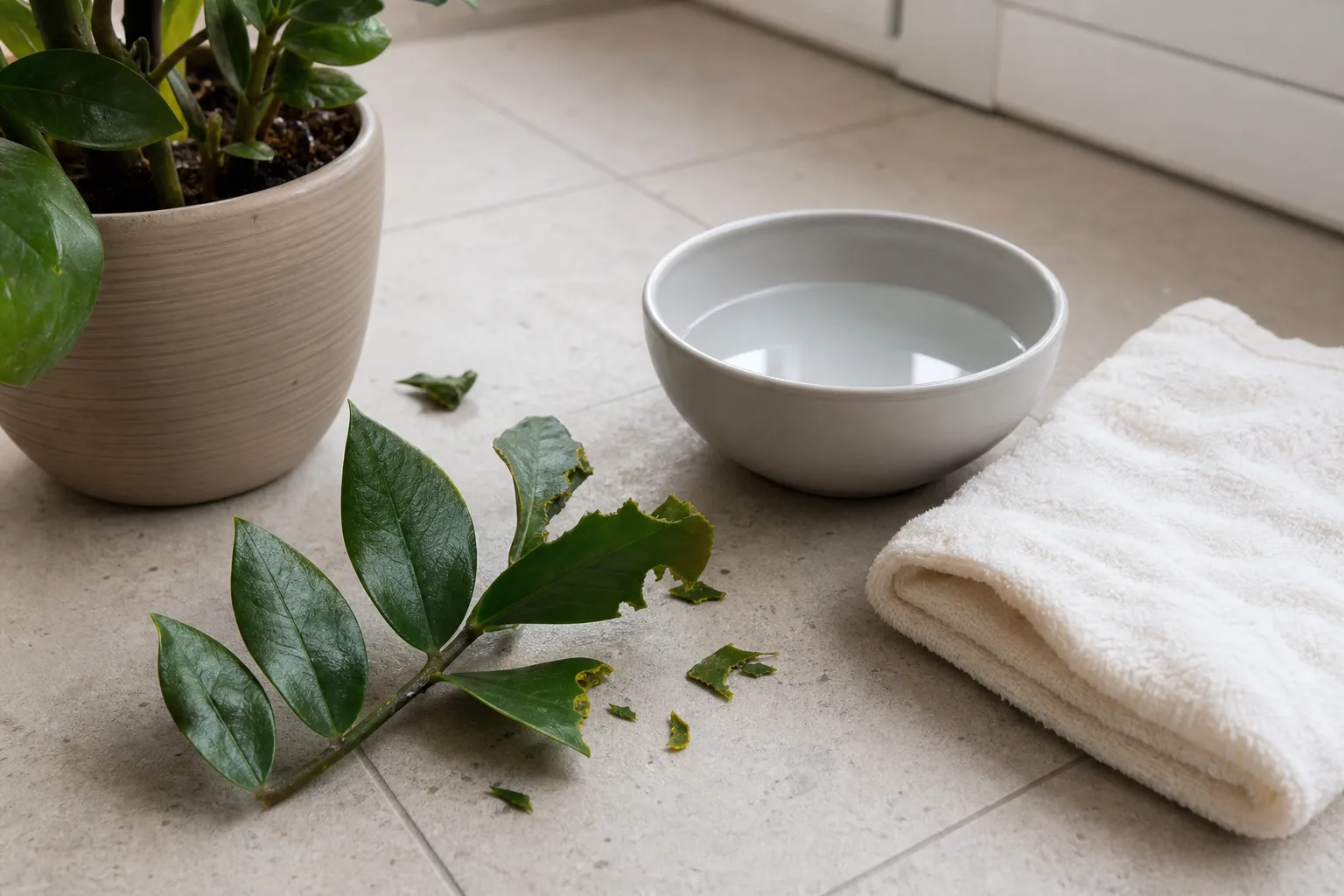
Gently open your pet’s mouth if you can do so safely and remove any visible pieces of plant. Use your fingers or a soft damp cloth. Be careful not to get bitten — a pet in pain may snap reflexively.
Step 2: Rinse the Mouth
Wipe the gums, tongue, and inside of the cheeks with a damp soft cloth to remove residual sap and crystal fragments. You can also gently rinse with a small stream of water if your pet tolerates it. This physically removes unanchored crystals before they cause more irritation.
Step 3: Offer Something to Soothe the Mouth
ASPCA Poison Control recommends offering a small amount of dairy product such as milk, plain yogurt, or vanilla ice cream shortly after exposure — as long as the product does not contain xylitol, which is toxic to dogs. (ASPCA News) The calcium in dairy can help bind the oxalate crystals, and the cool liquid is soothing to irritated oral tissues.
Offering plain water is also helpful for dilution and comfort.
Step 4: Call for Professional Guidance
Call your veterinarian or ASPCA Animal Poison Control at (888) 426-4435. This is a 24-hour hotline staffed by veterinary toxicologists. They will ask:
- Your pet’s species, breed, age, and approximate weight
- Which plant was eaten (have the name ready: ZZ plant, Zamioculcas zamiifolia)
- How much was eaten (or how much plant material is missing)
- When the exposure happened
- What symptoms your pet is showing
A consultation fee may apply for the ASPCA hotline, but it is often well worth the cost for professional guidance tailored to your specific situation.
Step 5: Do Not Induce Vomiting Unless Directed
Do not try to make your pet vomit at home unless a veterinarian specifically tells you to. Hydrogen peroxide given incorrectly can cause additional esophageal and stomach damage, and in some types of poisoning, vomiting makes things worse. Let a professional make that decision.
What Happens at the Vet
If your veterinarian recommends bringing your pet in, they will assess the severity of symptoms and may provide:
- Mouth examination to check for swelling and embedded plant material
- Pain management if the oral irritation is severe
- Anti-nausea medication to control vomiting
- Fluid therapy to prevent or treat dehydration from vomiting and drooling
- Gastrointestinal protectants such as sucralfate to coat irritated stomach and esophageal lining
Most pets are treated symptomatically and sent home the same day. Hospitalization is rare for ZZ plant exposures and is typically only needed if there is airway compromise, uncontrolled vomiting, or severe dehydration.
Are ZZ Plants Toxic to Humans?
Yes, ZZ plants can cause symptoms in humans too, but the effects are typically mild and limited to skin and oral irritation. The same calcium oxalate crystals that cause mouth pain in pets can irritate human skin and mucous membranes.
- Skin contact: The sap from cut stems or leaves can cause redness, itching, or a burning sensation, especially on sensitive skin or if the sap touches broken skin
- Mouth contact: Chewing on a leaf causes the same immediate oral pain, burning, and swelling that pets experience
- Eye contact: Getting sap in the eyes after touching the plant and rubbing your face can cause significant irritation
Handling ZZ Plants Safely Around the Home
Wear gloves when pruning, repotting, or propagating — especially if you have sensitive skin. Wash your hands thoroughly with soap and water after any contact with the plant, and avoid touching your face or eyes until you have washed up. Clean up fallen leaves from the floor promptly. These simple precautions are usually enough to prevent problems for adults.
What About Children?
ZZ plants pose a more meaningful concern for young children than for adults. A toddler exploring the world by putting objects in their mouth could chew on a leaf and experience painful mouth irritation. The shiny, attractive leaves can draw a child’s curiosity.
If a child eats part of a ZZ plant, remove any pieces from their mouth, wipe with a damp cloth, offer water or milk to drink, and call your local poison control center or pediatrician. The symptoms are painful but rarely dangerous with a small exposure. For larger ingestions or if a child shows difficulty swallowing or breathing, seek emergency care.
The safest strategy in homes with small children is to keep ZZ plants on high shelves, in hanging planters, or in rooms that are off-limits to unsupervised toddlers.
How to Keep Pets Safe Around ZZ Plants
You do not have to choose between owning a ZZ plant and owning a pet. Most toxic plant exposures happen because the plant is accessible, not because a pet went out of its way to find it. A few practical adjustments can dramatically reduce the risk.
Use Elevation to Your Advantage
High shelves and tall plant stands are the simplest and most effective solution, especially for dogs and less agile cats. A ZZ plant on a secure shelf 4 to 5 feet off the ground is functionally out of reach for most dogs and many cats. For cats that are determined jumpers, choose stands with narrow tops that do not leave landing room, or keep the plant in a room the cat does not access.
Hanging planters work especially well for smaller ZZ plants and dwarf cultivars like ‘Zenzi.’ A hanging planter near a window keeps the plant in good light while keeping it completely out of pet reach. Make sure the hook is securely anchored and the planter has proper drainage so water does not drip where a pet might drink it.
Use Deterrents
Dogs and cats both dislike certain smells and tastes. These deterrents can make the area around a ZZ plant unappealing without harming the plant or the pet:
- Citrus peels placed on the soil surface — most cats and dogs avoid the smell of orange, lemon, or grapefruit
- Diluted vinegar spray — a light mist of one part vinegar to three parts water around the outside of the pot (not on the plant) can repel pets; test on a small area first
- Commercial pet deterrent sprays — available at pet stores; check labels for ingredients safe for indoor use
- Aluminum foil on the soil surface — the texture and sound deter cats from walking or digging in the pot; dogs often avoid the crinkle as well
Avoid deterrents that could be toxic themselves if ingested, such as essential oils applied directly to the plant. Many essential oils are far more dangerous to pets than the ZZ plant you are trying to protect them from.
Block Access to the Soil
Pets that dig in houseplant soil can expose and chew the rhizomes, which contain concentrated calcium oxalate crystals. Keep soil covered with:
- Decorative river rocks or pebbles too large for a pet to swallow
- Mesh or chicken wire cut to fit the pot and covered with a thin layer of decorative material
- Plastic soil covers sold for houseplants
This protection serves double duty — it keeps pets out and also helps retain soil moisture and reduce fungus gnats.
Know Your Pet’s Behavior
The most important safety measure is understanding your individual pet’s habits. A dog that has never shown interest in houseplants needs less protection than a cat that regularly nibbles on anything green. A puppy or kitten exploring the world with their mouth needs more caution than a senior pet who sleeps all day.
If your pet is a plant-chewer regardless of deterrents, rehoming the plant to a pet-free room or giving it to a friend is a safer choice than relying on training alone. Some pets cannot be trained out of plant-chewing behavior, and a single painful incident is not worth the risk of testing that.
Pet-Safe Alternatives to the ZZ Plant
If you decide that the risk is not worth it, or if you want to populate a pet-accessible area with worry-free plants, several attractive houseplants are non-toxic to both cats and dogs. These plants are listed as non-toxic in the ASPCA’s database and offer similar visual appeal and care profiles.
Low-Maintenance Alternatives Like ZZ Plants
Cast Iron Plant (Aspidistra elatior) — the closest substitute for the ZZ plant in terms of care. It tolerates low light, irregular watering, and neglect about as well as a ZZ plant, and it has a similar upright habit with glossy dark green leaves. Completely non-toxic to pets.
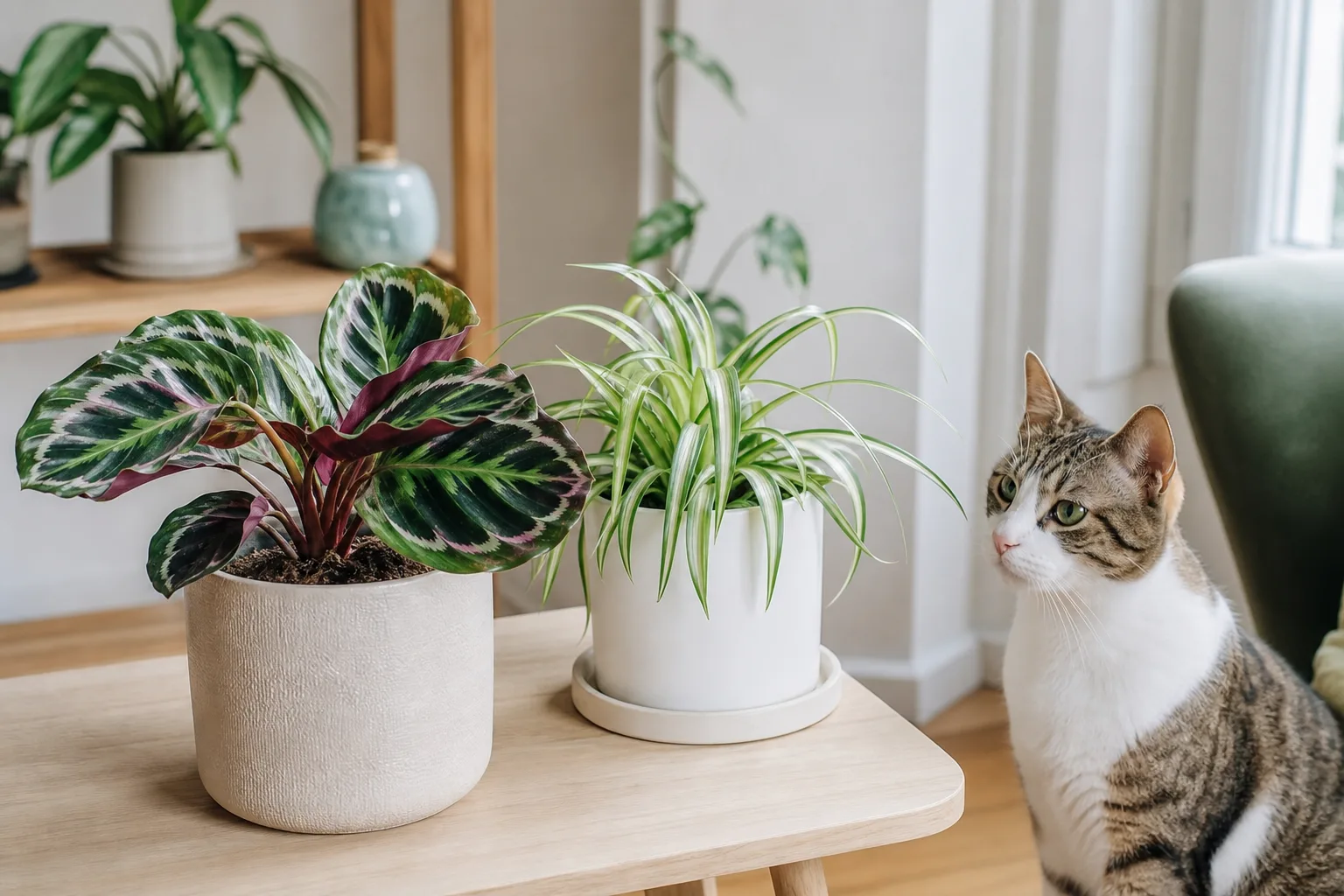
Spider Plant (Chlorophytum comosum) — grassy, arching foliage that looks full and healthy in bright indirect light. Spider plants are pet-safe and also forgiving of beginner mistakes. Cats may be attracted to the grass-like leaves for nibbling, but the result is a mild stomach upset at most, not mouth pain. Spider plant care guide
Leafy and Textured Alternatives
Calathea and Prayer Plants (Calathea, Maranta, Ctenanthe) — known for their striking patterned foliage in shades of green, purple, and silver. These plants need more humidity and consistent moisture than ZZ plants, but their decorative impact is hard to beat. All are non-toxic to cats and dogs. Calathea care guide
Peperomia — compact plants with thick, fleshy leaves available in dozens of varieties including ripple peperomia, watermelon peperomia, and baby rubber plant. The thick foliage gives them a similar substance to ZZ leaves, and they take up little space on a shelf or desk. Safe for pets.
Boston Fern (Nephrolepis exaltata) — lush, feathery fronds that bring a different texture to the room. Boston ferns need more humidity and consistent watering than ZZ plants, but they are excellent in bathrooms or kitchens with higher ambient moisture. Non-toxic to cats and dogs.
Succulent-Style Alternatives
Haworthia — small, slow-growing succulents with pointed, striped, or textured leaves that mimic aloe in appearance but without the toxicity. Place them in bright light with infrequent watering, and they thrive. Much smaller than a ZZ plant but work well on desks, shelves, and windowsills.
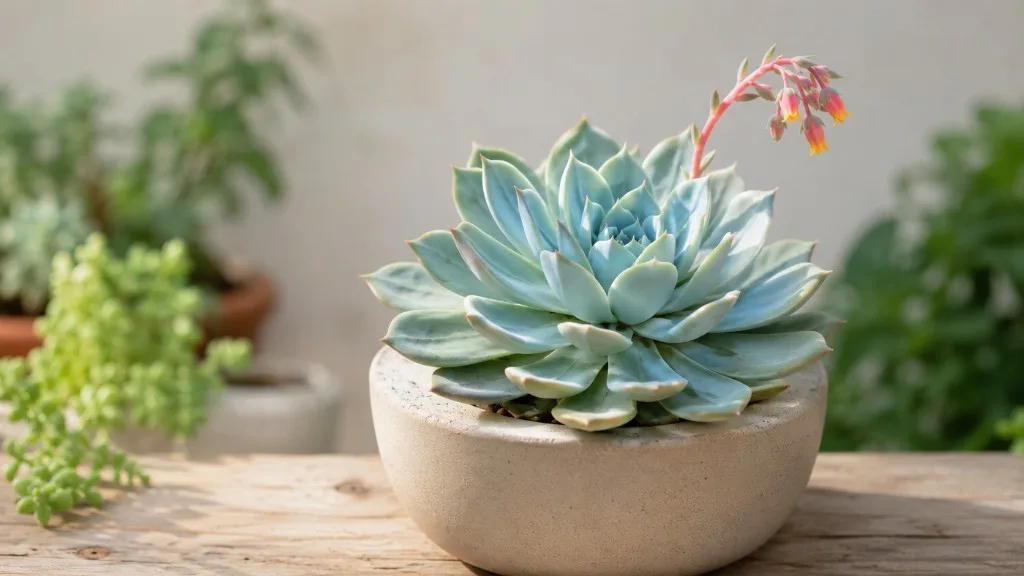
Echeveria — rosette-forming succulents in shades of green, purple, and blue-gray. They need more light than a ZZ plant — a sunny windowsill is ideal — but their care is otherwise minimal. Non-toxic to pets.
Flowering Pet-Safe Plants
African Violet (Saintpaulia) — compact flowering plants that bloom repeatedly in bright indirect light. Their fuzzy leaves and colorful flowers add variety to a plant collection, and they are entirely safe around pets.
Christmas Cactus (Schlumbergera) — trailing segmented stems with bright flowers in winter. Not a true cactus with spines, so it is safe to handle. Needs more consistent moisture than a ZZ plant but is forgiving otherwise.
Parlor Palm (Chamaedorea elegans) — a small palm with delicate fronds that brings height and a tropical feel to a room. Tolerates lower light and is non-toxic. One of the best pet-safe floor plants.
What to Avoid if You Are Replacing a ZZ Plant
If pet safety is your reason for replacing a ZZ plant, be aware that several other popular houseplants share the same calcium oxalate toxicity:
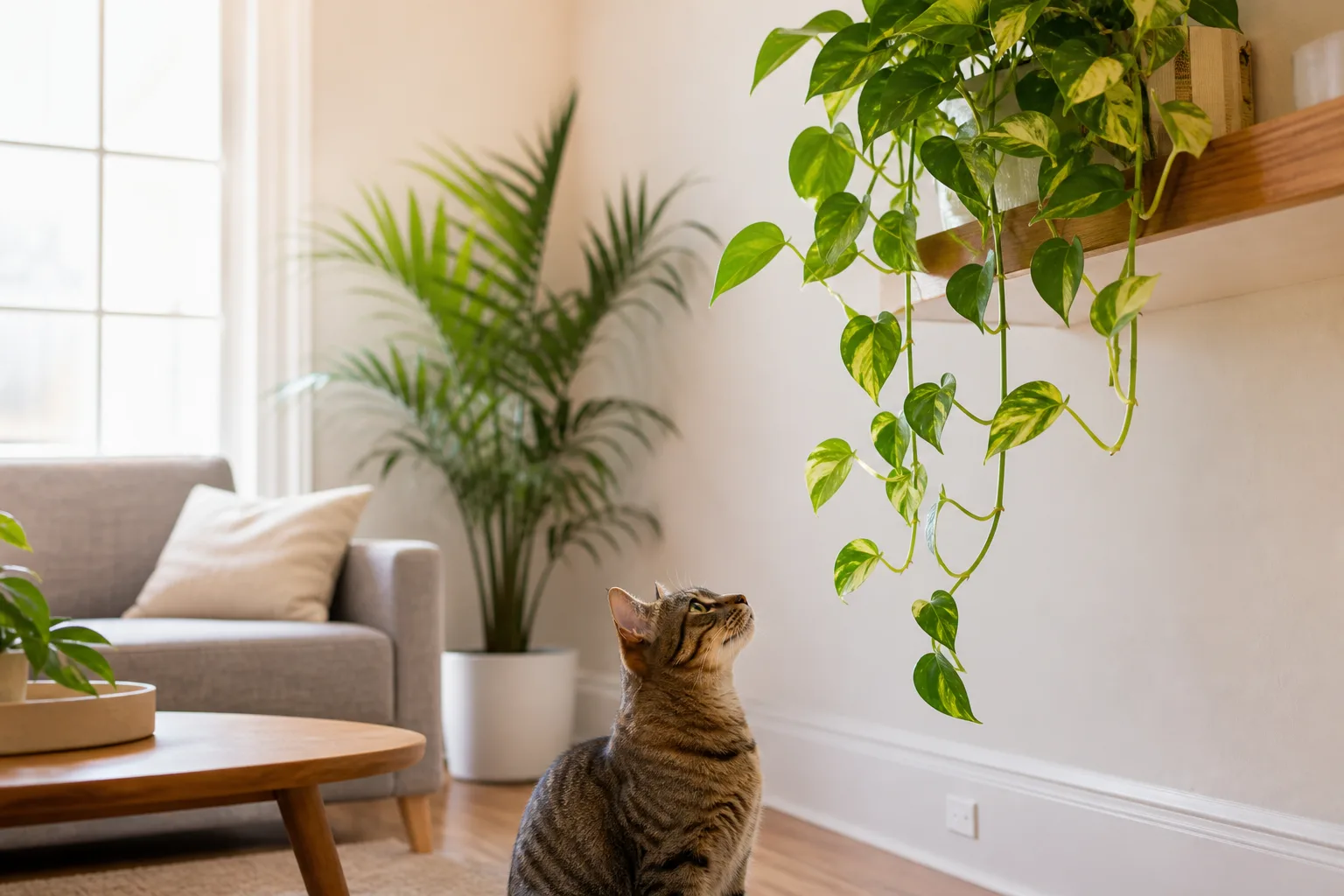
- Pothos (Epipremnum aureum)
- Philodendron (all varieties)
- Peace Lily (Spathiphyllum)
- Dieffenbachia (Dumb Cane)
- Monstera (Swiss Cheese Plant)
- Snake Plant (Sansevieria/Dracaena trifasciata)
- Aloe Vera
All of these are toxic to cats and dogs to varying degrees. If you are choosing a replacement, cross-reference with the ASPCA Toxic and Non-Toxic Plants database for peace of mind.
ZZ Plant Propagation and Pet Safety
Propagating a ZZ plant creates additional pet safety risks that are worth addressing specifically. If you propagate by stem cuttings in water, you have open jars containing toxic plant material on countertops or windowsills — often at a perfect height for a curious cat or dog to reach. If you propagate in soil, pots of cuttings at floor level are easy targets.
Our ZZ plant propagation guide covers all methods in detail, but here are the pet safety rules to follow during propagation:
- Keep water propagation jars on high shelves or in rooms pets cannot access
- Clean up fallen leaves immediately — a dropped leaf on the floor is an invitation
- Wash hands after handling cut stems — do not touch your pet with sap on your hands
- Dispose of trimmed plant material directly into a covered trash bin, not an open one
- Cover soil propagation pots with mesh or keep them elevated until cuttings are potted up and moved to their permanent location
The same calcium oxalate crystals that irritate a pet’s mouth are present in cut stems and leaves during propagation. The risk is not reduced just because the plant material is no longer attached to the parent plant.
Related Guides
- ZZ Plant care guide — complete beginner care for light, water, soil, and troubleshooting
- How to propagate ZZ plant — stem cuttings, leaf propagation, and division with pet safety notes
- ZZ Plant care hub — full cluster with topic-specific guides on watering, light, soil, and problem pages
- Spider plant care guide — care for a popular non-toxic alternative
- Calathea care guide — care for striking pet-safe foliage plants
- Best indoor plants for beginners — easy-care options, many of which are pet-safe
Conclusion
ZZ plants are toxic to cats and dogs, but the toxicity is mechanical, not chemical — and it is rarely life-threatening. The calcium oxalate crystals cause immediate mouth pain, drooling, and vomiting, but the pet typically stops eating the plant after the first painful bite, which limits the dose. Most exposures resolve with simple home care and a call to the vet.
The key steps for any pet owner with a ZZ plant are straightforward: keep the plant out of reach, know the symptoms, know what to do if your pet chews it, and have your vet and ASPCA Poison Control (888) 426-4435 numbers saved. If you cannot secure the plant from a determined pet, the safer choice is a non-toxic alternative like a cast iron plant, spider plant, or calathea — all of which bring beauty into your home without the worry.
A ZZ plant and a pet can share a home perfectly safely. The plant just needs to be in a spot your pet cannot reach — and that is often the simplest fix of all.