Rosemary Problems: Causes & Quick Fixes
Quick answer
Rosemary is prone to 20 common issues - each link below is a plant-specific fix guide.
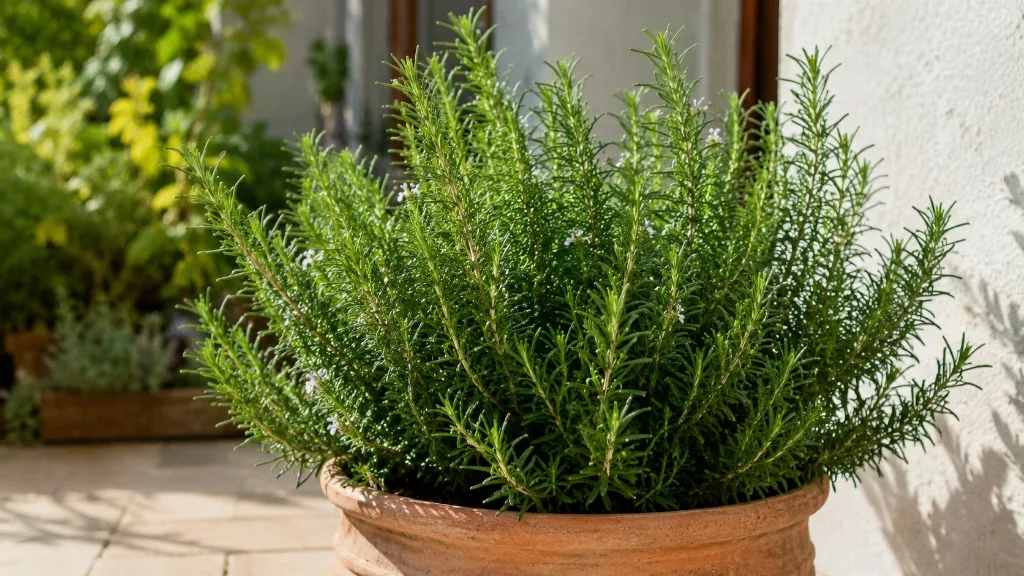
Rosemary problems
Use the guides below to diagnose and fix common issues on Rosemary. Each problem page explains why it happens on this species and what to do first.
Or use our problem diagnosis tool to narrow down symptoms.
Common problems on Rosemary
Brown Leaves
MediumLikely cause: Overwatering followed by root failure, or drought stress
Quick fix: Diagnose by soil moisture; adjust watering and ensure drainage
Full fix guide →Crispy Leaves
MediumLikely cause: Salvia rosmarinus, synonym Rosmarinus officinalis, commonly known as rosemary, is a shrub with fragrant, evergreen, needle-like leaves and purple or sometimes white, pink, or blue flowers. It is a member of …
Quick fix: Confirm diagnosis on your Rosemary, then address the most likely care or pest factor described in current extension guidance.
Full fix guide →Likely cause: May 31, 2026 · Rosemary is celebrated for its delightful aroma and culinary appeal. Proving to be even more versatile, the plant can be grown both as an herb and a garden ornamental. It's a perennial …
Quick fix: Confirm diagnosis on your Rosemary, then address the most likely care or pest factor described in current extension guidance.
Full fix guide →Curling Leaves
MediumLikely cause: Salvia rosmarinus, synonym Rosmarinus officinalis, commonly known as rosemary, is a shrub with fragrant, evergreen, needle-like leaves and purple or sometimes white, pink, or blue flowers. It is a …
Quick fix: Confirm diagnosis on your Rosemary, then address the most likely care or pest factor described in current extension guidance.
Full fix guide →Distorted Leaves
MediumLikely cause: Salvia rosmarinus, synonym Rosmarinus officinalis, commonly known as rosemary, is a shrub with fragrant, evergreen, needle-like leaves and purple or sometimes white, pink, or blue flowers. It is a …
Quick fix: Confirm diagnosis on your Rosemary, then address the most likely care or pest factor described in current extension guidance.
Full fix guide →Holes in Leaves
MediumLikely cause: Salvia rosmarinus, synonym Rosmarinus officinalis, commonly known as rosemary, is a shrub with fragrant, evergreen, needle-like leaves and purple or sometimes white, pink, or blue flowers. It is a member of …
Quick fix: Confirm diagnosis on your Rosemary, then address the most likely care or pest factor described in current extension guidance.
Full fix guide →Leggy Growth
LowLikely cause: Insufficient direct sunlight
Quick fix: Move to full sun outdoor position; trim leggy stems
Full fix guide →No Flowers
LowLikely cause: Salvia officinalis, common sage or sage, is a perennial, evergreen subshrub, with woody stems, grayish leaves, and blue to purplish flowers. It is a member of the mint family (Lamiaceae) and native to the …
Quick fix: Confirm diagnosis on your Rosemary, then address the most likely care or pest factor described in current extension guidance.
Full fix guide →Not Enough Light
MediumLikely cause: Feb 15, 2026 · Rosemary (Salvia rosmarinus) is a fragrant perennial herb from the mint family that thrives in warmer climates. It grows as an evergreen shrub with slender, needle-like leaves and light …
Quick fix: Follow extension or botanical guidance for Rosemary not enough light; adjust care before applying broad treatments.
Full fix guide →Plant Leaning
MediumLikely cause: May 31, 2026 · Rosemary is celebrated for its delightful aroma and culinary appeal. Proving to be even more versatile, the plant can …
Quick fix: Confirm diagnosis on your Rosemary, then address the most likely care or pest factor described in current extension guidance.
Full fix guide →Pot Too Large
MediumLikely cause: Jul 12, 2024 · Salvia is a large genus of plants with more than 1000 species. Salvias, also called sage, are part of the mint (Lamiaceae) plant family. Salvias are known for their strong, pleasant scent and long …
Quick fix: Follow extension or botanical guidance for Rosemary pot too large; adjust care before applying broad treatments.
Full fix guide →Red Leaves
MediumLikely cause: Salvia rosmarinus, synonym Rosmarinus officinalis, commonly known as rosemary, is a shrub with fragrant, evergreen, needle-like leaves and purple or sometimes white, pink, or blue flowers. It is a …
Quick fix: Confirm diagnosis on your Rosemary, then address the most likely care or pest factor described in current extension guidance.
Full fix guide →Root Rot
HighLikely cause: Overwatering is the primary killer of rosemary in humid climates
Quick fix: Unpot, trim black roots, let air-dry, replant in gritty dry mix
Full fix guide →Poor Potting Setup
MediumLikely cause: Use a free draining potting mix and do not allow the root ball to sit in water. Containers let you move plants to shelter for winter protection in marginal zones.
Quick fix: Confirm diagnosis on your Rosemary, then address the most likely care or pest factor described in current extension guidance.
Full fix guide →Likely cause: Salvia officinalis, common sage or sage, is a perennial, evergreen subshrub, with woody stems, grayish leaves, and blue to purplish flowers. It is a member of the mint family (Lamiaceae) and native to the …
Quick fix: Confirm diagnosis on your Rosemary, then address the most likely care or pest factor described in current extension guidance.
Full fix guide →Sticky Leaves
MediumLikely cause: Salvia rosmarinus, synonym Rosmarinus officinalis, commonly known as rosemary, is a shrub with fragrant, evergreen, needle-like leaves and purple or sometimes white, pink, or blue flowers. It is a …
Quick fix: Confirm diagnosis on your Rosemary, then address the most likely care or pest factor described in current extension guidance.
Full fix guide →Likely cause: Salvia rosmarinus, synonym Rosmarinus officinalis, commonly known as rosemary, is a shrub with fragrant, evergreen, needle-like leaves and purple or sometimes white, pink, or blue flowers. It is a member of …
Quick fix: Confirm diagnosis on your Rosemary, then address the most likely care or pest factor described in current extension guidance.
Full fix guide →Transparent Leaves
MediumLikely cause: Salvia rosmarinus, synonym Rosmarinus officinalis, commonly known as rosemary, is a shrub with fragrant, evergreen, needle-like leaves and purple or sometimes white, pink, or blue flowers. It is a …
Quick fix: Confirm diagnosis on your Rosemary, then address the most likely care or pest factor described in current extension guidance.
Full fix guide →White Spots
MediumLikely cause: Powdery mildew from poor airflow and high humidity
Quick fix: Improve air circulation; spray diluted neem oil weekly; remove affected stems
Full fix guide →Yellow Leaves
MediumLikely cause: Salvia rosmarinus, synonym Rosmarinus officinalis, commonly known as rosemary, is a shrub with fragrant, evergreen, needle-like leaves and purple or sometimes white, pink, or blue flowers. It is a …
Quick fix: Confirm diagnosis on your Rosemary, then address the most likely care or pest factor described in current extension guidance.
Full fix guide →