Small Flowers on Rosemary: What Is Normal and What to Check
Quick answer
Small flowers are normal for Rosemary, whose blossoms are naturally tiny and vary in color among cultivars. If the plant is otherwise healthy, do not try to enlarge the flowers. If bloom or growth has changed, compare blooms at a similar stage and check light, recent pruning, and drainage before changing care.
Small Flowers on Rosemary: What Is Normal and What to Check
This guide covers small flowers on Rosemary. See also the general Small Flowers guide, watering, and light pages for this plant.
Small Flowers on Rosemary: What Is Normal and What to Check
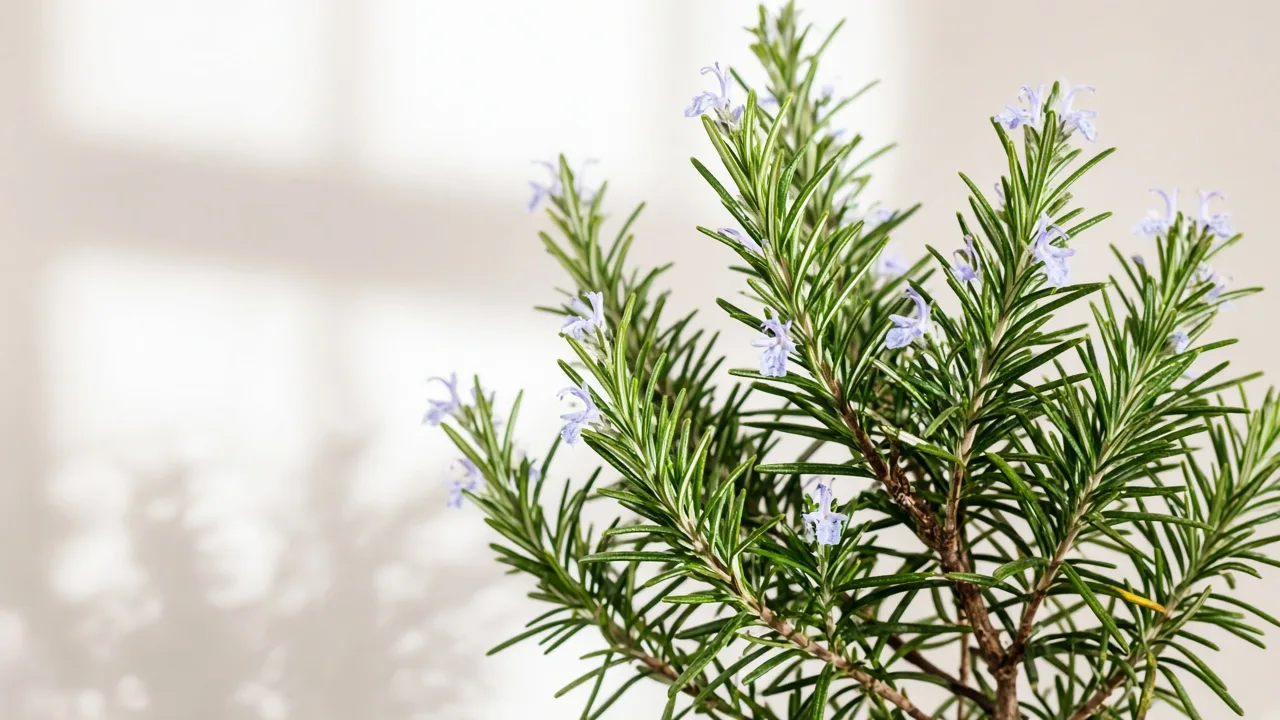
Small flowers are normal on Rosemary. North Carolina State Extension describes the blossoms as tiny, and the Royal Horticultural Society also describes them as small. If your plant is healthy and these flowers look like its usual blooms, there is nothing to treat. Investigate only if flowers have changed noticeably alongside weak shoots, leaf damage, or other decline. For the broader symptom pattern across plants, see the small-flowers guide.
What small flowers look like on Rosemary
Rosemary flowers are small, typically blue, lavender, mauve, pink, or white; flower color varies among cultivars. Better Homes & Gardens also lists several flower colors and spring/summer bloom features. Compare blooms on the same plant and at a similar stage rather than using a different cultivar as the standard. For broader plant-care context, see the Rosemary overview.
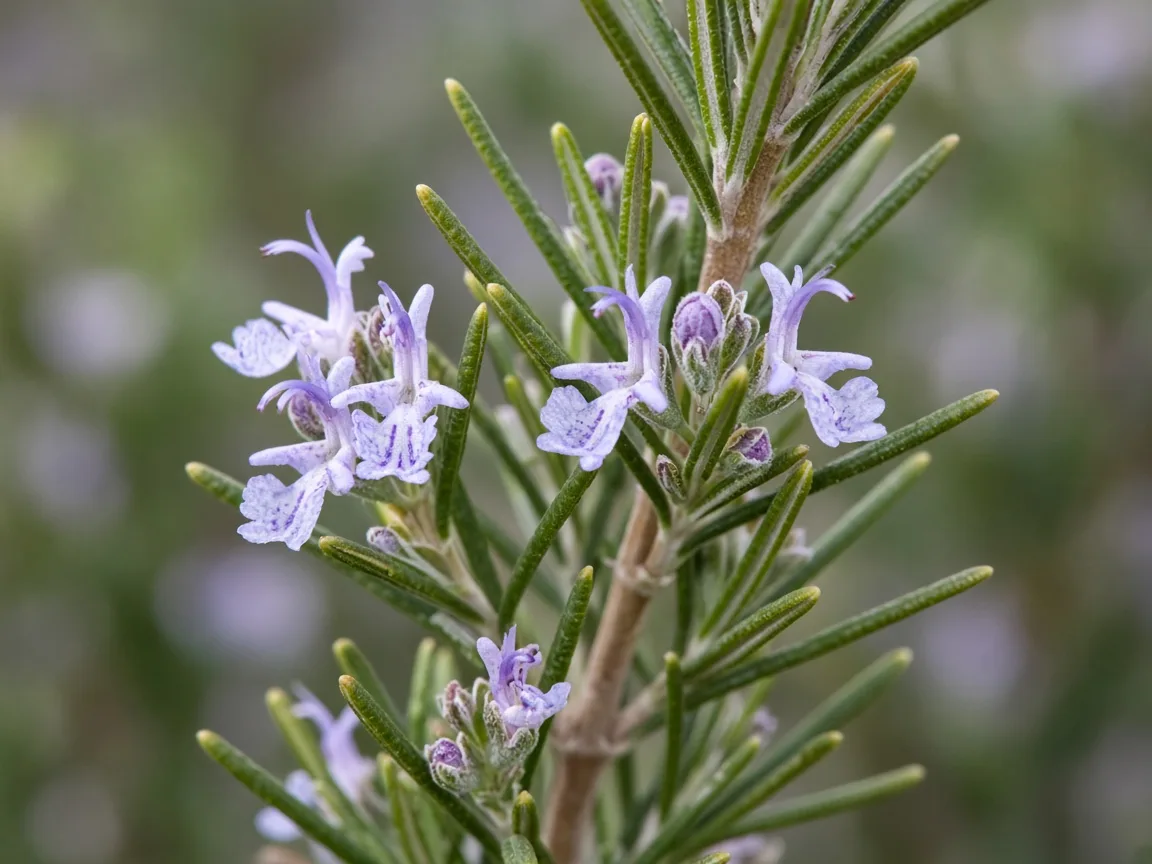
Rosemary’s flowers are naturally small; compare the open blooms with other flowers on the same plant before changing care.
Why Rosemary flowers may seem unusually small
“Small flowers” is not a specific diagnosis. The sources describe Rosemary’s blossoms as naturally small or tiny, and note that color and flowering characteristics differ by variety. North Carolina State Extension reports spring-to-summer flowering, while The Spruce lists spring and summer as the bloom period. Compare flowers at a similar stage and do not assume a disease from size alone.
If flowers look smaller than the plant’s previous blooms, check the growing conditions rather than reaching for a treatment. Rosemary is a sun-loving plant; University of Delaware Extension recommends full sun and loose, well-drained soil. These are useful care checks, but the sources do not establish that shade or soil moisture by itself causes small flowers.
How to check the plant
- Compare like with like. Look at open blooms on the same Rosemary, not a different cultivar. Note whether the change affects all flowers or only a few buds.
- Check the plant’s overall condition. Firm stems and steady new growth suggest the flowers may simply be normal for that plant. If shoots are weak or the foliage is declining too, investigate care conditions.
- Review light and recent pruning. Check whether the plant is shaded indoors or by taller plants. Recall whether it was clipped shortly before flowering; RHS recommends the annual trim after flowering.
- Check the root zone if the whole plant is struggling. Feel the potting mix and make sure water drains freely. Rosemary tolerates dry conditions once established but should not sit in waterlogged soil; correct drainage only if that problem is present.
- Separate small flowers from no flowers. If buds are not appearing at all, check the seasonal timing and use the Rosemary no-flowers guide instead.
For additional care context, see Rosemary’s light guide, watering guide, and soil guide. These pages cover the conditions that matter for the whole plant; they do not establish a direct flower-size treatment.
First response for small Rosemary flowers
If small flowers are the only change, leave the plant’s routine alone and observe the next set of blooms. Do not repot, prune, or add fertilizer just to enlarge healthy flowers. A plant in an obviously dim location can be moved toward brighter light gradually, but make one change at a time and judge the response by overall growth as well as flowering.
If Rosemary is declining at the same time, act on the condition you can confirm. Move a shaded plant to a brighter position gradually; if the mix remains wet and drains poorly, correct that issue before watering again. The Rosemary overwatering guide and root-rot guide cover those separate problems. If you are unsure whether the roots or soil need attention, compare the signs in the poor potting setup guide before repotting.
Recovery and prevention
There is no Rosemary-specific recovery interval for small flowers in the sources reviewed. Keep notes on the plant’s bloom timing and compare flowers during its next flowering period. If the plant remains healthy, small blossoms are a normal feature, not damage that needs to turn larger.
For steady growth, give Rosemary a sunny position and free-draining soil, and avoid unnecessary changes when it is otherwise healthy. If you trim it for shape, follow the after-flowering pruning check above. If the concern is that Rosemary is not flowering at all, use the separate no-flowers guide rather than treating flower size as the same issue.
Related Rosemary guides
- Use the Rosemary overview for general plant context and the problems hub to browse other symptoms.
- Use Rosemary no flowers when blooms are absent, and Rosemary not enough light when the plant is leggy or pale.
- Use Rosemary overwatering or Rosemary root rot when the mix stays wet or roots and stems are declining.
Related tool
Use the Plant Problem Diagnosis Tool to organize other symptoms before changing more than one care condition.