Flower Trends 2026: 10 Blooms to Grow Now
Flower trends 2026 are practical as well as pretty. Compare 10 blooms by season, effort, cutting value, pollinator benefit, and the conditions they need.
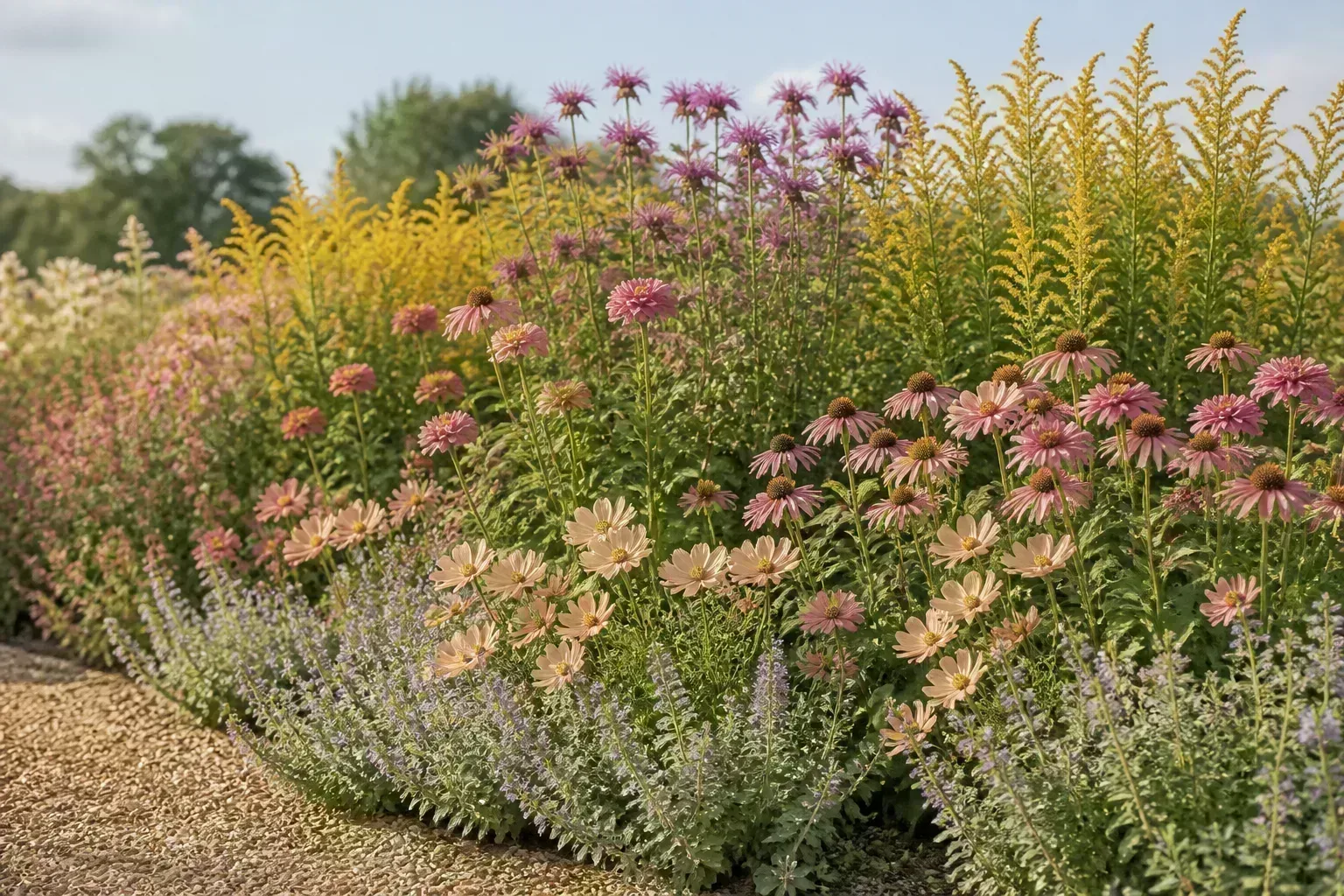
The most useful flower trends for 2026 are not about finding one magical new cultivar. They are about making a garden do more: produce armfuls of flowers, tolerate a rougher summer, bring back fragrance, support insects, and still look intentional instead of accidental.
Two forces shape the list: cutting-garden workhorses such as zinnias, dahlias, lisianthus, cosmos, ranunculus, snapdragons, and gomphrena, plus ecological anchors such as coneflowers and butterfly weed. The Pennsylvania Horticultural Society and Garden Design both point toward gardens that feel abundant while handling real weather and doing useful work.
This list is a forecast, not a command to buy ten packets. Use it as a menu. The right flower fits your light, frost dates, soil, maintenance tolerance, and reason for gardening.
Why 2026 flower trends are shifting from pretty to purposeful
Cut flowers are having a particularly strong moment because a small home plot can provide something tangible every week. The Pennsylvania Horticultural Society’s 2026 trend report identifies growing flowers for cutting as a major direction, highlighting dahlias, zinnias, and heirloom annuals for their abundance, unusual forms, and usefulness in the home. A cutting garden also changes how you judge a plant: long stems, quick regrowth, and reliable harvest matter as much as a perfect flower in the bed.
At the same time, naturalistic planting is becoming more deliberate. “Wild” no longer has to mean a neglected corner full of whatever arrives first. The better version uses local native plants, repeated groups, clear edges, and bloom succession so the garden supports wildlife without becoming impossible to manage. Garden Design’s 2026 report describes this movement through keystone plantings, while Cornell Cooperative Extension emphasizes diversity, successive bloom, native adaptation, and avoiding unnecessary pesticide use.
The 30-second filter for choosing a trend that will work
Before ordering seed, answer four questions. First, what is the garden’s job? A bouquet bed prioritizes stem length and harvest response. A pollinator bed prioritizes native plants, accessible flowers, host plants, and a sequence of blooms. A patio container prioritizes compact habit and frequent watering. A romantic border may prioritize fragrance and shape even when the plant is less productive.
Second, when is the plant comfortable? Zinnias and gomphrena want warm soil and summer heat. Ranunculus and sweet peas are cool-season performers that often sulk when summer arrives. Snapdragons can give you spring and fall color, while coneflowers and butterfly weed return as perennials in the climates where they are hardy. Planting a heat-lover in a cool spring bed or a cool-season flower in July is a timing error, not a personal failure.
Third, how much patience can you offer? Lisianthus may take a long time from seed. Butterfly weed can spend two or three years establishing before it rewards you with flowers. Zinnias and cosmos are much quicker ways to get a first-year win. Finally, check the plant’s regional status. A plant being popular with pollinators does not make it native everywhere; use local extension and native-plant references when habitat is the goal.
Match the flower to your season and climate
Use your last and first frost dates as the anchors, not a calendar date copied from a different state. In a cold-winter climate, ranunculus may need protection and be planted as a seasonal crop. In a mild-winter climate, it may be planted in fall for spring flowers. Sweet peas can be autumn-sown in places with manageable winters, while hot-summer gardeners may get their best display by sowing early and accepting that the season ends when heat overwhelms the vines.
Decide whether you want bouquets, habitat, fragrance, or structure
Layer the jobs: put tall snapdragons or sweet peas behind shorter cosmos, use dahlias and zinnias for bouquet volume, gomphrena for texture, and coneflowers or butterfly weed where seed heads can stand. Place fragrant flowers near a path, seat, or kitchen door.
That layered approach also makes “maximalist” planting easier to manage. Group plants with similar light and water needs, repeat a few colors, and leave enough air movement for foliage to dry after rain. More plants are not automatically more beautiful if the bed becomes a competition for water and light.
1. Specialty zinnias bring florist color to easy summer beds
Specialty zinnias are the gateway trend for gardeners who want unusual flowers without a complicated crop. Look for forms such as ‘Queen Lime’, the Oklahoma series, scabiosa-flowered types, and other selections with layered petals, vintage colors, or long stems. The attraction is not merely novelty: zinnias are warm-season annuals that can produce continuously when harvested and kept growing.
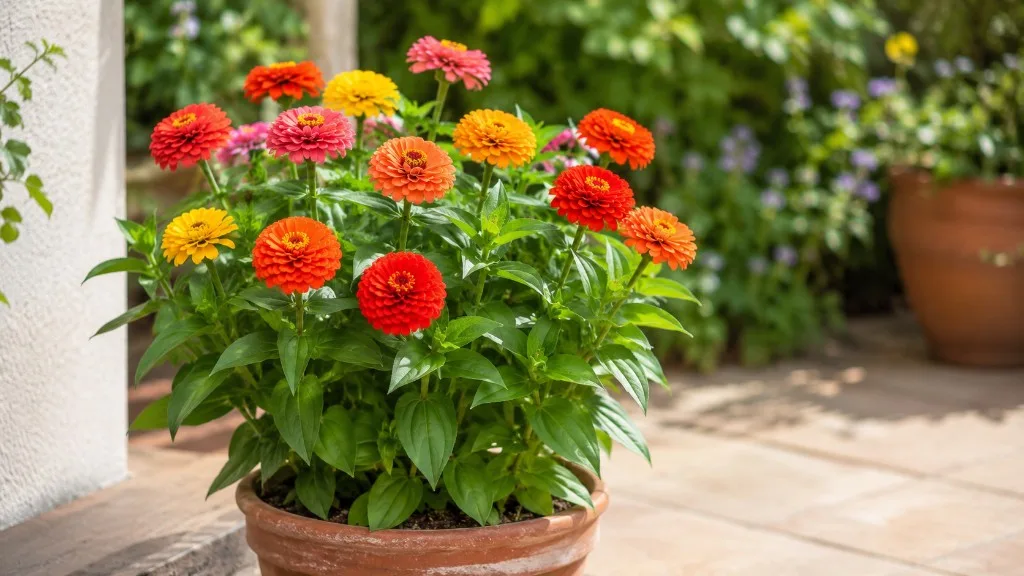
Plant zinnias in full sun after the danger of frost has passed and the soil has warmed. Direct sowing is often simpler than transplanting because the plants dislike root disturbance, although short-season gardeners can start them in cells and move them carefully. Give them room for air circulation, water at the soil line during dry spells, and avoid creating a dense, constantly wet canopy.
For bouquets, cut when the stem is firm and the flower is open enough to show color but not already aging. A useful test is to shake the stem gently; if the flower head flops, it is too young for a strong cut. Harvesting regularly sends the plant back into branch production. NC State Extension lists zinnia as a full-sun annual and a cutting-garden plant, while practical harvesting guidance from Epic Gardening reinforces the value of clean tools, fresh stems, and good vase care.
Best fit: beginners, hot summers, containers with compact cultivars, and productive cutting rows. Watch-out: “specialty” does not mean every flower will be double or every stem will be long; read the seed description and expect some variation in open-pollinated mixes.
2. Dahlias keep earning space in cutting gardens
Dahlias are still popular because they solve several design problems at once. They provide large focal blooms, a deep range of colors, many flower forms, and a steady supply of stems once the plants are established. A single bed can move from soft blush and café-au-lait tones to dark reds, apricots, and saturated jewel colors without changing the basic crop.
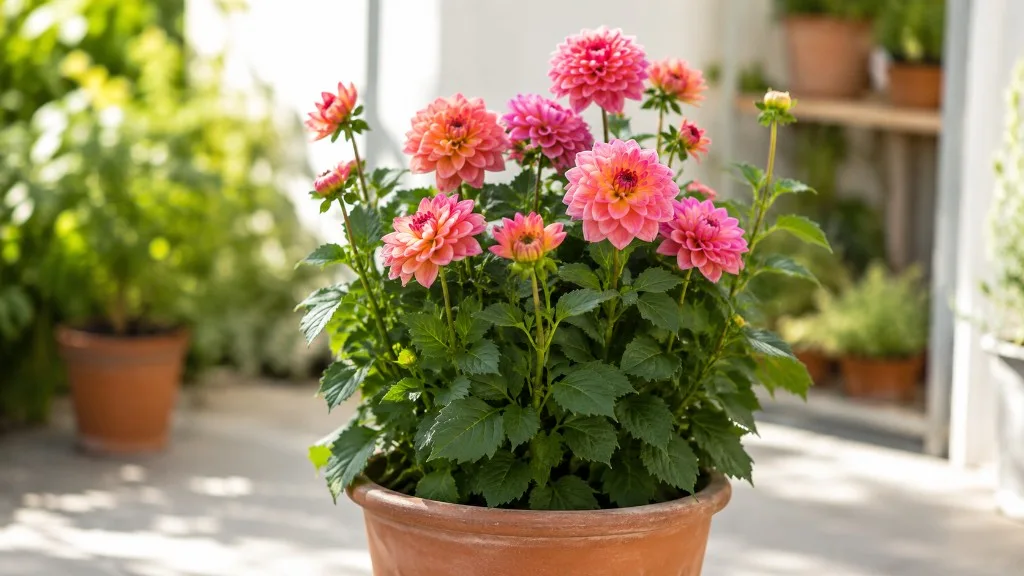
Treat dahlias as frost-tender plants. In most temperate gardens, plant tubers after the soil is warming and hard freezes are no longer the immediate threat; in colder regions, start them in pots for an earlier season and move them outside later. Do not bury a tuber in cold, waterlogged soil simply because the calendar says it is planting time. A warm, well-drained bed and a support placed early are better insurance than extra fertilizer.
Pinching the growing tip when a plant is established encourages branching and creates more usable stems. Once flowers start, cut deeply enough to remove the spent side shoot rather than taking only the head. Deadhead promptly if you want production, but let a few final flowers mature if you want to observe seed heads or feed late-season visitors. Digging and storing tubers is a separate regional decision; gardeners in mild climates may overwinter them in the ground, while cold or wet winters often make lifting and dry storage safer.
Best fit: gardeners who want a high-impact cut flower and are willing to stake, water, and manage tubers. Watch-out: dinnerplate flowers are spectacular but can be heavy and vulnerable to wind; smaller decorative or ball forms are often more productive and easier to arrange.
3. Lisianthus makes the home garden feel like a flower studio
Lisianthus, Eustoma grandiflorum, has the soft, rose-like look that makes bouquets feel expensive. The muted mauves, butter yellows, terracotta, white, and dusty pinks predicted in flower palettes work especially well here, but its real value is the combination of long stems, repeated branching, and excellent vase life.
The trade-off is patience. Johnny’s Selected Seeds lists ten to fifteen days for germination under the right conditions, recommends transplanting, and notes that lisianthus is difficult to grow. The seed is tiny and needs light to germinate; plants benefit from an early start, consistent moisture, strong light, and careful hardening off. Buying plugs is a sensible choice if you want flowers this year but do not have a reliable seed-starting setup.
Once planted, give lisianthus sun and well-drained soil with organic matter. It prefers steady conditions rather than a cycle of drought followed by flooding. Avoid crowding the stems, and support a productive planting before it flops. Harvest when at least one flower on a stem is open and the remaining buds are showing color; cutting too early can leave immature buds that fail to open, while waiting too long shortens vase life.
Best fit: a patient gardener, a dedicated cutting bed, or anyone who values a refined bouquet more than the fastest first bloom. Watch-out: a packet of seed is not the same as an instant display. Start early, or buy healthy transplants and spend your effort on soil, watering, and support.
4. Double Click cosmos soften bold plantings
Double Click cosmos bring movement to a bed full of structured flowers. Their frilled, double-layered petals and airy foliage soften the strong geometry of dahlias and zinnias, and their height lets you create a loose cottage-garden rhythm without building a complicated perennial border.
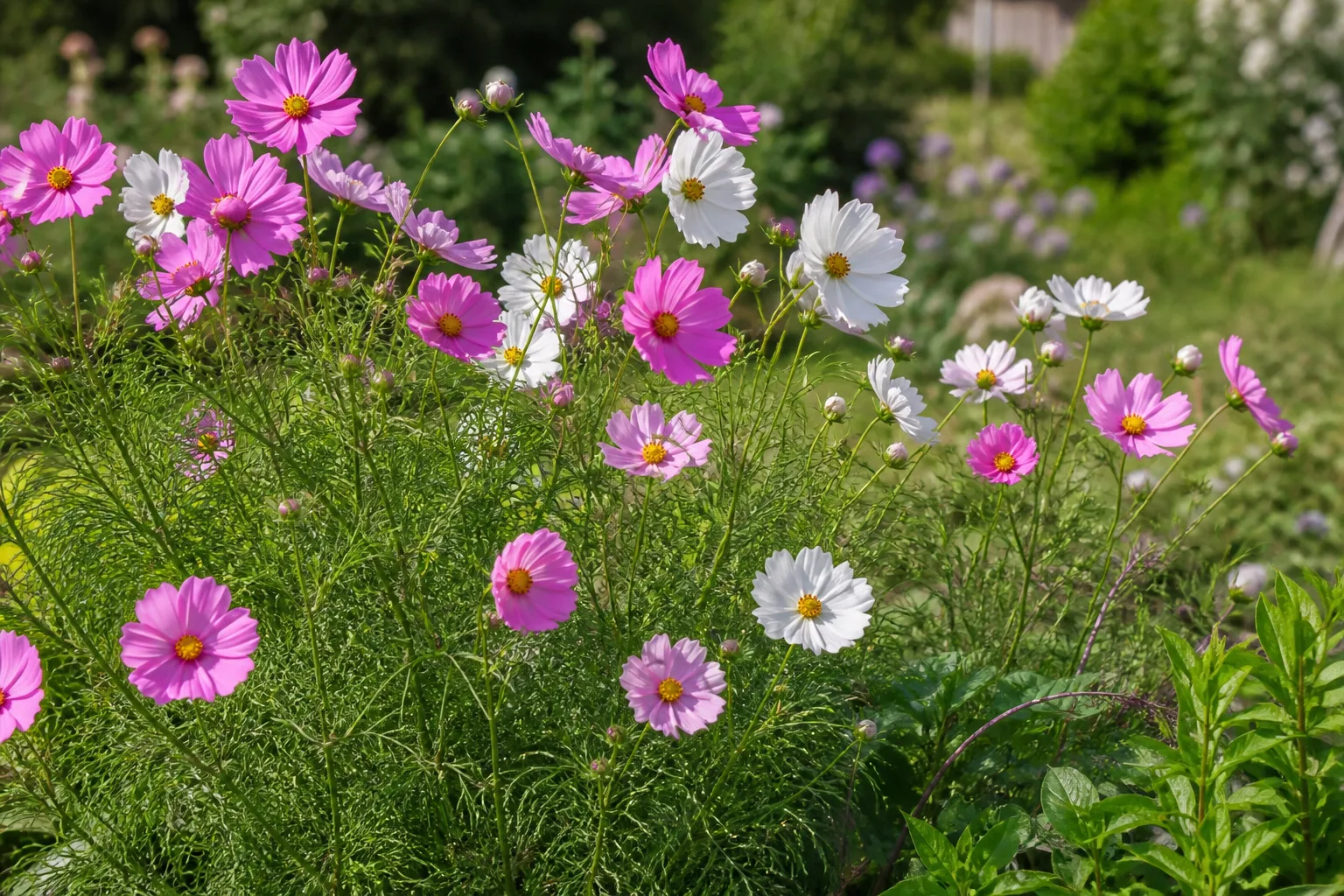
Cosmos are warm-season annuals and among the easier flowers to start from seed. Sow after frost in a sunny site, cover the seed lightly, and keep the bed evenly moist until seedlings are established. Do not overfeed them: rich soil and heavy nitrogen can produce a leafy, floppy plant with fewer useful flowers. If the stems become too tall, a simple support or a slightly closer planting can keep the patch upright.
Harvest when the first petals have opened and the stem feels firm. Cut often to keep new buds coming, but leave a few plants to form seed if you want self-sowing in a suitable part of the garden. That “free return” can be charming in a meadow-style bed and annoying in a carefully measured border, so decide where you are comfortable with volunteers before letting every flower mature.
Double flowers look lush, but they are not automatically better for pollinators. Cornell Cooperative Extension cautions that some double-flowered plants can make nectar harder for bees to reach. Use Double Click cosmos for texture and cutting, then include accessible single flowers and regionally native plants if wildlife value is part of the design.
Best fit: cottage gardens, mixed cutting rows, and gardeners who want seed-starting confidence. Watch-out: give tall plants light and space, and do not confuse a self-seeding annual with a perennial that will return in the same place.
5. Ranunculus rewards gardeners who respect the cool season
Ranunculus are the romantic challenge on this list. Their layered blooms resemble miniature peonies or roses, their stems are valuable in arrangements, and their colors range from pale cream to rich pink, red, and orange. They are also the entry most likely to disappoint a gardener who plants them during the wrong season or treats them like a summer annual.
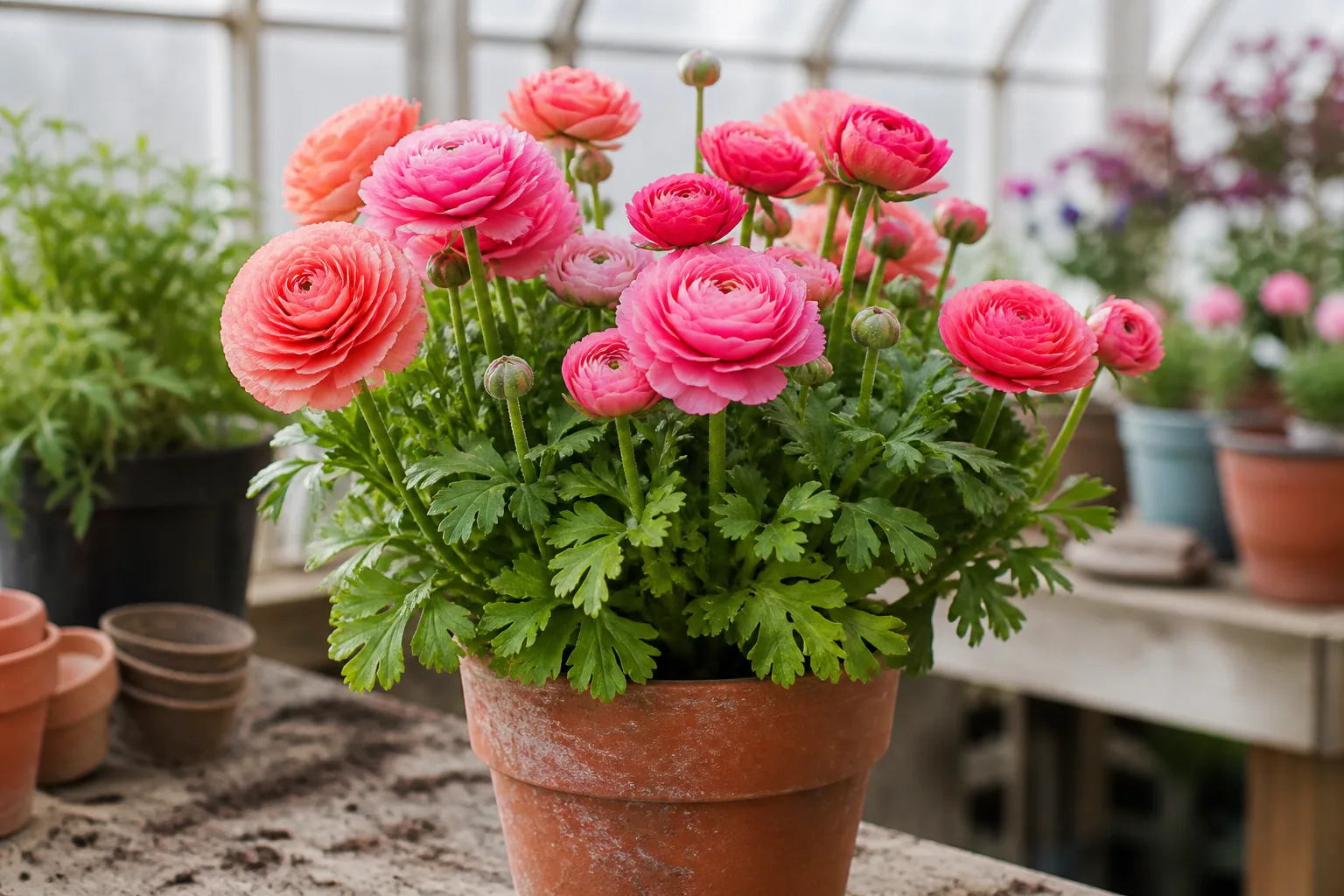
Ranunculus grow from corms and prefer cool conditions. Floret Flowers recommends autumn planting in mild-winter areas with protection, while colder climates may need a minimally heated tunnel or a late-winter/early-spring planting. Floret also notes that corms exposed to temperatures below about 25°F (-4°C) can freeze and rot after thawing. Your local climate decides whether the crop is an outdoor winter plant, a protected-season crop, or a spring experiment.
Before planting, soak the corms for only a few hours, not overnight. You can pre-sprout them in a cool, moist medium and plant once small roots appear, or plant directly into prepared, well-drained soil. The “octopus” legs point down. Keep moisture even but never stagnant, and protect new growth from hard freezes with frost cloth rather than assuming a layer of mulch will solve every cold event.
For the vase, cut when the bud is colored and soft but not fully open. Floret reports a vase life commonly exceeding ten days under good handling. That is part of the reason ranunculus remains a trend: the garden challenge pays off in a flower that looks delicate but performs like a professional crop.
Best fit: cool springs, mild winters, protected beds, and gardeners who enjoy planning a seasonal crop. Watch-out: high summer heat ends the show; do not buy corms expecting them to compete with zinnias in July.
6. Snapdragons add height and a second cool-weather flush
Snapdragons are the vertical punctuation mark of a flower bed. Tall cultivars give bouquets a strong line, shorter forms fit containers, and the flowers add a different silhouette from round-headed dahlias and zinnias. They are also valuable for extending the season because they prefer the cooler ends of the growing year.
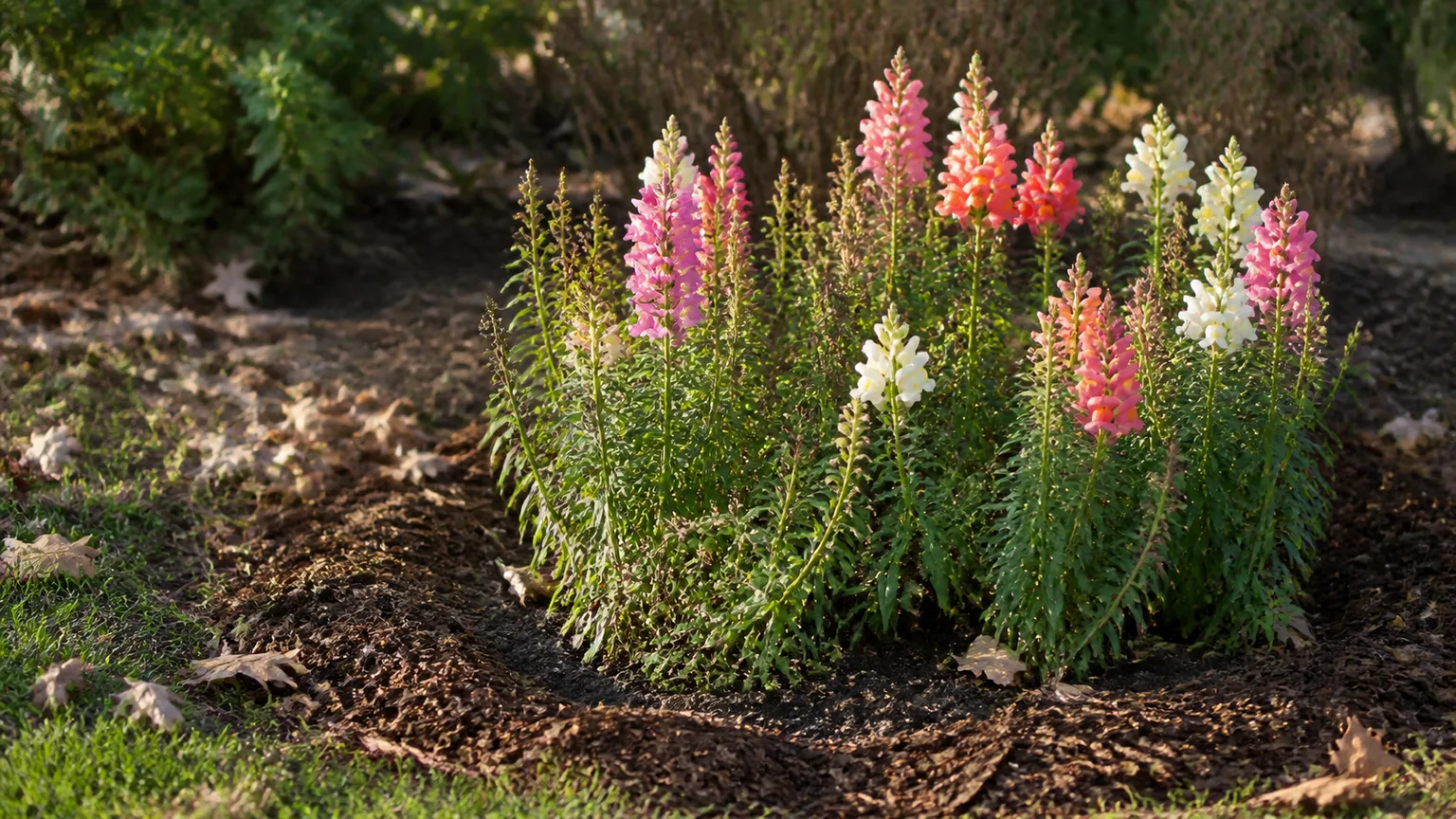
In many regions, snapdragons can be planted in early spring and again for fall color. Choose a sunny location with well-drained, moisture-retentive soil and protect tall stems from wind. NC State Extension describes Antirrhinum majus as a short-lived tender perennial commonly grown as an annual, with bloom from early summer to fall and useful forms for borders, containers, and cut flowers. It also notes that the plant has low drought tolerance and can languish in summer heat.
That limitation is the key to using snapdragons well in 2026. Put them where you can water during dry weather, pair them with plants that will take over visually during the hottest weeks, and expect a second flush when nights cool. Deadhead spent flower spikes if you want fresh growth, but do not remove healthy foliage simply because the plant pauses during a heat wave.
Best fit: vertical structure, cool-season color, and bouquets that need a line flower. Watch-out: full sun does not remove the need for moisture; a hot, dry bed can end the display early.
7. Gomphrena handles heat while adding long-lasting texture
Gomphrena, or globe amaranth, looks almost like a small clover made for bouquets. The rounded flower heads bring texture between soft cosmos petals and broad dahlia blooms, and the papery bracts hold color well after cutting. That makes gomphrena useful both in fresh arrangements and in dried work.
It is one of the most reliable choices for a hot, sunny garden. NC State Extension lists Gomphrena globosa as a full-sun annual with showy flowers and cutting-garden value. Plant after the soil warms, avoid heavy shade, and water consistently while plants establish. Once rooted, gomphrena handles short dry spells better than many tender annuals, but “drought-tolerant” is not the same as “never water it.” A plant pushed through repeated severe drought will produce fewer and smaller stems.
Harvest stems when the flower heads are firm and well colored. Cut above a strong leaf joint to encourage branching, and leave a few heads on the plant if you want seed. The flower form is also a useful design bridge: one planting can connect a jewel-tone garden to a faded, vintage palette depending on the cultivar.
Best fit: hot summers, low-fuss cutting gardens, dry bouquets, and gardeners who want a flower that earns its bed space after the season. Watch-out: do not put it in the same wet, cool pocket as ranunculus; their calendars and soil preferences are opposites.
8. Coneflowers anchor the ecological, low-fuss border
Purple coneflower, Echinacea purpurea, is the perennial anchor in a list otherwise dominated by annuals and tender crops. Its strong stems, long bloom window, bold central cones, and ability to handle sun and summer make it a natural fit for the 2026 preference for gardens that feel abundant but are not constantly demanding.
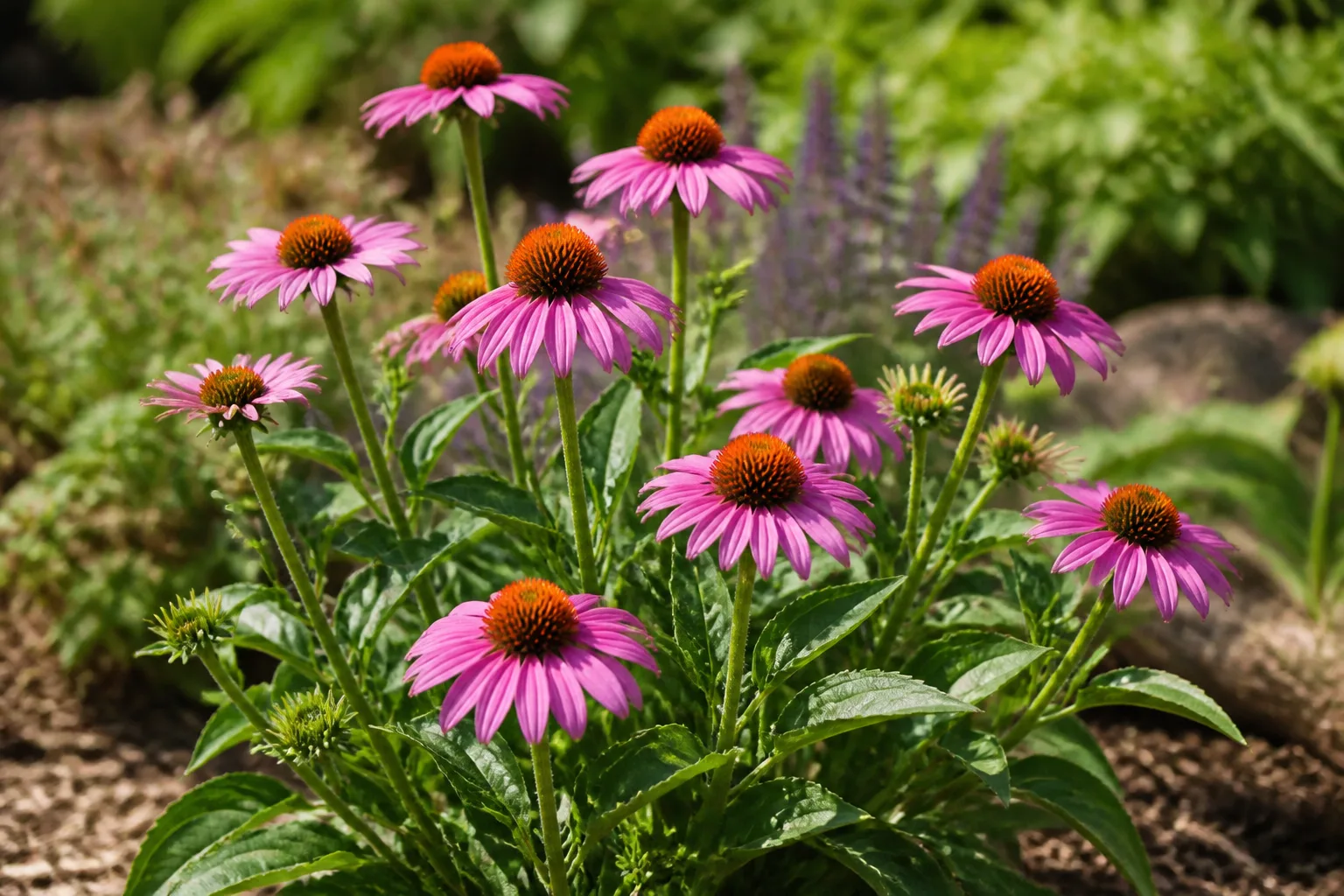
NC State Extension describes purple coneflower as native to the central and eastern United States, adaptable to different soils, drought-tolerant once established, and capable of blooming from early summer into mid-fall. Those traits make it useful beyond a pollinator label: it gives a border height and recognizable shape, then leaves architectural seed heads when the petals are gone.
Choose a locally appropriate coneflower species or cultivar if habitat is your goal. Plant in sun with drainage, water deeply during establishment, and resist the urge to cut everything to the ground at the first sign of autumn. Hollow stems can provide nesting places for native bees, and standing seed heads feed birds. A tidy compromise is to cut some stems back while leaving a marked section standing through winter, then clean up in late winter when new growth begins.
Coneflowers are excellent for pollinators, but they cannot create a complete habitat alone. The National Park Service notes that pollinators need help from native plants and that pesticides contribute to habitat pressure. Pair coneflowers with early and late bloomers, host plants, water, and shelter rather than treating one perennial as an entire ecosystem.
Best fit: perennial structure, hot summers, wildlife borders, and gardeners who want winter interest. Watch-out: newly planted coneflowers still need care; drought tolerance is a mature-plant trait, not a reason to skip establishment watering.
9. Sweet peas bring fragrance back to vertical gardens
Sweet peas contribute something many high-performing cut flowers do not: fragrance. The flowers are light, ruffled, and nostalgic, but the vines also solve a vertical-design problem by turning a trellis, obelisk, fence, or vegetable-bed edge into a scented wall.
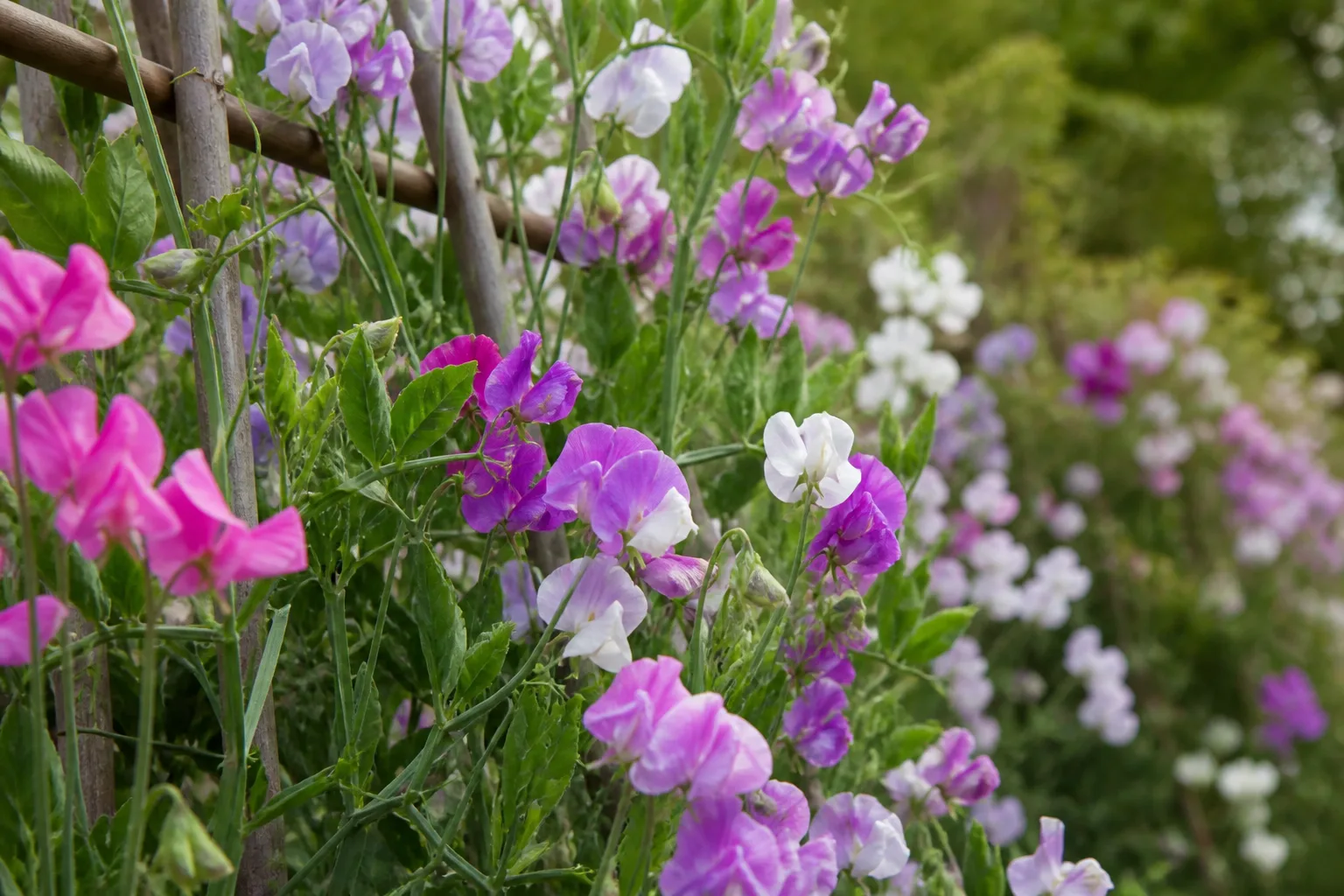
The catch is temperature. Sweet peas are cool-season plants, not the same crop as edible peas and not a reliable midsummer flower in a hot climate. The English Garden reports that early spring sowing gives roots time to develop before top growth accelerates, and that autumn sowing can produce earlier, stronger plants where winters are manageable. Deep pots help because a strong root system supports the vines, while a cool, bright place reduces weak, stretched seedlings.
Give young plants support as soon as they begin to climb. Pinch spring-sown seedlings if they become too tall and thin before planting out, but do not assume every traditional trick is necessary for every batch; the source’s growers describe soaking or chipping seed as optional rather than a universal rule. Harvest frequently, removing flowers before they become seed pods, because seed production tells the plant its job is finished.
Choose old-fashioned or explicitly fragrant cultivars if scent is the purpose. Modern breeding can prioritize color, form, or stem length at the expense of fragrance, so a photograph on a seed packet cannot answer the question for you.
Best fit: a path, seating area, balcony trellis, or cottage garden where scent can be enjoyed. Watch-out: heat shortens the season; sow early enough for your climate instead of waiting for reliably warm soil.
10. Butterfly weed turns a bright perennial into habitat
Butterfly weed, Asclepias tuberosa, is the most purposeful flower in this forecast. Its orange to yellow-orange flower clusters are visually strong, but the plant’s real distinction is that it functions as both a nectar source and a larval host for monarchs and other caterpillars.
This is a North American native perennial for dry, sunny, well-drained sites. NC State Extension notes that it grows in average to dry soil, tolerates drought once established, and has a deep taproot. That taproot explains two important decisions: it may take two or three years from seed to establish and flower, and it does not transplant well once settled. Put it where it can stay.
Butterfly weed is not a wetland milkweed. If your garden stays soggy, choose a different milkweed or a different plant for that microclimate. If the site is right, group butterfly weed with coneflowers, native grasses, asters, and other locally appropriate flowers so something is blooming before and after it. The U.S. Fish & Wildlife Service recommends using native plants and selecting a range of bloom times so pollinators can find resources across the season.
Avoid the common mistake of removing every leaf because caterpillars are feeding. Leaf loss is part of the plant’s ecological job. Do wear gloves when handling it: NC State notes that its clear sap can cause contact dermatitis, and the plant is not a safe choice for pets that chew garden vegetation. Remove seed pods only if you need to control self-sowing; otherwise, let the plant contribute its own next generation where it is welcome.
Best fit: a sunny native border, meadow edge, or pollinator garden with patient gardeners. Watch-out: it is a long-term perennial investment, not a same-season filler, and “milkweed” is not a license to plant an unsuitable or nonlocal species.
How to build a 2026 flower bed that keeps giving
Ten trends become useful when they are combined by season instead of planted as ten isolated specimens. Start with the site: measure sun for a full day, check how quickly the soil drains after rain, note the first and last frost dates, and decide whether a hose reaches the bed. Then choose two or three visual jobs and repeat plants in groups. Three zinnias look like a design; one zinnia looks like an experiment.
A long-season cutting row
For a cutting bed, use the calendar as the structure. Begin with snapdragons and sweet peas for cool-season stems, then add lisianthus and ranunculus if you can start them early or protect them. As the soil and nights warm, bring in dahlias, zinnias, cosmos, and gomphrena. Keep coneflowers at the edge for perennial structure and late-season seed heads rather than treating every plant as a cut-and-clear annual.
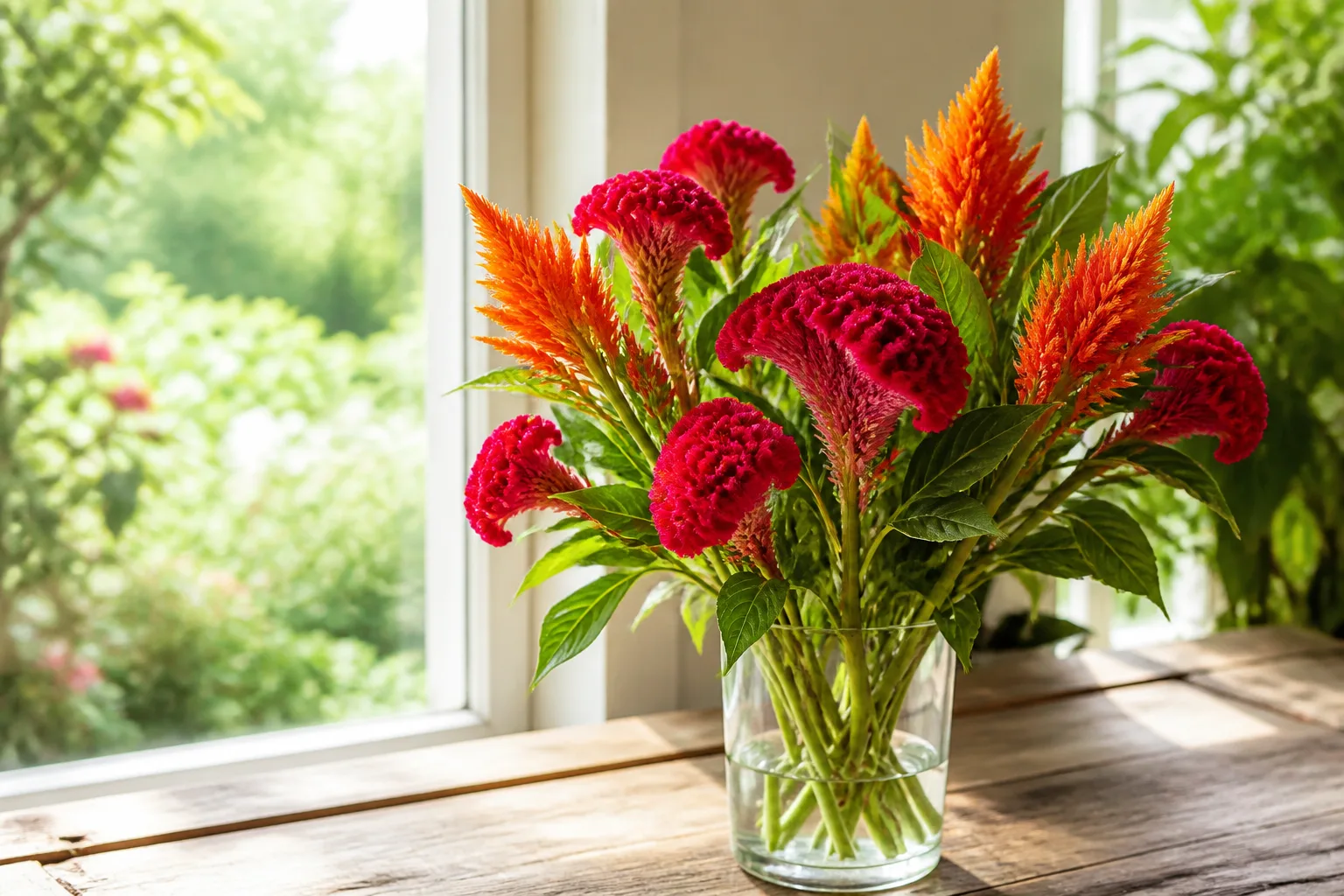
Harvesting is maintenance, not an afterthought. Cut in the cool morning, carry clean water, strip submerged foliage, and recut stems before arranging. If the crop is too large for your time, shrink the row; a smaller bed cut twice a week is more rewarding than a neglected “flower farm.”
A pollinator-forward border
Begin with plants that are native to your region and bloom in sequence. The Cornell Cooperative Extension guidance recommends at least six hours of sun for many pollinator plants, planting diverse species that bloom from spring through fall, using groups rather than isolated plants, and reducing chemical use. Its advice to plant drifts of at least three plants gives a simple design rule: repeat a species in a visible patch instead of scattering single plants across the yard.
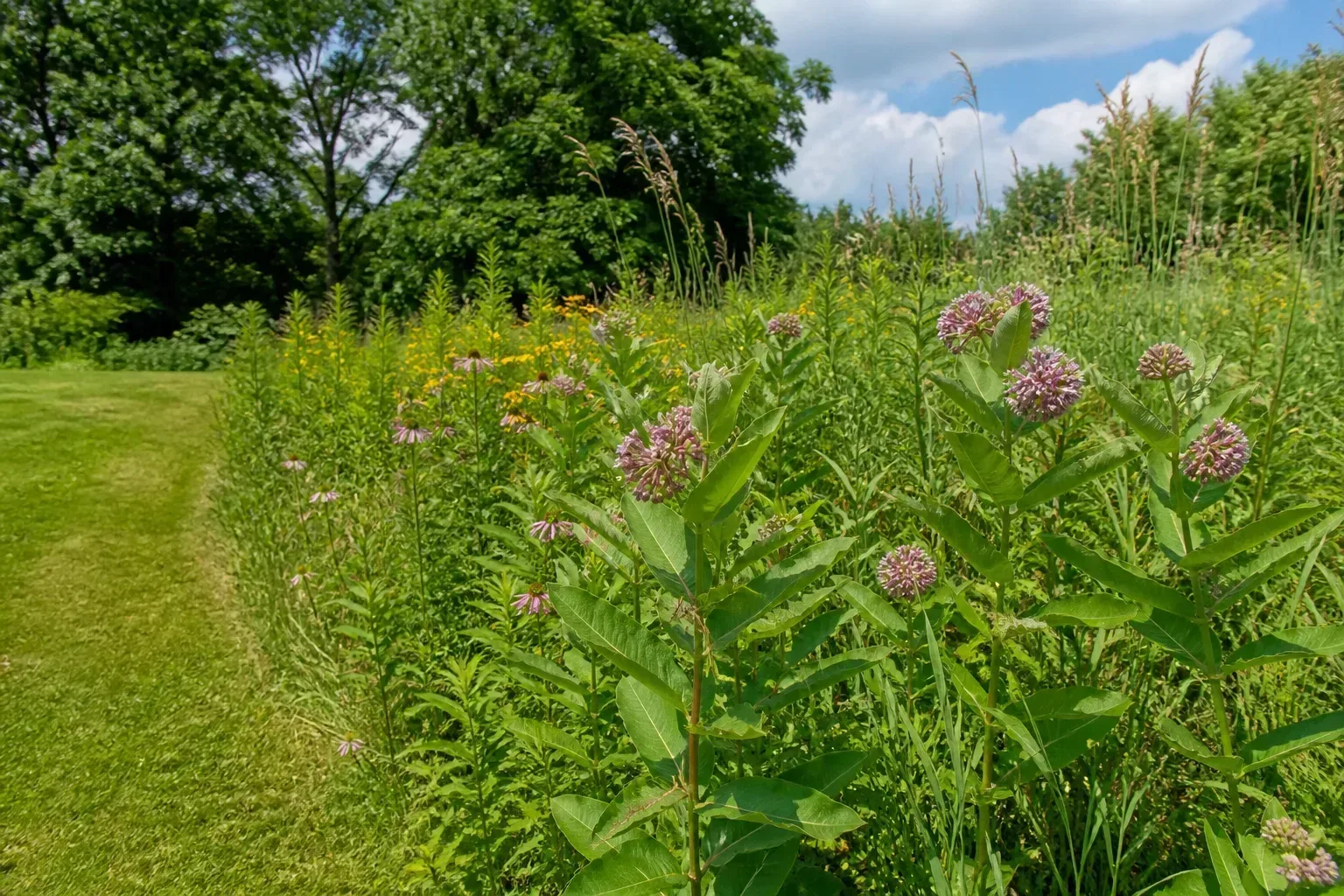
Use coneflower and locally appropriate milkweed for habitat, then add accessible annuals for color. Balance double cosmos and zinnias with single flowers and native host plants, and leave some stems standing through winter.
Common mistakes when chasing flower trends
Buying by photograph alone is the first trap. A flower can be beautiful and still be wrong for your climate, soil, light, or available time. Read the seed packet or plant tag for annual versus perennial status, mature height, sowing window, drainage needs, and whether the named cultivar is a hybrid with a different habit from the species.
Treating every flower as a summer flower causes predictable failures. Ranunculus and sweet peas want cool conditions; snapdragons may pause in heat; lisianthus needs an early start; butterfly weed needs patience. Put the plant on a seasonal calendar before you put it in a shopping cart.
Overwatering for faster growth is another common mistake. Most of these flowers want consistent moisture during establishment but not permanently saturated soil. Improve drainage before adding fertilizer, water deeply enough to wet the root zone, and let the surface tell you when the bed is drying rather than watering by habit.
Buying by photograph alone, treating every flower as a summer flower, and overwatering are predictable ways to lose a trend crop. Check the tag for climate, light, drainage, season, and mature size; then give cool-season flowers cool weather and heat-lovers warm soil. A garden pollinator-friendly because butterflies visit it is still incomplete without host plants, shelter, water, reduced pesticide use, and local native choices.
Conclusion
The best flower trends for 2026 give gardens more than one payoff: cutting flowers, fragrance, resilience, or habitat. Choose by season first, then color; plant in groups and match the project to the care you will enjoy. A well-timed row of zinnias or native coneflowers beats ten ambitious plants in the wrong conditions.



