Houseplant Wrong Soil Mix: Causes, Diagnosis and Fixes
Dense garden soil and soggy peat choke houseplant roots. Confirm at the root ball, match aroid vs cactus needs, and rebuild drainage.
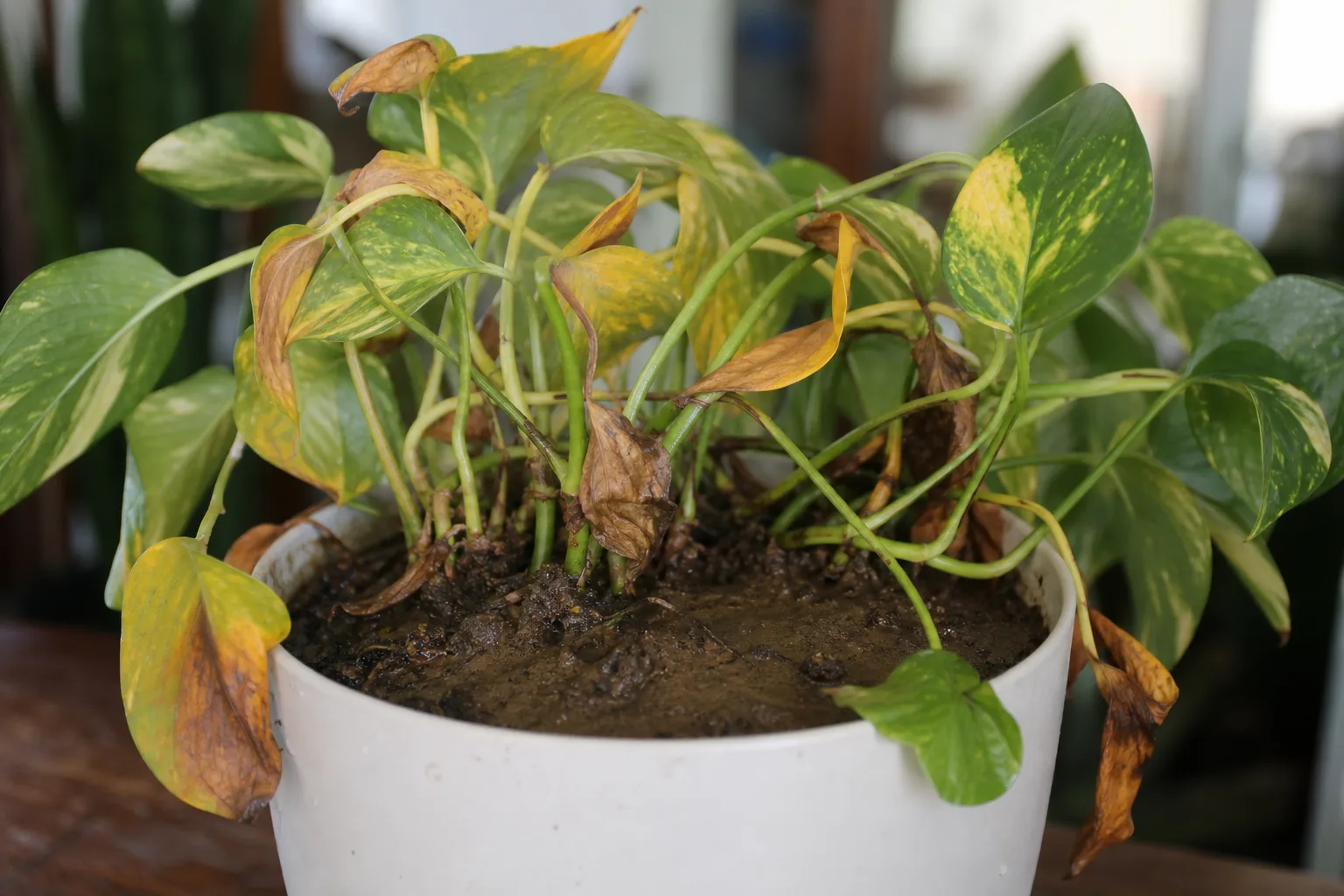
You can water carefully and still watch a houseplant decline if the medium around the roots is wrong. Dense garden soil, peat that stays soggy for a week, or a soft all-purpose bag used for both a Monstera and a cactus all create the same failure: roots that cannot get air when they need it, or cannot hold moisture when they do. Wrong soil mix is not a brand problem. It is a structure problem — particle size, porosity, and how that blend behaves in your pot, light, and watering rhythm.
This guide is the diagnostic path: recognize failure modes, confirm at the root ball, then rebuild by plant type. For ingredient shopping and bag recipes, use best soil for indoor plants. If the issue is holes, saucers, or cachepots rather than the medium itself, go to poor drainage in houseplants. For a short cross-species symptom card, see the wrong soil mix symptom hub. Written by Sai Ananth; horticulture review by Dr. Priya Menon (botanist and indoor plant specialist).
What Wrong Soil Mix Actually Means
A houseplant mix has one job: hold the plant upright while balancing water, air, and nutrients in a closed container. In the ground, excess water can move sideways and down through a large soil volume. In a pot, every drop has to leave through drainage holes or sit in the root zone. When the medium is too fine, too heavy, or mismatched to the plant’s root type, air pores collapse and roots smother even if you “barely water.”
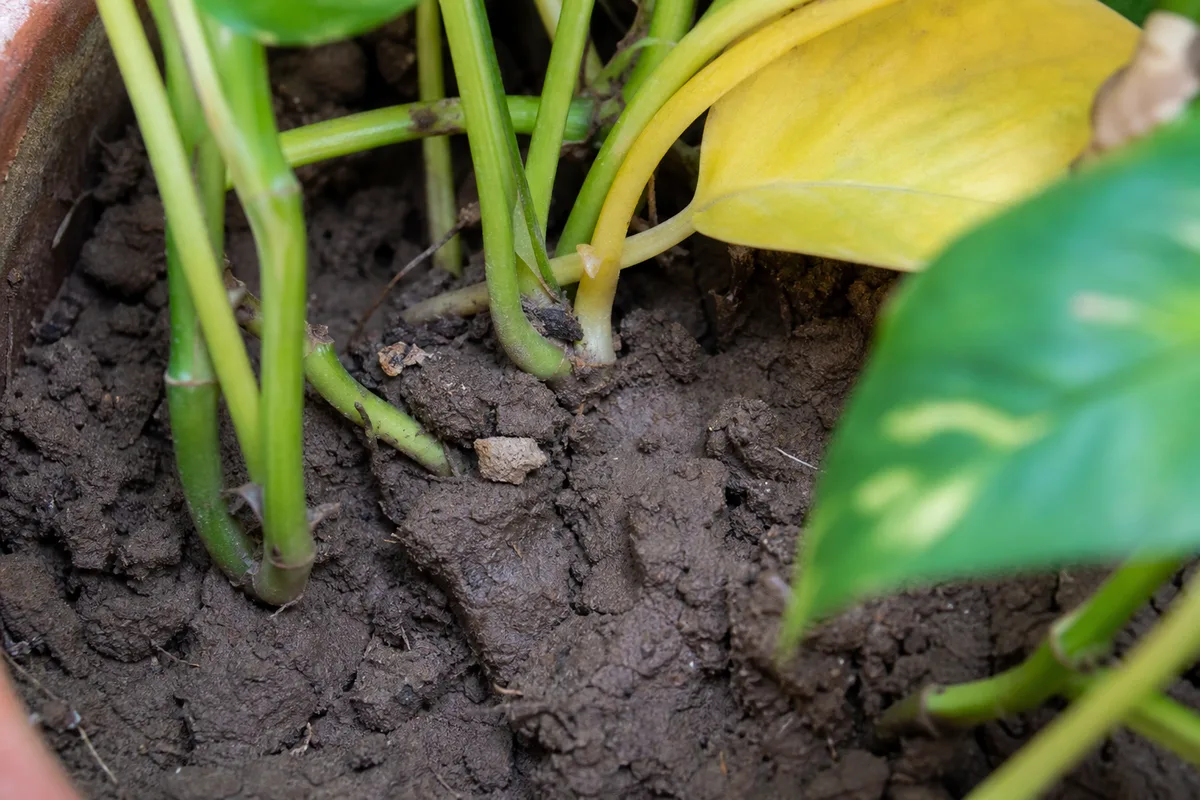
Most commercial indoor mixes are soilless — peat or coir plus perlite, vermiculite, bark, or similar amendments, with little or no mineral garden soil. Clemson HGIC notes that many indoor gardeners use peat-lite mixtures of peat moss with perlite or vermiculite, and that coconut coir has become a common peat alternative; these soilless media are sterile, lightweight, and easy to handle. UConn Home & Garden Education Center likewise advises that mineral-based soils are not recommended for container plants because they compact under repeated watering. “Wrong mix” usually means you broke that balance: too much fine organic matter, no coarse aerators, outdoor soil packed into a pot, or a mix designed for a different plant family.
The Royal Horticultural Society frames the same idea with porosity and aerators: roots need air, and when the growing medium is too compacted or waterlogged, they cannot get it and they die. Bulky, irregular materials such as bark, pumice, and clay pellets create air pockets and improve drainage. If your mix looks like fine coffee grounds with almost no chunky pieces, treat that as a red flag for most tropical foliage plants and nearly all cacti.
Dense Garden Soil in Containers
Garden soil is the classic indoor mistake. It feels “real” and cheap, so people scoop it from a bed into a nursery pot. In a container it behaves badly: it compacts, drains slowly, and often carries pathogens and weed seeds. Clemson advises that garden soils contain too many bacteria and are generally not recommended for container plants; unlike bagged artificial mixes, native soil must be pasteurized before use, then amended with bark, peat, perlite, or sand to improve structure. (Clemson HGIC)
University of Wisconsin Horticulture is even more direct for root-rot prevention: use a pasteurized commercial potting mix, not soil from your garden, because garden soils often contain root-rot fungi. UF/IFAS similarly explains that soilless mixtures are common due to density and disease concerns; if clean topsoil or garden soil is used at all, it should be sterilized first.
For almost every houseplant, skip backyard soil. If you already used it, plan a full media change rather than trying to “fluff” clay into a workable indoor mix — and do not bake garden soil in a home oven as a “fix.” The odor is unpleasant, and replacement with a soilless blend is safer and cleaner.
Peat-Heavy Mixes That Stay Soggy
Peat moss is useful because it holds water and breaks down slowly, which is why it dominates bagged mixes. The same trait becomes a liability indoors when the bag is almost pure fine peat with little coarse material. UF/IFAS notes that peat holds large amounts of water and is typically acidic, which is why lime is often added to commercial blends. (UF/IFAS) In low light, cool rooms, or plastic pots, that water hangs around for days.
Colorado State Extension also flags environmental and practical limits: peat is harvested from carbon-storing bogs and is not a rapidly renewable material, while coconut coir is a renewable alternative that is often easier to rewet than peat, though it can carry more soluble salts and a higher pH range. Peat “sogginess” is not automatic — a peat-based mix with enough bark and perlite can dry on a normal schedule. The failure mode is fine peat without structure, especially after the mix has compacted through a year of watering.
If the top crusts hard when dry and then stays pudding-soft for a week after watering, the organic fraction is too fine for your conditions. Amend heavily or replace the blend; do not respond by watering even less without fixing structure, or you get dry surface / wet core problems that confuse every moisture check. If you swap peat for coir, rinse compressed coir thoroughly before mixing — Clemson recommends rinsing to avoid salinity issues. (Clemson HGIC)
Using One Mix for Aroids and Cacti
A pothos, a snake plant, and a desert cactus do not want the same pore space. Thick-rooted aroids such as Monstera and Philodendron generally prefer chunkier blends with bark and mineral aerators so thick roots can push through and excess water can leave. The RHS notes that thicker roots need chunkier media and describes Monstera and Philodendron mixes built around coir, perlite, bark, and coarse pumice among other ingredients. (RHS) Bark also adds air, improves drainage, and can lower pH — useful for many epiphytic or semi-epiphytic plants.
Cacti and succulents need the opposite bias: faster dry-down, more mineral grit, less peat sponge. UF/IFAS lists separate succulent formulas with soil or peat plus perlite and coarse sand, distinct from foliage or seedling blends. (UF/IFAS) Use coarse builder’s sand or grit, not fine plaster sand that packs into concrete. Putting a cactus in unamended “indoor tropical” mix is a slow drowning. Putting a moisture-loving fern in pure grit is a slow drought. Wrong mix often means right brand, wrong plant category.
How Wrong Soil Shows Up Above Ground
Wrong soil rarely announces itself with a label. You see secondary stress: limp leaves, stalled growth, fungus gnats, a pot that never feels light. Those symptoms overlap with underwatering, low light, and pests, so you need moisture context before you blame the mix.
Wilting While the Pot Stays Heavy
The classic pattern is a plant that looks thirsty while the pot still feels heavy. Wisconsin Horticulture describes gardeners noticing wilt even though the soil is wet, with soft brown roots and often a bad odor when root rot is involved. (Wisconsin Horticulture) Clemson explains the physiology behind that mismatch: roots need both water and oxygen, and when surrounded by water they cannot take up oxygen — so wilt can look like thirst even when the plant is overwatered. (Clemson HGIC) Dense or peat-soggy media create the same oxygen failure: the plant cannot take up water efficiently, so leaves droop while the medium stays wet.
Before you water again, lift the pot. Compare weight a day after watering and several days later. If it barely lightens in a week under normal indoor conditions, structure or poor drainage is involved — sometimes both. Plastic pots and thick decorative cachepots amplify the problem by slowing evaporation compared with terracotta.
Slow Growth, Yellow Leaves, and Gnats
Chronic compaction shows up as small new leaves, yellow older foliage, and a general “stuck” look even when fertilizer is available. Roots in anaerobic pockets cannot feed the canopy well. Fine, constantly damp organic matter also invites fungus gnats, which breed in moist surface layers. Gnats alone do not prove wrong mix, but they are a strong hint that the top stays wet too long for the plant’s light level.
Surface mold on peat-heavy mixes is another moisture signal. The mold is often a saprophyte on dead organics, not a root pathogen, but it still means the bag or pot is staying damp — see mold on houseplant soil for safe scraping and dry-down fixes. Fix structure and dry-down rather than chasing every white speck with home remedies.
Confirm the Diagnosis at the Root Ball
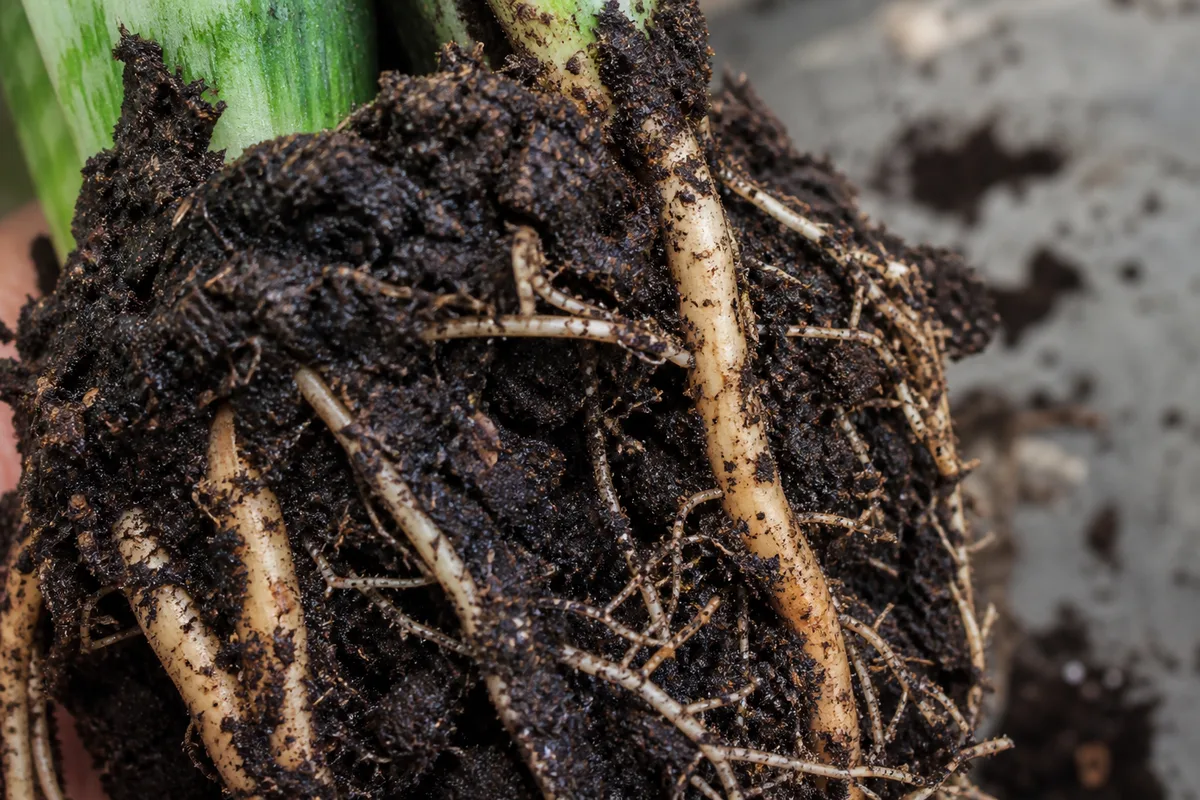
Above-ground clues get you to “maybe.” The root ball settles it. Tip the plant out over a tray, support the base, and slide the pot off. You are looking for physical evidence of wrong media, not just root disease — though the two often travel together and can progress into root rot.
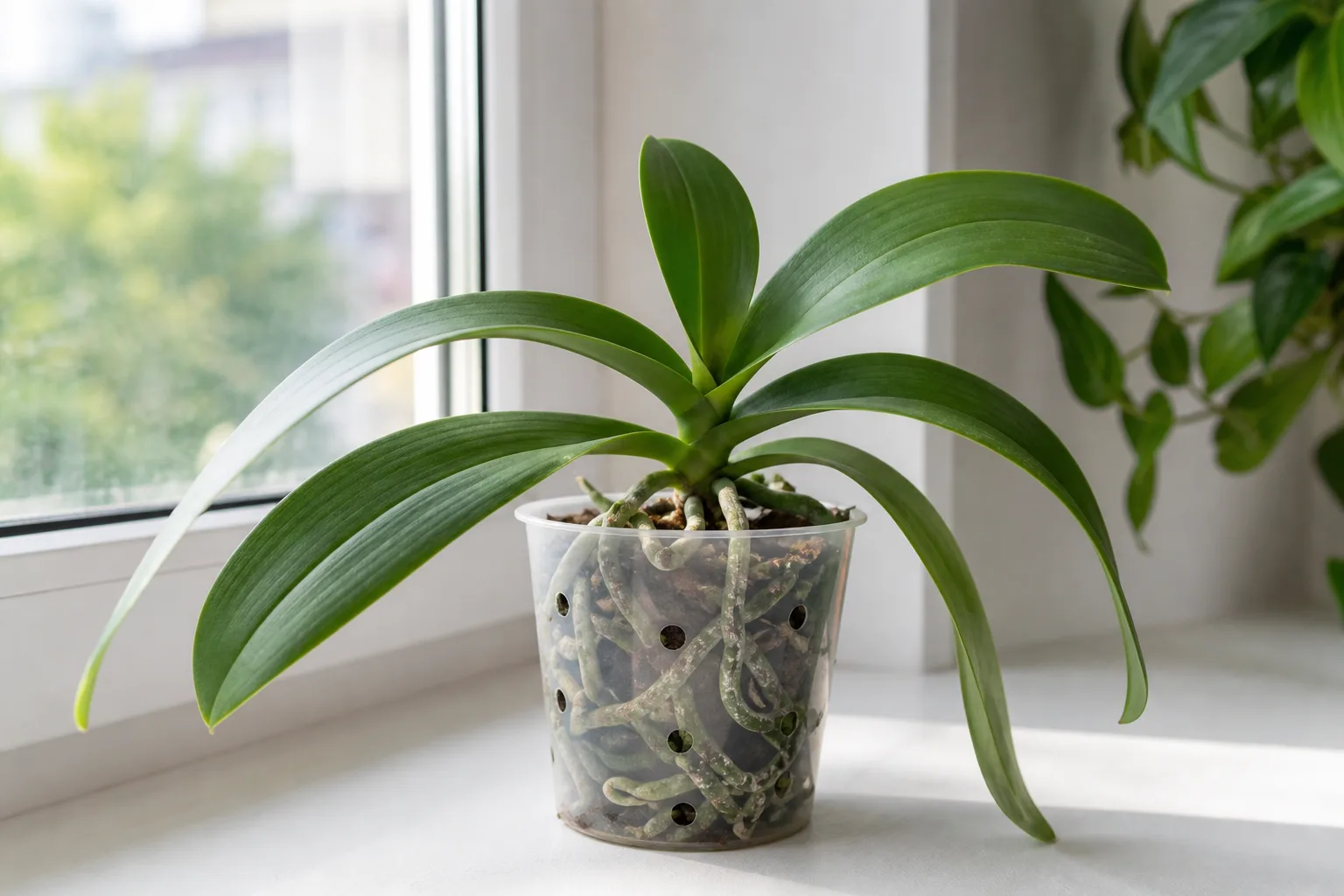
Healthy container roots are usually firm and light-colored for many species, with mix that falls away in clumps rather than a solid brick. Wrong mix often looks like one of these:
- A heavy clay plug from garden soil that holds the shape of the pot
- Fine peat packed into a dense cake with few bark chips or white mineral pieces
- A sour, swampy smell when you break the ball open
- Soft, dark, collapsing roots tangled in wet fines
Penn State Extension notes that most potting mixes are soilless specifically to avoid soilborne diseases and promote good drainage, combining peat with vermiculite or perlite and other components for water-holding capacity, nutrients, and aeration. If your “mix” is mostly mineral field soil, you are outside that design on purpose.
Smell matters. Earthy is normal. Rotten or sewage-like usually means anaerobic breakdown and possible root rot pathogens such as Pythium, Phytophthora, Rhizoctonia, or Fusarium, which Wisconsin lists among the common root-rot fungi that prefer wet conditions. (Wisconsin Horticulture) If roots are mushy and the odor is foul, treat this as a rescue job: trim dead roots, discard the old media, and do not reuse that mix or runoff water on other plants.
Checks That Lie
Three common checks fail when structure is wrong:
- Finger test on bark mixes — the top inch of chunky bark can feel dry while the core is still wet. A wooden skewer pushed into the center is more honest than a fingertip on the surface.
- Moisture meter probes — cheap meters often read “wet” forever in fine peat, or bounce between readings in bark-and-pumice blends where air pockets surround the tip. Use them as a hint, not a verdict.
- “Just water less” without fixing porosity — you create a dry crust over a wet core. The plant still starves for oxygen; you just add hydrophobic surface drama.
Pot weight remains the most reliable household signal: know what the pot feels like one day after a thorough watering, then again when you would normally water. If that gap never appears, fix the mix or the drainage system before you change fertilizer.
Failure Mode × First Action
| What you see | Likely media issue | First action |
|---|---|---|
| Clay plug that keeps pot shape; heavy after a week | Garden / field soil in a container | Full media change to soilless mix; discard old soil |
| Fine peat cake; wet wilt; gnats or surface mold | Peat without enough aerators | Amend with bark + perlite/pumice, or replace blend |
| Cactus soft in “tropical” bag soil | Category mismatch (too retentive) | Repot into gritty mineral-biased mix |
| Fern crisp in pure grit | Category mismatch (too fast) | Move to airy but moisture-balanced mix |
| Good-looking mix; water pools; saucer always full | Drainage system, not the bag alone | Fix holes/cachepot/saucer — see poor-drainage guide |
Fix Wrong Soil Without Killing the Plant
Once you know the medium is wrong, the fix is almost always a media change, not a fertilizer tweak. Timing and handling decide whether the plant bounces or sulks for months.
When to Repot Immediately vs Wait
Repot now if the root ball smells foul, roots are soft and dark, water sits on the surface, or garden soil is clearly packed in the pot. Waiting only extends oxygen stress. Wisconsin’s practical advice for root-rot cases is to reduce soil moisture and, when keeping the plant, move away from the conditions that caused the problem — including avoiding garden soil and improving drainage structure. (Wisconsin Horticulture)
You can wait a short time if the plant is in active bloom, recently shipped and still adjusting, or only mildly compacted with firm pale roots and no odor. In that case, dry the mix more carefully, improve light and airflow, and schedule a proper refresh in the next few weeks rather than doing emergency surgery on a stressed plant the same day it arrives.
Spring and early summer growth windows are kinder for big media changes, but an emergency wet clay pot does not wait for the calendar. Match pot size to the root system: jumping two pot sizes creates a large wet volume around a small root mass and recreates sogginess even in a better mix. For timing and technique, see repotting houseplants.
How to Tease Out Compacted Media
Work over a tarp or sink. Gently loosen the outer third of the root ball with your fingers. For clay or brick-hard peat, soak the ball briefly in room-temperature water so fines soften, then tease. Do not blast roots with a high-pressure hose if tissue is already soft — rinse just enough to remove clinging mud so you can see what to cut.
Remove as much of the old wrong medium as you can without shredding healthy roots. Discard garden soil and rotten peat; do not remix it into the new blend. Wisconsin advises against reusing potting mix from plants that had root rot, and against putting rocks or gravel in the bottom of the pot because that can inhibit drainage rather than help. (Wisconsin Horticulture) Clean the pot, or use a fresh one with real drainage holes. Plastic pots that housed a rotten plant are hard to disinfect fully; Wisconsin recommends discarding them when root rot was present.
When you blend perlite, work outdoors or wear a dust mask — the fine dust is irritating to lungs even though the rock itself is inert. After repotting into the new mix, water once to settle, then let the upper layer begin to dry before the next full watering. A chunkier blend will dry faster than the old peat brick — adjust your schedule with how to water indoor plants instead of watering on the old calendar. Clemson notes that heavy, fine-textured media and those with a lot of peat hold more moisture than loose mixes of bark, sand, and perlite, so the same plant needs a new rhythm after a media change. (Clemson HGIC)
Rebuild the Mix by Plant Type
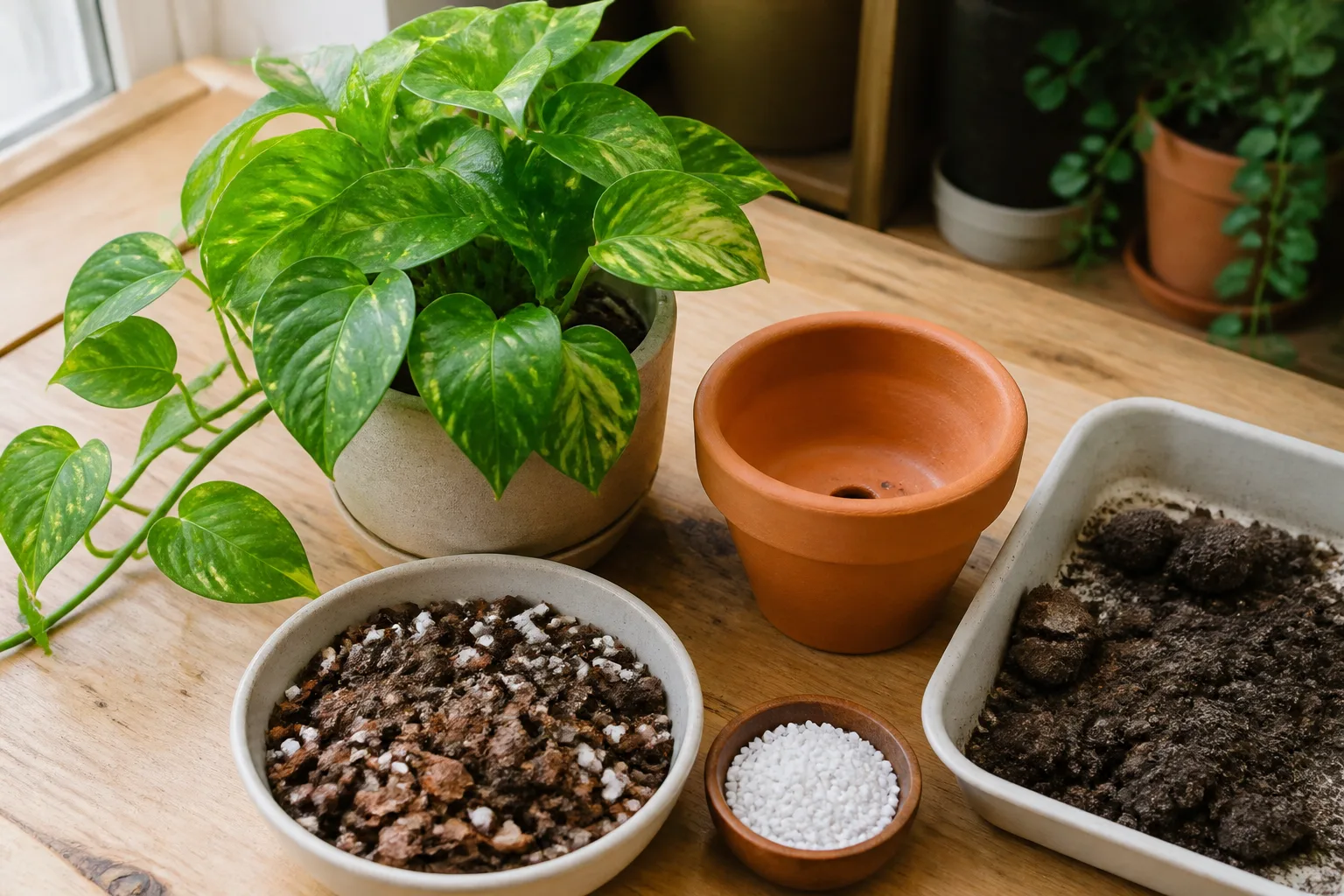
Use function, not brand loyalty. UF/IFAS encourages starting from tested recipes and small batches before committing a whole collection. (UF/IFAS) Clemson’s foliage examples include combinations such as two parts peat with one part perlite and one part coarse sand, or equal parts peat, pine bark, and perlite. (Clemson HGIC) Treat those as starting points, then bias toward chunkier or grittier based on the plant group below. For deeper ingredient shopping and brand-style blends, use the best soil for indoor plants guide — this page stays on diagnosis and starter ratios.
Chunky Aroid, Gritty Cactus, and Moisture-Holding Blends
| Plant group | Starter volume ratio | Dry-down cue (bright indoor light, drainage holes) |
|---|---|---|
| Aroids (Monstera, Philodendron, pothos) | 2 parts base/coir : 1 part bark : 1 part perlite or pumice | Pot often lightens in ~3–5 days |
| Cacti / succulents | 1 part cactus base : 1 part pumice/perlite : ½–1 part coarse grit | Often light again in ~2–4 days |
| Ferns / prayer plants | Peat or rinsed coir base + moderate perlite + less bark than aroids | Stays evenly moist but not swampy; do not use pure peat sludge |
Aim for a mix you can see through for aroids: base organics plus visible bark and a mineral aerator. The RHS highlights bark for chunky epiphytic-style roots and lists pumice and perlite as aerators that keep oxygen in the root zone. (RHS) Perlite is light and opens pore space quickly; pumice is heavier and tends to stay mixed instead of floating. UConn describes perlite as expanded volcanic rock used to improve drainage and aeration. Choose based on pot stability — details are in perlite vs pumice. If your bagged “aroid mix” still looks like fine peat with a dusting of white flecks, add more bark until water runs through within seconds. For Monstera-specific ratios, see how to do Monstera soil mix.
For cacti, many store “cactus soils” are still too peaty for humid apartments — amend them before you trust the label. Terracotta helps by wicking moisture through the walls. For broader succulent care context, see indoor succulent care.
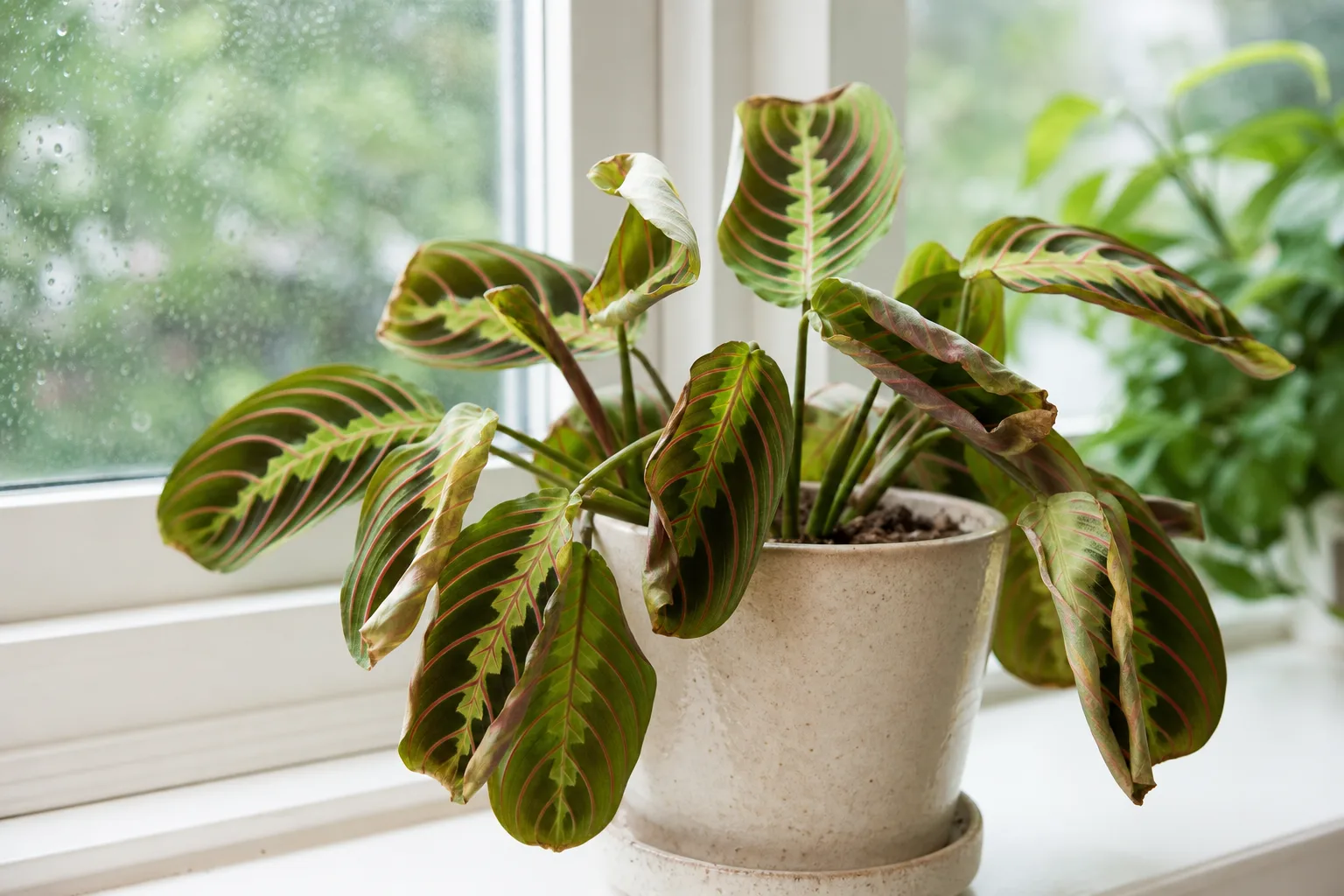
Ferns, many Calathea / Maranta types, and similar plants want air and steady moisture. The RHS notes vermiculite as a water-retentive amendment useful for plants that dislike drying out fully, such as Alocasia or Calathea, while still describing aerators as essential so roots get air. (RHS) Raise porosity first, then keep humidity and watering consistent.
Orchid bark–heavy mixes suit thick aerial-root plants; African violets and other fine-rooted plants usually prefer a finer, more even texture than a Monstera chunk — do not force one “universal aroid” bag on every shelf.
Drainage Mistakes That Mimic Bad Soil
Wrong mix and poor drainage get blamed for each other. Fix both. A perfect aroid blend still fails in a pot with no drainage hole or a cachepot that holds a permanent water bath under the nursery pot. Saucers should be emptied after watering so the bottom of the root ball does not sit in runoff. (Clemson HGIC)
Skip the “rocks in the bottom” trick. Wisconsin Horticulture states that rocks or gravel at the bottom of the pot can actually inhibit drainage. (Wisconsin Horticulture) Better drainage comes from holes plus a porous mix, not a hidden gravel layer that creates a perched water zone above it. Keep this section short on purpose — systems depth lives on the poor-drainage hub.
First-Hand Notes From Media Changes
These are LeafyPixels editorial observations from indoor media changes (bright east windows, room temperatures ~22–26°C / 72–79°F). They are case notes, not universal guarantees — light, pot material, and plant size change the timeline.
Peat bag vs bark-amended blend (same plastic 15 cm pot, same watering volume): Unamended fine peat mix still felt heavy on day 3 and only marginally lighter by day 7. The same plant in a 2:1:1 base/bark/perlite blend felt clearly lighter by day 3 and ready to water again around day 4–5. The canopy stopped afternoon wilt within about a week of the change.
Cactus in tropical indoor mix: A small columnar cactus left in unamended moisture-retentive houseplant soil stayed cold and heavy for more than a week after each watering. After a mineral-biased repot (grit + pumice heavy), the pot lightened in 2–3 days under the same window, and new spines resumed within a growth cycle.
Garden-soil plug rescue: A pothos packed in backyard clay held the exact shape of the nursery pot when tipped out. After teasing off the clay, trimming a few dark soft roots, and moving into soilless bark-amended mix with drainage holes, new leaves resumed in roughly three weeks. The old clay was discarded, not amended.
In-place amending limits: Top-dressing a tablespoon of perlite on a brick-hard peat cake did almost nothing. Mixing bark and perlite into the outer third while roots were still firm helped mild cases; fully compacted or foul-smelling balls needed a full media change.
After a successful change, prevent a relapse: buy media with visible structure, avoid garden soil indoors, refresh collapsed peat when pots stay heavy for a week, measure amendments by volume, store opened bags dry, and wait on fertilizer until new growth appears. If decline returns despite a light pot and firm roots, widen the diagnosis to light, salts, temperature, and pests.
Related Guides
- Best soil for indoor plants — use when you already know the medium is wrong and need recipes, ingredients, and bag-label shopping
- Poor drainage in houseplants — use when holes, saucers, cachepots, or gravel layers are the main failure, not particle size
- Root rot on houseplants — use when roots are already soft, dark, and foul; media change alone is not enough
- Perlite vs pumice — use when choosing which mineral aerator to add to an otherwise fine mix
- How to do Monstera soil mix — use for deeper aroid ratios after this hub’s starter blend
- Repotting houseplants — use for timing and technique once you decide on a full media change
- How to water indoor plants the right way — use after the rebuild so you match watering to the new dry-down
- Fungus gnats on houseplants — use when wet fines become a breeding ground while you fix structure
- Wrong soil mix symptom hub — short cross-species symptom overview that routes here for full diagnosis
Conclusion
Wrong houseplant soil is usually dense garden dirt, peat that behaves like a wet sponge, or a one-size bag used for plants with opposite root needs. Work this checklist:
- Lift the pot — does weight drop over several days, or stay heavy?
- Tip the root ball — clay plug, peat cake, or chunky open mix?
- Smell and feel roots — firm and pale vs soft, dark, foul
- Match the failure mode to a first action (replace garden soil; open peat; change plant-category blend)
- Rebuild with plant-type ratios, real drainage holes, and empty saucers
- Relearn watering by pot weight — chunkier mixes dry faster
Diagnose and confirm here; shop recipes on best soil for indoor plants; fix pots and perched water on poor drainage; rescue soft roots on root rot.