Baking Soda for Sweeter Tomatoes: Does It Work?
Does baking soda make tomatoes sweeter? Learn what soil pH can and cannot change, why sodium is risky, and the practical steps that improve tomato flavor.
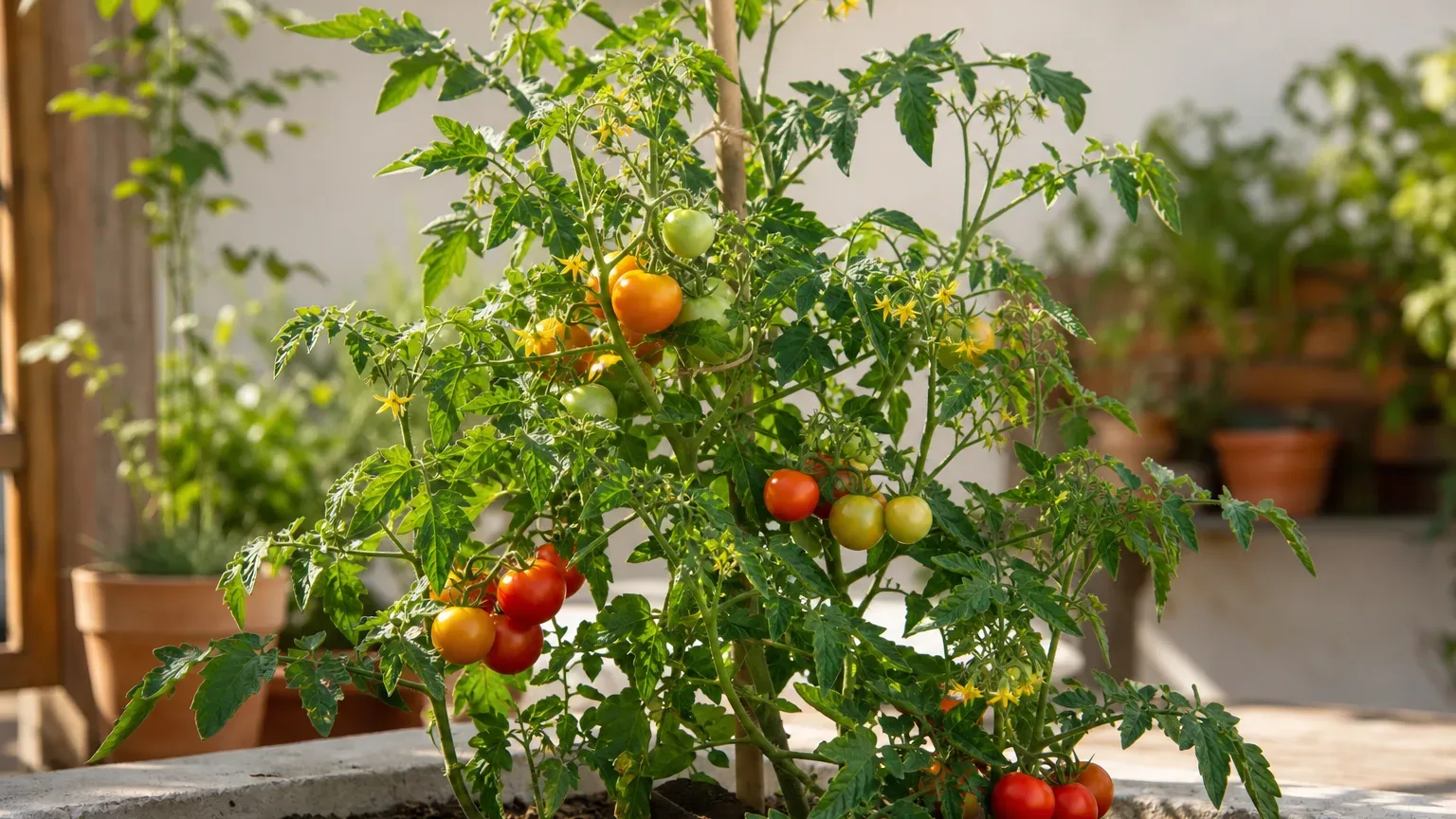
If you want sweeter tomatoes, baking soda is an appealing shortcut: it is inexpensive, familiar, and alkaline enough to sound like a logical soil fix. The problem is that the chemistry of the soil and the flavor of the fruit are not the same thing. There is no good evidence that sprinkling sodium bicarbonate around a tomato plant makes its tomatoes sweeter, and using enough to force a meaningful pH change can create a new problem instead.
The better strategy is more useful and more predictable. Start with a cultivar that already fits your taste, test soil before changing it, keep moisture steady while fruit develops, avoid pushing excessive leafy growth, and harvest at the stage the variety is meant to reach. Those decisions influence flavor without adding an unmeasured sodium load to the root zone.
Does Baking Soda Make Tomatoes Sweeter?
No. Baking soda is not a reliable tomato-sweetening treatment, and it should not be used as a routine amendment for this purpose. Practical horticulture sources including Epic Gardening and Tomato Bible reach the same useful conclusion: the pantry ingredient may appear in discussions of disease sprays or pest remedies, but it does not turn an ordinary tomato cultivar into a sweeter one.
That answer does not mean soil is irrelevant. It means the soil affects flavor indirectly by helping or limiting the plant’s ability to grow, set fruit, and ripen it. A plant in severely poor or imbalanced soil may produce disappointing fruit, but correcting that underlying problem is different from adding baking soda to chase a flavor change.
Where the pH Story Goes Wrong
The myth usually follows a tidy chain of reasoning: baking soda is alkaline, alkaline material raises soil pH, lower acidity means less acidic fruit, and less acidic fruit must taste sweeter. Each step sounds plausible until the last two are treated as interchangeable. Soil pH describes the root environment; it does not act as a flavor dial inside a tomato.
Tomato flavor comes from a combination of soluble sugars, organic acids, aroma compounds, texture, and ripeness. A tomato cultivar study indexed by PubMed evaluated 60 cultivars under low-input organic production and found wide variation in sensory traits, with cultivar having the strongest effect on the measured traits. That finding is far more useful than the idea that a spoonful of any household powder can override the plant’s genetics.
There is also a practical scale problem. Garden soil is a chemically active, uneven medium. A small sprinkle may do almost nothing measurable across the full root zone, while a large application can add more sodium and alkalinity than the plant or soil needs. You would be taking a poorly measured risk to pursue a result that has not been demonstrated.
Why Adding More Can Harm the Plant
Baking soda is sodium bicarbonate, written chemically as NaHCO3. Its mild alkalinity is real, but so is the sodium. Britannica’s chemistry reference describes sodium bicarbonate as an alkaline sodium compound used in pH regulation; in a garden, repeated additions are not a neutral way to improve the soil.
Excess soluble salts can make it harder for roots to take up water even when the soil looks damp. Concentrated material at the stem or in a small container can also damage roots, while repeated sprays may leave leaf margins scorched or mottled. The risk is highest when the product is dumped in one spot, used repeatedly, applied to dry soil, or combined with other homemade treatments.
If baking soda has already been applied once, do not panic and do not immediately add another product to counter it. Remove any visible piles from the soil surface, water deeply enough to move soluble salts through a container’s drainage holes or beyond the active root zone in the ground, and make sure the plant is not sitting in runoff. Do not keep flushing an in-ground bed without considering drainage, nearby plants, and local water restrictions.
What Creates Tomato Flavor?
Flavor is a whole-fruit result, not a single measurement. Two tomatoes can be equally ripe and grown side by side yet taste different because their sugar, acid, aroma, flesh, and skin characteristics differ. Your job as a gardener is to control the large, practical levers and stop expecting a soil additive to fix traits that were set before the seed germinated.
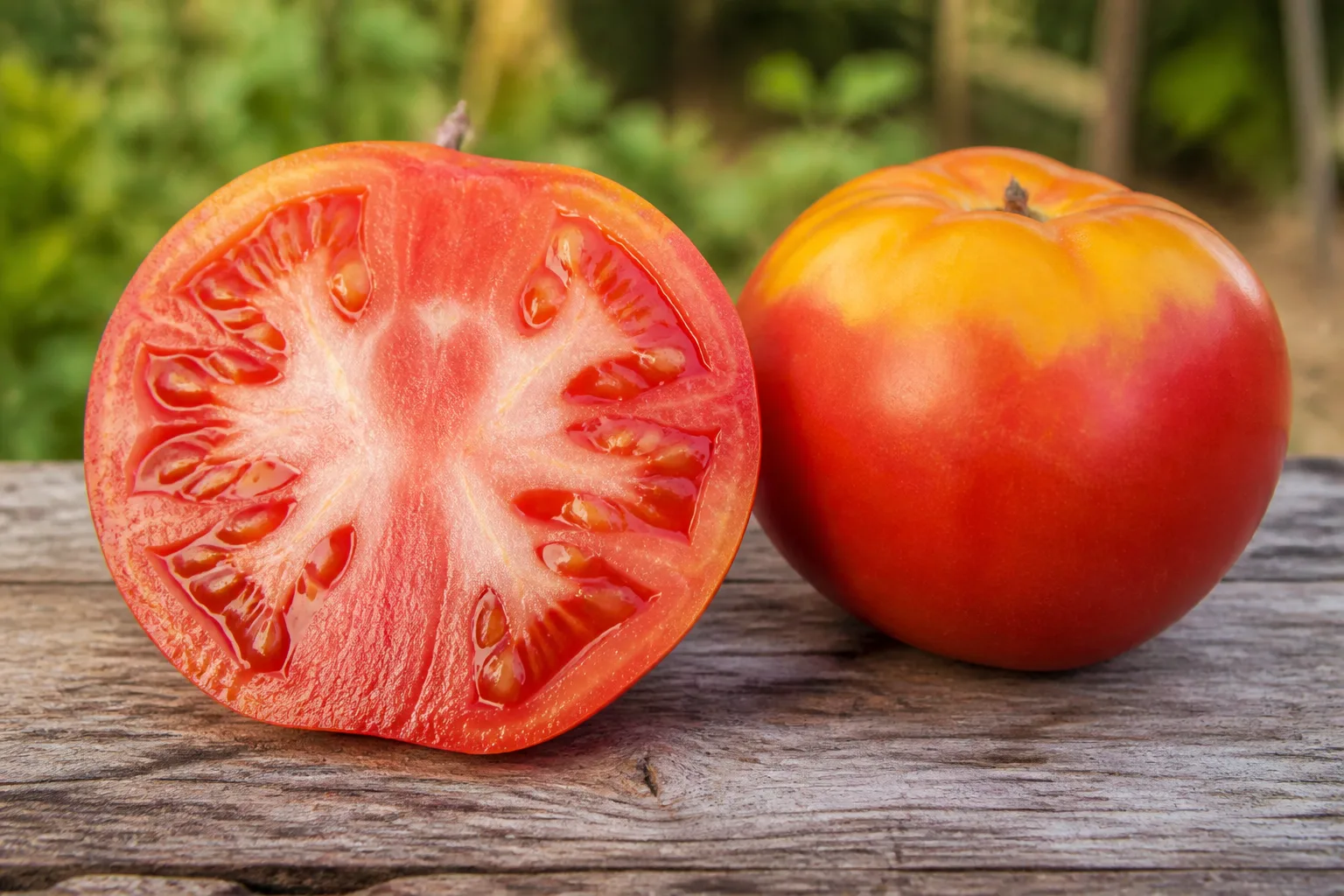
Cultivar Sets the Baseline
The cultivar is the first decision because it establishes the range of flavor the plant can realistically deliver. Small-fruited cherry and plum tomatoes often taste sweeter because they can have a favorable concentration of soluble solids, but size alone is not a guarantee. Some large slicers have rich, balanced flavor, while some cherries are watery or bland when weather and harvest timing work against them.
Research helps explain why variety selection matters so much. In the PubMed study, researchers measured sweetness, sourness, aroma, juiciness, firmness, and acceptability across a diverse set of cultivars. They also found cultivar effects across instrumentally measured traits, while year and harvest timing changed some aroma compounds. In other words, a good seed choice gives you a strong starting point, but it still needs a functioning plant and a properly ripened harvest.
Choose by the eating experience you want rather than by the word “sweet” alone. A child who snacks in the garden may prefer a very sweet yellow or orange cherry; a sandwich gardener may want a larger slicer with more acidity and aroma for balance; a sauce grower may value dense flesh and fewer watery seed cavities over dessert-like sweetness.
Sugar Is Only One Part of the Taste
People often use “sweet” to describe a tomato that is actually well balanced. Sugars can soften the impression of acidity, but aroma determines much of what you perceive as tomato flavor, and texture changes whether the bite feels juicy, meaty, or watery. A tomato with high sugar but weak aroma may taste less satisfying than a moderately sweet fruit with strong fragrance and good texture.
A 2023 tomato-quality study found that sensory flavor scores were positively associated with soluble solids, several sugars, and organic acids, while volatile compounds contributed to the differences among tomato types. That is why “make the fruit less acidic” is too narrow a goal. You want the plant to produce and ripen fruit with a good sugar-acid-aroma balance, not fruit with the lowest possible acidity.
This also explains why a tomato can taste different at breakfast than it did yesterday. Fruit may still be developing color, may have been chilled, may have softened past its best stage, or may have been diluted by a sudden surge of water. Record the cultivar and harvest stage before you blame the soil.
Soil pH Matters for Growth—not as a Flavor Shortcut
Tomatoes do need a suitable root environment, especially for nutrient availability. The California Department of Food and Agriculture and UC Davis tomato fertilization guidance gives an optimal soil-pH range of about 6.2 to 6.8 for tomato production and notes that phosphorus availability falls in soils that are too acidic or too alkaline.
That is a reason to correct an out-of-range soil—not a reason to add baking soda to every tomato bed. A healthy soil test can prevent you from solving the wrong problem. If the pH is already in the suitable range, changing it may reduce nutrient availability rather than improve fruit quality.
Test Before Changing the Soil
Test the bed, raised bed, or container mix that the tomato is actually growing in. A test from a distant lawn area may not represent a compost-amended vegetable bed, and a test of a bag of potting mix will not tell you what is happening in the garden beside it. Take a representative sample according to the lab or kit’s directions.
The Royal Horticultural Society’s soil-pH guidance explains that pH is measured on a 0-to-14 scale, with 7 neutral, and recommends testing rather than guessing. It also warns that testing soon after adding lime, fertilizer, or organic matter can produce misleading results. Give a recent amendment time to settle before treating a number as a long-term baseline.
For a home gardener, the most useful test result is not a perfect decimal. It is a clear indication of whether pH is broadly suitable and whether a real nutrient imbalance, salinity issue, or organic-matter problem needs attention. If the report includes a crop-specific target and amendment recommendation, follow that recommendation rather than a generic internet dose.
Use Lime Only When a Test Calls for It
If a soil report shows that the bed is genuinely too acidic, garden lime is the conventional amendment used to raise pH. Lime is not interchangeable with baking soda: its rate depends on soil texture, existing pH, and the material’s neutralizing value. Apply it according to the soil report, incorporate it as directed, and allow time for the change to occur.
If the pH is too high, adding baking soda would move in the wrong direction. The answer may be to improve organic matter, adjust the growing medium, or choose a site better suited to the crop, depending on the soil and the severity of the problem. Do not make rapid pH corrections in a container without knowing the mix, the drainage, and the source of irrigation water.
The same rule applies to calcium, Epsom salt, coffee grounds, and other popular tomato remedies: a plant nutrient or household product is not automatically useful just because it sounds connected to fruit quality. Test first, then correct the demonstrated limitation.
A Practical Plan for Sweeter Tomatoes
If sweetness is your goal, use this order. It puts the largest influence first and prevents small, uncertain tweaks from distracting you from the plant’s basic needs.
- Choose a cultivar described for sweet or low-tang flavor.
- Confirm that the site, container, and season can support that cultivar.
- Test soil pH and nutrients before adding amendments.
- Keep the root zone evenly moist while the fruit is enlarging and ripening.
- Feed according to plant growth and a soil report, not a calendar of pantry remedies.
- Let fruit reach its cultivar-specific ripe color and texture.
- Compare two cultivars grown under the same conditions before changing the soil.
Choose the Right Cultivar for Your Palate
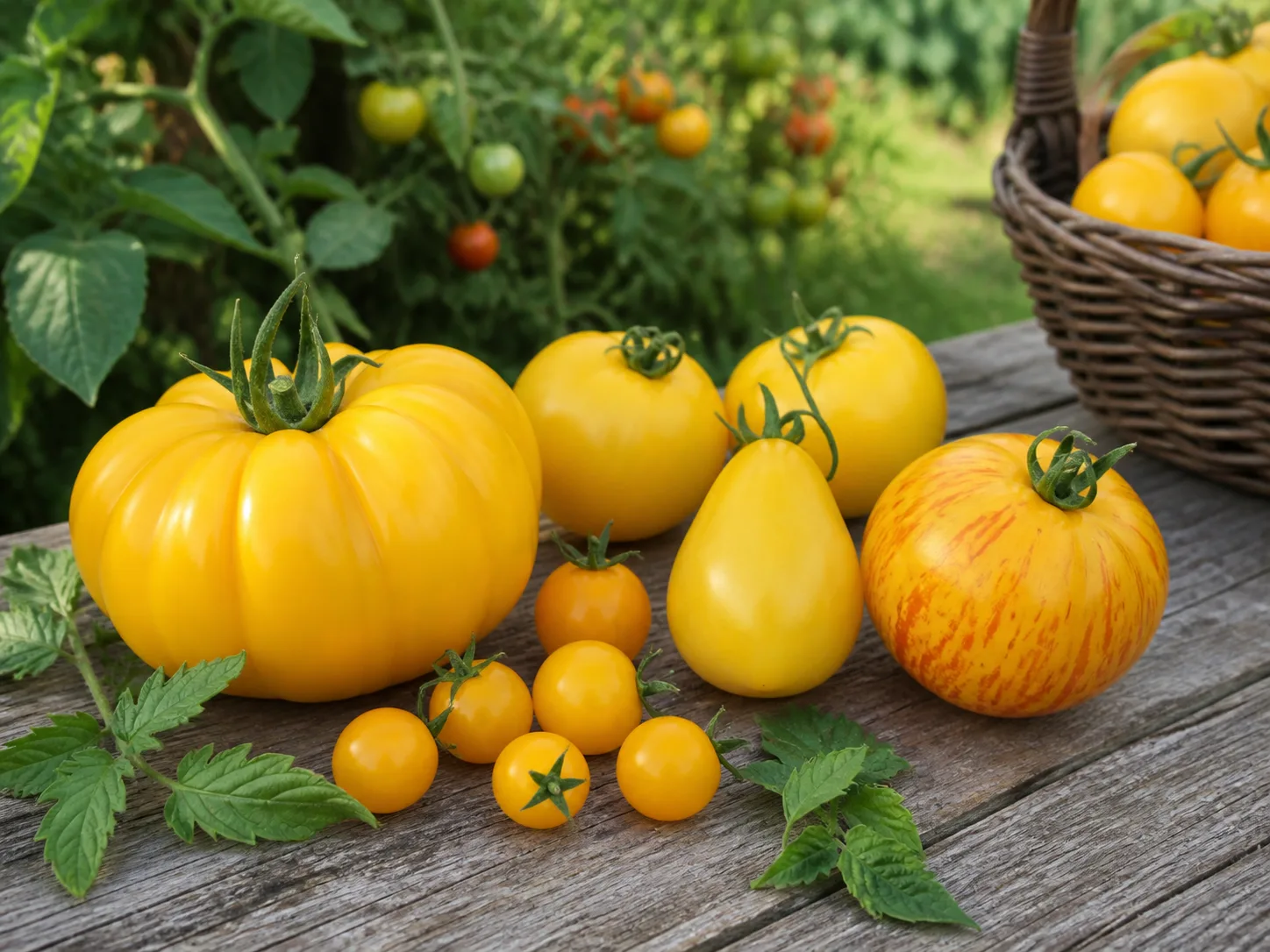
For a high-sweetness trial, grow one or two small-fruited cultivars alongside a slicer. ‘Sun Gold’ or ‘Sun Sugar’ are common examples of orange-gold cherries marketed for very sweet flavor; ‘Sweet Million’ is another cherry type often chosen for heavy clusters. For a baby plum, ‘Rosada’ is frequently selected for a sweet, concentrated bite. If you want an heirloom slicer with more complexity than candy-like sweetness, ‘Cherokee Purple’ can be a better experiment.
Treat those names as starting points, not guarantees. Seed companies can use different descriptions, local conditions change flavor, and the same cultivar may taste different in a cool, cloudy season than in a bright, hot one. Read the current packet for maturity, growth habit, disease resistance, and space needs, then keep a note of which fruit you actually enjoyed.
| If you want… | Start by comparing… | Watch for… |
|---|---|---|
| A very sweet snack tomato | Yellow, orange, or red cherry cultivars | Prolific vines can outgrow short cages; pick often. |
| Sweetness with a firmer baby-plum texture | Plum or grape cultivars | Dense fruit can still taste bland if harvested early. |
| A rich sandwich tomato | Beefsteak or heirloom slicers | Large fruit needs support and steady moisture. |
| A concentrated sauce tomato | Paste or plum cultivars | “Sweet” may mean ripe and concentrated after cooking, not candy-like fresh. |
| A dependable crop in a short season | Early determinate or compact hybrids | Days to maturity are estimates, not promises. |
Give the Plant Enough Sun and Steady Moisture
Sunlight powers the plant’s growth and helps it ripen a full crop, but it is not a permission slip to bake the root zone dry. Place tomatoes where they receive strong direct light appropriate to your climate, with enough air movement to keep foliage dry after watering. In the hottest climates, protect the root zone with mulch and watch afternoon heat rather than trying to force ripening by withholding water.
Aim for a consistent moisture pattern: water the root zone deeply when it is beginning to dry, then allow excess to drain. Do not alternate between a bone-dry container and a sudden flood. Large swings can stress the plant, reduce fruit quality, promote cracking, and make it difficult to tell whether a bland harvest came from the cultivar or the season.
Containers and grow bags need closer monitoring because they have less soil volume and can heat up quickly. A moisture check a few inches below the surface is more informative than the appearance of the top crust. Mulch in the ground and in large containers, but keep it away from direct contact with the stem so the crown stays ventilated.
Do not deliberately drought-stress a home tomato to “concentrate the sugar.” Mild water limitation can change fruit chemistry in some production studies, but the same tactic can reduce fruit size, increase physiological stress, and cause a damaging dry-to-wet cycle. Steady care gives you a better chance of tasting the cultivar you chose.
Feed for Fruit Without Pushing Excess Foliage
Fertilizer cannot replace genetics, and more fertilizer does not mean sweeter fruit. Begin with compost or a prepared growing medium that drains well, then use a soil test and the fertilizer label to decide whether additional feeding is necessary. Avoid repeatedly applying high-nitrogen products because a huge canopy can delay maturity and make the plant more difficult to manage.
The CDFA/UC Davis guidance notes that excess nitrogen can produce lush, dark foliage, delay maturity, increase disease and insect susceptibility, and affect fruit quality. That is a more useful warning than the vague idea that tomatoes simply need “more food.” If the plant is dark green and growing leaves rapidly while fruit remains slow to color, stop adding nitrogen and reassess the program.
Potassium matters to tomato growth and fruit quality, but a potassium fertilizer is not a universal sweetness treatment either. Overcorrecting can interfere with other nutrient uptake, and wet soil can reduce root uptake even when the soil contains enough of a nutrient. Use the report, the plant’s growth, and the product label together.
Harvest at the Cultivar’s Ripe Stage
Harvest is where an otherwise good growing plan can lose flavor. Use the mature color listed for the cultivar, then check for a slight give and the characteristic gloss or aroma. A pale yellow cultivar should not be left until it resembles a red tomato, and a red tomato picked while it is still hard and green will not taste like the same fruit at full ripeness.
Pick before fruit becomes soft, cracked, or vulnerable to animals. If extreme heat, a storm, or a pest problem is about to damage nearly ripe fruit, harvesting at the first color break and finishing it at room temperature can be a sensible compromise, although vine-ripened fruit often has the better texture. Never refrigerate fully ripe tomatoes unless you have a short-term storage reason; cold dulls the aroma and texture that make flavor feel vivid.
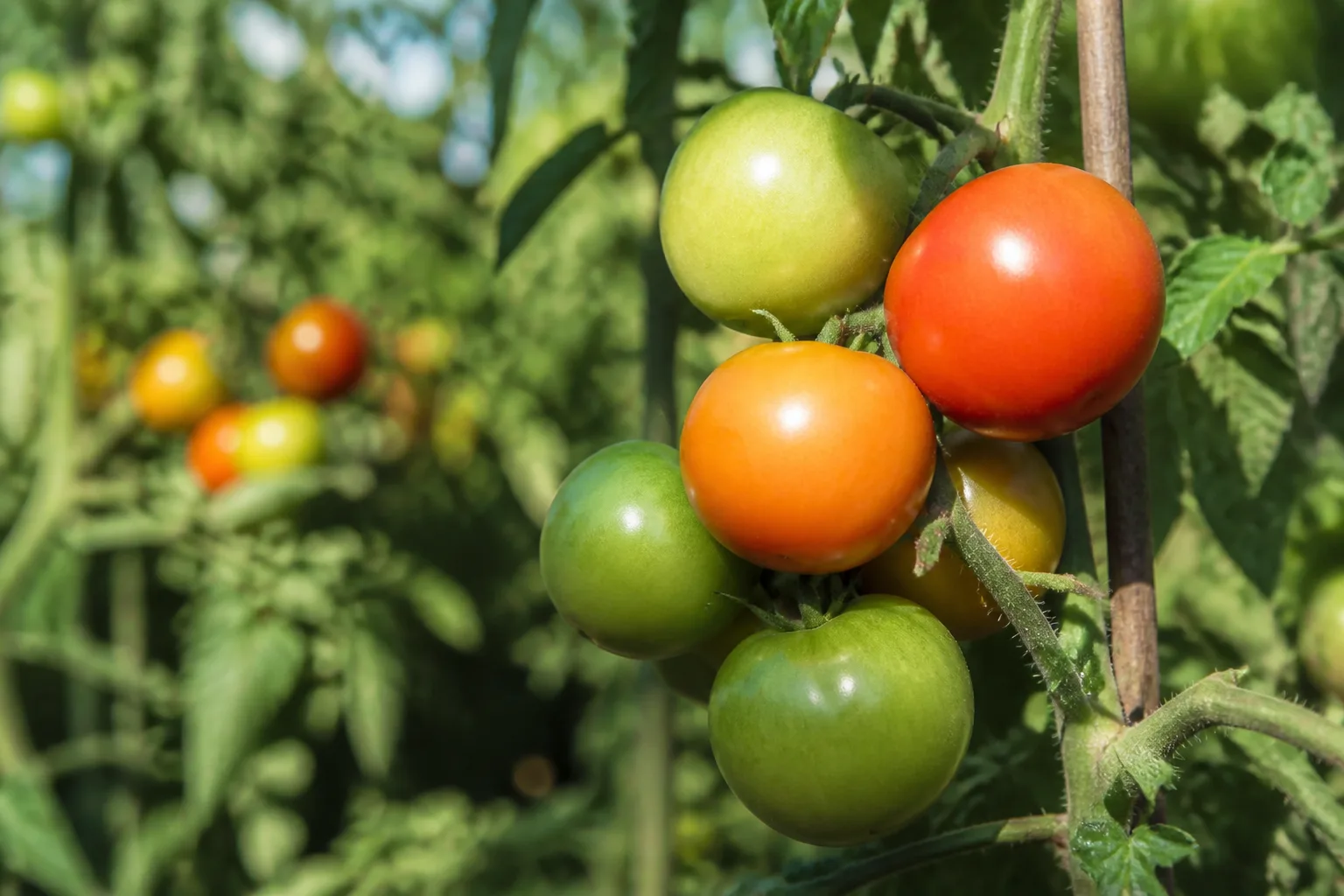
Keep a three-line harvest note: cultivar, date and color at picking, and a quick taste score. After a few harvests, you will know whether “not sweet” really means low sugar, too much water, premature picking, weak aroma, or simply a variety that is not your favorite.
What to Do with Baking Soda on a Tomato Plant
For sweeter fruit, leave baking soda out of the soil and out of your regular feeding schedule. If you are using it for any other purpose, treat that as a separate plant-health decision with its own evidence, rate, timing, and risk.
Do Not Confuse Disease Management with Sweetness
Some gardening articles discuss diluted bicarbonate sprays for surface fungal problems. A foliar spray is not the same as a root-zone amendment, and a surface treatment cannot change the cultivar’s fruit flavor. Epic Gardening’s discussion emphasizes both the distinction and the need for careful application, while Tomato Bible’s practical guide warns that excess baking soda can injure tomatoes.
If a tomato has leaf spots, mildew, or another disease symptom, identify the problem before spraying anything. Remove badly affected material, improve airflow and watering technique, and use a product or extension recommendation that is appropriate for the diagnosis. Always follow the label for a registered fungicide, and test any homemade spray on a small area first; even a diluted mixture can burn foliage in bright, hot, or humid conditions.
Do not spray a healthy plant simply because you hope the fruit will taste sweeter. Do not combine baking soda with vinegar or other reactive kitchen ingredients around the plant. Once the goal changes from flavor to disease control, the safest next step is diagnosis and a targeted plan—not a stronger pantry mixture.
If Tomatoes Still Taste Tart, Troubleshoot in Order
Start with the fruit and the growing record instead of changing the soil immediately. Taste one tomato from the same plant at two different ripeness stages, then compare it with a second plant or cultivar grown nearby. If both plants taste tart, review the season; if only one does, review the cultivar, crop load, ripeness, or plant health of that individual.
Use this order of questions:
- Was the fruit fully ripe for its cultivar? Hard, dull, or under-colored fruit is the first suspect.
- Is this cultivar supposed to be sweet? A balanced or acidic slicer may be healthy and correctly grown but still not match your preference.
- Was the season unusually cool, cloudy, or hot? Weather changes growth rate, aroma, and ripening time.
- Did moisture swing sharply? Dry soil followed by heavy irrigation or rain can affect fruit quality and trigger cracking.
- Was the plant overfed with nitrogen? Excess leafy growth and delayed color are clues to review the fertilizer program.
- Is the plant showing a nutrient, disease, or root-zone problem? Yellowing, poor growth, leaf spots, or uneven ripening deserve diagnosis, not a sweetness hack.
A Simple Harvest-to-Harvest Comparison
For the next crop, plant two contrasting cultivars in similar light and soil. Mark them clearly, give both the same watering and support, and do not amend only one plant with baking soda. Taste fruit at the same visual ripeness, ideally on the same day, and note texture, aroma, acidity, and sweetness separately.
If both cultivars are bland, investigate the site and the season: check soil pH and fertility, inspect irrigation consistency, and look for disease or root damage. If one is reliably sweeter, keep that cultivar and adjust the growing plan around its habit. If a large heirloom tastes more balanced than sweet but you love its aroma, grow it alongside a sweet cherry instead of trying to chemically remake it.
That comparison gives you information a one-time household treatment cannot. It also prevents the common mistake of changing three variables at once and then having no idea what helped.
Conclusion: Choose Flavor at the Seed Packet
Baking soda does not have a proven role as a tomato-sweetening soil amendment. Its alkalinity can make the pH story sound convincing, but soil pH is a root-zone management issue, not a direct control for the sugar-acid-aroma balance inside the fruit. Adding enough sodium bicarbonate to force a change risks salt buildup, root stress, and leaf injury.
Choose sweetness at the cultivar level, then protect that potential with a soil test, suitable pH, steady moisture, balanced fertility, enough light, and a harvest timed to the fruit’s mature color and texture. If the first crop disappoints, compare cultivars and harvest stages before reaching for another kitchen ingredient. The most dependable tomato flavor upgrade is usually a better-matched variety and a more observant harvest—not a white powder scattered at the stem.



