Best Flower Subscription Services (2026 Guide)
Compare seven top flower subscription services by price, cadence, stem choice, and vase life. Learn which plans fit gifts, pet-safe homes, and weekly blooms.
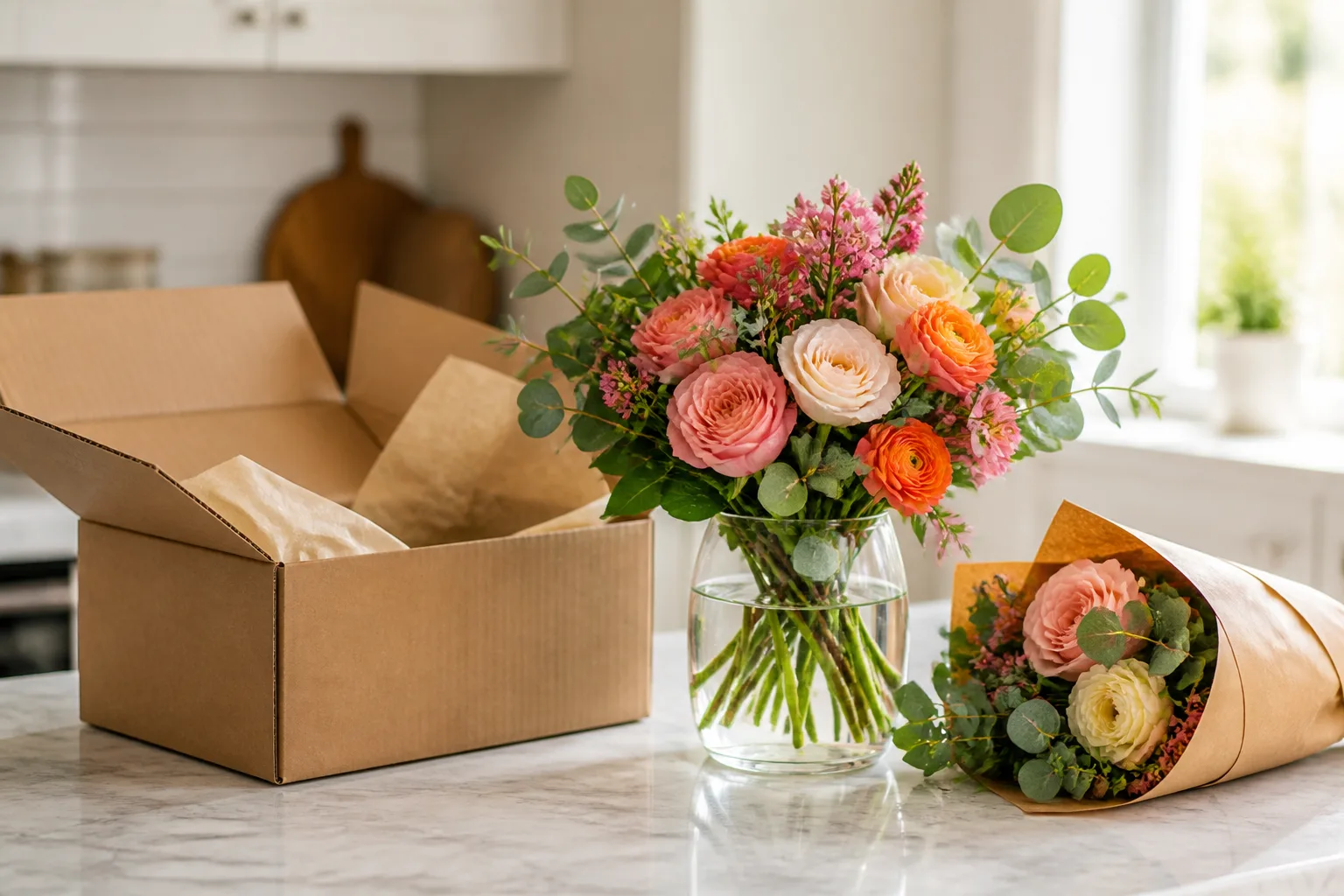
A flower subscription sounds effortless until the third box arrives while last week’s stems are still fading in the sink. The seven services below are worth comparing because they solve different jobs — weekly table flowers, prepaid gifts, rose-heavy boxes, seasonal surprises, and budget plans where you actually pick the bouquet — not because any single brand wins every household.
This guide focuses on recurring deliveries to your own address. If you need same-day sympathy flowers sent across town, start with our best flower delivery services comparison instead. Subscriptions reward planners; wire-network florists reward panic orders.
Quick Picks: Match the Subscription to Your Job
Best overall: UrbanStems for flexible weekly-to-monthly cadence, upright shipping, and design-forward arrangements that need minimal rearranging.
Best budget with stem choice: The Bouqs Co. for the lowest entry price (about $48 per cycle on the Original tier), free subscription shipping, and the ability to choose from 50+ rotating bouquets instead of a pure surprise.
Best seasonal surprise: Flower of the Month Club for in-season stems sourced globally, prepaid gift lengths, and educational variety cards in each box.
Best for DIY arranging: Farmgirl Flowers for oversized stem counts, rustic wildflower mixes, and bouquets sized to split across multiple vases.
Best premium stem count: Enjoy Flowers for 30+ artist-designed stems per delivery, seasonal themes, and bonus add-ins at a mid-tier price.
Best catalog variety: 1-800-Flowers when you want hundreds of recipes, size tiers, and a included vase — if you accept membership fees on top.
Best for rose lovers: BloomsyBox for rose-forward designs with standout vase life when stems arrive in peak condition.
If you only remember one rule: match cadence to vase life. A weekly plan only makes sense when you will trim, refresh water, and compost the old bunch before the next box lands.
Do You Actually Need a Flower Subscription?
Subscriptions shine when fresh stems are part of your routine — a dining table you reset every Sunday, a home office you want to smell alive, or a gift that keeps arriving without you remembering to reorder. They fail when you treat them like a one-time gesture, when your travel schedule is unpredictable, or when you dislike arranging flowers yourself.
Most shipped bouquets last seven to fourteen days with decent care. Independent comparative testing published by Taste of Home found both UrbanStems and Bouqs arrangements typically peak around day three and fade between days nine and ten, with Bouqs sometimes stretching toward two weeks when buds arrive tight. That math matters: a weekly subscription replaces stems before the old ones fully open; a monthly plan fits households that want a single statement bunch.
Subscription Boxes vs One-Time Delivery
Farm-direct subscription boxes ship on a schedule through FedEx or UPS. Stems often arrive in bud form (Bouqs) or partially open (UrbanStems), which changes how many display days you get. You trim, strip leaves, and arrange — or split one oversized bunch across two vases.
One-time orders from the same brands follow the same fulfillment model but skip recurring billing. Wire-network florists like 1-800-Flowers can fulfill subscriptions through local shops, which adds recipe variability but also enables vase-ready hand delivery in some markets.
Choose a subscription when: you want a discount on repeat shipping, you like the ritual of unboxing, and you will use every delivery.
Skip subscriptions when: you send flowers twice a year for holidays, you need same-day local delivery, or you cannot guarantee someone will unbox stems within a few hours of porch drop-off.
Cadence Math: Weekly, Biweekly, or Monthly?
Run the landed cost before you click subscribe:
| Tier (example) | Typical stems | Approx. price/cycle | Best cadence |
|---|---|---|---|
| Budget (Bouqs Original) | 10–16 | ~$48 | Monthly or biweekly |
| Mid (UrbanStems Classic) | 15–20 | ~$60 | Biweekly or monthly |
| Premium (Enjoy Flowers / BloomsyBox) | 26–30+ | ~$65–$90+ | Monthly |
Add $0–$15 shipping where it is not included (Flower of the Month Club charges about $15 per shipment). Subtract subscription discounts — Bouqs and UrbanStems often include free shipping on plans that one-off orders lack.
A $60 monthly plan costs $720 per year. Compare that to grocery store bunches at $12–$20 each: you need to value design, variety, and doorstep convenience — not just stem count — for the subscription to win.
How We Evaluated These Seven Services
We scored each subscription on criteria that predict satisfaction after the novelty wears off:
Cadence flexibility: Can you choose weekly, biweekly, or monthly delivery? Can you skip, pause, or shift dates without calling support?
Stem transparency: Does the site list stem counts and sizes, or hide them behind “artist’s choice”?
Customization: Can you pick the bouquet, filter by color, or are you locked into surprises?
Landed cost: Product price plus shipping, membership fees, and vase upcharges.
Arrival condition: Upright packing, water tubes on stems, bud stage vs fully open blooms.
Vase life with basic care: Realistic 7–14 day range using flower food and water changes — not miracle claims.
Cancellation clarity: One-click cancel vs buried “pause” buttons vs prepaid gift traps.
Pet safety signals: Warnings about toxic stems in mixed bouquets, especially for cat households.
No single service wins every row. The picks below name the best fit for each job, with honest trade-offs.
UrbanStems — Best Overall Subscription
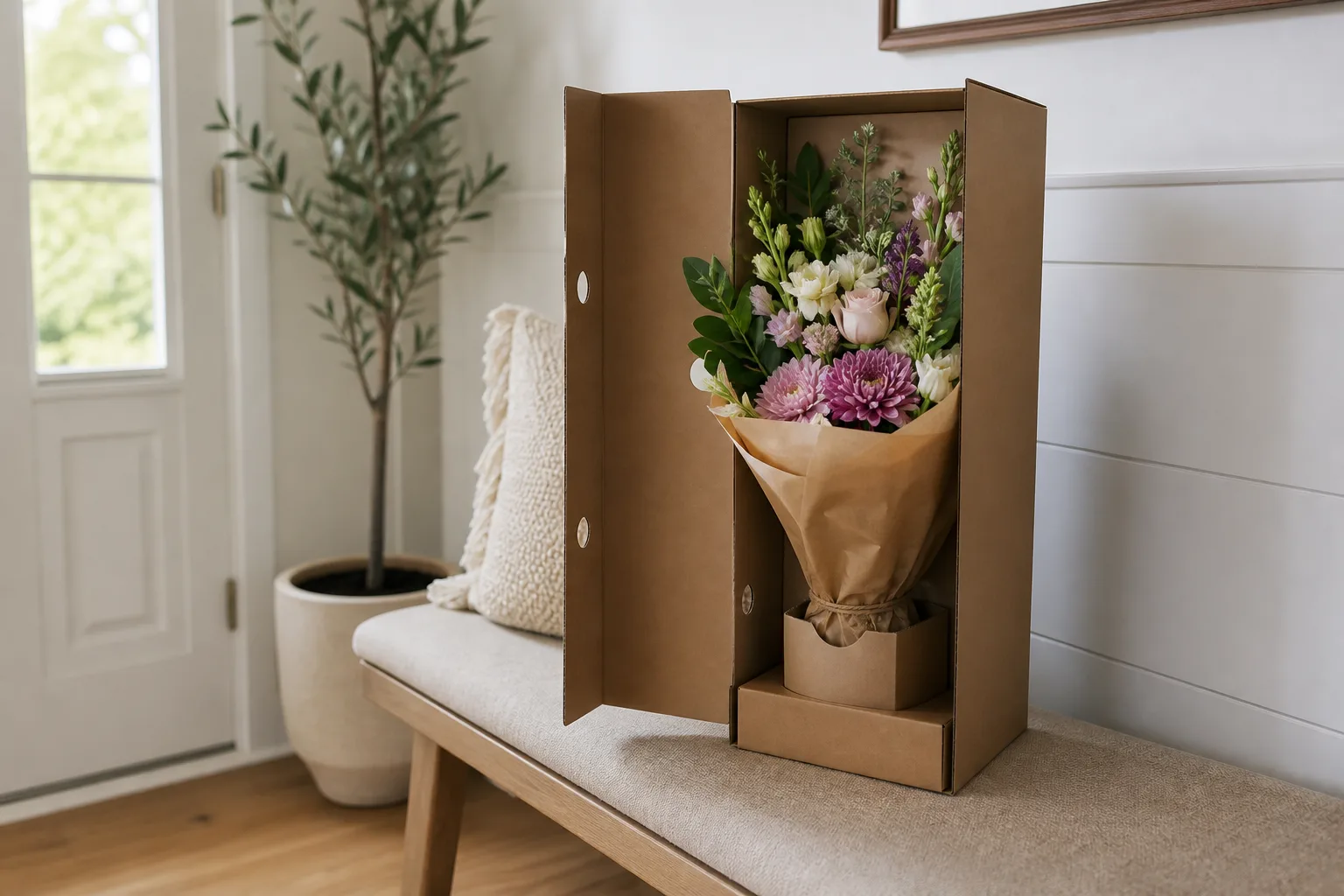
UrbanStems built its reputation on design-forward bouquets shipped upright in side-opening boxes — stems stay vertical instead of spearing through cardboard. Three subscription tiers are common in 2026 comparisons: Classic ($60, 15–20 premium stems), Seasonal ($75, 20–26 stems plus a glass vase on the first delivery), and Luxe (~$105, 26–30 stems plus shears and a custom vase each cycle). Pay-as-you-go options start around $66 per send if you prefer no long commitment.
Why it wins overall: Cadence is genuinely flexible — weekly, biweekly, or monthly — and subscription deliveries typically include free shipping that one-time gifts lack. Care emails and flower-food packets help beginners. Arrangements lean modern: garden roses, anemones, ranunculus, and textured eucalyptus rather than generic rose cubes.
Trade-offs: You cannot pick exact stems on most subscription cycles; surprises are the default. UrbanStems often ships partially to fully open blooms, which look stunning on day one but may shorten total vase life versus tight buds. Customer experience reports are mixed at scale — some reviewers praise reliability; aggregator sites note occasional late deliveries around peak holidays. Treat peak weeks as higher risk.
Best for: Households that want a reliable “new bouquet” rhythm, modern styling, and minimal rearranging.
Typical landed cost: About $60–$105 per cycle with subscription free shipping; vase included only on higher tiers.
The Bouqs Co. — Best Budget With Real Stem Choice
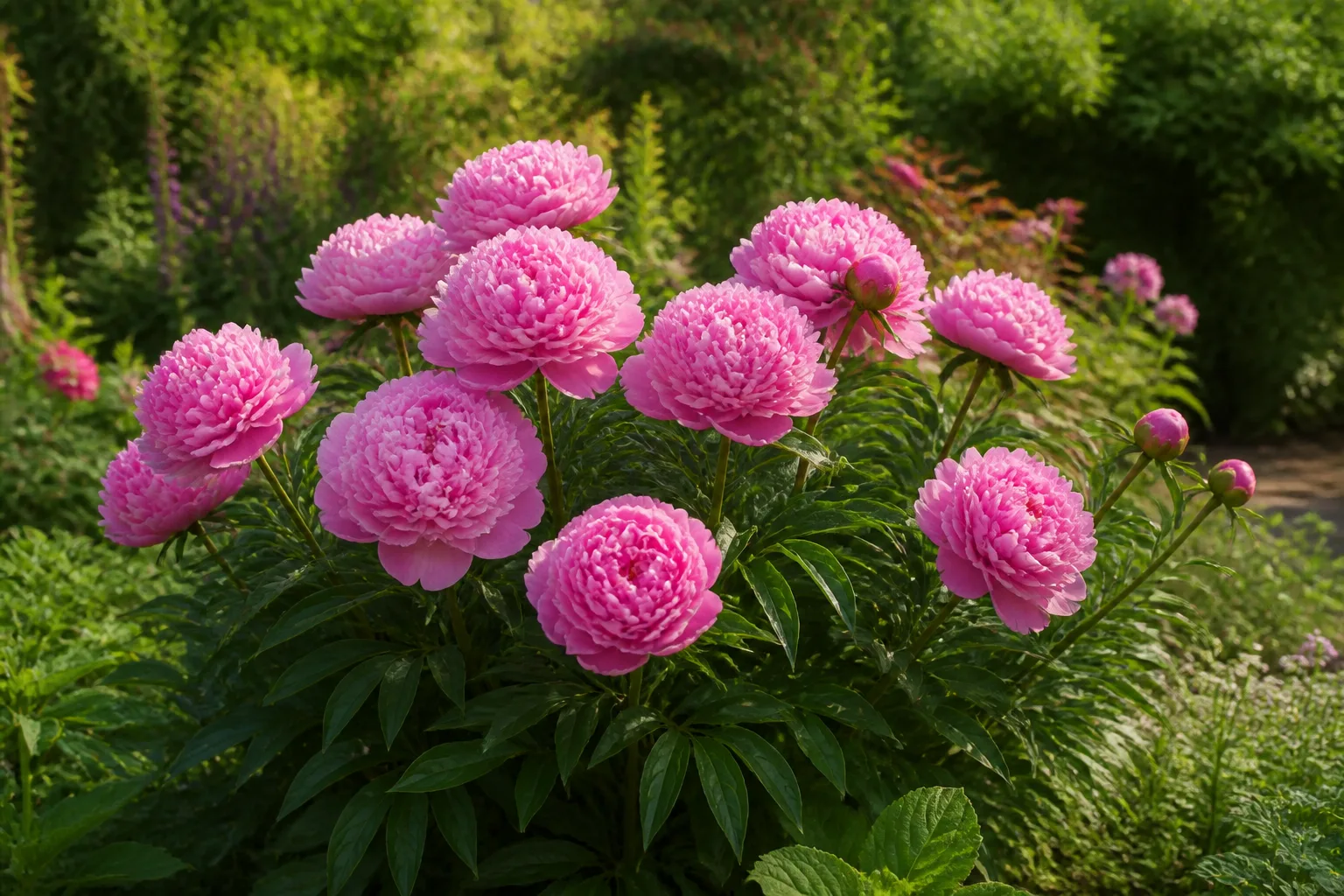
The Bouqs Co. is the standout when price and control matter together. According to Top Consumer Reviews’ 2026 flower club comparison, three subscription sizes are common: Original (10–16 stems, ~$48), Deluxe (20–32 stems, ~$59), and Grand (30–45 stems, ~$74), with free shipping on all subscriptions.
Why it wins on budget: Entry price beats most competitors, and — critically — you can choose from 50+ bouquets each cycle or opt for a grower’s surprise. That stem-choice flexibility is rare in subscription land. Bouqs often ships tighter buds, so blooms open over several days and can last longer than pre-opened arrangements when transit goes well.
Trade-offs: Quality can vary by season and farm. Some deliveries arrive with snapped stems or wilted lower leaves; a second box often restores confidence. Delivery date windows fill fast around Valentine’s Day and Mother’s Day — schedule weeks ahead. DIY arranging is required; sympathy recipients who want zero prep may prefer a local florist.
Best for: Budget-conscious subscribers who still want to pick the bouquet and stretch vase life with bud-stage stems.
Typical landed cost: $48–$74 per cycle with free subscription shipping.
Flower of the Month Club — Best Seasonal Surprise
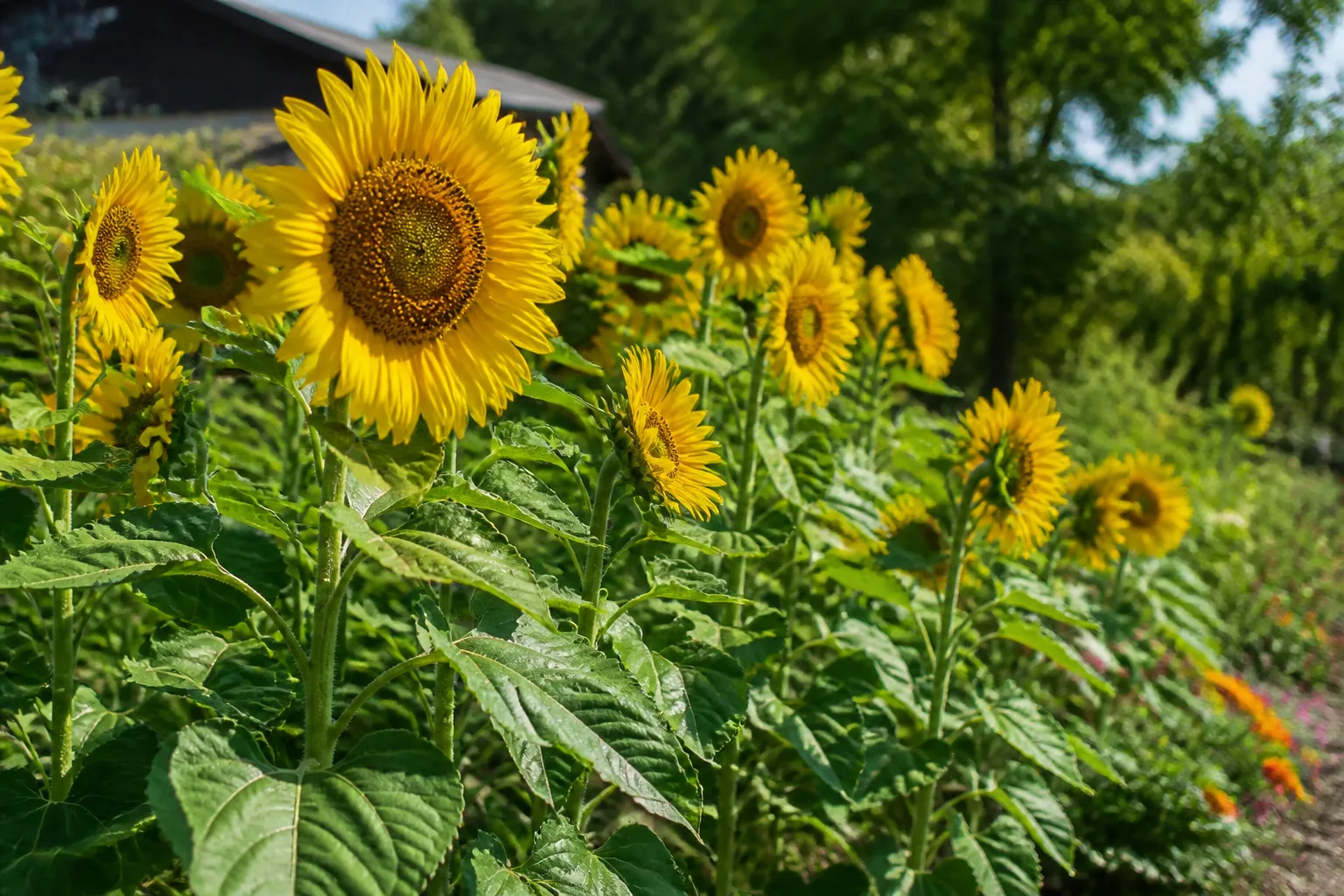
Flower of the Month Club (run through Amazing Clubs) delivers seasonally appropriate stems each month — sunflowers and lilies in winter, peonies and ranunculus when they are actually in season — rather than forcing out-of-season imports. Bouquets include variety cards explaining where stems were sourced and why the florist combined them.
Why it wins for seasonal fans: The club leans into anticipation: each month feels like a small botanical tour. Prepaid lengths (3, 6, or 12 months) make gift subscriptions simple — the recipient does not manage billing or cancellation.
Trade-offs: Shipping runs about $15 per delivery on top of membership cost. You cannot customize stems. Tracking is weaker than UPS-brand shippers. Buds often arrive a few days before peak bloom — great for longevity, less instant gratification.
Best for: Gift givers who want a prepaid experience and readers who value in-season flowers over year-round rose availability.
Typical landed cost: Varies by prepaid length; budget $15 shipping per box when comparing totals.
Farmgirl Flowers — Best for DIY Arrangers
Farmgirl Flowers ships lush, rustic bouquets sized for people who treat arranging as the point — not a chore. The Lindy Hop subscription includes free shipping and delivers stem-heavy bunches with dahlias, peonies, spray roses, and wildflower fillers that can fill your largest vase or split into two smaller ones.
Why arranger types love it: Stem variety and volume beat minimalist modern boxes when you want to play florist at the kitchen counter. Burlap wrapping and farm-story branding match the aesthetic. Email updates around delivery dates are generally reliable.
Trade-offs: Subscription management on the website can confuse new users — orders occasionally display as one-time purchases until support corrects them. You cannot customize individual stems. Bouquets demand time: trimming, leaf stripping, and multiple vases.
Best for: Confident arrangers who want volume, fragrance, and rustic variety each cycle.
Typical landed cost: Mid-tier subscription pricing with free shipping on the Lindy Hop plan; check current stem tier before committing.
Enjoy Flowers — Best Premium Stem Count
Enjoy Flowers targets subscribers who want florist-scale stem counts without florist-scale prices. Plans often start around $65 with 30+ stems, seasonal themes (pine, eucalyptus, and garden roses in winter, for example), and free shipping. Bonus items — extra stems, succulent picks, or seasonal add-ins — sometimes ride along in the box.
Why premium buyers choose it: Volume alone lets you build a hero arrangement plus a desk bunch from one delivery. Seasonal styling feels intentional rather than random. Communication around delivery dates is generally clear at signup.
Trade-offs: Customization is limited to tier and cadence, not stem-by-stem builds. Cancellation flows confuse some users — “pause” and “cancel” sit close together in account settings. Mixed seasonal boxes may include stems that are not pet-safe for cat households.
Best for: Stem-count maximalists who want one delivery to dress multiple rooms.
Typical landed cost: About $65+ per cycle with free shipping on many plans.
1-800-Flowers — Best Catalog Variety
1-800-Flowers brings catalog breadth to subscriptions: hundreds of recipes, size tiers, color filters, and — on many subscription SKUs — a vase included. The network can tap local florists, so out-of-season summer flowers sometimes appear when farm-direct clubs would not ship them.
Why variety seekers pick it: If you bore easily, the rotating catalog beats a single “artist’s choice” lane. Size selection lets you align spend with stem count more explicitly than surprise-only clubs.
Trade-offs: Subscriptions may require Celebrations Passport membership — about $19.99 the first year, then roughly $30 annually — plus tax on top of bouquet pricing. Service and handling fees inflate landed cost versus farm-direct competitors. Quality varies by fulfilling florist; a lush lily recipe in one zip code may look sparse in another.
Best for: Subscribers who want maximum choice, vase-included convenience, and do not mind membership math.
Typical landed cost: Bouquet price plus Passport fee if you are not already a member; compare annual membership + per-delivery cost against Bouqs or UrbanStems.
BloomsyBox — Best for Rose Lovers
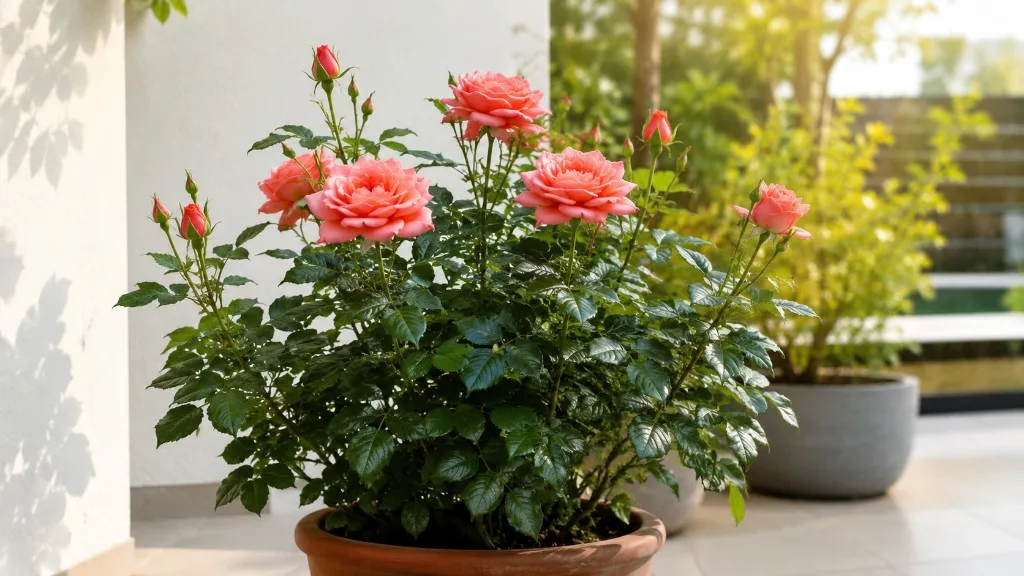
BloomsyBox focuses on rose-forward and tropical-leaning designs with minimalist packaging and water tubes that keep stems hydrated in transit. When condition is perfect, vase life can stretch toward two weeks — longer than many mixed bouquets — because roses and hardy fillers tolerate shipping well.
Why rose fans subscribe: Bold color combinations (yellow roses with red berries for holiday tables, for example) and upright blooms out of the box. Delivery date selection and tracking emails are straightforward.
Trade-offs: Price runs higher than budget picks, and you cannot customize colors — loud palettes arrive as designed. No stem-choice catalog like Bouqs. Value-conscious shoppers should compare stem count per dollar against Enjoy Flowers or Bouqs Grand tiers.
Best for: Rose enthusiasts who prioritize vase life and vivid color over catalog control.
Typical landed cost: Premium tier pricing with free shipping on many subscription SKUs; compare against UrbanStems Luxe before upgrading.
What to Check Before You Subscribe
Treat checkout like a small contract, not a impulse buy. Three clauses matter more than coupon codes.
Cancellation, Pause, and Prepaid Gift Traps
Recurring billing: UrbanStems and Bouqs let you adjust cadence in account settings, but read whether “skip” pauses billing or merely delays shipment. Enjoy Flowers users report nearly canceling when they meant to pause — read button labels carefully.
Prepaid gifts: Flower of the Month Club’s prepaid lengths are excellent gifts because the recipient owes nothing — but the buyer cannot always claw back unused months if plans change. Buy only the length you are confident about.
Wire-service memberships: 1-800-Flowers Passport auto-renews. Set a calendar reminder before renewal if you subscribed only for a flower club trial.
Support path: Screenshot your confirmation email and note the customer-service channel before the first box arrives. Credits for wilted stems are easier when you photograph the bouquet the day of delivery.
Pet Safety in Mixed Bouquets
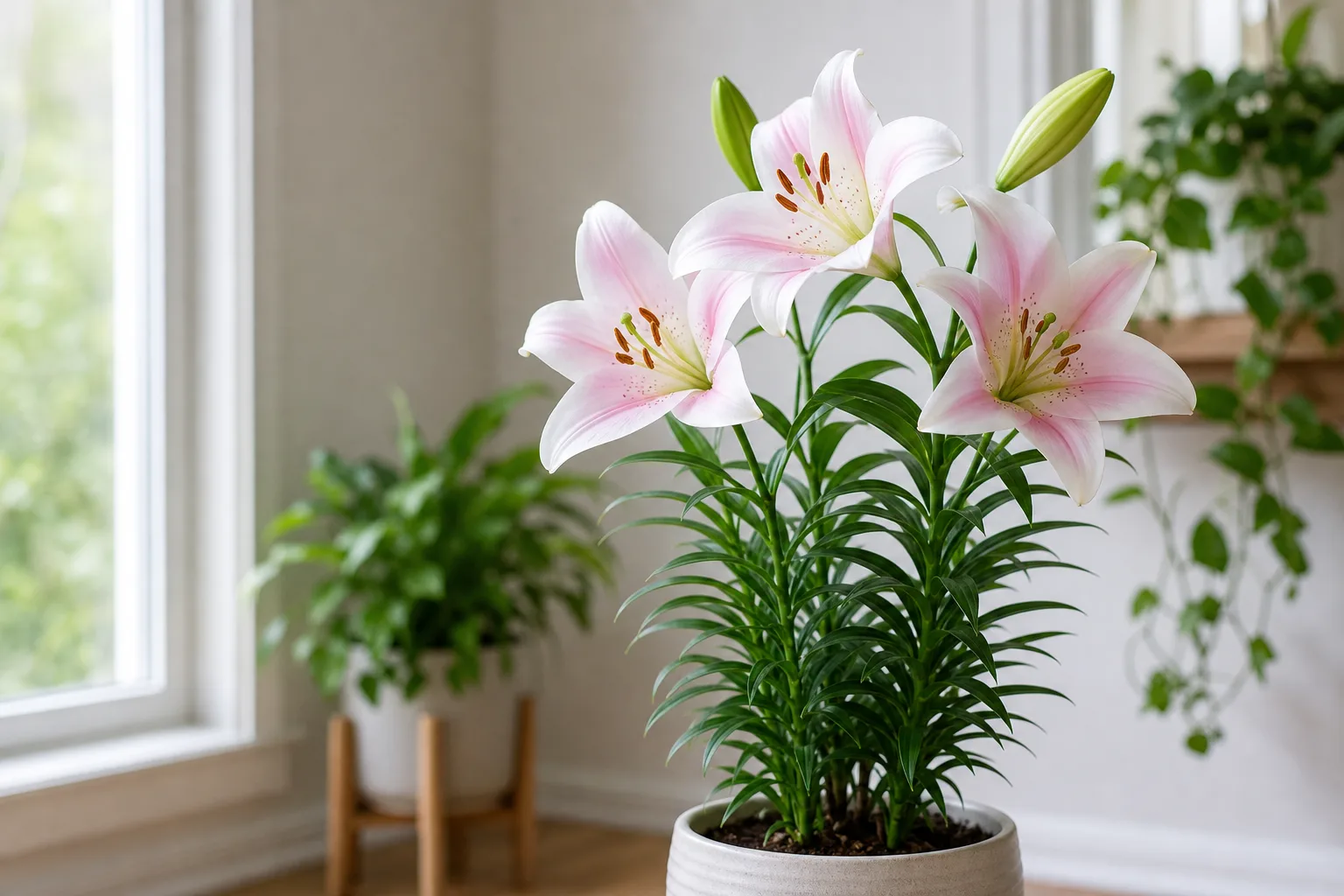
Subscription surprises are charming until a curious cat chews a lily leaf. The ASPCA lists true lilies (Lilium species) as toxic to cats, with clinical signs including kidney failure. Toxicity applies to petals, leaves, pollen, and vase water — not just ingestion of a whole flower.
Most subscription services do not guarantee pet-safe stems because mixes rotate weekly. If you live with cats:
- Prefer services that let you choose bouquets (Bouqs) and avoid lily-heavy designs.
- Unbox on a counter away from pets until stems are trimmed and water is disposed of safely.
- When in doubt, contact the company before the ship date — do not rely on post-delivery luck.
Dogs face lower lily risk per ASPCA listings, but tulips and other common cuts can still cause gastrointestinal upset. Specify pet-safe requests when the catalog allows it.
How to Make Subscription Bouquets Last Longer
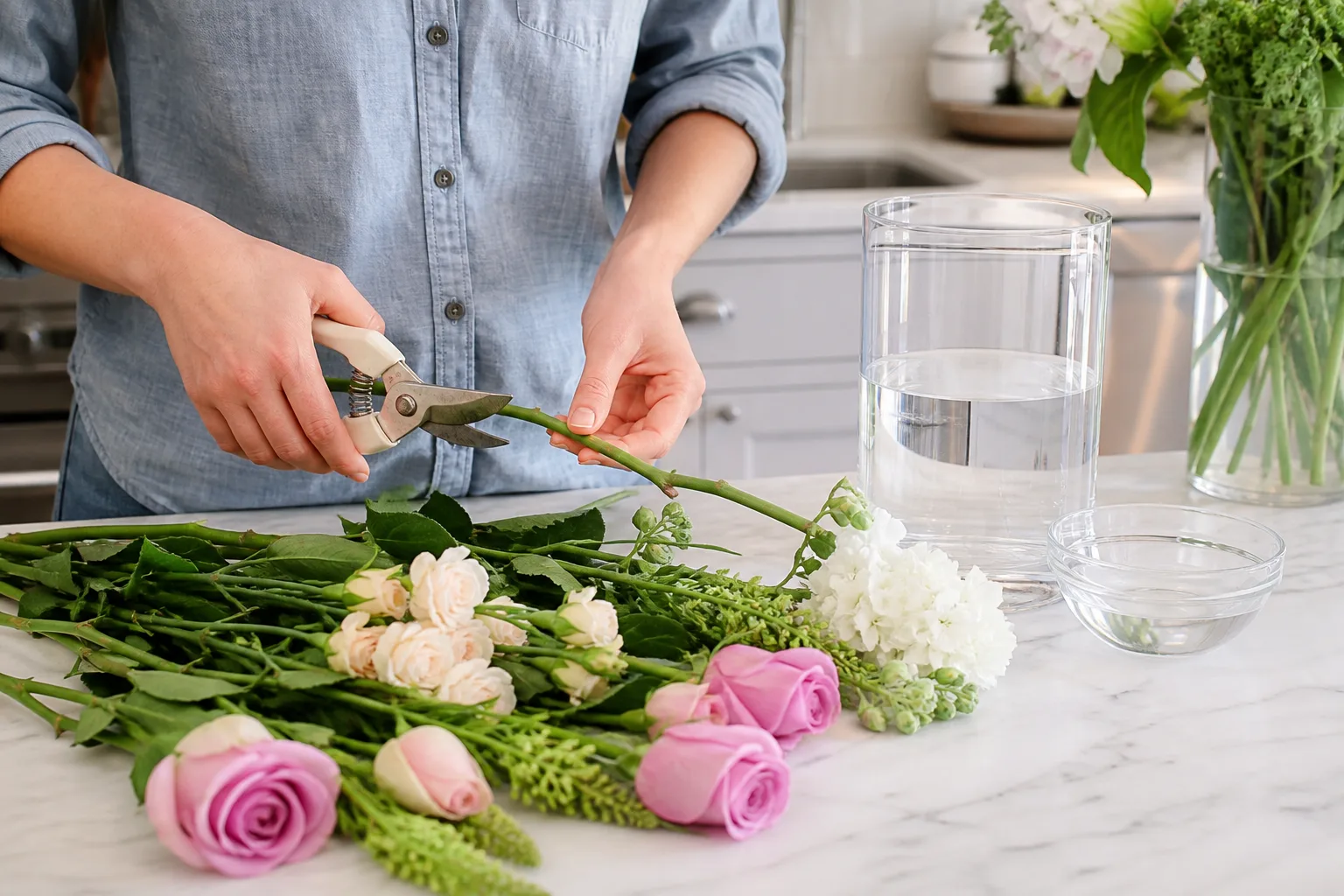
Subscription economics only work if stems survive the full cadence window. The basics apply to every brand:
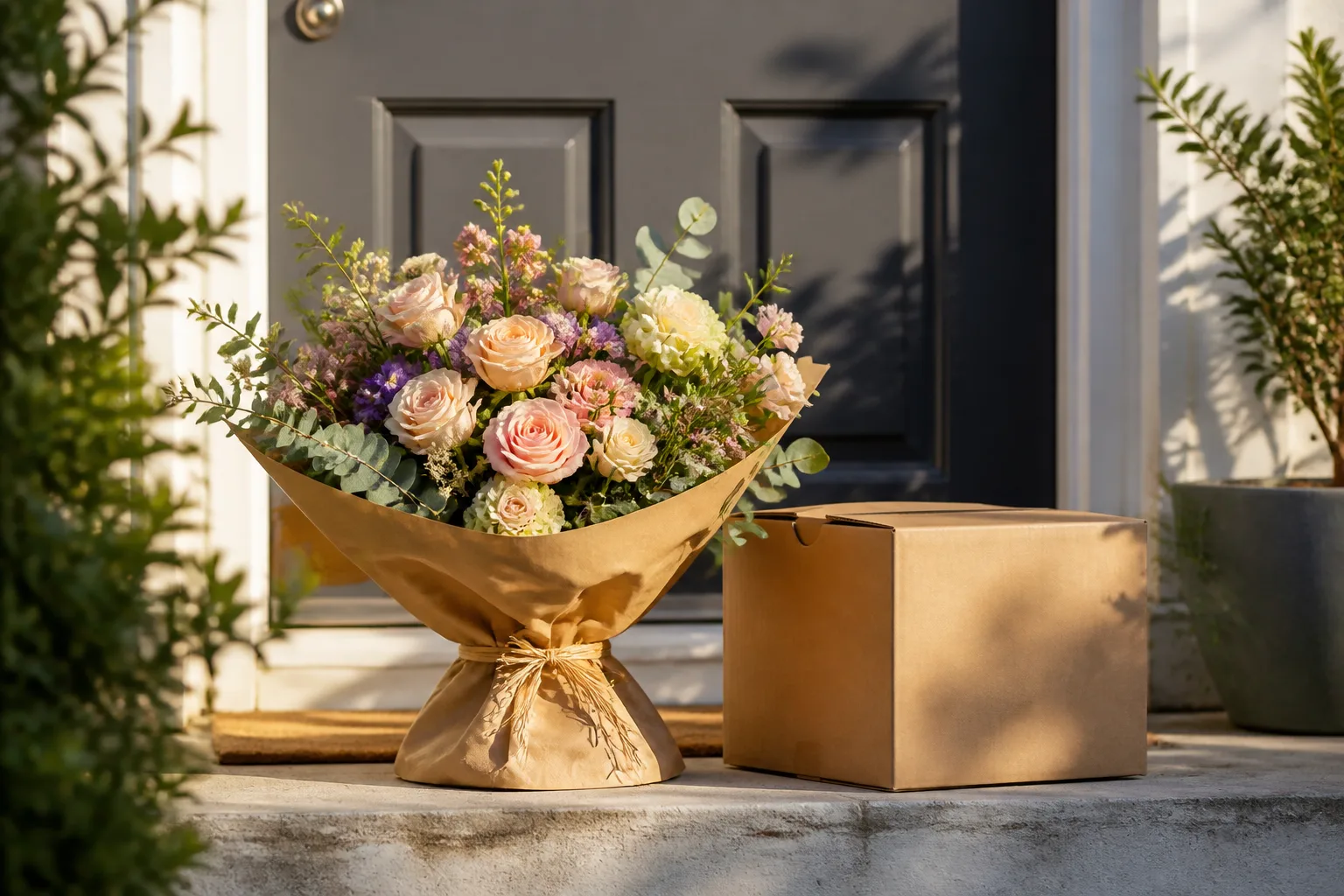
Unbox immediately. Stems left on a hot porch lose a day of vase life for every hour in direct sun.
Recut and strip. Trim at least half an inch at an angle under running water. Remove leaves below the waterline to limit bacterial growth.
Use flower food — or make your own. Commercial packets work; you can also follow a measured sugar-and-acid recipe in our make your own flower food guide. Change water every two to three days and rinse the vase lightly each time.
Cool placement. Keep arrangements away from heating vents, sunny windowsills, and fruit bowls that release ethylene gas.
Match expectations to bud stage. Tight peonies and sunflowers from Bouqs or Flower of the Month Club may need two to three days to open — that is a feature, not a defect. UrbanStems’ more open blooms look instant but may fade faster.
When a subscription bouquet dies on day four, fix care habits before blaming the brand. When every box underperforms, switch services rather than renewing out of inertia.
Conclusion
The best flower subscription is the one that matches how often you want stems, how much arranging you enjoy, and what you are willing to pay per year — not the brand with the prettiest homepage photo. UrbanStems remains the strongest default for flexible cadence and modern design; The Bouqs Co. wins on budget and stem choice; BloomsyBox rewards rose lovers who care about vase life; and Flower of the Month Club nails prepaid seasonal gifts.
Before you commit, run cadence math, read cancellation terms, and filter for pet safety if cats share your home. Pair your subscription with solid vase care — and keep our flower delivery guide bookmarked for the weeks when you need a one-time gift instead of another box on the porch.