10 Best Places to Buy Flower Bulbs Online
Find the best places to buy flower bulbs online by garden goal, from bulk tulips to heirloom daffodils. Compare zones, shipping, quality, and returns.
The best place to buy flower bulbs online depends on what you are trying to grow, how many bulbs you need, and whether the seller will ship when your soil is ready. A giant catalog is useful only if it tells you the cultivar, hardiness range, bloom time, and form of stock you are actually buying.
This guide compares ten strong options for different jobs: a first order, a mass planting, a rare heirloom, an indoor display, a specialty lily, a local pickup, or a bare-root perennial order. It is a research-based comparison of current official catalogs and horticultural guidance, not a disguised claim that every store has been hands-on tested or that every seasonal guarantee will stay unchanged.
The quick answer: match the seller to your garden
Use this table to narrow the field, then read the individual pick before placing an order. The “watch” column is the part that can make or break the purchase.
| Retailer | Best for | Watch before checkout |
|---|---|---|
| Brent & Becky’s Bulbs | Grower-direct fall and spring bulbs | Seasonal shipping windows and zone-based availability |
| Van Engelen | Bulk orders and an unusually deep bulb index | You may need to do more of your own filtering |
| Eden Brothers | A broad one-stop catalog | Confirm whether you are buying a bulb, corm, tuber, or root |
| Longfield Gardens | Beginners who want zone help and indoor options | Product-level zone and ship dates still matter |
| Colorblends | Large, coordinated beds and bulb blends | Wholesale-style quantities may not fit a small border |
| White Flower Farm | Detailed filters and small specialty orders | Premium pricing and seasonal stock changes |
| John Scheepers | Cultivar depth and advance reservations | Reserve orders ship later; do not expect immediate delivery |
| Old House Gardens | Historic and heirloom bulbs | Rare stock can sell out or return only in a later season |
| The Home Depot | Convenience, pickup, and common varieties | Check the actual seller, pack size, and arrival condition |
| TN Nursery | Bare-root perennials and zone-filtered alternatives | Bare-root plants are not dormant bulbs and need prompt planting |
The shortlist changes if you live in a warm-winter climate. Spring-flowering bulbs such as tulips, daffodils, and hyacinths may need a long cool period before they flower well. Check your USDA Plant Hardiness Zone and the cultivar’s own requirements before treating an online “fall bulb” label as a planting date.
How we evaluated online bulb retailers
The useful test is not “which website has the most photographs.” We looked for the information that lets a gardener make a sound order: a real botanical or cultivar name, hardiness and light guidance, expected bloom season, pack size, shipping timing, planting instructions, and a clear path for reporting damaged or incorrect stock.
We also separated retailer strengths that are often lumped together. A grower with a narrow catalog may be better for bulb freshness or unusual species; a large marketplace may be better for a same-week pickup. A guarantee may promise replacement or store credit rather than a cash refund, and an attractive photo may show a mature garden even though the order contains dormant bulbs or bare roots.
That last distinction matters because “bulb” is used as a catch-all. Penn State Extension explains that true bulbs include tulips and daffodils, while crocus are corms and peonies or iris may arrive as other kinds of underground storage organs. RHS makes the same broader point: catalogs often use “bulb” for corms, tubers, and rhizomes too.
What should arrive: bulbs, corms, tubers, and bare-root plants
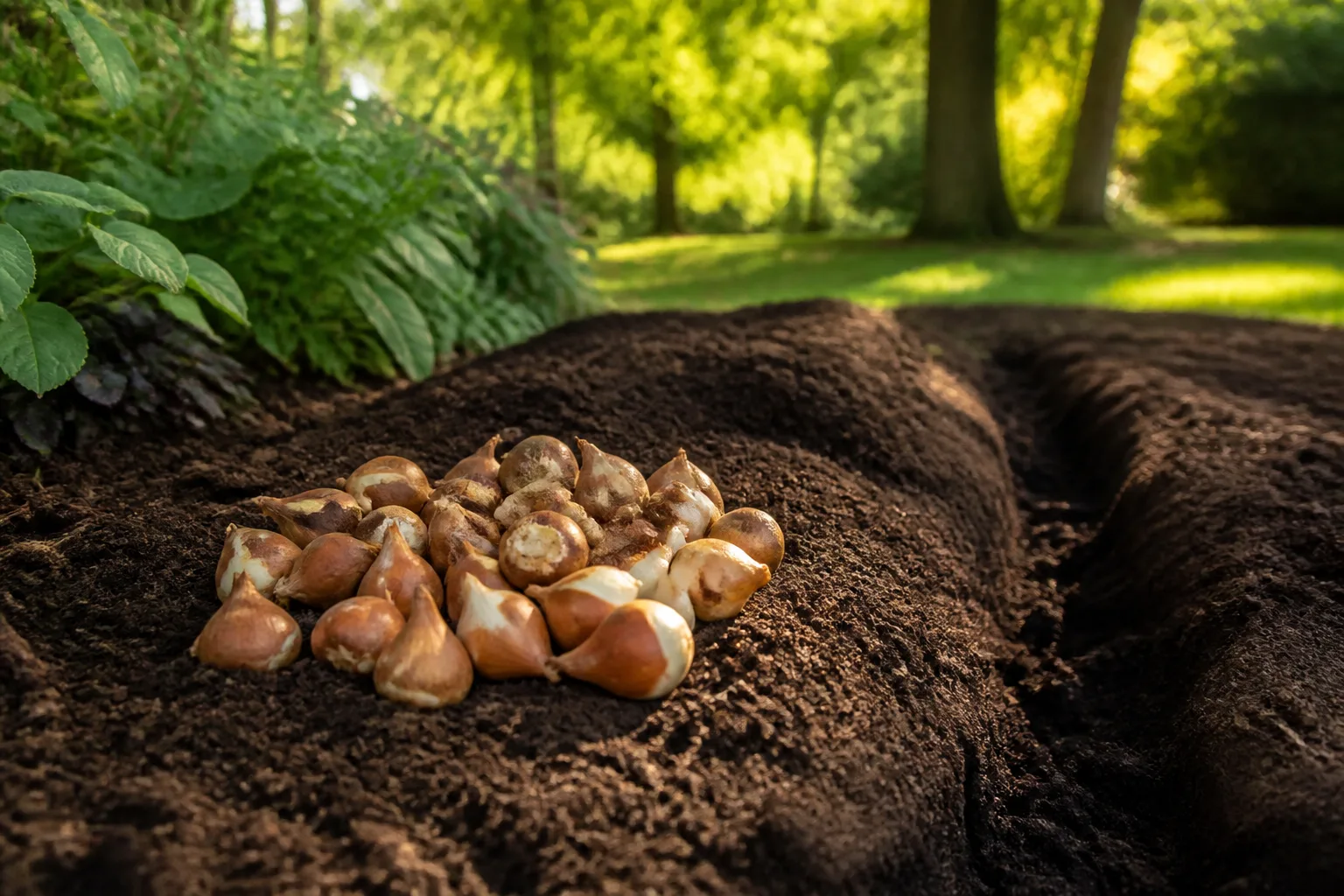
A true bulb is a compact storage organ with fleshy scales, such as a tulip or daffodil. A corm is a solid swollen stem, as with crocus or gladiolus; a tuber or tuberous root stores energy differently, as with dahlias or some begonias; a rhizome is a creeping stem, as with bearded iris. A bare-root perennial is a dormant plant shipped without its potting mix. The growing instructions, storage tolerance, and acceptable arrival appearance are different for each one.
Read the product title and description rather than assuming the word “bulb” tells you everything. For a bare-root order, a small bundle of roots can be normal. For a true bulb, a firm, dry body with intact skin is reassuring; a wet, collapsing, strongly moldy bulb is not. Gardening Know How similarly recommends reading how stock is packaged, what size arrives, and whether planting instructions and zone information are spelled out.
The 10 best places to buy flower bulbs online
1. Brent & Becky’s Bulbs
Brent & Becky’s Bulbs is a strong starting point when you want a specialist grower with separate seasonal catalogs. Its current site distinguishes fall-planted bulbs, spring-planted bulbs, pre-cooled bulbs, and indoor seasonal offerings; it also publishes a fall shipping window that is tied to zone rather than promising that every order leaves immediately.
That seasonal discipline is the main reason to choose it. You can reserve a bulb while planning a bed without asking the seller to send dormant stock into midsummer heat. The trade-off is that a reserved order may not arrive on the day you place it, and Alaska or other special destinations may have separate shipping terms. Check the item page, ship window, and destination policy before paying.
2. Van Engelen
Van Engelen is the practical pick for a gardener who wants quantity, uncommon genera, or the freedom to build a large planting from individual categories. Its live bulb index is organized across tulips, narcissi, alliums, anemones, crocus, lilies, peonies, paperwhites, tender bulbs, and many smaller groups that are easy to miss on general retail sites.
This is a catalog for people willing to do some homework. You may get more choice than a beginner-friendly filter can present, but you should verify cultivar hardiness, pack size, bloom timing, and the total number of bulbs before comparing price. For a long border or community planting, that extra research can be worth it; for one pot, a simpler retailer may be easier.
3. Eden Brothers
Eden Brothers’ flower-bulb catalog is the broadest one-stop option in this comparison. Its current collection groups hundreds of varieties by plant type, including alliums, amaryllis, anemones, caladiums, calla lilies, crocosmia, crocus, daffodils, dahlias, gladiolus, grape hyacinths, iris, lilies, paperwhites, peonies, ranunculus, and tulips.
Choose it when you are assembling several parts of a garden in one order or want to browse by genus before committing to a cultivar. The risk is catalog ambiguity: some collection items are roots, corms, tubers, or tender summer plants rather than hardy fall bulbs. Confirm the shipping season, zone, form of stock, and whether the item is intended for indoor forcing or outdoor planting.
4. Longfield Gardens
Longfield Gardens is especially useful for beginners because the site invites you to add a ZIP code and browse by familiar groups such as tulips, daffodils, alliums, crocus, hyacinths, muscari, lilies, peonies, and fall-planted specialty bulbs. It also keeps indoor choices such as amaryllis and paperwhites separate from the outdoor collection.
The site’s own claims are unusually concrete about support: it describes its bulbs as selected for garden performance, offers order and gardening help, and states that its bulbs are guaranteed to be true to variety and in prime condition. Treat that as a reason to read the guarantee, not as a reason to skip the package label. Zone matching and the cultivar’s individual planting instructions still control the decision.
5. Colorblends
Colorblends is the most compelling choice for a dramatic drift rather than a handful of mixed bulbs. The company specializes in blends of two or more varieties, pre-mixed for fall planting, and its current catalog covers tulips, daffodils, hyacinths, specialty bulbs, alliums, amaryllis, paperwhites, and planting tools.
Its product filter lets you compare traits such as color, bloom time, and height, which is more useful than choosing a blend from a photograph alone. The “wholesale” positioning is also the limitation: pack sizes, minimums, and the economics of a mass display may not suit a small container. Choose it when you want repetition and coordinated timing, then confirm how many square feet each pack is meant to cover.
6. White Flower Farm
White Flower Farm’s fall-bulb catalog is the best fit for shoppers who want to filter before they browse. Its current filters include hardiness zone, sun and shade, soil condition, bloom month, mature height, color, fragrance, deer resistance, pollinator value, and suitability for cutting or forcing.
That level of detail helps when the garden problem is not “I want a tulip” but “I need a fragrant, deer-resistant bulb for part shade in a Zone 6 border that blooms in April.” The catalog includes small packs as well as larger selections and carries many specialty genera. Read the shipping details and the individual plant description carefully; an extensive filter cannot eliminate the need to check local drainage, light, and winter exposure.
7. John Scheepers
John Scheepers is a strong option for collectors who plan ahead for specific cultivars. Its current fall catalog invites advance reservation orders, describes bulbs sourced from Dutch growers, and includes a deep index of tulips, narcissi, alliums, anemones, crocus, fritillaria, lilies, peonies, tender bulbs, and indoor choices.
Advance reservations are the point, not a nuisance. New or limited cultivars can sell out before the normal planting season, while the company holds the order for fall shipment and says it does not charge cards until that shipment. If you are buying for a wedding border, a named collection, or a large color scheme, reserve early. If your bed is ready this weekend, choose a seller with stock that is explicitly shipping now.
8. Old House Gardens
Old House Gardens is the specialist to visit for heirloom and historic bulbs rather than the newest mass-market color. Its catalog is organized by fall and spring planting and includes historic crocus, daffodils, hyacinths, lilies, peonies, tulips, and mixed collections, along with planting and care resources, hardiness-zone guidance, shipping information, and a stated guarantee.
The appeal is identity and story: an heirloom bulb can offer a form, fragrance, or history that a generic “yellow daffodil mix” does not. The limitation is availability. Rare stock may sell out, return in a later season, or be offered in small quantities, so do not wait until the weekend before planting to build an entire design around one cultivar.
9. The Home Depot
The Home Depot’s flower-bulb category earns its place for convenience. It can be the sensible choice when you need a common pack of bulbs, want to combine garden supplies in one order, or have a local pickup option that avoids a box sitting on a hot porch.
Convenience changes the inspection burden. Read the product page for the brand or marketplace seller, pack count, ship date, and return terms rather than assuming every listing follows the same standard. For pickup, examine the bag before leaving: soft bulbs, condensation, active mold, or a mislabeled variety are reasons to choose another pack. A big-box category is useful for availability; it is not a substitute for a grower’s cultivar notes.
10. TN Nursery
TN Nursery’s perennial collection is the useful adjacent choice when the flower you want is commonly shipped as a bare-root perennial rather than a true bulb. Its current collection offers zone filters, bloom-season filters, shade and container options, and a clear explanation that its plants are dug and shipped bare root.
That format can be a good value for a naturalized or native-style planting, but it needs a different receiving plan. Bare roots should be kept cool and moist for a short time and planted promptly; they do not have the same storage cushion as a dry dormant bulb. TN Nursery provides its own handling guidance, while Gardening Know How recommends checking how a nursery packages stock and what size will actually arrive. Pick this option for the plant form, not because the website uses the word “bulb.”
How to place an order you can plant successfully
Start with the bed, not the cart. Measure the planting area, note the hours of direct sun in the season the bulb is growing, check drainage after rain, and look up the hardiness zone. Then choose the bloom window you want: early spring, late spring, summer, or indoor winter color. Penn State Extension emphasizes that site preparation and drainage affect long-term performance as much as the bulb name.
Next, read the listing like a contract. Record the botanical name, cultivar, stock form, mature height, bloom time, zone range, sun requirement, pack count, and ship window. A photo of a full bed does not tell you whether you are buying five bulbs, fifty bulbs, a two-year root, or a bare-root division. If the listing hides those details, the low price is not enough reason to take the gamble.
Timing is the part online shopping can obscure. Fall-planted spring bulbs need time to root before the ground freezes and, for many types, a cold period to initiate flowers. Purdue Consumer Horticulture notes that many spring bulbs need roughly 10 to 13 weeks below 40°F, while Better Homes & Gardens frames planting around the local first-frost window rather than one national date. Order early if a cultivar sells out, but ask the seller to ship at the planting window for your region.
For warm climates, do not copy a northern calendar. Some tulips and other spring bulbs need pre-chilling or a late-fall planting, and an August delivery can rot before it receives the cold it needs. For a container, remember that roots experience more temperature stress than roots in the ground; the product’s zone rating may not be enough protection for an exposed pot.
Before choosing a guarantee, read what it actually promises. A replacement, a refund, a store credit, a one-year warranty, and a “true to variety” guarantee are different remedies. Save the order confirmation, photograph the packaging and stock on arrival, and keep the cultivar label until the plants emerge. That small record makes a legitimate claim much easier.
Inspect the delivery before you dig
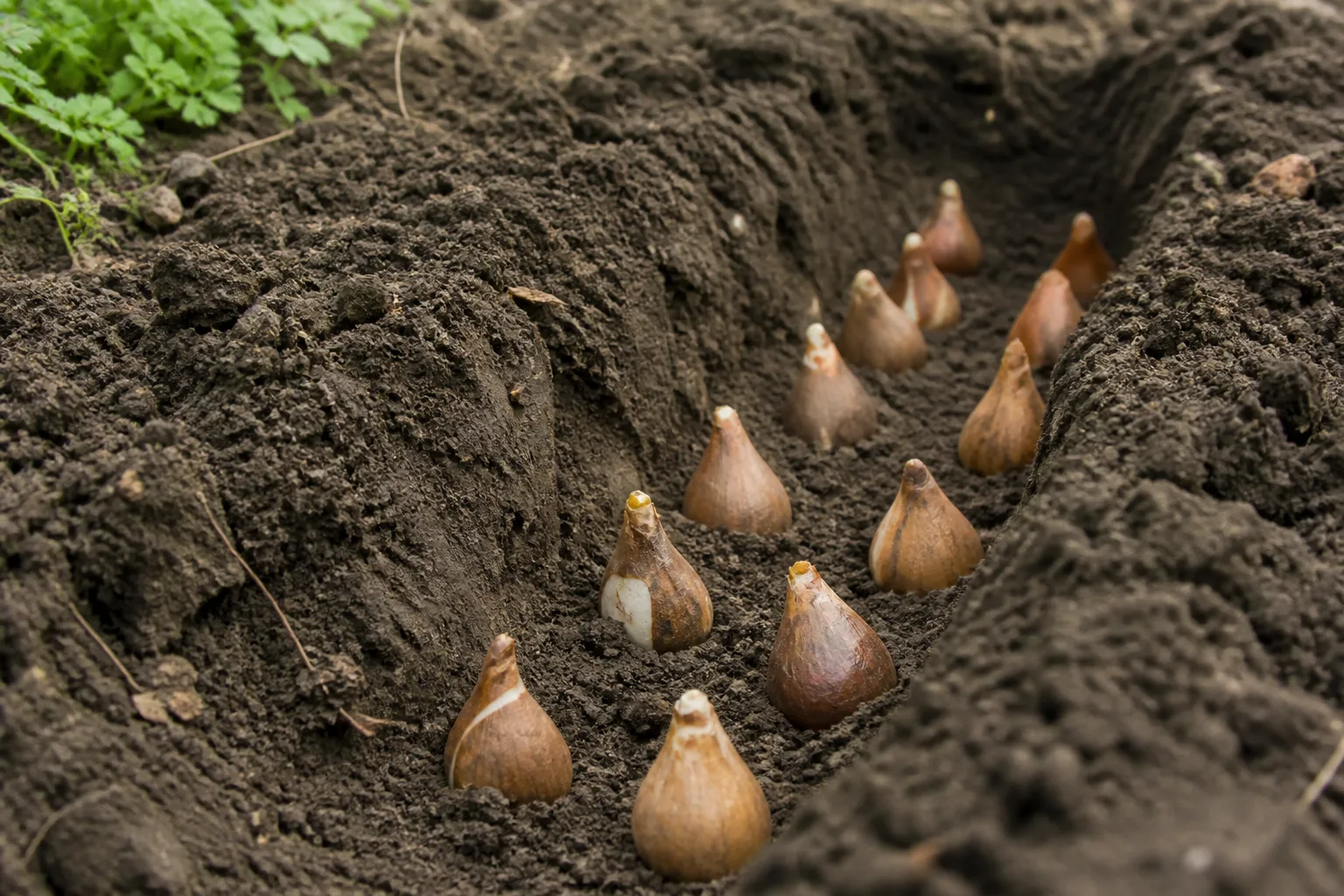
Open the box soon after delivery and compare the contents with the packing slip. A healthy dormant bulb should generally feel firm for its type, with no wet collapse, deep gouges, or spreading mold. A little loose skin or a short shoot is not automatically a failure, but a bulb that is mushy, foul-smelling, or substantially smaller than the listing promised deserves a photograph and a prompt message to the seller.
Do not store every form in the same way. Dry fall bulbs usually need a cool, dry, ventilated place away from ripening fruit; spring-planted tender bulbs may have different temperature and moisture needs; bare-root plants need prompt planting and should not be left to dry out. RHS advises discarding damaged or diseased bulbs and drying bulbs before longer storage, while RHS planting guidance separates autumn planting for hardy bulbs from early-spring planting for tender summer bulbs.
If your soil is ready, plant according to the package rather than forcing one universal depth rule. When directions are missing, Garden Design and BHG offer useful starting points, but cultivar instructions win. After planting, water dry soil once, keep heavy beds from staying saturated, and use mulch where freeze–thaw could heave shallow bulbs.
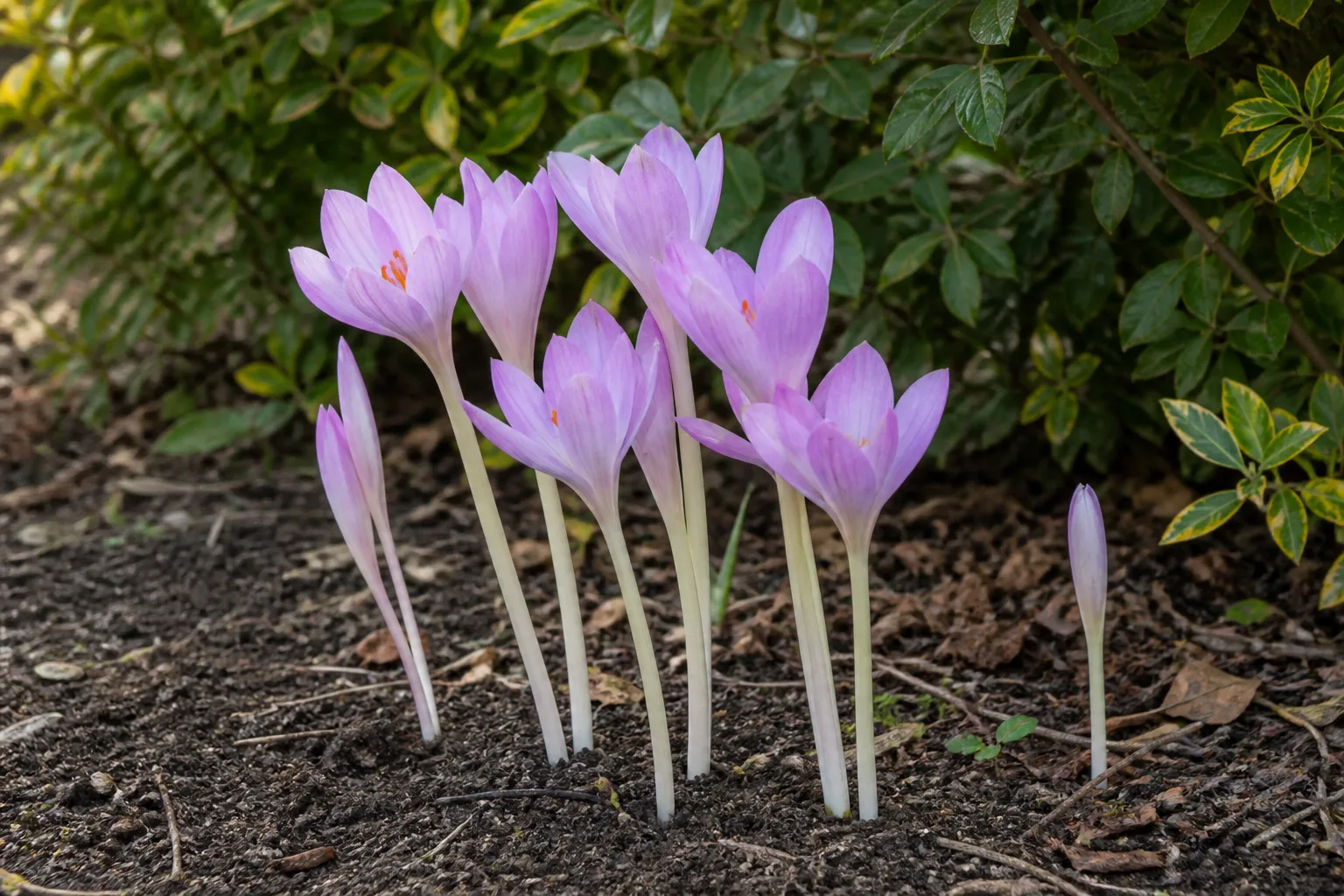
Do not judge an order by the first week after planting. Some bulbs spend months building roots before showing anything above ground, and some need winter cold before they can flower. The better measure is whether you bought the right stock for the site, received it in usable condition, and gave it the season it needs.
Conclusion
The best places to buy flower bulbs online are the ones that make the important details visible. Choose Brent & Becky’s or Longfield Gardens when seasonal timing and beginner guidance matter, Van Engelen or Colorblends for quantity, White Flower Farm for filters, John Scheepers for reserved cultivars, and Old House Gardens for heirlooms. Eden Brothers covers a wide range, The Home Depot covers convenience, and TN Nursery is better understood as a bare-root perennial source.
Before checking out, verify the botanical name, form of stock, pack size, hardiness zone, bloom season, ship window, and remedy if the delivery is damaged. A trustworthy bulb order is not the one with the flashiest photograph. It is the one that arrives in a plantable form, at the right time, for a garden that can actually support it.