9 Best Plant Misters for Houseplants
Compare nine plant misters by spray type, capacity, and comfort. Learn when misting helps, when a humidifier wins, and which bottle fits your collection.
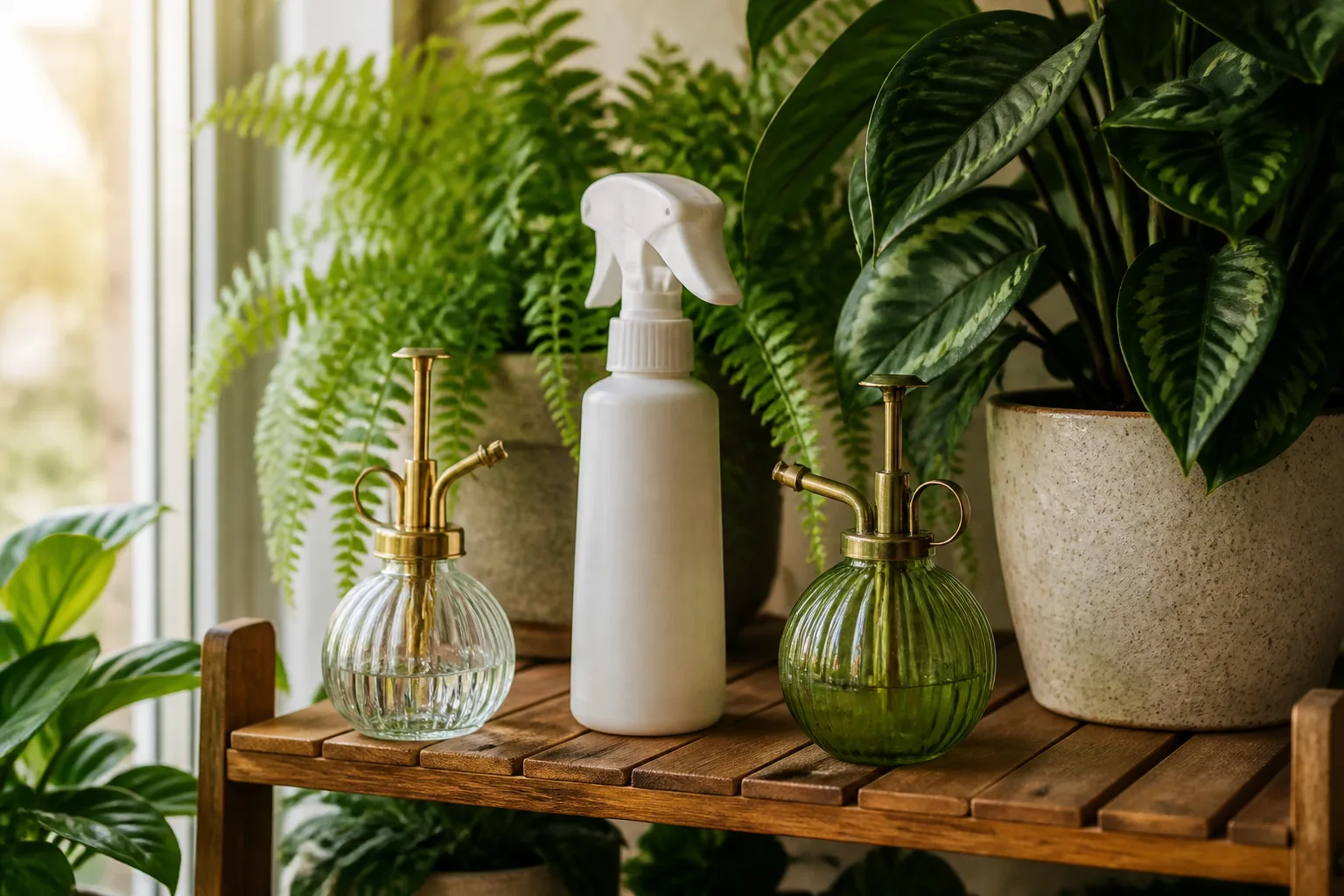
A plant mister is a handheld sprayer that breaks water (or diluted treatments) into fine droplets for leaf-level jobs: rinsing dust, applying foliar feeds, knocking down spider mites before they spread, and giving humidity-loving foliage a light surface coat. It is not a substitute for checking soil moisture, and it is a weak substitute for a room humidifier if your real problem is dry winter air.
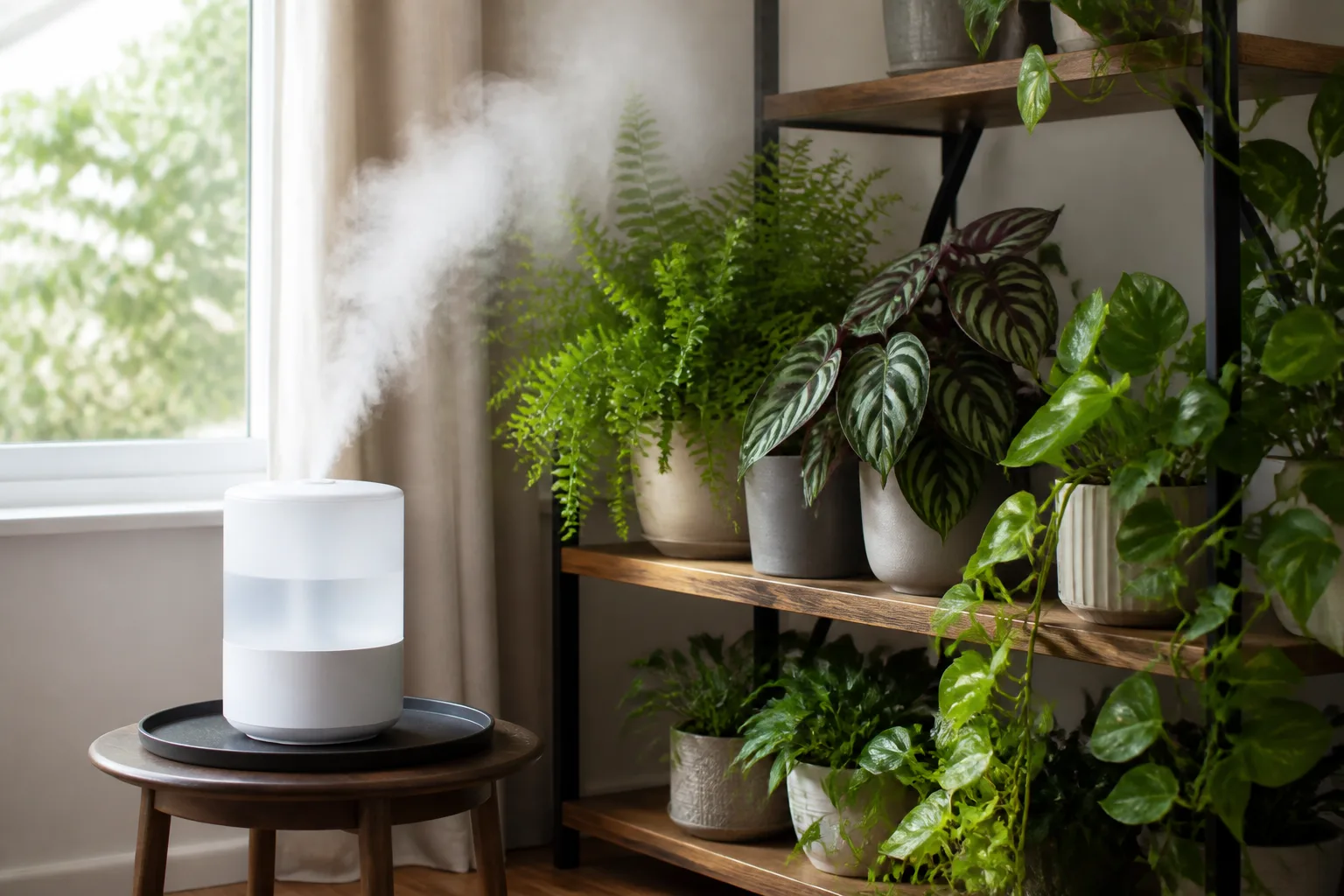
That distinction matters because most ranking pages treat misting as automatic plant care. Pennsylvania State University Extension notes that humidity around a plant rises only until the mist evaporates—often within minutes—so even daily misting does little to change overall relative humidity in the room. Misting still earns a place on the shelf when you use it for the right tasks with the right tool. The nine misters below cover everything from a windowsill glass plunger to a two-gallon outdoor pump tank, matched to how many plants you maintain and what you are actually spraying.
Do You Actually Need a Plant Mister?
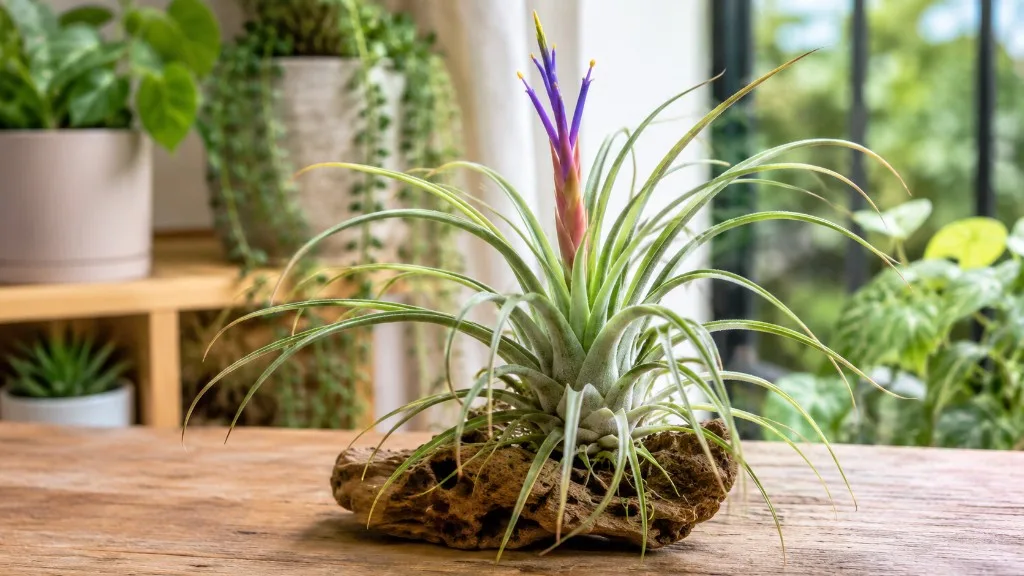
Buy a mister when you routinely do leaf-level work: cleaning glossy foliage, hydrating air plants (Tillandsia), misting orchid aerial roots, or applying dilute neem or horticultural oil with even coverage. Skip it—or deprioritize it—when your only goal is raising ambient humidity for a large tropical collection. In that case, grouping plants, pebble trays, terrariums, or a portable humidifier usually does more than chasing droplets with a trigger bottle.
Winter makes the trade-off sharper. Heated indoor air often drops below the 30–60% relative humidity range ASHRAE recommends for human comfort, and many tropical houseplants prefer the upper half of that band. Misting can make leaves look refreshed for an hour; it will not fix a furnace-dried living room by itself.
When Misting Helps — and When It Does Not
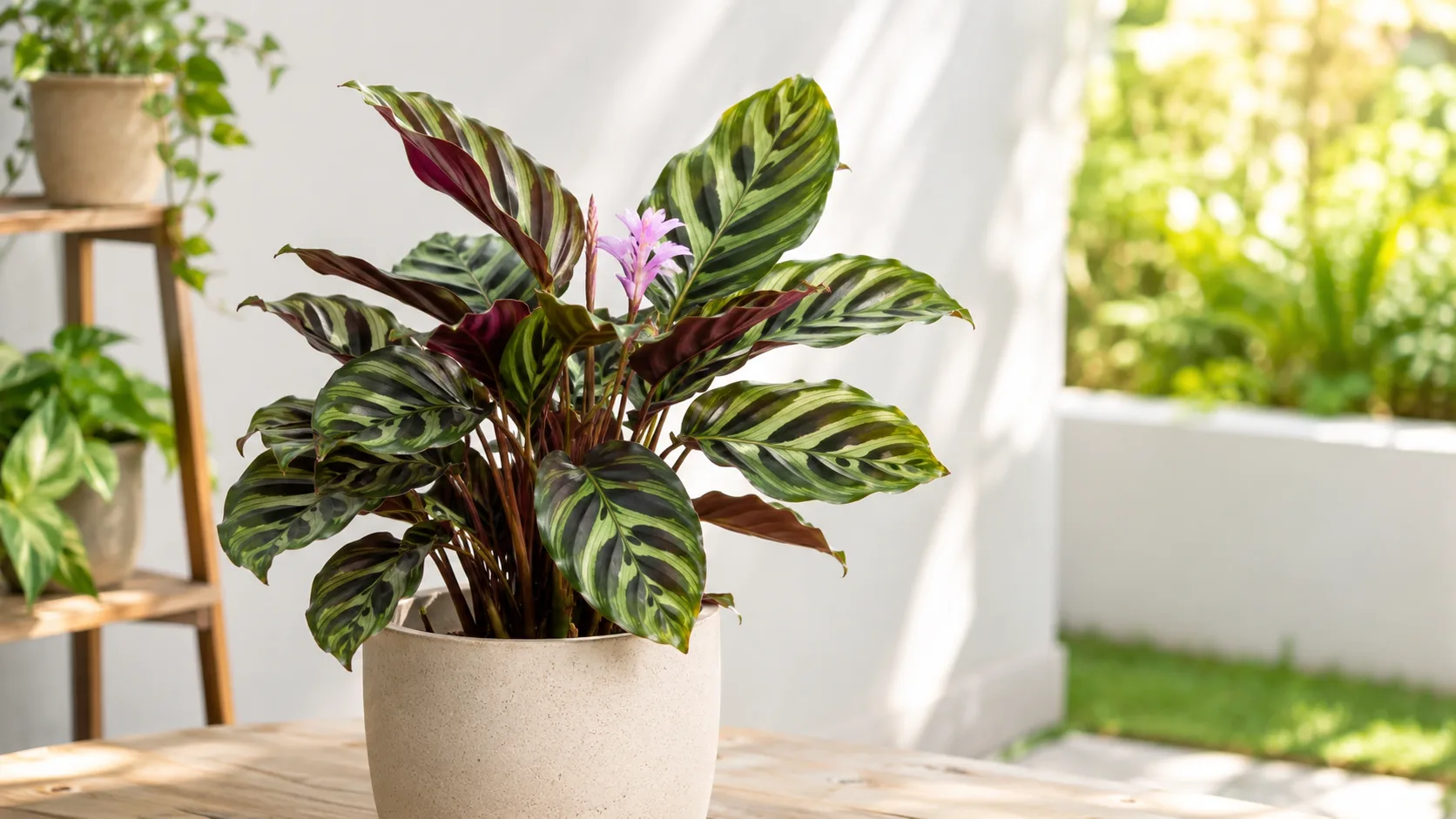
Misting helps for air plants that absorb water through leaf trichomes, seedlings that need gentle moisture without soil saturation, ferns and calatheas when you want a light surface dampening between deeper watering checks, and any plant due for a foliar rinse or pest treatment where both leaf surfaces must be coated. Epic Gardening also points out that constantly wet leaves raise fungal disease risk, so mist should look like morning dew—not a shower that drips onto the soil.
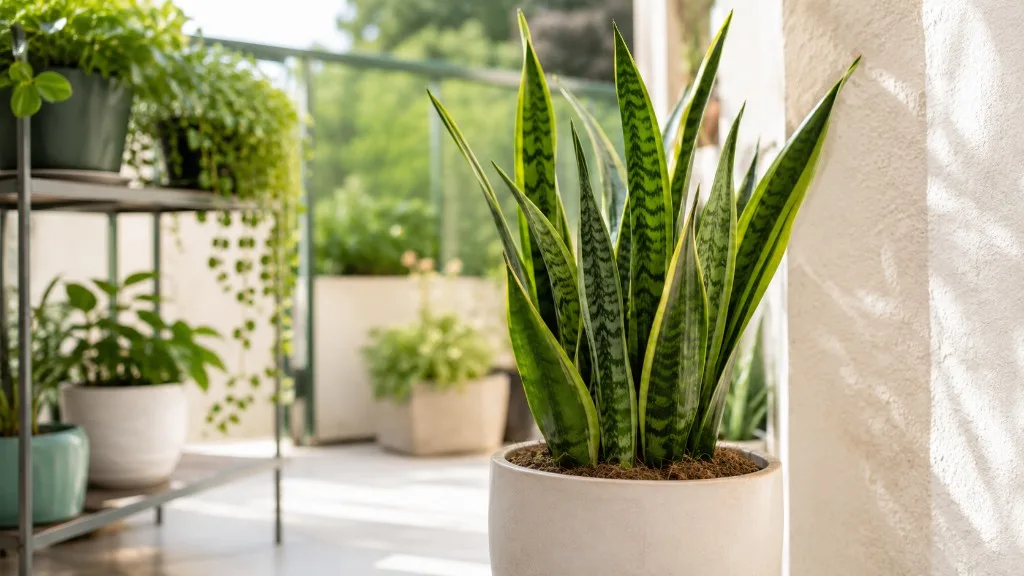
Misting hurts or wastes time on succulents and snake plants that take up water through roots and store it in thick tissue; African violets and other fuzzy-leaved plants that spot when water sits on hairs; and tomatoes or peppers outdoors, where overhead moisture encourages foliar disease. If you are misting a cactus because the tag said “houseplant,” put the bottle down and check the soil instead.
| Goal | Mister worth it? | Better alternative |
|---|---|---|
| Raise room humidity long-term | Rarely | Humidifier, plant grouping, terrarium |
| Water air plants | Yes | Soaking also works on a schedule |
| Clean dusty leaves | Yes | Damp cloth for smooth leaves |
| Apply neem or soap spray | Yes | Pump or electric for large collections |
| Prevent dry brown tips alone | Sometimes | Fix watering + humidity at source |
Quick Picks by Job and Collection Size
Use this table to narrow the field before reading individual reviews. Prices shift; capacities and mechanisms come from manufacturer listings and the product pages referenced in our sources.
| Best for | Pick | Capacity | Mechanism | Why it fits |
|---|---|---|---|---|
| Overall versatility | ExtremeMIST High-Performance | 20–32 oz | Hand pump + lock-on spray | Adjustable brass nozzle, continuous mist, fertilizer-safe |
| Tight budget | Driew Plant Mister | 10 oz | Manual trigger | Leak tab, clear bottle, fine mist only |
| Hand-fatigue relief | Flairosal Botanica | 10–24 oz | Continuous trigger | 360° spray for leaf undersides |
| Comfortable grip | Aoraki Spray Bottle | 10 oz | Continuous thumb trigger | Extended handle, ergonomic pass |
| Display-worthy shelf | Flora Premium | 10.1 oz | Manual trigger | Curved body + optional app trial |
| Large indoor collections | HiFay ES-2 Pro | ~64 oz | Rechargeable electric | Wand reach, adjustable pattern |
| Tiny plants & aesthetics | IKEA Gradvis | 5 oz | Finger plunger | Glass + metal, concentrated mist |
| Large houseplants, mid budget | Lawnful Electric | 33 oz | Battery push-button | Lock-on continuous spray |
| Outdoor beds & trees | D.B. Smith Contractor Max | 2 gal | Manual pump tank | Wand reach, multiple nozzles |
Best Overall: ExtremeMIST High-Performance Garden Sprayer
The ExtremeMIST High-Performance Garden Sprayer is the most balanced pick for growers who want one bottle that handles houseplant humidity passes, seedling trays, and occasional outdoor jobs. ExtremeMist lists 20- and 32-ounce polyethylene reservoirs, a brass adjustable nozzle that runs from fine mist to jet stream, and a push-lock trigger that delivers continuous spray after six to twelve pumps—enough pressure to avoid the cramping that standard trigger bottles cause on a Sunday watering round.
The trade-off is manual pumping. You build pressure yourself, which takes a few seconds at the start of each session but buys you a steadier, finer mist than most squeeze bottles produce. The company also markets the sprayer as safe for water-soluble fertilizers and foliar treatments, and backs it with a lifetime warranty—useful if you are hard on gear. If you only own three small pothos and never mix sprays, this is more tool than you need. For mixed indoor/outdoor collections, it is the one to keep hanging by the sink.
Best Budget: Driew Plant Mister Spray Bottle
The Driew Plant Mister is the no-apology budget bottle: 10 ounces of PET plastic, a transparent tank so you can see the fill line, and a safety lock ring that stops leaks when the bottle rides in a cabinet or cleaning caddy. It delivers a single fine-mist setting—no stream mode— which is exactly what you want for delicate indoor leaves and exactly what limits it for pest sprays that need underside coverage at odd angles.
At this price point, expect a basic trigger, not a lifetime heirloom. The nozzle is not adjustable, and without the lock tab the bottle can dribble if it tips. For a starter collection or a dedicated “water only” mister sitting next to the calatheas, it does the job without pretending to be a workshop sprayer.
Best Continuous Spray: Flairosal Botanica Plant Mister
Flairosal Botanica targets the most common complaint about plant care: sore hands. Its continuous-spray mechanism pressurizes the bottle so one trigger pull releases a long, even mist instead of a stuttering series of squeezes. The 360-degree capability matters when you are treating aphids or rinsing dust from the undersides of monstera leaves—angles that defeat standard bottles.
Available in roughly 10- and 24-ounce sizes with BPA-free PET and measurement marks on the clear body, it balances ergonomics with visibility. Downsides: no adjustable stream, no trigger lock for hands-free spraying, and you must keep the trigger depressed for continuous flow. Pair it with a dedicated humidifier if ambient dryness—not leaf dust—is your main winter problem.
Most Comfortable to Use: Aoraki Spray Bottle
The Aoraki continuous mister puts the spray control under your thumb on an extended handle, so your wrist stays neutral while you walk a shelf of ferns. The 10-ounce capacity is modest, but the grip geometry is the point: less clawing, more gliding. It shares the same continuous-spray physics as the Flairosal but feels closer to a hair-care bottle—familiar if you already mist frequently.
The opaque bottle hides the fill level, and the nozzle does not adjust between mist and stream. Treat it as a comfort upgrade for daily light misting, not a tank for neem-oil orchard runs.
Best Design: Flora Premium Plant Mister Spray Bottle
Flora Premium wins the shelfie category: a smooth polycarbonate curve, a wide trigger you can press with two fingers, and a genuinely gentle mist suited to seedlings and collectible calatheas. Flora bundles a trial of its plant-care app (ID, reminders, diagnostics), which may help beginners more than the hardware itself. The optional Flora Pod moisture sensor is separate hardware—useful if you want soil data, not required to enjoy the sprayer.
Capacity tops out around 10 ounces, and you pump the trigger per burst rather than locking continuous spray. Buy it when you want a pretty, daily-use bottle beside the terrarium; skip it when you are dosing an entire grow-light rack.
Best Automatic: HiFay ES-2 Pro Electric Spray Bottle
HiFay ES-2 Pro is the fatigue killer for serious indoor jungles. A rechargeable lithium battery drives the pump, so you press power and get steady mist while you move down a row of fiddle-leaf figs or seedling trays. The ~0.6-gallon HDPE tank cuts refill stops, a translucent gauge shows remaining volume, and an extension wand reaches hanging baskets without a step stool.
The adjustable nozzle spans mist to stream, and a built-in filter tolerates water-soluble fertilizers better than cheap trigger heads. The compromise is bulk: a full half-gallon bottle is heavy, and hard-water regions may eventually clog fine nozzles—vinegar soaks usually restore flow. If you own more than a dozen large plants or run indoor seed starts, the saved hand strain pays for the charger cable.
Best for Small Indoor Plants: IKEA Gradvis Plant Mister
IKEA Gradvis is the five-ounce jewelry piece of plant tools: clear glass, metal accents, and a plunger top that releases a tight, fine cloud perfect for succulents’ neighbors, fairy-garden ferns, and windowsill herbs that hate heavy pours from watering cans. It is small enough to live on the sill without visual clutter.
The capacity is tiny, the spray pattern is fixed, and glass demands care around tile floors. It is a ritual mister for a few cherished pots, not the workhorse for foliar feeding a greenhouse bench. If you need volume or upside-down spraying, jump to the Flairosal or ExtremeMIST instead.
Best for Large Indoor Plants: Lawnful Electric Spray Bottle
Lawnful Electric sits between trigger bottles and the HiFay tank: about 33 ounces, battery-powered continuous spray with a lock-on button, and an adjustable copper-toned nozzle from fine mist to jet. The tall neck is easier to steer around dense rubber-tree canopies than a squat one-liter cube.
You lose the HiFay’s extension wand and half the capacity, but you gain a lighter, less garage-like silhouette that still beats pumping a manual bottle across ten floor specimens. Opaque sides make fill level guessing harder—shake before big sessions.
Best for Outdoor Plants: D.B. Smith Contractor Max 2-Gallon Sprayer
Outdoor gardeners outgrow handheld bottles fast. The D.B. Smith Contractor Max is a manual compression tank—pump the handle, spray continuously through a wand—that holds two gallons (larger sizes exist) for hedges, fruit trees, hanging baskets, and compost-tea foliar passes. Multiple nozzles swap between fan, cone, and stream patterns; clear tank graduations simplify mixing.
It is not pretty, and there is no shoulder strap on the standard model, but the reach and capacity beat refilling a 10-ounce bottle forty times. Reserve vinegar or acidic mixes for sprayers with compatible seals; standard units can degrade gaskets over time. Store pressurized tanks empty in freezing climates.
Plant Mister Types Compared
Choosing hardware starts with the job, not the aesthetic. Trigger misters are cheap, precise, and tiring over many plants. Continuous-spray trigger bottles add a pressurized chamber so one pull lasts longer—better for wrists, still limited on volume. Hand-pump sprayers like ExtremeMIST build real pressure for finer atomization and lock-on spraying. Electric sprayers outsource pumping entirely at the cost of weight, charging, and nozzle maintenance. Compression tank sprayers scale to outdoor volume but need two hands and storage space.
Trigger Bottles vs Pump Sprayers vs Electric Models
| Type | Best for | Comfort | Capacity | Foliar sprays | Typical price band |
|---|---|---|---|---|---|
| Basic trigger | 1–8 small plants | Low | 7–16 oz | Light duty | $ |
| Continuous trigger | Daily misting, leaf rinses | Medium | 10–24 oz | Medium | $–$$ |
| Hand pump | Mixed indoor/outdoor | Medium–high | 20–32 oz | Strong | $$ |
| Electric handheld | Large collections | High | 33–64 oz | Strong | $$–$$$ |
| Pump tank | Outdoor beds, trees | Medium (pumping) | 1–3 gal | Strong | $$$ |
Material matters less than mechanism until you leave water in the bottle for weeks. Glass and brass look beautiful and resist odor pickup; PET and HDPE survive drops and live in under-sink bins. Brass develops patina—character or maintenance, depending on your tolerance.
What to Look for When Buying a Plant Mister
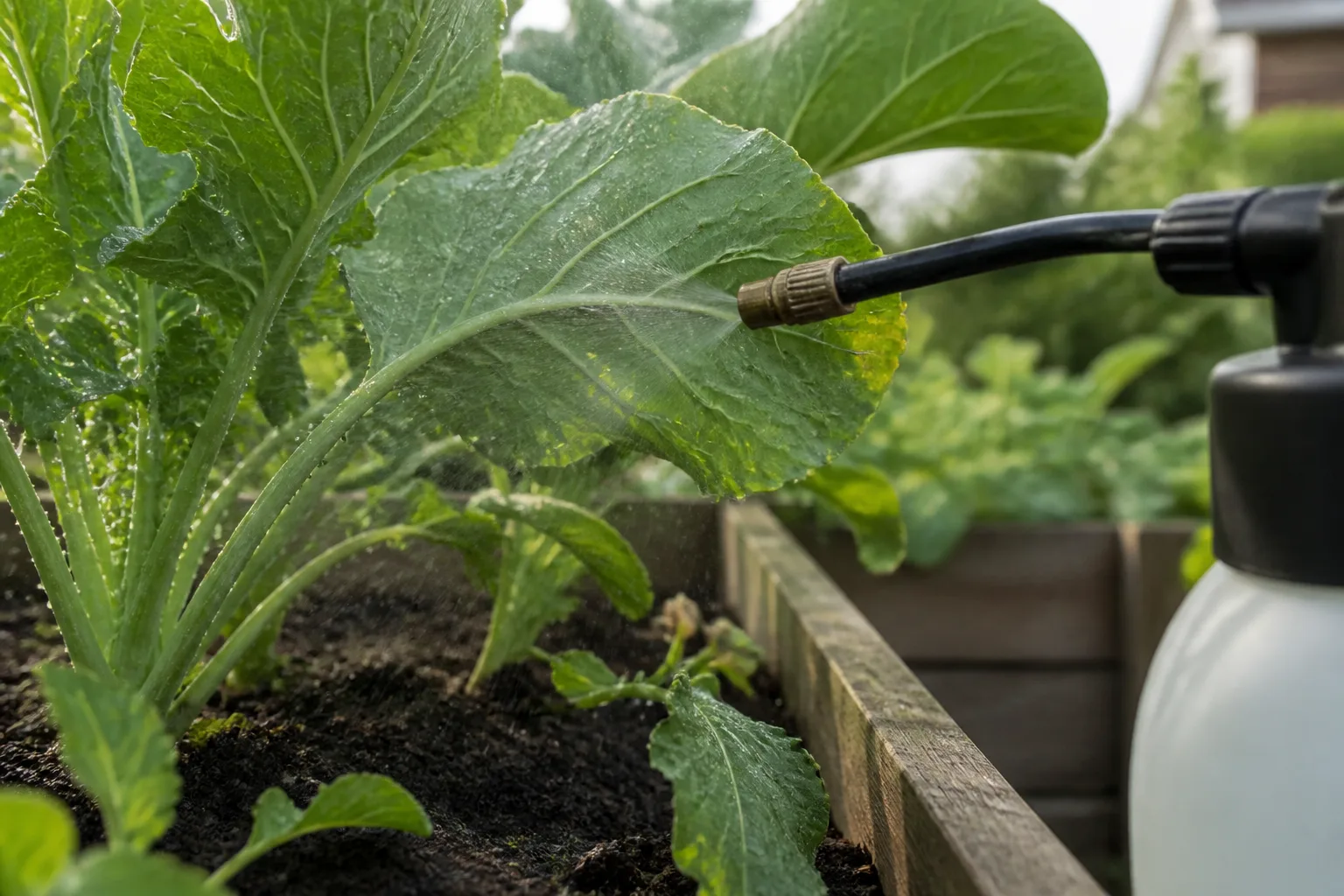
Droplet size separates plant misters from household cleaner bottles. You want atomized mist for humidity passes on thin leaves; a harsh stream bruises seedlings and splashes soil. Adjustable nozzles cost more but earn their keep when one bottle handles both gentle mist and targeted pest sprays.
Capacity vs weight is the second filter. A 5-ounce glass mister is delightful until you have forty pots. A two-gallon tank is efficient until you must haul it upstairs. Match tank size to the longest uninterrupted spraying session you actually run.
Ergonomics decide whether the bottle collects dust or becomes ritual. Continuous spray, lock triggers, and electric pumps exist because repetitive squeezing aggravates hands over large collections. If you already notice wrist fatigue, skip the dollar-store trigger.
Chemical compatibility matters the moment you add soap, oil, or fertilizer. Oils clog cheap nozzles; acids eat the wrong seals. Label dedicated bottles: one for plain water, one for treatments, and never recycle a former bleach bottle without a brutal rinse.
Leak control is underrated. Safety rings, gasket quality, and trigger locks keep cabinets dry and pets away from puddles. Clear tanks help you see algae blooms before they reach the nozzle.
How to Mist Without Hurting Your Plants
Mist in the morning when possible so leaves dry before cooler evening temperatures. Hold the nozzle 8–12 inches away and move in a slow arc; the goal is a matte damp sheen, not runoff that pools in the crown or on fuzzy leaves. Hit both sides when you are treating pests—stomata and pest colonies concentrate on undersides.
Frequency: once or twice a week is a reasonable default for plants that actually benefit from surface moisture. Air plants may need more; succulents need none. Always check soil moisture separately—misting is not watering for rooted houseplants.
Foliar feeds and soaps: dilute to label rates, spray in shade, and rinse if the product instructions call for it. Do not mist open orchid flowers or African violet hairs. After oil sprays, keep plants out of direct sun until dry.
Cleaning: flush nozzles monthly with warm water; descale with dilute vinegar if your tap water is hard. Store bottles empty or nearly empty if you will not use them for weeks.
Conclusion
The best plant mister is the one matched to your real chores—not the prettiest bottle on a list. ExtremeMIST remains the strongest all-around pick for mixed collections that need adjustable, continuous spray. Driew covers basics on a budget; Flairosal and Aoraki spare your hands; HiFay and Lawnful scale up for volume; IKEA Gradvis suits small, display-first setups; and D.B. Smith takes outdoor spraying seriously.
Buy after you answer two questions: Are you misting leaves for a specific job, or trying to fix dry air? And how many plants will you pass in one session? Honest answers keep you from owning three bottles that still leave brown tips on your ferns while a $40 humidifier would have done the heavy lifting. Keep the mister for the work it excels at—gentle leaf care, air plants, and even foliar treatments—and let soil watering and ambient humidity tools handle the rest.



