Do Fig Trees Attract Wasps? The Real Answer
Fig trees do not automatically bring wasps. See the difference between fig wasps and stinging yard wasps, plus practical prevention and safety steps.
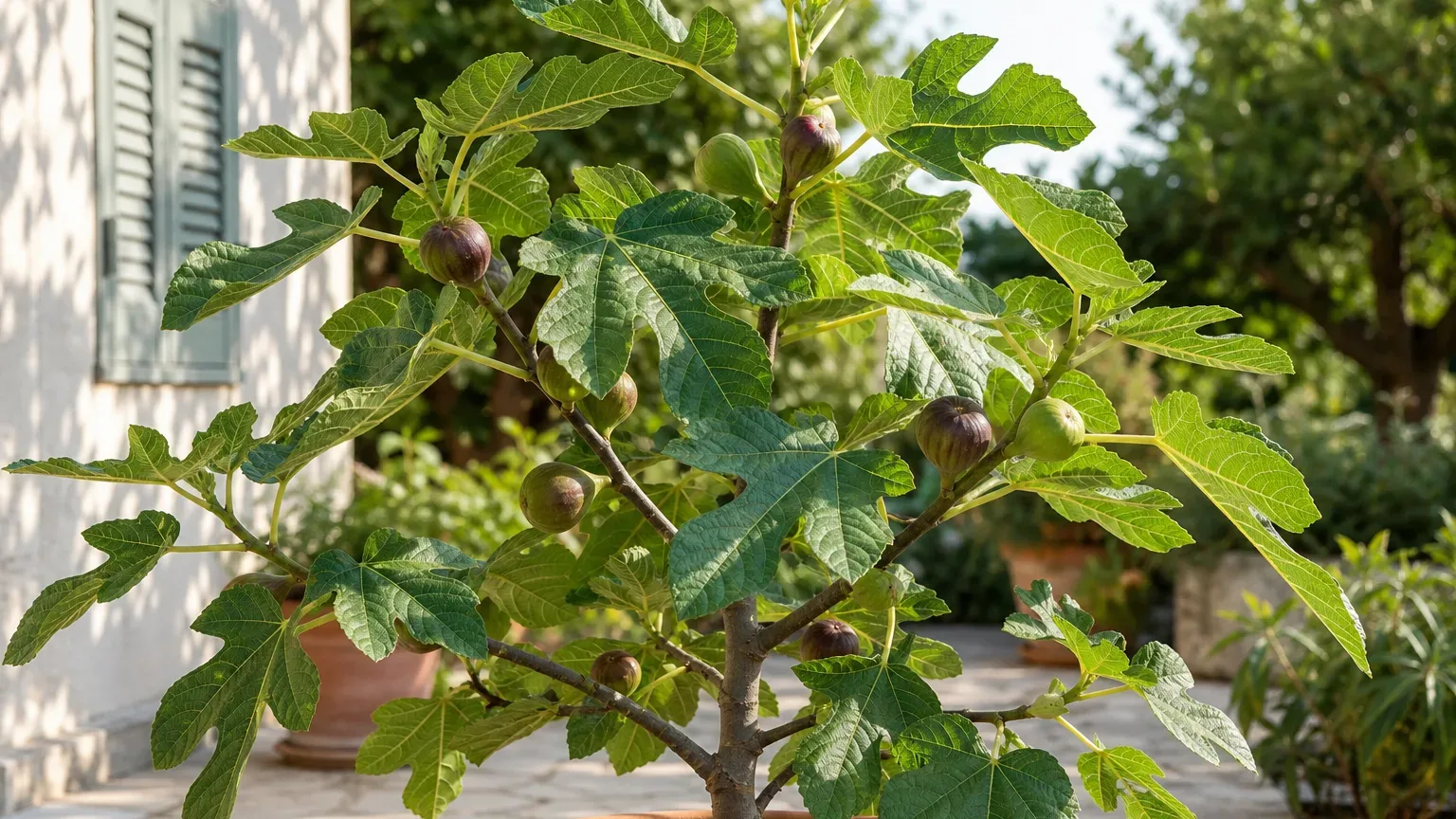
If you are deciding whether to plant a fig tree, the short answer is reassuring: a fig tree does not automatically bring stinging wasps into your yard. The tiny insects involved in pollinating some figs are a different group from the yellowjackets and paper wasps that patrol patios, bins, and outdoor meals.
There is one important nuance. A fig tree can still create a food source that ordinary wasps notice when fruit becomes very ripe, splits, or drops to the ground. That is a harvest-management issue, not proof that the tree is somehow calling a swarm to your home.
The smartest plan is to make two decisions separately: choose a fig type that matches your climate and pollination situation, then manage ripe fruit and any nearby nest with ordinary yard-safety habits.
That framework keeps a fascinating bit of plant biology from turning into an unnecessary planting fear.
Quick answer: a fig tree does not automatically mean a wasp problem
Most figs sold to home gardeners are common figs, which can develop fruit without pollination. They do not need a fig wasp, a caprifig, or a second fig tree to set a crop. Brown Turkey, Celeste, Chicago Hardy, and many other familiar backyard selections fall into the common-fig category, although plant labels and regional naming can be confusing.
Some other fig types do depend on a very specific pollination relationship. Smyrna figs need pollen from a caprifig, and a pollinating fig wasp transfers that pollen. San Pedro figs can produce one crop without pollination but may need pollination for a later crop on new growth. The relevant insect is a specialist only a few millimeters long and is not the large black-and-yellow wasp you see hovering over a drink.
So, if you buy a labeled common fig from a local nursery, the pollination question is usually simple: plant it, give it enough sun, and do not worry about importing or attracting fig wasps. If you are buying a specialty fig, ask the nursery whether it is common, Smyrna, or San Pedro, and whether your area has the required pollinator.
Why the fig-wasp story is confusing
The rumor sounds plausible because it combines a real natural-history story with a different backyard problem. Some figs and fig wasps have one of the most specialized pollination relationships in horticulture, but that does not mean every edible fig requires the insect or that every wasp near a fig tree is involved.
A fig is an inside-out flower
What we call a fig is a fleshy structure called a syconium. Its tiny flowers are tucked inside, with access through a small opening called the ostiole, or eye. The unusual design is why a specialist pollinator can matter: a female fig wasp can enter the opening and move across the hidden flowers, carrying pollen from a compatible fig.
The Open University’s explanation of the fig and fig-wasp relationship describes the exchange as co-evolution: the fig provides a protected place for part of the wasp’s life cycle, while the wasp pollinates flowers that could not be reached by ordinary bees. That is a true biological relationship, but it applies to particular fig types and their matching wasps—not to every tree sold as a fig.
The fruit you cut open is not automatically a container of visible wasps. In a common fig, there was no wasp-pollination step to begin with. In a wasp-dependent fig, the insect is tiny and the life cycle occurs inside the syconium; the crunchy texture of a normal ripe fig is not evidence that you have found wasp eggs.
Which fig trees actually need fig wasps?
The cultivar label matters more than the word “fig.” A useful way to sort the plants is by their reproductive type rather than by fruit color, size, or the nursery’s marketing name.
Common figs versus Smyrna, San Pedro, and caprifigs
Common figs have female flowers and are parthenocarpic, meaning the fruit develops without pollination. They are the practical choice for most home gardeners who want a single tree and do not want to depend on a specialized insect. A common fig can still fail to ripen because of cold, insufficient sun, drought, excessive rain, or a short growing season; a lack of fig wasps is not the likely explanation.
That distinction is useful when troubleshooting. If a common fig is carrying small green figs that later drop, check water stress, sudden temperature changes, root disturbance, and the length of your growing season before blaming pollination. If the plant was sold under an unfamiliar specialty name, ask the nursery to confirm the type instead of assuming every dropped fig has the same cause.
Smyrna figs produce female flowers that need pollen. In the traditional system, pollen comes from a caprifig, which is the male-type fig, and the matching female fig wasp carries that pollen into the edible crop. Without the compatible caprifig and pollinator, the developing figs can drop instead of maturing.
San Pedro figs are the in-between case. Their breba crop, produced on older wood, can develop without pollination, while the main crop on new growth may require it. That means a tree can appear successful for one harvest and then disappoint you for the next if you do not know which crop you are waiting for.
The University of Florida IFAS fig guide lays out these four categories and notes that common types recommended for Florida develop fruit without pollination. It also explains that fig-wasp pollination became relevant to imported California figs, while breeding and selection produced many cultivars that do not require it. The broader lesson is simple: do not choose a fig by folklore; choose it by the pollination information on the label and the conditions in your region.
Are fig wasps the same as yard wasps?
No. “Fig wasp” describes a specialized pollinator associated with figs, not a general name for every wasp that lands on a fig leaf.
Why the wasps you notice are usually different insects
Fig-pollinating wasps are so small that most people would not recognize one in the garden. They are associated with the fig’s hidden flowers and with the specific plant–insect pairing. They are not social colonies defending a paper nest under your eaves, and they are not the insects that chase a person away from a picnic.
The wasps a gardener usually notices around a fruit tree are more likely to be yellowjackets, paper wasps, hornets, or solitary wasps. Their habits vary, but their presence is explained by food, water, shelter, flowers, or a nest nearby—not by the tree needing help to pollinate a common fig.
This distinction matters because the responses are different. You do not need to kill a tiny fig pollinator that you may never see, and spraying a common fig tree will not solve a yellowjacket nest in a wall or underground. Identify the behavior and location before choosing a control.
Can a fig tree attract yellowjackets or paper wasps?
It can make the yard more interesting to ordinary wasps when fruit is soft and sugary, but that is not the same as attracting a permanent swarm. A healthy tree with firm, unripe figs is a different situation from a tree covered in split fruit and fermenting drops.
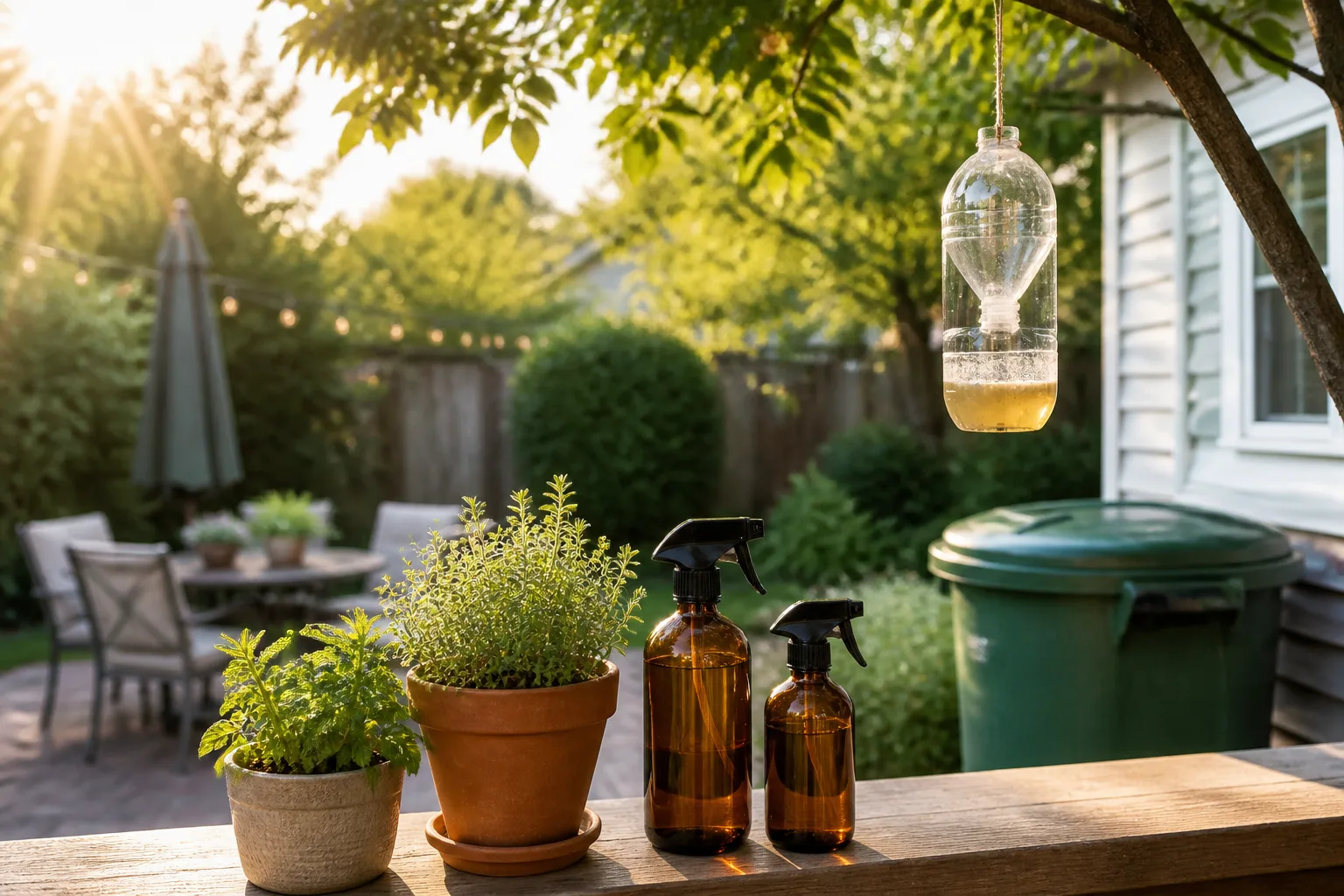
The harvest-season trigger: ripe and fallen fruit
As figs soften, their sugars become easier for insects to reach. A fruit that has cracked from rain, been pecked by birds, or hung past its ideal picking stage can be especially noticeable. Fallen figs add another problem: they warm on the soil, leak, and may be overlooked under the canopy while people walk nearby.
The Gardening Know How guide to yellowjackets specifically warns gardeners to be careful around ripening or fallen fruit and recommends removing fallen produce. That does not mean every fig tree will draw yellowjackets, or that every wasp is dangerous. It means harvest hygiene changes the food signal you are sending into the yard.
Paper wasps may visit flowers or look for caterpillars, while yellowjackets are more likely to become conspicuous around sugary drinks, ripe fruit, pet food, and trash. A few foragers on a warm afternoon are not evidence of a nest. A steady flight path into a hole, wall void, shed roof, or dense shrub is a different clue and should be treated as a nest investigation.
How to choose a fig tree if wasps worry you
Start with a common fig from a reputable nursery or extension-recommended list. Ask for the botanical or cultivar name, whether the plant is parthenocarpic, and whether it is suited to your winter temperatures. “Self-fruitful” and “does not require a wasp” are useful phrases, but a clear cultivar name is better than a vague promise on a tag.
In cold climates, a hardy common fig such as Chicago Hardy may be easier to manage in a container or protected position than a wasp-dependent specialty fig. In warm climates, Brown Turkey, Celeste, Black Mission, and other common types may be available, but local performance still matters. The same common name can refer to different selections, so ask the nursery what it actually sells.
Do not reject a fig just because its fruit has an open eye. A closed ostiole can reduce entry by rain and insects and may be an advantage in humid conditions, but it does not turn a tree into a wasp magnet. More important questions are whether the fruit will ripen in your season, whether the plant fits the space, and whether you can reach the crop for frequent picking.
Also account for the tree’s size. Figs can become broad shrubs or small trees, and a crowded planting tucked beside a patio makes it harder to see fallen fruit or a nest. A sunny, accessible location with room under the canopy gives you better harvest control than a cramped corner beside a doorway.
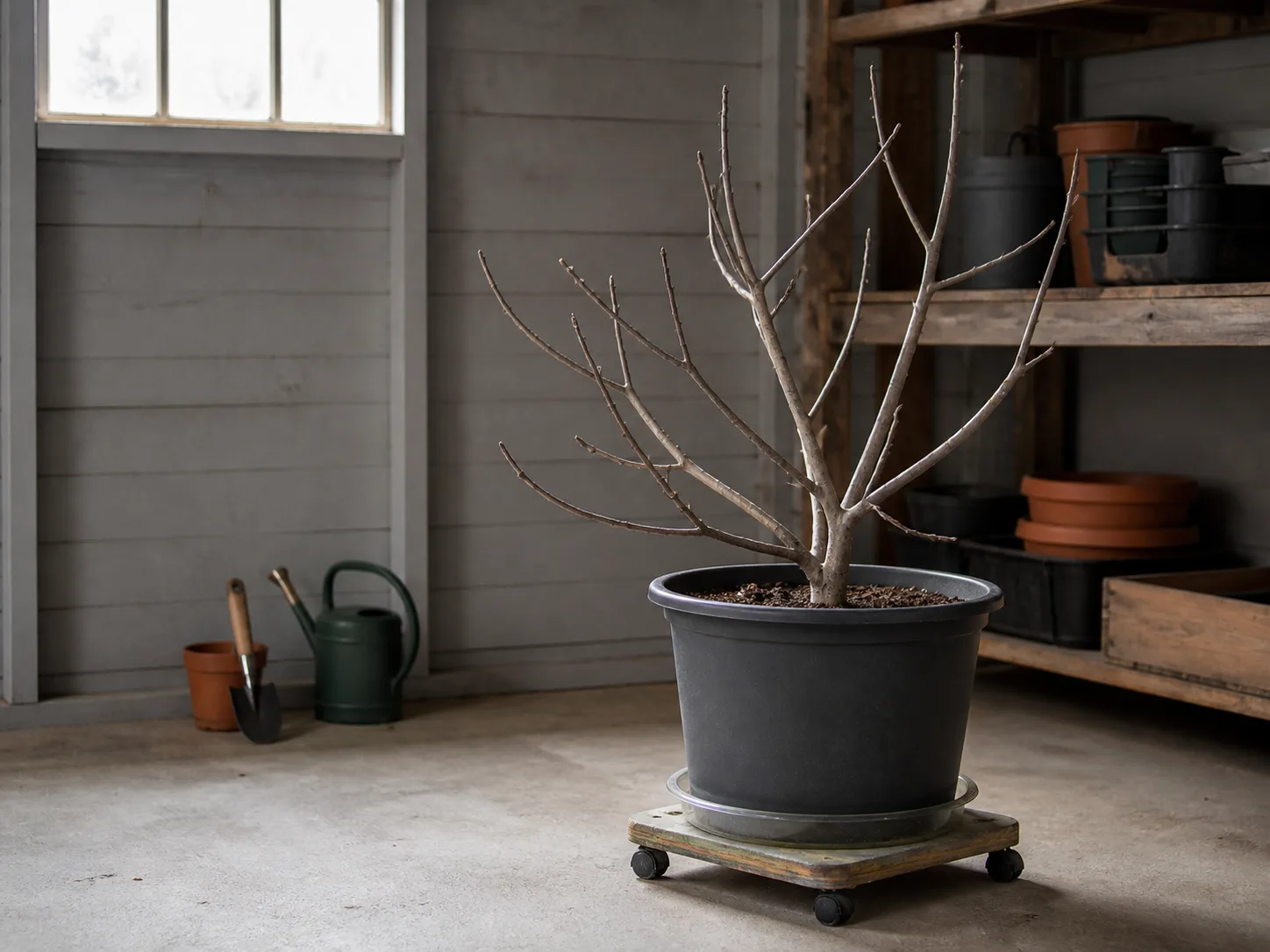
Container growing can make that access easier in a cold climate, but it does not eliminate the harvest question. A potted fig still produces soft fruit that can fall onto a deck, and moving a heavy container beside a seating area at ripening time may put the food source closer to people. Treat the container as a placement tool for light and winter protection, not as a wasp-proof system.
How to harvest figs without creating a wasp buffet
Harvest is the highest-value intervention because it removes the sweet food source while it is still attached to the tree. Learn the signs for your cultivar: a ripe fig usually softens, droops, changes color, and comes away with a gentle lift rather than a hard tug. The exact color is not universal, so use texture and the cultivar’s normal ripening pattern together.
Pick ripe fruit often, especially during a warm spell when several figs can soften at once. Use a shallow basket so the fruit does not bruise, and refrigerate what you will not eat immediately. Overripe fruit left on the branch is not “extra for wildlife” if your goal is a low-conflict harvest near a seating area.
After picking, walk under the canopy. Remove figs that have fallen, split, fermented, or been badly damaged by birds. Dispose of them in a sealed yard-waste system or covered compost setup rather than leaving a pile beside the trunk. Keep the area around outdoor meals, trash cans, recycling, and pet food clean as well; yellowjackets may be responding to several food sources at once.
This routine will not make a yard insect-free. It does make it less likely that your fig tree becomes the easiest sugary stop in the middle of a play area or patio. It also helps you notice the difference between a few passing foragers and a repeated flight path that points to a nest.
What to do when wasps appear near the tree
First, stop swatting and watch from a safe distance. Note whether the insects are visiting ripe fruit, moving among flowers, landing on a drink, or traveling in and out of one opening. Calm observation is more useful than guessing from color alone, and it prevents you from disturbing a nest you have not yet located.
If the wasps are only on ripe or fallen figs, harvest sooner, clean the ground, cover food and drinks, and move people away from the busiest side of the tree during picking. Wear closed shoes and use gloves if you are removing damaged fruit, but do not reach blindly into dense foliage or a hole in the ground.
Use a simple three-question check before doing anything more aggressive: Are they feeding, nesting, or defending? Wasps feeding on fruit usually disperse when the fruit is gone. Wasps repeatedly entering one opening may be tending a nest. Wasps that suddenly circle, follow, or surge when you approach are warning you that you are too close to a colony, so back away and change the plan.
Traps: use distance and timing, not wishful thinking
A trap can reduce foraging in a defined area, but it is not a guarantee and it does not remove a nest. If you choose a commercial yellowjacket trap, follow its lure and placement directions, then position it at the far edge of the yard and away from doors, play areas, and the table where people eat. Hanging an attractant directly beside the fig tree or patio can create a new concentration of insects exactly where you do not want them.
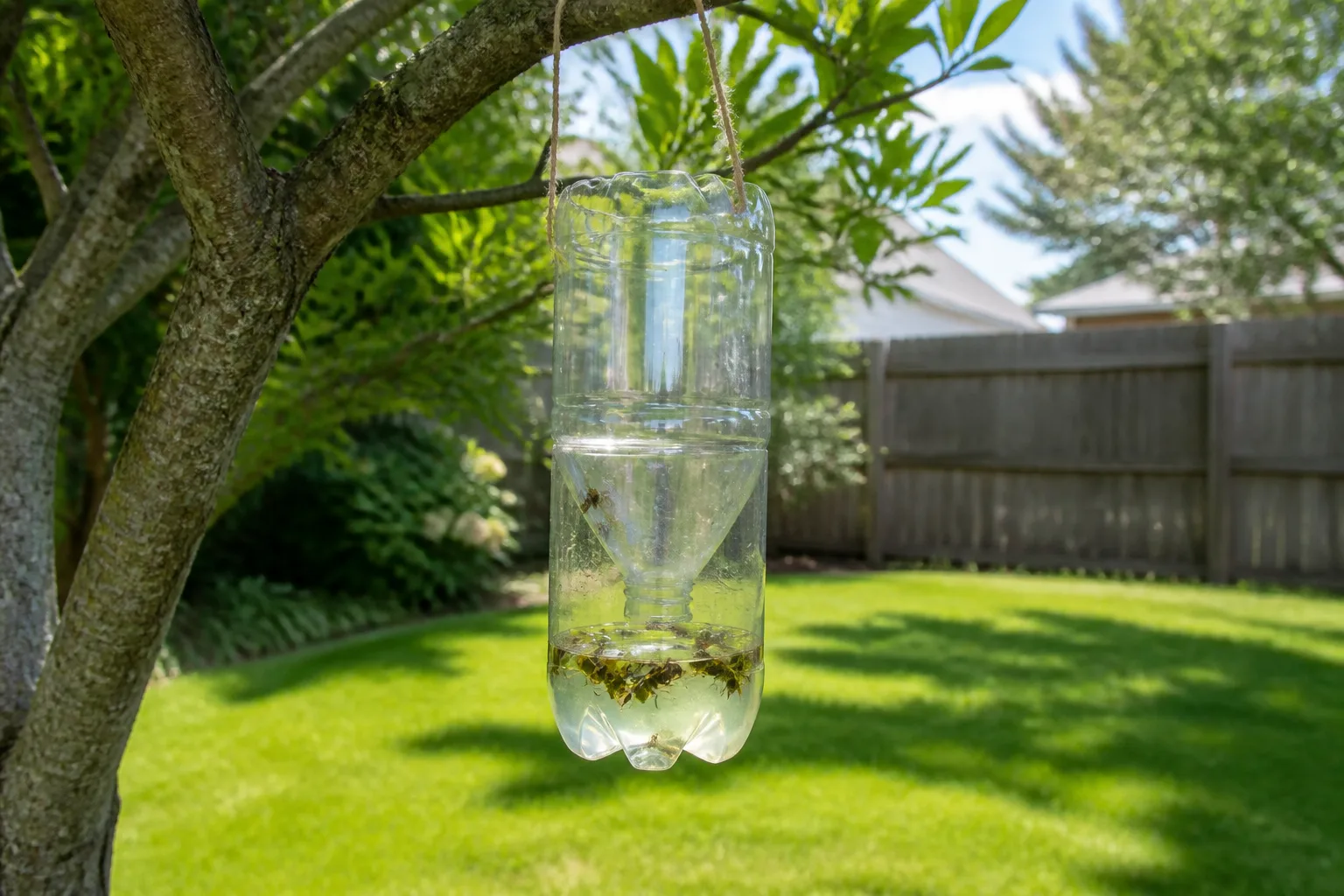
Replace or empty traps according to the label, keep children and pets away, and do not use improvised baits if you cannot maintain them safely. Traps also catch non-target insects, so they should be a measured response to a real nuisance rather than an automatic part of growing figs.
Nests: treat safety as a separate problem
A nest changes the decision. If you see a steady stream of wasps entering a ground hole, wall gap, roof space, shed, or shrub, do not poke it, flood it, block the entrance, or cut the shrub while standing over it. Social wasps can defend a colony when they perceive a threat, and a nest near a doorway, children’s play area, or frequently used path deserves more caution than a nest at the back of a large yard.

If anyone in the household has a history of severe sting reactions, do not attempt nest removal. The Gardening Know How safety guidance also recommends professional help when a nest is inaccessible or when the risk is high. A licensed pest professional can identify the insect and select a treatment that fits the nest location; if you use any pesticide yourself, the product label—not a homemade recipe—controls where, when, and how it may be used.
Never spray a fig tree or its fruit with a product simply because wasps are feeding nearby. Wasp sprays are designed for specific pest-control situations, not for treating edible fruit, and a broad spray can harm pollinators and other beneficial insects. Deal with the food source, the people-use conflict, or the nest as separate problems.
Should you remove every wasp from the garden?
No. A wasp flying through the garden is not automatically a pest that needs control. Many wasps hunt caterpillars, aphids, flies, or other insects for their young, and some visit flowers for nectar. The GrowVeg overview of wasps in gardens explains why their predator role can be useful even though social wasps become unwelcome around food and nests.
Use a simple threshold: leave a few foragers alone when they are away from people and not damaging the crop; change your harvest and cleanup routine when they concentrate on ripe fruit; and get help when a nest creates a sting risk. That approach protects the garden’s useful predators without asking a family to tolerate a nest beside the back door.
It is also worth remembering that “wasp” is a broad everyday label. Some small solitary wasps are unlikely to bother anyone, while yellowjackets can sting repeatedly and defend a colony. If identification matters for a nest decision, take a photo from a safe distance or contact your local extension service or pest professional rather than trying to catch the insect.
Is a fig tree still worth planting?
For most gardeners, yes. A common fig gives you a straightforward way to grow fruit without depending on a specialized pollinator, and the tree can be attractive even before the harvest. The real maintenance bargain is not “no insects ever”; it is choosing a suitable cultivar and being willing to pick fruit on schedule.
The tree is a better fit when you can give it full sun, enough room, and a location where fallen fruit is easy to spot. It is a less convenient choice if you cannot reach the canopy, if the only planting site is beside a busy doorway, or if your household cannot safely manage a nearby nest. Those are site and safety constraints, not a reason to believe every fig tree summons wasps.
If you are still unsure, buy a clearly labeled common fig from a local nursery, plant one tree where you can inspect it, and start with a small harvest routine. Track when fruit softens, how quickly it disappears, and whether insects show up only after fruit drops. That observation will tell you more about your yard than the viral version of the fig-wasp story.
Conclusion
Planting a fig tree does not automatically mean your yard will swarm with wasps. Most home-garden common figs set fruit without fig-wasp pollination, while Smyrna and some San Pedro figs have specialized requirements that should be confirmed before purchase.
The stinging wasps you notice are usually responding to ripe or fallen fruit, drinks, trash, water, or a nearby nest—not pollinating your common fig. Pick promptly, clean under the canopy, keep gathering areas covered, and treat a nest as a separate safety issue. With the right cultivar and a realistic harvest routine, you can enjoy figs without turning your patio into an insect feeding station.



