21 Best Evergreen and Flowering Shrubs for Hedges
Choosing a hedge? Match 21 evergreen and flowering shrubs to your climate, yard size, privacy needs, pruning style, and wildlife goals before you plant.
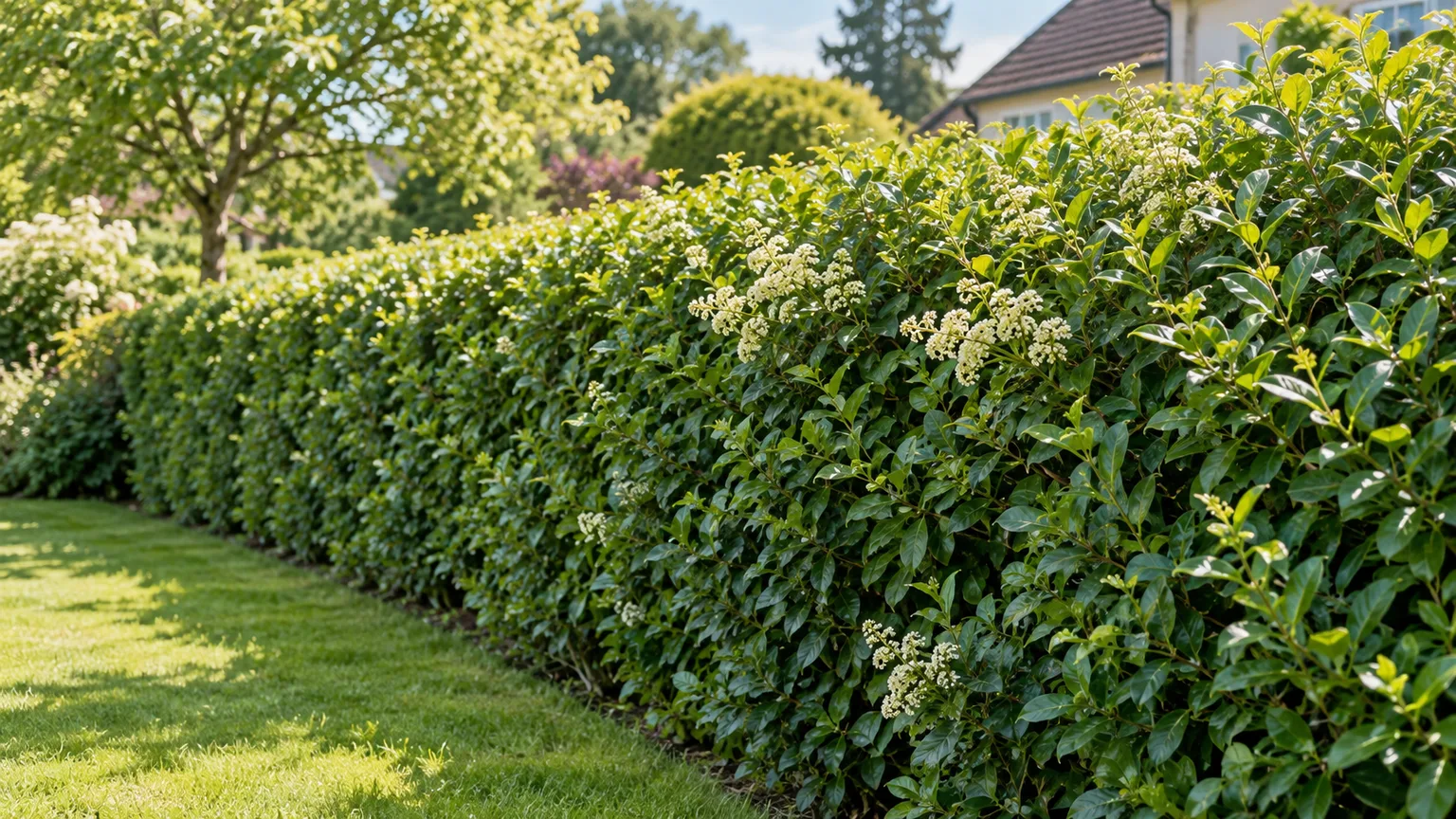
A good hedge begins with a job description. A row meant to block a second-story view needs tall, year-round foliage; a low border beside a path needs compact growth and a softer shape; a flowering screen may be beautiful for months but see-through in winter. Choose for the result you need, then narrow the candidates by mature width, light, drainage, climate, and how often you are willing to prune.
The shrubs below include evergreen screens, clipped formal plants, flowering borders, and thorny barriers. Some are excellent only in a particular climate or soil. Treat each name as a starting point: cultivars can differ dramatically in size and hardiness, so check the botanical name and mature dimensions on the nursery label and with your local extension service before planting a long row.
Start With the Hedge’s Job, Not a Plant Photo
Before comparing plants, decide what must be true of the finished hedge. “Privacy” can mean blocking a neighbor’s patio in July, screening headlights all year, or simply making a boundary feel less exposed. Those needs lead to different designs. The RHS guide groups formal evergreens, flowering choices, and plants for specific sites; its recommendations use British climate assumptions, not U.S. hardiness ratings.
Year-round screening or seasonal bloom?
If you need dependable winter screening, start with an evergreen or a conifer that keeps its foliage in your climate. A deciduous hedge can still provide a strong summer screen, flowers, berries, and wildlife cover, but it will not behave like a green wall after leaf drop. A layered or mixed planting can bridge that gap, though it takes more width and planning than putting several different shrubs into one tight line.
Decide whether the hedge will be clipped into a narrow shape or allowed to grow naturally. Boxwood and yew tolerate repeated shaping; lilac, forsythia, and many viburnums look better thinned than sheared. Fast growth can close gaps but may outgrow a small yard. Backyard Garden Lover’s evergreen-hedge checklist also emphasizes site conditions, mature size, water needs, and upkeep.
21 Shrubs to Consider for a Hedge
These are not interchangeable choices, and “best” depends on the site. The RHS lists hedging plants by purpose and size; Penn State Extension’s home-hedgerow example shows how locally suitable plants can combine privacy, seasonal interest, and wildlife value. Use the profiles to make a shortlist, then check the cultivar and region.
Evergreen shrubs for year-round structure
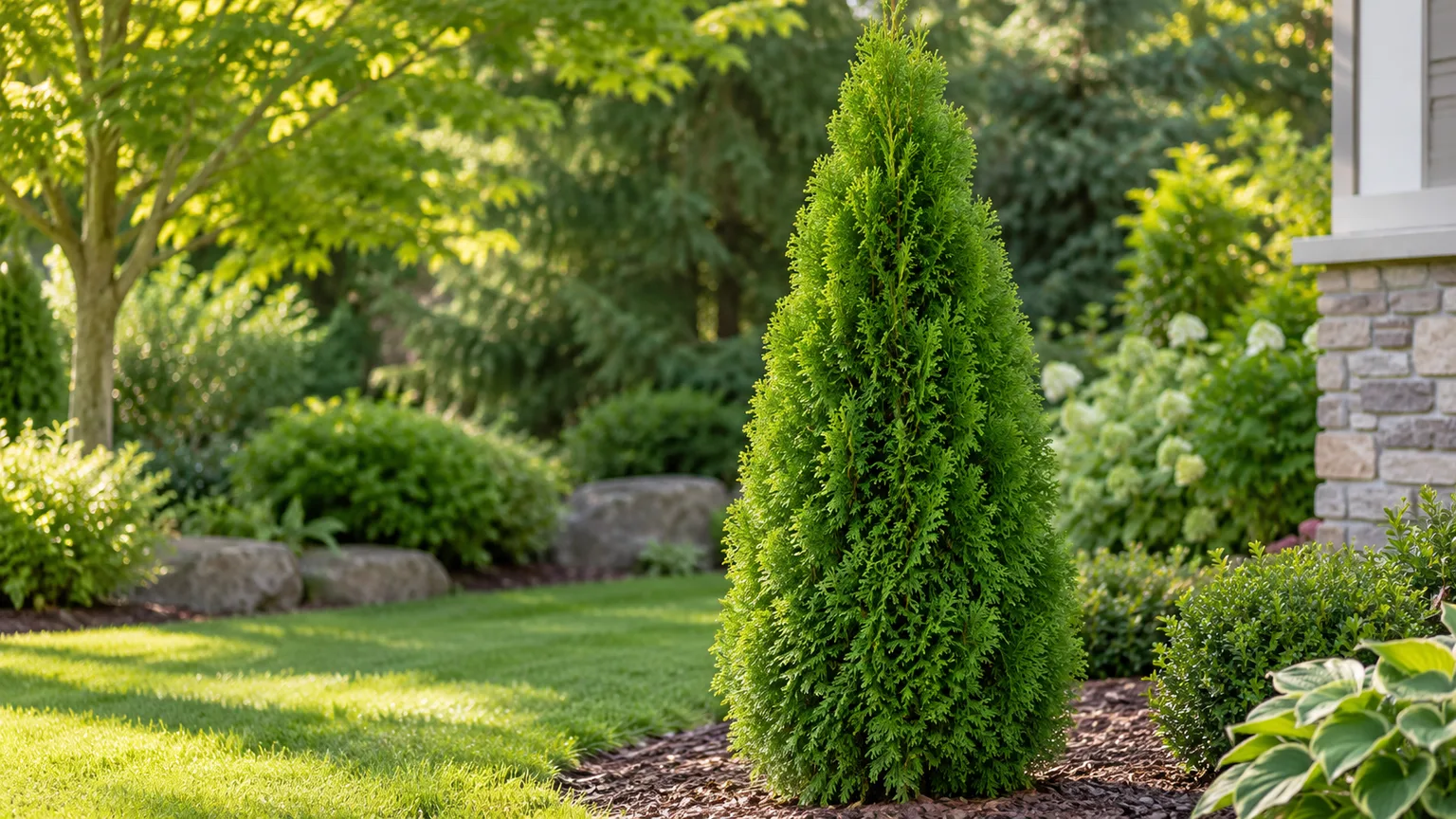
1. Arborvitae (Thuja occidentalis). Upright cultivars such as ‘Emerald Green’ suit narrow screens where a tall evergreen outline is the priority. Measure mature width carefully; crowding plants for instant privacy can create a thin, stressed hedge later. Arborvitae is a poor choice for a site that bakes dry or where deer browse heavily unless you can protect and water it while young.
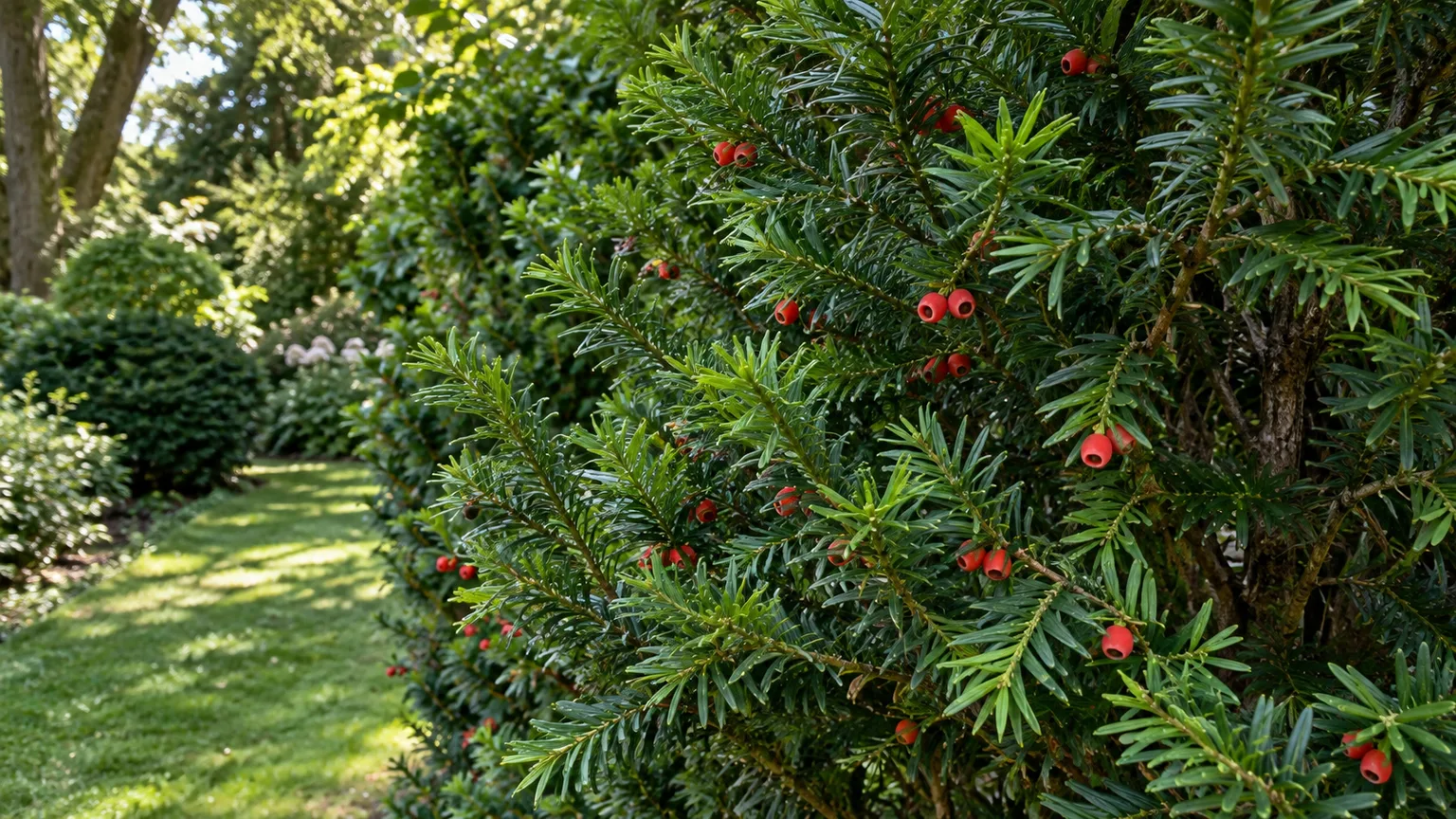
2. Yew (Taxus spp.). Yew is a classic choice for a formal hedge because it tolerates shade and responds to patient clipping. It is slower than many privacy shrubs, which means more years to fill a gap, but it can be kept in a narrow shape and is useful where broadleaf evergreens struggle. Check local winter hardiness and the cultivar’s final height. If children or pets may chew plants, confirm species-specific safety before buying any yew; ornamental shrubs are not automatically safe because they are common in landscapes.
3. Japanese holly (Ilex crenata). Small leaves and dense branching make Japanese holly a boxwood-like option for low to medium hedges. It generally prefers well-drained, acidic soil; waterlogged ground is a poor match. Choose a cultivar whose natural width fits the bed rather than keeping an oversized plant tiny with repeated shearing.
4. English holly (Ilex aquifolium). This broadleaf evergreen offers a dense screen and spiny foliage, but the species can become a substantial shrub or small tree. It belongs in a roomy boundary planting, not beside a narrow walkway where sharp leaves will brush passersby. Berry production depends on pollination and compatible plants, so do not assume every single specimen will carry fruit. Verify local suitability and pet or child safety before choosing a berrying holly.
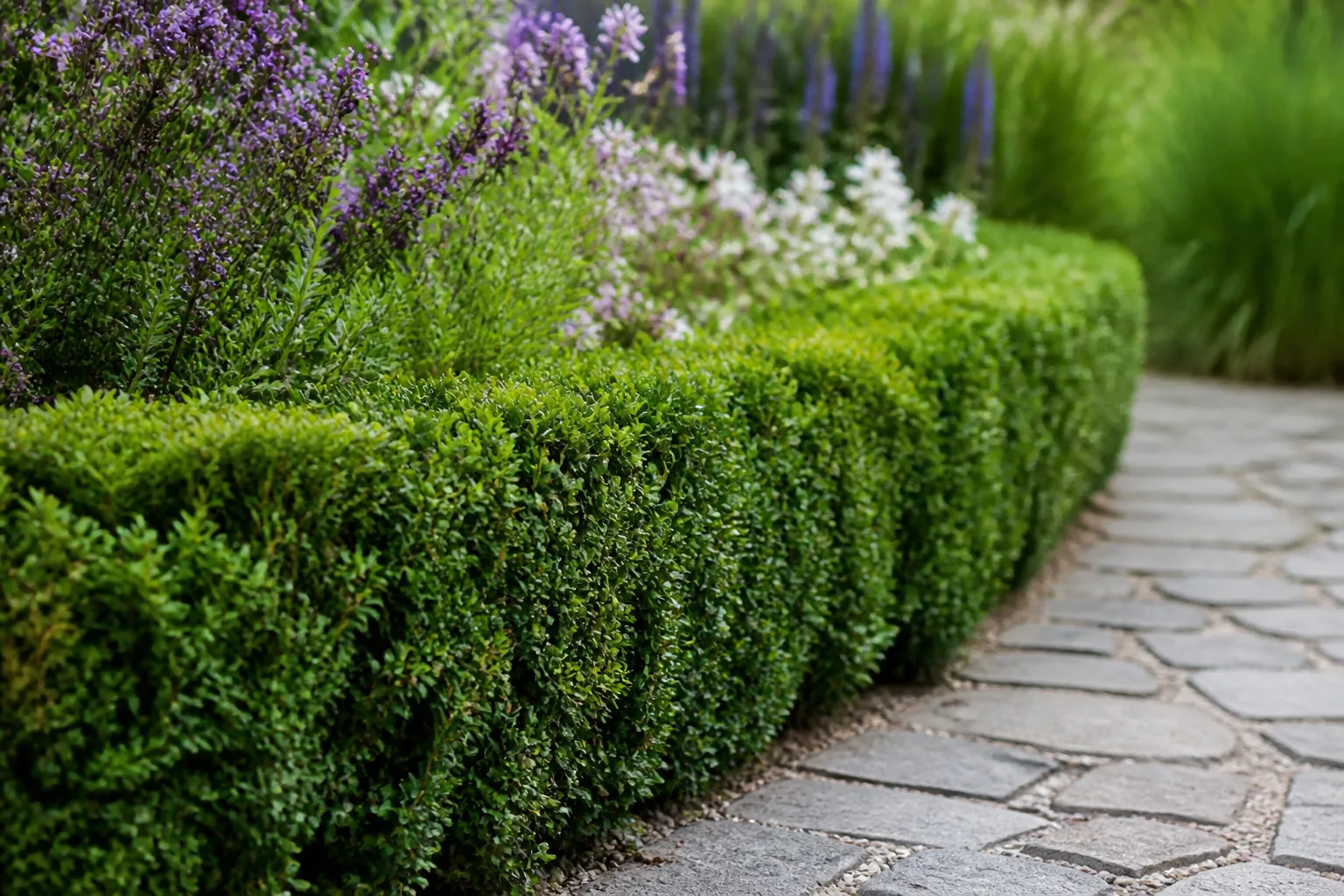
5. Boxwood (Buxus spp.). Boxwood remains useful for low, precisely clipped borders because its small leaves make a smooth surface. Choose a disease-resistant cultivar available for your region, maintain airflow, and avoid planting it in a site where roots stay wet. It is slow enough that a small plant may take time to form a solid edge, but that pace makes it easier to keep a formal line in scale. For a taller, informal privacy hedge, another species will usually make more sense.
6. Inkberry holly (Ilex glabra). This North American evergreen holly is a useful choice for an informal screen in moist, acidic soil, especially in eastern landscapes. It can look loose rather than perfectly formal, and some cultivars sucker or become leggy if shaded too heavily. Choose a named compact selection for a shorter border and leave room for the mature spread. Like other berrying hollies, confirm fruiting requirements and household safety rather than relying on a generic common-name label.
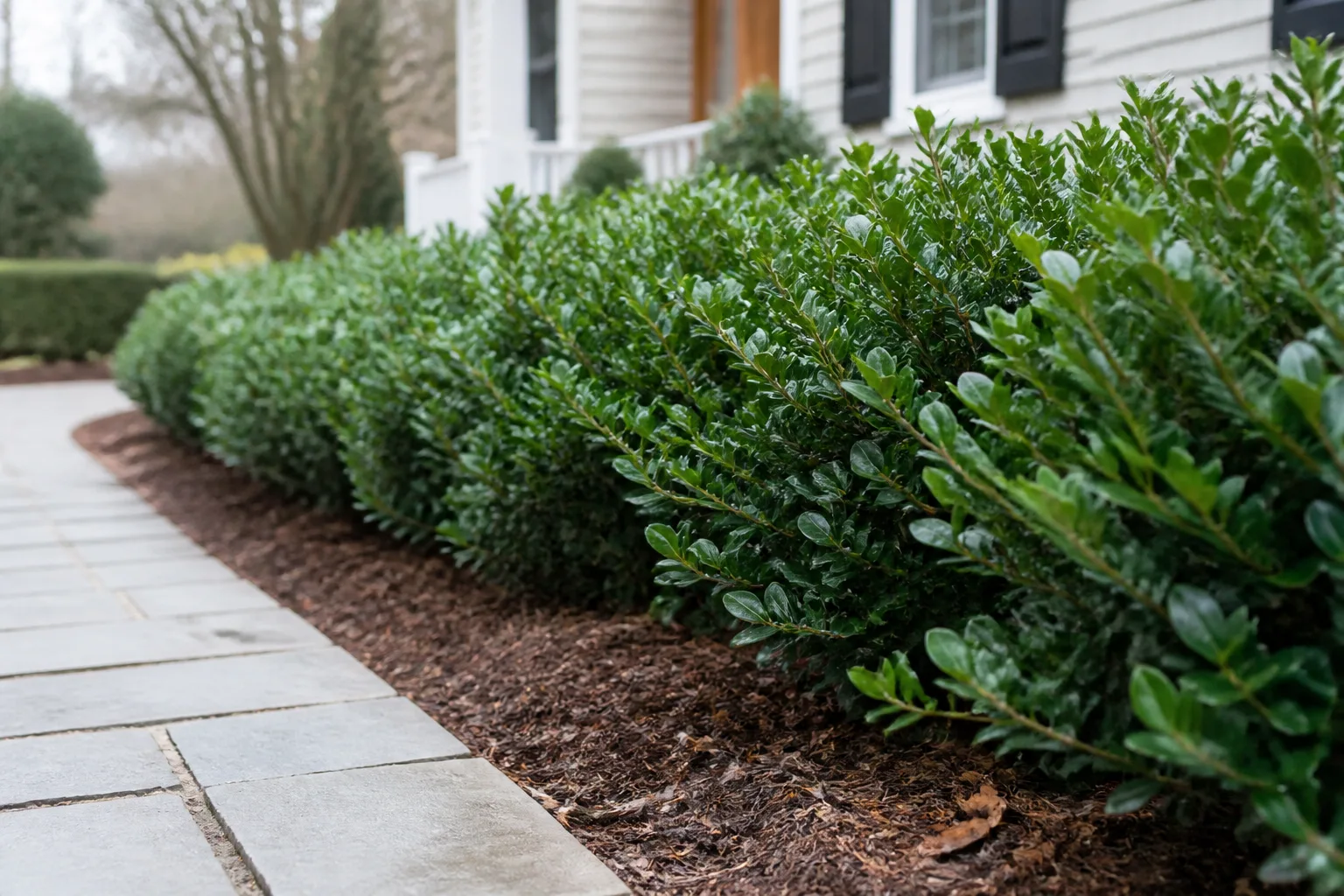
7. Camellia (Camellia spp.). Camellias combine glossy evergreen leaves with showy flowers, often in fall, winter, or early spring depending on species and cultivar. They are strongest in mild climates with acidic, moisture-retentive but well-drained soil and protection from harsh afternoon sun or cold wind. Use them as a flowering screen where the climate fits, not as a universal hedge plant. Confirm the mature width: many varieties make broad, layered shrubs rather than a narrow wall.
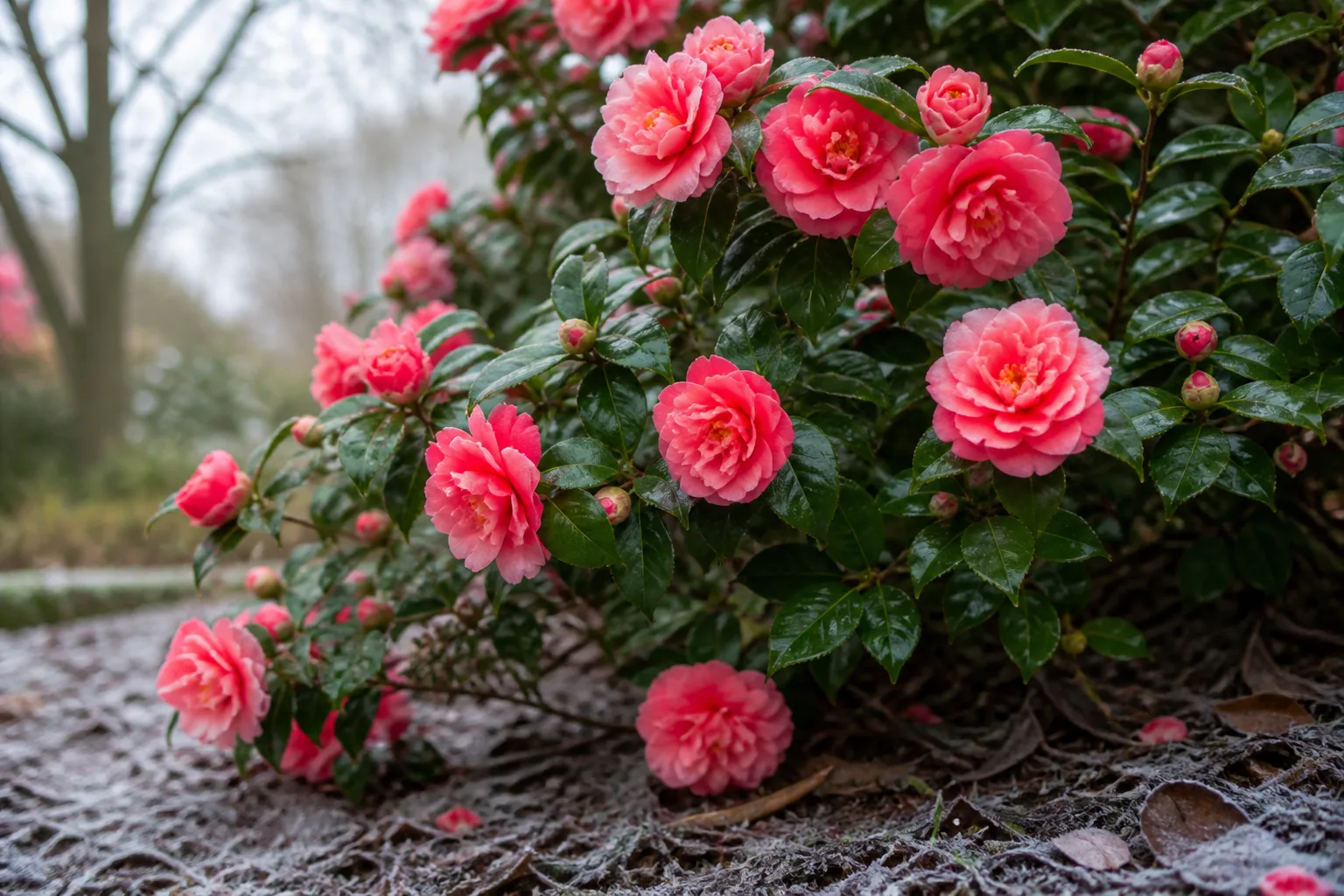
8. Mountain laurel (Kalmia latifolia). This eastern North American broadleaf evergreen offers spring flowers and a woodland character in acidic, well-drained soil with some shade. It is slow-growing and does not suit an instant screen. Use it where conditions already fit instead of trying to turn a dry, alkaline, exposed site into a woodland bed. Check regional suitability and household safety before planting.
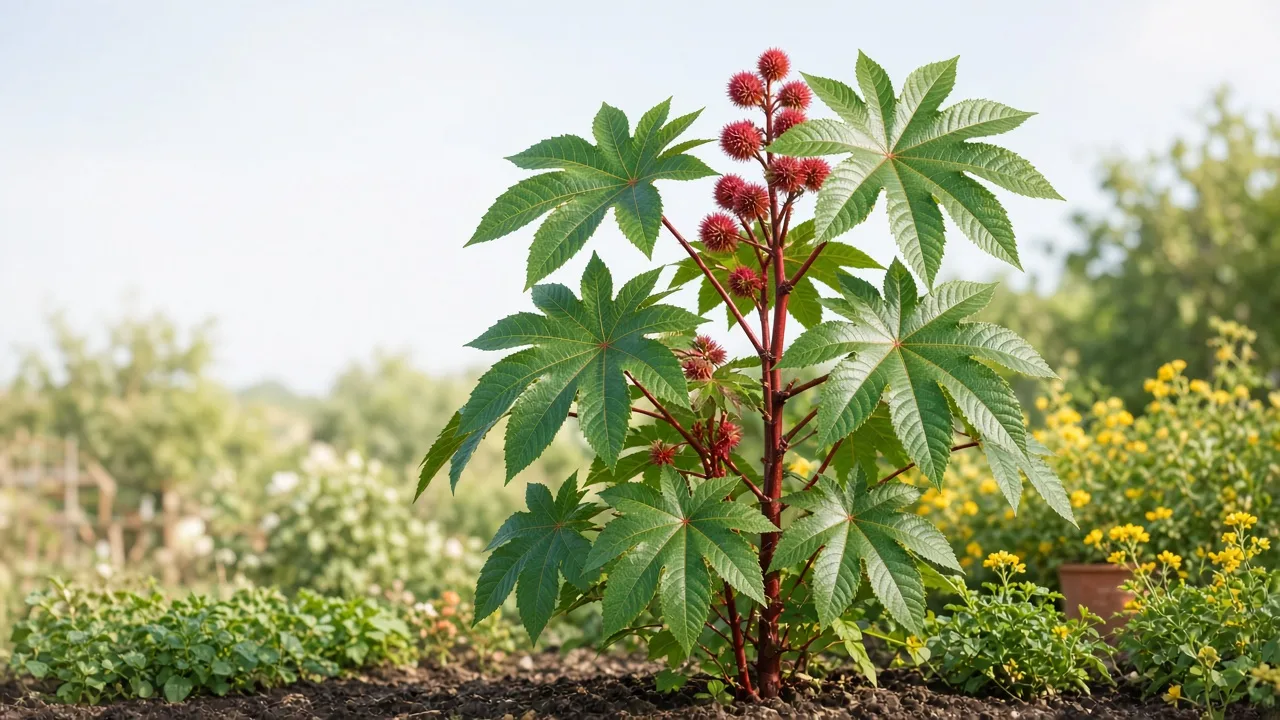
9. Evergreen azalea (Rhododendron spp.). Evergreen azaleas can make a spectacular low or medium flowering hedge under the right conditions: acidic soil, even moisture, drainage, and filtered light or morning sun. The group includes many sizes and bloom seasons, so select the actual cultivar rather than buying an unspecified “azalea.” Avoid placing them where alkaline soil or reflected afternoon heat will stress the roots. Prune lightly after flowering if needed; late cuts can remove buds for the next display.
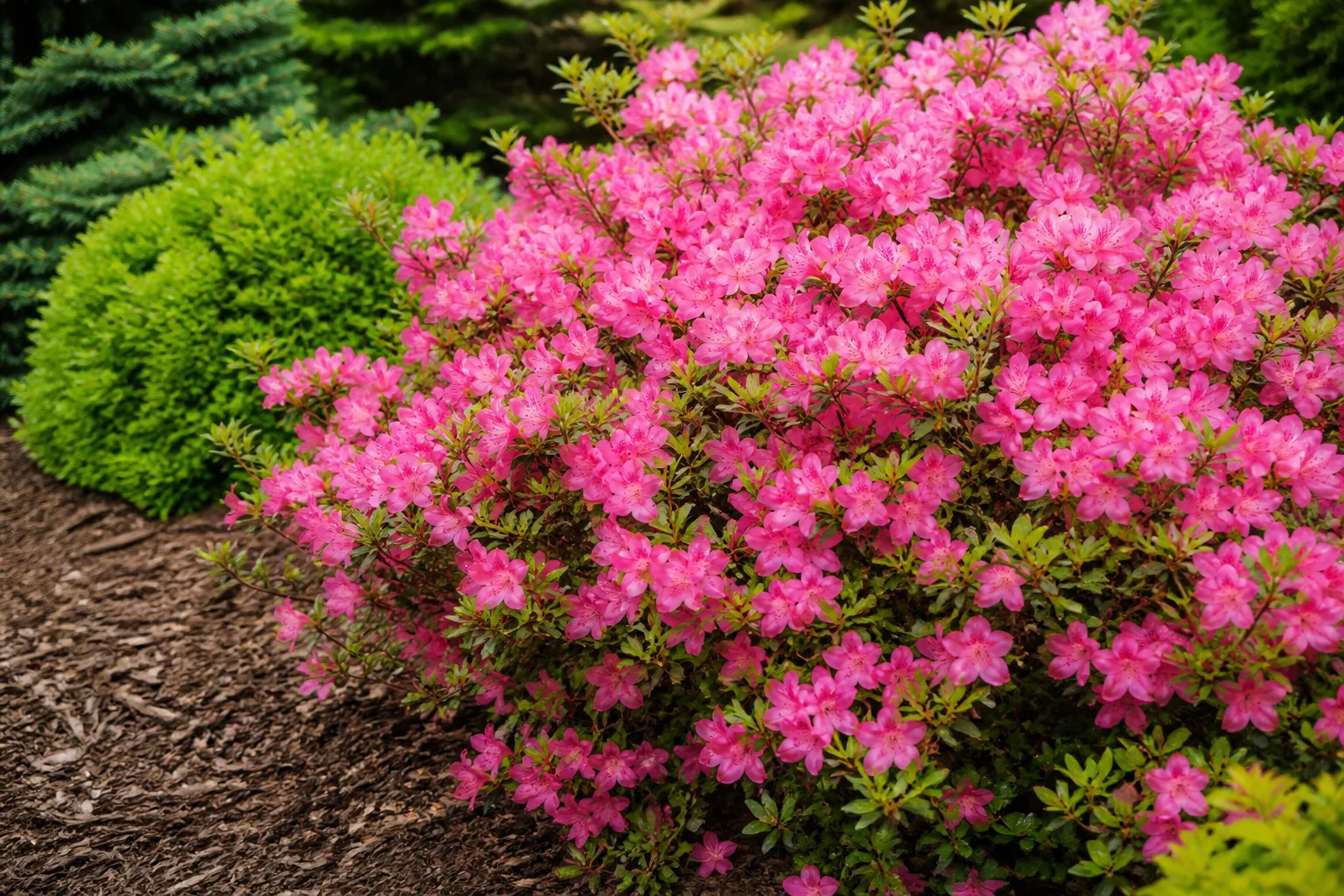
10. Southern wax myrtle (Morella cerifera). In warm parts of the Southeast, wax myrtle can form a fast, informal evergreen screen and tolerate coastal conditions. It is not a cold-climate substitute for arborvitae, and its natural habit is looser than a formal hedge. Give it room and check whether it is appropriate locally before planting a long row.
Flowering shrubs for color and wildlife
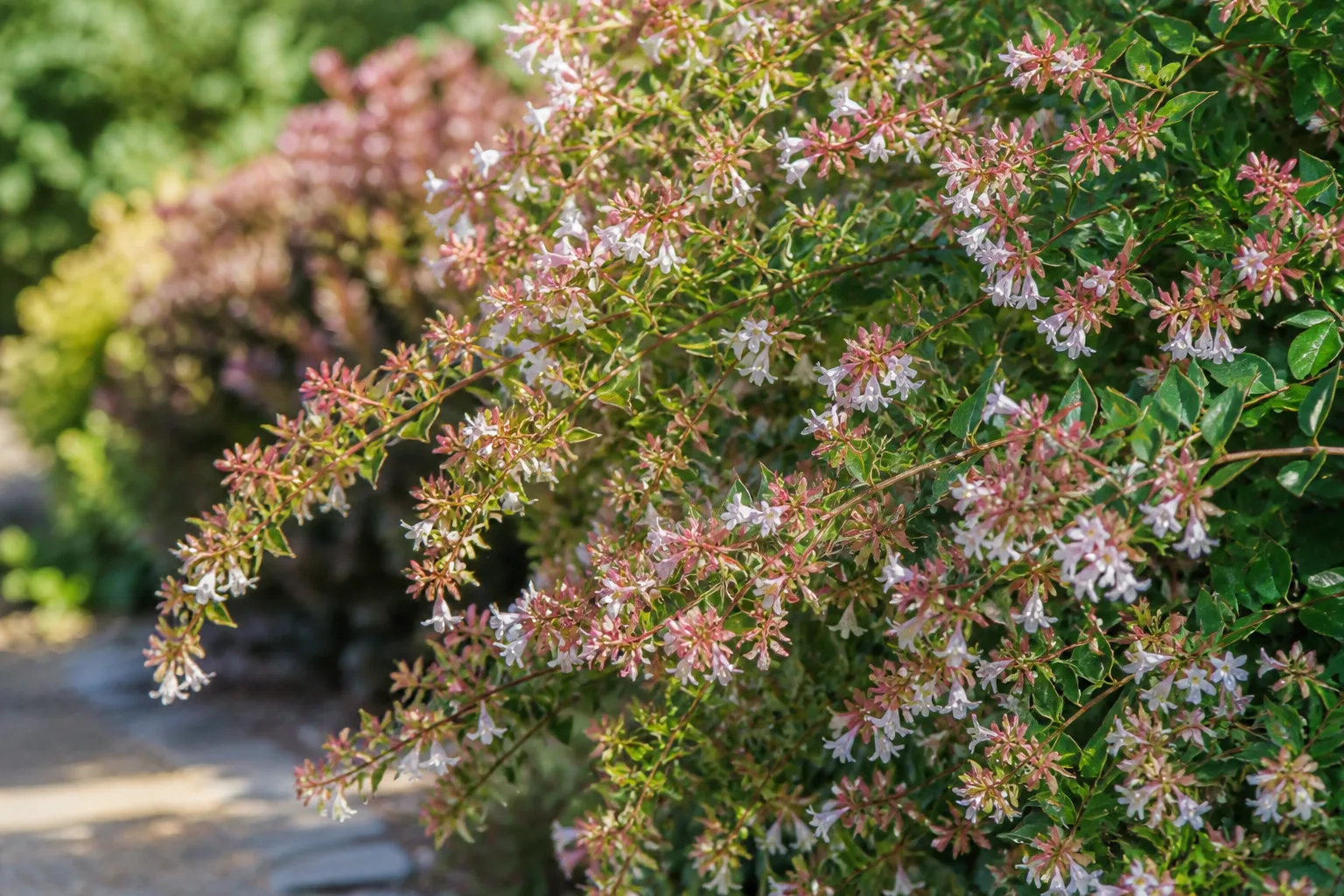
11. Glossy abelia (Abelia × grandiflora). Glossy abelia offers small, long-season flowers and foliage that may persist through mild winters. It works well as a loose, medium-height hedge in warmer regions, where arching branches soften a patio or boundary. It does not create the year-round visual wall of a dense conifer, and a hard annual haircut can remove its graceful shape. Choose it for a flowering edge that can spill slightly into its space, not for a razor-straight barrier.
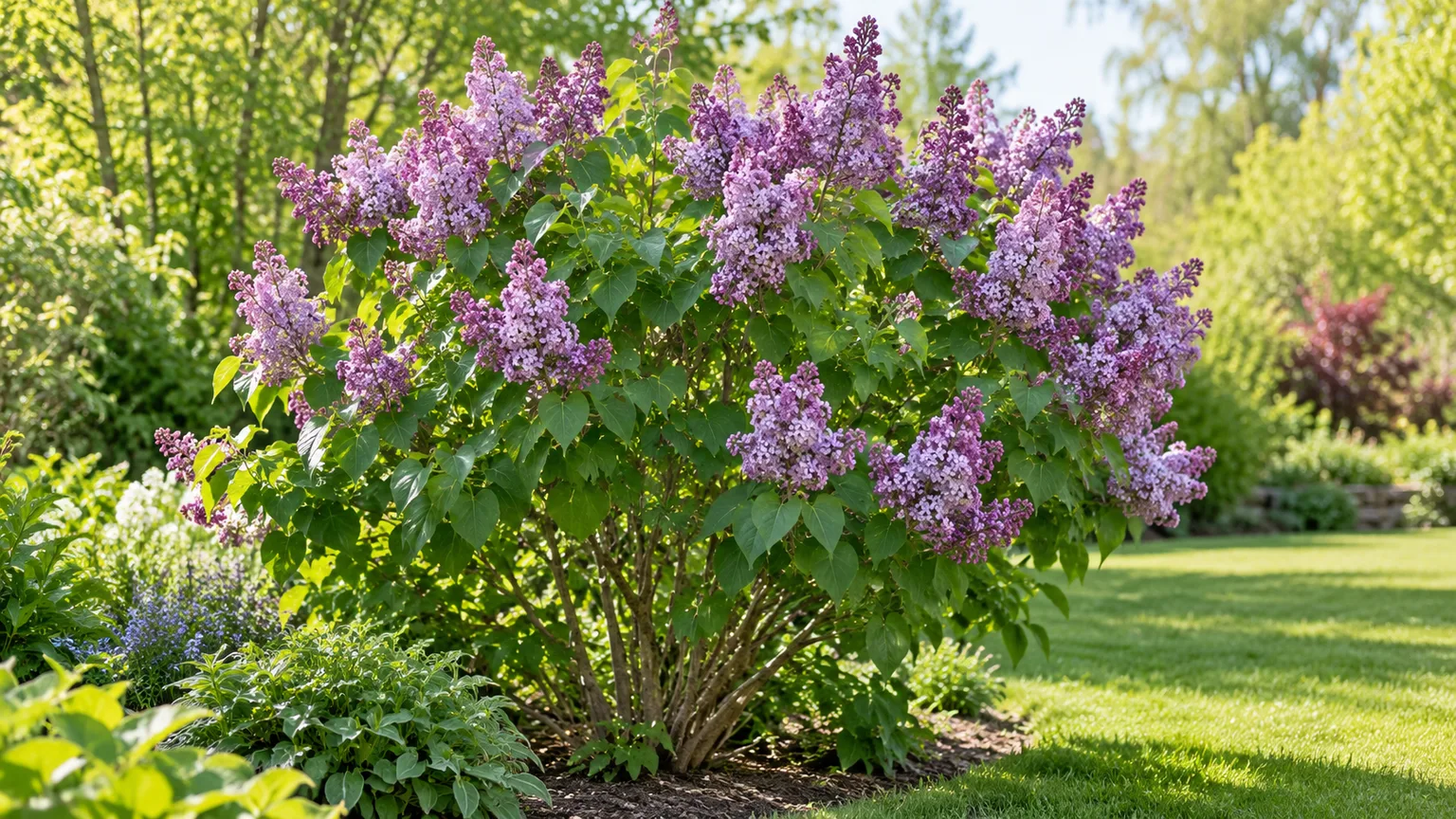
12. Common lilac (Syringa vulgaris). Lilac makes a fragrant spring screen in a sunny, cold-winter garden, but it is usually too broad and irregular for a narrow formal hedge. Allow room for suckers and remove a few old stems at the base after bloom to renew the shrub. Late-summer shearing can remove next spring’s flower buds.
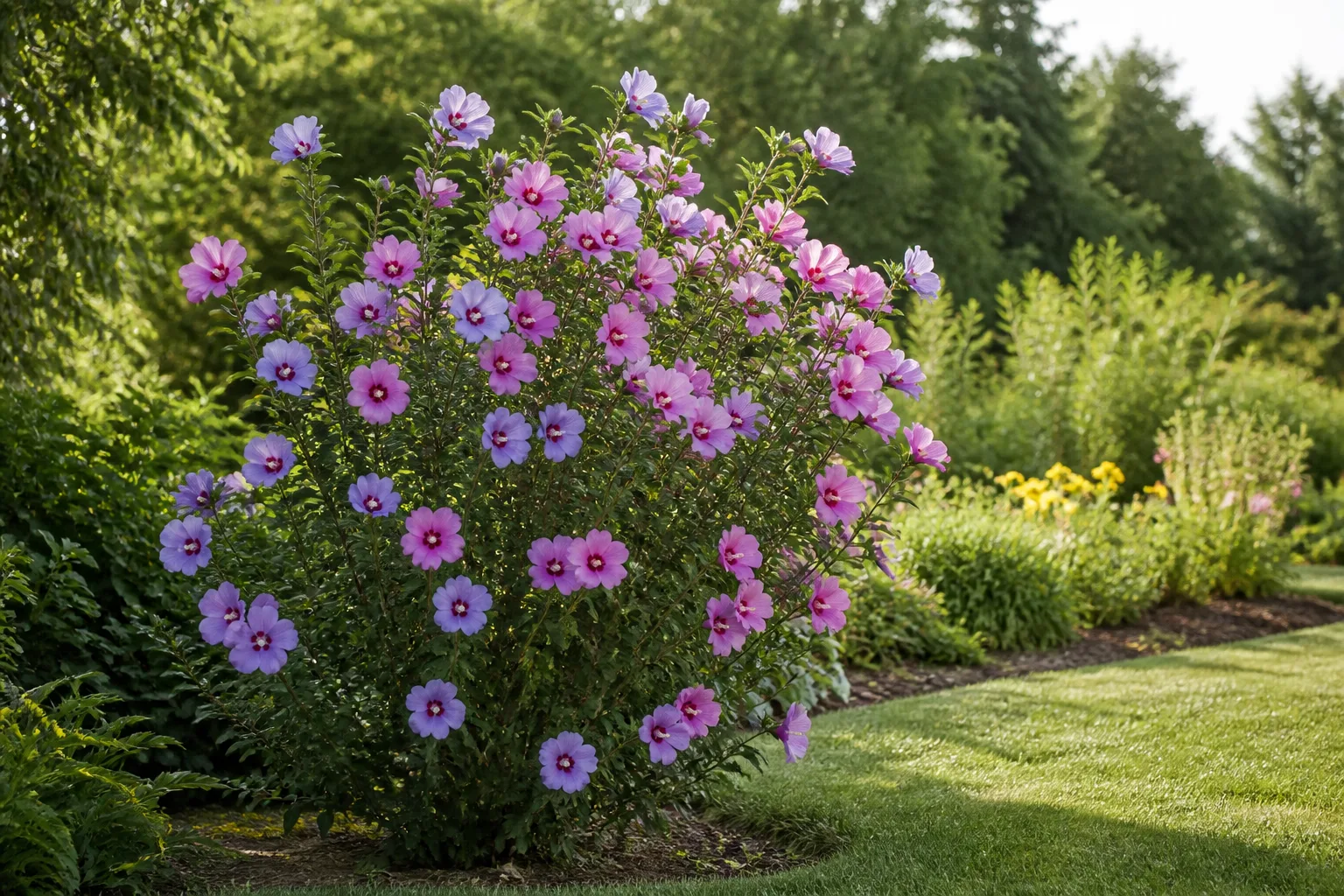
13. Rose of Sharon (Hibiscus syriacus). This deciduous shrub flowers in summer when many spring-blooming hedges are finished. It can make a tall seasonal screen in a sunny site, but leaf-out is relatively late and bare winter stems do not provide evergreen privacy. Check local invasive-plant guidance and choose a cultivar with a manageable mature width. A row that is planted too close can become crowded and shaded inside, reducing flowering and making later pruning harder.
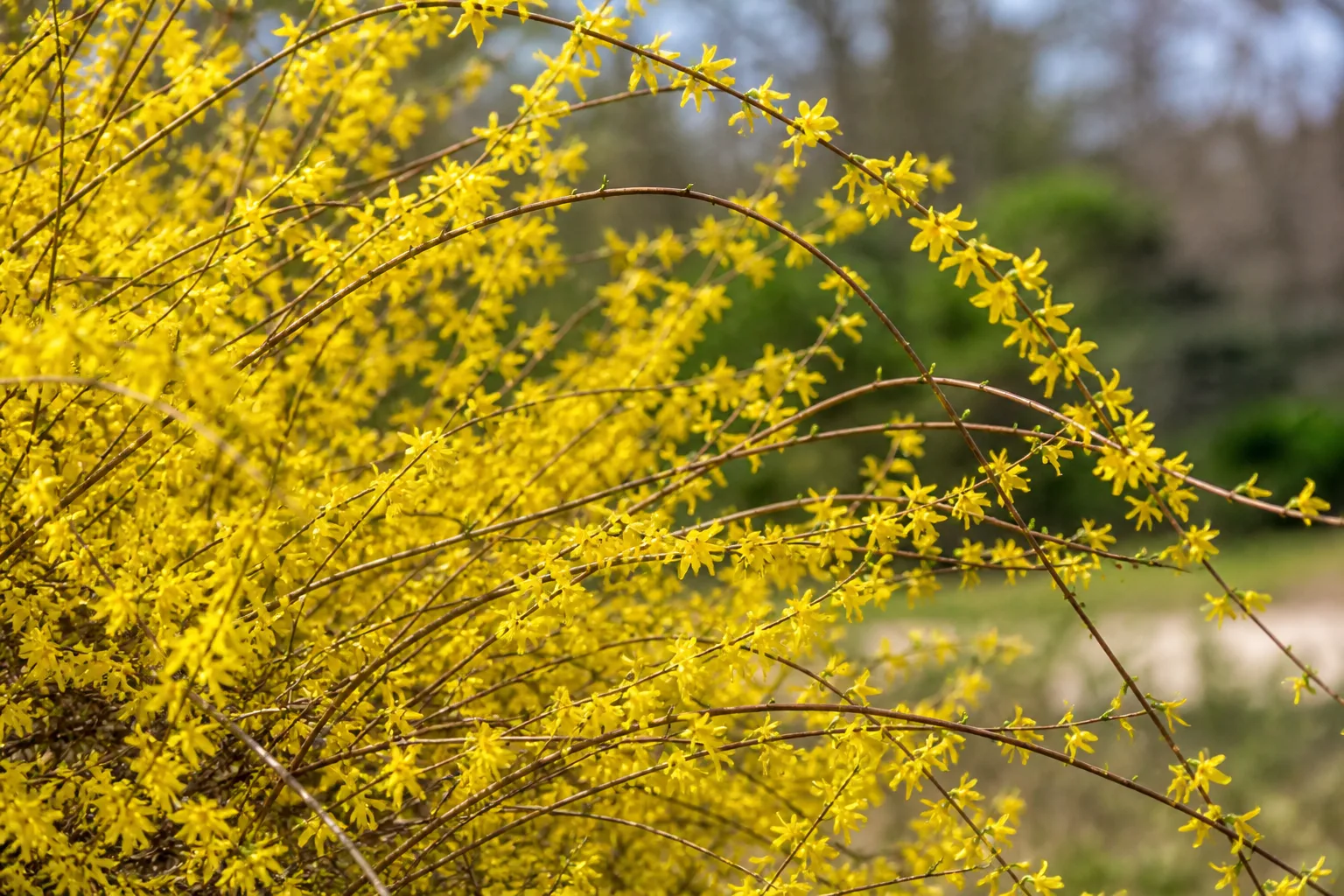
14. Forsythia (Forsythia × intermedia). Forsythia brings bright yellow flowers before many shrubs leaf out and can fill a wide, informal boundary quickly. Its arching stems look best with space; forcing it into a narrow clipped wall leads to constant trimming and fewer graceful branches. Prune after flowering, since cutting in winter or early spring removes the buds that would have opened. If branches touch the ground, they may root, so remove unwanted layers before they become difficult to separate.
15. Ninebark (Physocarpus opulifolius). Ninebark is a hardy deciduous shrub with spring flower clusters, textured bark, and cultivars in green, gold, or purple foliage. It suits an informal screen where seasonal structure is welcome and can adapt to a wider range of soils than acid-loving shrubs. Select a compact cultivar for a smaller property; species-size plants can overwhelm a narrow strip. Instead of shearing the whole plant every year, periodically remove older stems at the base to keep the hedge vigorous.
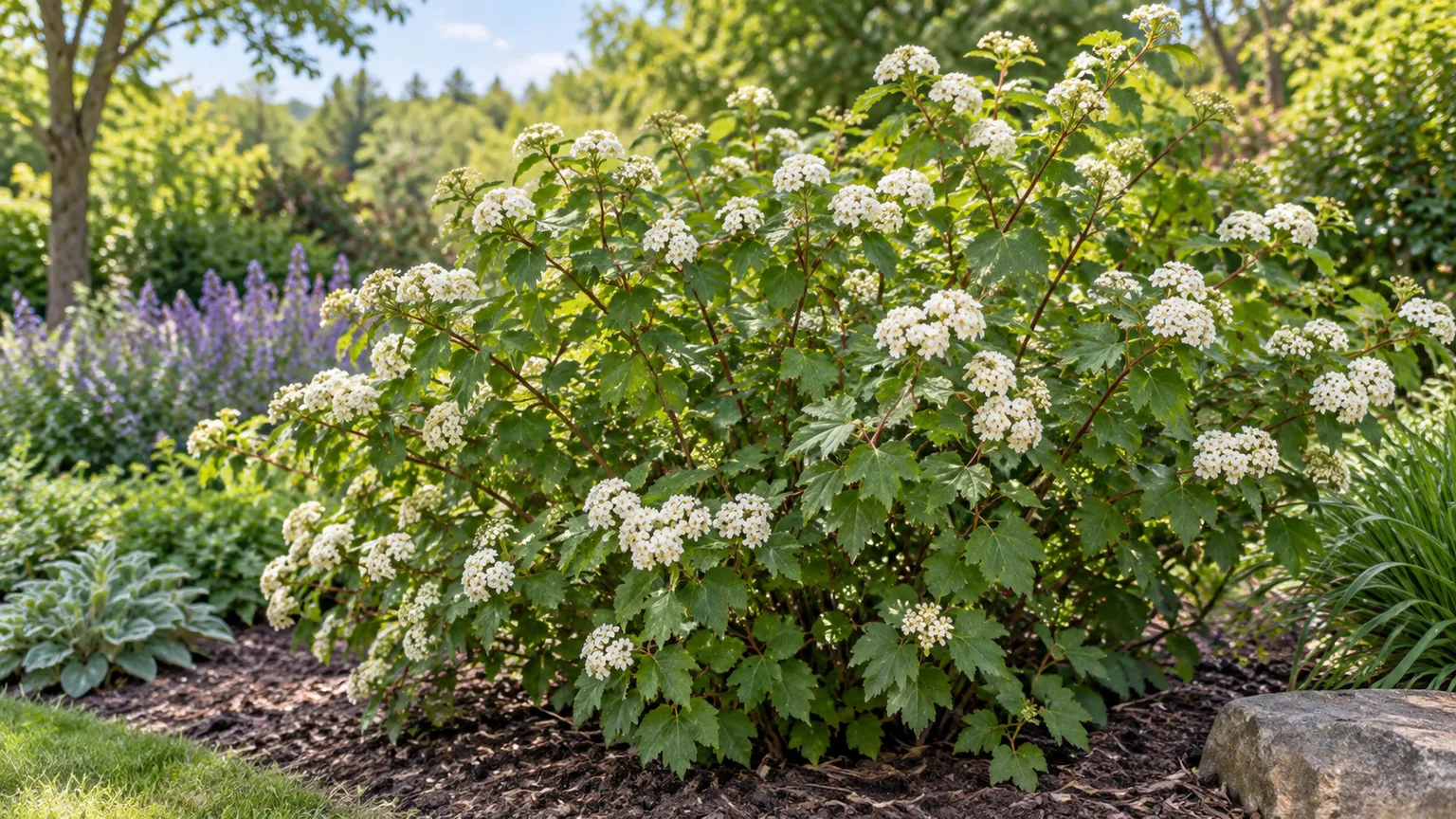
16. Viburnum (Viburnum spp.). Viburnums are a large group, not one uniform hedge plant. Depending on the species, you may get spring flowers, fragrance, berries, fall color, or evergreen leaves in a mild climate. Choose by mature size and regional fit; some species become too large for a small property-line strip. A locally native viburnum can add seasonal food and cover for wildlife, so leave room for its natural branching.
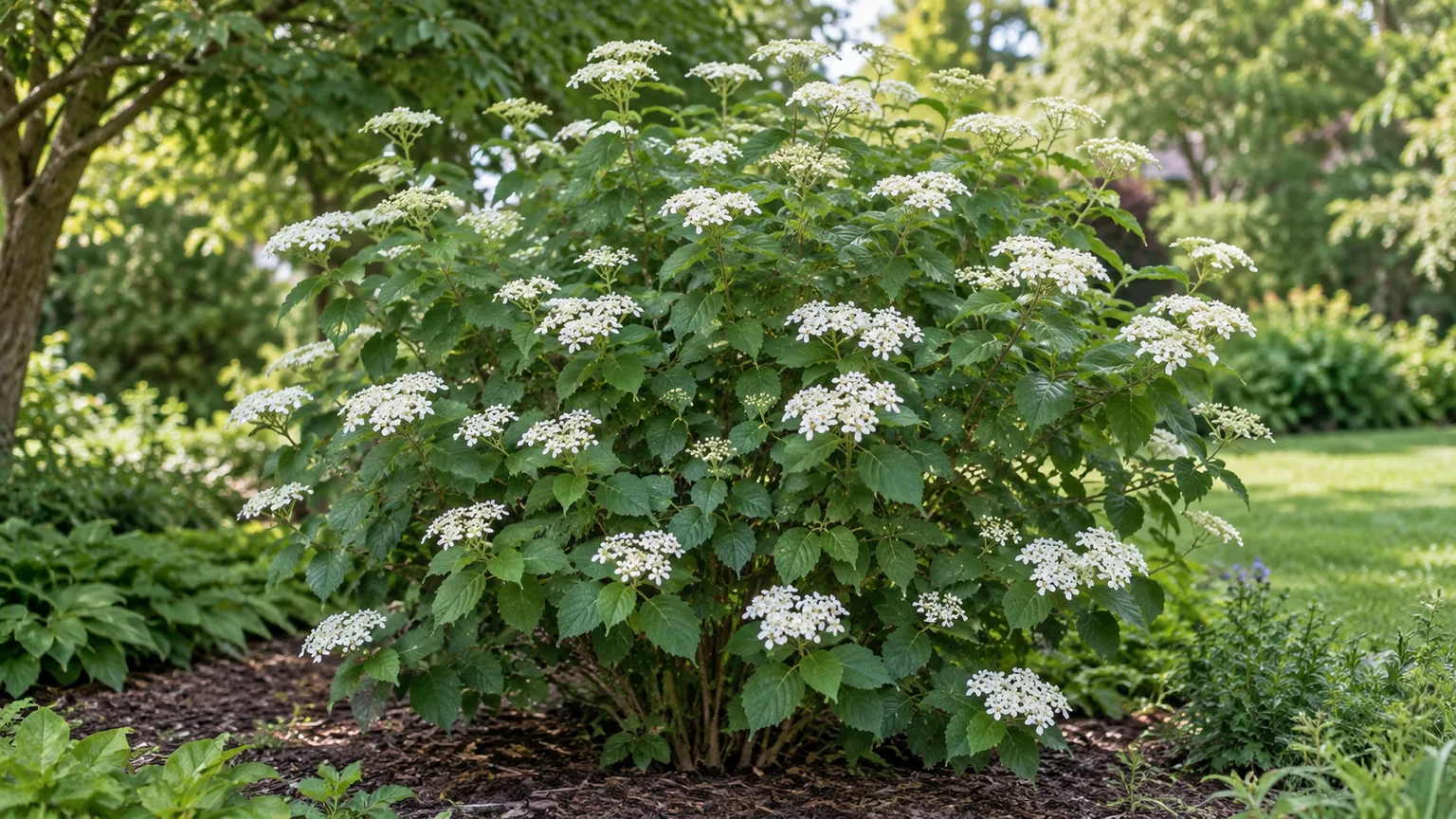
17. Flowering quince (Chaenomeles speciosa). Flowering quince offers vivid early flowers and often a thorny, dense outline. It is better for a relaxed barrier than for a walkway edge, where prickles and suckers complicate maintenance. Give it sun for better flowering, and prune after bloom if you need to remove crossed stems or restrain the spread. A quince hedge can be attractive and defensive, but it needs enough width and a clear plan for controlling shoots.
18. Virginia sweetspire (Itea virginica). Sweetspire is a useful flowering choice for a moist site where many typical hedge plants struggle. Its white flower spikes and fall foliage bring seasonal interest, and a loose mass can soften a low boundary. It spreads by suckers and may be too broad for a tiny bed, so choose a compact cultivar and budget room for the colony to fill in. It will not give evergreen privacy, but it can solve the “wet corner with nothing thriving” problem more reliably than forcing a drought-loving shrub into it.
Thorny and informal choices for boundaries
19. Hawthorn (Crataegus spp.). Hawthorn can create a dense, wildlife-supporting boundary with spring flowers and, on many species, thorny branches and fruit. It is best for a rural or roomy perimeter rather than a narrow path or child’s play area. Species and disease susceptibility vary, so choose a locally appropriate selection and avoid treating every hawthorn as a compact shrub. If you need a clean, narrow screen near a patio, a thornless, smaller alternative will be easier to live with.
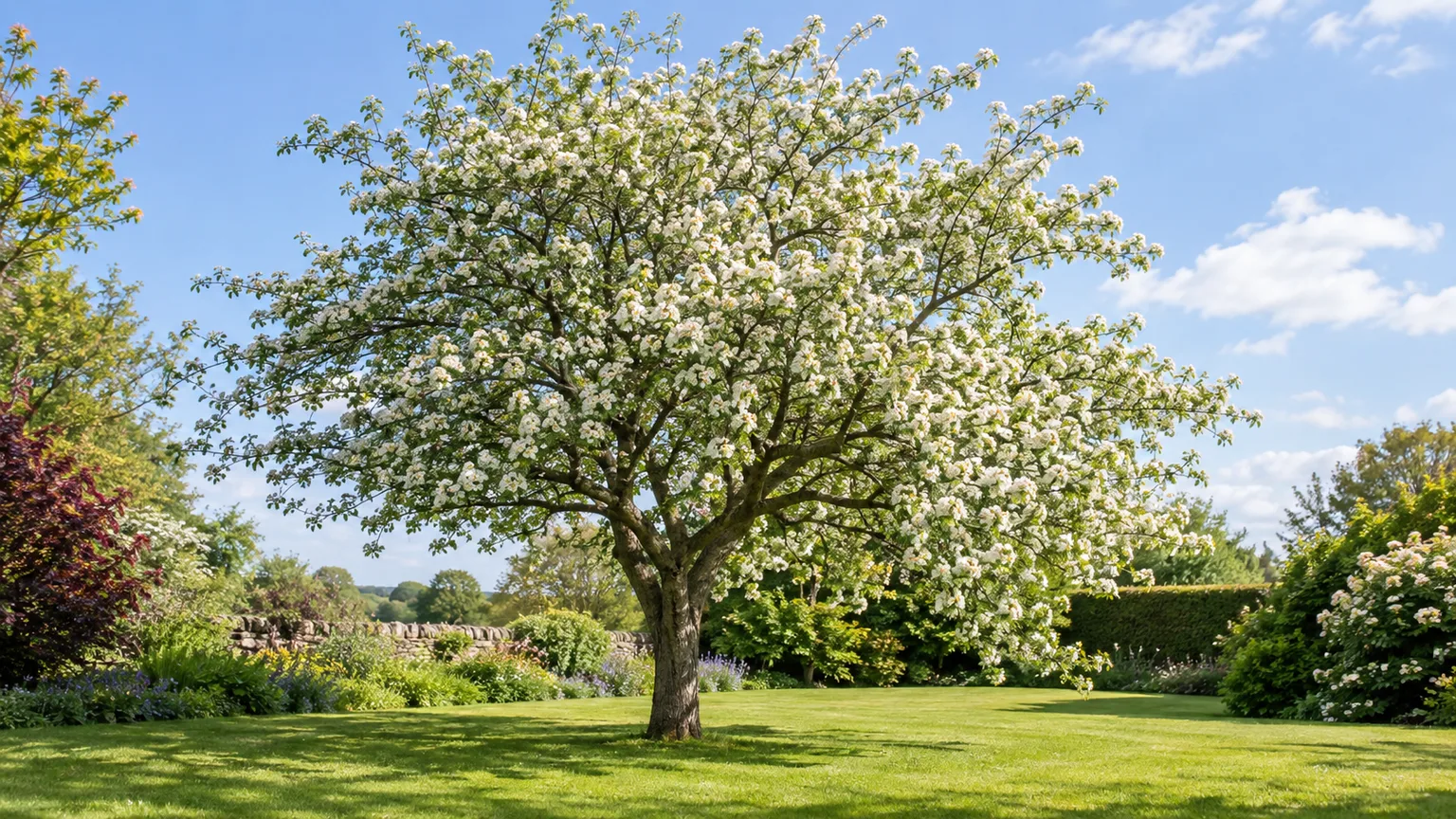
20. Pyracantha (Pyracantha spp.). Firethorn’s spring flowers, colorful berries, and sharp thorns make it a striking barrier hedge in a climate where the chosen cultivar is hardy. Those same thorns are a real maintenance cost: do not plant it beside a walkway, play area, or place where you must reach through it to prune. Train and thin it with protective gear, and check for disease-resistant cultivars in your region. It is a perimeter plant, not an easy low-maintenance hedge.
21. Red-twig dogwood (Cornus sericea). Red-twig dogwood forms a broad, informal hedge for moist soil and gives the garden vivid stems after leaf fall. It is a deciduous screen, so it will not hide a view in winter, but the colored stems and wildlife value can be more useful than an evergreen wall in the right landscape. Give suckering growth room and renew older stems by cutting some to the ground during dormancy. This is a strong choice for a wet, spacious border, not for tight clipping.
Match the Shrub to Your Site
The best hedge plant is the one that can reach its natural shape without constant correction. Start with the site, not a national zone chart: wind, dry eaves, competing tree roots, and reflected pavement heat can rule out a shrub that otherwise looks suitable.
Measure mature width and height
Measure the planting strip and the maximum height you can maintain. Compare those limits with the shrub’s mature spread, not its size at purchase. If a plant naturally grows six feet wide but the bed is two feet wide, it will need repeated cuts, may lose leaves at its base, or spill across a property line. A slower plant that fits is often a better screen than a giant kept on a severe pruning schedule.
Remember that a hedge occupies two kinds of space: the plant’s crown and the room needed to maintain it. Leave access to both sides where possible. Along a property line, keep the mature branches inside your boundary and confirm local rules before establishing a tall evergreen screen. Where access is possible only from one side, choose a species that does not need frequent shearing or design a path for maintenance.
Match sun, drainage, and winter exposure
Write down the site’s sun hours, soil texture, drainage after heavy rain, and exposure to wind or road salt. Then match plants to those constraints. Acid-loving shrubs such as camellias, azaleas, mountain laurel, and inkberry are poor candidates for alkaline soil unless you are prepared to manage soil chemistry. Wet-ground choices such as sweetspire or red-twig dogwood make more sense in a moist border than yew or a shrub that requires excellent drainage.
Use local plant guidance for the final check. A North American native can still be wrong for a dry western slope, a hot reflected wall, or a cold inland garden. Penn State Extension’s hedgerow example describes how the gardener replaced choices that later proved invasive in that landscape and built a more diverse, locally grounded planting instead. The lesson is not that one universal native list exists; it is to check regional invasive-plant guidance and choose plants that serve local wildlife and site conditions. The RHS hedge-selection guide also groups candidates by function and situation, but its climate advice is written for British gardens.
Space and Plant a Hedge So It Fills In Evenly
There is no reliable one-number spacing rule for every hedge. Spacing depends on the shrub’s mature width, how quickly you need coverage, whether you are planting one or two staggered rows, and how much air and light the species needs. The nursery’s spacing recommendation for the exact cultivar is a better starting point than copying a distance from a different plant. As a rough planning method, use mature spread as the anchor: closer spacing fills sooner but increases competition and pruning; wider spacing takes longer to knit together but usually gives each plant a healthier outline.
Mark the row before digging. Set plants far enough from a fence that you can reach behind them or keep all growth on your side. Lay pots out at the planned centers, step back, and check how the line relates to doors, windows, utilities, and sight lines. If the hedge is meant to hide one specific view, plant only as tall and wide as necessary; an oversized screen can shade rooms, block airflow, and create avoidable neighbor disputes.
Prepare a continuous planting strip rather than digging isolated holes in compacted lawn. Remove competing grass and weeds, loosen the planting area, and follow the planting depth on the plant tag. Do not bury the root flare or pile mulch against stems. Water each root ball thoroughly after planting and use a mulch layer to reduce weeds and moderate soil moisture, keeping mulch clear of the trunk or main stems. If the soil drains poorly, fix the site or choose a plant that tolerates it instead of filling each hole with a different soil pocket.
Water, Mulch, and Establish the First Two Years
New hedges need consistent root-zone moisture while they establish, especially in hot, dry, or windy weather. “Water weekly” is not reliable for every soil and climate: sandy soil dries sooner than clay, and rainfall can vary along a row. Check several points, including the root-ball center. Water deeply when soil is drying, then let excess drain.
A drip line or soaker hose can make a long planting easier to water evenly, but it still needs checking. A line that wets only the first few plants can create a hedge with strong ends and a failing middle. Keep the planting strip weed-free while roots spread, replenish mulch as it thins, and avoid heavy fertilizer unless a soil test or local guidance points to a specific need. Too much fast growth can make a hedge harder to shape without improving its root establishment.
Do not judge privacy only by height during the first season. A shrub needs time to establish roots; excess fertilizer or early top-cutting can delay a dense outline. Track growth and moisture across the row. Before replacing a dead plant, identify whether water, drainage, shade, disease, or planting depth caused the loss.
Prune for a Dense Base Without Losing Flowers
The shape of the hedge affects how well it fills. Keep the base slightly wider than the top so sunlight reaches lower branches; a vertical wall or top-heavy shape gradually shades its own base and can become bare below. Start with light, frequent shaping only if the species tolerates it. Formal hedges need a planned schedule, while flowering shrubs usually need selective cuts that respect when buds form.
For spring-flowering shrubs such as lilac, forsythia, and many azaleas, prune after flowering if you need to preserve the next season’s buds. Summer bloomers may be pruned on a different schedule depending on whether they flower on new or old growth. Evergreen yew can tolerate more shaping than many conifers, but overgrown arborvitae should not be cut back into bare interior wood and expected to recover. The RHS hedge guidance likewise warns that overgrown conifer hedges often fail to regenerate after hard cuts into old bare wood.
Use hand pruners to remove dead, crossed, or badly placed stems, then shear only the growth that suits a formal hedge. Clean tools between diseased shrubs, and avoid pruning when local wildlife nesting rules or active nests make work inappropriate. A hedge that supports birds and pollinators can be both tidy and useful, but a strict clipping calendar should not override nesting activity or the plant’s flowering cycle.
Common Hedge-Planting Mistakes to Avoid
The first mistake is buying by speed alone: a fast grower may outgrow the property line, shade a neighboring bed, or require repeated trimming. Another is choosing a deciduous flowering shrub when you need winter privacy. Flowers and berries do not replace evergreen cover once leaves drop.
Planting too close may look finished in year one and become crowded later. Shearing every shrub into a box can erase flowers or leave a sparse interior. Ignoring the base is another common error: a hedge trimmed flat at the top and sides can lose lower foliage as the upper branches cast shade.
Finally, do not plant a species just because it is common at a big-box nursery. Check the botanical name, final size, local invasive-plant list, and compatibility with pets and children before buying a full row. Penn State Extension describes a home gardener’s early hedge choices that later had to be removed after they proved invasive in that landscape. That experience is a good reason to ask a local extension service or native-plant group before planting a large number of unfamiliar shrubs.
Is a Mixed Hedge Better?
A mixed hedge can reduce the risk that one pest or disease turns a whole row into a gap, extend flowers and fruit across seasons, and create varied wildlife habitat. Penn State Extension’s hedgerow account emphasizes diversity and local fit; the RHS describes hedges as living screens and wildlife corridors. These benefits do not guarantee lower maintenance.
Mix plants only when their mature sizes, water needs, and pruning styles are compatible. A row combining a slow yew, a spreading ninebark, and a tall arborvitae will not form a uniform clipped wall without constant compromise. For a formal line, use one well-chosen cultivar or repeat a small set with similar growth habits. For an informal screen, group each species in short blocks or stagger the plants in two rows, arranging taller shrubs toward the back and low shrubs where they will not be shaded out.
The available width is decisive. A single narrow row is often easier to maintain and may be necessary in a small yard. A mixed, staggered hedgerow needs more depth, access for pruning, and a plan for mature spread. If you have the room, it can provide more seasonal interest; if you do not, choose one locally suitable shrub that performs the essential job well.
Conclusion
The best shrubs for hedges are not simply the fastest growers or the ones with the most flowers. They are plants whose mature size, evergreen or deciduous habit, soil and light needs, and pruning response match the space you actually have. Use arborvitae or another site-suited evergreen when winter screening matters; choose lilac, ninebark, viburnum, or another flowering shrub when seasonal interest and a looser outline matter more.
Before buying, measure the planting strip, confirm the cultivar’s mature width, check local climate and invasive-plant guidance, and plan for the time it takes a hedge to establish. Give each shrub enough room, water the full row consistently while roots settle, and prune for light at the base. That modest planning is what turns a row of plants into a hedge that stays useful and attractive.