How to Grow and Care for Prunus mume
Learn how to grow Prunus mume, choose a sheltered site, water and feed it well, prune after flowering, and troubleshoot weak blooms or leaf problems.
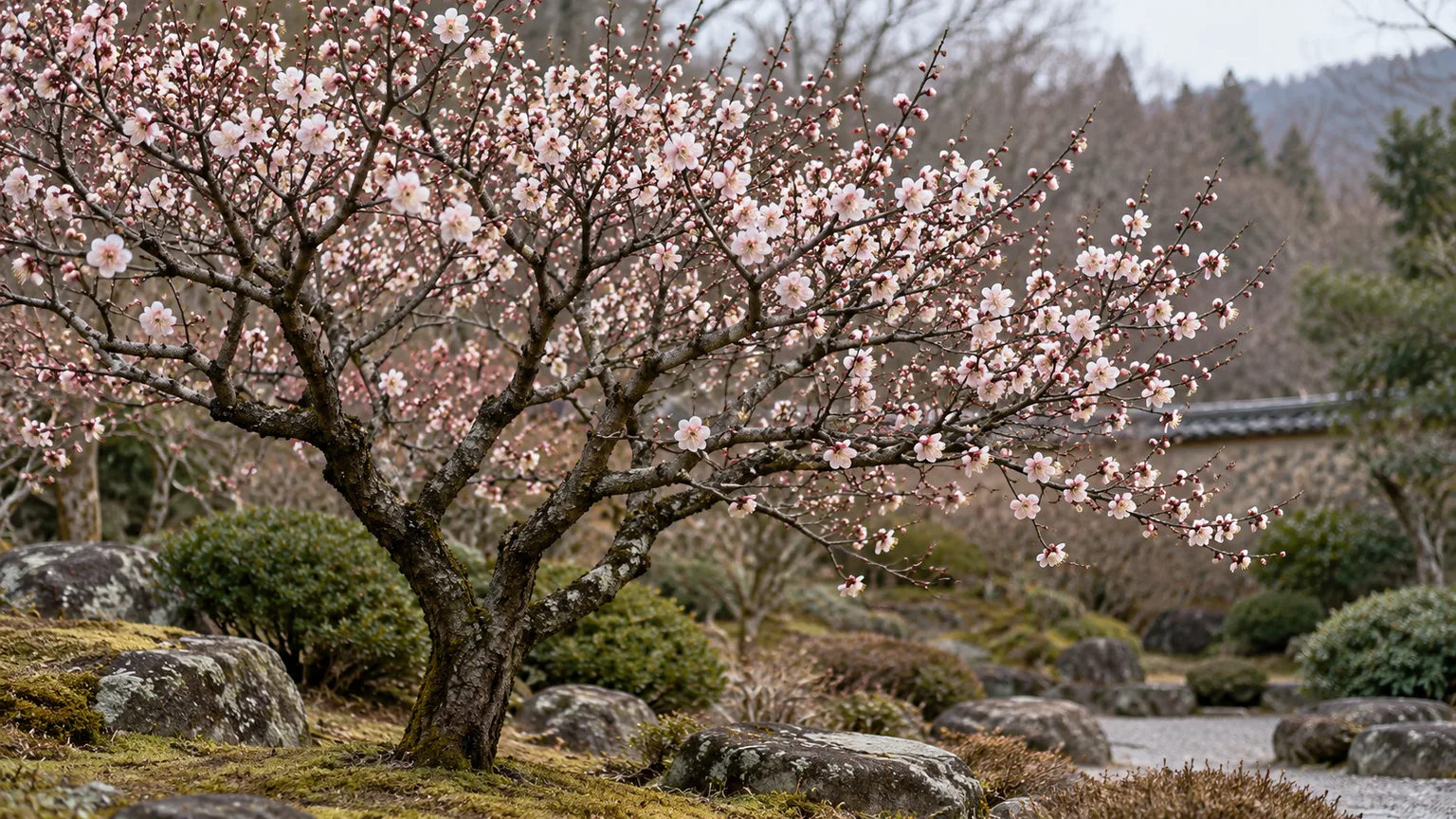
If you want flowers before most trees have even leafed out, Prunus mume is a remarkable choice. This small deciduous tree opens fragrant white, pink, or red blossoms on bare branches in late winter or early spring, then carries a leafy canopy through summer. Its needs are straightforward once you account for its unusually early bloom: give it a sunny, well-drained site with some shelter, keep a young tree evenly moist, and do routine pruning after the flowers fade.
The common names can make shopping confusing. Prunus mume is called plum blossom, Chinese plum, Japanese apricot, or Japanese flowering apricot, although it is a distinct species and not the familiar European or Japanese fruit plum most people buy at a nursery. The notes below focus on growing it as an ornamental tree; some selections also produce small, tart fruit.
Know What You’re Planting
Prunus mume belongs to the rose family, Rosaceae, and is native to parts of China and Laos. It is deciduous, usually growing as a rounded, spreading small tree rather than a narrow upright specimen. NC State Extension gives a common mature range of about 15 to 20 feet tall and wide, while the JC Raulston Arboretum notes that some trees can reach 30 feet, so allow for the cultivar and the growing conditions rather than planting it as if it were a compact shrub.
Flowers are the main reason to grow it. They open in winter or very early spring, often before leaves appear, and may be single or double, from white through pale pink to deep rose or red; many are fragrant. In North Carolina, NC State describes a typical January-to-February display, while the JC Raulston Arboretum reports selections flowering from late December into early March. That spread is a reminder that cultivar, local climate, and a particular winter all affect the calendar. See the NC State Extension profile and JC Raulston Arboretum plant profile for regional observations and plant details.
The tree may also set small, round, fuzzy fruits that turn yellow-green to yellow-orange in summer. They are not equivalent to a sweet grocery-store plum: NC State describes the taste as sour to bitter. If fruit production matters more than flowers, ask a knowledgeable nursery whether a specific cultivar and pollination setup suits your area before buying; ornamental selections may be sold primarily for bloom.
Blossom tree, apricot, or plum?
The botanical name is the most reliable label to check. “Japanese apricot” and “Chinese plum” are common names for Prunus mume, not proof that the plant is a conventional apricot or plum cultivar. Other ornamental Prunus species, including flowering cherries and purple-leaf plums, can look similar in nursery photos but have different growth habits, flowering windows, and care details.
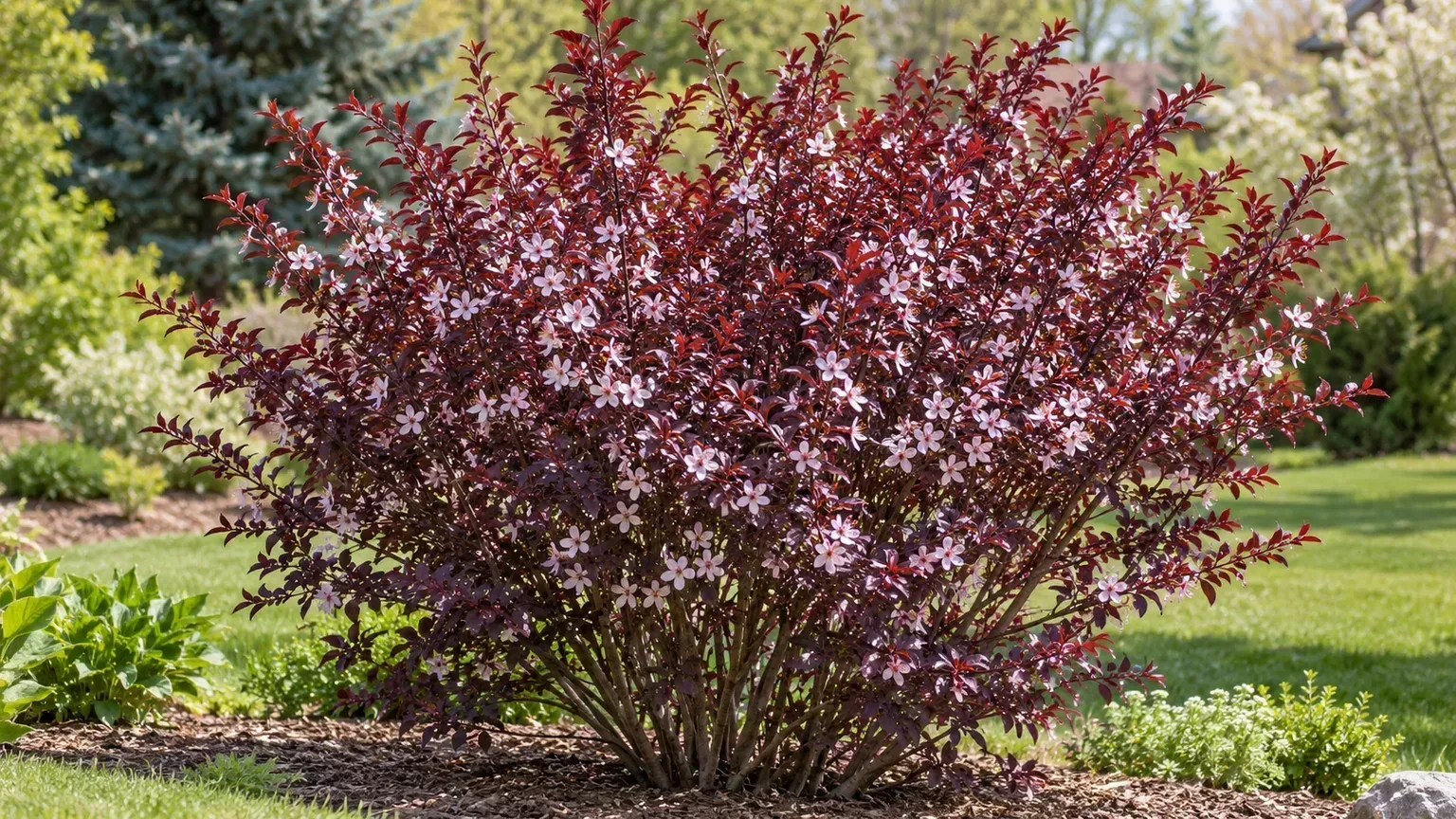
A related ornamental Prunus shown for comparison; check the botanical name to confirm you are buying Prunus mume.
Prunus mume flowers are commonly held singly or in pairs close to the bare branches. Flowering cherries often display blossoms in clusters, and many bloom later, but appearance varies by cultivar, so use the botanical name and mature size on the plant label rather than relying on a quick visual rule. Oregon State University’s Landscape Plants profile and NC State’s plant profile are useful references when a label uses several common names.
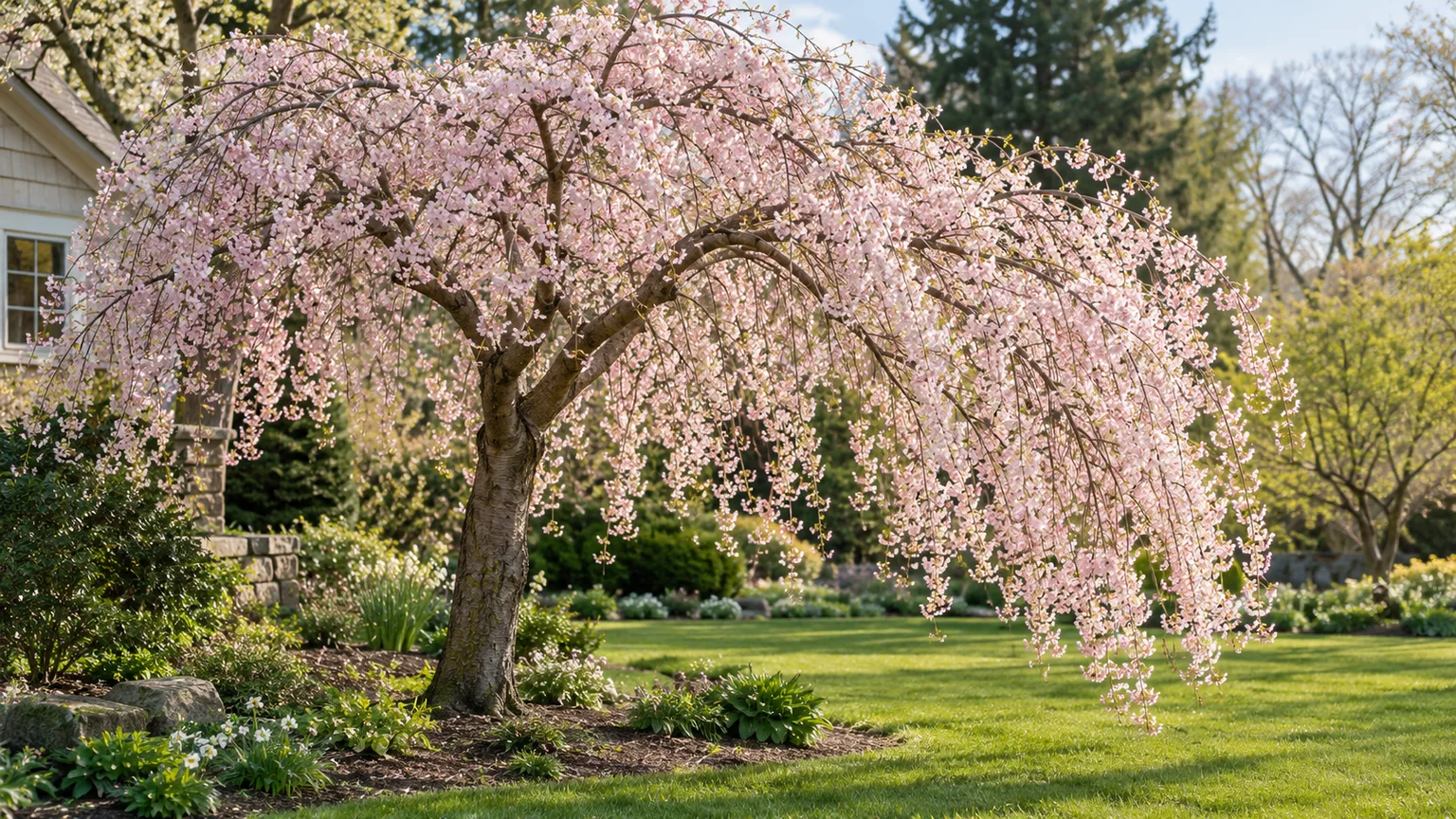
Flowering cherries are a separate group of ornamental Prunus; bloom clusters and timing vary by species and cultivar.
Choose a cultivar for your climate and garden
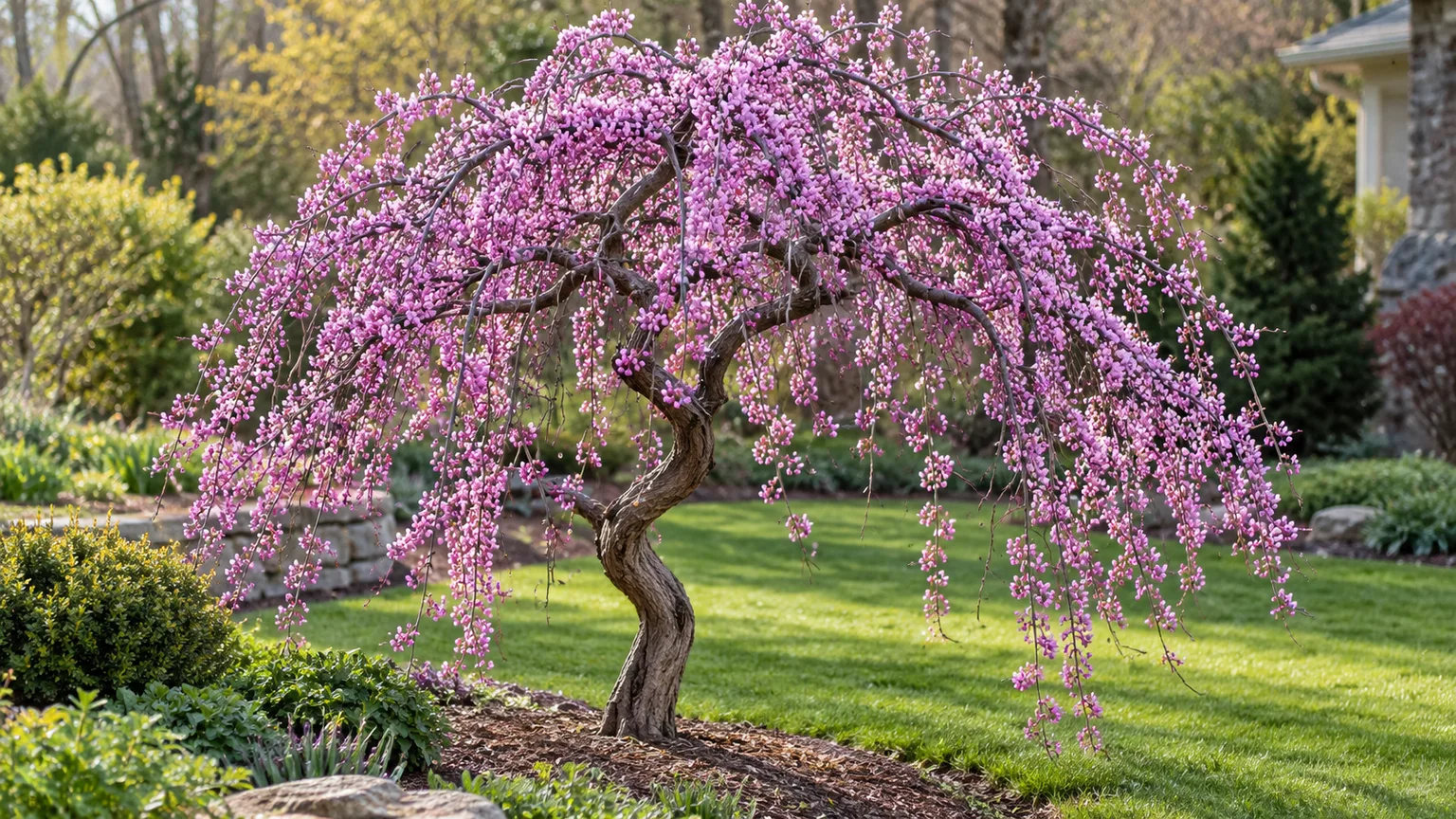
Select for bloom color, fragrance, form, and local performance, not just a nursery photograph. Some cultivars are upright, some spread broadly, and others are weeping; double flowers can look lush, while single flowers may show the branches more clearly. The JC Raulston Arboretum lists selections such as ‘Peggy Clarke’ for double pink flowers and ‘W.B. Clarke’ for a weeping habit, and it notes that its trialed material has performed well in much of the Southeast and reliably into Zone 6 gardens.
Treat cultivar descriptions as a starting point rather than a guarantee. NC State lists the species for USDA Hardiness Zones 6a through 9b, but hardiness-zone rating describes typical winter minimums, not the safety of flowers that open during a warm spell and meet a late freeze. A cultivar that survives winter may still lose a particular season’s display to frost. Ask whether the nursery-grown selection has flowered reliably in gardens with winters like yours, and check the plant’s expected height and spread before choosing its location.
For a small lot, measure the mature canopy before planting. A weeping selection may have a different visual reach than a rounded tree, but it still needs room for its branches and roots; do not count on repeated hard pruning to keep an oversized cultivar in a tight space. If you want fruit as well as flowers, confirm fruiting behavior and whether another compatible selection is useful in your region rather than assuming every ornamental form will crop heavily.
Give it a site that protects early blossoms
Aim for full sun if the site allows it. NC State says Prunus mume tolerates partial shade but reports best flowering in a sunny, protected location; a spot with less sun may keep the tree alive while giving you fewer flowers and a looser crown. In regions with intense summer heat, partial shade can be a reasonable compromise, but avoid deep shade and avoid sacrificing drainage for shelter.
Because flowers open when freezes are still possible, exposure matters. Prefer a place protected from drying winter winds and avoid a low pocket where cold air settles; a warm wall can also encourage earlier flowering, so it may not be ideal in a frost-prone garden. No microclimate can guarantee an undamaged winter display, but a sheltered position and a locally proven cultivar improve your odds. NC State specifically recommends a protected planting site because winter cold can injure flowers and fruit.
Leave enough space for air to move through the mature canopy and for you to inspect, mulch, and prune the tree. A position beside a path or patio can make the winter fragrance easier to enjoy, but consider falling fruit if the tree will be over a heavily used walkway. Keep it away from places where pets regularly chew fallen plant material.
Light, exposure, and cold pockets
Observe the site at different times of day before planting. Six or more hours of direct sun is a useful target for the strongest flowering, while a few hours of shade can be tolerated; buildings and evergreens may cast longer shadows in winter than they do in summer. A site that gets morning sun and protection from strong wind is often a practical balance.
Do not confuse wind shelter with a sealed, damp corner. Stagnant air and wet foliage can make disease management harder, and soggy soil is more damaging than a bit of open exposure. Choose an open, drained position with a windbreak or nearby structure that does not trap moisture around the trunk.
Planting and establishment
Plant in a cool season when the soil is workable and the tree is not in active bloom or heat stress. A container-grown tree can often be planted outside that window if you can water consistently, but avoid setting it out during frozen, waterlogged, or very hot conditions. Before digging, confirm the mature canopy dimensions and check for buried utilities.
Dig a broad hole no deeper than the root ball. Loosen circling roots at the edge, set the root flare at or just above surrounding grade, and backfill with the soil you removed so the tree adjusts to the native ground rather than sitting in an amended pocket. Water slowly to settle air gaps, then spread a modest layer of organic mulch over the root zone while keeping it pulled away from the trunk.
During the first growing season, check soil moisture every few days in hot or windy weather and less often during cool, rainy periods. Water deeply when the root ball and nearby soil begin to dry, rather than giving frequent shallow splashes that wet only the surface. A newly planted tree needs attention even if a mature specimen can tolerate a brief dry spell; roots have not yet spread far enough to search for moisture.
Soil and drainage
Prunus mume prefers moist, well-drained soil with good organic matter; NC State describes a preference for loamy, acidic soil. The important practical combination is steady moisture without water standing around the roots. Heavy clay that remains saturated after rain, a compacted planting strip, or a low spot with a high water table can cause chronic stress even if you water carefully.
Check drainage before planting by observing how quickly water disappears after a soaking rain or by testing the soil where the root zone will sit. If water remains for a long time, choose a better location or seek local advice about improving the site; adding a thin layer of gravel at the bottom of a hole does not solve poor drainage and can create a perched water zone. Do not dig a small, rich “bathtub” of compost into dense clay and expect the roots to stay healthy.
If leaves look pale or growth is weak, do not assume the soil needs acidifying. Start with a soil test through your local extension service, especially if you plan to change pH or add fertilizer. A test helps separate a real nutrient or pH issue from drought, waterlogging, root damage, or a disease problem and reduces the risk of adding amendments the tree does not need.
Water without keeping roots wet
Keep a young tree evenly moist while it establishes, then water according to weather and soil rather than a fixed weekly rule. Insert a finger or small trowel a few inches into the root zone; if the soil is dry there, water slowly and deeply so moisture reaches the developing roots. If the soil is still cool and damp, wait and check again instead of adding more water.
During prolonged summer heat or dry wind, a mature tree may need supplemental watering, particularly if it is growing in sandy soil or near pavement. Water the ground around the canopy’s root zone, not just against the trunk, and give it time to soak in. A gentle, thorough watering is more useful than a quick sprinkle that evaporates before it reaches the roots.
Yellowing leaves can occur after drought stress, but more water is not always the answer. If the soil is already wet, irrigation may worsen root stress; inspect drainage and look for other symptoms before changing the routine. Mulch can buffer moisture swings, but keep it a few inches from the bark so it does not hold moisture against the trunk.
Fertilize by growth, not by habit
Do not feed every plum blossom tree on a calendar just because it is spring. If the tree has healthy leaf color, normal shoot growth, and no evidence of a nutrient problem, extra fertilizer may be unnecessary; abundant leafy growth is not the same thing as abundant flowers. A soil test and a clear growth concern should guide feeding more than a generic “flowering tree” product label.
If a test or local extension recommendation identifies a need, apply a balanced fertilizer at the labeled rate and timing for trees in your region. Gardenia’s species guide describes a light spring application, but the right choice depends on soil, tree age, and vigor; avoid piling fertilizer against the trunk or guessing at a dose. Do not add high-nitrogen fertilizer to force growth when the real problem may be shade, wet soil, or buds lost to frost.
Prune at the right time
Prunus mume flowers on wood produced during the preceding growing season. That makes timing especially important: pruning before bloom can remove the buds you have been waiting through winter to see. For routine shaping, wait until flowering ends, then make selective cuts while you can see which branches bloomed and which parts of the canopy need attention.
Start by removing dead, broken, crossing, or poorly placed branches. Make cuts just outside the branch collar, where the branch meets the trunk or a larger limb, and keep the natural outline rather than shearing the canopy into a ball. Avoid topping the tree or shortening every branch by the same amount; heavy cuts can create crowded shoots and remove next season’s flowering wood.
If you need to reduce size, work gradually over more than one year and preserve a balanced framework. Remove a few whole branches back to a suitable lateral rather than cutting every tip, and stop if the tree’s structure would require large, repeated wounds. A cultivar that routinely outgrows its space is better replaced with a better-sized selection than kept small through severe annual pruning.
Routine shaping after flowering
For a light annual tidy-up, wait until the last flowers fade and before the new shoots have matured. Remove only what the tree needs: a dead limb, a branch rubbing another, a low shoot that obstructs a path, or a crowded interior branch that blocks air and light. Leave healthy young shoots in place because they can carry the next cycle of flowers.
If you do not know whether a branch is dead, wait until buds begin to swell or scratch a tiny spot of bark away from the tip; green tissue below the bark suggests it is alive. Avoid pruning in late fall or winter simply because the tree is leafless, since that can cut off flower buds before they open. Clean, sharp tools make controlled cuts easier and reduce crushed tissue.
Disease cuts in a dry summer window
Routine shaping after bloom and removing disease are different jobs. If you see sunken, dark areas in the bark, oozing, dead shoots, or expanding lesions, take a clear photo and ask a local extension office or qualified arborist to help confirm the cause before making major cuts. Bacterial canker affects many Prunus species, but symptoms can overlap with other problems.
The RHS recommends pruning infected Prunus tissue in July or August in its UK guidance, when tissues are more resistant, and cutting back to healthy wood; the exact calendar does not transfer unchanged to every climate. Follow regional extension advice for your location, prune during dry weather when advised, and remove infected prunings from the site rather than composting them. See the RHS bacterial canker guidance for the distinction between disease work and ordinary shaping.
Propagate with the right method
If your goal is a named cultivar with predictable flower color and form, buy a grafted plant from a reputable nursery. Seedlings are genetically variable and may not match the parent tree; they can take several years to flower, and a seedling raised for ornamental bloom is not a shortcut to an identical ‘Peggy Clarke’ or weeping selection. Ask the nursery which rootstock supports the cultivar and how large the grafted tree is expected to grow.
Cuttings can preserve a cultivar’s traits, but success depends on timing, shoot maturity, and aftercare. The JC Raulston Arboretum describes softwood cuttings taken in late May through July as a possible method and notes that rooted plants may grow more slowly than grafted trees. That is useful guidance for an experienced propagator, not a guarantee that every cutting will root; use a clean, sterile medium, stable moisture, and bright indirect light if you try it.
Grafting is the usual route for producing a selected form at scale and may explain why nursery specimens are often more readily available as grafted trees than as own-root plants. If the tree sends up shoots from below a graft, identify where they emerge before cutting: rootstock suckers can grow differently from the chosen cultivar and should generally be removed at their point of origin. Do not confuse a below-graft shoot with a branch of the flowering top.
Grow from seed with realistic expectations
Seed propagation is a patient experiment, not a reliable way to clone a favorite flowering tree. Collect mature fruit when it has ripened, remove the fleshy coating, and keep track of which parent supplied the seed. Gardenia’s species guide describes cold stratification for roughly 90 days in a slightly moist medium before sowing; treat that as a starting point rather than an exact guarantee because seed maturity and germination conditions vary.
Use a clean pot with drainage and a free-draining seed mix. Keep the medium lightly moist, not saturated, and label the pot with the species and date; check it periodically so you can pot up a seedling if it emerges. Do not leave a sealed, wet bag forgotten in the refrigerator, where mold or rot can destroy the seed.
Once seedlings have several true leaves and can be handled, grow them on in bright light while protecting them from drying out. Harden them gradually before planting outdoors, and choose a permanent site only after considering the adult tree’s size. Expect variation in bloom time, flower form, fragrance, and fruit, and do not promise yourself a particular color based on the parent plant.
Understand bloom timing and weak flowering
The flowers usually arrive before the leaves, but “winter flowering” is not one fixed date. In one garden a cultivar may open in January; elsewhere or in another year it may wait until late February or March. NC State and the JC Raulston Arboretum report different but overlapping ranges, which reflects regional and cultivar variation rather than a universal calendar.
If a tree is not flowering, check likely causes in this order. First, ask whether you pruned it before it bloomed or removed many young shoots; that can directly remove buds on previous-year wood. Next, assess sun exposure, the tree’s age and establishment, and whether a late freeze damaged buds after a warm spell. A newly planted tree may need time to settle before it produces a strong display.
Then verify the cultivar and its local hardiness. A tree can survive in a zone yet flower unreliably if the winter pattern is unsuitable or early blooms are repeatedly frozen. If the plant has abundant leaves but few flowers, avoid reflexively feeding it more nitrogen; review pruning records and light first. If flowers open and then brown, note the weather and inspect for frost damage before treating for a disease.
For future seasons, keep a simple bloom log: first bud, peak bloom, last flower, and any hard freeze during that window. This helps you learn the tree’s actual local calendar and identify whether the problem is pruning, climate, or a tree that has not yet matured. When choosing a replacement or adding a second tree, share those observations with a local nursery or extension office.
Identify pests and diseases early
Most problems are easier to manage when you identify them before applying a treatment. NC State lists aphids, scale, borers, spider mites, and tent caterpillars among possible pests; it also identifies bacterial canker, honey fungus, silver leaf, and brown rot as diseases to watch for. Inspect both sides of leaves, young shoots, branch unions, and the trunk, and note whether symptoms appear on one branch or across the whole canopy.
Aphids cluster on soft growth and may leave curled leaves or sticky honeydew; scale appears as small attached bumps on stems or branches. Tent caterpillars make visible silk nests and consume leaves, while borer damage can be harder to see and may require a closer look at holes, frass, or declining branches. Spider mites are tiny, so stippling and fine webbing in hot, dry weather are often more noticeable than the insects themselves.
For disease, sunken bark lesions, ooze, and rapid shoot dieback raise concern for canker; brown, rotting blossoms or fruit may point to blossom or fruit rot; a silvery leaf sheen with branch decline can be associated with silver leaf. Root problems often show as general decline, especially where drainage is poor. These signs are clues, not a definitive diagnosis, so compare them with regional extension guidance before treatment.
Start with low-risk steps: remove fallen diseased fruit or leaves when advised, water at the soil rather than wetting foliage late in the day, and avoid injuring the trunk with mowers or string trimmers. Do not spray an insecticide or fungicide “just in case”; products vary by pest, disease, and location, and labels govern their use. If the canopy is declining or a trunk lesion is spreading, send photographs and a short symptom history to your local Extension office or consult an arborist.
Troubleshoot yellow or brown foliage
Yellow or brown leaves are symptoms, not diagnoses. Start with the pattern: Are older leaves affected first or new leaves? Is discoloration uniform or spotted? Does it occur on one branch, the whole tree, or only the side facing afternoon sun? These distinctions help separate moisture stress from leaf disease, root trouble, or a damaged branch.
Check soil moisture several inches below the surface before you change watering. Dry soil after a hot spell suggests the tree may need a deep soak; wet, sour-smelling soil or standing water points the other direction and calls for checking drainage. If symptoms began after planting, look for a buried root flare, a root ball that dried out, mulch against the trunk, or a planting hole that holds water.
Look at the wood when leaves brown on one limb. Dead tips, sunken cankers, oozing, or progressive dieback need more attention than a few older leaves yellowing near the end of the season. Small leaf spots can have multiple causes; photograph them, note when they began, and seek local diagnosis if they spread quickly or recur each year.
Do not fertilize a stressed tree until you know whether the roots can take up nutrients. Extra fertilizer will not repair drought damage, waterlogged soil, or infected bark, and it may add more stress. Correct the site or watering issue first, then use a soil test to decide whether a nutrient amendment is justified.
Fruit, pets, and everyday garden safety
Fruit can follow the flowers, but the tree is grown primarily for ornamental bloom in many North American gardens. The small fuzzy drupes ripen in summer and are typically sour or bitter; their presence may also mean fallen fruit to pick up beneath the canopy. If you want to use fruit in cooking, follow a tested food-preparation source for ume rather than treating it as a sweet plum to eat straight from the tree.
Protect pets from chewing the plant. NC State Extension lists the leaves, stems, and seeds as toxic to dogs, cats, and horses if ingested, so remove fallen fruit and keep pruning debris out of reach. If an animal eats plant material, contact a veterinarian or animal poison-control service promptly with the plant name and an estimate of what was eaten; do not wait for symptoms to appear.
When pruning or clearing fallen material, wear gloves and use clean, sharp tools. Keep mulch away from the trunk, avoid bark injuries, and dispose of confirmed diseased branches according to local guidance. Those small habits reduce preventable stress and make it easier to spot changes in the tree before they become large problems.
Conclusion
Prunus mume rewards a little planning with flowers at a time when the garden is often bare. Give it room to reach its cultivar’s mature size, choose sun and well-drained soil, shelter it from harsh exposure, and keep a young tree evenly moist while it establishes. These basics matter more than a complicated fertilizer routine.
The care detail that most affects next winter’s display is pruning time. Because flower buds form on the previous season’s growth, do routine shaping after bloom; handle suspected disease pruning as a separate, locally timed task. Choose a cultivar known to perform in your climate, watch for frost and drainage problems, and you will have a much better chance of enjoying fragrant blossoms year after year.