13 Biennial Plants for a Two-Year Garden
Discover 13 biennial plants, from foxglove to sweet William, plus timing, care, self-sowing, and safety notes for a dependable garden display.
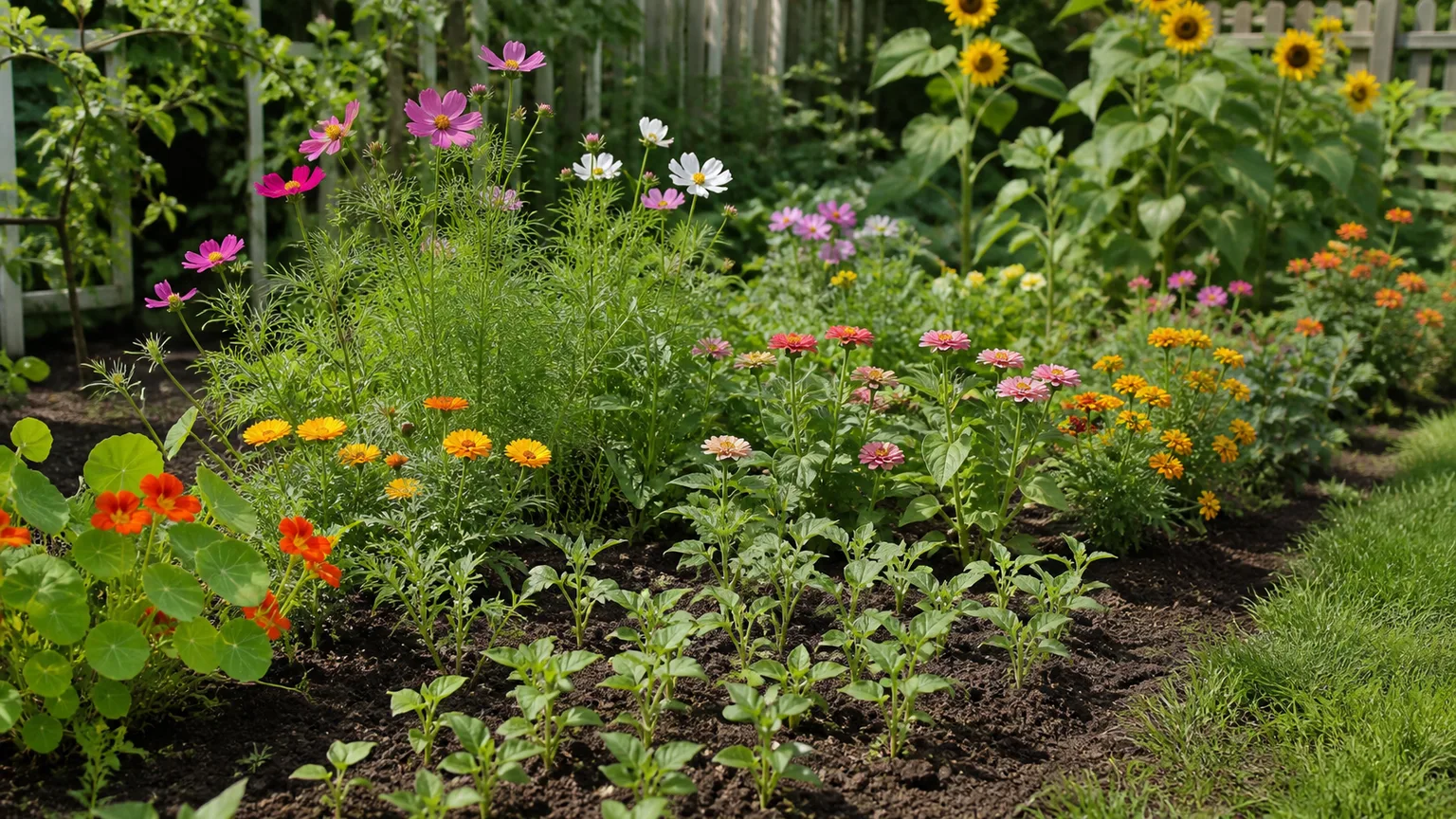
Biennial plants are easy to misunderstand because “two years” describes the plant’s life cycle, not two identical years of flowers. In the first growing season, a biennial usually makes a low rosette of leaves, stores energy in its roots, and prepares for winter. After a cold period, it sends up a flowering stem in the second season, sets seed, and usually dies.
That slower rhythm is useful rather than inconvenient. A bed of biennials can give you sturdy foliage one year, a dramatic bloom spike the next, and a new generation of seedlings behind it. The trick is to sow or plant a small batch every year so different age groups overlap. The Royal Horticultural Society explains the biennial life cycle as a two-season sequence, while Oregon State University Extension emphasizes that many garden biennials can be maintained through reseeding.
What “biennial” means in a real garden
A biennial needs all or part of two growing seasons to complete its biological program. It grows leaves and roots in year one, survives winter as a rosette or dormant crown, then flowers and produces seed in year two. The exact calendar depends on sowing date, temperature, latitude, and the individual cultivar.
This is different from an annual, which completes its cycle in one season, and a perennial, which normally survives to flower in multiple years. A biennial may appear perennial in a garden when it drops seed freely, because new first-year seedlings replace plants that have finished. The bed returns; the original plant generally does not.
Cold is part of the story for many biennials. A warm spell or very early sowing can make a plant behave like an annual and flower prematurely, while a mild climate may let a rosette stay green through winter. Treat the labels “annual,” “biennial,” and “short-lived perennial” as useful tendencies, not guarantees for every location.
How to plan bloom years instead of waiting blindly
The most reliable approach is succession sowing. Sow one group in early summer for next year’s flowers, then sow another group the following year. Keep a few plants from each batch and remove only the seedheads you do not want; this creates a rolling pipeline of rosettes, flowering plants, and seedlings.
The first-year rosette is the plant doing its job
First-year foliage can look unimpressive beside annuals. A foxglove may be a flat, fuzzy green circle; a hollyhock may be a broad cluster of leaves close to the soil; sweet William may look like a small clump with no hint of its later flower heads. Mark these plants with a discreet label so they are not pulled as weeds during fall cleanup.
Give rosettes consistent moisture while roots establish, but do not keep heavy soil saturated. A light mulch moderates temperature and protects the crown, yet a thick wet blanket against the leaves can encourage rot. In cold regions, the goal is steady growth before winter, not lush late-season fertilizer.
Self-sowing is not the same as living forever
Allowing seed to mature is how many biennials “come back.” It is also how a tidy border can become crowded. Start with a few seedheads, watch where seedlings land, and thin or transplant them while young. The University of Wisconsin–Madison Extension recommends treating self-seeding as a management choice: useful for naturalistic planting, but not a substitute for knowing whether a plant is invasive in your region.
For plants such as Queen Anne’s lace, burdock, and common mullein, check local invasive-plant lists before encouraging them. Cut seedheads before they dry if you want to contain a plant, and never collect seed from a roadside population where identity and herbicide exposure are uncertain.
13 biennials worth growing
The following choices cover shade, sun, cut flowers, wildlife gardens, cottage borders, and unusual seedheads. Zones are broad guides; your local extension service and the seed packet should win when they differ.
Forget-me-not
Woodland forget-me-not (Myosotis sylvatica) is a small, cool-season biennial that earns its place at the front of a border. It forms a soft green mound, then produces clouds of tiny blue flowers with yellow centers in spring. Pink and white forms are available, and the plant handles full sun in cool climates or partial shade where summers are hot.
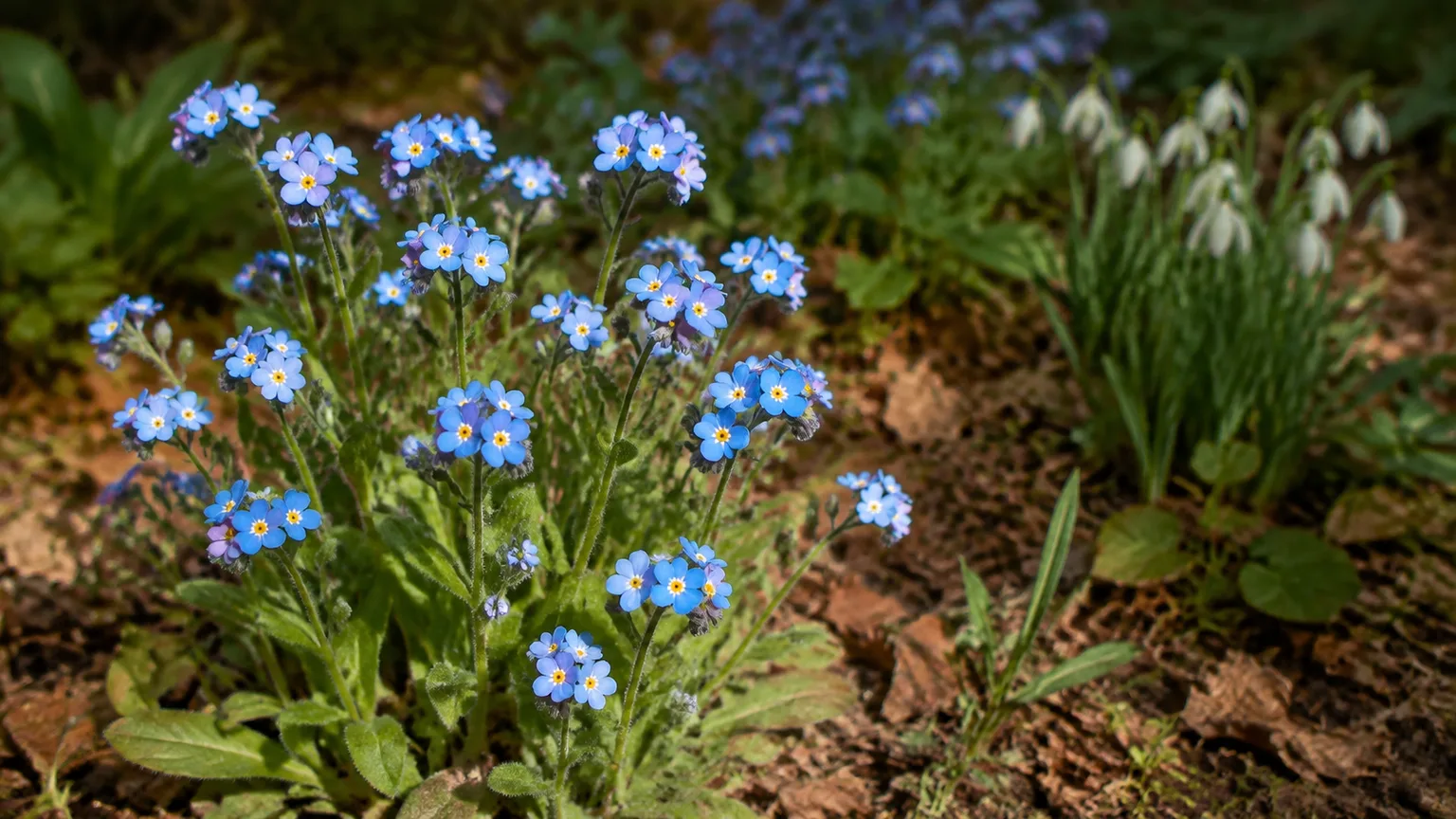
Sow in midsummer for bloom the following spring, or let a few flowers mature and scatter seed. Its small stature makes it useful beneath taller biennials, but it dislikes drought and tends to look ragged once hot weather arrives. Pull spent plants where you want a crisp edge; keep a few seed-bearing stems elsewhere.
Sweet William
Sweet William (Dianthus barbatus) is one of the best choices when you want a biennial that also behaves like a cut flower. Flat-topped clusters arrive in rich reds, pinks, purples, whites, and bicolors, often with a spicy fragrance. The plant prefers sun, sharply drained soil, and regular moisture during establishment.
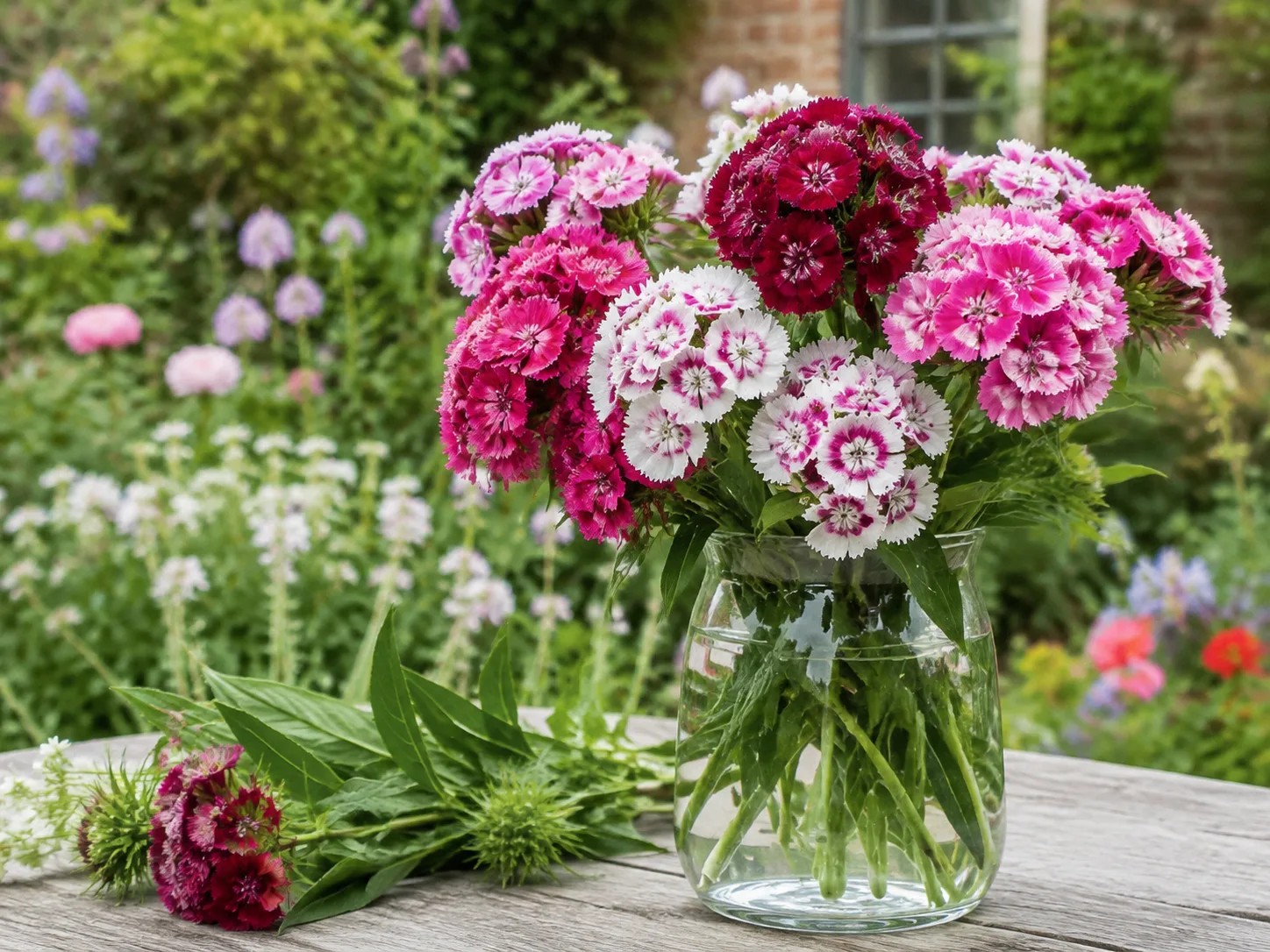
Start seed in late spring or early summer for next year’s flowers. Deadhead some clusters for a longer display, but leave others to mature if you want seedlings. In humid areas, give plants air movement and avoid wetting the foliage late in the day; dense clumps can decline before they reseed.
Foxglove
Common foxglove (Digitalis purpurea) is the vertical exclamation point of a shade or woodland border. Its second-year flower spikes carry tubular blooms that attract bees, while the first-year rosette quietly fills the ground. It prefers rich, well-drained soil with morning sun or bright partial shade.
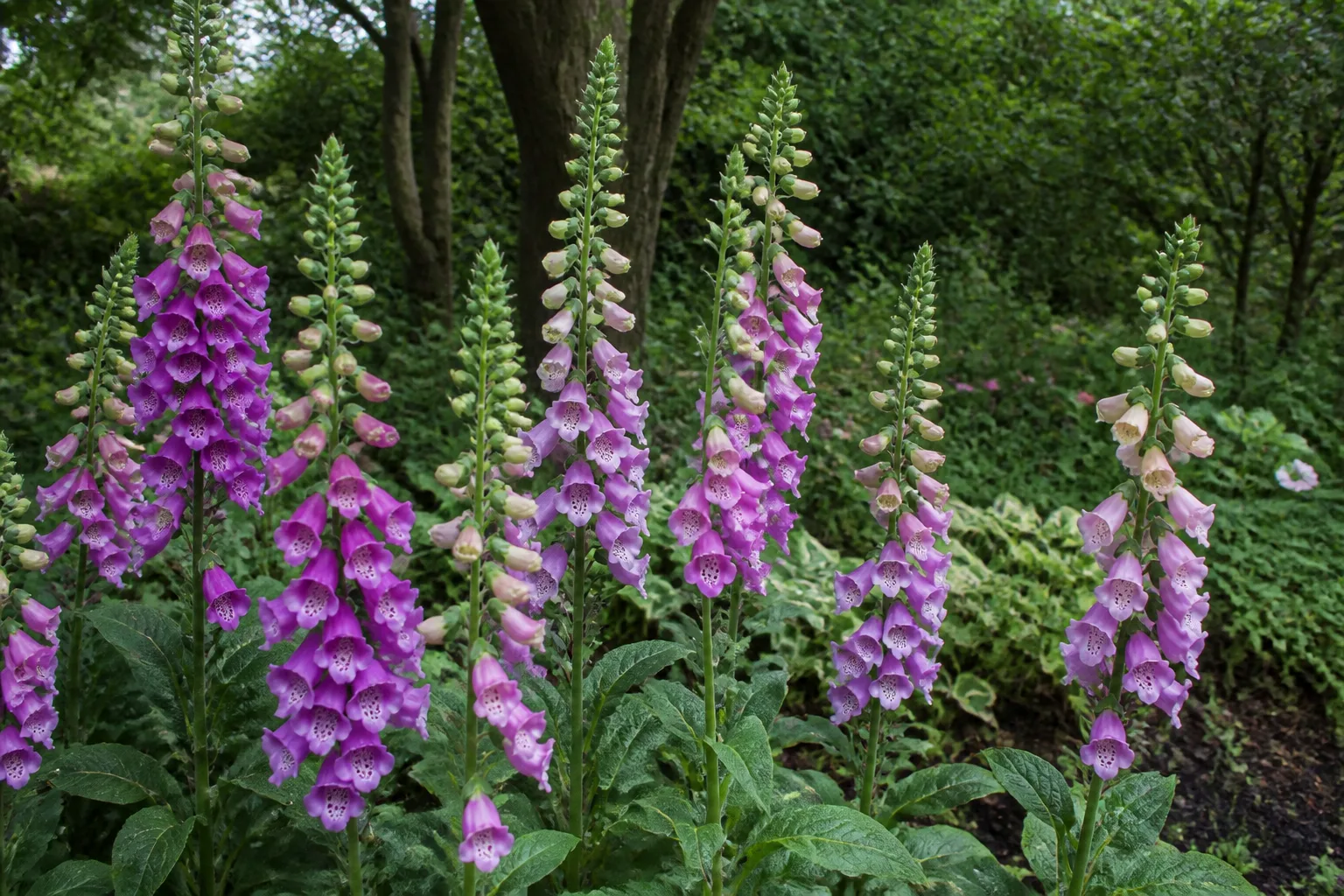
Foxglove is also a plant to place deliberately. The ASPCA lists foxglove as toxic to dogs, cats, and horses, and all parts contain cardiac glycosides. Wear gloves if handling a large amount of plant material, keep it away from pets and children who may chew leaves, and do not use it in edible or accessible play spaces. Let a few safe, well-positioned spikes shed seed, then cut the rest after flowering.
Silver dollar plant
Silver dollar plant, or honesty (Lunaria annua), offers two seasons of interest: purple, pink, or white flowers followed by translucent, coin-shaped seed pods. The pods are especially valuable in dried arrangements, but they also make the plant easy to recognize after the flowers fade. Give it sun to partial shade and soil that drains without drying immediately.
Sow in spring or early summer for flowering the following year. Thin seedlings early because honesty can make a broad colony in loose soil. To harvest the papery pods, wait until the outer husk dries, then rub it away carefully to reveal the pearly disc.
Hollyhock
Hollyhocks (Alcea species and hybrids) are classic back-of-border biennials, often reaching five to eight feet with flowers stacked along tall stems. They need full sun, deep soil, and enough elbow room that their lower leaves can dry after rain. A fence or wall can provide shelter, but do not crowd them into a stagnant corner.
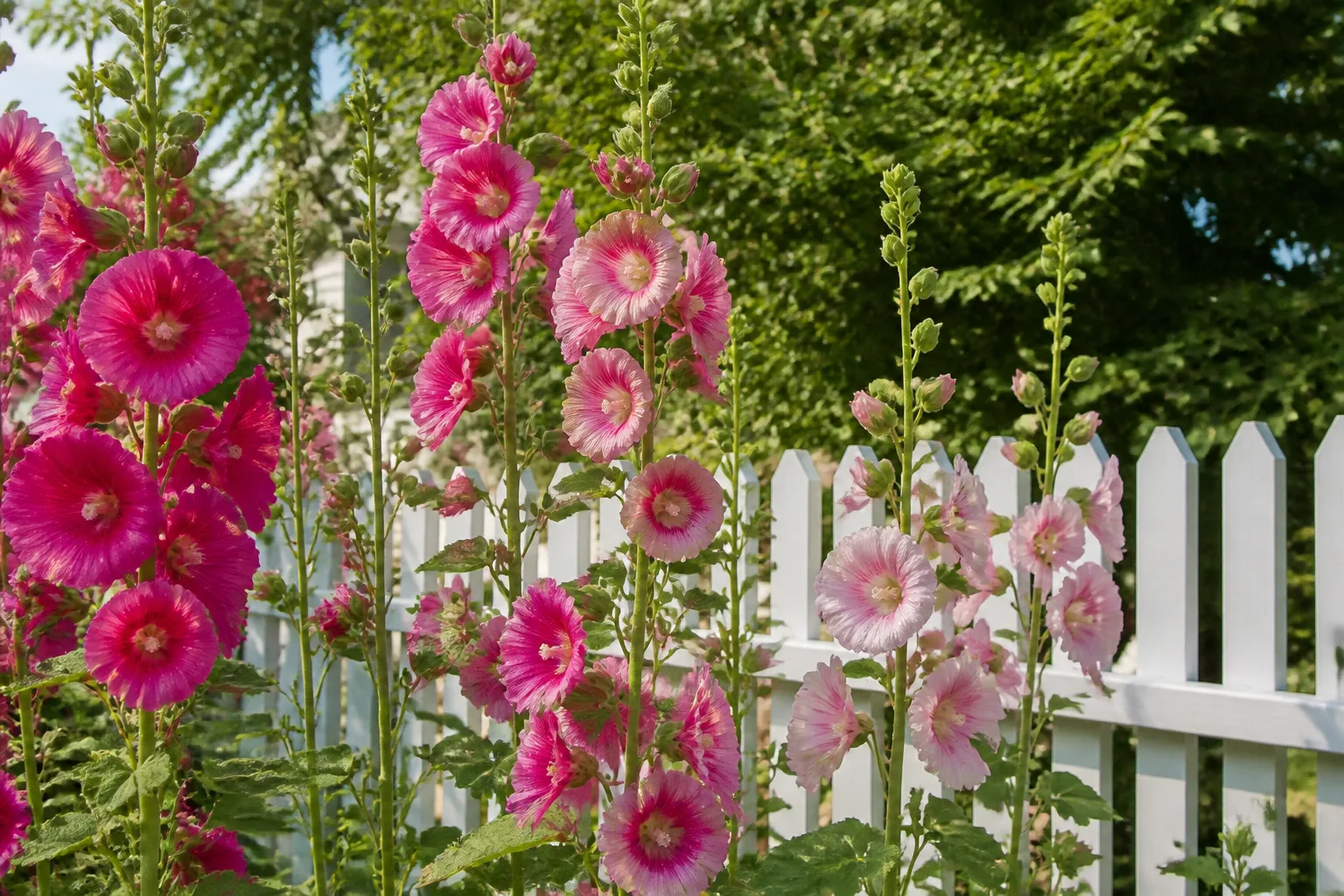
Rust can mark the leaves, especially in humid weather. Improve airflow, water at the base, and remove badly infected foliage rather than spraying indiscriminately. Allow some lower pods to ripen for seedlings, but thin volunteers so the border does not become a wall of leaves.
American bellflower
American bellflower (Campanula americana) is a tall eastern North American wildflower for a moist meadow edge, rain garden margin, or informal border. Blue to lavender starry bells appear along branching stems, and pollinators use the flowers. It appreciates moisture and light shade but can take sun when the soil does not dry quickly.
Unlike a compact bedding plant, this bellflower looks best woven through grasses and other upright perennials. Sow fresh seed where you want it to grow, because it often reseeds more readily than it transplants. Cut a few stems before seed forms if you need to limit spread.
Garden angelica
Garden angelica (Angelica archangelica) is a bold, architectural herb with a first-year rosette and a second-year flowering stalk that can rise several feet. The green foliage and large rounded umbels bring a strong structural note to a damp herb garden or back border. It prefers rich, moist soil and sun to partial shade.
Angelica is not a casual edible garnish. Plant identity matters, and sap from some members of the carrot family can irritate skin in sunlight. Grow it as an ornamental unless you are following a reliable culinary reference for the exact species and handling. Remove the flowering head after seed ripens if you want to prevent a dense stand.
Canterbury bells
Canterbury bells (Campanula medium) produce upright stems lined with large bell-shaped flowers in blue, pink, white, or purple. They are especially effective in cottage borders and containers where the second-year bloom can be seen at eye level. Full sun or light shade and evenly moist, well-drained soil keep stems sturdy.
Sow in late spring or early summer, then transplant young seedlings before the root system becomes crowded. The plant may flower early after a stressful season, but a normal first year is mostly foliage. Leave a few pods to dry for a self-renewing patch and cut the remainder for a cleaner finish.
Pink evening primrose
Pink evening primrose (Oenothera berlandieri ‘Siskiyou’) is a low, spreading biennial or short-lived perennial that suits a sunny, dry edge. Its pale flowers open toward evening and can glow against silver foliage or gravel. The plant is more forgiving of lean soil than many cottage flowers, provided drainage is good.
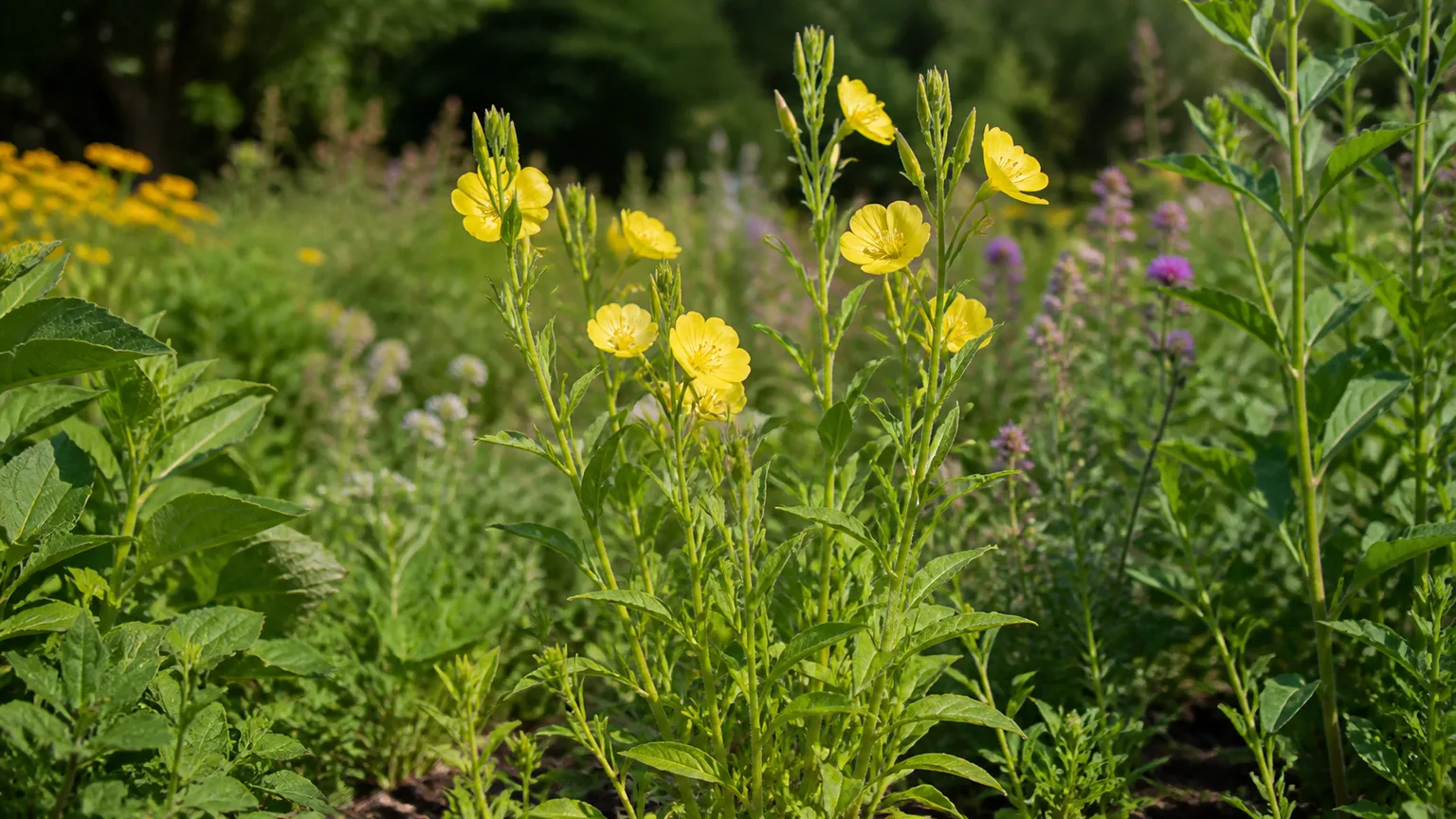
Give it space to wander rather than treating it as a tight clump. In rich, irrigated beds it may grow floppy or spread farther than expected. Trim after flowering if you want to contain it, or leave a few seed capsules for a relaxed planting.
Black-eyed Susan
Black-eyed Susan (Rudbeckia hirta) is often sold as an annual or perennial, but it commonly behaves as a biennial in gardens. It makes a basal rosette, blooms in summer with golden rays around a dark cone, and drops seed readily. Full sun produces the strongest stems, although the plant tolerates a range of soils.
The useful distinction is not the label on the packet but the behavior in your bed. If you want a steady display, sow or transplant a few plants every year instead of expecting one clump to last. Leave seed cones for birds in winter, then thin seedlings in spring where they crowd neighboring plants.
Common mullein
Common mullein (Verbascum thapsus) forms a dramatic silver-green rosette in year one and a tall yellow flower spike in year two. Its woolly leaves bring texture to gravel gardens and dry slopes, and the flower stalk can become a perch for insects. It wants sun and excellent drainage and is a poor choice for constantly wet clay.
Mullein is also a plant to evaluate locally. It can spread aggressively in disturbed ground, so do not encourage it near natural areas without checking regional guidance. Cut the stalk before capsules open if you want one specimen rather than hundreds of seedlings.
Queen Anne’s lace
Queen Anne’s lace (Daucus carota) has finely divided foliage and airy white umbels that soften a meadow planting. It is a biennial member of the carrot family and flowers in the second season, often from midsummer into fall. The flat flower heads work beautifully with grasses and late-season perennials.
Its romantic appearance should not obscure its management issue: the plant naturalizes readily and is considered invasive in some regions. USDA’s PLANTS database is a useful starting point for checking distribution, while local extension offices can clarify state-specific concern. Do not confuse it with poison hemlock; never identify wild carrot from a photograph alone, and avoid eating volunteer roots.
Common burdock
Common burdock (Arctium minus) is the least conventional choice here, included for gardeners who value wildlife texture and bold forms rather than tidy borders. The first-year plant makes a broad rosette; the second-year stalk carries purple thistle-like heads that mature into clinging burs.
Burdock needs substantial space and should not be planted beside paths, clothing lines, or dog runs. Its burs travel easily, and its deep root makes removal harder after establishment. If you grow it at all, deadhead before burs mature and treat it as a contained observation plant, not a carefree cottage-garden filler.
A low-effort care plan for biennials
Choose the site before sowing. Match moisture and light to the plant, loosen compacted soil, and reserve the back of the border for tall second-year stems. A simple calendar helps: sow in late spring or summer, label the rosettes, mulch lightly before winter, remove diseased foliage, and thin volunteers as soon as their true leaves are easy to identify.
Do not fertilize first-year plants heavily just to make them look large. Excess soft growth can be more vulnerable to winter damage, while a steady root system is the real objective. Water deeply during establishment, then adjust to the plant’s mature tolerance; foxglove and angelica want more consistent moisture than mullein or evening primrose.
When a biennial fails to flower, check the timeline before blaming the soil. A plant sown too late may simply need another season; one exposed to drought, extreme heat, browsing, or a hard winter may have lost its flowering crown. Premature flowering usually points to stress, an unusually mild winter, or an early sowing—not proof that the seed packet was wrong.
The most dependable design uses repetition. Plant one group this year, another next year, and keep a few seedheads from each flowering group. That turns a one-time biennial spectacle into a succession of rosettes, flowers, and seed capsules without pretending the original plant is immortal.
Conclusion: let the second season be part of the design
Biennial plants reward gardeners who can see beyond instant color. Their first season builds the machinery for the next one, and their seed often creates the continuity that makes a border feel established. Choose a few reliable forms—sweet William for bouquets, foxglove for height, forget-me-not for spring, hollyhock for drama—then add them to the garden on a staggered schedule.
Keep the biology in view, manage self-sowers before they become a problem, and research safety or invasive status for plants that can spread or cause harm. Once you treat the quiet rosette as progress rather than failure, two-season plants become one of the easiest ways to build a garden with rhythm.