How to Grow and Care for Black-Eyed Susan Vine
Grow black-eyed Susan vine (Thunbergia alata) with sun, trellis support, steady moisture, and smart fertilizing. Seed, cuttings, overwintering, and spread control explained.
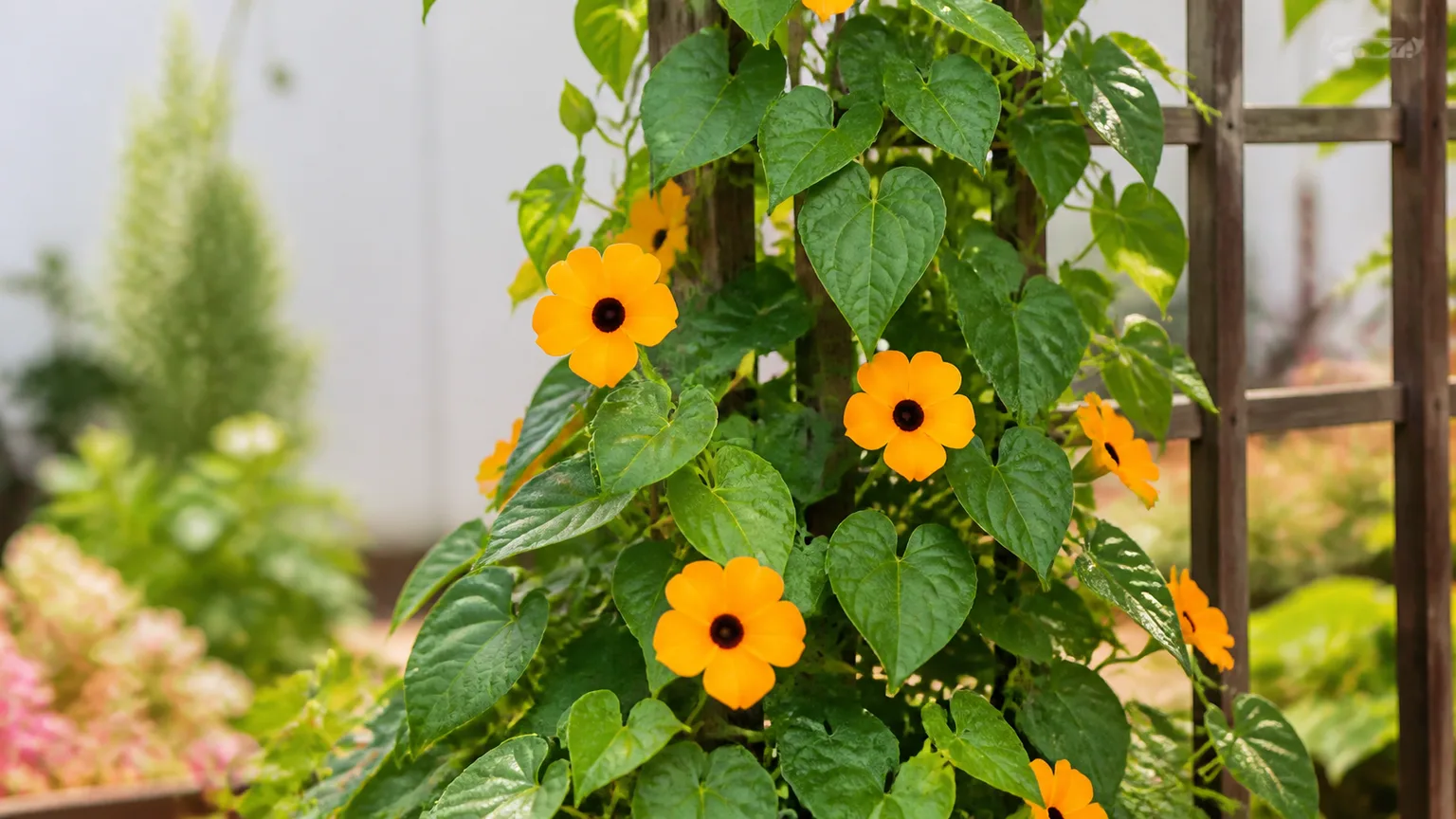
Black-eyed Susan vine (Thunbergia alata) is a twining tropical climber with trumpet-shaped flowers and a dark central “eye.” Gardeners love it for speed, long bloom season, and flexibility on trellises, fences, and hanging baskets. Its common name invites confusion with black-eyed Susan (Rudbeckia hirta), a completely different native perennial. Knowing which plant you have matters before you choose a site, a pot size, or a winter plan.
Thunbergia alata belongs to the Acanthaceae family and is native to tropical and southern Africa and Madagascar. In USDA zones 10a through 11b it can behave as a tender evergreen or short-lived perennial. Everywhere else it is usually grown as a frost-tender annual, replaced each year or overwintered from cuttings or containers. NC State Extension describes it as a showy tropical vine best treated as an annual in most gardens, with excellent pollinator value for bees, butterflies, and hummingbirds.
Black-Eyed Susan Vine vs. Rudbeckia: Know the Plant First
The name overlap causes real mistakes at the garden center. Rudbeckia hirta is a upright to mounding herbaceous plant with ray petals around a central cone. Thunbergia alata is a twining vine with soft, hairy, heart-shaped to triangular leaves and fused petals forming a tube around a dark throat. Flowers are typically 1 to 1½ inches across with five petal lobes, in orange, yellow, white, apricot, or mixed tones depending on cultivar.
Stems climb by twining, not by adhesive pads or tendrils. That means the vine needs something slender enough to wrap around: mesh, string, wire, or narrow trellis members. It will not cling to smooth walls the way ivy does. If you expected a self-attaching climber or a daisy-shaped perennial, you have the wrong plant.
Quick facts at a glance
| Trait | Black-eyed Susan vine (Thunbergia alata) |
|---|---|
| Plant type | Twining vine; tender perennial or annual |
| Mature size | About 3–8 ft tall, 3–6 ft wide in one season |
| Sun | Full sun to partial shade |
| Soil | Rich, well-drained, high organic matter |
| Bloom | Spring through fall; peak often after hottest midsummer |
| Hardiness | USDA zones 10a–11b as perennial |
| Propagation | Seed, stem cuttings |
| Wildlife | Nectar for bees, butterflies, hummingbirds |
| Caution | Can reseed; check invasive status in warm regions |
Where Black-Eyed Susan Vine Grows Best
Site selection is less about finding a “perfect” corner and more about matching the vine’s tropical temperament to your season length. In cool-summer regions, give it the warmest microclimate you have: a south-facing fence, a patio wall that holds heat, or a container you can shift as weather changes. In hot, dry interiors, afternoon shade and steady moisture matter more than absolute sun hours.
Plant after the last frost when nights stay above about 50°F (10°C). Cold soil and chilly nights stall twining growth and delay flowering. If you buy nursery plants in small pots, harden them off for several days before planting in full sun. A plant grown under shade cloth can scorch if moved straight into blazing afternoon exposure.
Coastal and high-elevation gardens with cool nights can still grow excellent Thunbergia if the vine gets warmth during the day. A dark-colored pot on a sunny patio often outperforms the same cultivar planted in a low, shaded bed along a north foundation. Wind-exposed sites need sturdy stakes; constant rocking breaks new twining tips before they latch onto support.
USDA hardiness and annual vs. perennial reality
NC State Extension lists hardiness for zones 10a–11b. In those frost-free areas the vine may persist year-round, continue twining, and reseed. In zones 8 and 9, tops often die to the ground or disappear entirely after the first hard frost even if roots occasionally survive a mild winter. Treat northern gardens as annual displays unless you deliberately overwinter indoors.
The “comes back every year” experience in warm climates is often reseeding, not the same root system returning. Capsules form inside the green bracts at the flower base, mature to tan, and release two to four reticulate seeds. Volunteers can appear the following spring near fences, pots, or compost piles. In cold climates volunteers are less common but not impossible if seed matures late in a protected spot.
Light Requirements for Maximum Bloom
Full sun — at least six hours of direct light on most days — produces the densest flowering. NC State Extension notes that blooms run summer through fall, with some of the best show after the hottest part of summer passes. That pattern helps you interpret mid-July lulls: heat and drought stress can slow flowering even when the plant looks green.
Partial shade is workable, especially where afternoon sun is brutal or reflected heat builds on pavement. Expect longer stems and fewer flowers in shade. Deep shade produces leggy growth that searches for light. If your vine reaches toward a window or stretches across a trellis with gaps at the base, insufficient light is the first suspect.
Indoor winter culture needs the brightest window you can offer. Growth may continue slowly, and flowering is possible if temperatures stay above about 60°F and light is strong. Most indoor specimens lean and bloom lightly unless you supplement with a grow light. Do not expect the same flower load as an outdoor summer plant.
Soil, Water, and Humidity
Thunbergia alata prefers fertile, well-drained soil with plenty of organic matter and a fairly neutral pH. Work several inches of compost into planting beds, especially where soil is sandy or heavy clay. The goal is moisture retention without standing water. Soggy roots invite rot, yellow leaves, and sudden collapse during heat waves.
Water to keep soil moderately moist, not alternately flooded and dust-dry. A useful check: when the top inch of soil feels dry, water deeply enough that moisture reaches the root zone. Mulch in-ground plantings to cool roots and reduce evaporation. During extreme heat, you may need extra irrigation even for established vines.
Humidity is rarely a limiting factor outdoors. Very dry indoor air in winter can encourage spider mites on leaves. A humidity tray or grouping plants helps somewhat, but correcting light and checking for pests matter more than misting leaves daily.
Container vs. in-ground watering
Container and basket vines dry faster than in-ground plants. A 12-inch hanging basket in July may need water daily; the same cultivar in a mulched border might go two or three days between soakings. Always empty saucers after watering so roots do not sit in stagnant water.
Use a quality peat- or coir-based potting mix with perlite for baskets and window boxes. In mixed containers, pair Thunbergia with partners that share sun and moisture needs. Heavy feeders that demand constant saturation can leave the vine too wet or too dry at the edges of the pot.
Choosing a Support or Container Style
Install supports before you plant. This vine grows quickly once warm weather arrives, and threading stems through a dense mat later is frustrating. Choose a structure rated for wind load: a mature vine in full leaf catches gusts like a sail.
Trellises, fences, and obelisks
Trellis mesh with openings roughly 2 to 4 inches works well for twining stems. Guide the first few shoots by loosely tying them with soft plant ties until they find their own path. Space multiple plants at least 12 to 18 inches apart on a large trellis so they do not compete for the same vertical lines.
On a chain-link or wire fence, one plant every 3 to 4 feet can cover a panel by late summer. Wooden privacy fences need string lines or narrow battens because smooth boards offer nothing to wrap. Obelisks suit cottage gardens and containers; anchor them firmly in the pot or bed so they do not tip when the vine reaches the top.
Hanging baskets and mixed planters
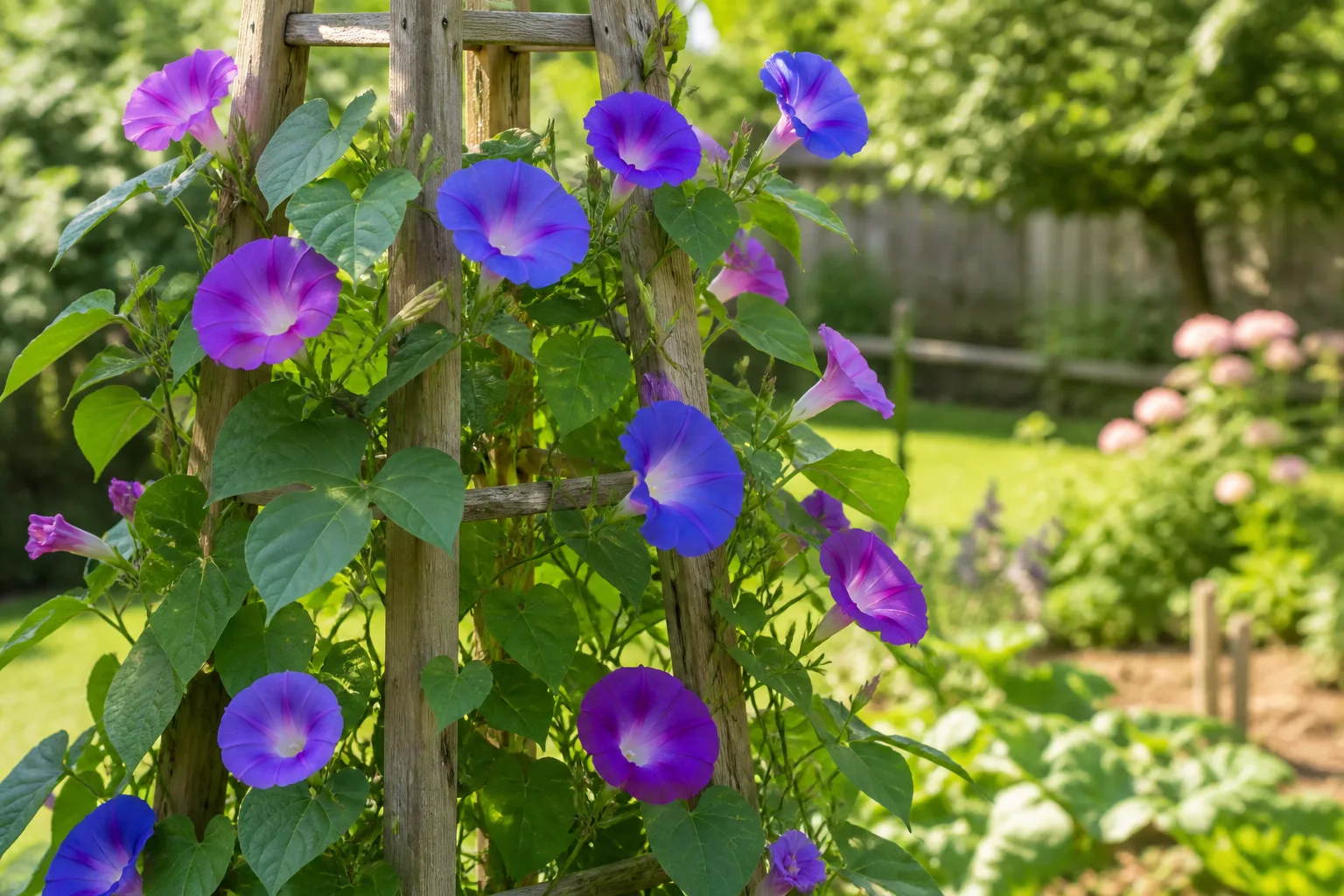
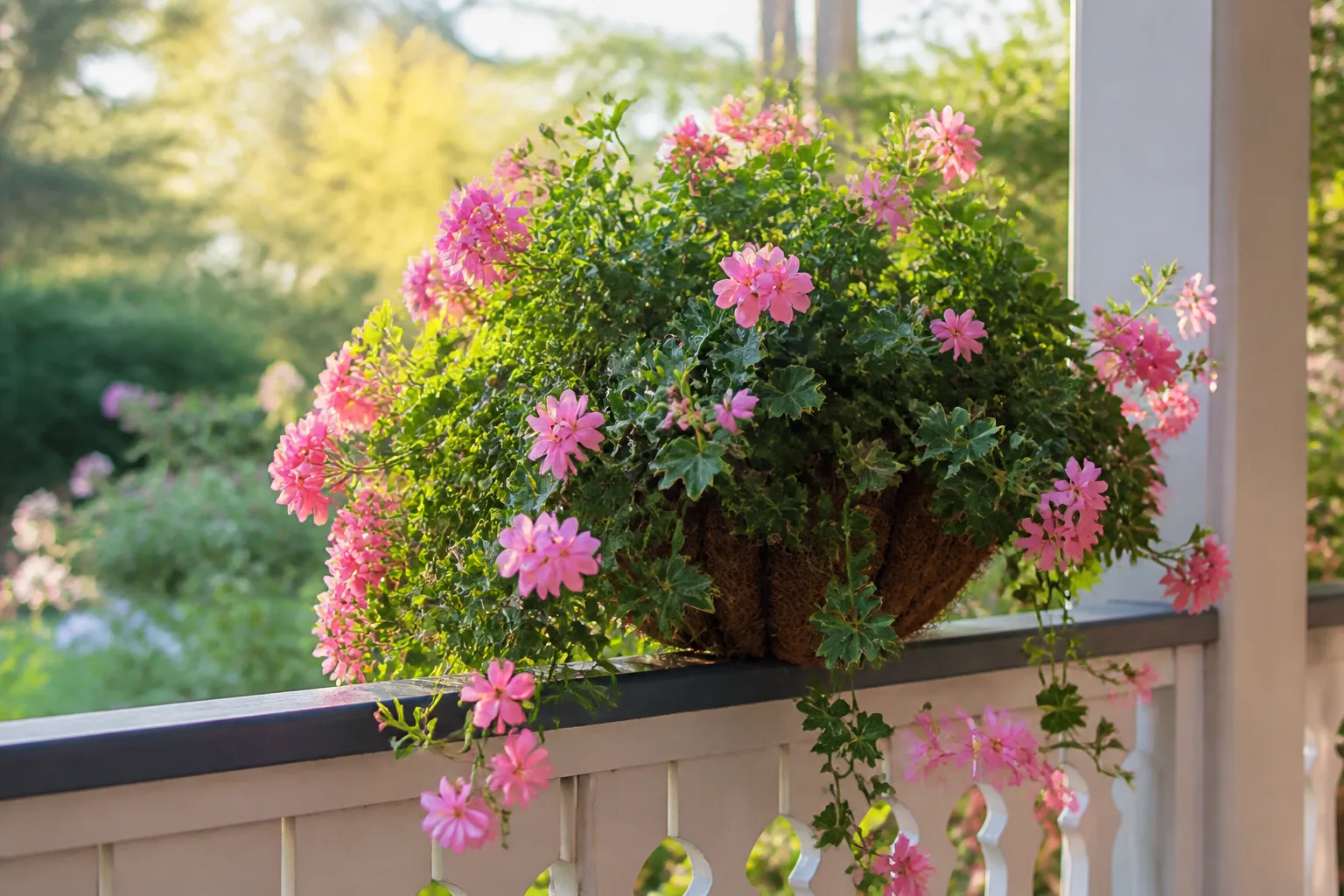
Hanging baskets showcase the cascading habit without a vertical trellis. Use a 10- to 12-inch pot for one to two plants, or a larger basket for a fuller show. Include a catch tray or self-watering reservoir if you hang baskets where drip stains matter. Trim side shoots that reach toward walkways; this vine will happily grab onto porch railings and neighboring shrubs.
In mixed containers, let Thunbergia be the spiller or climber on a small teepee of bamboo stakes. Keep the center of the pot open for watering. By late summer a single vine can dominate a combination pot — plan accordingly or prune to share space.
Fertilizing for Vines Without Leafy Overgrowth
Fast growth and repeat blooming demand nutrients, but excess nitrogen pushes leaves at the expense of flowers. In the ground, apply a balanced complete fertilizer every four to six weeks during active growth, following label rates. Container plants leach nutrients faster; a diluted liquid feed every two to three weeks during bloom is reasonable if growth looks pale or new leaves are small.
Organic options such as compost tea or fish emulsion work if applied consistently. Slow-release granules mixed into potting soil at planting time reduce the need for frequent feeding in baskets. If the vine is dark green, vigorous, and flowerless, stop feeding and improve light before adding more fertilizer.
Yellow leaves with green veins may indicate iron deficiency in alkaline soils — uncommon but possible in arid regions. A soil test beats guessing. In most gardens, yellowing ties back to wet roots, drought, or root crowding in small pots.
Pruning, Pinching, and Deadheading
Pinch growing tips when stems reach 6 to 8 inches to encourage branching and more flower nodes. Early pinching is especially useful on trellised plants where you want coverage low on the structure, not only a tuft at the top. Use clean scissors or pinch with fingernails just above a leaf node.
Deadheading is optional for bloom continuation; this vine does not require removal of spent flowers to keep producing the way some annuals do. Trimming spent blooms does tidy the plant and reduces seed set where self-sowing is unwanted. Wear gloves if stems irritate your skin.
Midseason renovation cuts help when a basket becomes leggy. Cut back up to one-third of long stems, water well, and wait for new shoots. Hard pruning late in the season may remove buds forming for fall flush. In frost-free zones, light shaping after peak bloom keeps the vine from engulfing neighboring shrubs.
Cultivars and Related Thunbergia Species
Seed catalogs offer far more diversity than generic orange bedding packs at the nursery. NC State Extension lists cultivars including ‘African Sunset’ (cream to brick red), ‘Angel Wings’ (white with light fragrance), ‘Bright Eyes’ (all white), and ‘Suzie Orange’ (bright orange). Other common seed lines include ‘Susie Mix’, ‘Superstar Orange’, ‘Spanish Eyes’ (pastel peach and apricot), ‘Bakeri’ (pure white), and ‘Aurantiaca’ (yellow-orange).
When shopping seeds, match color series to your design. Mixes give a carnival look on a trellis; single-color cultivars read cleaner on formal obelisks. White and pastel forms can fade in intense sun — give them slight afternoon protection in desert climates.
Other Thunbergia species appear in warm-climate landscaping but differ in flower form and vigor. T. grandiflora (Bengal clockvine) bears larger blue or white trumpets and can become woody and massive in frost-free areas. T. laurifolia (laurel clockvine) produces purple flowers and is grown in Hawaii and similar climates. T. erecta (bush thunbergia) is a shrubby purple-flowered plant, not a twining vine. Do not assume the same care sheet applies across species.
Growing Black-Eyed Susan Vine From Seed
Seeds are large relative to many annual flowers and can be slow to germinate without prep. Start indoors six to eight weeks before your last frost or direct-sow after soil warms and frost danger passes. Soak seeds in room-temperature water for 24 to 48 hours before planting to soften the coat.
Sow ¼ inch deep in moist seed-starting mix. Use peat pots, cow pots, or paper pots if you dislike disturbing roots at transplant — Thunbergia can sulk after root breakage. Germination often takes 14 to 21 days at warm temperatures around 70 to 75°F. A heat mat speeds results; do not let the tray dry out completely or stay waterlogged.
Grow seedlings under bright light so stems do not stretch. Transplant outdoors when nights are reliably mild and plants have two to three true leaves. Harden off for a week. Space in-ground plants about 12 inches apart for trellis coverage, or use one to two plants per large basket.
Direct sowing works in long-season regions. Rake soil smooth, press seeds in, and keep the bed evenly moist until sprouts appear. Thin seedlings to final spacing so air can move between stems — crowded vines invite mildew in humid summers.
Seed saved from your own garden may not come true to the parent color if multiple cultivars cross-pollinated nearby. For predictable hues, buy fresh seed each year or propagate the selection you like by cuttings. Store dry seed in a labeled envelope in a cool, dark place if you do collect capsules yourself.
Propagating From Stem Cuttings
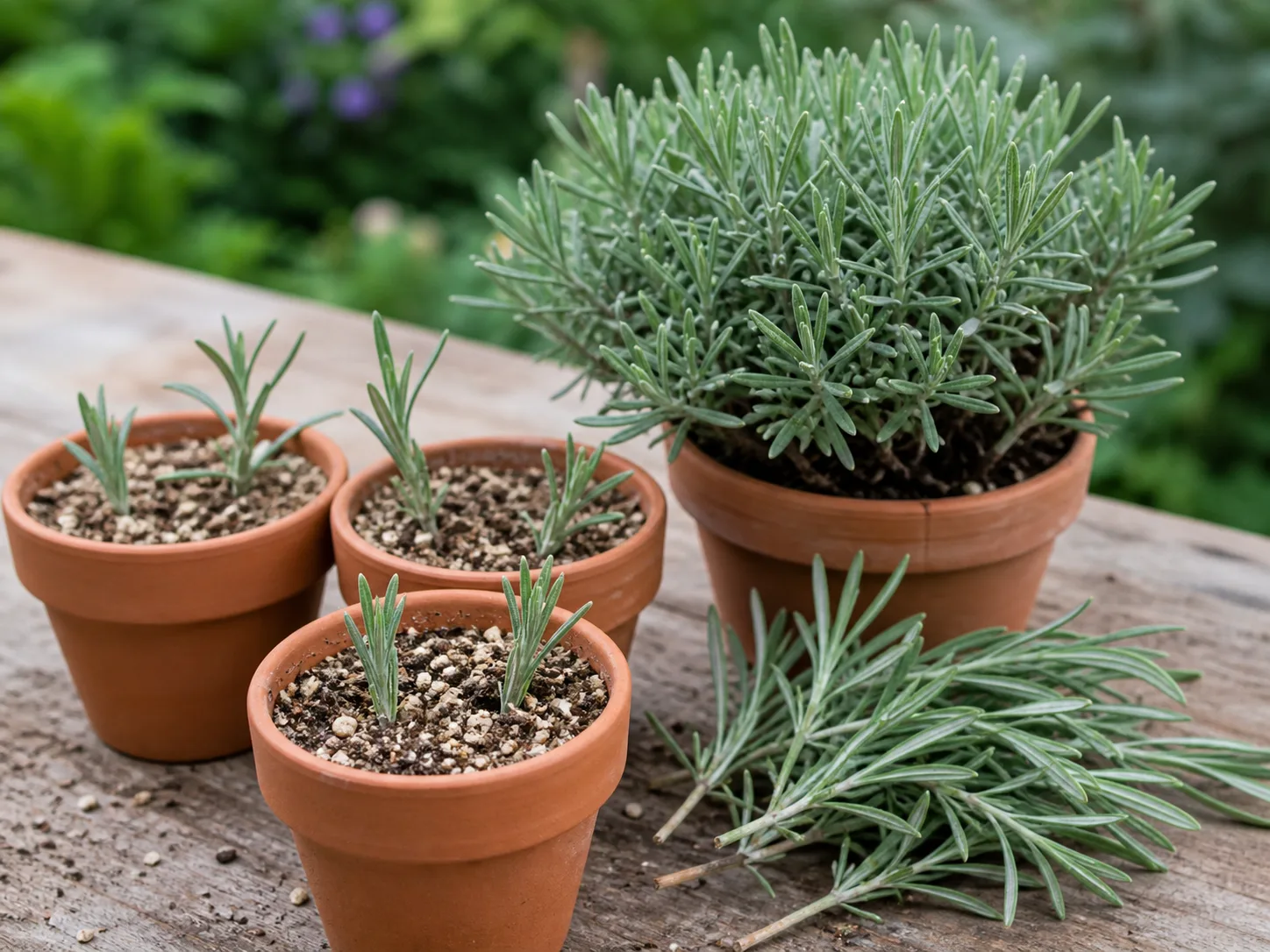
Stem cuttings preserve cultivar color better than seed from mixed beds. Take 4- to 6-inch cuttings from non-flowering tips in late summer or early fall while growth is still active. Cut just below a node with clean pruners. Remove leaves from the lower half and insert the stem into moist potting mix or water.
Bright indirect light and warmth encourage rooting in two to four weeks. New leaf growth is a better sign than a gentle tug test. Overwinter rooted cuttings on a sunny sill or under lights, then plant out after frost. This method suits gardeners who want the same orange or pastel selection next year without buying new plants.
Change water weekly if rooting in a jar to limit rot. A light dome or plastic bag over a pot raises humidity for the first week; vent daily to prevent mold. Bottom heat helps but is not mandatory indoors.
Overwintering Indoors and Out
In zones 10 and 11, in-ground vines may continue with reduced feeding and occasional pruning. Protect from rare cold snaps with frost cloth if temperatures dip near freezing. Even in mild climates, plants are not fully hardy into the low 20s°F.
Where frost kills tops, cut and compost dead vines in late fall unless you are collecting seed. Move containers to a frost-free garage, sunroom, or bright indoor room before the first freeze. Prune lightly to fit the space, inspect for pests, and water sparingly while growth is slow.
Expect leaf drop and sparse flowering indoors. Resume regular watering and feeding when spring growth appears. Large vines are awkward indoors; many northern gardeners find cuttings or fresh seed easier than hauling a full basket into the house.
Pests, Diseases, and Environmental Stress
Outdoors, serious disease is uncommon on healthy plants. NC State Extension reports no major disease problems in the landscape. Indoors and in hot greenhouses, spider mites, whiteflies, and scale can build on stressed plants. Inspect leaf undersides and stems weekly when overwintering.
Rinse lightly with water to dislodge mites, improve airflow, and avoid over-fertilizing nitrogen-rich feeds that favor pests. Insecticidal soap or horticultural oil applied per label directions can control soft-bodied insects; repeat applications are often necessary. Isolate infested baskets from clean houseplants until populations drop.
Powdery mildew may appear when nights are cool and humidity is high with poor air circulation. Thin overcrowded stems and avoid overhead watering late in the day. Remove heavily infected leaves if the plant is large enough to recover.
Invasiveness, Self-Seeding, and Responsible Placement
Warm-climate gardeners should verify local status before planting. The Invasive Plant Atlas of the United States tracks Thunbergia alata as invasive or potentially problematic in some southern and Pacific areas. Frost limits spread in northern gardens, but seeds can still volunteer near compost or sheltered walls.
Reduce risk by deadheading before capsules mature, pulling volunteers early, and avoiding planting near natural areas, drainage ditches, or preserves. In a container, keep seed pods from dropping into adjacent beds. If your county extension or state invasive-plant list flags the species, choose a native vine alternative for the same vertical job.
Common Problems and What to Fix First
Lots of leaves, few flowers: Increase sun, ease off nitrogen fertilizer, and check whether a recent transplant or hard prune delayed buds. Pinch tips earlier next season for more flowering shoots.
Yellow leaves: Feel the soil. Chronic wetness calls for better drainage and less frequent watering. Dry, wilted plants need a slow soak. Root-bound pots need upsizing or division.
Long bare stems at the base: Pinch young plants and train stems horizontally along low trellis lines so nodes break and branch. Leggy indoor overwintered plants benefit from a spring cutback and move outdoors gradually.
Wilting in afternoon sun: May be heat stress rather than drought. Check soil moisture; if wet, improve drainage. If dry, water deeply in the morning and use mulch.
No regrowth in spring (warm zone): Short-lived perennials sometimes fail after a wet winter. Wait until stable warm weather, then replace if no shoots emerge from nodes near the base.
Pests on indoor winter plants: Quarantine, increase light, and treat with soap or oil before populations spread to other tropicals.
Basket tips over in wind: Switch to a heavier liner, reduce plant count, or move the basket to a sheltered corner. A top-heavy vine in a lightweight plastic pot is a common late-summer hazard on exposed decks.
Conclusion
Black-eyed Susan vine rewards gardeners who plan ahead: match the plant to your frost reality, set the trellis before planting, and keep moisture steady without drowning roots. Full sun drives bloom; pinching and sensible feeding keep the show going from late spring into fall. Start seed with a soak, take cuttings if you want the same cultivar next year, and check invasive-plant guidance before letting seed capsules mature in warm regions.
Treat Thunbergia alata as a managed annual in cold climates and a contained perennial in frost-free ones. Get those basics right and the dark-centered trumpets will cover a fence, basket, or obelisk faster than most flowering vines you can buy in a six-pack.



