Black Bat Flower Care: How to Grow Tacca chantrieri
Learn black bat flower care for light, soil, watering, humidity, blooms, propagation, overwintering, and the warning signs of root trouble.
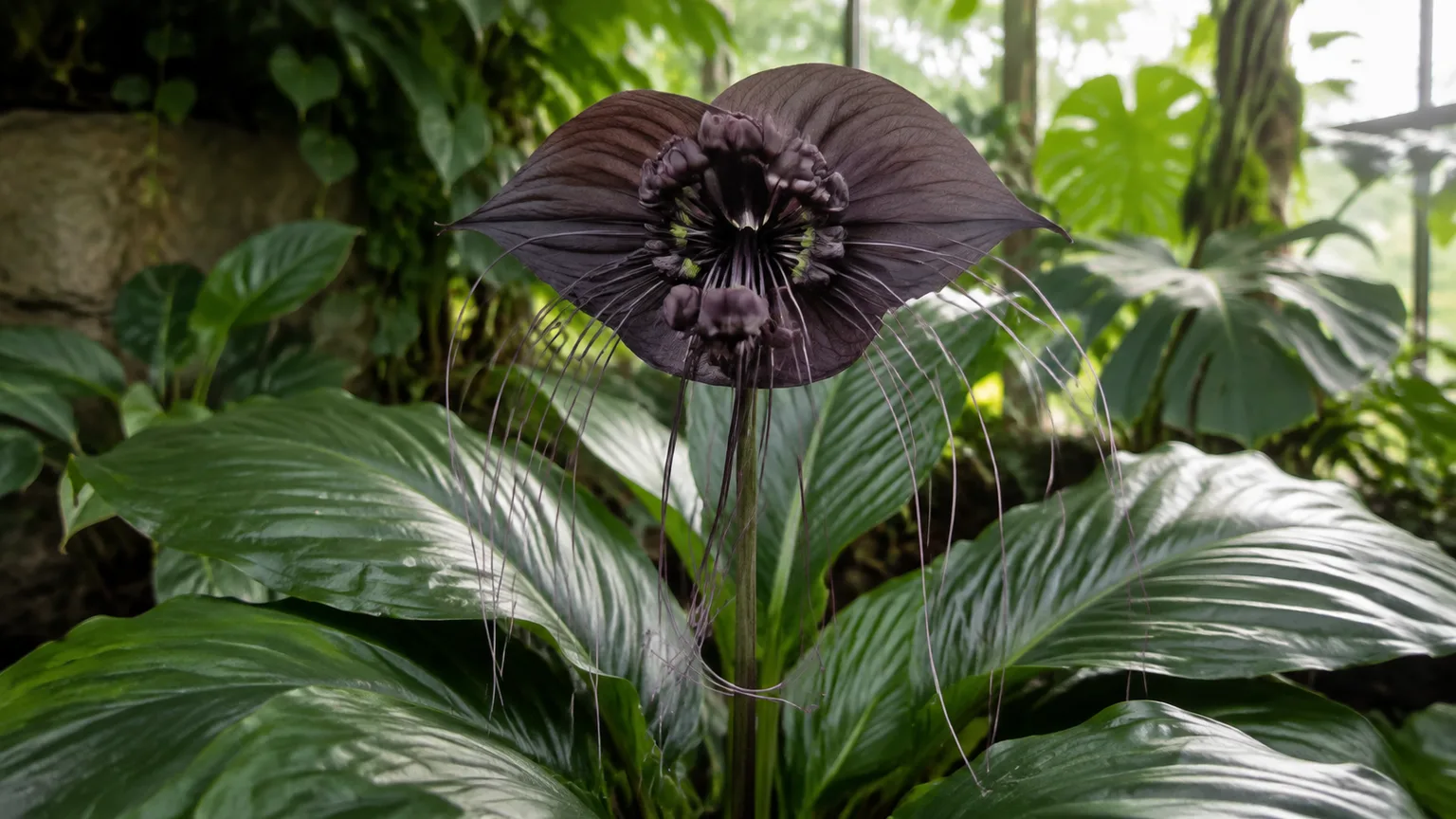
The black bat flower (Tacca chantrieri) is not an orchid, although its filtered-light and humidity needs can feel orchid-like. It is a tropical, rhizomatous perennial in the yam family, grown for a dark purple to nearly black inflorescence framed by wing-shaped bracts and long, whisker-like bracteoles. The true flowers are the small blooms clustered in the center; the dramatic “bat” is mostly the surrounding structure. (University of Wisconsin–Madison Division of Extension)
The care challenge is a balancing act: the plant wants moisture in the air and soil, but its rhizome also needs oxygen and fast drainage. Give it bright filtered light, warm temperatures, an airy organic mix, steady moisture during active growth, and moving air around the leaves. If you cannot provide those conditions, a bat flower may survive for a while but is unlikely to flower reliably.
Is Black Bat Flower Right for You?
Choose this plant because you enjoy a demanding tropical collector plant, not because the label “low light” sounds easy. In a suitable home it can become a handsome foliage plant between blooms, but it needs more environmental consistency than a pothos, snake plant, or many common flowering houseplants. A warm bathroom with a bright frosted window, a plant cabinet with ventilation, or a shaded tropical patio is a better starting point than a cold, dry living room.
In its native range, Tacca chantrieri grows in humid forest understory. The University of Reading’s Tropical Biodiversity account describes it as a shade-loving jungle plant associated with moisture and humus-rich, well-drained soil, with leaves protected from wind, heavy rain, and falling debris. (University of Reading Tropical Biodiversity) That habitat explains why the plant can resent both extremes: direct afternoon sun dries and scorches it, while a sealed, stagnant corner keeps wet leaves and soil from drying safely.
Black Bat Flower vs. White Bat Flower
The black bat flower is Tacca chantrieri. The white bat flower is usually Tacca integrifolia, a related species with pale, purple-veined bracts and a larger overall presentation. Nursery labels sometimes use “bat flower” loosely, so check the botanical name before applying care instructions or expecting a particular flower color.
The name “flower” can also be misleading when you are judging plant size. Botanical-garden and university descriptions report bracts that can create a roughly foot-wide display, with whisker-like structures extending below the center. The leaves may be broad and long, and a mature plant needs more horizontal and vertical room than a small nursery pot suggests. (Golden Gate Garden Park)
Black Bat Flower Care at a Glance
Use these targets as a starting framework, not a substitute for checking the plant. Your pot, mix, window, season, and climate determine how quickly moisture leaves the root zone.
| Care factor | Practical starting point | What means you should adjust |
|---|---|---|
| Light | Bright filtered or dappled light; roughly 40–60% shade outdoors | Bleached patches or crispy leaf sections mean too much direct sun |
| Water | Keep the mix evenly moist while actively growing; allow the surface to dry slightly | A sour smell, persistently wet mix, or soft collapse means drainage is failing |
| Soil | Rich, organic, airy, and well drained | Dense mix that stays wet for many days is a rhizome risk |
| Temperature | Warm conditions around 70–85°F (21–29°C) are a useful target | Protect it well before nights approach 55°F (13°C) |
| Humidity | Aim for about 60–80% if practical, with airflow | Brown edges plus dry potting mix points to dehydration; brown edges plus wet soil needs more investigation |
| Feeding | Diluted balanced or orchid fertilizer every 2–4 weeks in active growth | Skip feeding when the plant is cold, dormant, newly divided, or dehydrated |
| Propagation | Divide a healthy rhizome after active growth; treat seed as a long project | Small divisions and seedlings may need seasons before flowering |
Choose the Growing Setup First
Start with the location, then choose the watering rhythm. A plant that receives low light in a cool room will use water slowly, while the same plant outside in warm, humid weather may dry much faster. Matching the setup to the plant’s natural understory conditions prevents the common mistake of watering a dim, cool pot as if it were growing in a tropical greenhouse.
Growing Indoors
Indoors, place the pot near a bright window with a sheer curtain or behind other foliage that filters the strongest rays. An east-facing window is often easier to manage than an unobstructed south- or west-facing window. If the leaves are dark green but the plant never produces a scape, increase usable light gradually before increasing fertilizer; more food cannot compensate for insufficient light.
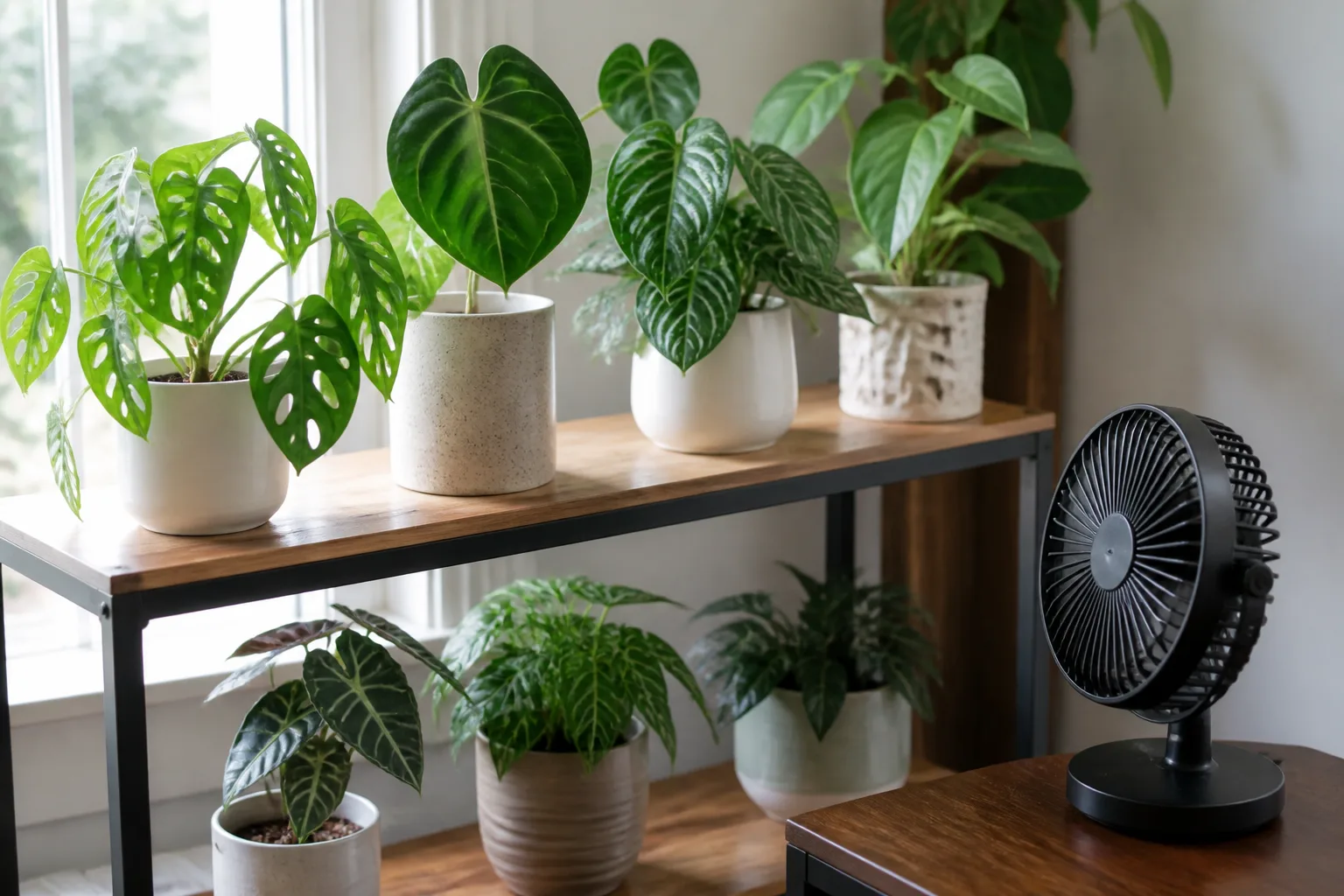
Keep the plant away from heating vents, air-conditioner outlets, and cold glass at night. A bathroom can work if it has a real window and enough air exchange, but a steamy room that never ventilates is not automatically ideal. A small fan set to move air around the room—not blast the leaves—helps make high humidity safer.
Growing Outdoors
In tropical or subtropical climates, grow black bat flower in a sheltered shade bed or container beneath a canopy. The goal is bright ambient light with protection from harsh midday and afternoon sun, wind, and sudden temperature drops. Epic Gardening recommends roughly 40–60% shade outdoors, which is a useful practical range when a tree canopy is not available. (Epic Gardening)
Use a container if your winter nights are too cold, even when summers are suitable. Sink a nursery pot into a shaded bed for the season if you want the visual effect of in-ground planting while retaining the ability to move the rhizome indoors. Do not place the pot where rain collects or where irrigation keeps the soil saturated.
Give It Bright Shade, Not Deep Darkness
Black bat flower is a forest-understory plant, not a cave plant. Bright indirect light supports sturdy leaves and gives the rhizome enough energy for flowering, while direct hot sun can scorch the broad foliage. Look for a soft shadow rather than a sharp, high-contrast shadow at the plant’s usual position.
When moving a plant outdoors, acclimate it over a week or more. Start in deeper shade, then give it brighter morning or filtered light as the leaves adjust. A sudden jump from a dim shop or room into direct sun can create pale, tan, or translucent patches that will not turn green again.
If growth is stretched, leaves are unusually small, or new scapes fail to develop over an otherwise healthy growing season, the plant may need more light. Increase brightness without removing the filter. A grow light can help indoors, but keep it far enough away to avoid warming or bleaching the leaves, and maintain a consistent day-night cycle rather than leaving it on continuously.
Build a Moist but Airy Soil Mix
The right soil holds water around fine roots while leaving air spaces around the rhizome. A practical container mix is about two parts quality potting mix, one part fine bark or compost, and one part perlite. You can adjust the ratio: add more perlite or bark if the mix remains wet, or a little more moisture-holding organic material if it dries almost immediately in warm weather.
Avoid heavy garden soil in a pot. It compresses around the rhizome, drains unevenly, and makes it hard to tell whether the lower half of the container is still wet. A rich mix is helpful, but “rich” should mean biologically active and well structured—not a dense mass of compost that holds water without air.
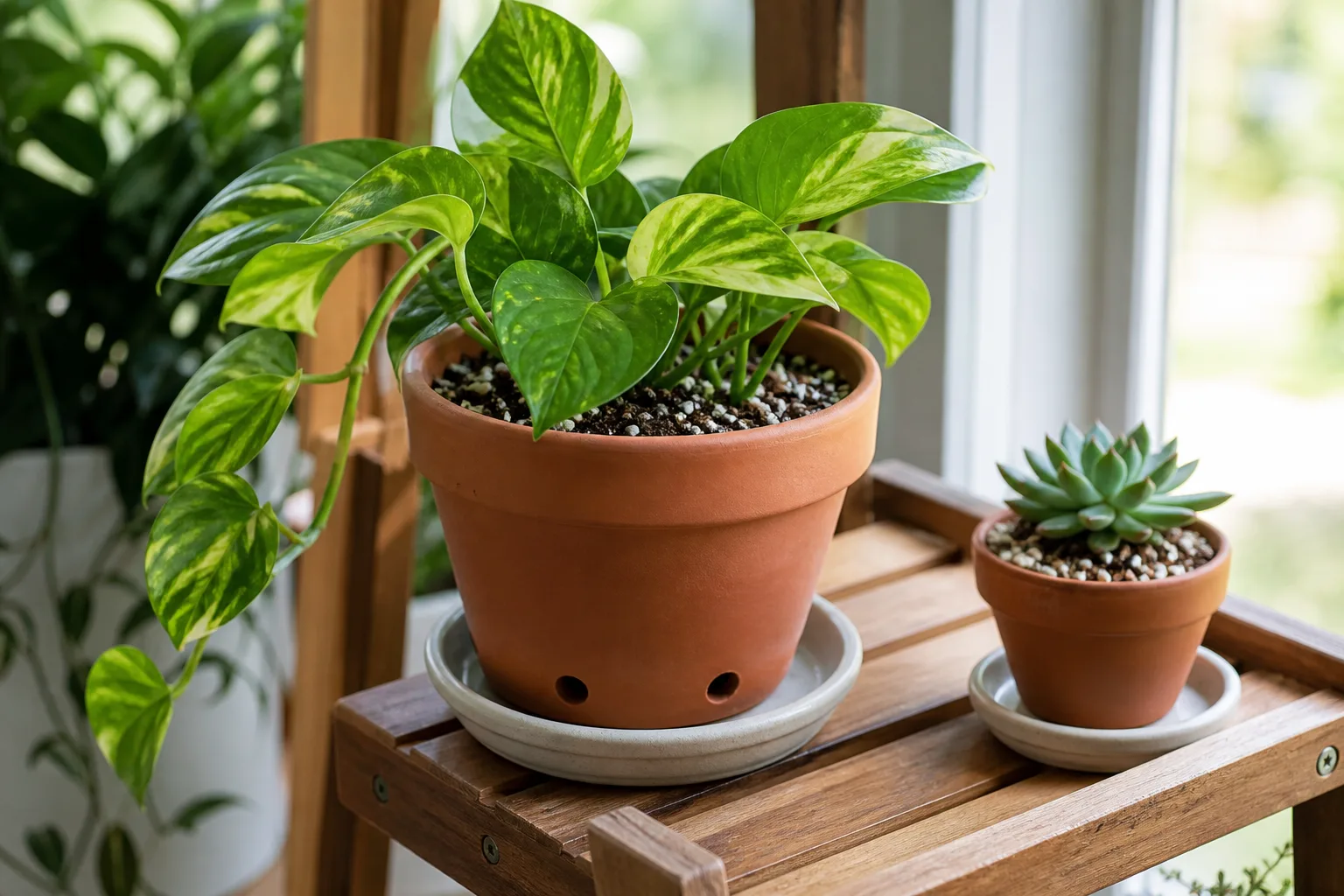
Use a pot with an unobstructed drainage hole. A decorative cachepot is fine only if you can remove the inner pot to water and empty the outer vessel. Do not create a gravel layer at the bottom and assume it fixes poor drainage; the overall mix and the hole determine how water moves.
Water by Root-Zone Moisture, Not the Calendar
During active growth, water thoroughly when the top inch of mix has begun to dry but the root zone is not bone dry. Pour slowly until water runs from the drainage hole, then empty the saucer. This wets the entire mix and flushes accumulated salts without leaving the rhizome sitting in runoff.
Frequency varies widely. A small pot in bright warmth may need checking every day and watering every few days, while a large pot in lower indoor light may take a week or longer to reach the same moisture point. Gardening Know How advises keeping the soil slightly moist but never soggy and reducing water during dormancy. (Gardening Know How)
Use your finger, a wooden skewer, or the weight of the pot to check moisture. If the skewer comes out cool and coated with damp mix from deeper down, wait. If the mix has pulled away from the pot, the leaves are limp, and the container feels unusually light, rehydrate slowly in two passes rather than flooding a severely dry root ball once.
The most dangerous combination is low light, cool temperature, and frequent watering. The plant may look thirsty because leaves droop, but roots in oxygen-poor soil cannot take up water properly. Check the mix and roots before watering again; “droop equals thirst” is not a safe rule for a rhizomatous plant.
Balance Warmth, Humidity, and Airflow
Warmth is foundational. Aim for roughly 70–85°F during active growth and move the plant well before temperatures approach 55°F. Exact limits vary by plant health and exposure, but frost and cold, wet soil are especially damaging because the rhizome stays chilled while the grower continues to water.
Humidity helps leaves hold their shape and reduces the stress of dry indoor air, but a humidity number is not the whole environment. A room at 70% relative humidity with stagnant air and wet leaves can invite fungal trouble; a room at 55–60% with stable warmth, good root drainage, and gently moving air may be workable. A hygrometer is more useful than guessing, especially in winter.
A humidifier is the most controllable way to raise room humidity, but keep the plant out of the direct mist plume and clean the unit according to its instructions. Grouping plants can modestly change the local microclimate. A pebble tray may add a little moisture immediately around the pot, but it should not raise the water level into the drainage hole, and it cannot replace good room humidity or airflow.
Avoid routine misting as your main strategy. Droplets that remain on leaves in still air do not solve a dry room for long. Wipe dust from broad leaves occasionally, water the soil rather than the crown, and use a fan on low nearby if the room stays humid after watering.
Feed and Groom for Repeat Blooms
Feed only when the plant is actively producing leaves or a flower scape. Use a complete liquid fertilizer at half the label strength every two to four weeks, or follow a weak-and-regular routine that matches the product label. An orchid fertilizer can be convenient because the plant’s environmental preferences are similar to those of many orchids, but it is not mandatory and does not turn a bat flower into an orchid.
Water the plant with plain water if the mix is dry before fertilizing. Never fertilize a wilted, recently divided, root-damaged, or cold plant; salts can intensify stress when roots are not functioning normally. If a white crust builds on the potting mix, flush the container thoroughly with plain water and allow it to drain.
No shaping prune is needed. Remove yellowing or badly damaged leaves at the base with sterilized snips, and cut a spent flower stem once the display has faded—unless you are deliberately keeping a seed pod. Do not cut a green scape simply because its first flowers have dropped; small flowers may open in sequence along the inflorescence.
Understand the Flower and Its Bloom Cycle
The “bat” is an inflorescence: dark bracts spread like wings around a cluster of smaller flowers, while slender bracteoles hang like whiskers. The University of Wisconsin–Madison describes bracts up to about a foot across and long threadlike structures, while the Golden Gate Garden Park account notes that the true flowers open sequentially within the display. (University of Wisconsin–Madison Division of Extension; Golden Gate Garden Park)
Bloom timing is not fixed across climates. Garden accounts describe flowering from spring or summer into fall, and a conservatory may report a different window from an outdoor garden because warmth and day length are controlled. A healthy plant may produce several displays in a season, but a newly purchased or divided plant can spend a season rebuilding its rhizome instead.
If your plant has leaves but no flowers, check the basics in this order: age and plant size, light, warmth, active-season nutrition, and root health. Do not push fertilizer higher first. A weak root system, a low-light room, a pot that is constantly wet, or a recent division can all delay flowering even when the foliage looks acceptable.
Repot Without Setting the Plant Back
Repot in spring or just as active growth resumes, not while a plant is carrying a prized flower display unless the existing pot is failing. Move up only one pot size, using a container that is slightly wider than the rhizome’s current spread and has a drainage hole. An oversized pot holds too much wet mix around a small root system and can create the very rot you were trying to prevent.
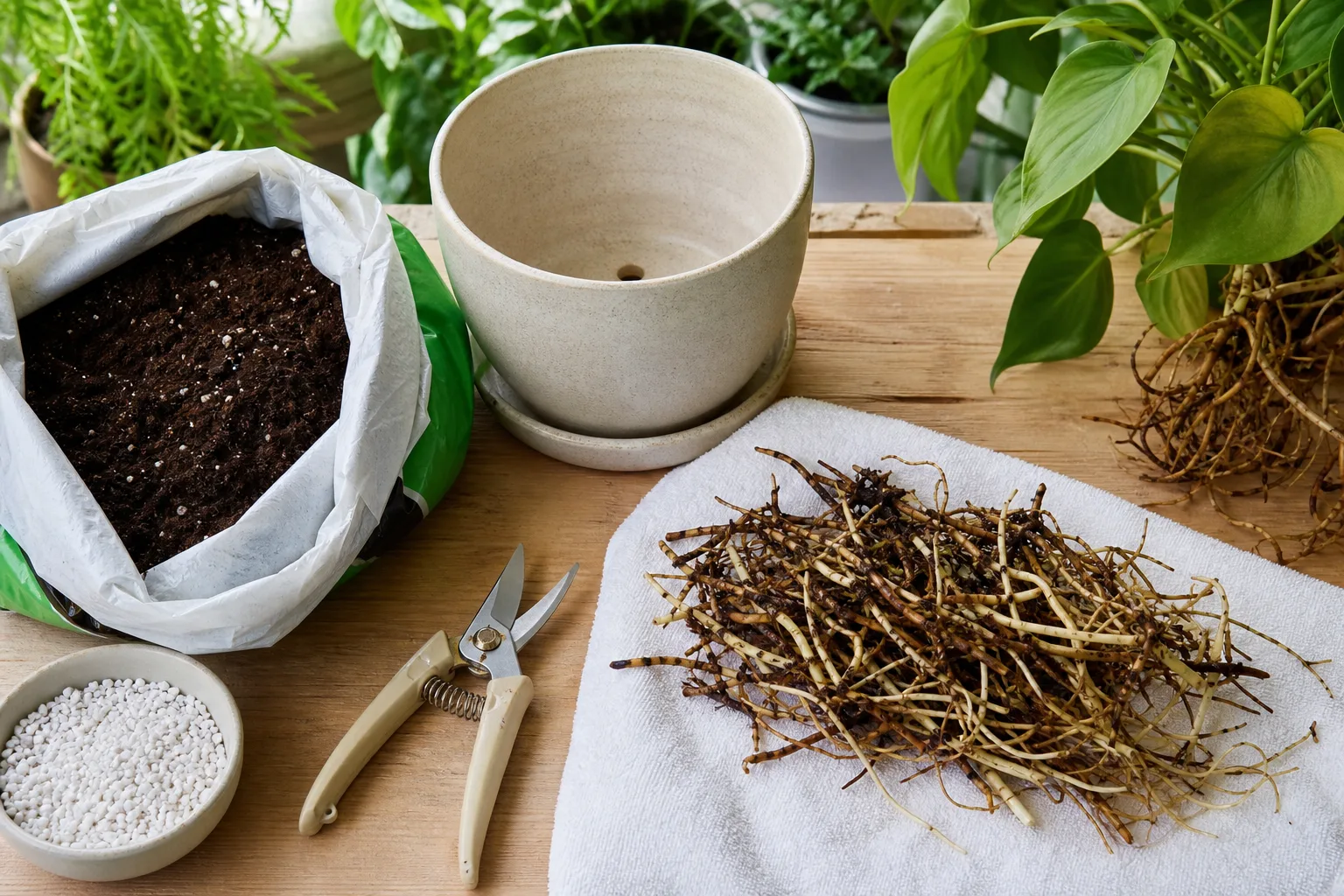
Slide the plant out gently and inspect the rhizome and roots. Firm, pale-to-tan roots and a solid rhizome are encouraging; mushy tissue, a sour smell, or dark collapsing roots means you should remove damaged material with a clean blade and repot into fresh, barely moist mix. Do not bury the crown deeply or pack mix tightly around it.
After repotting, water enough to settle the mix, let excess drain, and return the plant to warm filtered light. Hold fertilizer until you see fresh growth. Keep the medium a little less wet while disturbed roots recover, but do not allow a healthy rhizome to remain completely dry for an extended period.
Propagate by Rhizome Division
Division is the most practical home method because a rooted division is a clone of the parent and can retain enough maturity to flower sooner than a seedling. Wait until flowering has finished or the plant is entering a natural rest, then lift it only if there are clear offsets or a large enough rhizome to separate without reducing every piece to a weak fragment.
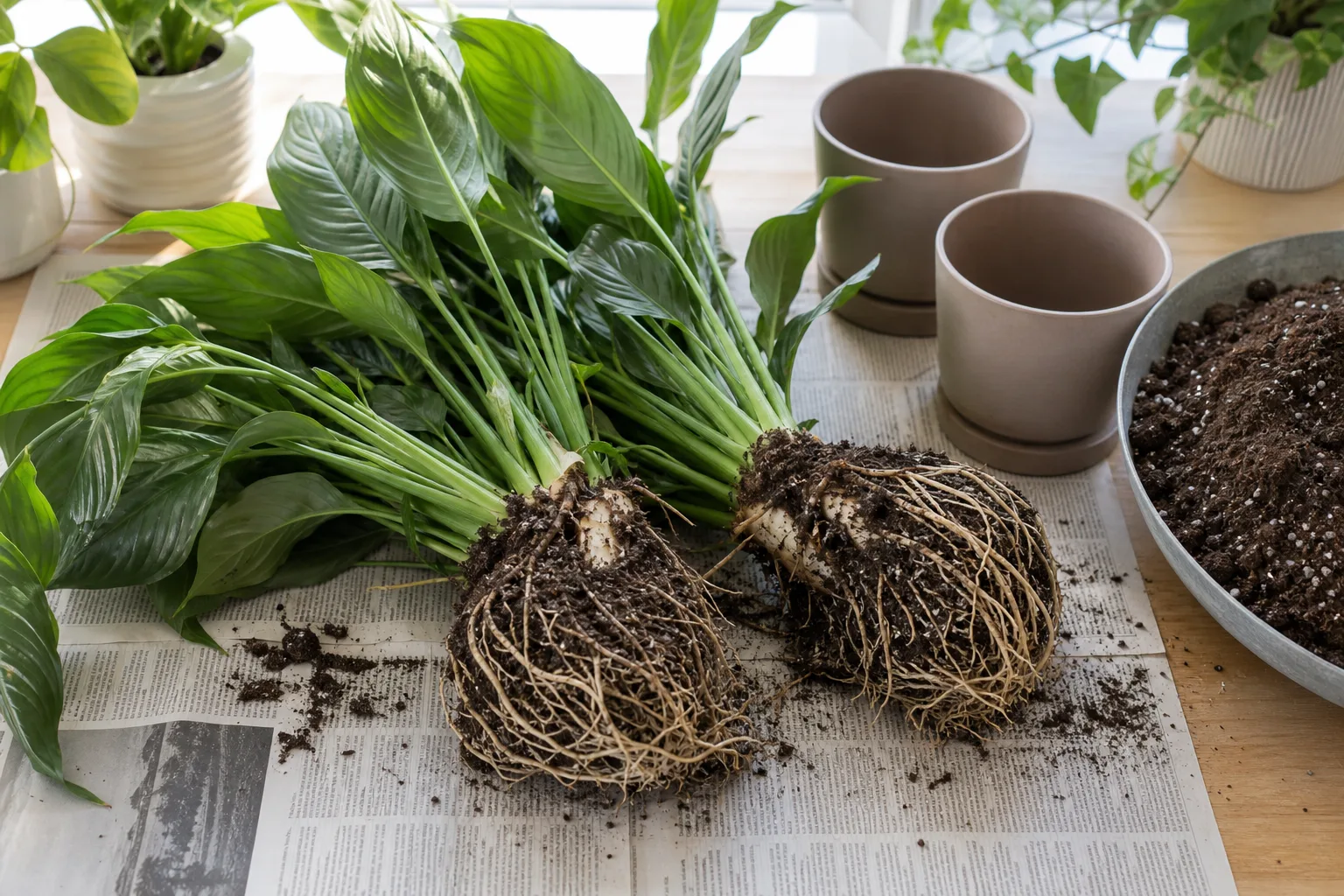
Prepare small pots with fresh airy mix before cutting. Remove loose soil, locate the growing points, and use a sterile, sharp knife to separate a section with at least one visible bud or shoot and a useful amount of healthy root. A piece with no growing point may remain dormant indefinitely.
Pot the division at the same depth it was growing. Water lightly to settle the mix, place it in warm bright shade, and keep the medium just moist rather than constantly saturated while new roots establish. It is normal for a division to pause; digging it up every week to check for roots creates more damage than it solves.
Do not divide a small nursery plant simply because you want two pots. The plant needs enough stored energy to recover from the cut and produce leaves. If you are purchasing a rhizome, choose a responsibly propagated seller and inspect that the piece is firm, viable, and labeled with the botanical name.
Growing Black Bat Flower From Seed
Seed is possible but less predictable than division. Let a seed pod mature and dry on the plant before harvesting; immature or poorly stored seed may fail. Sow fresh seed in pre-moistened, well-draining medium, cover it lightly, and use a clear cover or humidity dome only with regular ventilation.
Keep the seed tray warm, around 70–85°F, in bright filtered light. A heat mat can provide more consistent bottom warmth, but do not let the medium overheat or stay waterlogged. Remove condensation and ventilate the cover daily to reduce damping-off risk.
Expect patience, not a guaranteed schedule. A 2022 study on Tacca chantrieri reported that a specialized in-vitro protocol using gibberellic acid and laboratory culture achieved more than 90% germination within 10 weeks; that result does not mean untreated seed in a household pot will behave the same way. (Acta Scientiarum Polonorum Hortorum Cultus) Gardening Know How likewise describes germination as variable, ranging from weeks to several months, and recommends warmth, even moisture, and ventilation. (Gardening Know How)
Once seedlings emerge, keep them warm and evenly moist, then pot them on only when roots fill the small container. Seed-grown plants may need years before they have the rhizome mass needed for a substantial bloom, so seed is best treated as a conservation or collecting project rather than a quick way to make a flowering plant.
Troubleshoot Symptoms Before They Spread
Brown or crispy leaf edges: First check whether the root ball is actually dry, the plant is in direct sun, or the air is unusually dry. Brown edges with a light, dry pot and a draft point toward dehydration or dry air; brown patches on the window-facing side point toward sun scorch. Brown edges with persistently wet soil, yellowing, or a sour smell require a root inspection rather than more misting.
Yellow leaves and a limp plant: A single old leaf can age normally, but several yellowing leaves plus wet mix suggests overwatering or poor drainage. Stop watering, check the lower mix and drainage hole, and unpot the plant if it remains wet after a reasonable drying period. Trim only mushy tissue, then repot into fresh airy mix; do not simply add fertilizer to a declining root system.
Leaves droop while the soil is wet: This is a classic reason not to water by appearance alone. Chilled, saturated roots can fail to supply the leaves even though water is abundant. Move the pot to warmth and filtered light, increase gentle airflow, and inspect the roots if the droop does not improve as the mix dries.
Mold, mildew, or spotting: High humidity without air movement is the usual environmental setup. Remove badly affected leaves, keep foliage from touching neighboring plants, improve ventilation, and avoid wetting leaves late in the day. If spots continue to expand, isolate the plant and seek a diagnosis before applying a pesticide or fungicide; product labels and local regulations control what is appropriate.
Slugs and snails outdoors: These are more likely in a shaded, moist bed than indoors. Inspect after dusk or after watering, remove hiding debris, and use physical barriers or a labeled control that is appropriate for the site. Do not scatter an unverified home remedy around a plant that may share space with pets, children, wildlife, or edible crops.
Manage Winter and Dormancy
In warm climates, a black bat flower may remain evergreen and continue slow growth through winter. In cooler homes, shorter days, lower temperatures, and reduced light can trigger a rest or simply slow the plant enough that the pot stays wet longer. Your winter routine should respond to that change.
Bring outdoor containers inside before cold nights, not after a frost. Inspect for slugs and other hitchhikers, rinse or wipe foliage, and give the plant a short quarantine away from the rest of your collection if possible. Indoors, keep it warm and bright enough to maintain healthy foliage, but reduce watering as drying slows.
If the plant naturally dies back, remove only fully spent foliage and keep the rhizome on the dry side of moist—not bone dry for months and not wet. Resume more regular watering when new shoots appear. Never fertilize a dormant rhizome in cold, wet mix.
Source Plants Responsibly and Handle Them Carefully
The black bat flower has ornamental value and a complicated history of ethnobotanical use, but that is not an invitation to eat a nursery plant or prepare a home remedy from its rhizome. Pha Tad Ke Botanical Garden describes traditional processing of Tacca roots and also notes the pressure caused by collection for horticultural use, including protected status in China. (Pha Tad Ke Botanical Garden) Buy propagated stock from a seller who can identify the species and explain its production history when possible.
Keep the plant away from habitual chewers and wash your hands after handling soil or plant material. Do not use medicinal claims about extracts, isolated compounds, or traditional preparations as a reason to experiment at home. If a child or pet eats any unfamiliar plant material, contact a qualified medical or veterinary professional or a poison-control service with the plant’s botanical name.
Conclusion
Successful black bat flower care is less about a secret fertilizer and more about recreating a stable understory: bright filtered light, warmth, moist but oxygen-rich soil, high enough humidity, and continuous gentle airflow. Check moisture below the surface, use a draining pot, and let the plant’s drying speed—not a weekly reminder—set the watering interval.
Choose a container for cool climates, divide only a strong rhizome, and treat seed as a slow experiment. When leaves brown or droop, investigate light, temperature, air, and roots in that order instead of adding water automatically. Give the plant that careful balance and its unusual blooms become a realistic reward rather than a lucky accident.



