Bridgerton Garden Ideas: 7 Romantic Touches to Try
Build a Bridgerton-inspired garden with wisteria, roses, clipped edges, and a path to a focal point—plus local plant choices and small-space adaptations.
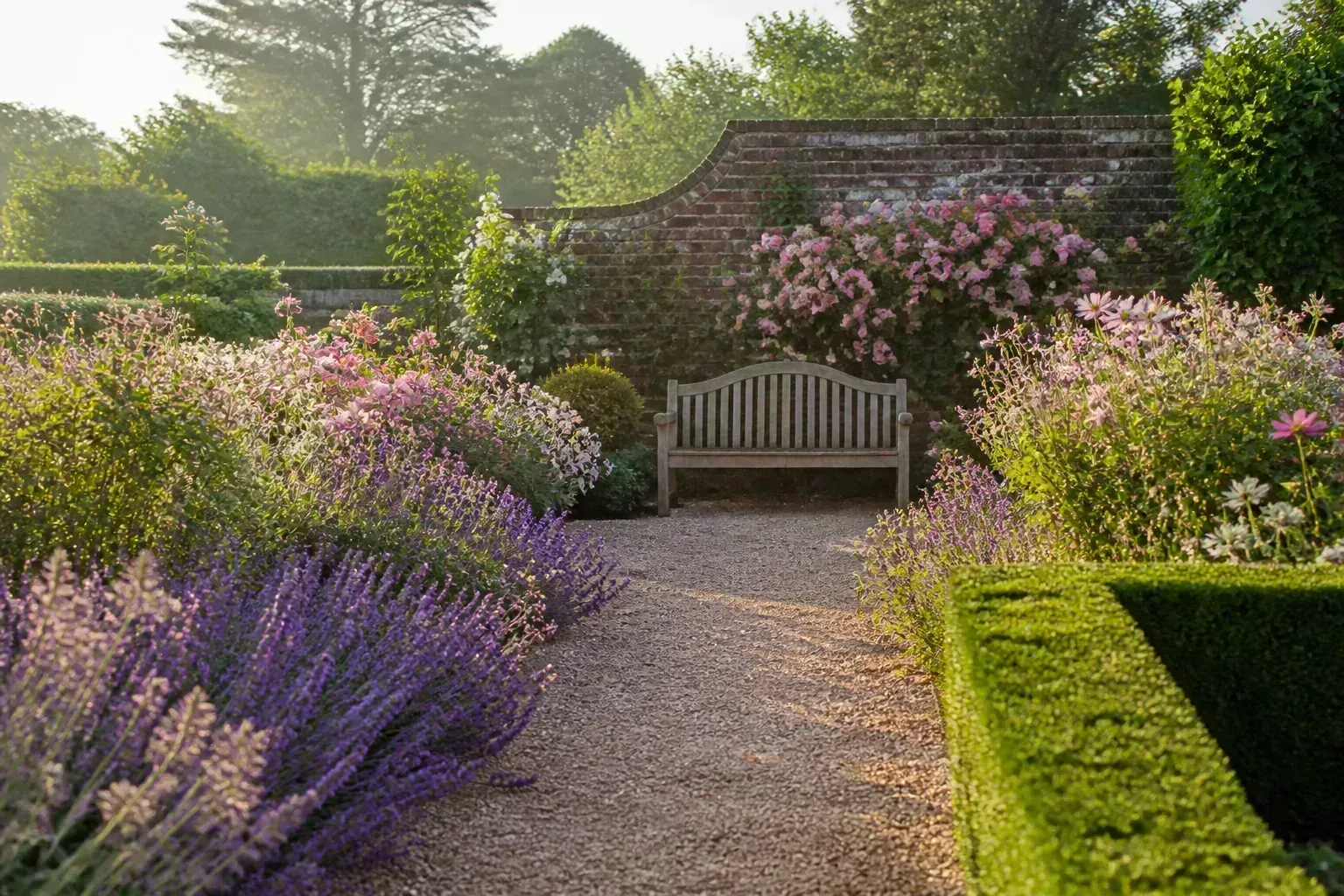
The Bridgerton garden look is a balance: a clear frame, romantic planting, a focal point, and somewhere to pause. You can borrow that composition in a narrow side yard or on a patio; the goal is not to copy a grand estate, but to make an ordinary outdoor space feel deliberate and a little theatrical.
Start with what the site can support. Count direct-sun hours, note where rain drains or pools, and measure the mature width of anything you might plant beside a path or structure. Then choose just a few details that will thrive there instead of buying a full list of flowers because they look right in a photograph.
What Makes a Garden Feel Regency-Inspired?
It is less about any one flower than the interplay between order and softness. A gate, path, clipped edge, or arch gives the eye a line to follow; loose layers of flowers soften that geometry. A bench, urn, or small fountain gives the line a destination, so the garden feels composed rather than crowded.
That formula is flexible. A small garden might use a trellis, two containers, and one chair, while a larger yard can separate a path, border, and seating area into garden rooms. Keep the recognizable shapes and adapt the species, materials, and amount of maintenance to your climate and routine.
Give the Space a Frame Before Adding Flowers
Look from the place you enter the garden and pick one view you want to improve: a plain fence, a side door, an empty corner, or the end of a path. Use one structural feature to frame it, then leave enough open space to see and reach it. This is a useful first move because plants can fill in gradually, but a badly placed arch or fountain is harder to relocate once installed.
If the garden has no natural path, you do not need to pave a new route. A mown strip, a line of stepping stones, or a small gravel landing can guide movement while preserving planting area; choose a firm, level surface where people need reliable footing. Fine Gardening’s pathway guidance treats paths as part of a garden’s infrastructure, not just decoration, and that distinction keeps the romantic look usable.
Repeat a Small Color Palette
Choose two or three flower colors and repeat them in more than one spot. Blush, cream, lavender, and a restrained deeper pink or wine tone create a softer palette, but the same principle works with locally available colors; repetition is what makes a mix feel designed.
Use foliage and evergreen structure as the pause between blooms. Silver, blue-green, deep green, and variegated leaves help flowers stand out without asking every plant to bloom at once. If every container and border carries a different color, the eye has nowhere to rest and the space can look busier than romantic.
1. Make the Garden Reveal Itself Through an Arch and Path
An arch or trellis at the start of a path creates a threshold: you pass through one scene and arrive in another. In a small yard, put the arch at a gate or at the edge of a patio; in a larger one, place it where it frames a bench, an urn, or a flower bed farther back. A shallow curve or slight offset can make even a short route feel like it has a destination.
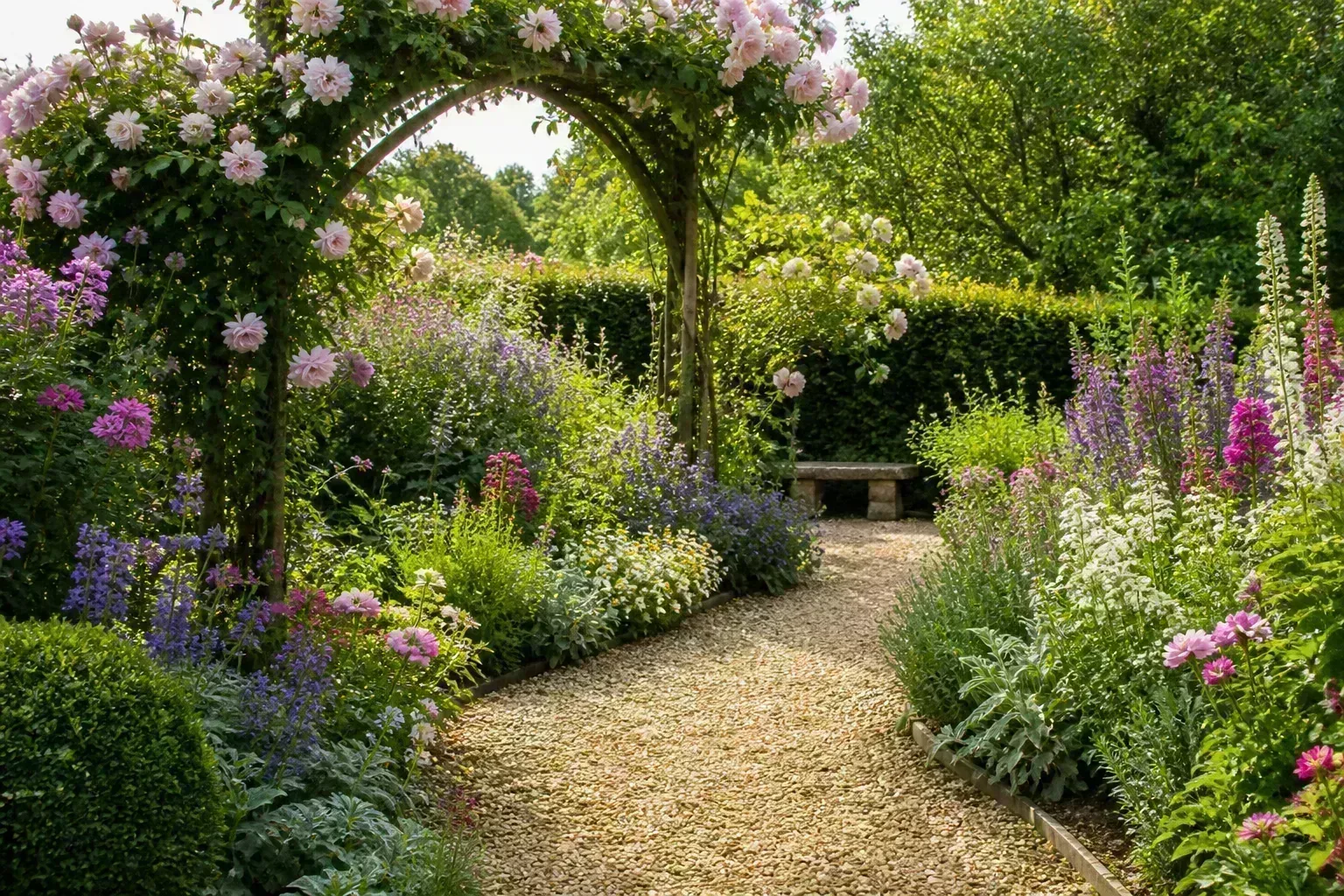
The path should fit the job. A route used for moving a wheelbarrow or two people side by side needs more width and a firmer surface than a decorative step-through to a seat. For a low-cost update, keep the existing route and improve its edges with groundcover or a narrow planted border rather than replacing all the paving.
An urn or obelisk can play the same role when there is no room for an arch. Place it at the end of a sightline or at a bend, not at every corner; one clear marker gives the eye a destination while a row of ornaments can make the garden feel like a display aisle. If you are renting, use a freestanding trellis or a heavy container instead of fastening a structure to a wall without permission.
Size the Structure to the Mature Climber
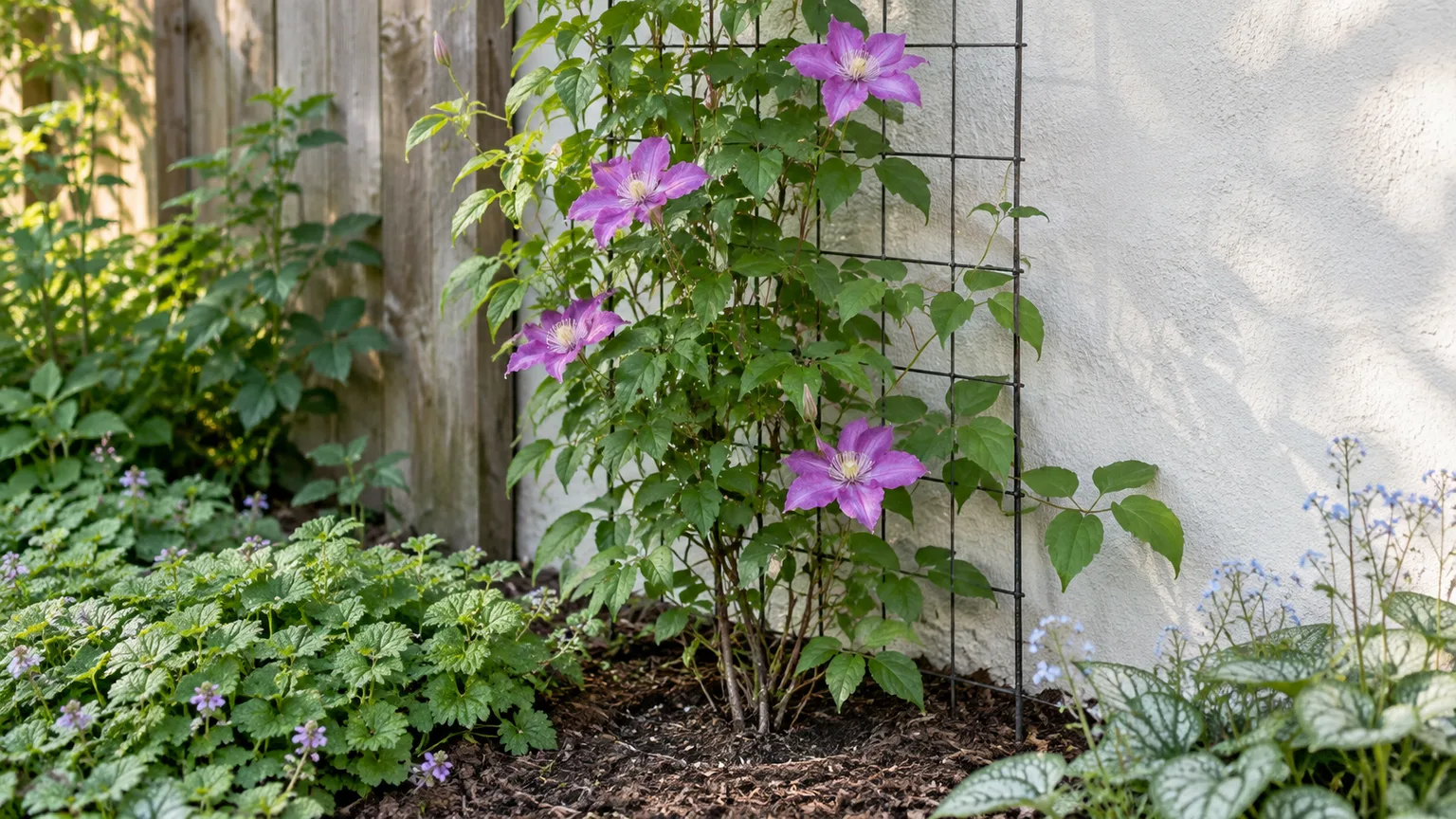
Decide whether the feature is meant to be a visual frame or a support for a woody vine. A light metal arch may be fine with a compact clematis or annual climber, but it may not be built to carry a mature wisteria or vigorous rose; check the maker’s load guidance and anchor the structure into stable ground before planting.
Leave enough clearance to walk beneath the arch and to prune from both sides. If the path, structure, and mature plant all compete for the same narrow strip, choose a smaller climber or keep the trellis on a boundary instead of forcing a tunnel into the garden.
2. Use Wisteria Only Where Its Scale Makes Sense
Wisteria delivers the hanging spring flowers associated with romantic gardens, but it is not a casual decorative vine. NC State Extension’s Plant Toolbox describes Chinese wisteria as fast-growing, needing sturdy support, and invasive in North Carolina; that regional warning should prompt gardeners elsewhere to check their local invasive-plant guidance before buying. The Plant Toolbox lists native alternatives for its own region, which is a better starting point than assuming the same vine belongs in every yard.
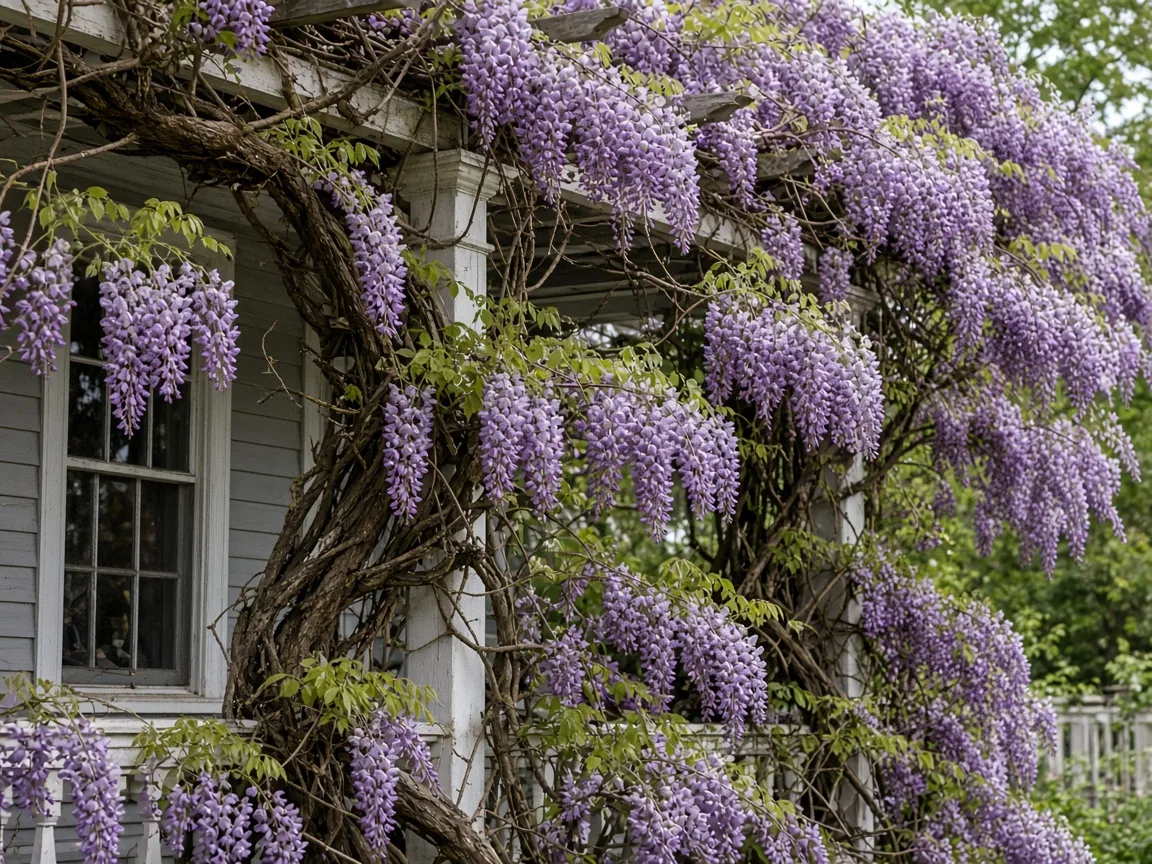
If wisteria is an appropriate choice where you live, give it a strong, inspectable structure with room for pruning. Train it on a properly anchored pergola or wires designed for a vigorous woody climber; do not let it disappear into gutters, roofs, or a lightweight fence. The RHS wisteria pruning guide recommends regular summer and winter pruning to control growth and encourage flowering, while its timing guidance reflects the UK calendar and should be adjusted to your local climate.
For a balcony, a narrow yard, or a gardener who wants less pruning, choose another flowering climber that suits your region and the support you have. Clematis, native honeysuckle, or a climbing rose may fit some sites, but none is automatically right for every climate or small container. BBC Gardeners’ World Magazine notes that wisteria grown from seed or cuttings can take many years to flower; even grafted plants need patience, so buy a labeled plant from a reliable local nursery and treat bloom timing as an estimate, not a promise.
3. Plant Roses as a Repeated Color Note
Roses give a garden a recognizable romantic anchor, but a row of unrelated cultivars can look more like a collection than a design. Choose one flower color family and repeat it in two or three places, such as a climbing rose on the arch and compact roses in patio pots. Cream and soft pink are easy to blend with lavender and blue flowers, while one darker rose can add depth without turning the whole border into a high-contrast display.
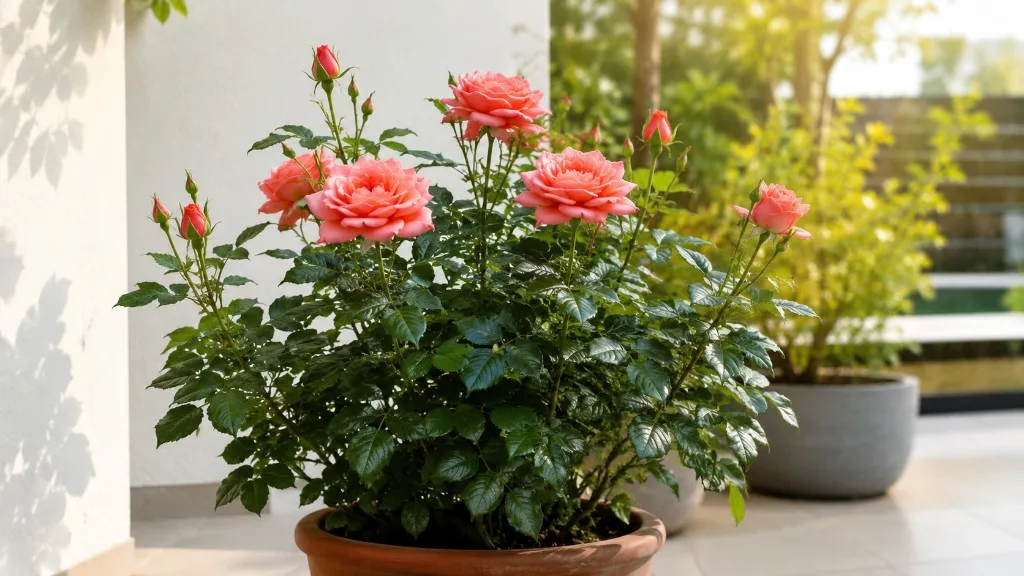
Select the rose for the site before you choose it for color. The RHS rose-growing guide notes that roses vary from patio types to vigorous ramblers, recommends at least four hours of sun for most roses, and advises leaving space around a plant so it does not compete for light and water. Check the mature dimensions and disease-resistance notes on the plant label, and prefer a rose that matches your local climate over a historic name that requires more spraying or pruning than you want to do.
Containers make roses possible where there is no border, but they dry faster than in-ground beds and need regular watering during hot weather. Use a pot with drainage holes and enough volume for the mature rose, and keep it where leaves can dry between rain or watering. For a heavily shaded garden, choose a rose specifically rated for light shade or use another flowering shrub instead of expecting a sun-loving plant to bloom well in the wrong place.
Choose for Climate, Site, and Eventual Size
“Old English” and “Bourbon” describe broad rose groups, not a guarantee that a particular rose will suit your winters, humidity, soil, or container. Ask a local nursery or extension service which repeat-flowering varieties perform reliably in your area, then compare the expected size and maintenance against the space you actually have. A compact patio rose can bring the same color note to a doorway that a large shrub rose brings to a border.
Treat fragrance as a bonus, not the only selection test. A scented plant is especially enjoyable beside a seat or doorway, but fragrance varies by cultivar and weather, and some roses are grown more for form or disease resistance. If you want flowers for cutting, leave enough room to reach the stems without trampling the plants around them.
4. Let Clipped Green Edges Hold Loose Flowers
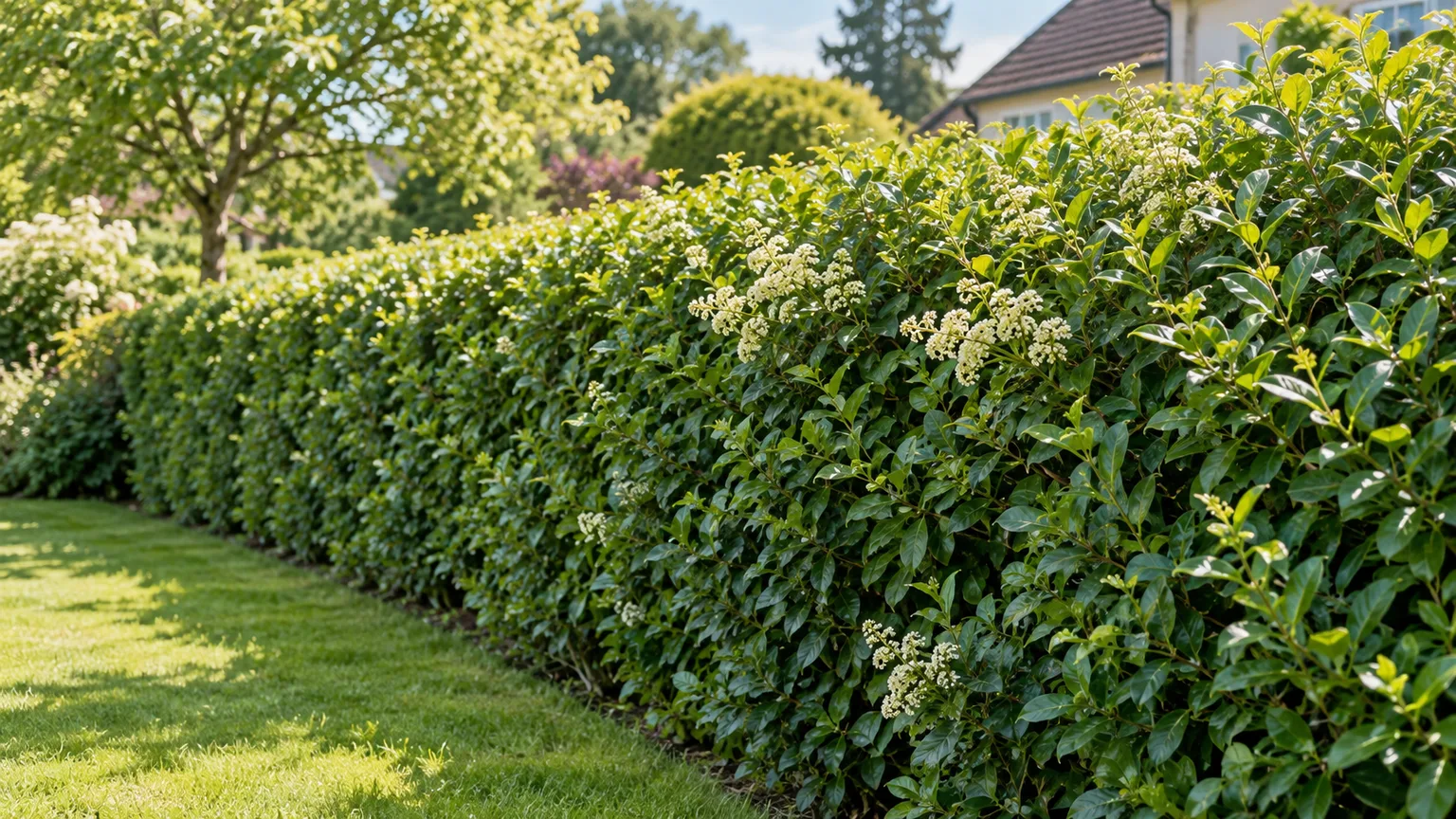
A low evergreen edge can make a full flower bed look intentional. Boxwood is one option where it grows well and fits your maintenance budget; clipped inkberry, small-leaved holly, or another locally suitable compact shrub can provide a similar green boundary. Use a short run of edging along a path or around a small bed rather than outlining every inch of the yard.
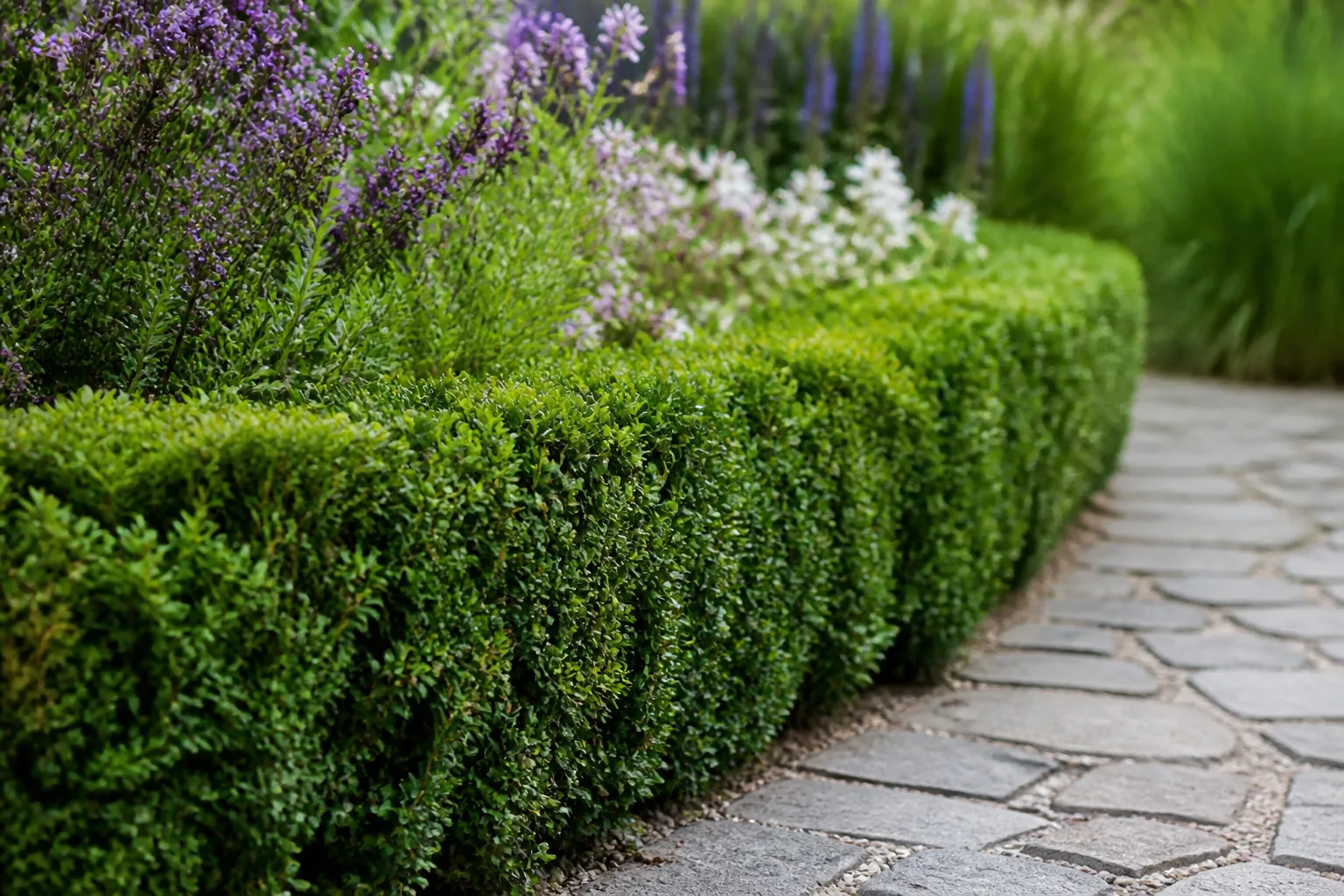
The contrast is the point: a clean edge around flowers that can lean, self-seed, or move in the breeze. Repeat a few flowering plants in small groups instead of mixing one specimen of everything. That gives bees and other visitors a continuous patch of bloom and makes editing the border simpler when a plant spreads beyond its allotted space.
Neatness costs time. A hedge needs trimming, and some evergreen shrubs struggle with particular heat, disease, soil, or pest pressure; if you do not want a recurring clipping task, use a stone or metal edge, a low perennial, or a row of containers instead. BBC Gardeners’ World Magazine discusses contrasting colorful containers with formal topiary at an entrance, a useful way to borrow the same order-and-softness effect without committing to a permanent hedge.
5. Add a Water Feature Only if It Earns Its Place
A fountain works best when it occupies a useful focal point: visible from the house, at the end of a short path, or close enough to a seat for the water sound to matter. A compact recirculating bowl can bring that effect to a small patio without excavating a pond. Fine Gardening’s cottage-garden collection notes that water features can contribute to a relaxed, lush setting, but the water should complement planting rather than compete with it.
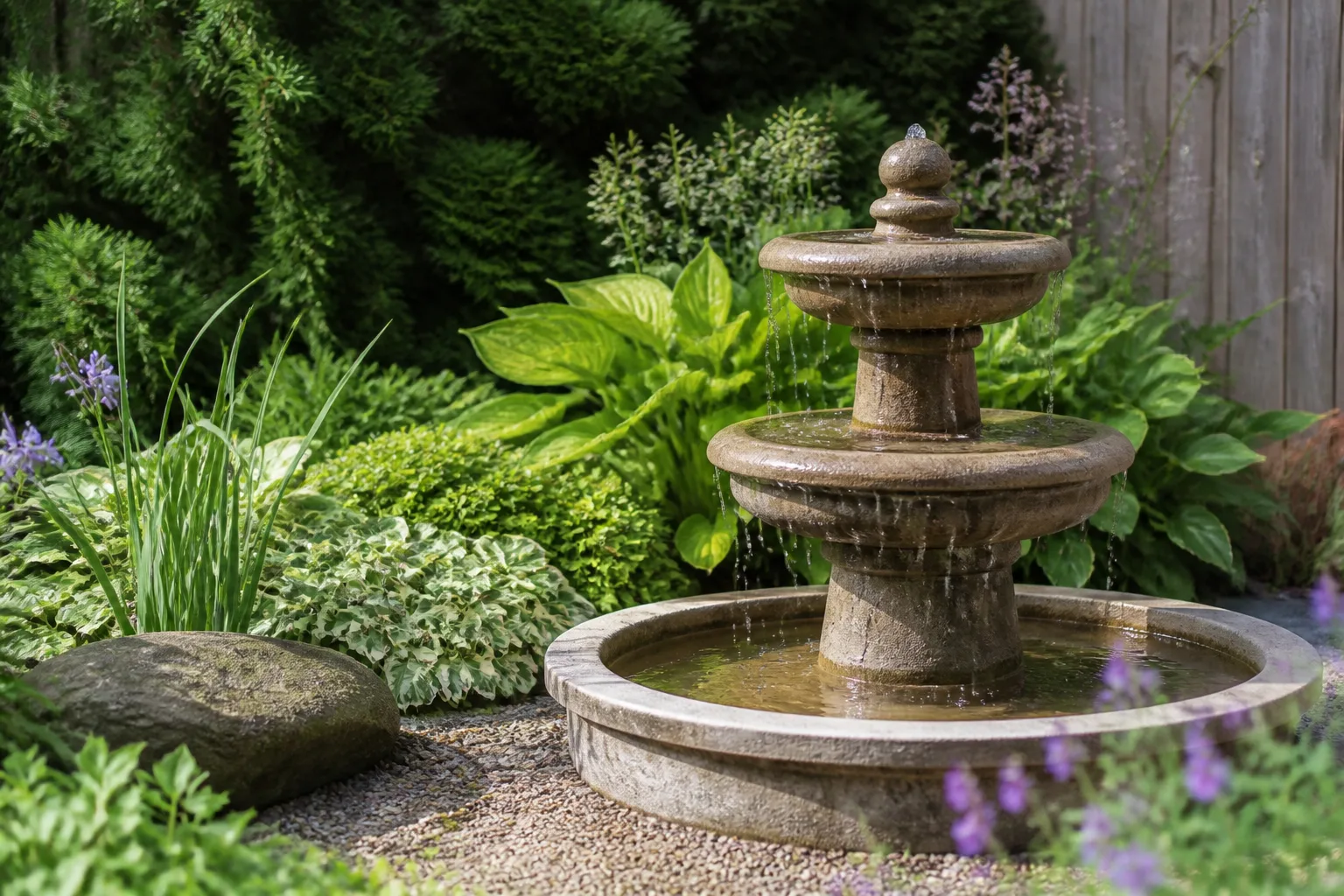
Check the practical details before you buy: where the pump plugs in, whether the base is level, how easy it is to clean, and what you will do when freezing weather arrives. A fountain that is too small can disappear in a broad lawn; an oversized one can dominate a narrow courtyard and leave little space for plants or movement. If you do not want to maintain a pump, a birdbath, a reflective ceramic bowl, or a sculptural urn can be the simpler focal point.
Water also changes the maintenance picture. In hot, windy weather a shallow basin may need frequent refilling, and debris needs to be removed so the feature remains pleasant rather than becoming a neglected container of standing water. Put it where you can reach it easily, and avoid placing a deep or unstable feature beside a frequently used path.
6. Create a Small Seating Moment With a View
A seat gives the garden a reason to be used, and it can be modest. One bench along a path, a pair of chairs at the edge of a patio, or a chair beside a fragrant rose can turn an overlooked corner into a destination. BBC Gardeners’ World’s small-garden advice emphasizes making a journey through the space toward a place to sit; even a few steps and one visual frame can create that experience.
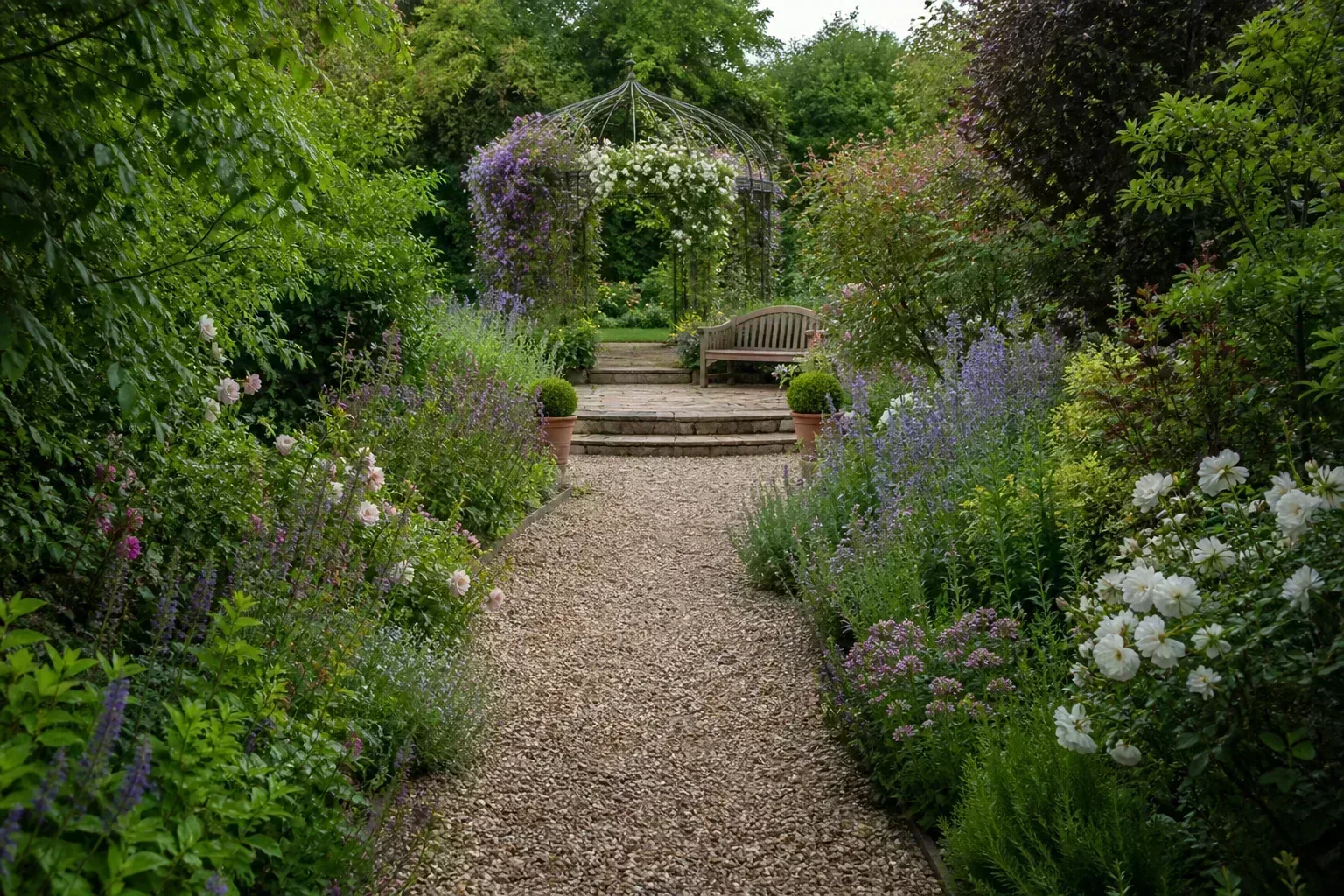
Before placing the furniture, sit there at the time you expect to use it. Check afternoon sun, wind, privacy, and the view from the chair; a beautiful seat that faces a blank fence or bakes in the sun will go unused. Make sure the path stays clear enough to walk without brushing against thorny stems or leaning flowers.
Choose materials for the weather where you live. Painted metal suits a compact traditional look, while a simple wooden bench can blend into a planted border; cushions and draped fabric add softness but need a place indoors during rain or harsh sun. A canopy or pergola can create shade, but it adds cost, anchoring needs, and upkeep, so a tree, umbrella, or existing wall may be enough.
7. Build a Cottage-Style Border in Layers
The most convincing flower borders have height changes and repeat forms, not an equal mix of everything in the seed catalog. Put taller plants or a screen toward the back, medium-height blooms through the center, and low edging plants near the path. Hollyhocks, cosmos, daisies, pansies, and hydrangeas can each contribute a familiar cottage-garden shape where their conditions fit, but they bloom at different times and do not all want the same sun or moisture.
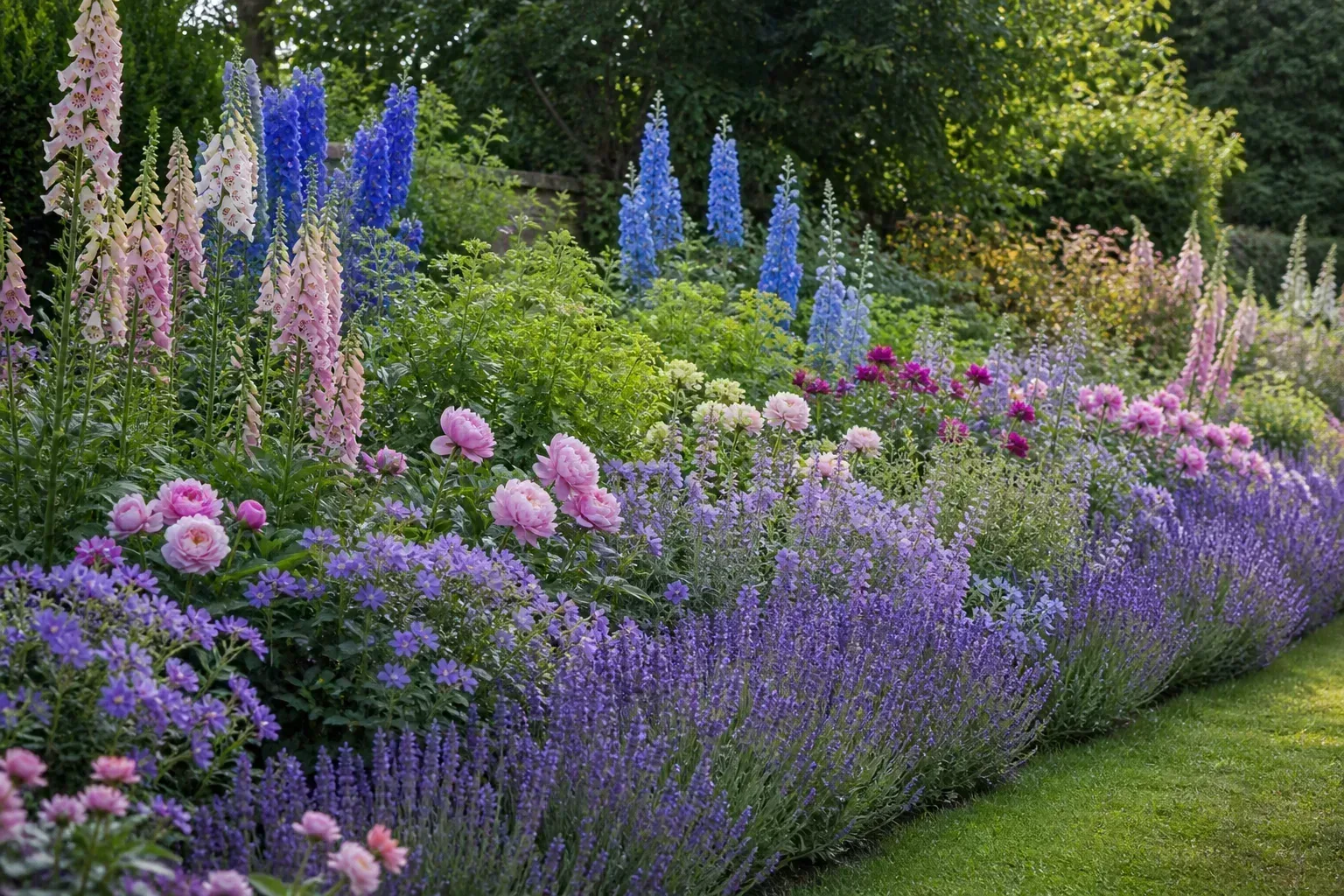
Build the bed around the plants you can grow reliably. In a cool summer climate, a border might lean on roses, hollyhocks, and other long-season perennials; in a hot or humid region, use locally adapted shrubs and native flowering perennials that tolerate the site. Fine Gardening’s cottage-garden guidance describes a soft, curved, spilling look while also emphasizing that a romantic planting still needs organization to avoid becoming a jumble.
Plant in groups and repeat them along the bed. Three plants of one kind often read as a deliberate drift more clearly than three unrelated single plants, while a narrow evergreen or low perennial edge gives the eye a boundary. Check the plant’s mature size before setting out seedlings; the small gap that looks tidy today may close completely after one growing season.
Let Foliage and Bloom Times Carry the Display
Do not expect the entire garden to flower at once. Pair early bulbs or spring perennials with summer roses and annuals, then let late-season asters, sedums, or regionally adapted plants carry color after the first flush fades. If a particular month is your priority, ask a local nursery which varieties peak then rather than relying on a generic English planting calendar.
Use evergreen leaves, seed heads, ornamental grasses, and interesting stems to keep the bed from collapsing into a blank patch after bloom. Deadheading some plants can prolong flowers, while others are more valuable left to set seed or provide winter texture. A little seasonal variation reads as a living garden, not a failed copy of one perfect summer photograph.
Adapt the Look to a Balcony, Patio, or Rental
In a small space, choose one strong gesture and let it do more than one job. A narrow trellis can screen a view and carry a compact climber; a large pot can anchor an entrance and add flowers; a foldable chair can be both seating and a place to notice the planting. Keep containers in a consistent material or finish so the small area feels unified instead of crowded with decorative objects.
Skip full-scale wisteria on a typical balcony. It can outgrow its support and container, and an attached trellis may not be allowed or structurally appropriate in a rental. Choose a compact vine suited to a pot, or use a freestanding screen and trailing annuals for a seasonal canopy effect; check wind exposure, drainage, and the balcony’s load limits before adding large planters or water.
For a narrow patio, use a vertical focal point, a single repeating color, and a seat that folds or tucks under a table. A basin fountain is optional, not essential; if access to power, freeze protection, or routine cleaning makes it inconvenient, a ceramic urn or shallow birdbath can deliver the same visual pause with less equipment. A lush planting does not need to block the route to the door or make basic watering difficult.
Avoid the Mistakes That Make a Romantic Garden Hard to Keep
- Planting for a photo instead of the site: Measure sun, drainage, and mature size first. A plant that is wrong for the exposure will not become a good choice just because its flower color matches the palette.
- Putting a vigorous climber on a weak structure: A mature woody vine is a long-term load, not a temporary decoration. Choose support that can carry it, keep it clear of gutters and rooflines, and confirm that it is not locally invasive.
- Buying several focal points at once: A fountain, arch, urn, bench, and topiary all compete for attention if they are crowded into a small yard. Install the feature that improves the view or solves a real need, then live with the space before adding another.
- Choosing maintenance you do not want: Clipped hedges, repeat-flowering roses, water pumps, and containers all need regular care. Replace a high-maintenance version with a stone edge, local perennial, or dry focal point if that is more likely to be maintained.
- Filling every gap immediately: Young plants need room to reach mature size, and a border can feel sparse in its first season. Use a few annuals as temporary fill rather than planting perennials too close together and having to dig them out later.
A Practical Order for Building the Garden
Work from permanent decisions to seasonal details. This order limits rework and makes it easier to learn how the site behaves before you spend on specialty plants.
- Map the conditions. Note sun at different times, wind exposure, drainage, existing utilities, and the areas you use most. Photograph the view from the house and mark the one part you want to improve first.
- Choose a route and destination. Decide whether the garden needs a clearer walk, a framed view, or a seat. A path ending at a bench can do more for the mood than several objects placed without a relationship to one another.
- Set the structure. Install a gate, arch, trellis, edge, or fountain base before plants occupy the work area. Check anchoring, access for maintenance, and any rental or building restrictions.
- Pick plants by conditions and mature size. Choose a climber only after checking its regional status and support needs; select roses and border plants for the amount of light, soil, and care you can provide.
- Repeat rather than collect. Use one or two evergreen forms, a small flower palette, and groups of perennials. Add the seat or water feature only where it has a clear purpose.
- Review after one season. Notice what stays healthy, which route gets used, and whether watering or pruning feels manageable. Edit and repeat what works before expanding the design.
Conclusion
A Bridgerton-inspired garden is within reach when you borrow its composition instead of its scale: a frame, a repeated palette, a focal point, and flowers softened by green structure. Build around your climate and the time you want to spend gardening, and treat wisteria, fountains, clipped hedges, and other showpieces as optional commitments rather than requirements. Start with one view and one well-chosen feature; the rest can grow around it.