25 Best Smelling Plants for Your Garden
Compare 25 best smelling plants for your garden by bloom season and scent strength, with climate, placement, and pet-safety notes to help you choose wisely.

The best smelling plants for your garden depend on when you want to notice them and how close you’ll be. A spring hyacinth can perfume a bed from a distance, while rosemary gives off its strongest scent when a hand brushes past it; night-scented flowers make an evening patio feel different from a sunny path.
Rather than planting every fragrant flower in one border, choose a few that match your climate, available light, and tolerance for strong perfume. The 25 options below cover early spring through frost, include both flowers and aromatic leaves, and note where a plant is better admired from a little distance.
Choose the Scent Before You Choose the Plant
Fragrance is personal. What one gardener calls sweet, another may find cloying, so think in terms of intensity and timing instead of assuming there is one universally “best” smell. A useful starting point is to choose one plant you already enjoy, then add a different scent season or texture rather than a second plant with the same powerful perfume.
Flower perfume and foliage aroma solve different jobs
Flower fragrance arrives in a distinct bloom window: lilacs and hyacinths announce spring, roses and phlox scent warmer months, and some pale flowers intensify after sunset. Aromatic foliage is more interactive; lavender, rosemary, and lemon verbena release scent when brushed, so they work well along paths, gates, and containers you tend.
Combine both types to keep the garden interesting after a bloom fades: let the breeze carry a flowering shrub while herbs scent the route you walk. UF/IFAS discusses floral and herbal layers in fragrance gardens; treat bloom scent and touch-released leaf scent as separate design tools. UF/IFAS Gardening Solutions
Fragrance changes with time, heat, and airflow
A flower’s scent is not fixed. Some plants release more fragrance at dusk, and wind can carry scent toward a seat or disperse it. A flower that smells strong up close may not perfume a yard, while a strongly scented shrub may overwhelm a small porch.
Before planting several high-impact specimens, smell one in bloom at the time you expect to use the garden. Fine Gardening recommends matching placement to scent strength, staggering bloom times, and considering wind direction—more useful than treating a list as a scent ranking. Fine Gardening
25 Fragrant Plants Worth Growing
Bloom dates vary with latitude, elevation, weather, and cultivar. Use the following groups as a planning guide, then check your local extension service or a reputable nursery for the variety that suits your region.
Early and late spring fragrance
These choices start the season with bulbs, flowering shrubs, and perennials. Many have a short peak, so combine them with summer bloomers rather than expecting one spring plant to perfume the garden all year.
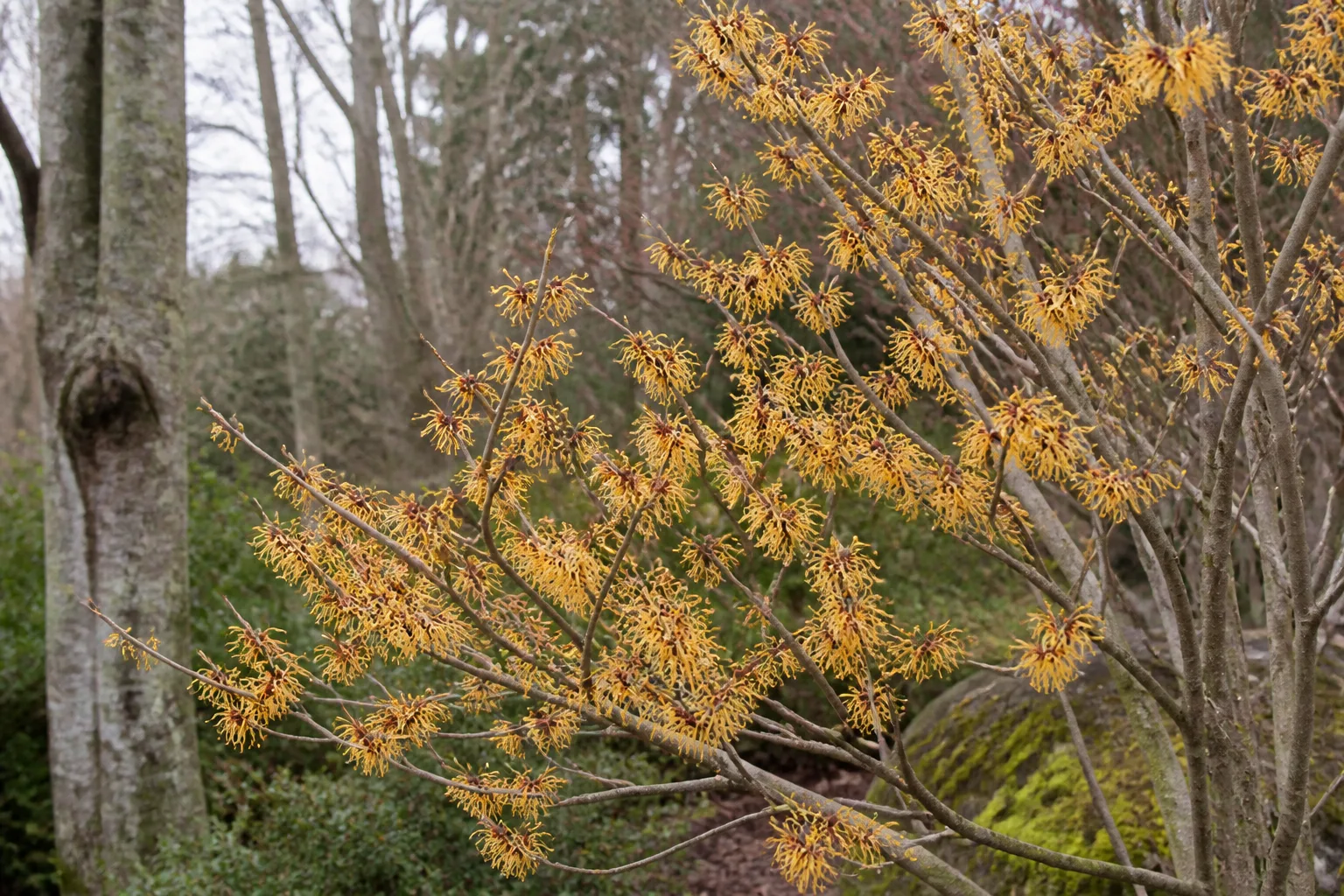
1. Witch hazel (Hamamelis × intermedia). Witch hazel can bring fragrance to the garden before most spring flowers open. Penn State Extension notes that ‘Arnold Promise’ is particularly fragrant and blooms in late winter or early spring; it is a substantial shrub, so give it room and plant it where an early-season scent can drift toward a window or path. The timing shifts with climate and cultivar. Penn State Extension
2. Hyacinth (Hyacinthus orientalis). Hyacinths are among the most powerful spring bulb fragrances, and planting several together makes their scent easier to notice outdoors. The strength is a benefit in an open bed but can become overwhelming in a small enclosed room, so use them along a garden path or in a movable outdoor pot if you want more control. Plant bulbs in fall for a spring display; choose a different variety if your local climate or soil does not suit them.
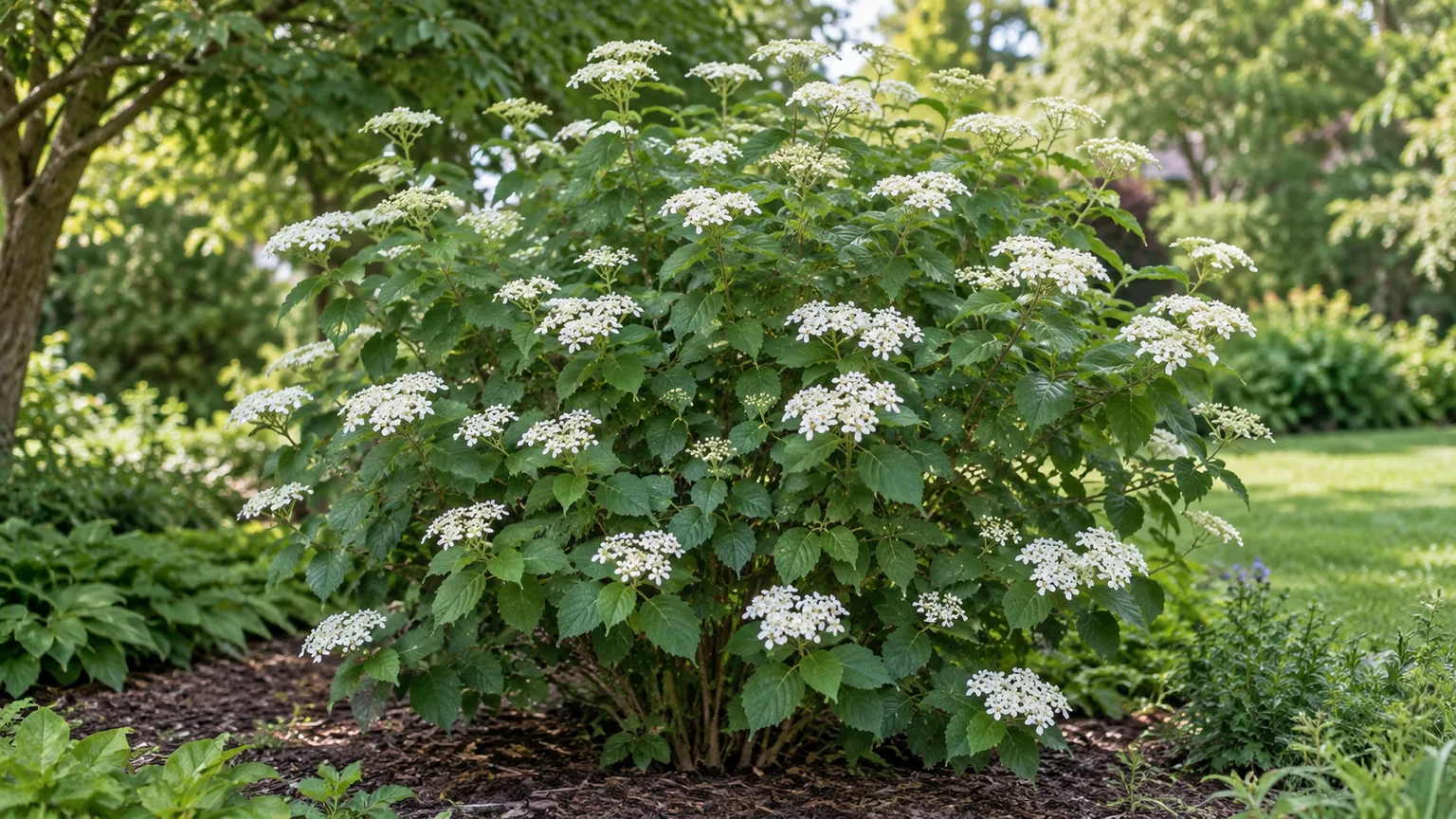
3. Korean spice viburnum (Viburnum carlesii). This rounded shrub produces spring flowers with a spicy, sweet fragrance that can carry across a yard. Penn State Extension describes its scent as especially strong and places its bloom in April and May in its Pennsylvania example; local dates will differ. It is a better fit for a shrub border or near a deck than for a narrow bed where mature size would crowd a path. Penn State Extension
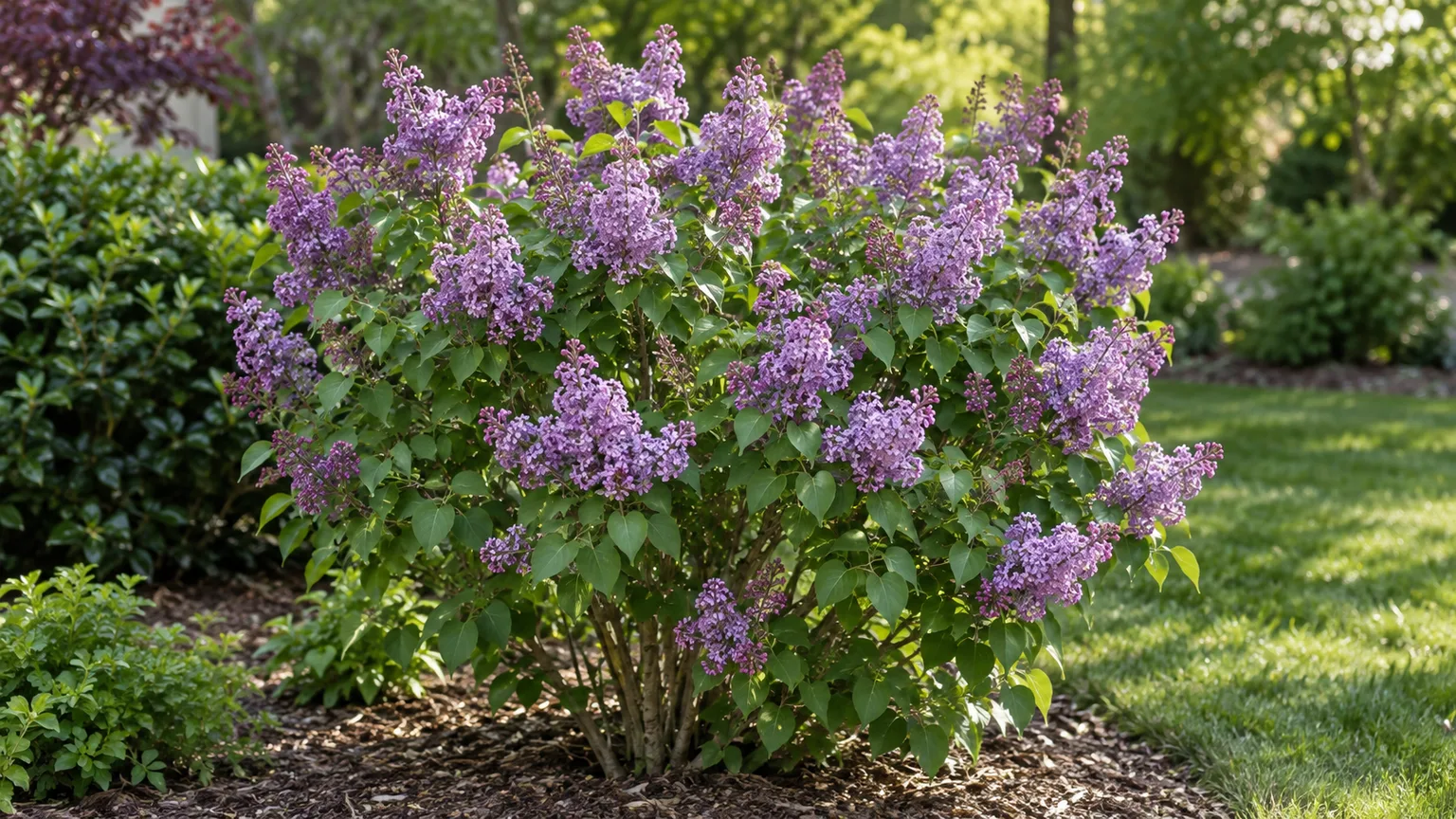
4. Lilac (Syringa). Common lilac has the classic sweet spring perfume many people recognize, but its flowering period is brief and fragrance varies by cultivar. Give it sun and enough space for its mature form; compact varieties such as ‘Miss Kim’ can suit smaller gardens better than a full-size common lilac. If fragrance matters more than flower color, ask for a named variety with a documented scent rather than choosing from a photo alone. Penn State Extension
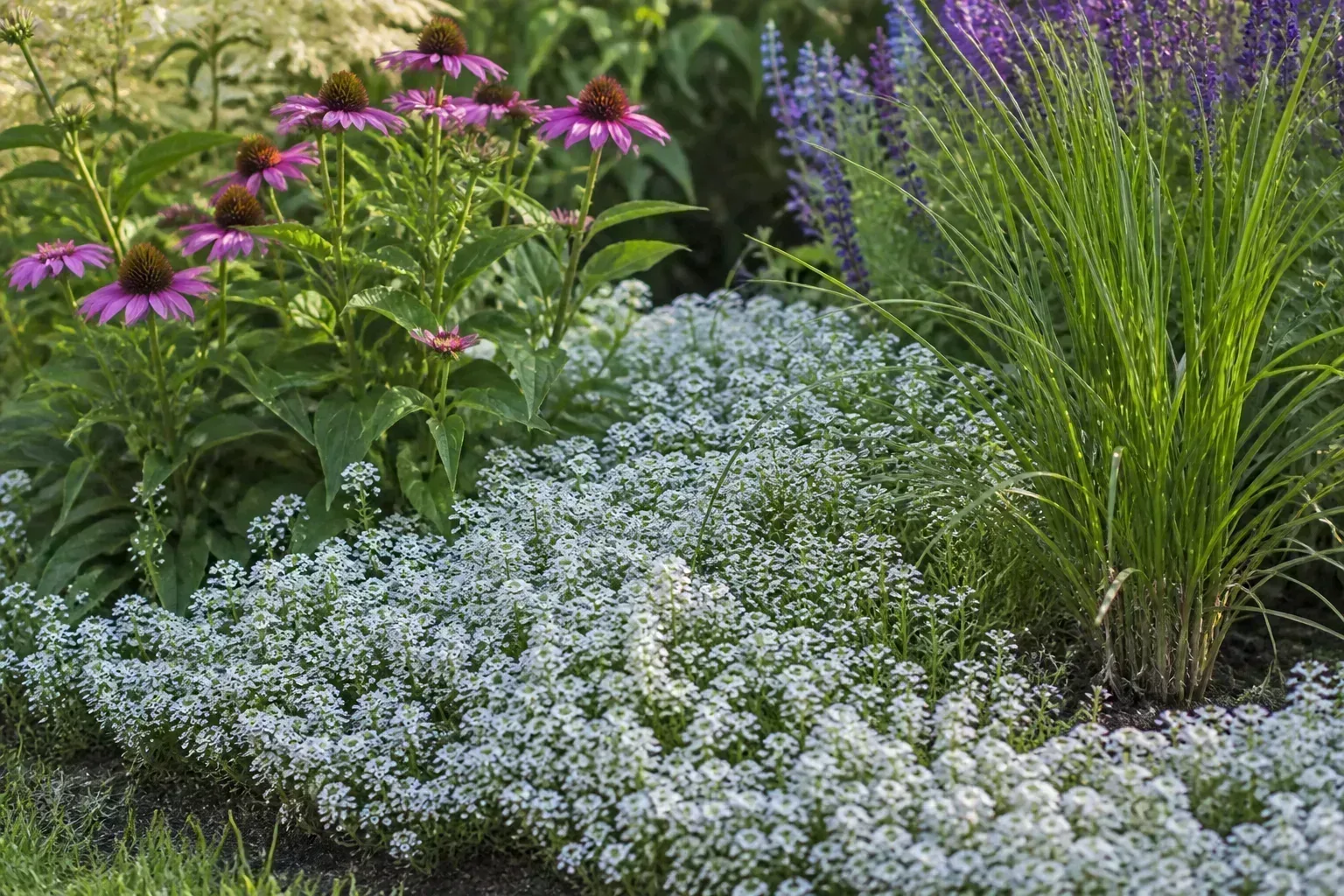
5. Sweet alyssum (Lobularia maritima). This low, spreading annual has small flowers with a light honey scent. It is useful at the front of a bed, in window boxes, or around containers where its fragrance can be noticed close up; it is not a substitute for a strongly perfumed shrub. UF/IFAS notes its value as a compact flowering plant and describes the scent as delicate, which makes it a good choice for gardeners who want fragrance without a heavy cloud of perfume. UF/IFAS Gardening Solutions
6. Dianthus (Dianthus). Fragrant dianthus often smells spicy or clove-like, but not every cultivar is equally scented. Use compact pinks near a path or in a raised planter so you can appreciate their smaller flowers at close range. They generally prefer sun and sharp drainage; in hot, humid conditions, choose a locally recommended variety and avoid crowding it, which can shorten its useful life.
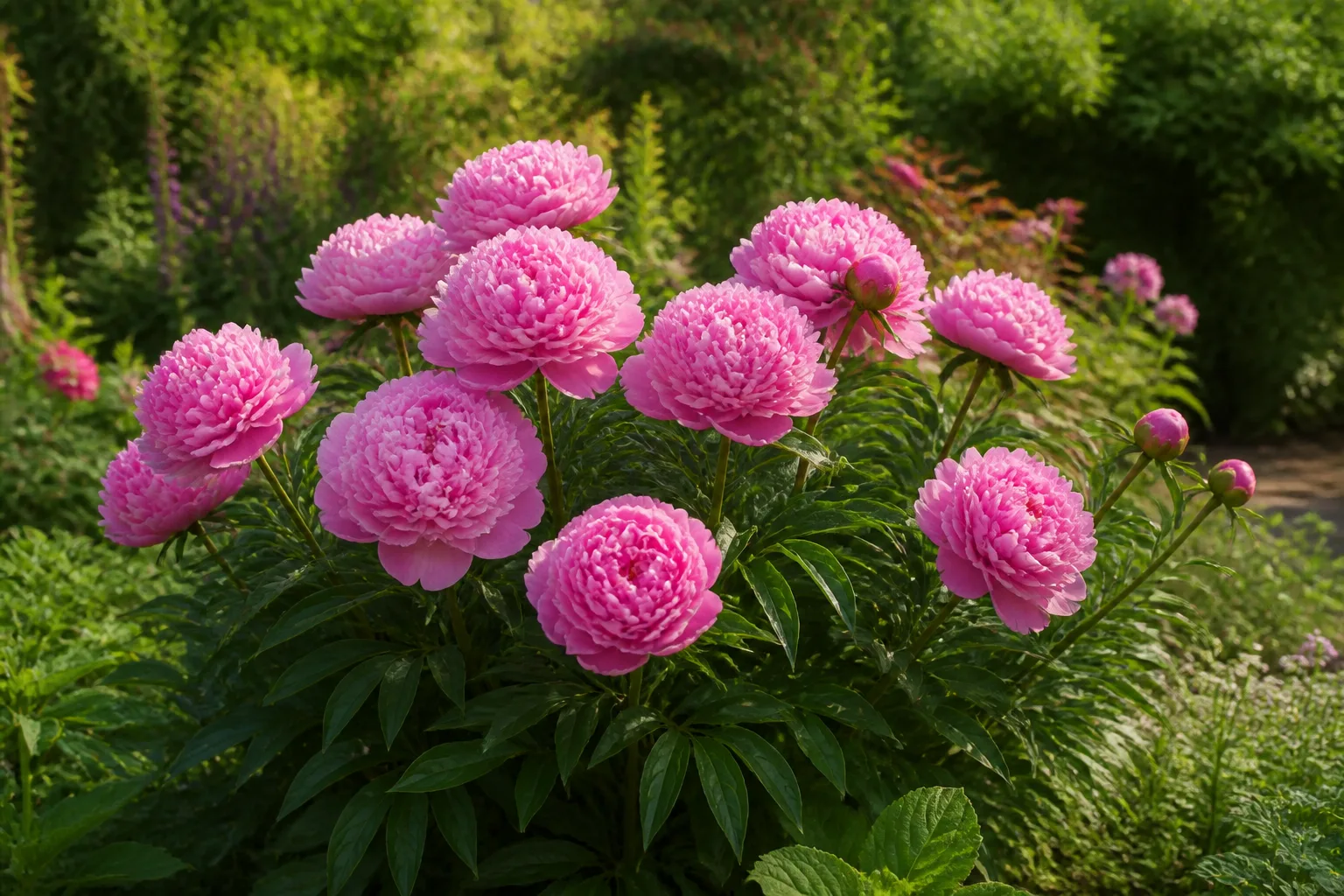
7. Peony (Paeonia). Peonies offer a rich, soft floral fragrance in late spring, but scent is cultivar-dependent: some varieties are strongly perfumed and others have little noticeable aroma. Choose a named fragrant cultivar, and avoid moving an established plant simply to put it closer to a seat; peonies can sulk after disturbance and may take time to resume flowering. Their large blooms are worth placing where you can enjoy them without needing to brush against the stems. Better Homes & Gardens
8. Bearded iris (Iris germanica). Bearded iris varieties can smell floral, fruity, or spicy, so the cultivar name matters more than the broad plant label. If possible, smell the flowers in person before buying; a fragrant cultivar can sit beside a sunny walkway, while an unscented iris still earns its space for color and form. Give rhizomes a sunny, well-drained spot and avoid burying them deeply, since wet, covered rhizomes are more likely to struggle.
Summer flowers and shrubs
Summer fragrance comes from both large shrubs and smaller flowering plants. Some scent the air from several feet away; others reward a close pass, so use the plant’s mature size and fragrance strength to decide where it belongs.
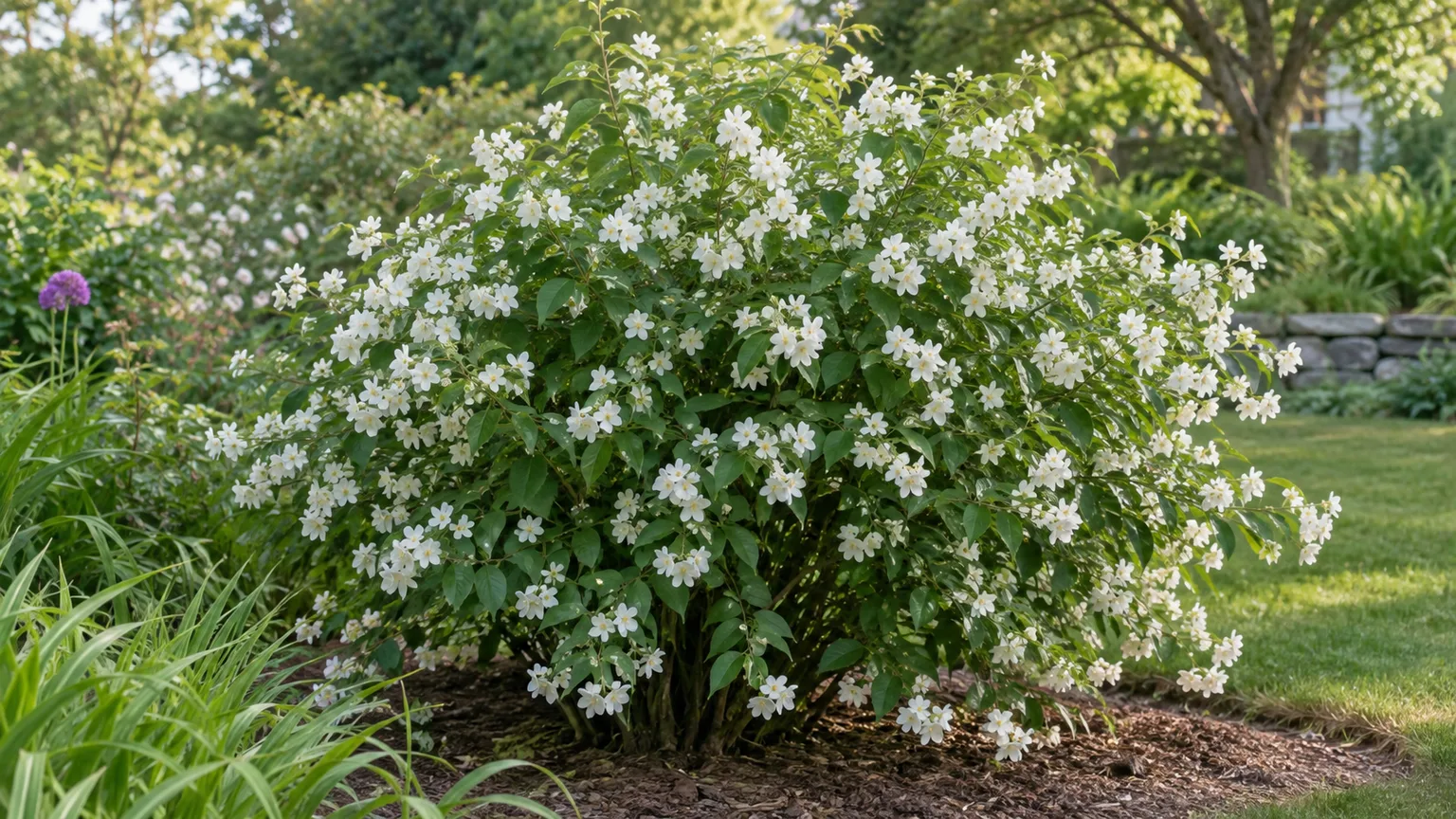
9. Mock orange (Philadelphus). Mock orange produces white flowers with a fragrance often compared to orange blossoms. It is a spring-to-early-summer shrub, not a citrus tree, and the best planting spot is close enough to enjoy its bloom but open enough to accommodate its mature width. Fine Gardening includes mock orange in a season-long fragrance sequence, illustrating how one shrub can bridge spring bulbs and summer flowers. Fine Gardening
10. Sweetbay magnolia (Magnolia virginiana). Sweetbay magnolia brings a lighter magnolia scent in early summer, often later than spring-flowering magnolias. Penn State Extension highlights it for June and July bloom and notes its preference for damp soil; that makes it a better choice for a moist garden edge than for a dry, compacted strip beside pavement. Allow for a small tree or large shrub rather than treating it like a compact patio plant. Penn State Extension
11. Sweet pepperbush (Clethra alnifolia). Also called summersweet, this shrub flowers in mid-to-late summer with a clove-like scent. It is useful when a garden needs fragrance in moist soil or partial shade, conditions that can be difficult for sun-loving herbs and roses. Penn State Extension describes it as a late-season choice that tolerates wetter ground; check its mature size and spreading habit before placing it in a narrow border. Penn State Extension
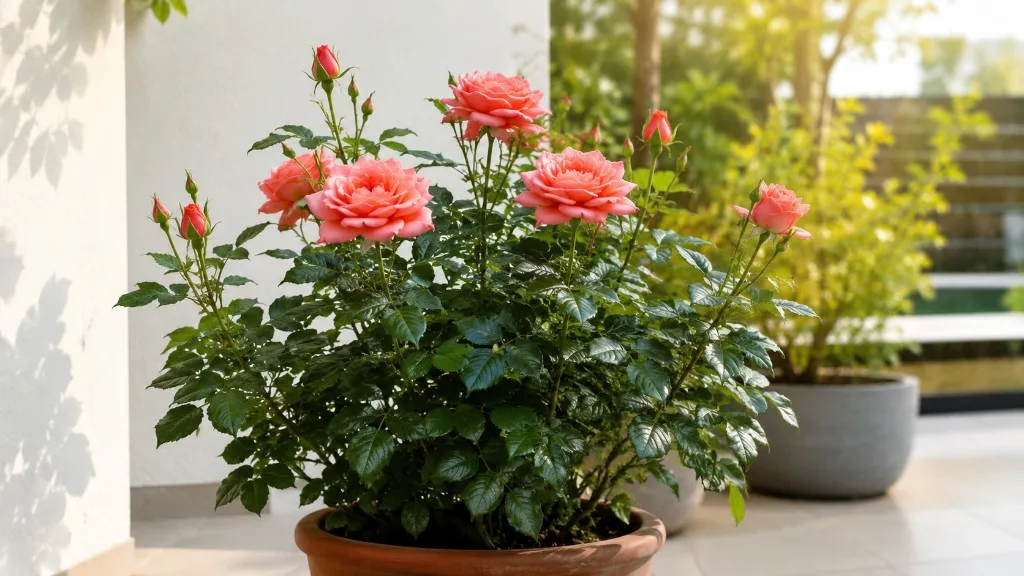
12. Rose (Rosa). Roses range from barely scented to richly fruity, spicy, or classic rose perfume. If fragrance is the goal, choose a cultivar known for scent rather than assuming every rose will smell strongly; Better Homes & Gardens recommends smelling varieties when possible because the notes vary considerably. Put thorny forms where people can enjoy the flowers without squeezing past them, and choose disease-resistant varieties suited to your climate to reduce maintenance. Better Homes & Gardens
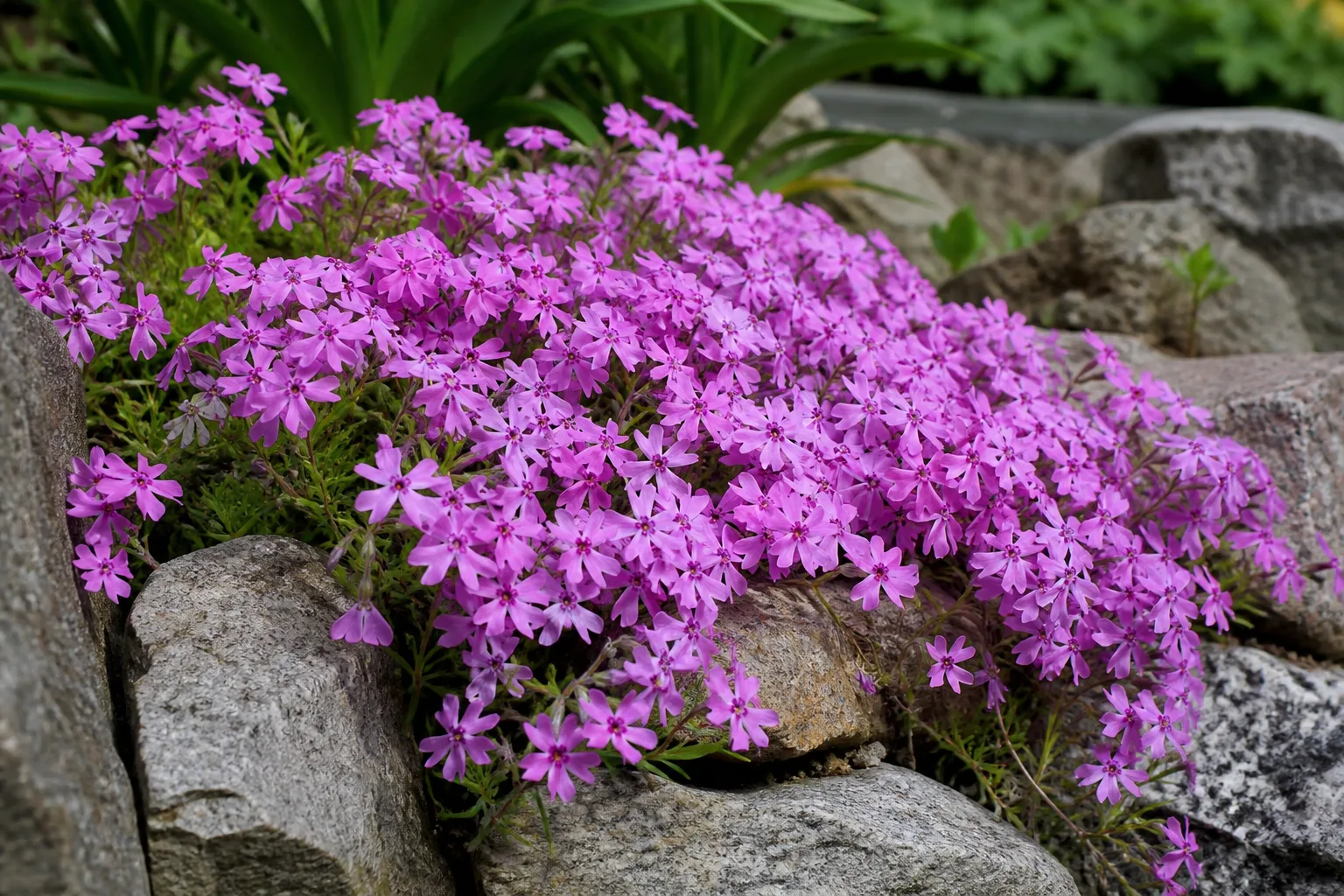
13. Garden phlox (Phlox paniculata). Tall garden phlox produces clusters of summer flowers with a sweet scent that is most noticeable on warm, sunny days. Its height makes it useful behind shorter perennials, but it needs enough airflow and moisture to perform well; in humid regions, look for mildew-resistant cultivars recommended locally. Better Homes & Gardens notes phlox as a summer fragrance plant and emphasizes how the scent changes with warm conditions. Better Homes & Gardens
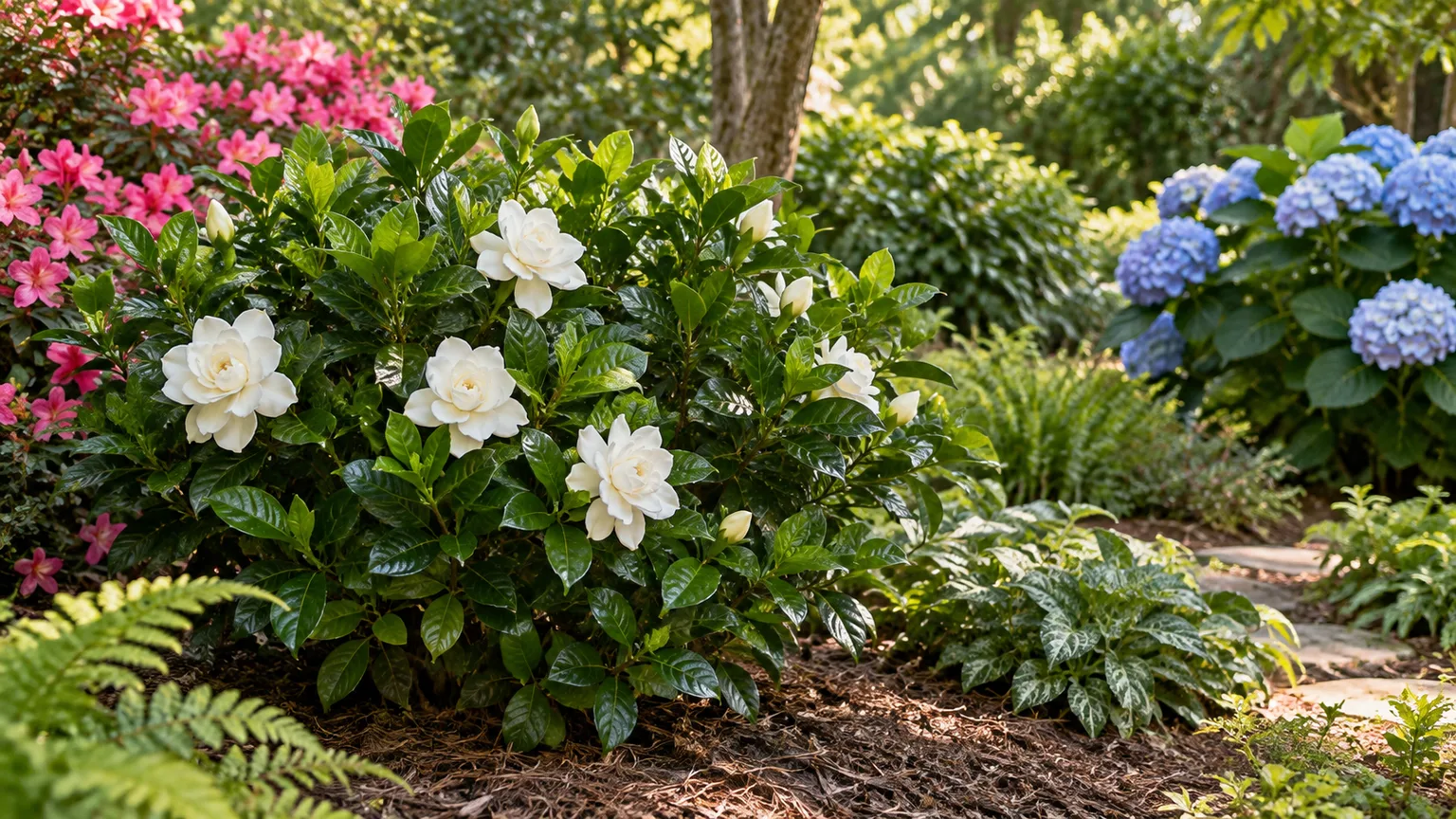
14. Gardenia (Gardenia jasminoides). Gardenia has a strong, sweet perfume and glossy evergreen leaves, but it is not an effortless choice in every climate. It prefers acidic, well-drained soil and warmth; in colder areas, a container gives you the option of moving it to shelter before damaging cold. UF/IFAS and Better Homes & Gardens both describe gardenia as notably fragrant, while the range of sizes among cultivars means you should check the label before buying. UF/IFAS Gardening Solutions Better Homes & Gardens
Evening and night scent
Night scent is especially useful beside a patio, a frequently used doorway, or a window that stays open on warm evenings. It can also be intense, so start with one plant and see how it smells in your space after dark.
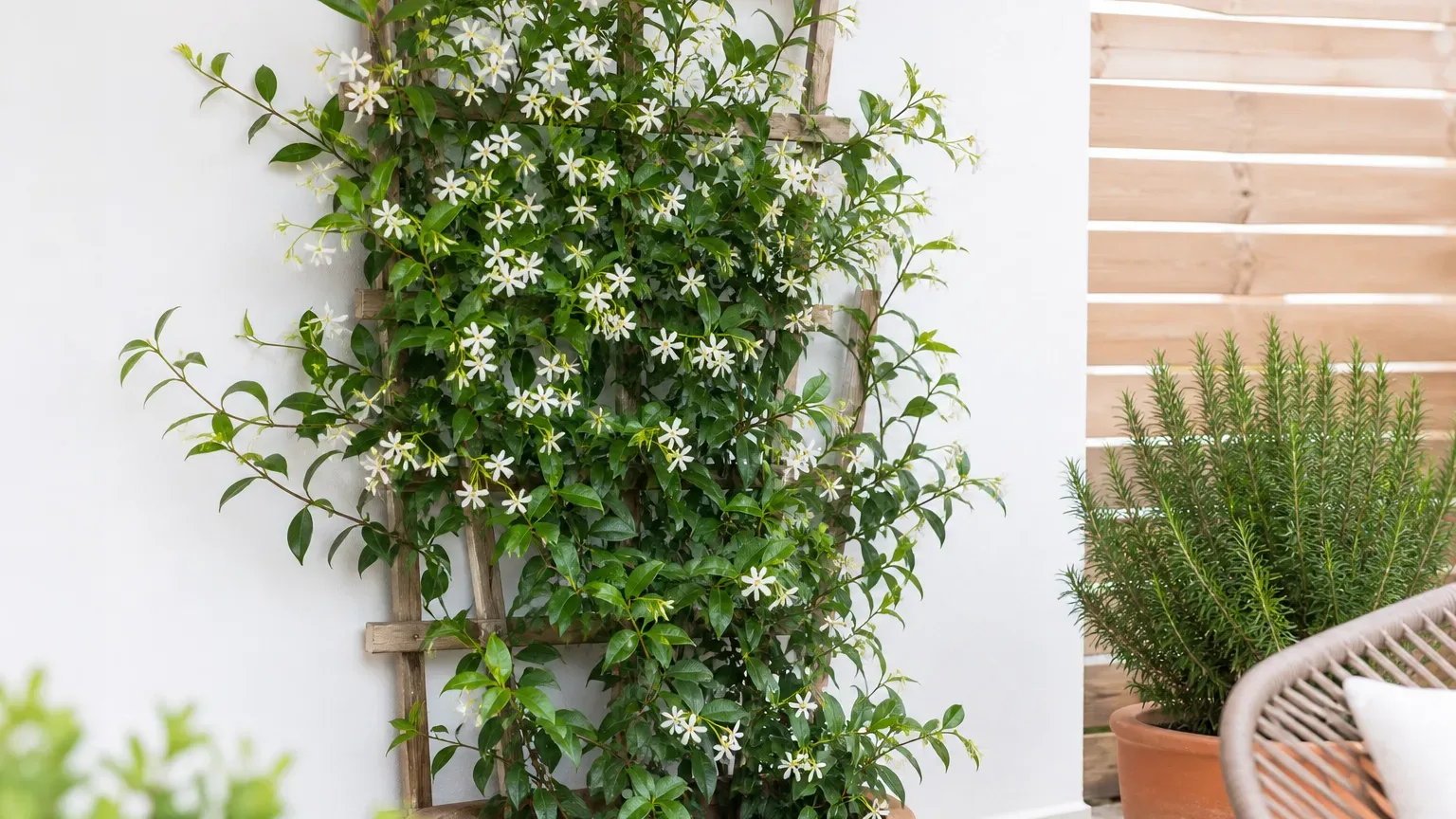
15. Star jasmine (Trachelospermum jasminoides). Star jasmine is not a true Jasminum, but its clusters of white, pinwheel-shaped flowers have a strong sweet fragrance. UF/IFAS notes that the scent is often stronger at night and that the evergreen vine can grow on a trellis, arbor, or post in warm regions. In colder climates, treat it as a container plant only if you can protect it from winter conditions; do not assume it will survive outdoors everywhere. UF/IFAS Gardening Solutions
16. Tea olive (Osmanthus fragrans). Tea olive is an evergreen shrub with small flowers and a sweet, noticeable scent that can appear in more than one flush in warm climates. It is not the plant for every garden: cold tolerance and flowering behavior depend on region and cultivar, and it needs enough room to develop as a shrub. UF/IFAS recommends it as a fragrant option for parts of Florida, which is a reminder to use local guidance before translating a warm-climate recommendation to a colder garden. UF/IFAS Gardening Solutions
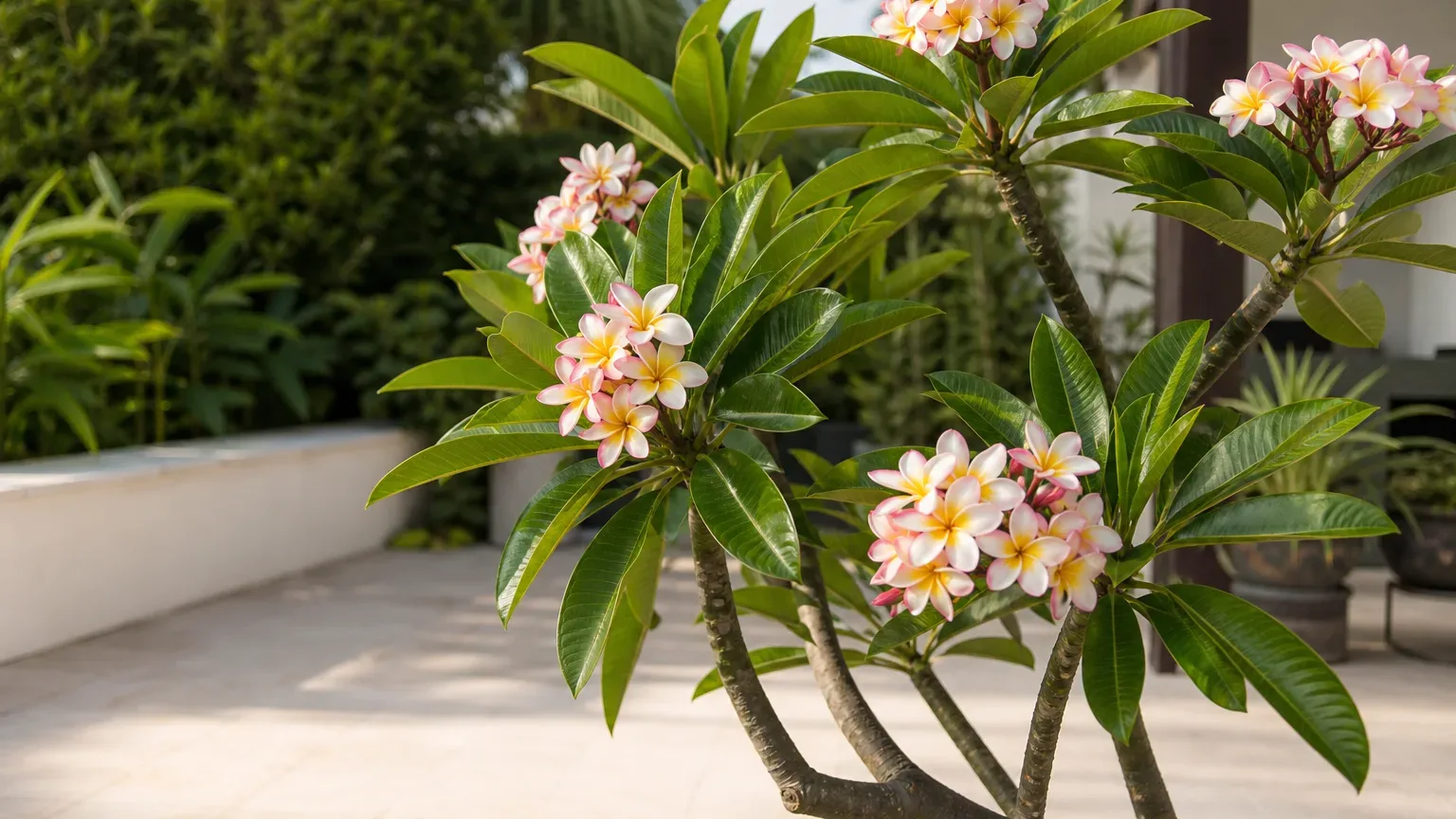
17. Plumeria (Plumeria). Plumeria, or frangipani, has a tropical, sweet floral scent and works well in a sunny container in regions where it cannot remain outdoors year-round. Fragrance varies between cultivars, so buy a named selection from a nursery that can tell you how that plant performs. It needs warmth and good drainage; if your winters freeze, plan for a protected dormant season before bringing the plant home rather than treating it as a hardy shrub.
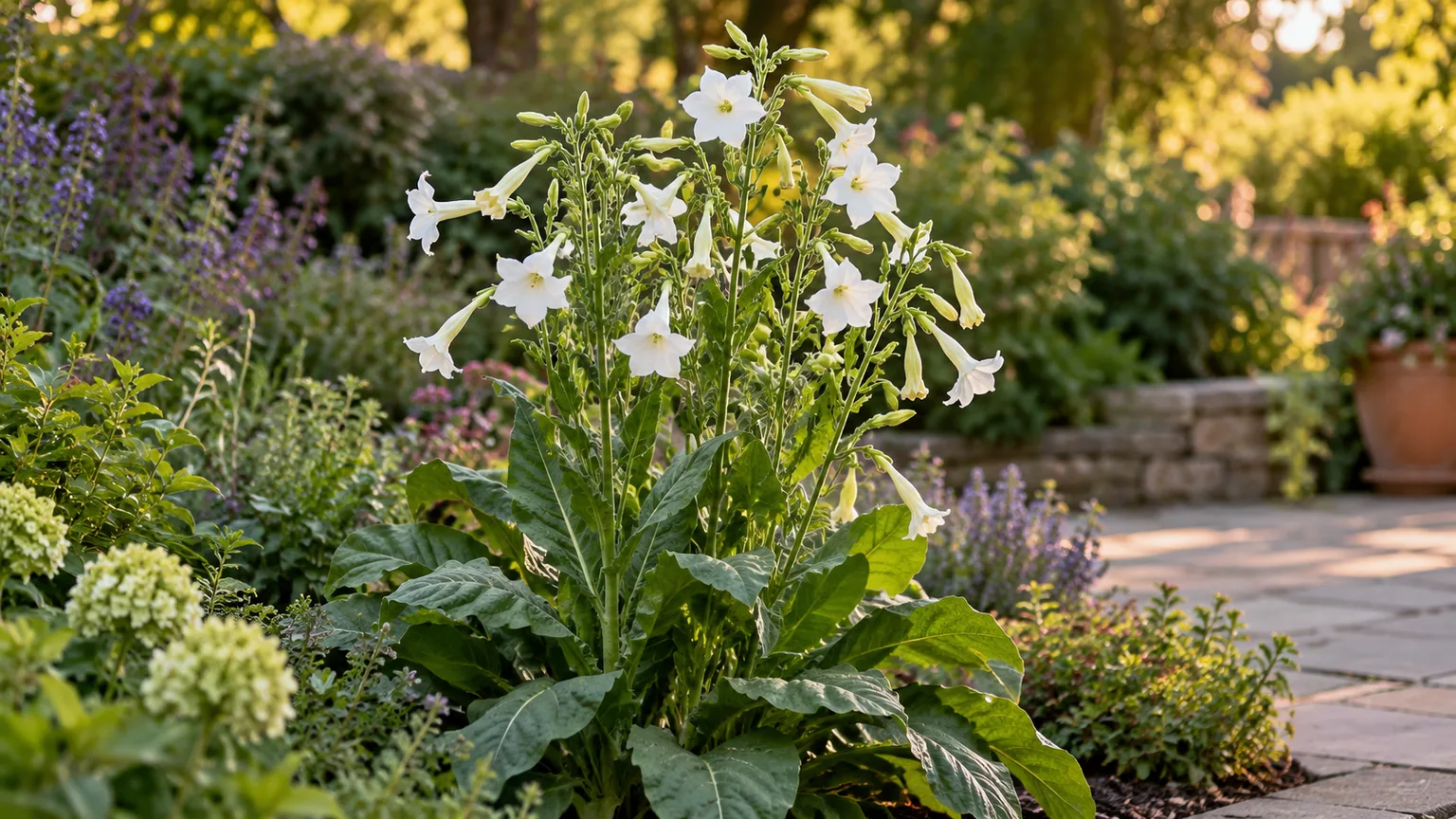
18. Flowering tobacco (Nicotiana alata). Some flowering tobacco cultivars release a sweet, jasmine-like fragrance in the evening, while others are selected mainly for color and may smell less. Choose a variety marketed specifically for fragrance and grow it as an annual where it is not hardy. The ASPCA lists Nicotiana as toxic to dogs and cats, so keep it out of reach or choose another night-scented plant if pets chew garden plants. ASPCA Animal Poison Control
19. Night-scented stock (Matthiola longipetala). This modest annual is grown for fragrance more than for showy daytime flowers; its scent becomes much more noticeable around dusk. Gardening Know How describes its perfume as spicy and clove-like and recommends it as a cool-season annual, making it useful in spring or fall where summers are too hot. Sow or plant it near a seat, but not so tightly that neighboring plants hide its small blooms. Gardening Know How
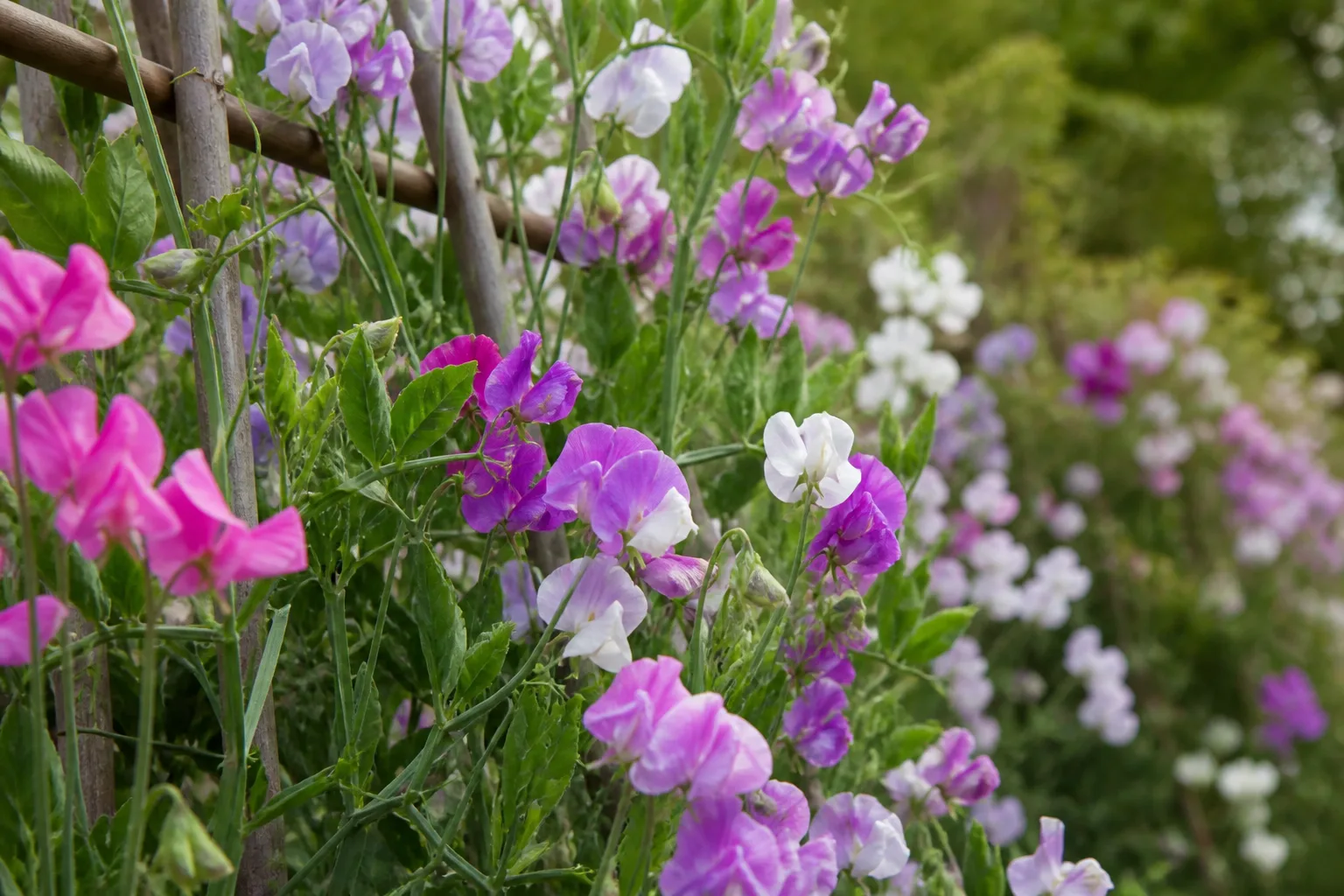
20. Sweet pea (Lathyrus odoratus). Sweet peas are climbing annuals with a classic, sweet flower scent, but modern cultivars can vary from clearly fragrant to nearly scentless. Look for varieties sold specifically for fragrance and provide a trellis before the vines need support. They prefer cooler growing weather and may fade when heat arrives, so sow them at the season recommended locally rather than expecting them to carry a midsummer garden.
21. Heliotrope (Heliotropium arborescens). Heliotrope has dense clusters of purple, blue, or white flowers with a rich fragrance that different people describe as vanilla, cherry, or almond. It is often grown as a warm-season annual or container plant outside frost-free regions, where you can move it closer to seating while it blooms. Give it sun and evenly moist but well-drained soil, and do not rely on fragrance alone as a reason to put a plant within reach of pets or children.
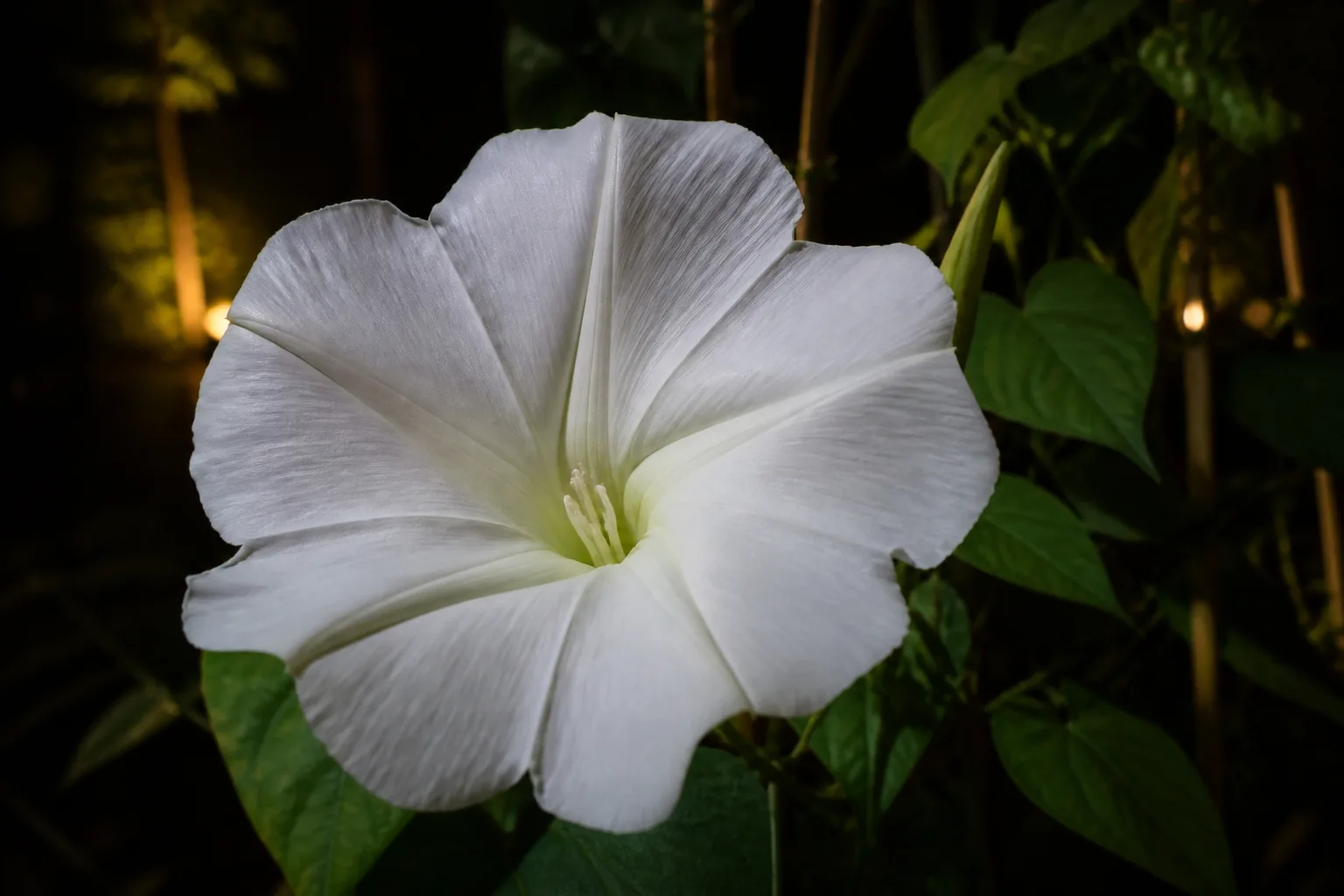
22. Moonflower (Ipomoea alba). Moonflower is a climbing vine with large white blooms that open near dusk and release a sweet fragrance. NC State Extension describes it as a tender perennial often grown as an annual, and recommends a sunny site with a fence, trellis, or arbor for support. The plant is flagged for poison characteristics and as a problem for pets, so use it only where children and animals will not chew the foliage, flowers, or seeds. NC State Extension Plant Toolbox
Fragrant foliage for paths and pots
These plants can scent a garden even when they are not in bloom, but their leaves release most aroma when disturbed. Place them where a hand or passing leg can brush the foliage, and keep plants that spread aggressively in containers or within a contained bed.
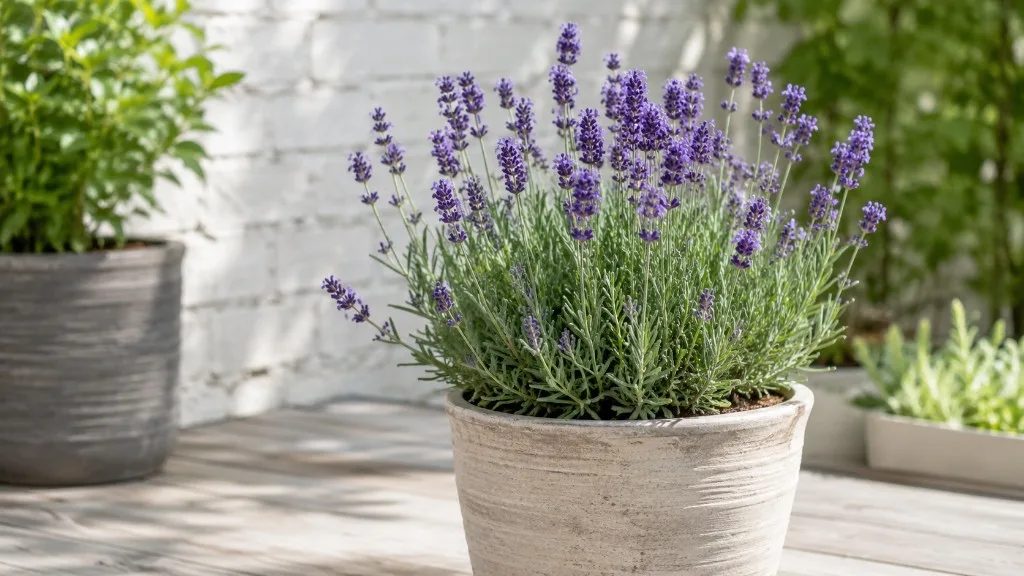
23. Lavender (Lavandula). Lavender offers scented flower spikes and aromatic leaves, with a dry, herbal perfume that carries well on a sunny day. It needs a bright site and sharply drained soil; wet winter ground is a common reason it declines. Use it beside a path or at the edge of a sunny bed, and choose a species or cultivar rated for your winter climate rather than assuming all lavenders have the same cold tolerance.
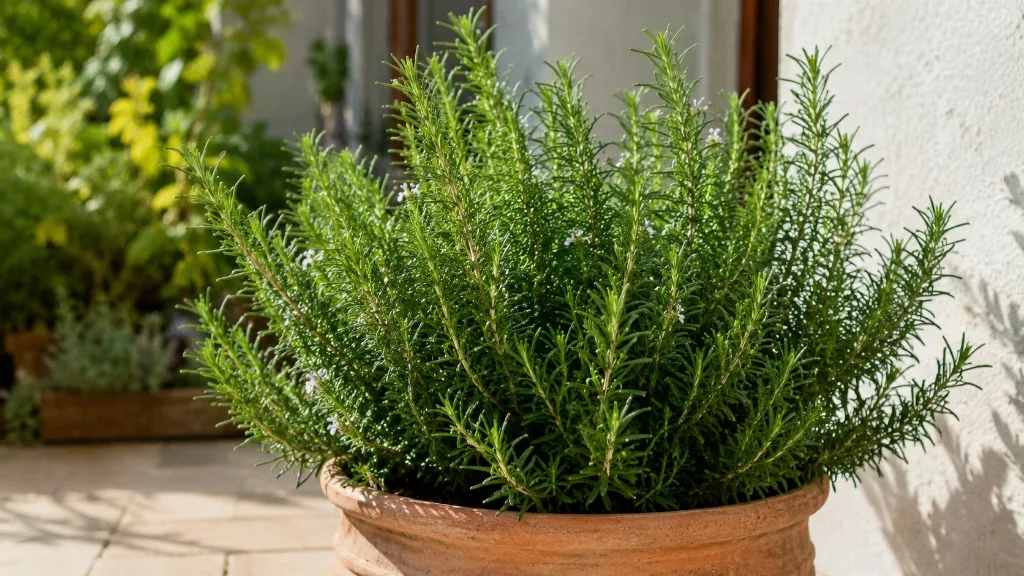
24. Rosemary (Salvia rosmarinus). Rosemary is a useful choice when you want fragrance from foliage, not a constant cloud of flower perfume. Brush the leaves or harvest a sprig and the scent is immediate; in mild climates, the shrub can become a permanent garden feature, while colder regions often grow it in a pot that can be protected indoors. Give it sun, drainage, and room for airflow, and do not water it on a fixed schedule if the soil is still wet.
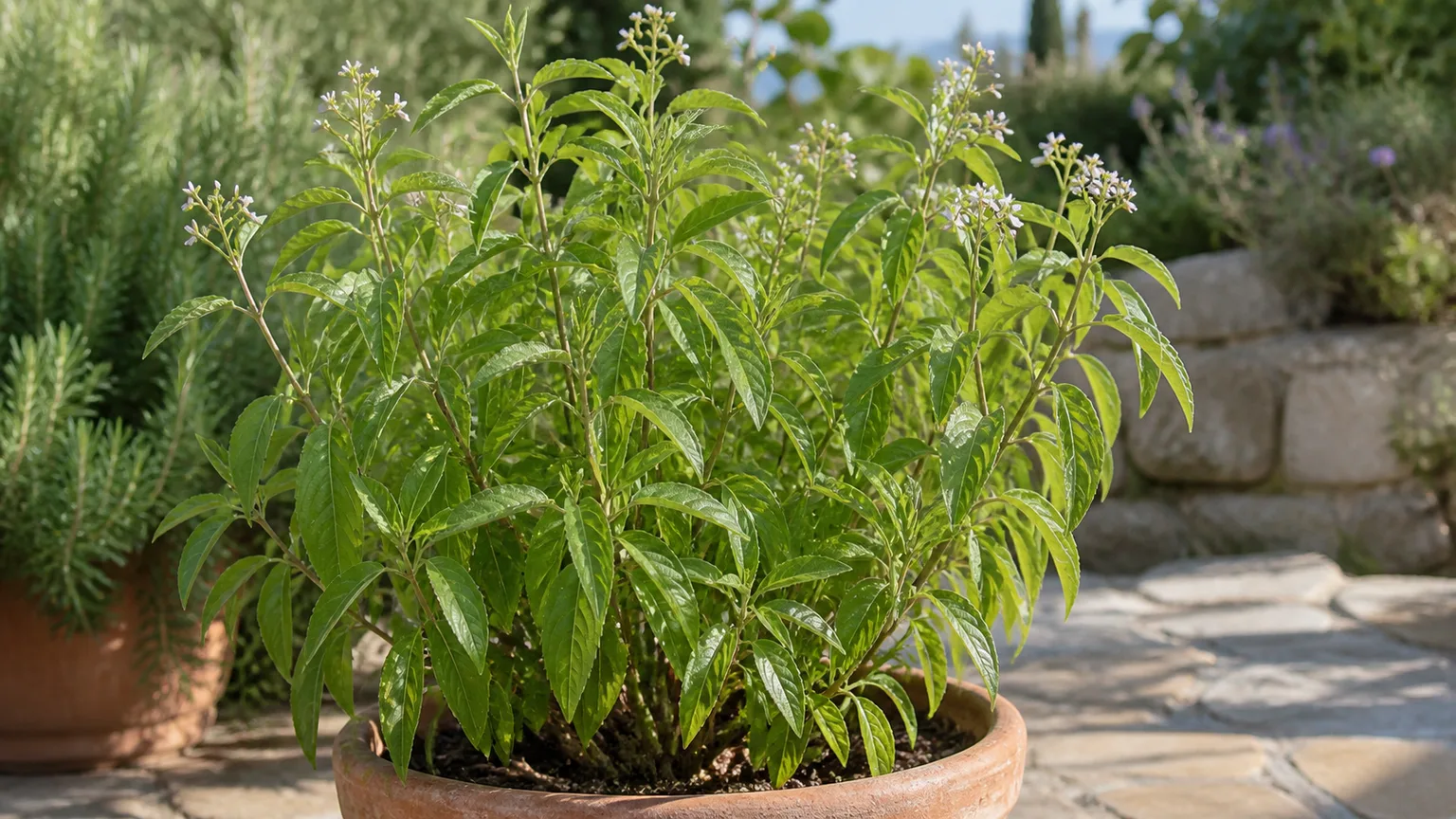
25. Lemon verbena (Aloysia citrodora). Lemon verbena has narrow leaves that release a bright citrus scent when crushed, making it an excellent pot beside an outdoor dining area. It is tender to cold and often treated as a container plant outside warm regions; a movable pot also lets you bring the scent closer when you use the patio. Pinch or harvest lightly to encourage branching, but remember that an unbrushed plant will not perfume the air as strongly as a flowering shrub.
Build a Scented Garden That Lasts
A fragrant garden is a sequence, not a pile of plants. Note when you sit outside or open a nearby window, then choose blooms or aromatic foliage for those hours. If you garden in the evening, a spring lilac cannot do the job of a summer night-bloomer beside the patio.
Place plants where the breeze carries them to you
Put subtle scents where you can approach them: sweet alyssum at a path edge or rosemary beside a gate. Place stronger flowers near a seat only if you like their scent at full strength. Consider prevailing wind; an upwind plant may carry fragrance toward a porch, while a sheltered corner may hold it close.
Consider competing smells: compost, smoke, or traffic can mask a flowering shrub, while several powerful perfumes can become cloying in a small courtyard. Fine Gardening recommends spacing strong scents and staggering bloom times; Better Homes & Gardens notes that fragrant leaves work well where people brush past. Fine Gardening Better Homes & Gardens
Layer bloom times rather than piling scent into one bed
In a cooler climate, start with witch hazel, hyacinth, and viburnum; follow with lilac, peony, and mock orange; then roses, phlox, or sweet pepperbush. Warm climates can add gardenia, star jasmine, tea olive, and pots of flowering tobacco or plumeria. Bloom dates vary by region and cultivar.
Use one strongly scented focal plant per small area, supported by milder flowers or aromatic foliage. You can then tell which scent you enjoy and move a container if it is too strong. A few well-placed plants usually work better than a crowded border.
Match Plants to Your Space and Climate
Start with your existing conditions. Check mature size, hardiness, light, drainage, and moisture needs; fragrance does not help if a shrub outgrows the bed or a tender plant dies at the first frost. USDA hardiness zones describe winter lows, not summer heat, humidity, soil, wind, or microclimates.
For a sunny balcony, pot lavender, rosemary, lemon verbena, or sweet alyssum with one seasonal flower. A shaded, moist border may suit sweet pepperbush better than lavender. Warm patios can support star jasmine or gardenia; colder regions may need protected pots or hardy spring shrubs.
Containers let you test a strong scent, move tender plants to shelter, and adjust their distance from a seat. Pots dry faster than garden soil and need good drainage, so check mature size and water needs before buying a plant labeled for patios.
Check Safety Before Bringing Fragrance Home
Fragrance does not tell you whether a plant is safe to eat or chew. If children, dogs, cats, or horses use the garden, identify each plant by its botanical name and check a species-specific poison-control or veterinary resource before planting. Common names can describe unrelated plants, and a plant considered safe for one animal may not be safe for another.
Plants to avoid or site carefully around pets and children
The ASPCA lists lilies as toxic to cats and also lists hyacinth and flowering tobacco as toxic to cats and dogs. Moonflower is flagged by NC State Extension for poison characteristics and as a problem for pets. If a pet may chew plants, skip these selections or place them behind a barrier the animal cannot reach; never assume that a plant is harmless because it grows in an ornamental bed. ASPCA Animal Poison Control: lily ASPCA Animal Poison Control: hyacinth ASPCA Animal Poison Control: nicotiana NC State Extension Plant Toolbox
Angel’s trumpet (Brugmansia) is sometimes recommended for its intense night fragrance, but I leave it off this list because Pet Poison Helpline says every part of the plant is toxic to pets. That is a poor trade for a family garden where an animal or child could reach leaves or flowers. If a pet eats a potentially toxic plant, contact a veterinarian or animal poison-control service promptly rather than waiting for symptoms. Pet Poison Helpline
Scent is not the only selection factor. Japanese honeysuckle (Lonicera japonica) is fragrant, but NC State Extension classifies it as highly invasive in North Carolina because it spreads and smothers other plants. Ask your local extension office for a native or non-invasive alternative. NC State Extension Plant Toolbox
Common Fragrance-Garden Mistakes
The first mistake is buying by flower color and assuming scent will follow. Fragrance varies by species and cultivar, and a “jasmine” label may describe different plants. Confirm the botanical name and ask about the exact variety before buying.
The second is choosing too many strong perfumes at once. A lily, hyacinth, or flowering shrub can become tiring beside a chair, especially when several bloom together. Start with one high-impact plant and keep it movable if you cannot test the scent first.
A third mistake is ignoring mature size and growth habit: vines need sturdy support, shrubs need space, and herbs need contact to release aroma. Fragrance is not a reliable pest repellent, and a scented flower does not guarantee a particular wildlife result.
A Starter Plan for a Fragrant Corner
Near a sunny bench, start with one spring shrub that fits, such as compact lilac or Korean spice viburnum. Add sweet alyssum in a pot and lavender or rosemary along the path. For evening scent, try one night-scented annual separately instead of mixing several strong perfumes.
Warm climates can add star jasmine or gardenia; cooler climates can rely on hardy shrubs and move tender flowers in pots. Record cultivar names and bloom dates so you learn what perfumes the garden when you use it.
Leave room between scents and move a container if its perfume feels too strong. You do not need 25 plants: begin with two or three that match your season and routine, then add another when you know what the first choices contribute.
Conclusion
The best smelling plants for your garden match your preferred scent, season, and growing conditions. Pair early bloomers with summer flowers, place herbs where people brush past them, and keep powerful night-scented plants at a comfortable distance.
Before buying, confirm cultivar, mature size, local hardiness, and safety around pets and children. Start small, see when fragrance reaches your patio, then fill seasonal gaps with plants suited to your climate.


