Can You Spray Weed Killer on a Lawn Before Rain?
Use weed killer before rain only when the label's rainfast window fits the forecast. Get timing rules, safety checks, and nonchemical alternatives.
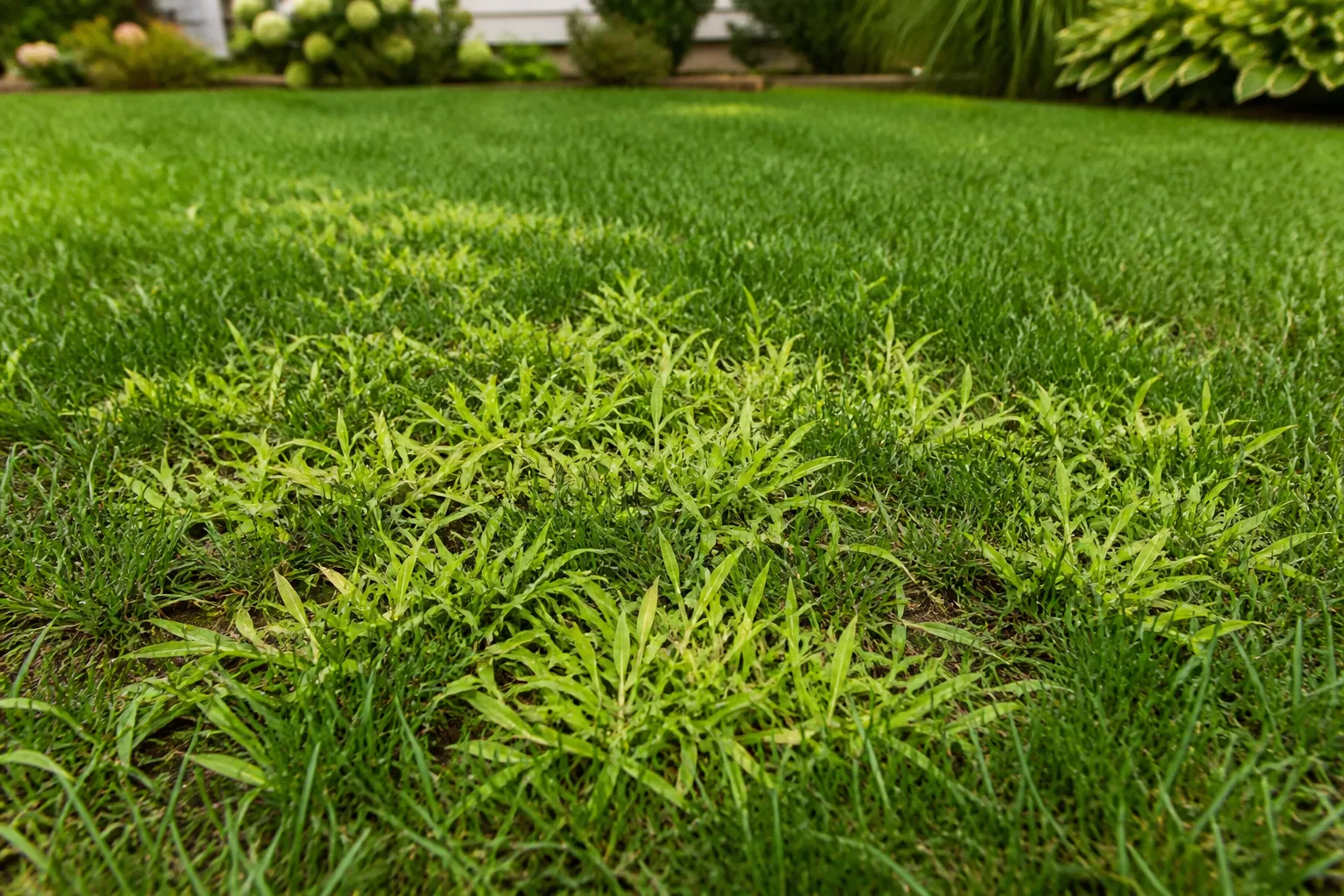
The short answer is sometimes. You can spray a lawn herbicide before rain only when the product has enough rain-free time to become rainfast, and the required interval comes from that product’s label—not from a universal “wait two hours” rule. A shower during the wrong part of the window can dilute a foliar treatment, wash it from the weed’s leaves, or move product into places you never meant to treat.
Before you reach for the sprayer, identify whether you are using a post-emergent foliar spray or a pre-emergent product applied to the soil. Those two categories can give opposite answers: a post-emergent spray generally needs dry foliage and a rain-free absorption period, while many pre-emergent products need rainfall or irrigation to move into the soil and activate.
The quick answer: yes, but the label’s rainfast window decides
Rainfast means the minimum amount of time a pesticide needs to remain undisturbed after application so rainfall will not substantially reduce its performance. It does not mean the weed is already dead, the product is harmless, or the lawn can be treated in any weather. The University of Missouri explains that rainfastness changes with the product’s formulation, the amount and intensity of rain, and how long the spray remains on the plant; some products may be rainfast in about an hour, while others need six to eight hours or more (University of Missouri Integrated Pest Management).
If the label says “do not apply if rain is expected within 24 hours,” honor that longer instruction even if a general chart says the active ingredient can absorb faster. If it says “rainfast in two hours,” treat that as the product’s minimum under the stated conditions, not as permission to spray into a storm that will arrive in 20 minutes. A longer dry forecast gives the application more margin, especially when leaves are thick, weeds are stressed, temperatures are marginal, or the approaching rain is heavy.
What rainfast means in practical terms
Rain can interfere with a foliar herbicide in two ways. The first is obvious wash-off: droplets and runoff remove product before enough of it enters the leaf. The second is dilution on the leaf surface, which can lower the concentration that reaches the target tissue. The University of Nebraska’s CropWatch explains that rainfall before the rainfast period can reduce absorption, movement within the weed, and final control, particularly when growing conditions are already poor (CropWatch at the University of Nebraska).
Rainfast is also different from symptom timing. A systemic herbicide may be safely rainfast after the label’s interval but still take days or weeks to produce visible yellowing, wilting, or dieback. Reapplying because the lawn looks unchanged the morning after treatment can create an overdose and more turf injury without making the original spray work faster.
When rain is useful instead of harmful
Rain is often part of the plan for a soil-applied pre-emergent herbicide. These products form or maintain a treatment zone near the soil surface, where they interfere with the germination or early root growth of susceptible weeds. Penn State Extension notes that soil-applied herbicides generally require rainfall or irrigation to mobilize them, while the amount needed depends on the product and soil conditions (Penn State Extension).
That does not mean every pre-emergent should be applied immediately before a downpour. Excessive runoff can move granules or dissolved material away from the intended area, and a product label may specify a measured irrigation amount, a timing limit, or restrictions near water. The label may also prohibit using a pre-emergent where you plan to overseed, because the same barrier that suppresses weed seed can interfere with desirable grass seed.
Identify which kind of weed killer you have
The fastest way to avoid bad weather advice is to start with the application target. Are you trying to kill a visible dandelion, plantain, clover, crabgrass, or nutsedge? That usually points toward a post-emergent product. Are you trying to stop annual weeds before they appear? That may point toward a pre-emergent product, often in a granular or fertilizer-plus-herbicide formulation. Read the active ingredient and directions rather than relying on a product’s front-label phrase such as “weed and feed.”
The University of Georgia’s home-lawn guidance groups common post-emergent products by the weeds and turf they can control and emphasizes that labels determine application timing, rates, and environmental limits (University of Georgia Cooperative Extension). A herbicide that is safe on one turf species can injure another, and a product labeled for broadleaf weeds may not control crabgrass or nutsedge. Correctly identifying both the weed and the grass is part of weather planning because a failed application often begins with the wrong target.
Post-emergent sprays need dry time on the leaves
Post-emergent herbicides are applied after the weed is up and growing. Many selective lawn sprays enter through foliage and are then moved within the plant, so the target leaf surface must intercept enough spray and stay undisturbed long enough for uptake. The UGA lawn guide describes post-emergent broadleaf herbicides as systemic or translocated, while Penn State notes that the most effective control comes from applying foliar products to actively growing weeds without washing them off.
For this type of treatment, wait until the weed leaves are dry unless the product label specifically says otherwise. Heavy dew, fog, irrigation, or a recent shower can put a film of water between the spray and the leaf surface, causing uneven coverage or dilution. A light dew instruction on a granular weed-and-feed product is not a blanket instruction for a liquid spray; the formulation and label matter.
Post-emergent contact products have their own limits. They may burn or desiccate the tissue they touch quickly, but they do not necessarily move to a deep root, crown, rhizome, or stolon. That is why small annual weeds can disappear after one careful treatment while perennial weeds return from underground structures. A rain-free window protects the application, but it cannot change how the active ingredient works.
Pre-emergent products are activated in the soil
Pre-emergent herbicides are used before susceptible weed seeds germinate. They do not usually kill a mature weed that is already visible, and adding extra product after the first seedlings appear is not a substitute for choosing the correct treatment window. For crabgrass and other summer annuals, timing often follows soil temperature and expected germination rather than the first warm day on the calendar.
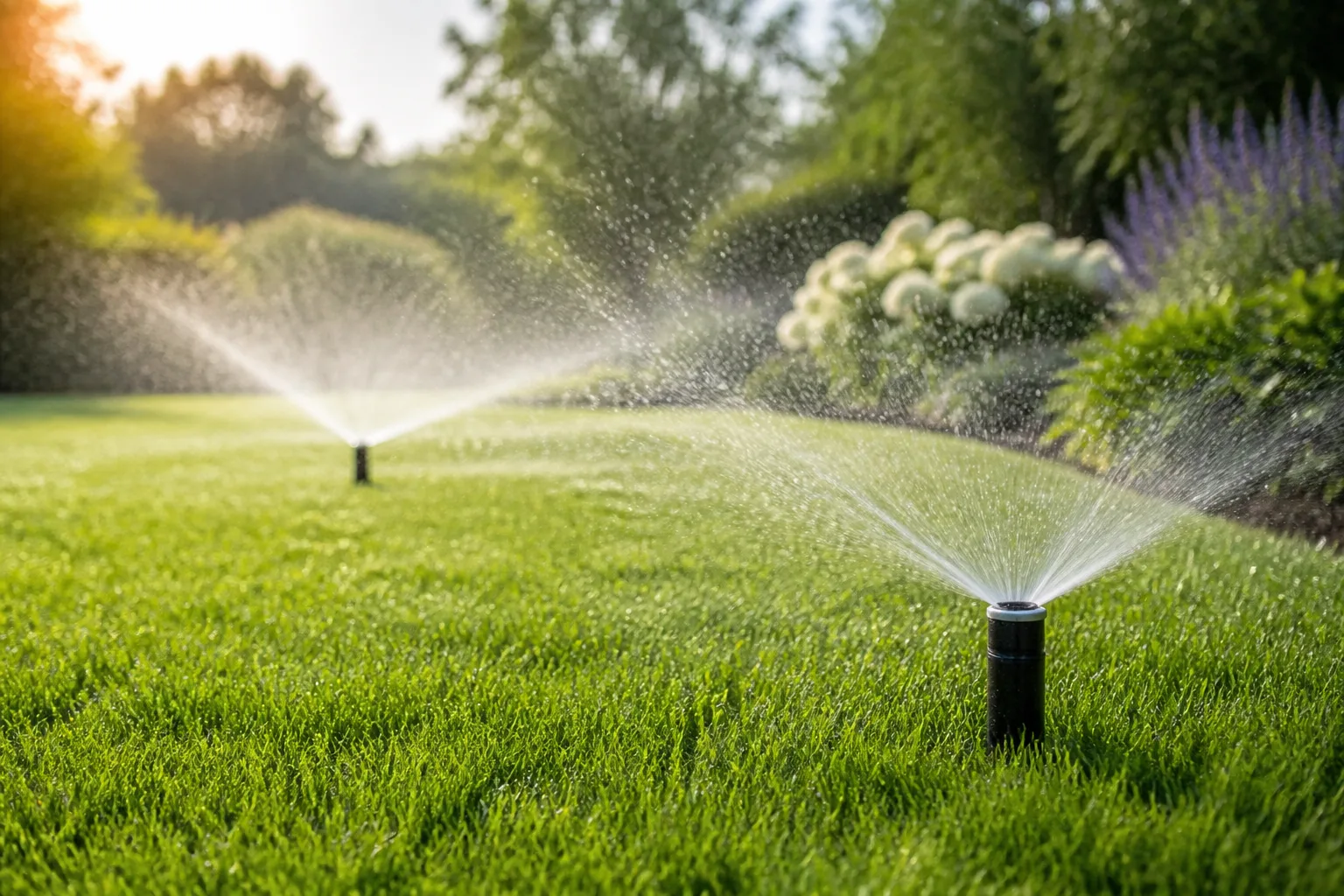
Many granular pre-emergents need water after application. The water moves the active ingredient into the upper soil layer, but a gentle, measured irrigation is not the same as a fast thunderstorm that produces runoff. North Carolina State Extension describes excessive rainfall as a factor that can increase movement through or away from the treated zone, depending on the product, soil, and number of rain events (NC State Extension TurfFiles).
If rain is forecast, check whether the label says to water in, how much water is needed, and how soon it must arrive. Also confirm that the lawn is established enough for the product, that the target weed is listed, and that you are not about to seed an area where a pre-emergent barrier would be counterproductive.
Check the label and forecast before mixing
The label is the controlling document for the exact product in your hand. It tells you the approved site, target weeds, turf species, application rate, rainfast period, mowing interval, personal protective equipment, reentry directions, and restrictions near drains or water. The U.S. Environmental Protection Agency’s Pesticide Product and Label System is a useful reference when you need to locate an accepted label, but the container label remains the first place to look.
Check the weather in layers rather than only glancing at the daily chance of rain. Look for the time the rain may begin, the expected intensity, wind direction and speed, temperature, humidity, and whether irrigation is scheduled. A “20 percent chance” can still ruin a small spot treatment if the one shower crosses your yard during the rainfast period. Turn off automatic sprinklers for the interval required by the label, and do not count a short dry break as a safe window if a line of thunderstorms is approaching.
Start with dry leaves and a low-drift window
For a liquid foliar spray, choose a calm period when the target weeds are actively growing but not wilted from drought or heat. Avoid spraying in gusty conditions, because drift can carry droplets into flower beds, shrubs, vegetable plants, neighboring property, or a drainage channel. Some ester formulations also have greater volatility concerns in hot conditions, which is another reason to follow the label’s temperature restrictions rather than improvising from a generic lawn-care rule.
The University of Minnesota recommends attention to droplet size, rainfast period, wind, and temperature when applying post-emergence herbicides; it gives four to six hours as a broad planning aim while still directing applicators to the product label for the actual interval (University of Minnesota Extension). Iowa State similarly recommends avoiding rain for 24 hours for broadleaf herbicide absorption, which illustrates why the safest answer is product-specific rather than a single number (Iowa State University Extension and Outreach).
Do not spray during a temperature inversion, when a stable layer can keep fine droplets suspended close to the ground and increase off-target movement. Calm air is not always safe air; if the label or local pesticide guidance warns about inversions, avoid dawn and dusk conditions that create them.
If rain arrives before the interval ends
First, do not panic and do not immediately spray again. Record when you finished the application, when rain began, how hard it fell, and which product and rate you used. Then read the label’s rainfast language and wait for the appropriate evaluation period. A brief shower after most of the interval may have less effect than a hard downpour ten minutes after application, but only the product directions can tell you how to respond.
If the product was a foliar spray and rain arrived very early, assume control may be reduced rather than assuming the treatment either fully failed or fully worked. Let the lawn dry, watch for the label’s expected symptoms, and inspect for live regrowth before considering another application. Never compensate for uncertain wash-off by doubling the concentration, mixing two products, or applying sooner than the label allows.
Rain can also create a runoff problem even when it does not affect weed control. Keep people and pets away according to the reentry directions, prevent treated water from flowing into ponds or storm drains, and do not mow or irrigate simply to “wash the product away.” If a large spill or off-target exposure occurred, follow the product’s first-aid and emergency directions.
Apply lawn spray responsibly
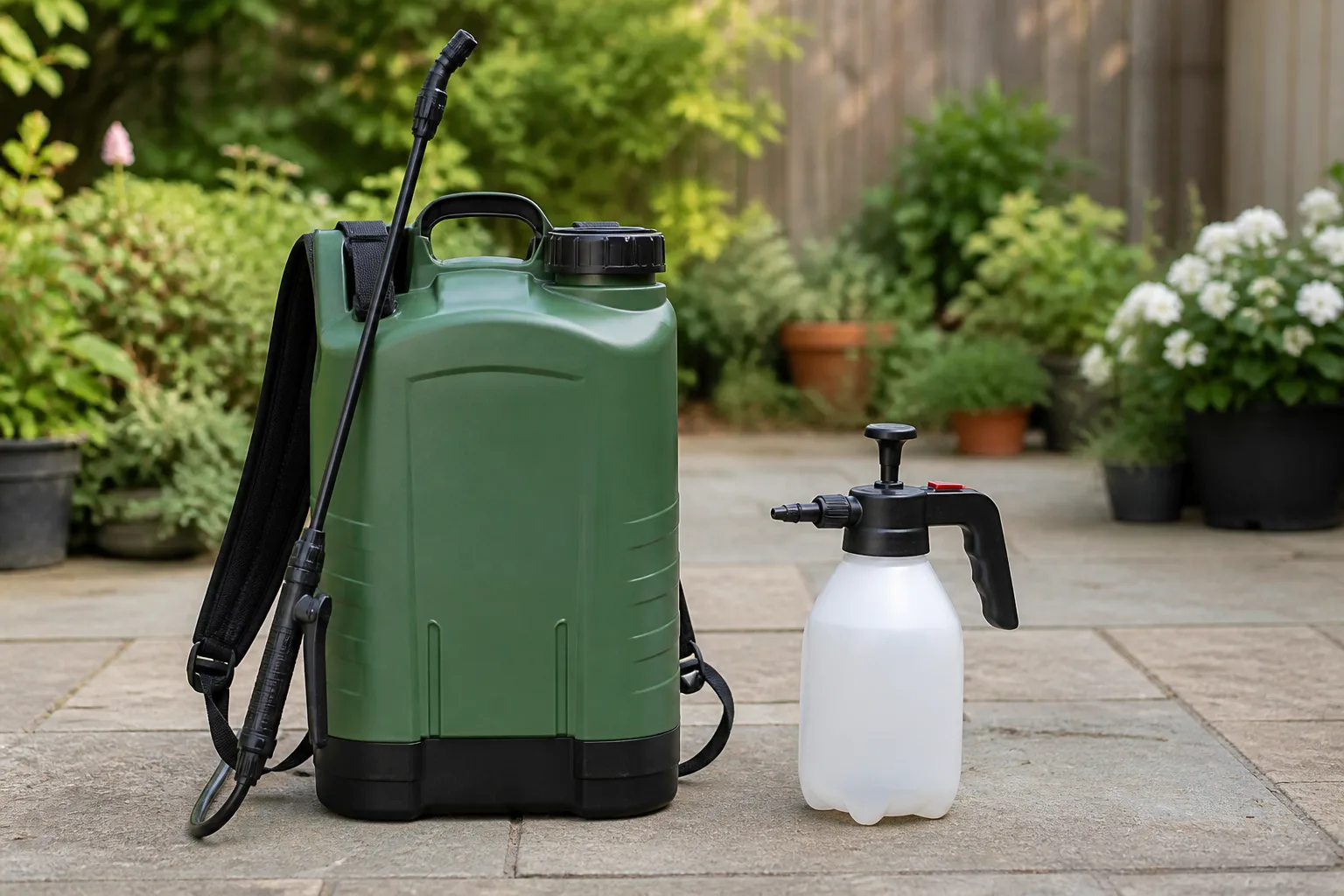
Once the weather and label agree, prepare only the amount you need. Use the product’s measuring instructions, wear the listed protective equipment, and select a nozzle that creates a controlled spray rather than a fine drifting mist. Keep the wand close to the target when spot-treating, and stop when the foliage is evenly wetted instead of spraying until liquid runs off the leaf or forms puddles.
Do not use a nonselective vegetation killer as if it were a selective lawn herbicide. Glyphosate and similar nonselective products can injure turfgrass as readily as the weeds around it unless the label gives a very specific directed-use situation. Likewise, do not assume an organic or homemade spray is safe for grass; vinegar, soap, and concentrated plant oils can burn any green tissue they wet and are poor substitutes for a labeled selective turf product.
Mowing, coverage, and reentry timing
Avoid mowing immediately before a foliar treatment if doing so removes the leaf area the herbicide needs to contact. Iowa State recommends leaving two to three days before treatment so broadleaf weeds have enough foliage for absorption, and many extension programs also advise waiting after treatment before mowing; the exact interval belongs to the label. A freshly mowed lawn can make a perfectly mixed spray look ineffective because too little target leaf remained.
Coverage matters more than volume. Aim at the weed’s foliage, not at the soil beneath every plant, and do not repeatedly pass over the same patch because the leaves look shiny. For a broadcast treatment, calibrate the sprayer or follow the ready-to-use directions so the whole area receives an even application. Uneven coverage can leave survivors without making the rest of the lawn healthier.
Keep children, pets, and anyone not wearing the required protection away for the label’s reentry period. Store the container upright and locked away, clean the sprayer as directed, and never pour leftover mixture into a sink, ditch, pond, or storm drain. If the product label requires a longer drying or reentry period than the rainfast interval, use the longer restriction.
What to do after the application
Visible results are not the only measure of success. Some fast-acting ingredients cause spotting or yellowing quickly, while systemic products may take longer to reach growing points and roots. UGA Extension advises that weather, drought, temperature, and the herbicide’s mode of action can delay symptoms; a weed that looks unchanged after one day may still be responding.
Inspect the treated area at the interval described on the label. Look for the expected symptom pattern, then check whether new growth is emerging from the same crown or whether a new seedling appeared nearby. This distinction tells you whether the problem was poor timing, incomplete coverage, a misidentified weed, or a perennial that needs a different control plan.
Reapply or wait for evidence?
Reapply only when the label permits it and the reason is clear. If rain came before the rainfast interval, the treatment may have been weakened, but repeating too soon can stack applications and injure the turf. If the leaves are yellowing or twisting as expected, wait; adding another dose cannot make the first dose finish faster.
If the weed never changed, check five things before doing anything else: was the weed listed on the label, was the turf species tolerant, were the weeds actively growing, did rain or irrigation arrive too soon, and did the nozzle deliver the intended rate? The University of Georgia’s herbicide troubleshooting guidance also points to improper identification, environmental stress, weather after application, and underground regrowth as common explanations for poor results (UGA Extension Forsyth County).
When a visible weed is isolated in a lawn, a narrow hand tool may be the cleaner second step. Pull after rain has softened the soil, but wait until the lawn surface is firm enough that you will not compact or rut it. For taprooted weeds, loosen the crown and remove as much of the root as practical; for creeping weeds, follow runners and remove pieces before they root again.
Lower future weed pressure without chasing every shower
Herbicide timing matters, but it is only one part of lawn weed control. A dense, appropriately mowed turf canopy shades bare soil and leaves fewer openings for new seedlings. Water deeply enough for the grass type and soil, correct compacted areas, and overseed or repair bare patches at the season your turf species can establish. Do not fertilize simply because weeds are visible; excess fertility can feed the whole lawn without fixing the condition that created the opening.
Turf density, mowing, and irrigation
Set the mowing height for your grass rather than cutting as low as possible. A scalped lawn loses leaf area and can expose soil, while a very tall, floppy lawn may thin at the base. Keep mower blades sharp, avoid mowing wet ground, and leave clippings when they are fine enough to fall through the canopy instead of forming a smothering mat.
Irrigate in a way that supports the turf without keeping the surface constantly wet. Short, frequent watering can encourage shallow roots and create repeated wet-leaf windows that complicate spray timing. A healthy schedule is still climate- and soil-dependent, so use the lawn’s rooting depth, rainfall, soil texture, and signs of drought stress rather than a fixed timer alone.
If crabgrass is the main issue, address it before germination with a labeled pre-emergent strategy and a dense lawn, not with repeated post-emergent sprays after the plants have spread. If dandelions or plantain are the issue, identify them and use a selective broadleaf product labeled for the turf or remove them individually. The right answer depends on the weed’s life cycle, not on the word “weed” printed on a bottle.
Hand removal and other rain-proof options
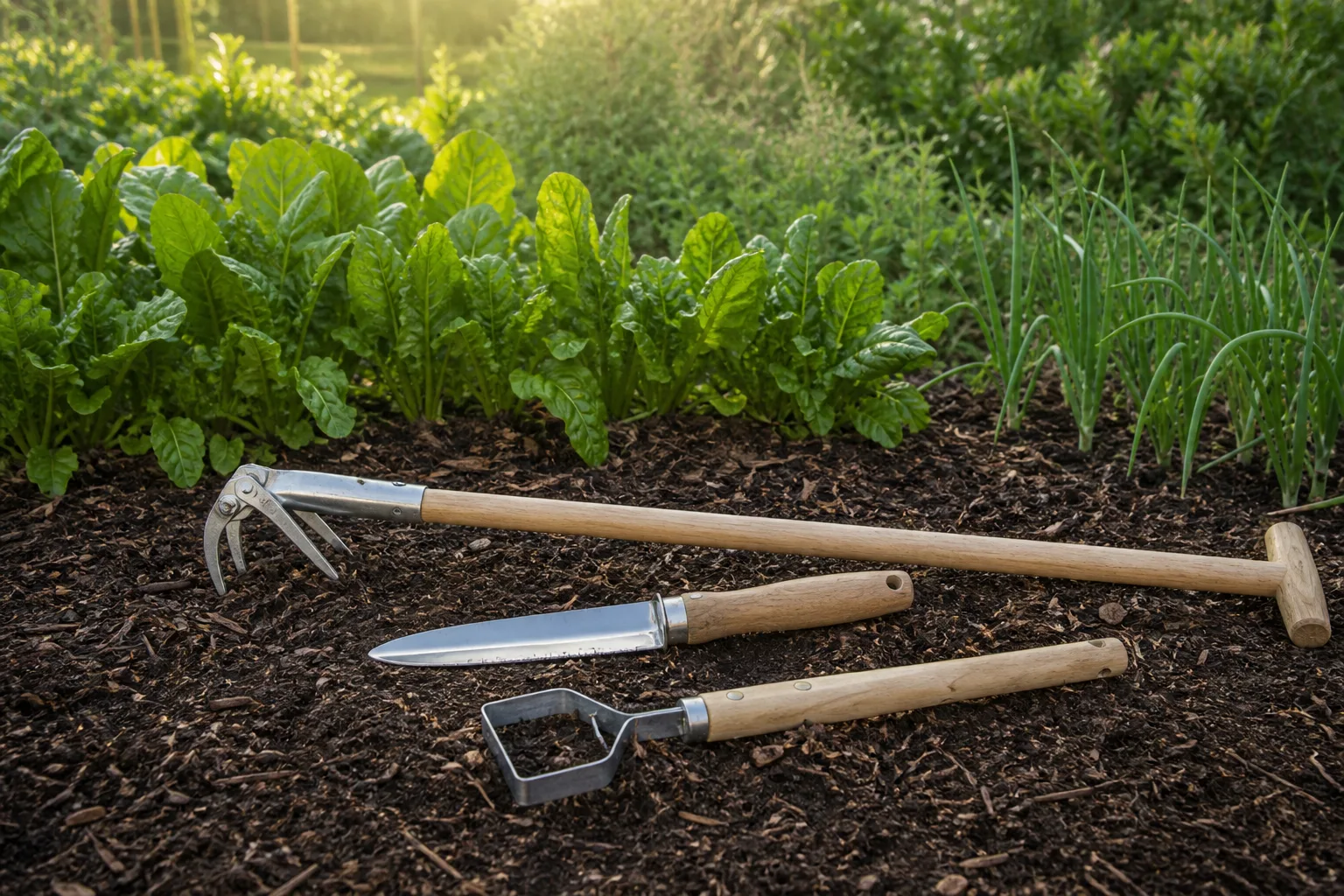
Use a weeding knife or stand-up puller for isolated rosettes, shallow hoeing for young weeds in non-turf areas, and mulch or light-blocking covers for bare, unplanted ground. These methods are not weather-proof in the sense that every job is easier in rain, but they do not require a chemical absorption window. A wet spell can even make manual removal more effective once the soil is workable and the surface is not being damaged by foot traffic.
For a lawn with widespread weeds, improve the conditions that allow turf to outcompete them: match grass species to the site, relieve compaction, repair drainage problems, and maintain the proper mowing height. If the lawn has a persistent weed population despite correct identification and label use, a local extension office or qualified turf professional can help distinguish soil, irrigation, turf-selection, and herbicide-resistance problems.
Conclusion
You can spray weed killer before rain, but only when the product’s instructions give you a sufficient rain-free window. For a liquid post-emergent lawn spray, wait for dry foliage, calm weather, active weed growth, and the full label rainfast interval. For a pre-emergent product, rain or irrigation may be necessary for activation, but heavy runoff, poor timing, and an unsuitable seeding plan can still undermine the result.
When the forecast is uncertain, waiting is usually cheaper than guessing. If the weeds are isolated, pull them; if the lawn is thin, correct the growing conditions; and if a shower arrives early, wait for evidence instead of automatically repeating the application. The goal is not simply to spray on a dry day—it is to match the product, weed, turf, forecast, and follow-up plan so the treatment has a fair chance to work without creating a new problem.