Why You Should Take Houseplants Outside in Summer
Moving houseplants outside? Use this practical summer plan for timing, shade, watering, pests, rain, and a safe return indoors.
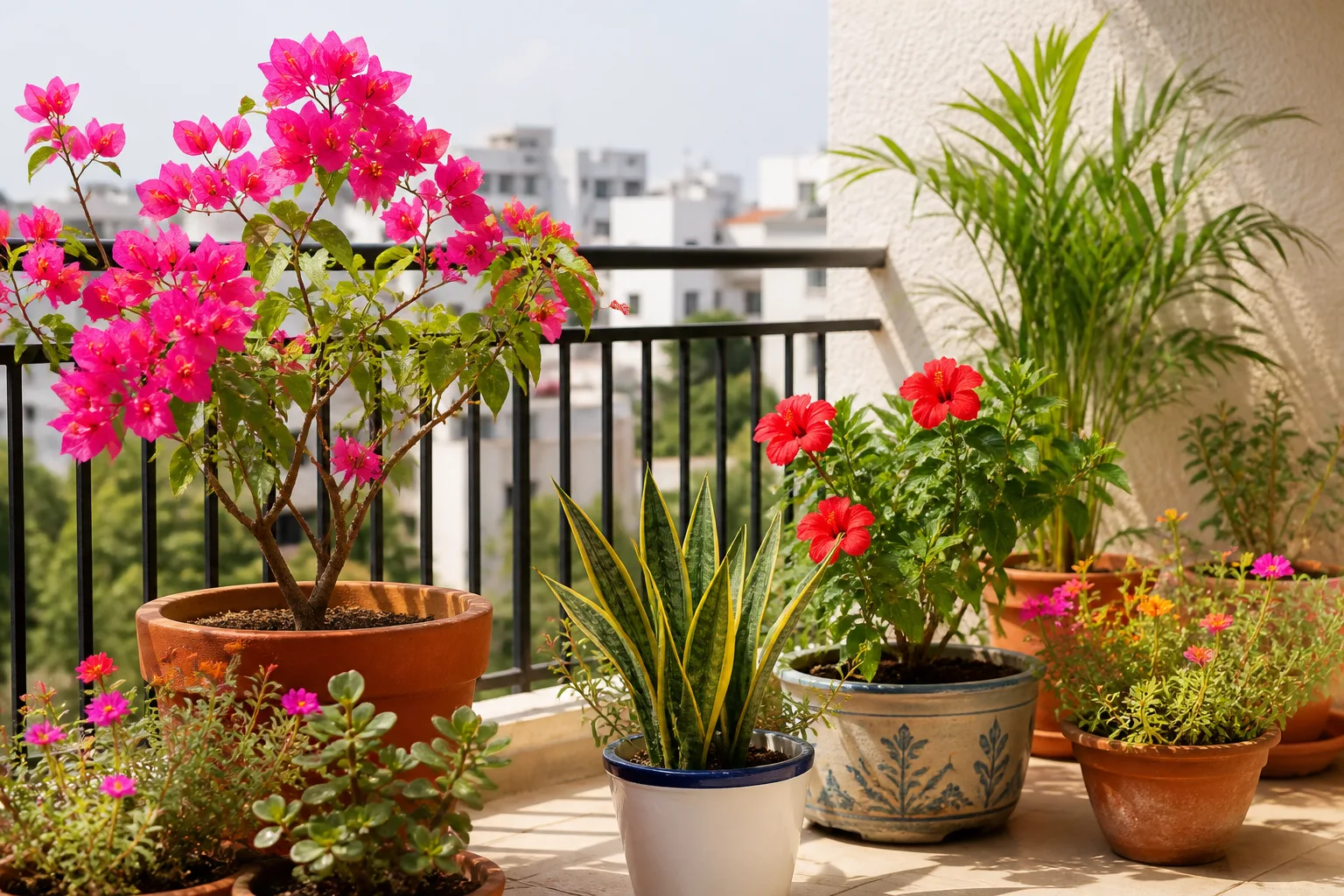
Most houseplants can benefit from a summer outdoors, but “take it outside” is not a complete instruction. A plant that has spent months behind glass is adapted to a stable, relatively dim, still environment. Outdoors it faces stronger light, moving air, rain, larger temperature swings, and a much faster drying cycle—sometimes all within the same afternoon.
The payoff can be substantial: denser growth, cleaner foliage, stronger stems, and a welcome burst of new leaves. The safe approach is to treat the move as a gradual seasonal transition. Choose plants that fit the site, start in bright shade, watch nighttime temperatures, and make the container easier to drain before the first storm arrives.
A summer outside can help—but not every plant
“Houseplant” describes how we use a plant, not a promise that it prefers a living room. Many familiar foliage plants come from warm forests, while others come from open, sunny habitats. Indoors, we give them an approximation of those conditions because winter cold, low light, and dry heated air make outdoor living impossible for part of the year.
That does not mean every specimen needs a vacation. A large plant that is already thriving in a bright room may gain little from the work of moving it. A plant in flower, a newly repotted plant, or one already stressed by root damage may be better kept in a controlled environment until it recovers. Outdoor summering is an option and a tool, not a requirement for being a good plant parent.
The best candidates are healthy plants whose needs match a protected spot you can actually monitor. If the only available location is a wind tunnel, a west-facing concrete balcony, or a place that fills with rainwater, the “outdoors” benefit is outweighed by the site’s hazards.
Why outdoor conditions often improve growth
The reason a summer outdoors can transform a plant is not one mysterious ingredient. It is the combined effect of more usable light, warmer roots and foliage, natural air movement, and—when the weather cooperates—higher humidity. Those benefits also explain why care changes so quickly after the move.
Light and natural day length
Even a sunny indoor window filters and weakens light compared with an open outdoor site. More light gives a healthy plant more energy for photosynthesis, which can support faster leaf production and sturdier growth. The increase is especially noticeable after a dim winter, when a plant may have maintained itself without producing much new foliage.
The catch is that a plant’s existing leaves were formed under indoor light. They are not automatically prepared for the intensity of direct midday sun. The University of Georgia Extension explains that indoor plants may become stressed or sunburned when moved into outdoor light too quickly, and recommends a shaded transition before a brighter final position. (University of Georgia Extension)
Outdoor light also changes the shape of growth. A plant may produce shorter gaps between leaves, larger leaves, or a new flush of shoots once it has enough energy. Do not assume that this means every plant wants full sun. A pothos, peace lily, calathea, or fern can grow vigorously in bright shade; placing one in the brightest available patch may destroy the foliage you were trying to improve.
Humidity, rain, and airflow
Warm outdoor air can be more humid than an air-conditioned or heated room, particularly after rain or in a sheltered garden. Rain can rinse dust from broad leaves, while light air movement helps leaf surfaces dry after a shower. The Royal Horticultural Society notes that natural light, air movement, and water together support photosynthesis and plant growth, especially for tropical foliage plants that struggle with dry indoor air. (RHS)
Airflow is helpful only when it is gentle. A steady breeze can strengthen stems and reduce the stagnant, wet conditions that encourage some problems. Strong wind can shred leaves, topple a pot, snap a petiole, or dry a small container before you notice. Think “protected porch” or “under a tree,” not “exposed roof deck.”
Rain is useful but not a watering schedule. A brief shower may barely wet the root ball, while a summer storm can saturate a poorly draining pot for days. The plant benefits from outdoor humidity without benefiting from roots sitting in a tray of water.
Choose which plants to move
Start with the plant’s natural pattern rather than its common name. Ask whether it is an understory foliage plant, a sun-loving succulent, a cool-growing orchid, or a fuzzy-leaved plant that dislikes wet foliage. Then ask whether your outdoor site can reproduce that pattern.
Best candidates for a sheltered summer
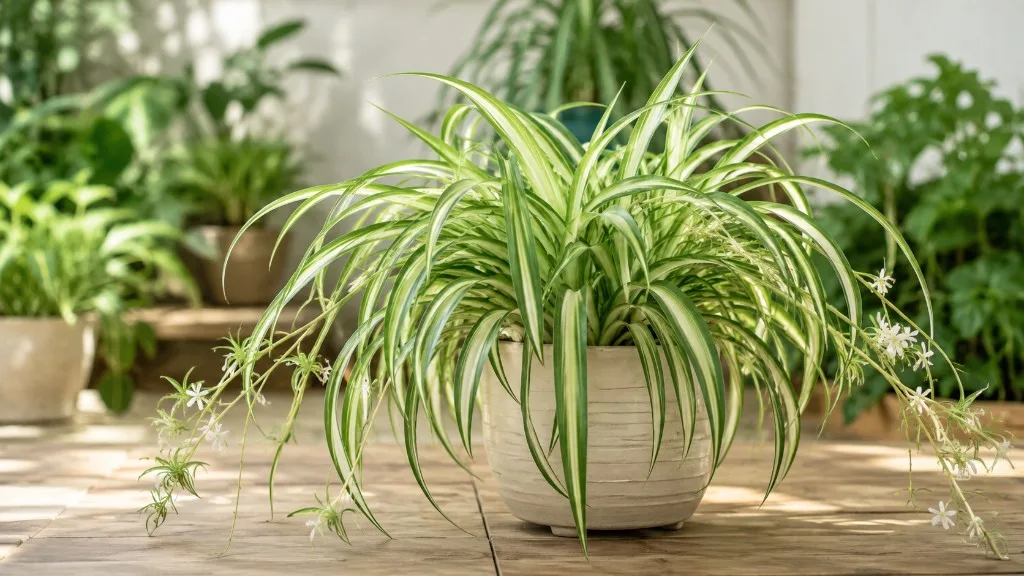
Healthy pothos, philodendrons, spider plants, peace lilies, syngoniums, many peperomias, and tropical ferns often enjoy a warm, shaded or dappled location. They can take advantage of brighter ambient light and humidity without needing to sit in direct sun. A covered porch, bright balcony corner, or spot beneath a high tree canopy is often a better match than an open lawn.
Use this as a sorting tool before you carry anything outside. It is not a substitute for the plant’s care label or a species-level temperature range, but it prevents the common mistake of putting every plant in the same “sunny patio” category.
| Plant group | Start outside in | Likely final position | Main thing to watch |
|---|---|---|---|
| Pothos, philodendron, spider plant | Bright shade | Dappled light or gentle morning sun | Fast drying and leaf scorch |
| Peace lily, calathea, maranta, fern | Bright shade | Sheltered shade | Cold nights, wind, and soggy soil |
| Cactus and many succulents | Bright shade or filtered sun | Brighter sun after acclimation | Scorch and rain-soaked roots |
| Moth orchid and other epiphytic orchids | Bright, covered shade | Covered bright shade | Hail, heavy rain, crown water |
| African violet and fuzzy-leaved plants | Indoors or screened shade | Protected bright shade | Wet foliage and intense light |
The table also shows why “more light” is not the same as “full sun.” A shade plant can grow faster in the open air while remaining a shade plant. Epic Gardening’s horticulture-reviewed guidance makes the same distinction across tropical foliage, ferns, begonias, orchids, and sun-loving plants: match the final position to the plant, then let acclimation bridge the difference. (Epic Gardening)
Some plants can move to more sun after acclimation. Cacti, many succulents, citrus, and sun-tolerant palms may benefit from the extra light, but “sun tolerant” does not mean “ready for immediate outdoor sun.” Even a cactus grown behind glass can scorch when its tissues meet intense outdoor light for the first time. Fine Gardening also advises gradual exposure for cacti and keeping their fast-draining mix from staying wet. (Fine Gardening)
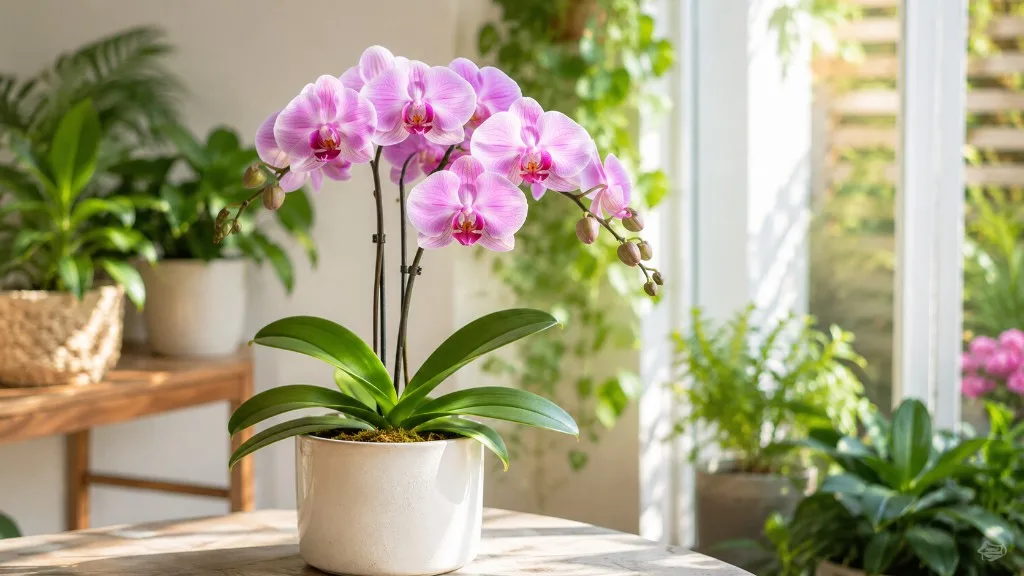
Orchids need a species-specific decision. A moth orchid can enjoy warm, humid air in bright shade, but it is vulnerable to heavy rain, hail, strong wind, crown water, and temperature drops. Set it under cover or on a sheltered shelf rather than placing the pot where a storm can repeatedly soak the growing medium.
Leave these inside or move them only with protection
Keep African violets and other fuzzy-leaved plants out of harsh sun and frequent rain. Their foliage can mark or rot when it stays wet, and their small crowns do not benefit from being exposed to every summer storm. A screened porch can work; an open yard usually adds unnecessary risk.
Be cautious with calatheas and marantas. They may love the humidity of a warm summer, but they dislike cold nights, hot reflected light, and abrupt shifts. The RHS lists higher minimum night temperatures for these prayer plants than for more flexible houseplant groups. (RHS)
Fiddle-leaf figs and some other ficus can react badly to a change in location even when the change is technically good for them. If a fiddle-leaf fig is healthy and has a suitable indoor window, leaving it there may be the more reliable choice. A plant that is already dropping leaves should not be used as an experiment until you have ruled out watering, roots, pests, and drafts.
Finally, avoid moving any plant with active pests, root rot, a recently broken stem, or severe dehydration. Outdoor conditions can accelerate growth, but they do not repair damaged roots. Stabilize the plant first, then decide whether a seasonal move will help.
Pick the timing and outdoor location
Calendar dates are only rough reminders. A “summer” move in a cold inland climate may begin weeks later than one in a humid subtropical climate, and a high balcony can be windier and cooler than a ground-level garden. Use the forecast and the plant’s minimum temperature rather than copying a date from another gardener.
Use night temperatures and the forecast
Wait until the danger of frost has passed and nighttime temperatures are consistently appropriate for the plant. As a broad safety floor, many common tropical foliage plants should not spend nights below about 50°F (10°C), while more sensitive calatheas, marantas, and some warm-growing orchids prefer warmer nights. The RHS gives examples ranging from roughly 50–54°F for some subtropical plants to about 59°F for calatheas and marantas, and recommends checking the requirements of the particular species. (RHS)
Do not use one warm afternoon as proof that the season has arrived. Check the next seven to ten nights, plus wind, heavy-rain, and heat advisories. If a cold front is expected during the acclimation period, keep the plant inside or move it out only during the warmest part of the day. A plant can tolerate a slower transition much more easily than repeated cold shock.
Start with bright shade
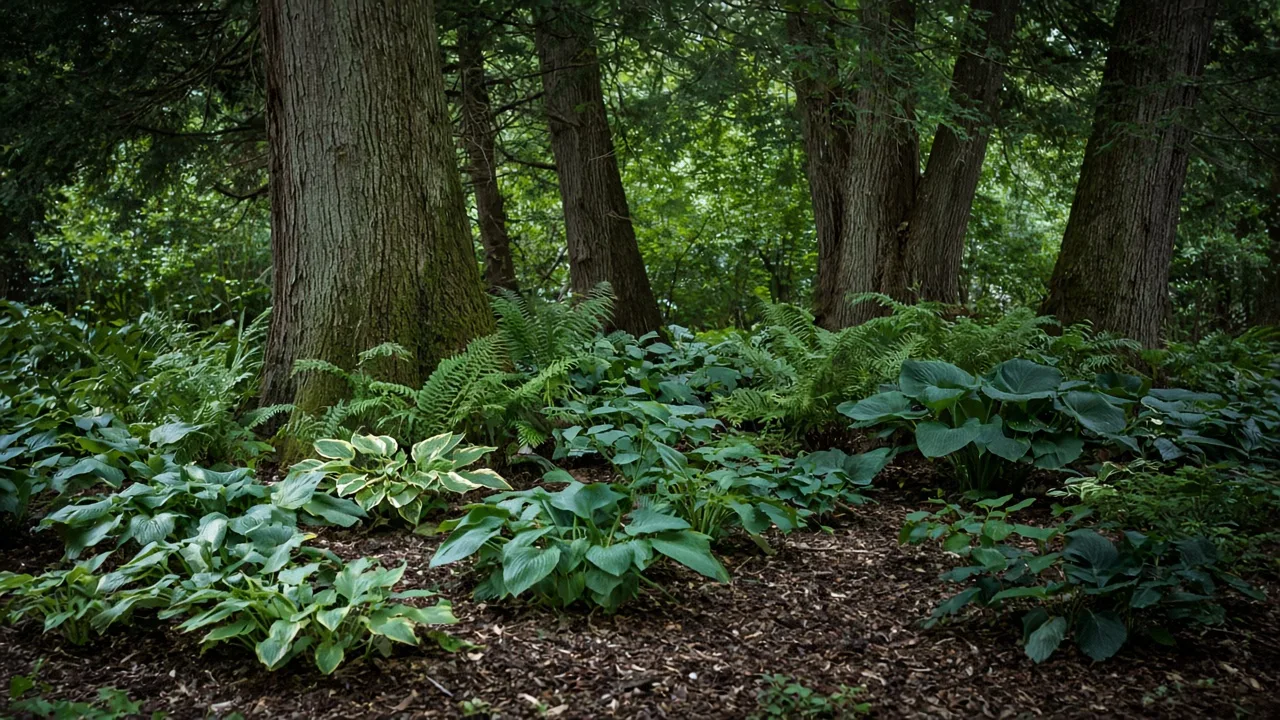
Bright shade means plenty of daylight without direct summer sun striking the leaves for long periods. Under a tree, beside a north- or east-facing wall, beneath a roof overhang, or behind a sheer outdoor screen can work. The site should still have airflow and should not trap hot air against masonry.
Before placing a pot there, watch the area for a full day. Note when sunlight reaches it, where rain lands, whether a downspout floods it, and how quickly the surface dries after watering. Put pots on pot feet or a slatted surface so drainage holes are not blocked. Remove decorative saucers outdoors unless you can empty them after every rain; standing water can keep roots wet and create a mosquito-friendly puddle.
If the final position is sunny, plan to move the plant in stages from bright shade to gentle morning light and only then to longer direct exposure. The final location should be chosen for the mature plant, not just the pot’s current size. A top-heavy plant that is safe beside a wall may be unsafe on an exposed railing once its new foliage fills out.
Acclimate houseplants outside over 10–14 days
Hardening off is the process of gradually adapting a protected plant to outdoor light, wind, humidity, and temperature changes. The RHS describes a two- to three-week hardening period for tender plants raised in protected conditions; a healthy houseplant often responds well to a 10–14 day transition, while a delicate or heavily shaded plant may need longer. (RHS)
Use this flexible schedule as a starting point:
- Days 1–3: Place the plant in bright shade for one to three hours, preferably on a mild, overcast day or during the gentlest morning light. Keep it sheltered from strong wind and bring it in if the temperature drops unexpectedly.
- Days 4–6: Extend the outdoor stay to four to six hours in the same protected light. Check leaves and soil before bringing it in. A slight droop from heat or thirst is a signal to reassess the site, not a reason to push ahead.
- Days 7–10: Leave it outside most of the day in bright shade. For plants that ultimately need sun, add short periods of early-morning light, increasing by roughly an hour at a time. Do not make the jump during a heat wave.
- Days 11–14: Move toward the final position only if the plant has firm foliage, no bleached patches, and a root ball that is keeping up with the new drying rate. Keep shade-loving plants in shade; acclimation does not change their light preference.
The University of Georgia Extension similarly recommends giving plants a week or two in a shaded outdoor site before moving them to a brighter final location. (University of Georgia Extension) Epic Gardening’s practical transition guidance also emphasizes partial shade, regular water, frost protection, and shelter from harsh wind during this adjustment window. (Epic Gardening) If you see crispy tan patches, bleached areas, curled leaves, or a plant that wilts while the soil is moist, move it back to lower light and more shelter. Resume the transition only after new growth looks stable.
Adjust watering, feeding, and drainage
Outdoor pots can dry much faster because of sun, wind, warm containers, and active growth. A schedule that worked every ten days indoors may become every few days outside; a small terracotta pot in wind may need attention even more often. The correct interval depends on the pot, mix, plant, and weather, so check the soil and the container rather than watering by the calendar.
Push a finger into the mix or use a wooden stick to check below the surface. Lift the pot when you can: a noticeably lighter container is useful information, while a damp surface after rain is not enough to tell you whether the root ball is dry. When watering is needed, wet the mix thoroughly until excess drains freely, then empty any catch tray. Do not “make up” for heat by keeping a water-loving plant permanently soggy.
Rain changes the calculation in both directions. A leafy tropical may appreciate a gentle shower, but repeated storms can leave a dense mix airless. Cacti, succulents, orchids in moisture-retentive media, and plants in decorative cachepots need particular protection from prolonged saturation. If a storm is coming, move them under cover; if a pot has stayed wet for days, give it more airflow and wait before watering again.
Fertilize conservatively. A plant that is actively making new leaves can use more nutrients, but outdoor growth is not a reason to feed every time you water. Wait until the plant has completed acclimation, then use the normal product at the label rate and frequency for that plant. Freshly repotted plants may already have fertilizer in the mix, and a drought-stressed or sunburned plant should recover before receiving extra salts. UGA Extension connects faster growth outdoors with the need to revisit watering and feeding, but the plant’s response still sets the pace. (University of Georgia Extension)
Prevent pests and weather damage
Outdoors, houseplants join a much larger ecosystem. Aphids, thrips, caterpillars, scale, mealybugs, slugs, and spider mites can all find a potted plant, while birds and beneficial insects may also visit. Outdoor exposure does not guarantee fewer pests; it simply changes the balance and makes early inspection more important.
Inspect leaves, stems, and soil for pests
Check the undersides of leaves, leaf axils, new growth, stems, and the rim of the pot at least twice a week during the first month. Look for sticky residue, stippling, silvery scarring, webbing, cottony clusters, distorted new leaves, or insects hiding where a leaf meets the stem. Lift the pot and look for ants, slugs, or egg masses as well.
If you find a few aphids, a firm stream of water can dislodge them. For anything stronger, isolate the plant from the rest of the collection and identify the pest before choosing a treatment. Use only a product labeled for the plant and pest, follow its dilution and re-entry directions, and avoid spraying open flowers or beneficial insects. Never apply a homemade mixture or horticultural oil in hot direct sun without checking the label; foliage can burn.
Weather damage often arrives faster than pest damage. Tie or move tall plants before a storm, keep leaves away from abrasive railings, and protect tender foliage from hail. A heavy pot is safer on the ground or a stable stand than on a narrow ledge. Inspect after rain for snapped stems, collapsed leaves, blocked drainage holes, and water trapped in crowns or leaf sheaths.
Bring houseplants back indoors without a setback
The return trip is as important as the move out. Begin before the first frost and before a run of cold nights, not after a plant has already been chilled. In many climates, that may mean moving tropicals indoors while outdoor afternoons still feel warm.
Reduce stress by reversing the light transition. Move plants from their final outdoor position to bright shade for several days before bringing them into the lower light of the home. The RHS recommends moving plants indoors when night temperatures approach the plant’s limit and allowing them time to re-acclimate, since a sudden change can contribute to water stress, leaf drop, or browning. (RHS)
Quarantine and clean the collection
Set up a temporary inspection area away from your indoor plant shelf. Before a pot crosses the threshold, remove dead leaves, weed seedlings, hitchhiking insects, and debris from the soil surface. Wash the outside of the pot and inspect the drainage holes. Rinse foliage with a gentle stream when the plant tolerates it, allowing it to dry before placing it near other plants.
Do not automatically drench every plant with pesticide “just in case.” A careful inspection followed by a short quarantine is more targeted and safer for the plant, household, and beneficial organisms. Keep returned plants separate for about two weeks if space allows, and check new growth and soil again during that period. If you find a pest, treat the affected plant according to the product label and keep it isolated until the problem is under control.
Also adjust the care routine. Indoor light and airflow will be lower, so soil may stay wet longer than it did outside. Place the plant in the brightest suitable indoor location, but do not press wet foliage against a cold window. Wait for the pot to approach its normal indoor watering threshold before watering again, and pause heavy feeding as growth slows.
Re-acclimate to indoor light
A plant returning from outdoor light may look perfectly healthy for a week and then shed older leaves after the move. That response does not automatically mean disease. The plant is adjusting its water use and the amount of light available to support the foliage it produced outdoors.
Keep the plant in bright, indirect light at first, then move it to its normal position once it has stabilized. If the room is much darker than the outdoor site, expect slower growth and longer intervals between watering. Do not compensate for lower light by keeping the soil constantly wet or by adding fertilizer. Light, roots, water, and temperature must come back into balance together.
Conclusion
Taking houseplants outside in summer can be one of the simplest ways to give a healthy collection more light, humidity, airflow, and growing momentum. The safest version is not a dramatic move from windowsill to full sun. It is a measured seasonal project: wait for suitable nights, choose a site that matches the plant, begin in bright shade, increase exposure over 10–14 days, and make drainage visible and reliable.
Once outside, check soil moisture more often, protect pots from storms and wind, feed only when active growth justifies it, and inspect every leaf before pests gain a foothold. Bring plants in before cold weather, clean and quarantine them, then give them time to adjust to indoor light. Done that way, the summer outdoors is a useful reset—not a gamble with the plants you worked hard to grow.