17 Clever Uses for Coffee Filters Beyond Coffee
Discover 17 practical coffee filter uses for cleaning, cooking, gardening, organizing, and crafts—plus the safety limits that keep each hack useful.
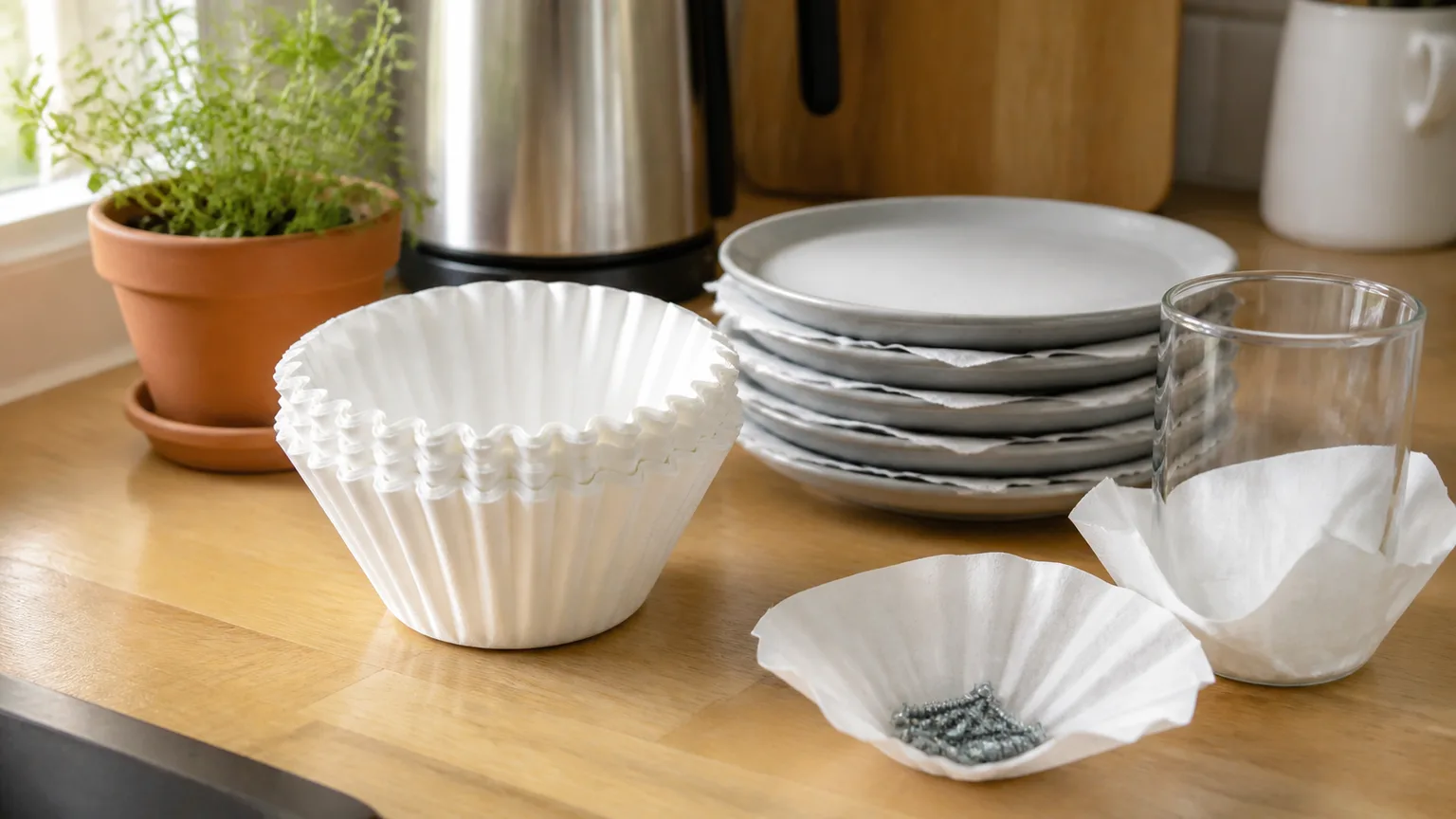
If a pack of paper coffee filters is sitting in a drawer because you switched coffee makers, keep it there. The same shallow shape and porous paper that hold grounds can also catch drips, separate delicate dishes, absorb a little grease, and make several small household jobs less annoying.
The useful question is not whether a coffee filter can technically be used for something. It is whether the filter’s absorbency, low-lint surface, flexibility, or bowl shape gives you a real advantage over a cloth, plate, rack, proper lid, or purpose-made tool. The 17 ideas below focus on jobs where it does—and spell out the limits so a clever shortcut does not become a cleanup problem.
Why a coffee filter works for small household jobs
A paper coffee filter is a lightweight porous sheet designed to let liquid pass while holding back fine particles. In the home, that makes it useful as a temporary barrier, a disposable catcher, a soft separator, or a low-lint wipe. The filter is not strong enough to support weight, heat, or pressure, but it is often exactly right for a short task that ends in the trash or compost bin.
The best uses are the ones where you can see the job clearly: the filter catches a drip, keeps crumbs in one place, lets water pass through a pot, or shows you whether seeds have sprouted. Practical household roundups from Reader’s Digest and One Good Thing by Jillee cover many of the same categories, but the material choice and stopping point matter more than the novelty of the hack.
Choose the right filter before you start
Use plain paper filters for the ideas in this guide. Basket filters are convenient when you want a wide, shallow work surface; cone filters are better for holding loose ingredients, crumbs, or a small amount of baking soda. A reusable metal or cloth coffee filter may be excellent for brewing, but it will not behave like absorbent paper and should not be treated as a substitute for it.
Use a new, clean filter for food contact, dishes, seed sprouting, or flower pressing. A filter that has held coffee grounds is fine for collecting non-food debris or wiping an already dirty surface, but do not reuse it on dinnerware, fresh food, a seed test, or a keepsake. Discard any filter that is oily, moldy, torn, or contaminated with a cleaner.
Before you reach for one, run four quick questions: Will it touch food? Use a new filter. Will it touch heat or a flame? Choose a heat-rated tool instead. Does the job need structure or weight-bearing strength? Use a tray, rack, or container. Does the job need drainage? A filter can help only when a proper opening already exists. This test eliminates most bad coffee-filter hacks in a few seconds.
The shape also changes the result. A basket filter lies flat for plates, windows, and flower pressing; a cone filter naturally forms a pouch for spices, baking soda, or loose crumbs. Fold either style into a pad before wiping, and support the paper from underneath whenever it is wet. The filter will feel surprisingly sturdy at first, but its strength drops quickly once it is saturated.
Protect dishes, glassware, and keepsakes
Coffee filters are soft enough to separate smooth surfaces and thin enough to fit where bulky packing material does not. They are most useful when you need a temporary layer, not when you are shipping a breakable object across the country.
1. Separate stacked plates and bowls. Place one flat filter between clean plates, saucers, or shallow bowls before stacking them. The filter reduces direct rubbing and catches a little dust, but it cannot prevent chips at exposed rims, so keep stacks stable and avoid sliding dishes out from the middle.
2. Wrap small ornaments and fragile keepsakes. Use a clean filter as the first wrap for holiday ornaments, small ceramic pieces, or delicate craft supplies stored in a box. Fold the edges around the object and add a rigid divider or crumpled paper around the bundle; the filter is a scratch barrier, not cushioning.
This is also a good way to layer cookies or candy in a tin when you want to reduce sticking and crumbs. Use a fresh filter for food, and never store damp food against paper for long periods because trapped moisture can soften the filter and encourage spoilage.
Reduce kitchen mess with a bowl-shaped filter
The round basket shape is a quiet advantage. It holds a small serving without needing a plate, and it gives a little landing zone for drips or crumbs while you finish the job.
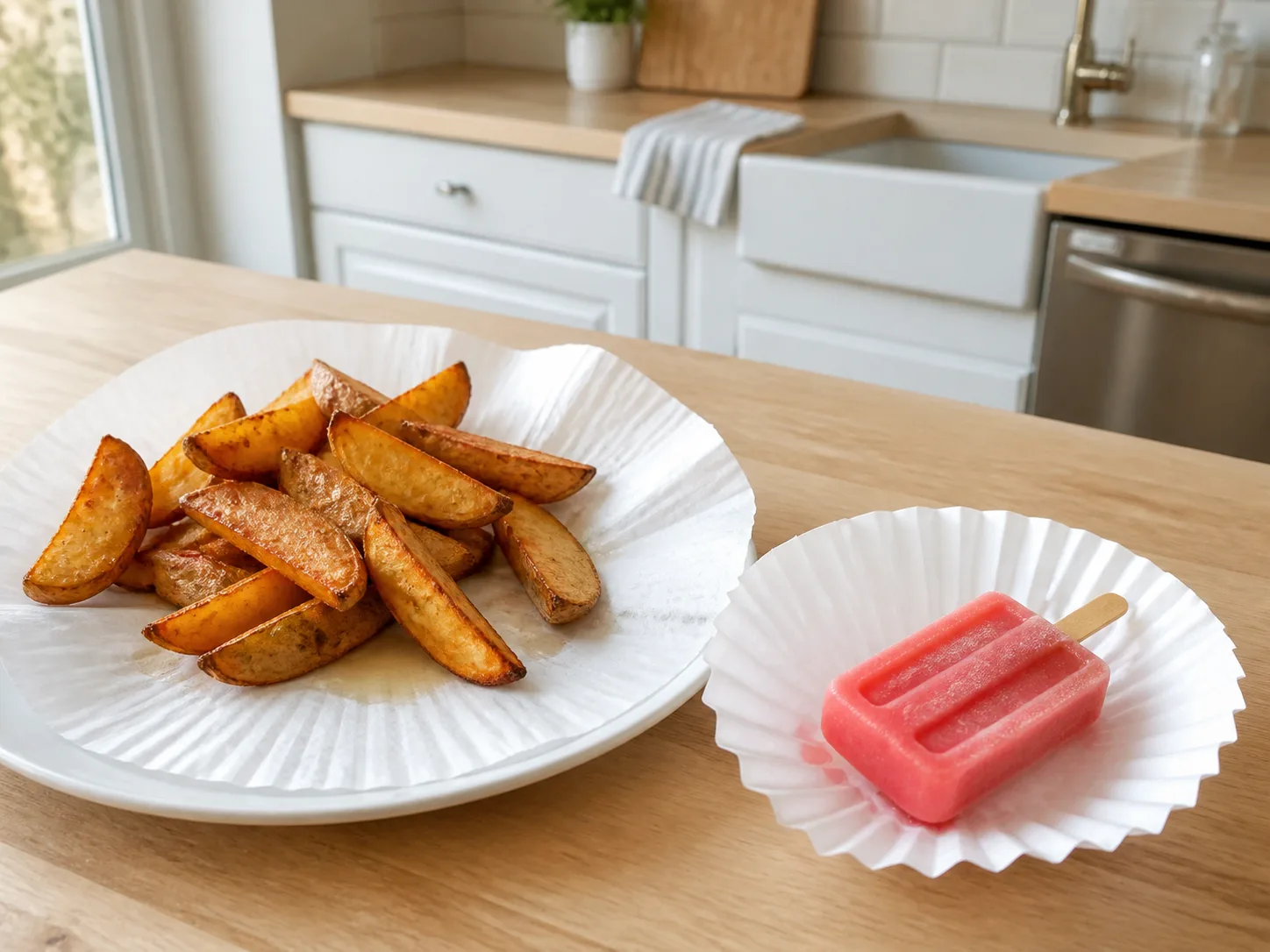
3. Catch ice-pop drips. Cut a short slit in the center of a filter and slide the stick through it before serving. The paper catches the first run of melted liquid; replace it when it becomes saturated instead of waiting for the drip catcher to collapse.
4. Hold tacos, sandwiches, and snacks. Put a taco, burger, hot dog, slice of pizza, or handful of popcorn inside a basket filter. It keeps fillings and crumbs closer to the food and gives children a disposable bowl for a snack. Use a plate or tray underneath if the food is very greasy or the filter will sit on a finished wood surface.
5. Absorb surface grease from fried food. Set one or two filters on a plate and place fried potatoes, bacon, or breaded food on top for a short drain. The paper can absorb surface oil, but it is not a deep fryer filter and should not touch a hot pan or be used to strain hot oil. A wire rack is better when you want the food to stay crisp on all sides.
6. Spread butter or oil on a baking pan. Fold a filter into a pad, dab it into softened butter or a small amount of cooking oil, and wipe the inside of a cool pan. It spreads a thin coat without leaving the fibers that some paper towels shed. Do not use it on a hot pan, and wash your hands after handling raw butter or oil before touching cabinet handles.
7. Cover a dish in the microwave. A clean filter can serve as a loose splatter catcher over a bowl of leftovers when the filter packaging and your microwave instructions allow that use. Keep it clear of the heating element, leave room for steam to escape, and never use a filter that has ink, staples, string, grease, or cleaning product on it. For repeated reheating or very wet food, a purpose-made vented microwave cover is more reliable.
8. Make a herb or spice sachet. Put bay leaf, peppercorns, dried herbs, or a cinnamon stick in the center of a clean filter, gather the edges, and tie the bundle with kitchen twine. Drop it into a simmering soup or sauce, then lift it out before serving. Keep the string long enough to retrieve but away from the burner, and do not use a rubber band in hot food.
9. Strain small, cool solids from a liquid. A filter set inside a clean sieve can catch cork crumbs, loose tea leaves, or a small amount of sediment from a cooled broth. Support the paper well because wet filters tear, and pour slowly. For hot stock, large batches, or anything where a torn filter would ruin the food, use a proper fine-mesh strainer or cheesecloth designed for cooking.
Clean without leaving a trail of lint
The low-lint surface is the reason coffee filters show up in so many glass-cleaning suggestions. That does not make every filter a universal screen cloth: grit, dried cleaner, and a rough edge can still scratch or smear. Start with a clean surface and use light pressure.
Dry glass, mirrors, and windows
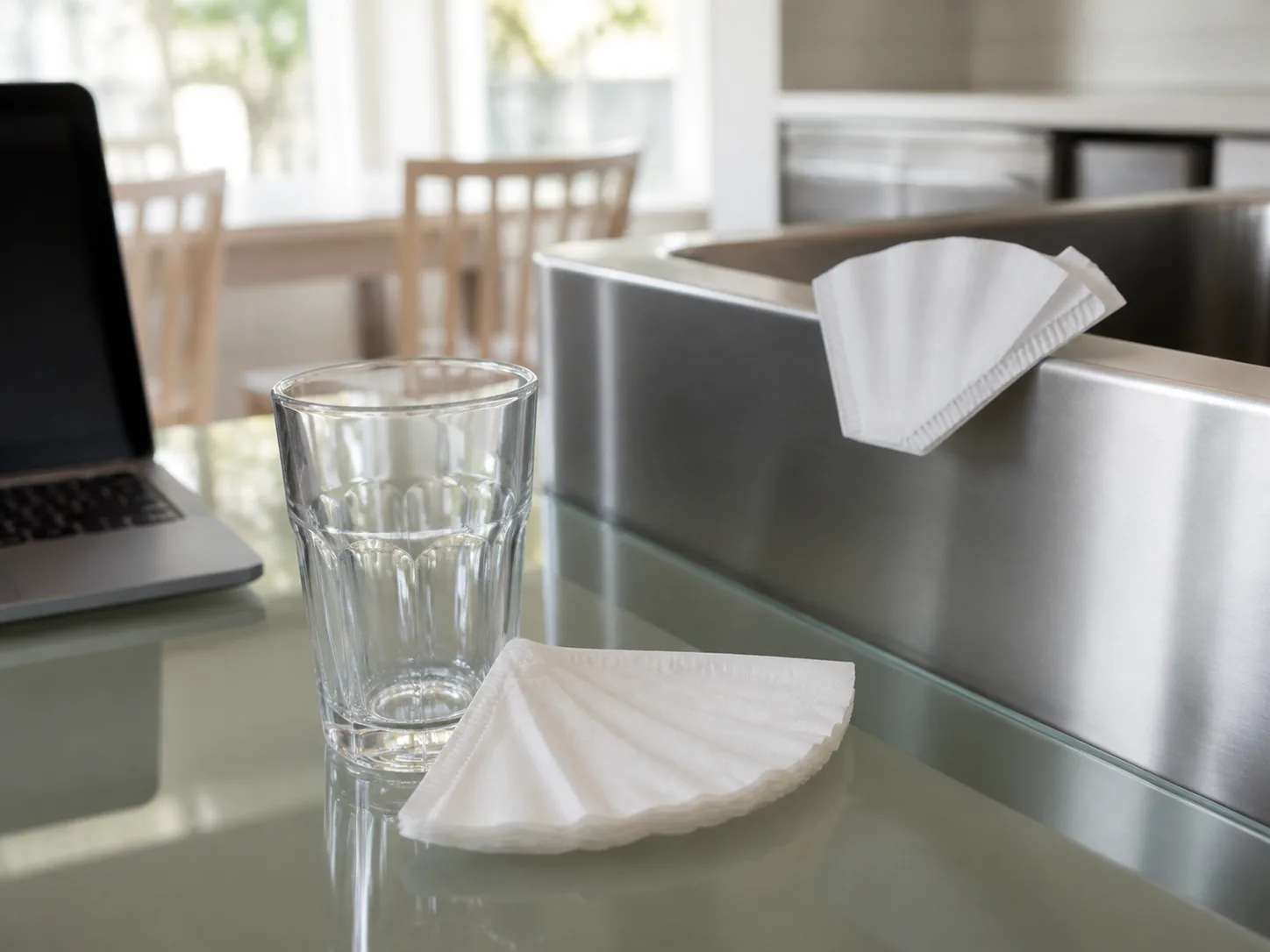
10. Dry glassware and polish mirrors. Use a dry filter as the final pass after washing or rinsing a glass, mirror, shower door, or window. Fold it into a manageable pad, work from the cleanest area outward, and switch to a fresh filter when the first one becomes damp or picks up grit. Filters help remove leftover moisture; they do not dissolve mineral scale, grease, or hard-water buildup on their own.
This same method works for a glass tabletop or car window after the surface has already been cleaned. Keep one filter for the inside and outside of a window rather than dragging outdoor grit across the interior, and never dry a surface that still has loose sand or soil on it.
Buff stainless steel and dust electronics carefully
11. Buff stainless steel after cleaning. Once a stainless-steel appliance or sink is clean, use a dry filter to remove small water marks and give the surface a final polish. Follow the grain instead of rubbing in circles, and stop if the filter catches on a rough weld, edge, or damaged finish.
12. Dust the outer surface of electronics. A dry filter can pick up light dust from a television bezel, monitor frame, keyboard surround, or the outside of a phone case. For an actual display, check the manufacturer’s cleaning instructions first, turn the device off, and use only a gentle dry pass; do not spray cleaner onto the filter or screen and do not use it to scrub fingerprints. A manufacturer-approved microfiber cloth is the safer everyday choice for coated displays.
Keep food scraps out of the drain
13. Make a temporary sink catcher. Lay a filter over the drain opening while you peel vegetables, scrape plates, or trim herbs. When you finish, fold the paper inward and put the scraps in the trash or compost according to your local rules. This catches small solids before they enter the plumbing, but it is not a drain unclogger and it should not be pushed down into the opening where it can become the clog.
For a large cleanup, use a reusable sink strainer or drain basket. A paper filter is best for a short, messy prep job when you want to lift the debris out in one piece.
Put coffee filters to work in the garden
The garden uses are helpful precisely because a filter is porous and disposable. They work as a visible germination surface, a temporary soil barrier, or an absorbent layer in a simple flower press—but none of them turns a filter into a replacement for good potting mix or a container with drainage.
Sprout seeds in a controlled, visible setup
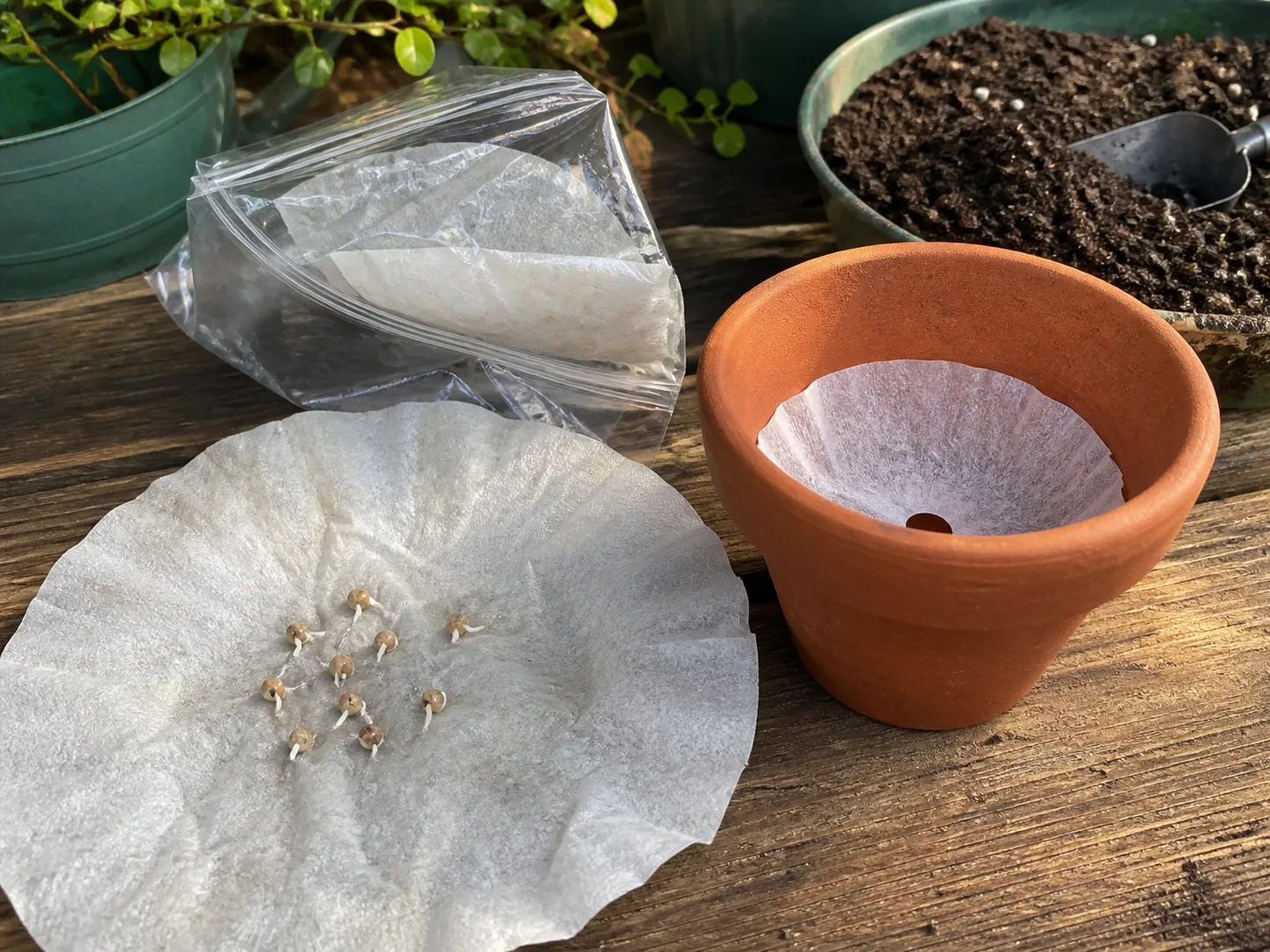
14. Test or pre-sprout seeds. Dampen a clean filter, wring it so it is moist rather than dripping, place a few seeds inside, and fold the paper around them. Put the bundle in a labeled zipper bag or covered container, leave a little air space, and keep it in the temperature range recommended for that seed. Check it daily for mold, drying, or a root emerging.
This method is especially useful for checking whether older seeds are worth sowing. AP News’ gardening guidance describes testing a small batch on moist paper, counting the percentage that germinates, and transplanting sprouts while the roots are still short. Move a sprout into damp seed-starting mix as soon as the root is developed enough to handle but before it grows through the paper; if the paper fibers cling tightly, transplant the whole small piece rather than pulling on the root.
Do not leave a closed, wet seed bundle forgotten in a warm room. A coffee filter holds moisture but provides no nutrients, light, airflow, or support for a growing seedling, so it is a test or short bridge—not a complete seed-starting system.
Line a pot without blocking drainage
15. Keep potting mix from washing out of a drainage hole. Set a single filter over the hole before adding potting mix, trimming it only if it bunches up around the sides. The paper holds back loose particles while excess water can still pass through during the first few waterings.
The important correction is that the filter does not create drainage. A pot still needs a real drainage hole, and the filter should never be used to make a sealed container function like a nursery pot. University of Georgia Extension explains that adequate drainage holes and a porous container mix are central to healthy container plants; poorly drained, poorly aerated mix can stress roots.
Use this trick when fine mix escapes from a hole or when you are potting a small plant. Skip it if the filter folds into a plug, covers multiple holes in a way that slows flow, or stays wet long after watering. Never add a layer of gravel to “fix” a pot without drainage; choose a container designed to drain instead.
Press flat flowers and herbs
16. Add an absorbent layer to a flower press. Place a flat, dry flower or herb between two clean filters, then sandwich it between cardboard or the pages of a heavy book. Replace damp paper as needed and leave the specimen under even pressure until it is fully dry.
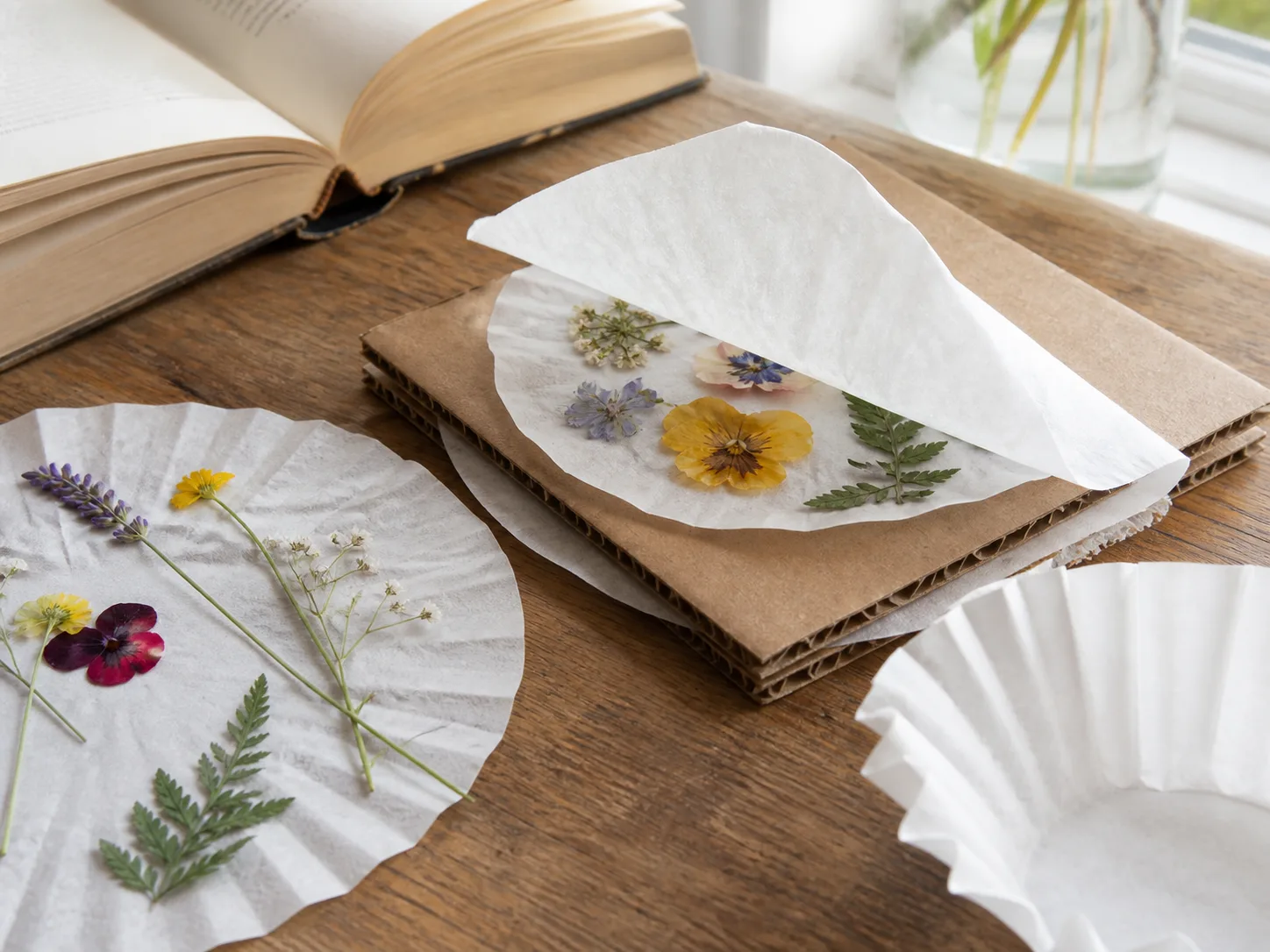
Desert Botanical Garden’s plant-pressing instructions emphasize choosing relatively flat material, separating specimens so they do not touch, and checking that the finished sample is dry before removing it. A coffee filter is convenient for a small press because it is smooth, easy to replace, and less likely to imprint a heavy towel texture on petals, but thick or juicy flowers may need more absorbent paper and more frequent changes.
If the flower is damp from rain, let surface moisture evaporate first. Pressing a waterlogged bloom between paper layers can create brown edges or mildew instead of a clean keepsake.
Organize small parts during projects
17. Corral screws, beads, and game pieces. Put a filter beside you before opening a furniture kit, repairing a small appliance, sorting craft beads, or assembling a model. Use one filter per size or step, and write a plain-language note such as “hinge screws” on a scrap of paper beside it rather than directly on the filter if you want to reuse the filter.
The shallow bowl keeps parts from rolling across the floor, while the low sides make it easy to slide pieces back into a bag or jar. Do not use a filter as a long-term storage container for sharp screws or damp parts; a labeled cup, tray, or sealed box is safer once the project pauses.
Make a simple baking-soda odor sachet
For a small dry deodorizer, place 1 to 2 tablespoons of baking soda in the center of a clean filter, gather the edges, and secure the bundle with twine or a rubber band. Put it in a shoe, gym bag, drawer, or empty closet corner where the sachet cannot spill. Replace it when it becomes damp, clumpy, or no longer helps.
Keep this sachet away from children and pets that may tear it open, and do not add essential oil if the sachet will be near a pet, fabric that stains easily, or someone with fragrance sensitivity. Do not put baking soda directly on leather, suede, electronics, or a wet surface; the filter is a tidy container, not a guarantee against residue.
What coffee filters should not replace
The quickest way to ruin a good household shortcut is to use it outside its design limits. Keep these boundaries in mind:
- Not a hot-oil filter or oven liner: Paper can scorch, tear, or ignite. Let cooking fat cool and use equipment made for straining or baking.
- Not a drainage system: A filter can hold back loose potting mix, but it cannot replace a hole, saucer, or airy container mix.
- Not a sterile medical or skincare product: Do not use a household filter on wounds, eyes, contact lenses, or irritated skin.
- Not a universal screen cloth: Use the device maker’s recommended cloth for coated displays, and never scrub grit across glass.
- Not a chemical barrier: Keep filters away from bleach, solvents, pesticides, strong cleaners, and unknown residues. Paper absorbs them and can spread them.
- Not a long-term food-storage wrapper: Paper can soften, tear, or transfer odors. Use a sealed food container for leftovers and damp ingredients.
- Not a pet-safe odor treatment by default: Baking soda and fragrance products should be kept out of reach, and a torn sachet should be cleaned up immediately.
Conclusion
Coffee filters earn their place in a household drawer because they solve small problems cleanly: they separate dishes, catch drips, absorb surface grease, collect scraps, hold hardware, and give seeds or flowers a simple paper-based setup. The best results come from matching the filter to its actual strength—porous, light, flexible, and disposable—then switching to the proper tool when heat, weight, chemicals, moisture, or delicate electronics enter the picture.
Start with the jobs you will use this week: put one between stacked plates, keep a few beside the sink for scraps, and save a clean filter for a seed test or flower press. A shortcut is worth keeping when it saves a mess without creating a new risk.



