15 Cool-Season Annual Flowers for Spring and Fall
Choose the best cool-season annual flowers for beds and containers. Learn when to sow, when to transplant, and how to protect blooms from frost and heat.
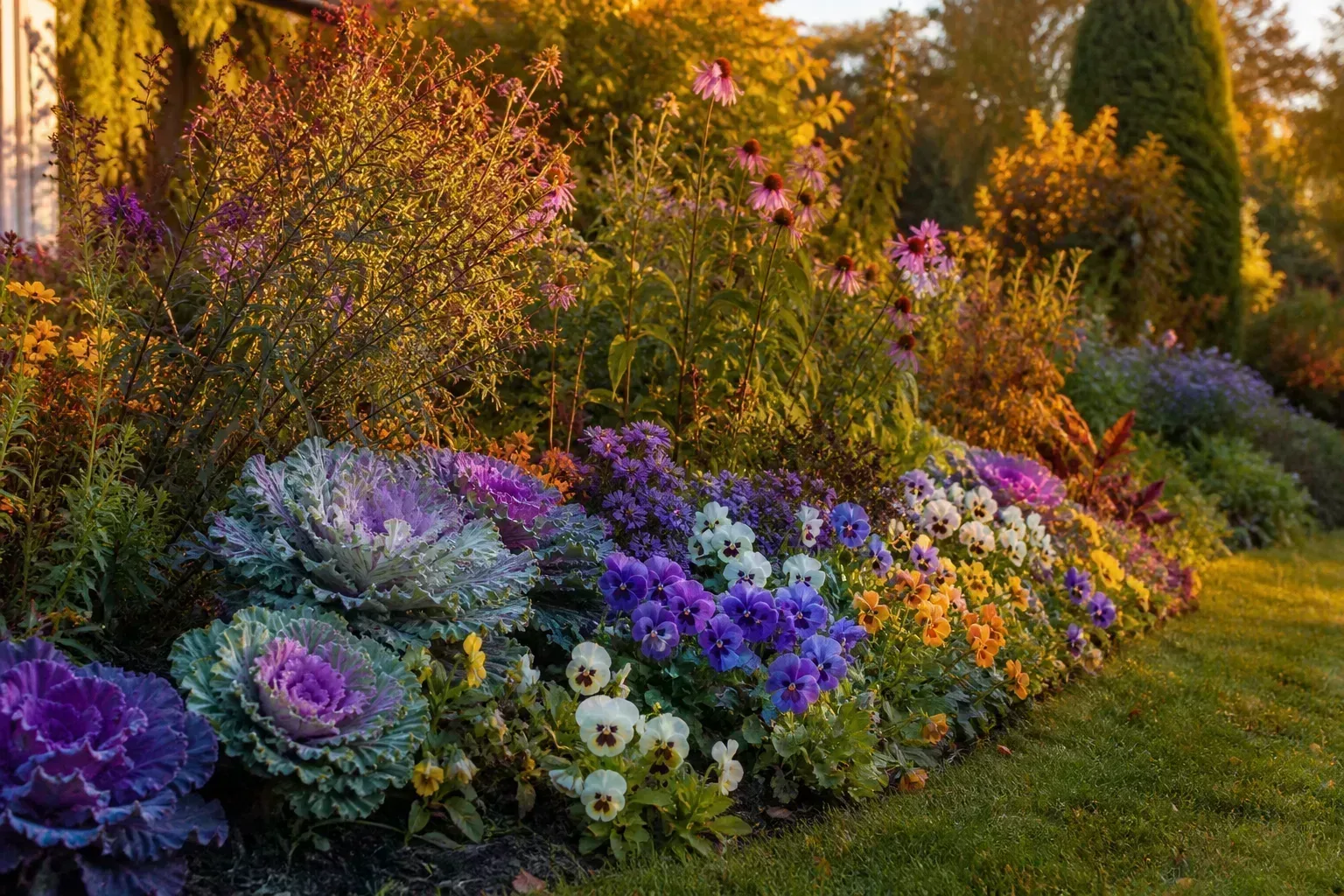
Summer flowers get most of the attention, but the weeks around spring and fall are when a garden can feel most unfinished. Cool-season annual flowers fill that gap with fresh color when the soil is waking up or summer plants are exhausted. Some shrug off a light frost; others simply grow and bloom best before hot weather arrives.
The useful distinction is not “hardy” versus “not hardy.” It is how each flower handles cool air, heat, frost, and a short growing window. A pansy planted in fall may flower through a mild winter, while a nasturtium planted at the same time may give you a quick show and then quit at the first hard freeze. The list below tells you what each plant is good at, how to start it, and where it is most likely to fail.
What cool-season annuals are—and when to plant them
An annual completes its life cycle—from seed to flower to seed—within one growing season. A cool-season annual prefers the moderate temperatures of spring and fall, so it may bloom before summer heat, pause when temperatures climb, and return when nights cool. Some plants on this list are technically tender perennials, biennials, or perennials in a mild climate, but they are commonly grown as annuals where winter or summer prevents them from persisting.
Virginia Tech’s annual-flower culture guide separates cool-season plants from heat-loving annuals and recommends evaluating light, drainage, soil, temperature, and water before planting. That is the right approach: a plant’s catalog hardiness is only part of the story. A sheltered container, a wet clay bed, and a sunny raised bed can give the same flower three very different seasons.
Use your average first frost date in fall and average last frost date in spring as planning anchors. For fall, count backward from the first frost far enough for the plant to root and flower; for spring, plant cool-season transplants before the date you would use for tender marigolds or zinnias, but wait if the ground is frozen, waterlogged, or in an extreme heat spell. Frost dates are averages, not guarantees, so keep a row cover or light fabric ready for a sudden cold night.
| If your goal is… | Start with… | The trade-off |
|---|---|---|
| Color immediately | Pansies, violas, snapdragons, calendula, or alyssum transplants | Nursery plants cost more and need watering while they establish |
| A spring display from fall sowing | Larkspur, bachelor’s buttons, love-in-a-mist, or sweet peas | Germination and winter survival vary by site |
| A small-space container | Pansies, diascia, lobelia, petunias, or alyssum | Containers dry and heat up faster than beds |
| Fragrant or cut flowers | Sweet peas, stock-like dianthus, snapdragons, or calendula | Tall or vining plants may need support and regular picking |
| A late-fall color reset | Mums, pansies, calendula, snapdragons, or ornamental foliage companions | A hard freeze can end open flowers even when foliage survives |
Prepare the bed and choose seed versus nursery starts
Cool-season flowers do not need a rich, soggy bed. They need a root zone that drains after rain, holds some moisture, and receives the amount of light the variety expects. If a planting hole stays full of water for hours, fix the drainage with a raised bed or a better location before blaming the flowers. Virginia Tech recommends soil testing rather than guessing at fertilizer, and fall is a good time to prepare a future spring bed so amendments can work into the soil.
For direct sowing, make a fine, level seedbed and keep the surface evenly moist until seedlings are visible. Small seeds may need light to germinate, so follow the packet rather than automatically burying them. A thin layer of vermiculite or fine compost can reduce crusting without smothering seedlings. Durham County Extension Master Gardeners suggest direct sowing plants such as nigella, larkspur, and Centaurea, while snapdragons and calendula are often easier to establish as transplants; their fall-sowing notes also emphasize counting back from frost and protecting young plants from wind.
Choose nursery starts when you have fewer than six weeks before a likely frost, when the seedling is slow to flower, or when spring weather is moving quickly toward heat. Harden indoor-grown plants for about a week by increasing outdoor exposure gradually, then plant them at the same depth they grew in their container. Water the root ball thoroughly, but do not bury the crown or keep a pot sitting in a saucer of water.
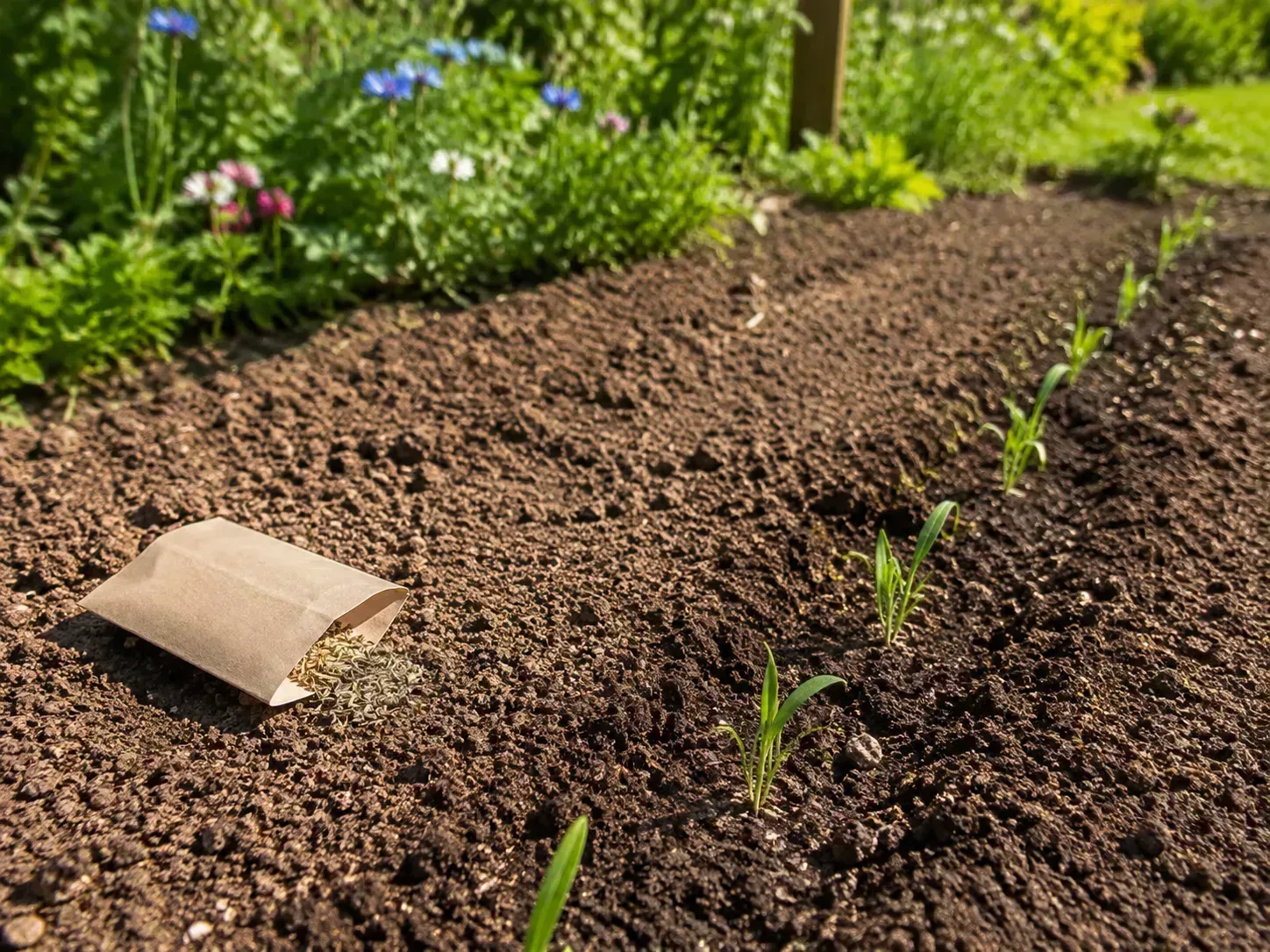
Whether a flower is in a bed or pot, water deeply enough to wet the root zone, then adjust the interval for weather and soil. UConn Extension’s annuals guidance uses about an inch of water per week as a general starting point, while noting that newly planted and drought-stressed plants need closer attention. Mulch reduces evaporation, but keep it off small stems and do not use a thick layer of fresh wood chips in a shallow-rooted annual bed.
1. Pansies and violas
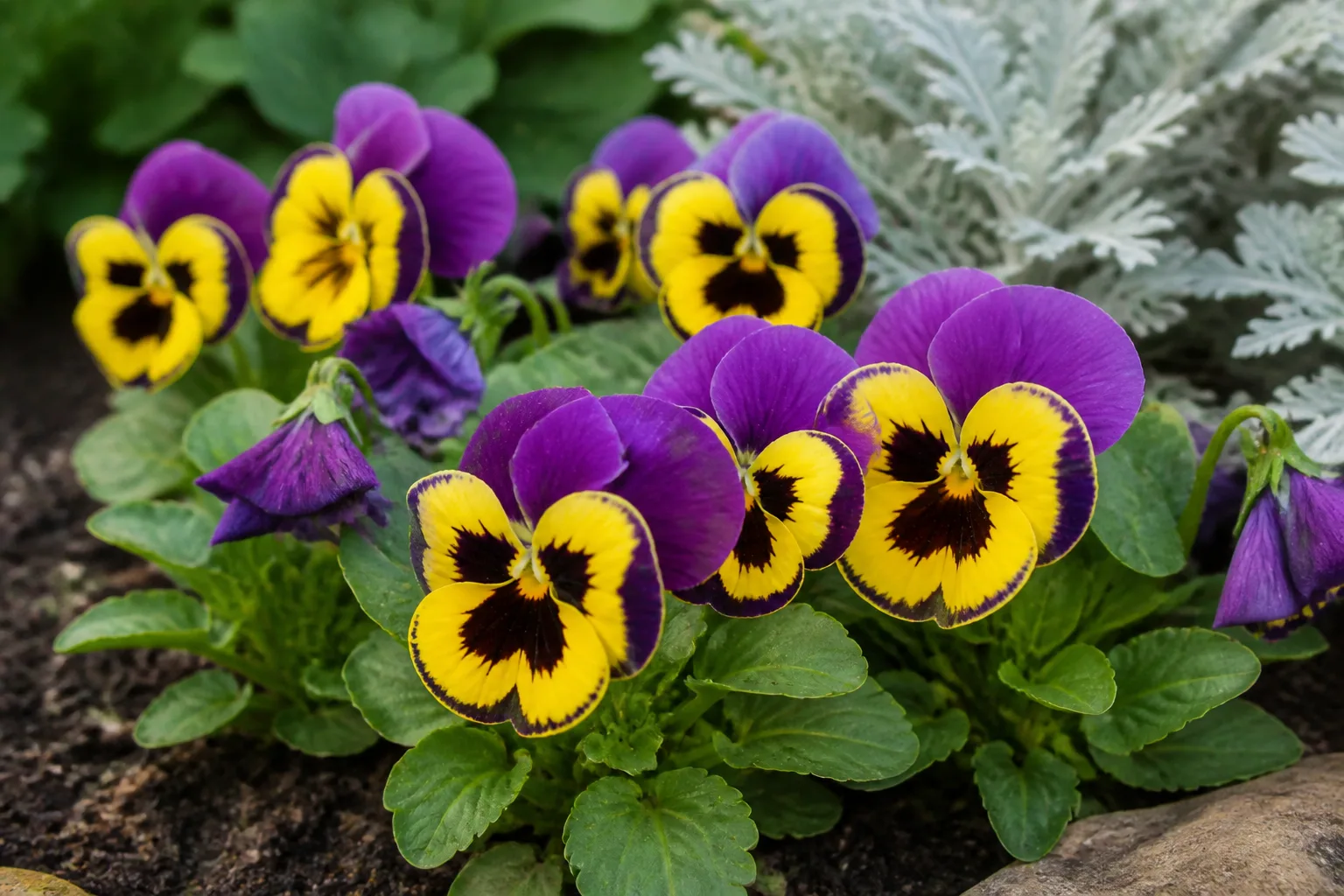
Best for: the most dependable cool-weather color in beds, window boxes, and containers. Pansies (Viola × wittrockiana) have large, face-like flowers; violas are usually smaller-flowered and often produce more blooms per plant. Both handle cool spring and fall weather exceptionally well and can keep flowering through mild winter spells.
Buy blooming six-packs in fall for instant color, or set out compact starts several weeks before your first frost so they can root. Give them full sun to light afternoon shade, especially in warmer regions, and keep soil evenly moist without making it waterlogged. In colder climates, expect fall flowers, a winter pause, and renewed spring bloom rather than uninterrupted petals under snow.
Deadhead old flowers if you want a tidier display and more buds. The main failure is planting them into hot, dry soil and then assuming the leaves are failing because the variety is weak; wait for a cooler spell, shade the container during the hottest afternoon, and water the root ball consistently while it settles.
2. Snapdragons
Snapdragons (Antirrhinum majus) bring vertical color and excellent cut stems to the cool-season garden. Dwarf types suit containers, intermediate types fill the middle of a border, and tall cultivars make a useful back layer. They are among the strongest choices for a spring planting that starts before heat arrives, and established plants can tolerate light freezes.
Nursery starts are the shortcut in a short spring or a late fall. If starting seed, allow roughly two months from sowing to a substantial flowering plant and give seedlings strong light so they do not become thin and floppy. Plant in sun or light shade with drainage, keep moisture steady, and remove spent flower spikes to encourage side shoots.
Heat often causes snapdragons to look tired before frost does. Cut back leggy stems by about one-third, remove damaged growth, and keep watering at the soil line; a cool autumn can produce a worthwhile second flush. Epic Gardening’s cool-season profiles also note the importance of even moisture as established plants move through freezing weather.
3. Calendula
Calendula (Calendula officinalis), or pot marigold, is a cheerful choice for a sunny bed, herb garden, or cutting patch. Its yellow, orange, cream, and apricot flowers look at home in both spring and fall, and the plant can bloom from spring to frost in cool climates before resting during intense summer heat.
Direct sow it where you want it, or use young transplants when you need a quick fall display. Seeds germinate readily in cool-to-moderate conditions, and deadheading keeps the plant producing instead of putting all its energy into seed. Leave a few seed heads if you want volunteers next season, but remove them before they drop if you are growing a named hybrid or want a precise border.
The petals are commonly used as an edible garnish, but only eat flowers that are correctly identified and grown without pesticide residues or animal waste. Calendula prefers full sun and well-drained soil; in humid areas, crowding and wet foliage are more likely to shorten the display than cold weather.
4. Sweet alyssum
Sweet alyssum (Lobularia maritima) is the low-growing, fragrant filler that makes a container or border look finished. White, pink, and lavender flower clusters spill over pot edges and soften the front of a bed, while their honey-like scent is especially noticeable on mild afternoons.
Sow the small seed shallowly or buy cell-pack plants, then give them sun to part shade and regular moisture while they establish. Alyssum often pauses or yellows in summer heat rather than dying immediately; shear the spent growth lightly, keep the root zone from becoming bone-dry, and it may return with cool fall weather. UConn Extension specifically lists alyssum among self-seeding annuals that can be allowed to form some seed at season’s end.
Do not cover alyssum with heavy mulch or place it where a downspout keeps the soil saturated. It is useful as a living edge around taller snapdragons, calendula, or dianthus, but its small scale disappears when planted alone in a large bed.
5. Annual larkspur
Annual larkspur (Consolida ajacis) is the airy, upright choice for a cottage-style bed or cutting garden. Spires of blue, purple, pink, or white flowers rise above fine foliage, adding height without the dense mass of a traditional bedding plant. It is happiest when it can grow through cool weather before summer heat settles in.
Direct sow larkspur in fall or very early spring because its long root makes transplanting less reliable. Scatter or place seed on a prepared surface according to the packet, keep it moist during germination, and thin seedlings before they crowd. The plant can flower early, set seed quickly, and fade as temperatures rise; leave a few pods for a self-renewing patch or cut the rest for a tidier display.
Give it sun, drainage, and protection from strong wind. Tall stems may need discreet support, particularly in a bed exposed to spring rain. Its best use is as a seasonal vertical accent, not as a flower you expect to carry through the hottest months.
6. Bachelor’s buttons
Bachelor’s buttons, or cornflowers (Centaurea cyanus), are one of the easiest cool-season annuals to grow from seed. Their blue, pink, purple, or white flowers suit a meadow edge, cutting row, and informal vegetable-garden border, and their upright stems make a small planting feel more substantial.
Direct sow in fall for an early spring display in climates where the seedlings can establish before winter, or sow in early spring as soon as the soil can be worked. Full sun produces the strongest stems, though light shade can help in a warm region. Avoid a heavily fertilized bed that produces leaves and weak stems instead of flowers.
The useful warning is also the appeal: bachelor’s buttons can reseed generously. Deadhead before seed matures if you want to prevent volunteers from spreading into paths or neighboring beds, and check your local invasive-plant guidance before letting the plant naturalize. Gardeners who want a predictable color mix should remember that saved seed from hybrids may not reproduce the parent exactly.
7. Sweet peas
Sweet peas (Lathyrus odoratus) are the fragrance specialists of this list. Their ruffled flowers climb through a trellis or brush support, making them ideal for a cool-season cutting garden, an obelisk in a raised bed, or a large container with a narrow footprint and plenty of vertical space.
Direct sow as soon as the soil is workable in spring, or sow in fall where winter conditions allow young plants to establish. Soaking the large seeds briefly can speed the start, but do not leave them sitting in water for days. Give the vines full sun to light shade, rich but well-drained soil, and support from the moment tendrils begin to reach.
Pick flowers frequently rather than waiting for every bloom to fade. Once seed pods mature, flowering slows; once hot weather arrives, the whole plant declines naturally. Remember that ornamental sweet peas are not the same as edible garden peas, so grow them for scent and flowers rather than treating them as a food crop.
8. Dianthus
Annual dianthus (Dianthus chinensis) combines compact form, fringed petals, and a spicy-sweet fragrance. It works in sunny borders, rock gardens, and containers where you want a neat mound that can bridge spring and fall. Depending on the cultivar and climate, dianthus may be sold as an annual, biennial, or short-lived perennial.
Plant nursery starts for quick color, or start seed indoors early enough to have sturdy plants before spring heat. Full sun, sharp drainage, and moderate fertility keep the foliage compact; soggy soil and shade encourage weak growth. Snip faded flowers above a leaf set to redirect energy into more buds.
In a mild fall, established dianthus can keep flowering after more tender bedding plants have faded. In a very cold winter, protect the crown with a light mulch after the ground cools, but do not promise that every cultivar will return. The practical choice is to treat it as a long-blooming seasonal plant unless your local experience says otherwise.
9. Love-in-a-mist
Love-in-a-mist (Nigella damascena) earns its name from feathery foliage that wraps around blue, white, pink, or lavender flowers. The plant is an excellent partner for broad-leaved pansies and calendula, and its decorative seed pods extend the display into bouquets after the petals fade.
Direct sow it where it will grow; nigella dislikes root disturbance and is usually more successful when the seed is not moved. Fall sowing can give seedlings a head start for spring flowering in milder areas, while spring sowing produces a shorter, later show. Full sun and well-drained soil are the essentials, not heavy feeding.
Each flush can be brief, so sow a small amount more than once if your season allows. Leave pods for dried arrangements or future volunteers, but remove them before they split if you want to contain the plant. Heat makes nigella wilt quickly, so it is a poor choice for a summer-only bed.
10. Nasturtiums
Nasturtiums (Tropaeolum majus and related species) bring round leaves and saturated red, orange, yellow, or cream flowers to beds, window boxes, and hanging baskets. Trailing forms spill over edges; compact forms can fill a pot without a trellis. They tolerate cool fall conditions and can keep attracting pollinators until a hard freeze.
Direct sow the large seeds after the soil is workable, because nasturtiums dislike being transplanted with a disturbed root system. Choose full sun for the most flowers, but offer some afternoon shade in a hot climate. Do not overfeed: rich soil often makes lush leaves at the expense of blooms, while steady moisture matters during establishment.
The leaves and flowers are commonly eaten for their peppery flavor, but only use correctly identified flowers grown without ornamental pesticides. Nasturtiums do not survive a heavy frost, so in fall they are best for a fast, colorful finale rather than a winter planting.
11. Petunias
Petunias (Petunia × hybrida) are often treated as summer bedding plants, yet they flower best when temperatures are moderate. They are especially useful in spring containers and in early fall when nights cool but a hard freeze is still some distance away. Spreading types trail over baskets, while upright types fill beds and mixed pots.
Use nursery plants for the fastest result; seed-grown petunias need a long lead time and bright light. Give them full sun, a porous potting mix or well-drained soil, and enough water that the root ball does not cycle from bone-dry to saturated. Wave-type cultivars may self-clean, but long stems still benefit from a midseason trim when the plant becomes thin.
Petunias are not a reliable frost plant. If a fall display is getting lanky, cut back the stems by roughly one-third, remove damaged blooms, and feed only if the plant is actively growing and the label supports it. The aim is a fresh flush before cold weather, not forcing a heat-stressed plant through winter.
12. Lobelia
Annual lobelia (Lobelia erinus) makes a cool-season container look abundant without taking up much space. Blue is the classic color, but white, lilac, and rose cultivars are available, with trailing forms suited to baskets and upright forms useful at the front of a bed.
Buy plugs or small nursery plants when you want a quick spring or fall display; the seed is fine and slow to handle. Provide bright light, afternoon protection where summers are hot, and evenly moist, well-drained soil. Lobelia often stops flowering in heat, so do not respond to a summer pause by keeping the pot constantly wet.
When temperatures moderate, shear an exhausted plant lightly rather than removing it entirely. It may branch and rebloom, especially if the roots stayed healthy. In a container, check moisture more often than in a bed because a small pot warms and dries from every side.
13. Diascia
Diascia (Diascia barberae and hybrids), sometimes called twinspur, is a refined trailer for the cool-season container. Its small pink, coral, white, orange, or red flowers rise above mounding stems and combine well with pansies, alyssum, and ornamental foliage.
Nursery plants are the practical starting point because many named diascia are sold as vegetative selections. Place them in full sun to light shade with a well-drained mix, water when the surface begins to dry, and avoid a pot that stays cold and saturated. Established plants tolerate light freezing weather, but they may stop flowering during a severe cold snap even if the foliage survives.
Use diascia where you can see its trailing habit from eye level. In an open bed it can disappear among taller annuals, while in a broad pot it becomes a useful edge plant that softens upright snapdragons or a central chrysanthemum.
14. Nierembergia ‘Mont Blanc’
Nierembergia ‘Mont Blanc’ is a low, spreading bedding plant with white cup-shaped flowers and fine foliage. It is less common than pansies or petunias, which makes it valuable when you want a pale edging plant for a container, rock garden, or front-of-border composition.
Treat it as a tender seasonal plant unless your winter climate and the specific cultivar prove otherwise. Give it sun to part shade, porous soil, and enough room for the stems to spread rather than burying it beneath a taller neighbor. Nursery starts are usually easier than locating fresh seed, and a spring planting is safer in climates with severe winter cold.
Its main limitation is availability and heat sensitivity. If a garden center does not have it at the right season, substitute alyssum or diascia for a similar low, airy effect instead of forcing an ill-timed purchase. That is a better use of the plant’s strengths than trying to make it a universal, year-round annual.
15. Hardy chrysanthemums
Hardy chrysanthemums (Chrysanthemum × morifolium) are technically perennials where they survive winter, but gardeners often use them as fall annuals for their dense domes of yellow, orange, red, pink, purple, or white flowers. They deliver immediate color in porch pots and beds just as summer annuals begin to fade.
For the best chance of return, plant a healthy mum in the ground early enough for roots to establish, rather than waiting until the plant is completely finished flowering. Choose full sun, drainage, and a site protected from constant winter wind. In colder regions, apply a light mulch after the soil cools; heavy wet mulch against the crown can cause rot.
Treat a gift or grocery-store mum as a seasonal display if it was purchased late and is already tightly root-bound. Remove spent flower heads for neatness, but do not expect a late-planted pot to become a large perennial clump before winter. Spring-planted mums have more time to root and can be pinched earlier in the season for a fuller fall shape.
Keep the display going through frost and heat
Light frost and a hard freeze are different events. A light frost may mark tender petals while the plant continues growing; a prolonged freeze can injure leaves, roots, or the entire crown. Pansies, snapdragons, dianthus, calendula, alyssum, and established diascia may recover from a chilly night, while nasturtiums and petunias are much less forgiving.
When a cold night is forecast, water the soil earlier in the day if it is dry, then cover in-ground plants with breathable frost cloth or an upside-down container before temperatures fall. Keep the cover from pressing on the flowers, anchor the edges, and remove it in the morning once the air warms. Move containers against a sheltered wall or into an unheated garage for the night, but do not leave plants sealed in bright sun under plastic the next day.
Heat can be just as disruptive as cold. When cool-season annuals fade in summer, first check soil moisture and afternoon exposure before replacing them. UConn Extension notes that pansies and calendulas can be cut back and may regrow as temperatures fall, while some larkspur and annual phlox simply peter out. Trim tired stems, reduce harsh afternoon sun where possible, and replace plants only when the root zone is healthy but the season has genuinely moved beyond their temperature range.
Keep deadheading selective. Remove spent flowers from pansies, snapdragons, calendula, dianthus, and petunias when you want more bloom; allow a few calendula, alyssum, nigella, or bachelor’s-button seed heads to mature if volunteers are welcome. For pest problems, inspect leaves and stems before reaching for a spray. Virginia Tech’s integrated pest-management guidance recommends accurate identification, cultural controls, and the least-toxic effective option, with any pesticide used only according to its current label.
The simplest season-long schedule is to prepare beds before planting, water new starts consistently, thin direct-sown seedlings, support tall plants early, deadhead the flowers you want to keep blooming, and record which varieties handled your exact garden. That last note is more useful than a generic zone claim: next year, you will know whether fall-sown larkspur survived your wet winter, whether a south-facing pot cooked your lobelia, and whether pansies lasted until spring.
Conclusion
The best cool-season annual flowers are not the ones with the broadest hardiness range on a label. They are the ones that fit your temperature window, light, drainage, available time, and desired kind of color. Choose pansies or snapdragons for reliable nursery-start color, larkspur or love-in-a-mist for direct-sown spring flowers, sweet peas for fragrance and height, alyssum or diascia for containers, and calendula or bachelor’s buttons when you want easy seed-grown abundance.
Count backward from frost, give new roots even moisture, and protect plants from wind and sudden freezes. If summer heat makes a cool-season bed look tired, cut back the plants that can rebound and replace the ones that have reached the end of their cycle. With that little bit of timing discipline, spring and fall stop being empty seasons and become some of the most rewarding weeks in the flower garden.