Cypress Mulch Pros and Cons for Garden Beds and Yards
Learn what cypress mulch does well, when it can dry out or mat, how to check its source, and which alternatives fit your bed, slope, budget, and climate.
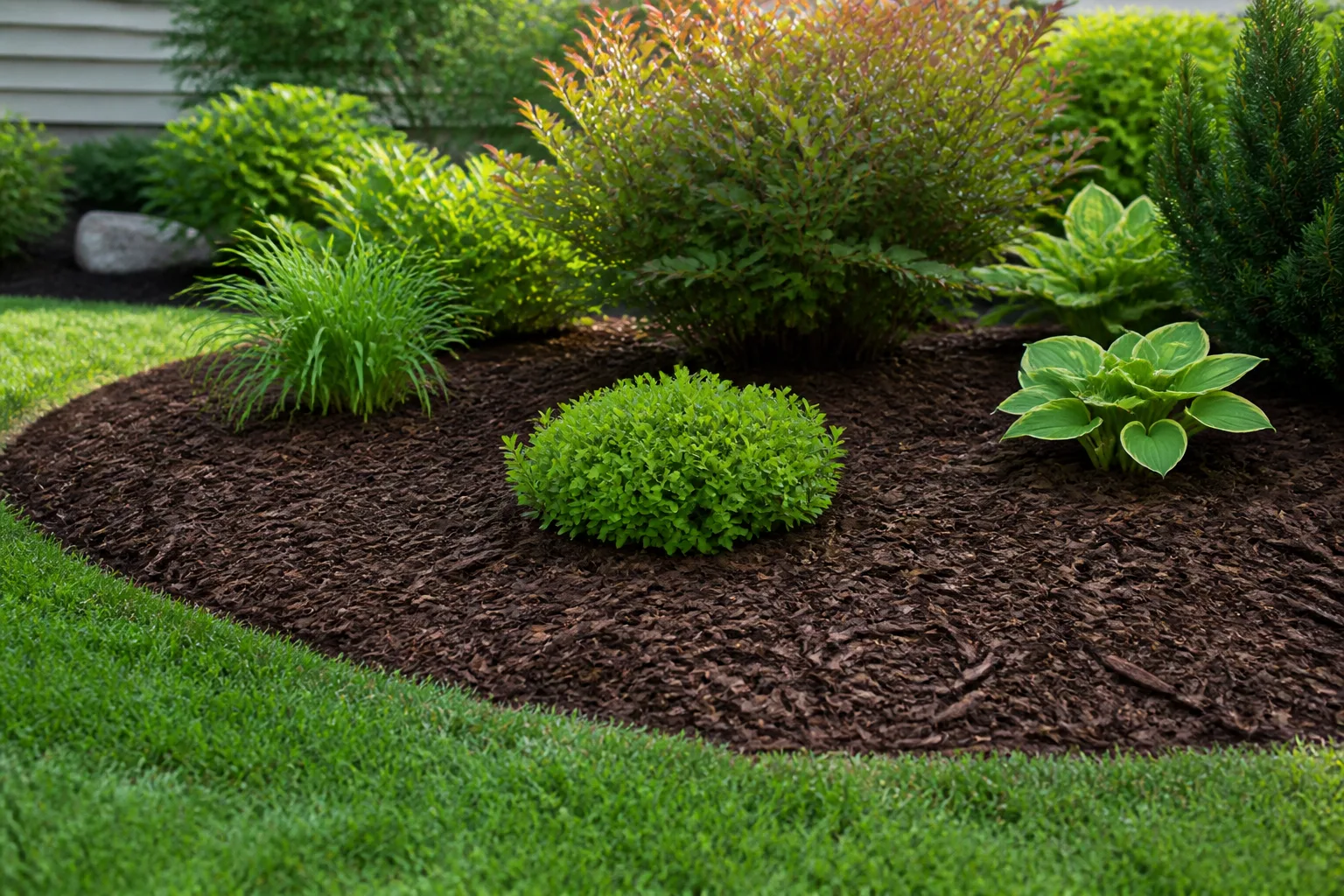
Cypress mulch can give a bed a tidy, natural finish and help reduce weeds and moisture loss, but those benefits are not unique to cypress. The bigger question is where the wood came from: cypress mulch made from traceable mill byproducts has a different sourcing story from product tied to cutting trees in wetland forests, and a bag often does not make that distinction clear.
For most gardeners, the practical choice is straightforward: compare its texture and delivered cost with other mulches, then skip cypress if the seller cannot explain its origin. If you already have it, you can still use it effectively by keeping the layer shallow enough for water and air to reach the soil and keeping it away from stems and trunks.
The quick answer: use it only when the source and site fit
Cypress mulch is a reasonable surface cover when its texture suits the bed, the product is competitively priced, and you can verify that its source aligns with your environmental priorities. It is especially tempting when you want a dark, finely shredded layer that looks uniform and is less prone to shifting than large, loose bark nuggets. Those are product-format advantages, not a reason to assume cypress itself is always the best mulch.
The main reservation is sourcing. In Florida, UF/IFAS does not recommend cypress mulch because its origin can be difficult to establish and it may come from ecologically sensitive forested wetlands. That is a regional, evidence-based caution about supply and harvesting; it is not proof that every bag or every supplier uses wetland trees. When the label and retailer cannot provide traceable sourcing, choose a locally available alternative with a clearer origin.
What cypress mulch is
Cypress mulch is a biodegradable landscape covering made from cypress wood, bark, or a mixture of both. In U.S. products, the trees most often discussed are bald cypress (Taxodium distichum) and pond cypress (Taxodium distichum var. nutans). The two are related, but their commercial products can differ in particle size, proportion of bark, color, and how tightly the shredded pieces settle together.
The word “cypress” on a bag tells you the material category, not the complete supply chain. A product may be made from a sawmill residue, from trees cut specifically for mulch, or from a blend whose components are not obvious from its appearance. A dyed or dark product also does not reveal whether the underlying wood was reclaimed, responsibly harvested, or sourced from a wetland. Ask for the source before treating a label as proof of sustainability.
Cypress species and products are not all the same
UF/IFAS describes Florida cypress trees as wetland species that support wildlife, help hold and absorb stormwater, and contribute to water quality. It also notes a change in the mulch supply chain: cypress mulch was originally produced from sawmill waste, while demand has contributed to more use of smaller pond cypress and other trees once considered too small for harvest. The extension service says younger trees do not have the same natural pest resistance as old-growth wood and recommends against buying cypress mulch for Florida landscapes. (UF/IFAS, “Florida’s Cypress Trees”)
That history makes blanket labels such as “all cypress mulch destroys wetlands” too broad, but it also makes “it is only a byproduct” something to verify. A supplier that can identify the species, harvest region, and whether the material is a true mill byproduct gives you more useful information than one that only says “natural,” “organic,” or “eco-friendly.” Without that detail, you cannot tell whether a particular bag reflects a lower-impact waste stream or a source that local conservation guidance discourages.
What cypress mulch does well
Cypress mulch shares the everyday functions of other organic mulches. A surface layer blocks some light from reaching weed seeds, slows evaporation from the soil, moderates temperature swings, and gives the bed a more finished appearance. As the wood slowly breaks down, it contributes organic matter to the soil; it is a surface cover, though, not a substitute for compost or a complete fertilizer program. UF/IFAS and LSU AgCenter describe these broader benefits of mulch across plant materials. (UF/IFAS, “Choosing and Installing Mulches”; LSU AgCenter, “Must-knows about mulch”)
It covers exposed soil and slows moisture loss
A consistent layer reduces direct sun and wind at the soil surface, so less water evaporates between rain or irrigation. It can also slow raindrops and irrigation from striking bare soil, limiting splash and helping protect the surface from erosion. The result is not “water once and forget it”: plants still need irrigation when the root zone is dry, and a thick mulch layer may delay or redirect water rather than deliver it to roots.
The weed benefit is similarly conditional. Mulch can reduce new weed germination by shading the soil, but it will not reliably smother established perennial weeds with deep roots or runners. Clear persistent weeds before spreading a fresh layer, then inspect the bed periodically. If weeds appear in the mulch, pull them while young; do not keep adding material until the layer becomes deeper than the bed can drain.
Shredded material can stay in place better than loose nuggets
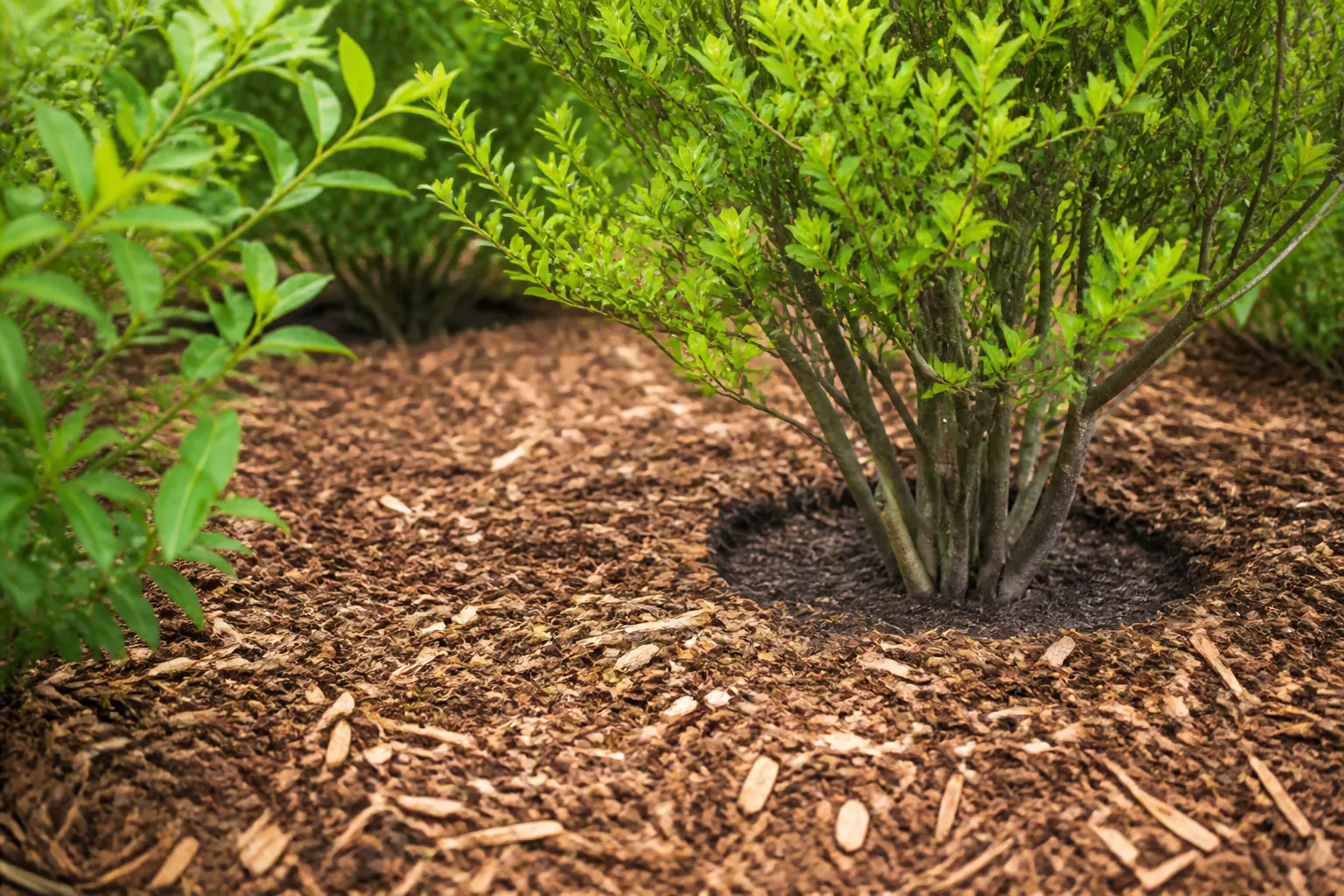
Texture matters more than the tree name when rain hits a bed. LSU AgCenter notes that shredded bark tends to cover gaps and stay in place better than large bark nuggets, while nuggets break down more slowly but can leave openings or move in heavy rain. Cypress is often sold shredded, so it may be a practical surface for a normal planting bed or a gentle slope where loose pieces would be inconvenient. (LSU AgCenter, “Must-knows about mulch”)
“Less likely to move” is not the same as flood-proof. No loose mulch is a good fix for concentrated runoff, a steep bank, or a channel that carries water during storms. For those locations, use a stable groundcover or an erosion-control approach suited to the slope, and keep mulch out of storm drains and waterways. On an ordinary bed, use edging where needed and check after the first heavy rain to see whether material has collected at the bottom.
If a bed is sloped or has had runoff problems, test a small area before ordering enough to cover the whole space. Spread the planned depth, water it slowly, and inspect it after a storm. If mulch collects at a drain or slides downslope, the problem is concentrated flow or site design; adding a deeper loose layer can make maintenance harder. Use groundcover or an erosion-control measure suited to the site instead.
Where it falls short
Cypress mulch is still a loose organic material, so it changes as it weathers. The color fades, pieces settle and decompose, and wind or water can expose thin patches. Its performance depends on how finely it is shredded and how much bark or wood the batch contains; two bags carrying the same product name may not have the same texture or service life.
A thick or matted layer can interfere with water
Mulch should protect the soil without forming a barrier over it. A deep or compressed layer can slow water and air movement; a dry surface may also shed a quick downpour before the soil underneath has had time to absorb it. UF/IFAS advises against applying more than three inches because excess mulch can divert rain or irrigation away from plant roots. The RHS likewise says that newly mulched beds may need extra water directed through the cover to reach roots. (UF/IFAS, “Choosing and Installing Mulches”; RHS, “Mulches and mulching”)
If water beads, runs sideways, or pools at the edge, do not add another layer. First rake the surface lightly to separate packed fibers and open small gaps, then apply water slowly in two or more passes. Check the soil itself with a finger or trowel a few inches below the surface. If it remains dry while the mulch is wet, move irrigation below or through the mulch and confirm that the bed drains; if it stays soggy, thin the cover and address the drainage problem rather than watering more.
Durability and cost depend on the product
A bag’s claim that a mulch “lasts longer” is not a reliable estimate for every yard. Particle size, bark content, sun exposure, rainfall, foot traffic, and the depth you apply all affect how quickly the bed looks thin. Larger pieces generally remain visible longer but leave more gaps; fine shreds cover closely but can settle or compact. Check the actual texture in the bag and ask whether the product is pure cypress or a blend.
Compare the cost of the amount you need, including delivery, instead of comparing one bag with another. Measure the bed and estimate volume before ordering. A cheaper product that must be replaced sooner may not be the lower-cost choice, and a premium product does not justify its price if its origin is unclear or it does not suit your plants. The right comparison is cost per covered area at the depth you plan to maintain.
Is cypress mulch sustainable?
The answer depends on how and where the cypress was harvested, not on the fact that the finished product is mulch. A residue from a documented sawmill operation is materially different from a supply chain that cuts wetland trees to meet mulch demand. That distinction matters because cypress wetlands are not just a timber source: UF/IFAS describes their role in wildlife habitat, stormwater absorption, and water quality.
UF/IFAS’s Florida-Friendly Landscaping program recommends against cypress mulch because it may not be harvested sustainably and its origin can be hard to determine. LSU AgCenter also cautions that harvesting bald or pond cypress can contribute to loss of coastal wetlands and wildlife habitat. These sources support a careful buying rule—do not assume an unknown source is sustainable—but they do not establish that every producer or every cypress product has the same impacts. (Florida-Friendly Landscaping, “Mulch Guidance”; LSU AgCenter, “Must-knows about mulch”)
The harvest story matters more than the bag’s color
A neat label, dark color, or “natural” wording says little about what happened before the material reached the garden center. Even “byproduct” needs context: ask whether the mulch is made from leftover wood generated by another lumber use or whether whole trees are harvested primarily for landscaping material. Find out whether the supplier can name the harvest region and provide a written sourcing statement rather than relying on a salesperson’s general assurance.
The local context matters, too. In Florida and Louisiana, cypress is closely linked to forested wetlands, and university guidance raises direct concerns about those ecosystems. In another region, a product could have a different supply chain, but distance alone does not demonstrate responsible sourcing. If the source cannot be checked, choose a mulch made from an identifiable local byproduct or material already available on your property.
How to evaluate sourcing claims
Before buying, ask the garden center or bulk supplier these questions:
- Is the product 100 percent cypress, or does it include other wood?
- Which species and harvest region does it come from?
- Is it made from sawmill residue, arborist material, or trees harvested primarily for mulch?
- Can you provide a written source statement or certification that covers the actual material?
- Is there a locally available byproduct with similar texture and a clearer origin?
A clear, specific answer is useful evidence; a vague assurance is not. A certification can help only if it identifies the standard and applies to the product you are buying. If the bag does not identify the source and the retailer cannot fill in the gap, the decision with the least uncertainty is to choose another mulch. You do not have to solve the forest-products supply chain at the checkout counter to protect a garden bed.
Does cypress mulch repel insects?
Do not buy cypress mulch as a dependable insect repellent. Claims about natural oils and pest resistance often refer to heartwood from mature trees, not necessarily the mix of bark and wood in a retail bag. UF/IFAS specifically notes that younger cypress harvested for mulch does not have the same natural pest resistance as old-growth wood. That is one reason a bag should not be treated as a pest-control product. (UF/IFAS, “Florida’s Cypress Trees”)
Mulch can create shelter for insects simply by covering soil, but that is not the same as attracting a harmful infestation or controlling pests. Keep mulch a sensible distance from house foundations and plant stems, remove thick wet piles, and address pest problems with identification-specific guidance. If you are managing termites or another structural pest, rely on local pest-control advice and the relevant product label—not on the tree species printed on the mulch bag.
How it compares with other mulches
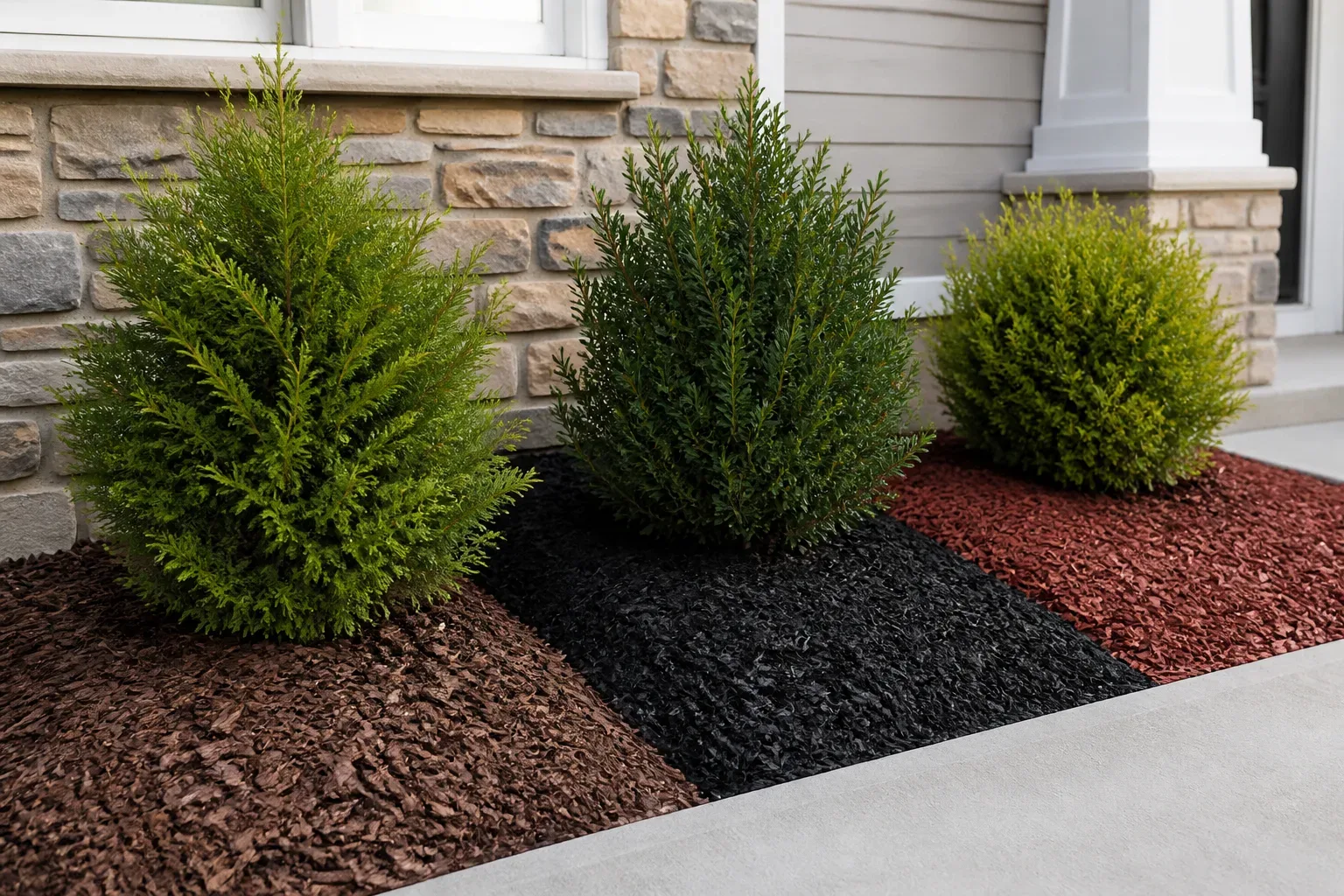
There is no single best mulch for every garden. A decorative shrub bed, a vegetable row, a sunny slope, and a path each have different needs. The RHS and Homestead and Chill both emphasize matching mulch material to its job; a gardener may reasonably use more than one type around the same property. (RHS, “Mulches and mulching”; Homestead and Chill, “Pros and Cons of 8 Types of Garden Mulch”)
| Mulch | Good fit | Main trade-off |
|---|---|---|
| Cypress | Shredded cover for established ornamental beds when sourcing is clear | Origin may be hard to verify; can settle or mat |
| Pine bark | Durable beds where bark is a local byproduct | Large nuggets can shift or leave weed gaps |
| Pine straw | Beds where a light, interlocking cover works | Breaks down and needs topping up; appearance is less uniform |
| Shredded leaves | Low-cost cover made from local yard waste | Whole or thick leaves can mat; shred before spreading |
| Compost | Vegetable beds and soil-building around active plantings | Breaks down quickly and may not suppress weeds as strongly alone |
| Mixed hardwood or arborist chips | Large beds, pathways, or locally sourced byproducts | Ingredients, freshness, and particle size vary; confirm what is in the load |
Choose material by garden job
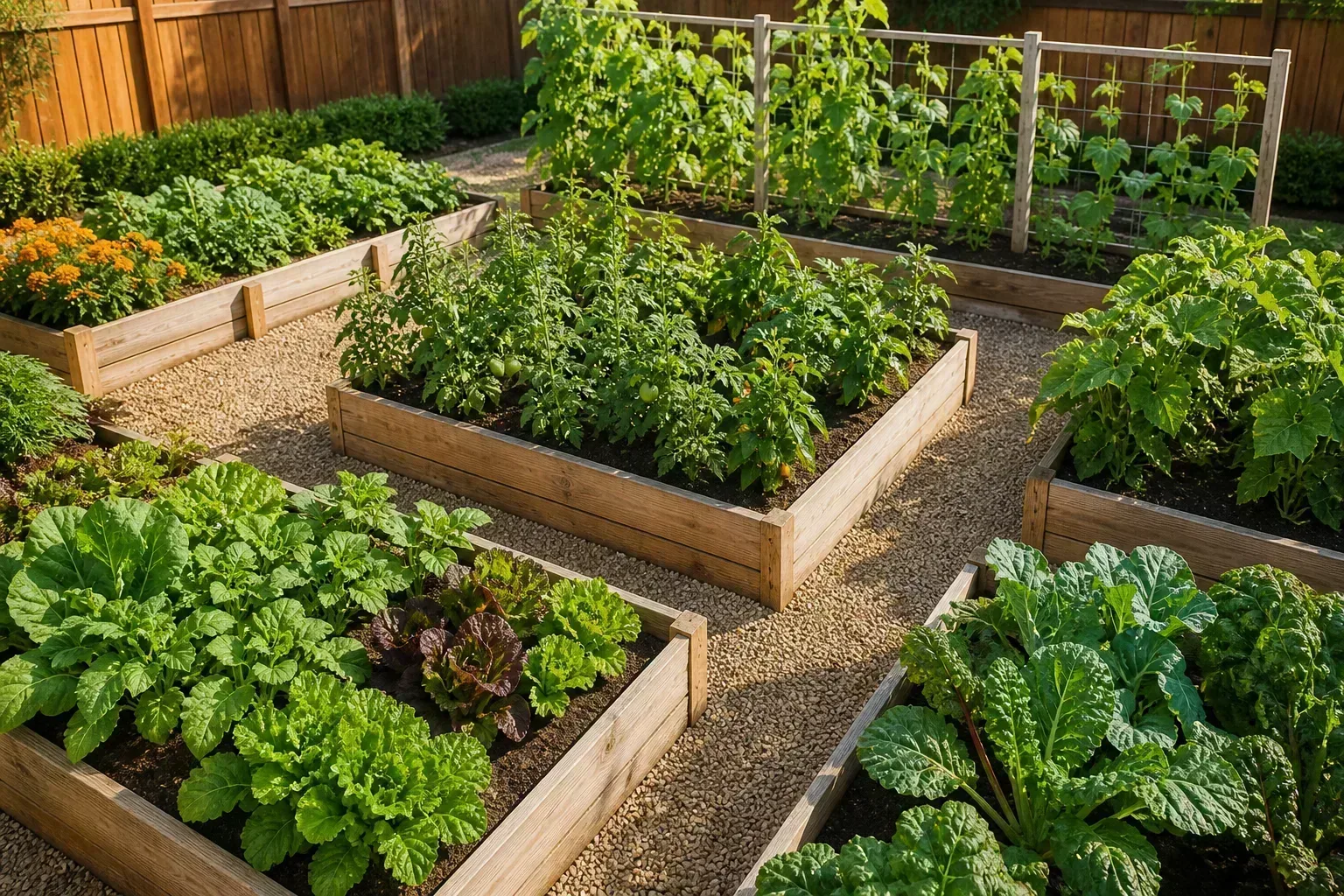
For a vegetable bed, compost, straw, or shredded leaves are often easier to manage close to low-growing crops than coarse decorative bark. LSU AgCenter recommends leaves, pine needles, and straw for vegetable gardens and cautions that bark mulch can temporarily make some soil nitrogen less available. Do not mix fresh woody material into the root zone; a surface layer is a different use, but choose a vegetable-bed mulch with a clear source and a texture that will not smother seedlings. (LSU AgCenter, “Must-knows about mulch”)
For a shrub border or broad pathway, look at delivered pine bark, mixed hardwood, arborist chips, or another locally available byproduct. In Florida, UF/IFAS lists pine bark, pine straw, fallen leaves, melaleuca, mixed hardwood, eucalyptus, and utility mulch among alternatives; those recommendations are location-specific, so check local availability and source details rather than assuming a material is sustainable everywhere. Utility mulch can contain soil, leaves, or weed seeds, making it better suited to paths or natural areas than a precise flower bed. (UF/IFAS, “Choosing and Installing Mulches”)
How to apply cypress mulch correctly
Start by deciding what you want the mulch to do: cover bare soil, reduce weeds, slow evaporation, or give a bed a consistent finish. Remove weeds first and inspect the old layer. If the existing mulch is still thick, do not bury it under a fresh three-inch blanket; pull it back or loosen it and add only enough material to restore the target depth.
Spread the mulch over moist soil, not over a dry bed that needs water. The RHS recommends applying organic mulch when the soil is moist and not frozen, and warns against smothering low plants or piling material against woody stems. In regions with a hot dry season, wet the soil first, then check beneath the mulch after a few days to make sure irrigation is reaching the root zone. (RHS, “Mulches and mulching”)
Depth, trunk clearance, and watering
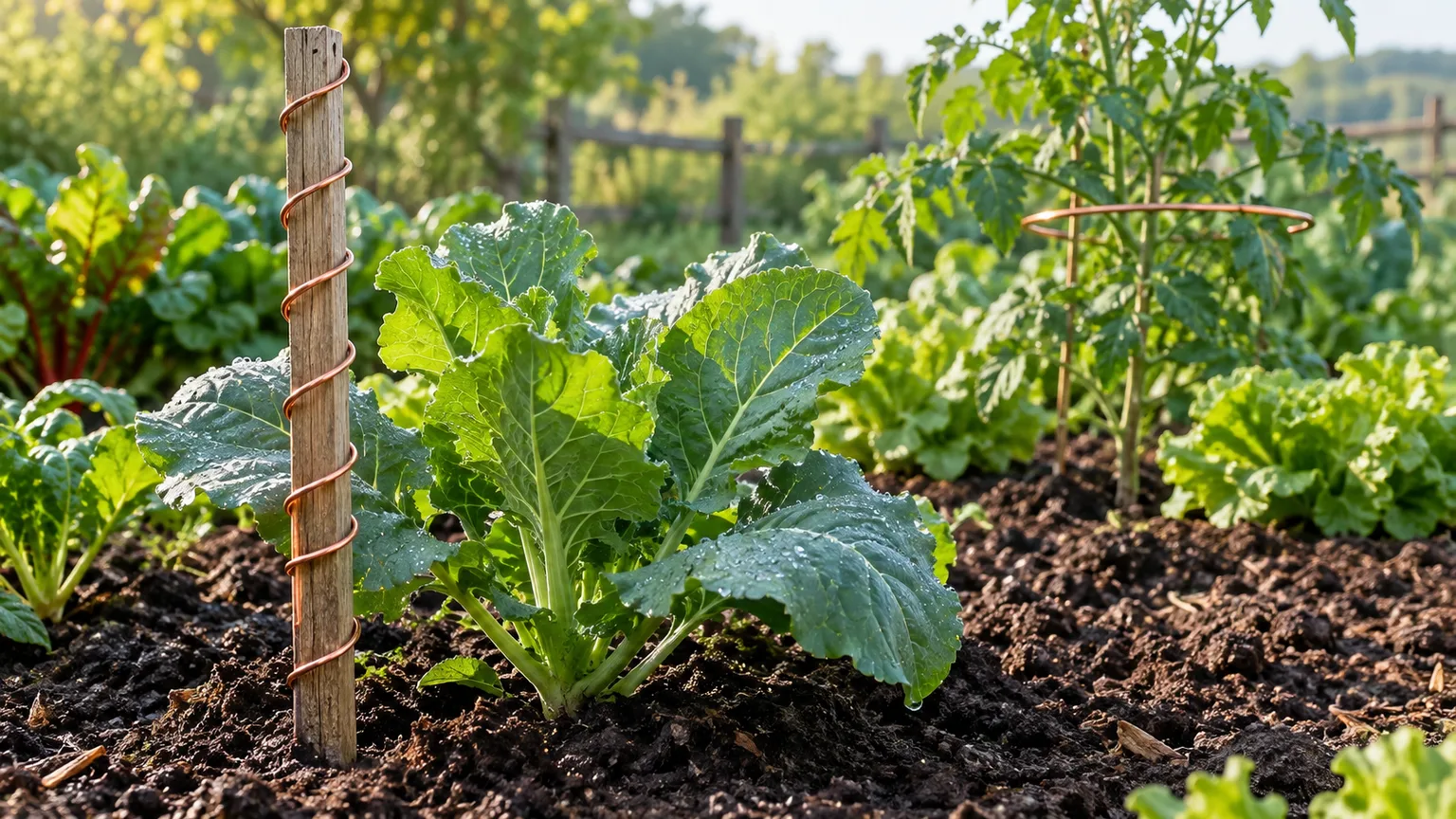
For established trees, shrubs, and ornamental beds, target a total mulch layer of about two to three inches unless a local extension service or the plant’s needs call for something different. Seedlings and small vegetables need a lighter cover; UF/IFAS recommends about one inch around small vegetables and herbs so growth is not inhibited. Keep the material off stems and trunks. UF/IFAS suggests leaving roughly a foot around large plants and trees and a couple of inches around smaller plants. The exact ring can depend on the plant, but a mulch mound touching bark or a soft stem is a mistake. (UF/IFAS, “Choosing and Installing Mulches”)
To estimate how much to buy, measure the bed in square feet and use this formula: square feet × desired depth in inches ÷ 324 = cubic yards. A 100-square-foot bed covered to two inches needs about 0.62 cubic yards; at three inches, it needs about 0.93 cubic yards. This is an estimate, so allow for irregular edges and settling, but it gives you a better comparison than buying by the number of bags without measuring.
For bagged product, compare the listed volume as well as the price; bags may be sold by cubic feet, while bulk suppliers quote cubic yards. Ask whether delivery fees, minimum orders, and unloading are included. If the mulch arrives damp or compressed, the loose volume after spreading may differ from the apparent pile size, so order from the bed measurement and confirm the supplier’s unit before paying.
After spreading, water slowly enough to wet the soil beneath the mulch. Then check below the surface, rather than judging by whether the mulch itself looks damp. If the soil remains dry, repeat with a slower stream or direct drip irrigation under the cover. If the bed stays soggy, remove excess mulch and check drainage; organic mulch cannot fix poor drainage and a deep wet layer can make it worse.
Common buying and application mistakes
The first mistake is treating the word “cypress” as a sustainability certificate. The second is treating “natural,” “organic,” “local,” or a dark dye as proof of origin. Ask for the species, source region, and whether the product is a byproduct. When no one can answer, choose a material with a more transparent chain of supply.
The third is applying a new layer without measuring the old one. A mulch depth that starts at three inches can become excessive after repeated top-ups, especially where decomposing material has not been raked or redistributed. Measure at several places, rake lightly if the surface has packed, and add only what is needed to maintain a two- to three-inch layer for established plants.
The fourth is expecting mulch to replace watering, weeding, or pest diagnosis. Check soil moisture below the cover during dry weather, remove persistent weeds early, and keep the mulch away from stems and trunks. Finally, do not choose cypress for insect control or use any loose mulch in a concentrated runoff channel; use the right tool for the problem instead of expecting one product to do every job.
Conclusion
Cypress mulch can work as a neat, useful ground cover: it shades soil, slows evaporation, suppresses some weeds, and shredded material may stay in place better than large nuggets. Those everyday benefits apply to many organic mulches, so cypress deserves consideration only when its texture, cost, and source make sense for your site.
The sourcing question is the deciding factor. UF/IFAS and LSU AgCenter raise specific concerns about cypress harvest and wetland ecosystems, while the evidence does not justify labeling every supplier or every product the same way. If the retailer can document a lower-impact source, weigh it against local alternatives; if the origin is unclear, choose a traceable byproduct, shredded leaves, pine bark, straw, compost, or another material that fits the bed. Apply it in a measured layer, keep stems clear, and water the soil beneath it. That makes the decision practical for both your plants and the landscape beyond them.