Do Marigolds Repel Mosquitoes? Evidence-Based Answer
Do marigolds keep mosquitoes away? Learn what live plants can and cannot do, why extracts are different, and the mosquito controls that work better.
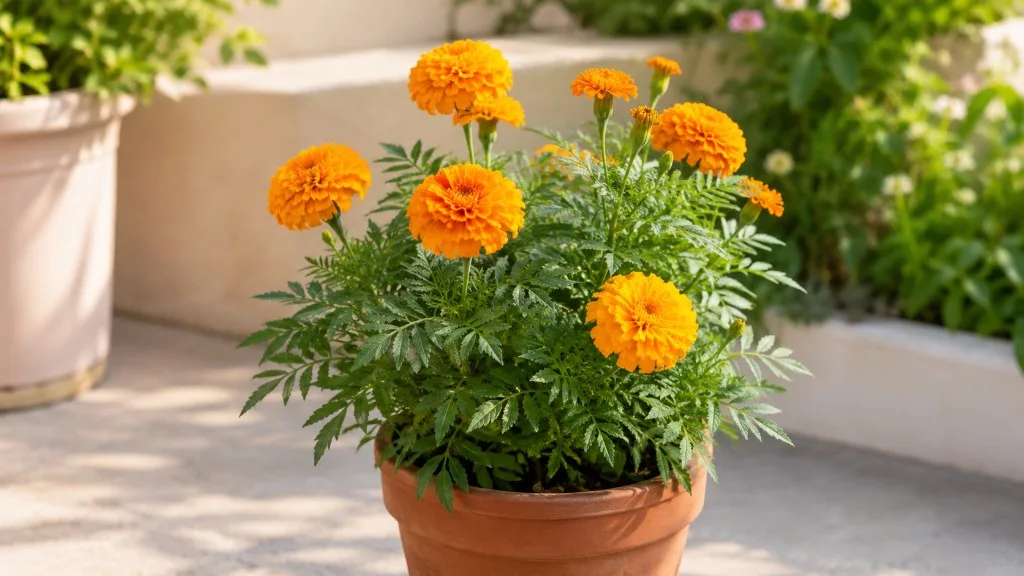
Marigolds are worth growing for their flowers, but they are not a reliable mosquito-control device. A healthy pot of Tagetes may add fragrance and habitat to a patio, yet it will not create a measured barrier around your yard or stop mosquitoes from biting you.
The confusion comes from a real but important distinction: plant compounds can affect insects when they are concentrated, extracted, or tested in a controlled experiment. That does not mean an untouched marigold releases enough of those compounds into moving outdoor air to protect the people sitting nearby. If mosquitoes are your actual problem, start with the places where they reproduce and the places where they reach your skin.
The short answer: marigolds are not a reliable mosquito barrier
No—planting marigolds alone will not reliably keep mosquitoes away. This is true whether you plant one French marigold in a pot, edge a vegetable bed with African marigolds, or fill a sunny border with several varieties. The plants may be beautiful and useful in other ways, but their presence is not a proven yard-wide repellent.
The CDC’s mosquito-bite guidance does not list live marigolds as a dependable way to prevent bites. Its practical recommendations are to use EPA-registered repellents, cover skin, use screens, and remove water-holding items where mosquitoes can lay eggs. That order is more useful than treating every strongly scented plant as a mosquito solution.
This does not make marigolds pointless. It means you should buy them for the job they can realistically do: add color, provide flowers for some beneficial insects, and possibly contribute to a broader garden strategy. If you want fewer bites, marigolds should be a supporting plant—not the control plan.
Why the marigold-mosquito myth sounds plausible
Marigolds in the genus Tagetes contain aromatic compounds, and their foliage can smell strong when brushed or crushed. Some species and extracts also show insecticidal or repellent activity under particular test conditions. It is easy to jump from “the plant contains active chemistry” to “the plant protects my patio,” but those are two different claims.
Mosquitoes also respond to a complicated mix of cues from a host, including carbon dioxide, body heat, skin odor, and movement. A plant’s scent might interfere with a mosquito’s search under a specific set of conditions, but outdoor air, wind direction, plant size, temperature, and distance all change the dose that reaches a person. A pot on the edge of a deck is not a controlled chamber.
A live plant, an extract, and a repellent are different things
Think of these as three separate products:
| What you have | What it can tell you | What it cannot promise |
|---|---|---|
| Live marigold | The plant is producing its own chemistry in leaves, flowers, and roots | A reliable protective zone around people |
| Marigold oil or extract | A concentrated preparation may affect an insect in a lab test | That a home-made version is safe, stable, or effective on skin |
| Labeled mosquito repellent | A product has directions and an active ingredient evaluated for its intended use | That it will solve breeding sites or protect an entire yard |
The gap between these categories is where most plant-repellent promises go wrong. A study may crush leaves, isolate an oil, apply a measured dose, and observe mosquito behavior in a container. A garden plant is exposed to sunlight and wind while releasing a much lower, variable concentration over a much larger area.
That is also why rubbing a leaf on your arm is not a dependable shortcut. The plant may irritate skin, the dose is unknown, and the protection time is not tested. “Natural” describes an origin; it does not describe safety or performance.
What mosquito studies actually test
The evidence is more nuanced than either “marigolds work” or “plants never affect insects.” A PLOS ONE study of French marigold (Tagetes patula) tested living plants and foliar extracts against western tarnished plant bugs and silverleaf whiteflies. The researchers found biological activity in the plant material and a concentration-related effect from extracts, but the study was about specific pests and controlled assays—not mosquitoes landing on people in a home garden.
Similarly, a PubMed-indexed study screening 60 essential oils against Aedes albopictus found that several oils had repellent activity at a measured dose. That is useful evidence that plant-derived chemicals deserve study. It is not evidence that a marigold plant, a jar of marigold petals, or an undiluted essential oil will protect a family outdoors.
The most honest reading is conditional: concentrated plant chemistry may influence insects, but a live marigold is not a tested personal repellent. Consumer Reports’ review of garden plants makes the same distinction, noting that plant compounds can affect insects while experts find no solid evidence that planting those plants prevents mosquitoes from landing on people.
What marigolds can contribute to a garden
If marigolds do not solve mosquitoes, why keep them? Because a garden plant can be valuable without being a pesticide. The better question is not “Will this flower repel every pest?” but “What benefit will it provide if the mosquito effect is small or absent?”
Marigolds are compact enough for containers and borders, bloom through much of the warm season, and come in forms ranging from small signet types to tall African marigolds. They can also help you build a more diverse planting, which is often more useful for garden resilience than a single supposedly magical species.
Flowers support beneficial insects, not guaranteed mosquito control
Open marigold flowers can provide nectar and pollen for insects such as hoverflies and parasitoid wasps, and a flowering garden gives beneficial insects more reason to visit. Some of those insects help with plant pests, but they are not a dedicated mosquito patrol. Adult mosquitoes are not the same target as aphids, caterpillars, or whiteflies, and attracting beneficial insects does not guarantee fewer bites.
The Piedmont Master Gardeners’ review of marigold pest claims is helpful here: it separates the weak evidence for broad above-ground pest repellency from the stronger, more specific reasons gardeners use marigolds. It also notes that marigolds themselves can be attacked by pests, which is a useful reminder to inspect the plant instead of assuming it is a protective decoy.
Plant marigolds in a sunny location with soil that drains well, and choose flower forms that leave some access to nectar rather than filling every bloom with dense petals. Avoid broad-spectrum spraying simply because mosquitoes are present; a daytime spray can harm pollinators and other insects that your flowering plants are meant to support.
Root effects on nematodes are a separate claim
Marigolds have a more defensible role against certain plant-parasitic nematodes, which are microscopic soil organisms—not mosquitoes. The University of Florida IFAS guidance on marigolds for nematode management explains that some Tagetes species and cultivars can suppress root-knot and lesion nematodes when grown as a dense cover crop in the same soil before the susceptible crop.
That use depends on the nematode species, marigold variety, soil temperature, planting density, and timing. The guidance recommends planting at least two months before the following vegetable crop and in the exact site where that crop will grow. It also warns that not all marigolds suppress all nematodes, and that some varieties can support certain nematode populations.
This is not evidence that marigolds repel flying mosquitoes. It is a root-based, soil-management effect with its own conditions. A few flowers planted beside tomatoes are not equivalent to a dense, same-site cover crop, and a marigold extract does not reproduce the effect of living roots in soil.
How to use marigolds without overpromising
Put them where you will enjoy them
Grow marigolds near a kitchen door, walkway, sunny balcony, or seating area if you like their color and want their scent close by. A pot beside a chair is more likely to be brushed and noticed than a row at the far edge of the property, and a healthy plant can make an outdoor space feel more inviting even if it changes mosquito pressure by almost nothing.
Do not crowd marigolds around a table and assume more pots equal more protection. Add enough space for airflow, water them according to the soil and weather, and empty their saucers after rain. A plant that you bought to reduce insects can accidentally provide a small breeding site if its container holds water.
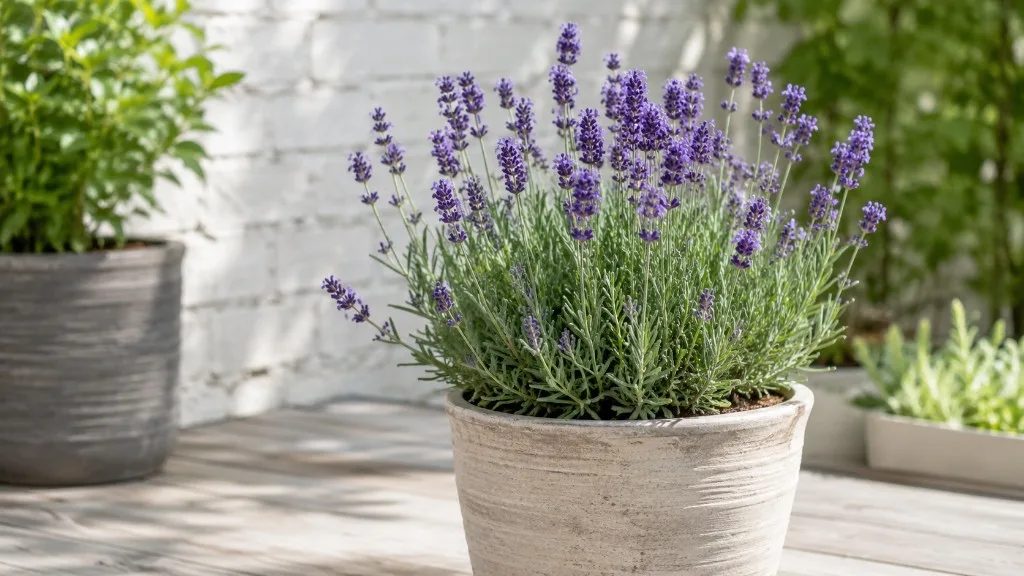
If you want a fragrance-focused planting, combine marigolds with plants that suit the same conditions rather than choosing every plant marketed as “mosquito repellent.” Lavender and rosemary prefer sun and fast drainage; basil prefers regular moisture; mint spreads aggressively and is usually easier to contain. Choose plants you will keep healthy and use for more than a promised pest effect.
Treat them as a companion, not a shield
Marigolds can be a sensible companion when the flower, light, water, and space fit the bed. They may add habitat, provide a small scent source, and help you observe which insects are visiting. They should not delay identifying a real pest, removing standing water, covering a crop, or using a labeled control when the stakes are higher.
For a mosquito question, judge the planting by the same standard you would use for any garden feature: does it earn its space if it provides no bite protection? If the answer is yes, plant it. If the only reason you are buying marigolds is to make a patio mosquito-free, spend your effort on the control steps below first.
The four-step mosquito plan that beats plant folklore
Mosquito control works better when you separate population control from bite protection. Removing water can reduce the next generation, but it will not make the adults already in the yard disappear. A repellent or fan can protect people for an evening, but it does not stop eggs from developing in a hidden saucer.
1. Find and remove breeding water
All mosquitoes need water to complete their life cycle. NC State Extension explains that common residential breeding sites include rain-filled containers, tree holes, ditches, plant pots, birdbaths, and other objects that collect water. In its guide to mosquito life stages, larvae may develop for roughly 7 to 10 days before pupating, and adults can emerge a few days after that.
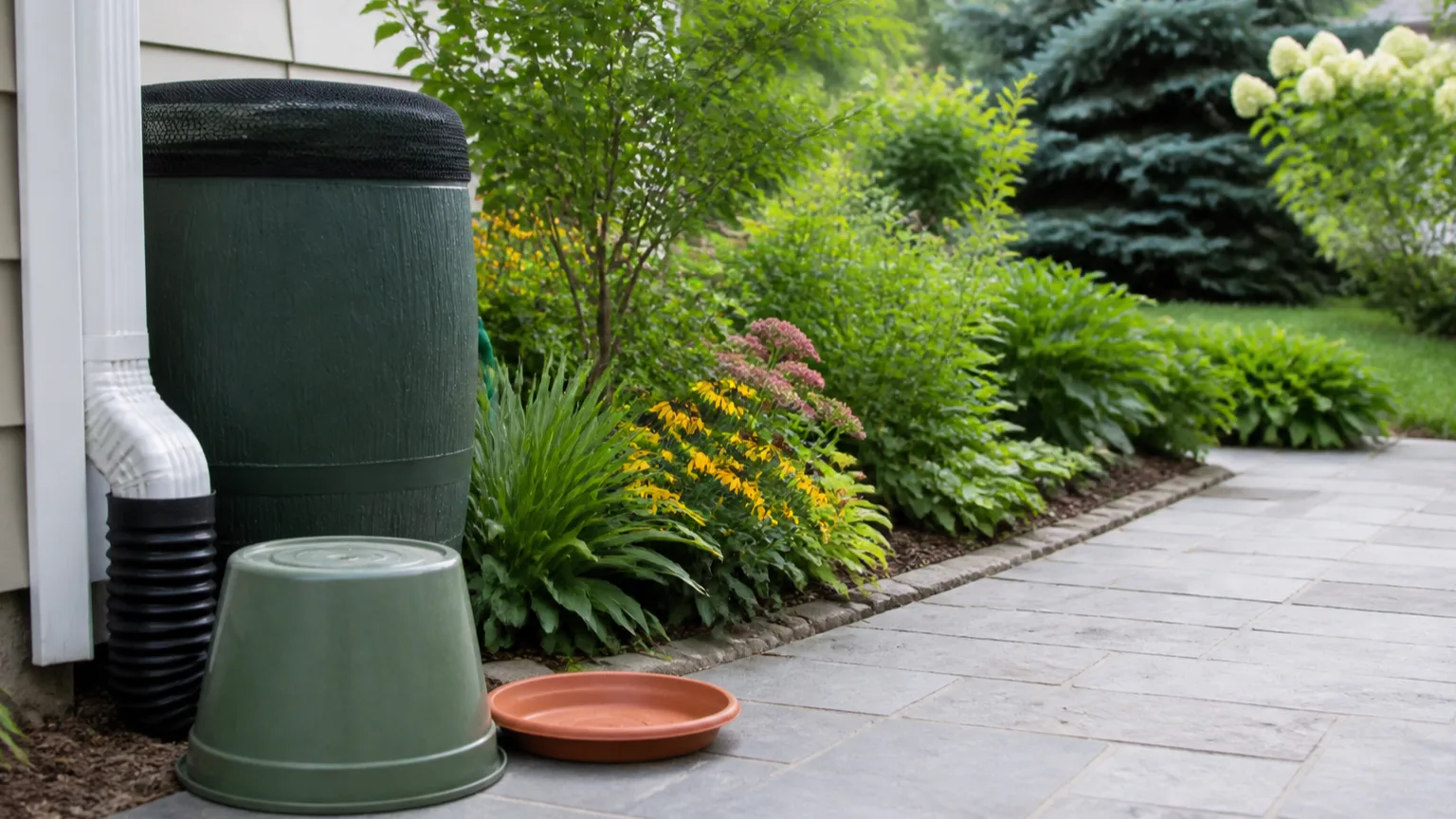
Walk your property after rain and inspect the places people overlook:
- flowerpot saucers, decorative trays, and self-watering reservoirs
- buckets, toys, wheelbarrows, watering cans, and recycling bins
- folded tarps, grill covers, furniture covers, and low spots in the yard
- clogged gutters, downspouts, drains, and tree holes
- birdbaths, outdoor pet bowls, rain barrels, and neglected water features
The CDC recommends emptying, scrubbing, turning over, covering, or throwing out water-holding items once a week. Scrubbing matters because some container-breeding mosquitoes lay eggs on damp surfaces above the waterline; tipping out water alone may not remove every egg. Check again after heavy rain or when irrigation leaks create new puddles.
This is the highest-return task in the plan because it targets mosquitoes before they become adults. It also protects pollinators better than broadcasting an insecticide across flowering plants.
2. Manage water you cannot dump
Some water features need to stay. You may have a rain barrel, birdbath, pond, livestock trough, or drainage area that cannot simply be emptied. Cover or screen containers tightly when possible, keep gutters draining, and maintain pumps or fountains so leaves and debris do not create still pockets.
For small bodies of non-drinking water that cannot be dumped or covered, a labeled larvicide containing Bacillus thuringiensis israelensis (Bti) can be an option. NC State’s guidance on mosquito larval dunks explains that these products target mosquito larvae rather than adult pollinators, but you still need to use the label for the specific product, water body, dose, and replacement interval.
Do not put a dunk in every container simply because it is convenient. Tip and toss what you can, keep drinking water and animal-care instructions separate, and ask your local extension office or mosquito-control district about larger ponds, storm drains, wetlands, or public drainage. Bti is a targeted tool for a specific water problem, not permission to leave breeding sites unmanaged.
Birdbaths deserve a schedule. Refresh and scrub them regularly, keep the basin free of leaf debris, and inspect the rim and nearby saucers. A bird-friendly yard and a mosquito-smart yard can coexist when the water is maintained.
3. Protect people where they sit
Once breeding sites are addressed, make the seating area harder for adult mosquitoes to use. An outdoor fan can be surprisingly practical on a porch or small patio because moving air disrupts the calm conditions mosquitoes prefer and makes it harder for them to land. Place the airflow across the chairs, not behind them, and remember that a fan protects a zone rather than the whole property.
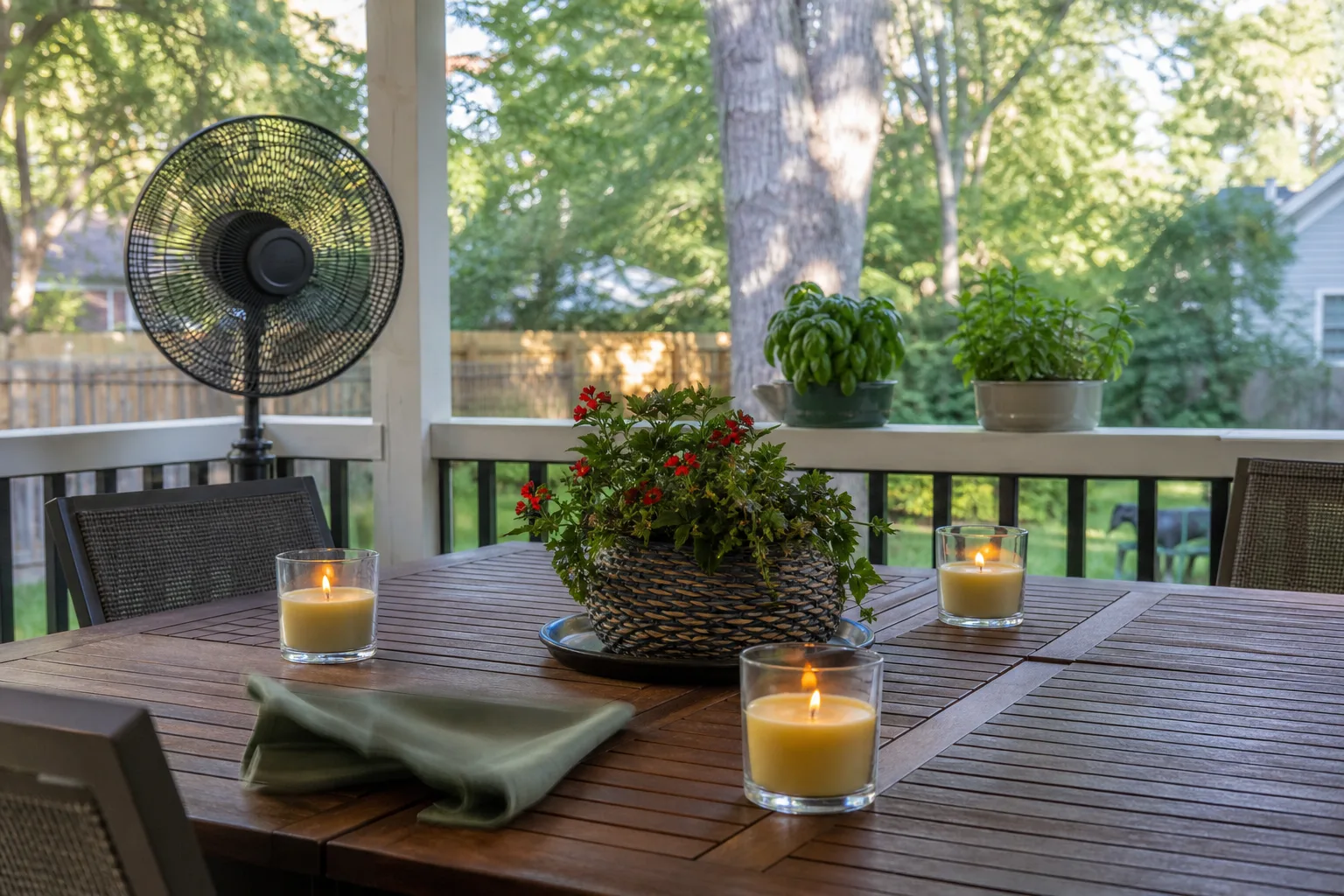
Screens are another direct barrier. Repair holes in window and door screens, use mesh curtains where appropriate, and keep doors closed during peak mosquito activity. If your seating area is surrounded by dense, damp vegetation, thin only the growth that touches the patio or blocks airflow; you do not need to remove every flowering plant or turn the yard into bare ground.
For an outdoor meal, combine the fan with a quick water check, loose long sleeves, and a labeled repellent for exposed skin. These measures solve the immediate “I am being bitten at this table” problem more directly than adding another marigold pot.
4. Reduce bites with proven repellents and clothing
When bites matter because of local disease activity, allergy, or simple comfort, use a product with evidence for personal protection. The CDC recommends EPA-registered repellents and lists active ingredients including DEET, picaridin, IR3535, oil of lemon eucalyptus, PMD, and 2-undecanone. Follow the product label for age, application, reapplication, and exposed skin.
This is where wording about plant-based repellents must stay precise. Oil of lemon eucalyptus (OLE) and PMD in a registered product are not the same thing as pure lemon eucalyptus essential oil or a homemade marigold mixture. The CDC specifically advises against OLE or PMD products for children under 3 years old. Never apply an essential oil or plant sap to a child, pet, food, irritated skin, or your eyes just because it came from a plant.
The CDC also recommends clothing and gear treated with permethrin, along with long sleeves and pants where practical. Apply repellent after sunscreen, never under clothing, and keep products away from children’s hands, eyes, mouth, cuts, and irritated skin. If you are pregnant, breastfeeding, or choosing a product for a child, follow current label directions and public-health guidance rather than relying on garden folklore.
What to skip—and when to call for help
Skip any claim that a “mosquito plant” makes a whole yard bite-free. Citronella-scented geraniums, citronella grass, lavender, basil, rosemary, mint, catnip, and marigolds can all be attractive garden choices, but a plant’s label does not establish the same protection as a tested topical or area repellent. Even a concentrated oil can evaporate quickly, irritate skin, or behave differently when diluted.
Be cautious with homemade sprays, smoke, ultrasonic devices, and broad-spectrum yard fogging. A homemade recipe has no standardized dose, no tested protection time, and no reliable instructions for pets, children, edible plants, ponds, or pollinators. NC State Extension notes that pesticide applications may provide only short-term relief, while broad-spectrum products can kill non-target insects; modifying or eliminating breeding sites is the long-term fix for persistent problems.
Bats, birds, dragonflies, and frogs belong in a healthy ecosystem, but they are not a guarantee of mosquito control. Support wildlife because biodiversity matters, not because a bat house promises a bite-free deck. Keep birdbath water fresh so a wildlife-friendly feature does not become the exact breeding site you were trying to remove.
Call your local mosquito-control district, health department, or extension service when mosquitoes remain severe after a careful water inspection, especially after flooding or during a disease advisory. The source may be a storm drain, wetland, vacant property, clogged ditch, or a neighbor’s container that you cannot inspect. Some species travel farther than a single backyard, so a coordinated response may be necessary.
Conclusion
Marigolds do not reliably keep mosquitoes away when they are simply planted in a garden. Their compounds may show insect activity in concentrated or controlled tests, but a live plant is not a measured personal repellent or a yard-wide barrier.
Keep marigolds if you like their flowers, fragrance, and habitat value. Then spend your mosquito-control effort where it has a better chance of working: empty and scrub breeding water, manage water that cannot be removed, use airflow and screens around the places you sit, and choose an EPA-registered repellent or protective clothing when you need bite protection. That combination turns a pretty flower into one small part of a plan instead of asking it to do a job it cannot do alone.