Should You Bag Grass Clippings? The Lawn Rule
Should you bag grass clippings? Use this lawn-care decision rule for routine mowing, wet grass, disease, weeds, and overgrown turf.
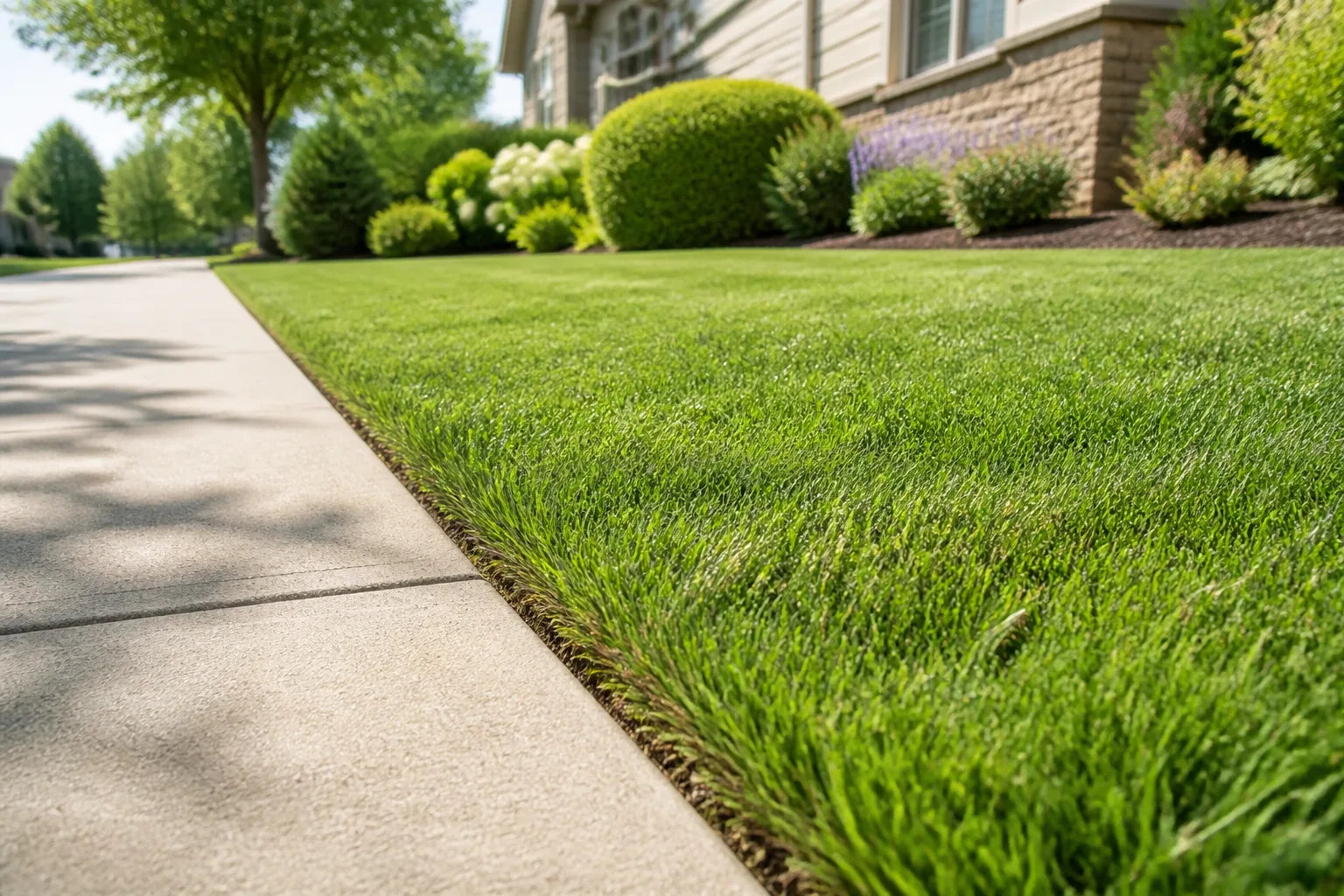
The short answer: leave clippings when mowing is routine
You do not need to bag grass clippings after every mowing. If the lawn is dry, healthy, and being cut often enough that you remove no more than about one-third of the blade, short clippings can fall between the standing grass and decompose in place. They return some nutrients and moisture to the turf while saving you the work of stopping, emptying, hauling, and disposing of bags.
Bagging is the exception, not the default. Use it when clippings are long enough to form a mat, when you see a likely disease spreading through the turf, when weeds are carrying mature seed, or when wet material is sticking together instead of dispersing. A clean-looking lawn is also a valid reason to bag, but it is an appearance choice rather than a basic requirement for grass health.
That distinction matters because the question is not really “bag or never bag?” It is “What condition are the grass and clippings in today?” A lawn that is mowed regularly in dry weather may benefit from grasscycling; the same lawn after two weeks of rapid growth, a rainstorm, or a confirmed disease may need a different approach.
Use this bag-or-leave decision rule
Before starting the mower, look at the turf rather than reaching automatically for the bag. Run your hand over a small area and check whether the blades are dry. Then look for clumps from the last mowing, unexplained patches that are enlarging, flowering weeds, and grass that has grown far beyond your preferred height.
The following table turns those observations into a quick choice:
| Lawn condition | Best default | Why |
|---|---|---|
| Dry, healthy grass; regular mowing; short clippings | Leave or mulch | Small pieces filter down and decompose quickly |
| Grass is overgrown and a heavy cut is needed | Bag or mow in stages | Long pieces can mat and shade the living turf |
| Wet canopy or sticky, clumping clippings | Wait; bag if mowing cannot wait | Moisture makes clippings heavier and more likely to form a mat |
| Active, diagnosed disease or a rapidly spreading patch | Bag and remove | Removing infected material can reduce movement of spores during mowing |
| Weeds are flowering or carrying mature seed | Bag | It limits the chance of distributing viable seed across the lawn |
| You want an immaculate post-mow finish | Bag | This is a curb-appeal decision, not a nutrient decision |
Do not treat the table as a diagnosis tool. Brown grass can come from drought, compacted soil, insects, scalping, poor irrigation, chemicals, or disease. UC IPM notes that damage resembling disease can have many causes, so identify the pattern before deciding that every discolored patch requires a fungicide or a permanent bagging routine (UC Statewide Integrated Pest Management Program).
Leave clippings when all four conditions are true
Leave clippings when the lawn is healthy, the canopy is dry, the mower is taking a modest amount, and the pieces are spreading rather than piling up. You do not need to see every clipping disappear as the mower passes. Some will remain visible for a few hours, especially on a dense lawn, but they should settle between blades instead of lying in thick windrows.
The University of Nevada, Reno Extension gives a useful four-part mowing formula: keep the blade sharp, mow high, remove no more than one-third of the blade, and leave clippings on the lawn. It explains that short clippings filter down and decompose, returning nutrients to the soil (University of Nevada, Reno Extension). That is a more reliable rule than bagging on every second or third mow simply because the calendar says so.
If the mower scatters a thin, even layer, keep moving. If it drops rows of green ropes, stop and adjust the height, mowing frequency, or discharge pattern before the next pass. A bag cannot fix a schedule that repeatedly lets the grass get too tall.
Bag when any red flag appears
Bagging makes sense when the material you are leaving behind could shade, mat, or contaminate the living turf. The strongest red flags are long clippings, wet clumps, weeds that have gone to seed, and a disease pattern that is spreading or has been diagnosed.
K-State Research and Extension makes the same distinction: clippings from properly timed mowing can return nitrogen to the lawn, while long clippings can block sunlight and promote disease, so they should be bagged and removed. The guidance also says to mow overgrown grass gradually rather than taking off more than one-third in one session (K-State Research and Extension).
You may also bag if you have just mowed around a large amount of fallen leaves, if clippings are being blown onto a patio or pool, or if a household member has a strong grass-pollen sensitivity. Those choices solve cleanup and exposure problems; they do not mean that leaving healthy short clippings is inherently bad for the lawn.
Why short clippings help the lawn
Grass is a living leaf, not disposable trash. When you remove the top portion of a healthy blade, the clipped tissue still contains water and plant nutrients. Leaving small pieces where they fell lets the lawn’s decomposers process that material without the homeowner having to buy, transport, and apply an equal amount of fertilizer.
This benefit is real but limited. Clippings are not a complete fertility program, and a lawn with poor soil, the wrong grass for the site, weak irrigation, or a pest problem will not become healthy just because the bag is removed. Think of grasscycling as nutrient recycling that supports good mowing, not as a cure-all.
Nutrients return without replacing all fertilizer
Nitrogen is the nutrient people usually mean when they call clippings “free fertilizer.” As clippings decompose, nitrogen and smaller amounts of other nutrients become available again to the turf. The amount returned depends on grass type, growth rate, fertilization, weather, and how much leaf tissue was removed, so do not use a generic percentage to calculate a fertilizer application.
Penn State Extension says clippings do not need to be removed when mowing frequency is adequate, and it notes that regular mowing and sharp equipment are part of the same system. It also recommends basing mowing frequency on grass growth rather than forcing every lawn into one schedule (Penn State Extension).
Leaving clippings can also reduce the amount of yard waste you need to transport. Lawn Love’s practical comparison describes the labor advantage of grasscycling and the added work of bagging, including the need to follow local rules for yard-waste disposal (Lawn Love). The environmental advantage is largest when the clippings stay on a healthy lawn or enter a properly managed compost system instead of going straight to a landfill.
Clippings are not the same as thatch
Normal grass clippings do not create a thatch layer. Thatch is the tightly intermingled layer of slowly decomposing stems, crowns, and roots between green blades and the soil surface. Fresh leaf clippings are softer, contain much more water, and break down far faster when they are short and spread out.
Penn State describes thatch as partially decomposed stems and roots and recommends mechanical removal only when the layer becomes excessive, not as an annual ritual. Returning short clippings is therefore not a substitute for diagnosing a real thatch problem, but it is also not the cause homeowners are often warned about.
If you see a thick brown mat after mowing, inspect it before blaming grasscycling. The likely causes are cutting too much at once, mowing wet turf, a blocked discharge chute, uneven mower operation, or old stems and roots already present in the soil surface. A rake can separate a small surface mat; a persistent thatch layer needs a turf-management plan based on depth and grass type.
When you should bag grass clippings
Bagging is most useful when it contains a specific problem. It should not be the automatic answer to every brown leaf or every visible clipping, but it can reduce mess and limit the movement of material when conditions are unfavorable.
Active disease or an unexplained spreading patch
If a patch is expanding in a recognizable pattern, if the grass has visible fungal growth, or if an extension office or turf professional has confirmed disease, bagging during mowing is a sensible temporary containment measure. Do not mow through the affected area and then continue across healthy grass with the same dirty deck without cleaning the equipment.
UC IPM explains that many lawn diseases are fungal, but it also emphasizes that damage can be caused by insects, watering, fertilizer, mowing, compaction, chemicals, temperature, or thatch. Some diseases are favored by prolonged leaf wetness, excess nitrogen, poor drainage, or low mowing. Bagging may reduce the spread of infected clippings, but it does not remove the environmental conditions that allowed the problem to develop.
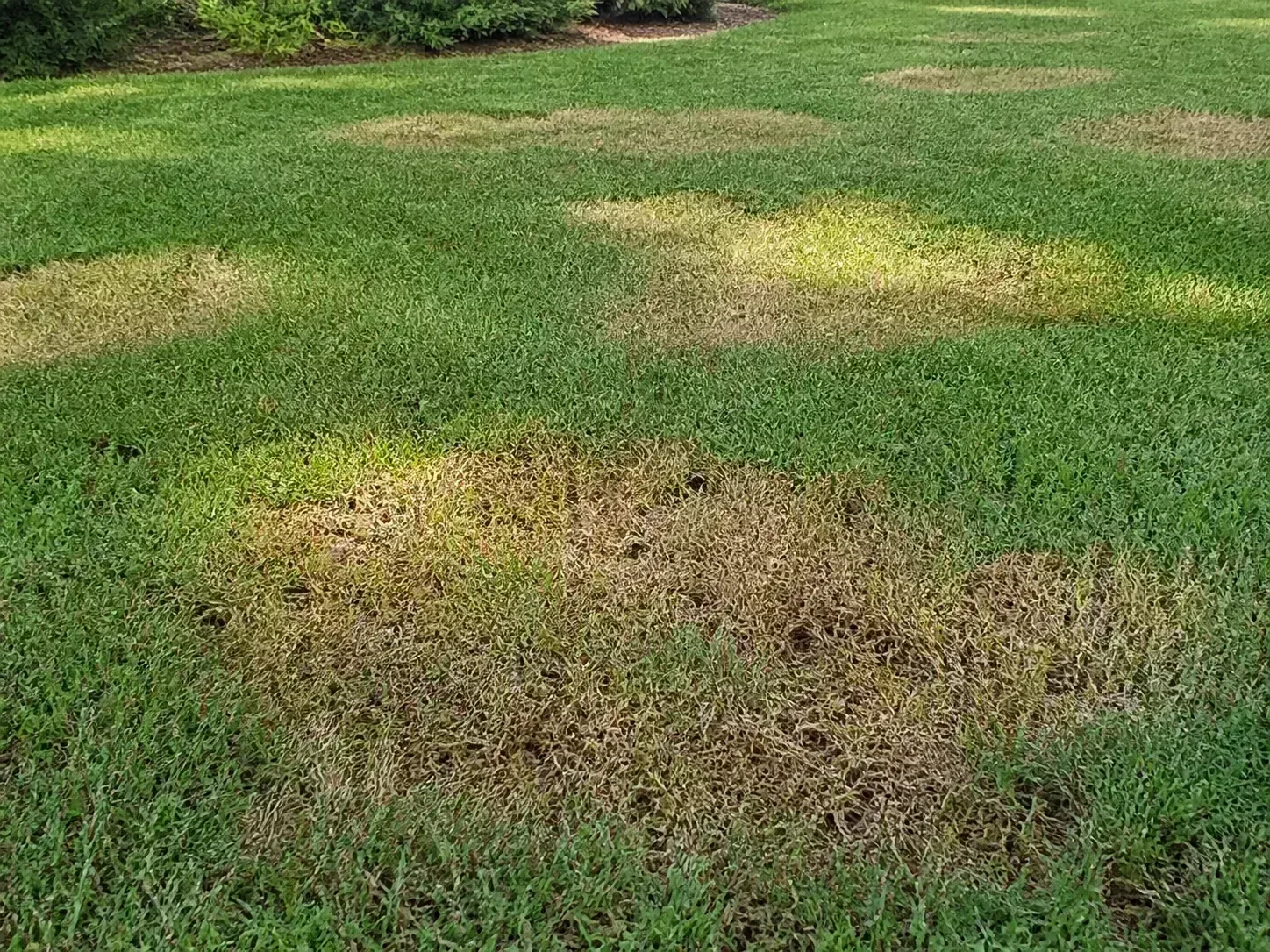
Use this sequence when disease is plausible:
- Photograph the patch and note whether it is enlarging, circular, streaked, or tied to mower tracks.
- Avoid mowing when the canopy is wet, and keep people and pets out of severely damaged areas until you know what you are seeing.
- Bag clippings from the affected area if you must mow, then clean the mower deck and blade before returning to healthy turf.
- Ask a county extension office, diagnostic lab, or qualified turf professional for an identification before applying a pesticide.
- Correct the underlying stress—often drainage, irrigation, shade, mowing height, or excess nitrogen—rather than relying on removal alone.
Do not put visibly diseased clippings into a casual backyard compost pile unless you know the pile reaches and maintains conditions that will destroy the problem. When in doubt, keep the material out of garden beds and follow local yard-waste guidance.
Overgrown grass and heavy clumps
An overgrown lawn is the clearest reason to bag or mow in stages. If the grass has doubled in height while you were away, dropping the deck to the normal setting in one pass can remove too much leaf tissue and leave long, wet pieces on the ground. The result may be pale scalped turf plus clumps that shade the remaining blades.
First raise the deck so you remove no more than one-third of the current blade height. Bag that heavy cut if it is likely to form rows. Wait several days, let the lawn recover, and lower the mower in another modest step until you reach the height appropriate for the grass type and season.
K-State recommends this gradual correction for an overgrown lawn. It is slower than one dramatic pass, but it protects the leaf area the plant needs for photosynthesis and reduces the chance that the lawn will enter a cycle of scalping, thinning, and weed invasion.
Weeds going to seed and leaf-heavy cleanup
Bag clippings when the mower is cutting mature seed heads from weeds that you do not want distributed across the lawn. This is especially relevant when the mower is chopping flowering crabgrass, annual bluegrass, or other weeds that have already set seed. Bagging does not remove the existing seed bank, but it avoids using the mower as a seed spreader.
Bagging is also useful when you are mowing through a heavy layer of autumn leaves. A thin amount of shredded leaf material can be manageable on many lawns, but a thick layer can block light and overload the mower. If you collect a mixture of leaves and grass, use it in a compost or yard-waste system only if it is free from prohibited materials and recent treatments.
What to do with wet grass and wet clippings
The best answer after rain is usually wait, not “bag wet grass immediately.” A wet canopy makes a poor mowing surface: blades bend instead of standing upright, clippings stick to the deck, wheels can rut soft soil, and the discharge may come out in heavy ropes whether the bag is attached or not.
UGA Cooperative Extension specialist Clint Waltz recommends mowing when the grass leaves are dry, usually after the dew has cleared in midmorning, and notes that wet grass is more likely to stick to the mower and create ruts (UGA Today). If the lawn is still wet, postpone the cut until the canopy dries and the soil firms enough to support the mower.
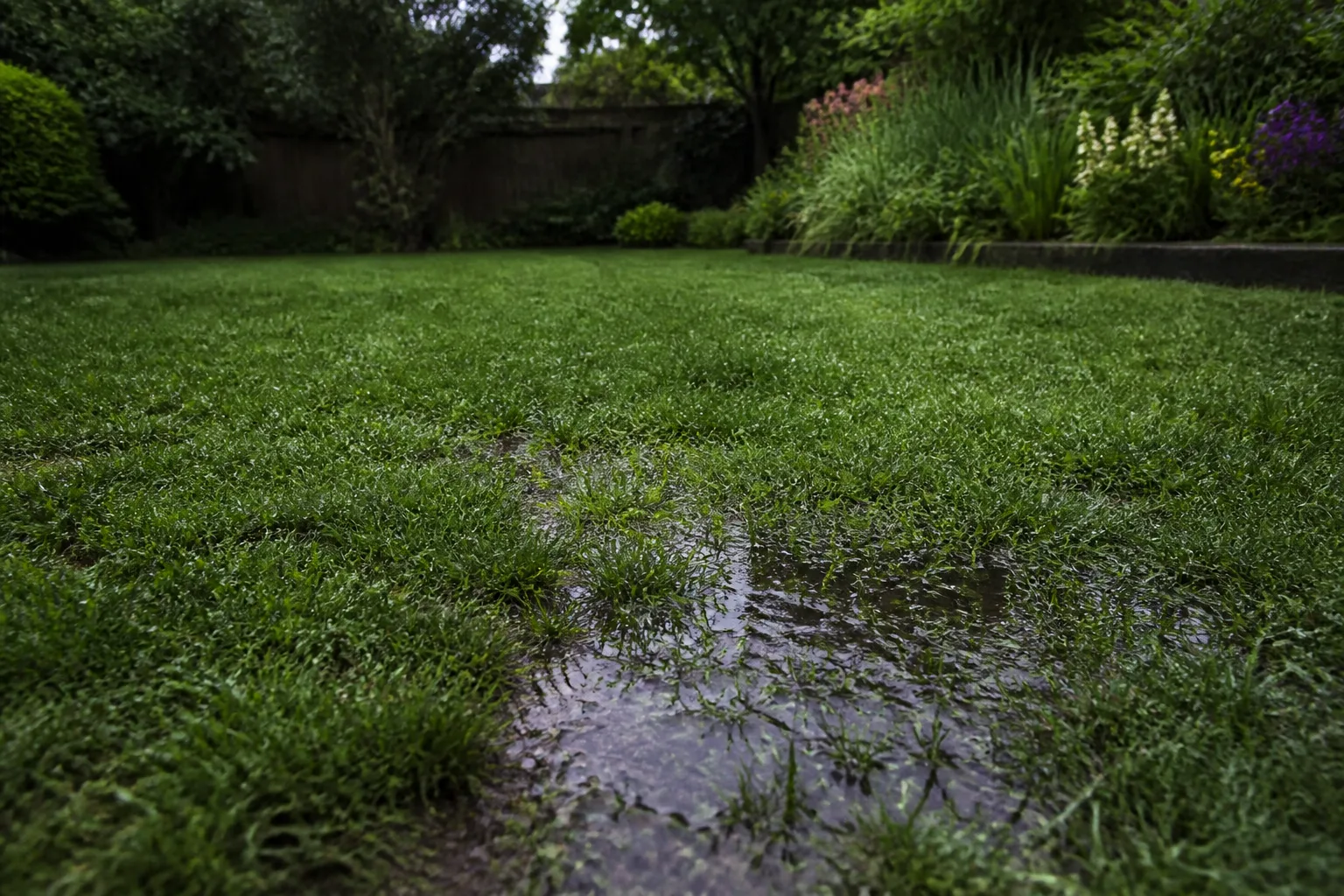
Sometimes a weather window is closing and the grass must be cut. In that case, raise the deck, reduce speed, clean the deck afterward, and bag clippings that come out in clumps rather than leaving them in piles. Do not interpret bagging as permission to mow saturated ground; removing the clippings does not prevent rutting or soil compaction.
How mowing height and frequency prevent clumps
The easiest way to avoid bagging is to create clippings small enough to disappear into the lawn. That depends less on a special blade than on a consistent relationship between grass height, mowing height, growth rate, and mower condition.
Measure by height, not by the calendar
“Every Saturday” is a useful reminder, but it is not a rule. Spring growth, rainfall, fertilizer, shade, grass species, and temperature can all change how quickly the lawn reaches the point where it needs cutting. Penn State says peak spring growth may require more than one mowing per week, while drought may pause active growth and reduce the need to mow.
Check the lawn before each session. If the grass is approaching the upper end of the height range you want to maintain, mow. If you have not reached that point, waiting can be kinder to the plant than cutting on autopilot. A lawn that is growing quickly may need two short mowing sessions in a week; a dormant lawn may need none.
Do not copy a neighbor’s deck setting as if it were universal. Cool-season grasses such as fescue and Kentucky bluegrass, warm-season grasses such as bermudagrass and zoysia, and mixed lawns can have different height targets. When the grass type is unknown, use the higher practical setting and ask your local extension office for a regional recommendation.
The one-third rule in practice
The one-third rule means remove no more than one-third of the grass blade in a single mowing. If you want to maintain a three-inch lawn, mow before it reaches four and a half inches; cutting from four and a half to three inches removes one-third of the standing height. The exact target can change by grass type, but the proportion is a useful safeguard.
K-State and University of Nevada, Reno Extension both connect the rule with reduced plant stress, deeper roots, and better recovery. UGA also emphasizes correct mowing height because a larger root system helps turf draw water from deeper soil during drought and other stress.
If the lawn has already exceeded the rule, do not solve it by setting the mower extremely low. Cut the top third, leave the deck up, and return after a few days. Bag the first heavy pass if it clumps; later passes may be suitable for mulching once the blades are back within range.
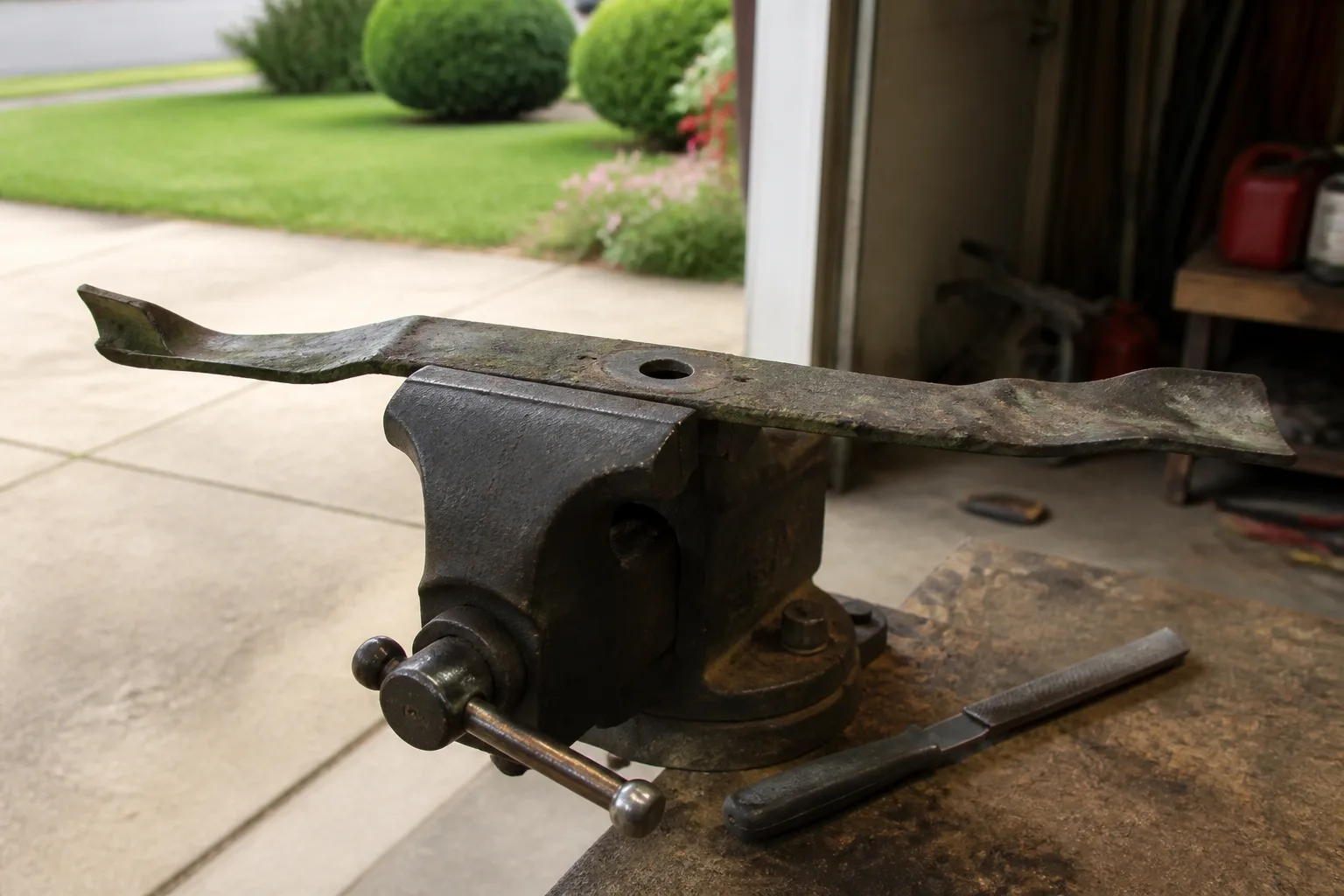
Sharp blades matter here. A dull blade tears rather than slices, leaving ragged tips and producing less uniform pieces. K-State recommends maintaining a sharp blade and changing mowing patterns to reduce turf wear and compaction; those two small maintenance habits can make leaving clippings much more successful.
Mulching versus side-discharge versus bagging
These mower modes are related but not identical:
| Mode | What happens to the clippings | Best use |
|---|---|---|
| Mulching | The deck and blade recirculate and chop clippings finely before dropping them | Routine mowing on dry, healthy turf |
| Side discharge | Clippings leave the deck in a stream and remain on the lawn | Frequent mowing when the discharge is spread evenly |
| Bagging | Clippings collect in an attached or tow-behind bag | Disease, overgrown turf, seed-bearing weeds, wet clumps, or a spotless finish |
A mulching mower is not a license to mow an overgrown lawn in one pass. A standard side-discharge mower can also leave acceptable clippings when the lawn is cut often and the discharge is not forming rows. The deciding factor is the size and distribution of the material on the ground, not the marketing name on the mower.
A practical lawn-care comparison from Be Green Pro makes the same trade-off: grasscycling favors nutrient return, moisture retention, and less labor, while bagging favors appearance, disease containment, and cleanup in difficult conditions (Be Green Pro). Choose the mode that matches the job in front of you, and change modes when the lawn changes.
A practical mowing routine
Use this short routine before every cut:
- Check the surface. Skip mowing if the canopy is wet enough to bend under your shoes or the soil is soft enough to rut.
- Scan for red flags. Look for spreading disease patterns, flowering weeds, heavy leaves, and old clumps.
- Set the deck high enough. Choose a height suited to your grass and keep the one-third rule intact.
- Inspect the blade. A sharp, balanced blade makes clean cuts and smaller, more evenly distributed clippings.
- Choose the mode. Mulch or side-discharge on healthy turf; bag when a specific exception calls for containment or cleanup.
- Mow slowly and change direction. Alternating patterns reduces wear and gives the mower more time to distribute the cut material.
- Inspect the finish. If you see windrows, rake or redistribute them immediately instead of waiting for a mat to form.
- Clean the machine. Remove wet or diseased residue from the deck and underside only after the mower is safely shut down and isolated according to its manual.
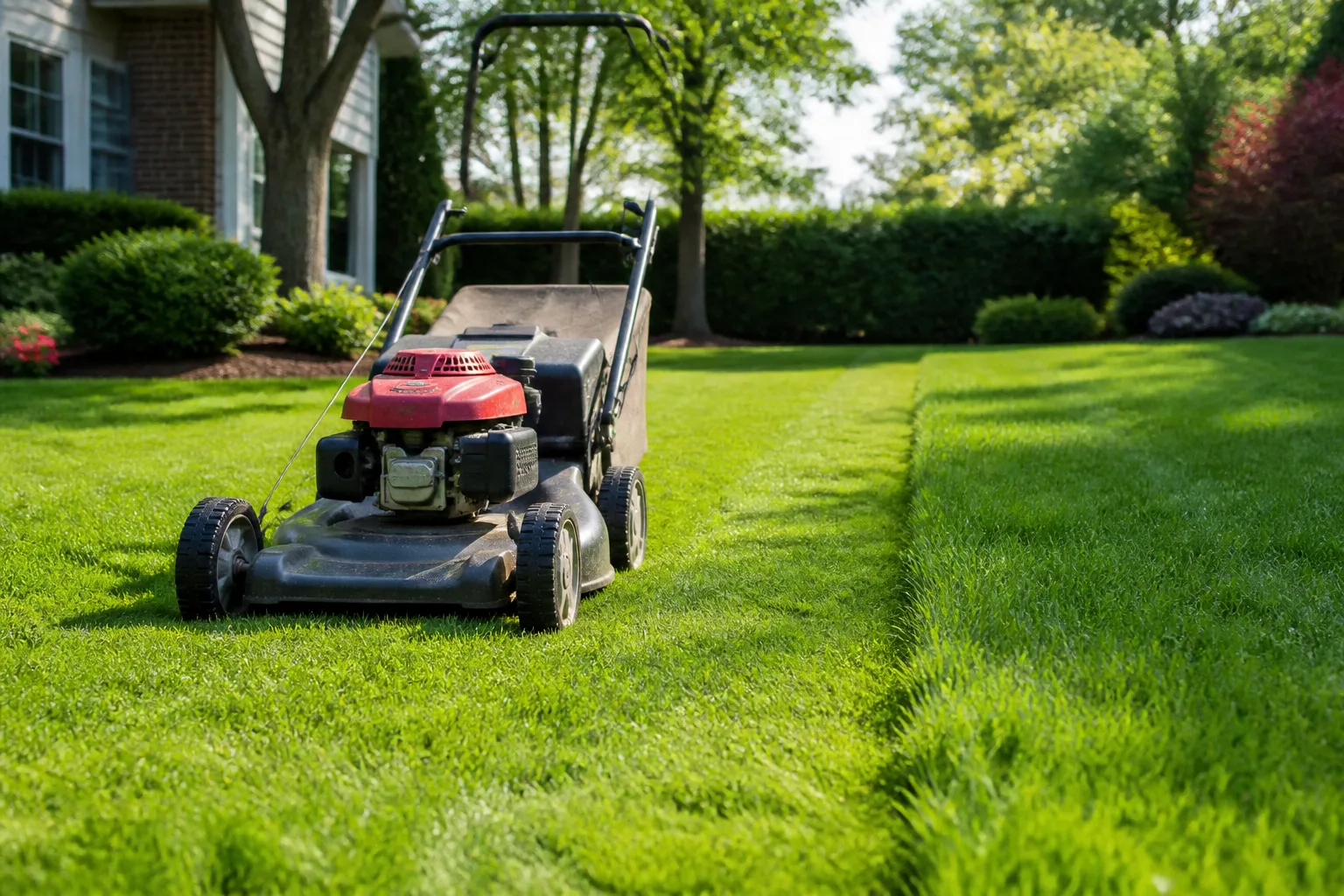
This routine is more effective than deciding to bag every other mowing. Bagging can hide a frequency problem, a low deck setting, or a dull blade for a while, but the lawn still experiences the same stress.
How to handle bagged clippings responsibly
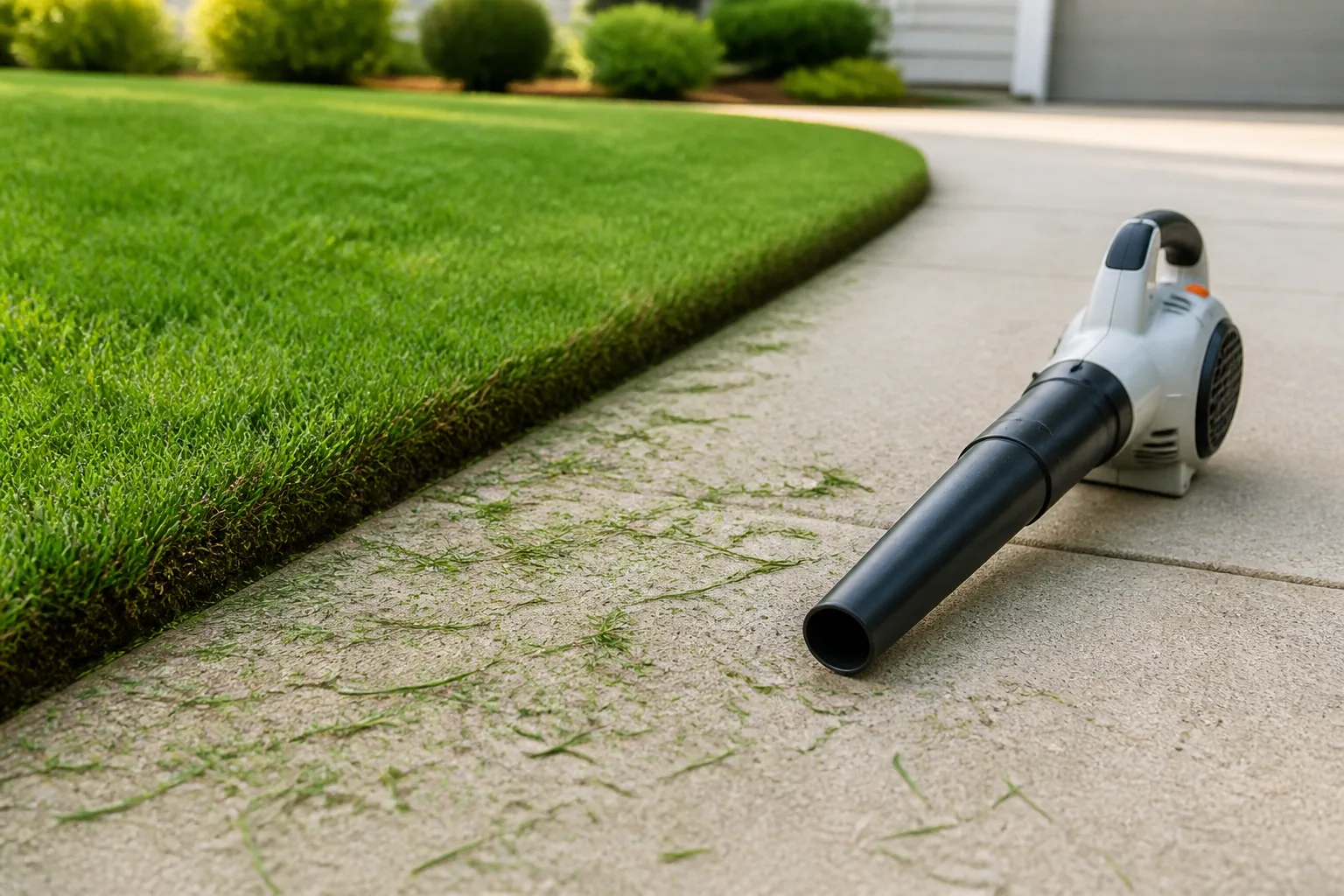
Bagging only solves the lawn-side problem; you still need a destination for the material. First check your city or county’s rules because some communities restrict loose yard waste, require paper bags, offer curbside collection, or prohibit grass clippings from regular trash. Keep clippings out of storm drains and waterways.
Clean, untreated clippings can be added to a balanced compost pile in modest layers with dry leaves, shredded paper, or other carbon-rich material. A large wet mass of grass alone can turn slimy and anaerobic. Spread it thinly to dry, mix it with dry material, and keep the pile aerated.
If the lawn recently received an herbicide, insecticide, or other treatment, read the product label before using the clippings in compost or around edible crops. Some lawn-care products carry restrictions on composting or garden use, and a label is more reliable than a generic rule. When the treatment history is unclear, return the clippings to the treated lawn only if the label allows it or use the approved yard-waste route.
Tomlinson Bomberger also flags treated clippings as a reason to be cautious about moving them into a garden compost system, while its practical guidance favors mulching during normal mowing and bagging for disease, leaves, or long intervals between cuts (Tomlinson Bomberger). The key is to match the reuse plan to what has actually been applied and to your local disposal rules.
Conclusion
You can usually skip the bag when you mow a healthy lawn regularly, on a dry day, with a sharp blade and a deck height that removes no more than one-third of the grass. Short clippings are not litter and they do not create thatch under normal mowing; they break down in place and return part of the plant’s nutrients.
Bag when the clippings are long, wet and clumping, mixed with mature weed seed, or coming from a lawn with a confirmed or actively spreading disease. If the lawn is overgrown, correct it in stages instead of scalping it. That condition-based approach keeps the work manageable and gives the grass what it needs: enough leaf area, consistent mowing, and fewer preventable stresses.



