Do You Need to Water Wildflower Seeds?
Yes, you should water wildflower seeds until they establish—unless fall rain or winter sowing does the job. Get a stage-by-stage watering schedule and fix common mistakes.
Yes—you need to water wildflower seeds while they germinate and while young seedlings build roots. In nature, most wildflower seeds never sprout; only a fraction find the right combination of moisture, temperature, and soil contact at the right moment. When you scatter seed in a prepared bed, you are asking for a much higher success rate than random chance delivers—and that means keeping the seed zone consistently moist until seedlings are several inches tall and rooted.
The nuance is not whether to water. It is when rain counts as enough, how fall versus spring sowing changes the schedule, and how to taper off without killing slow-germinating species hiding in a mixed packet.
The Short Answer: Yes—Until They Can Stand on Their Own
Think of wildflower seed watering in three phases:
| Phase | Goal | Typical approach |
|---|---|---|
| Pre-germination | Keep seed hydrated so embryos activate | Light moisture at seed depth daily (or rely on steady fall/winter rain) |
| Seedling establishment | Support roots until plants are 4–6 in. tall | Water every 1–3 days if rain is absent; soil stays damp, not wet |
| Established plants | Let natives match local rainfall | Supplement only during drought; many perennials need little after year two |
NC State Extension describes the same principle for lawn seed: keep the top half-inch of soil evenly moist through germination and early establishment. Wildflower seed is smaller and often sown shallower, but the biology is identical—dry seed at the wrong moment dies quietly.
Why “Wild” Does Not Mean “Water-Free” in Your Yard
A wildflower is simply a flowering plant that grows without deliberate planting in a given region—often native, often self-seeding. That reputation for toughness applies after a plant survives the lottery of germination. In a roadside ditch, thousands of seeds blow in; a few hit a moist crevice and sprout. In your garden, you cleared weeds, loosened soil, and spread seed evenly—which also exposed every seed to the same sun and wind.
Consistent moisture is especially critical during germination, when the first root has no reserves to chase water deeper. Once seedlings have true leaves and a root system several inches deep, many wildflowers tolerate dry spells that would have killed the same species as bare seed on day three.
Fall vs Spring Sowing Changes Your Watering Job
Timing is the biggest fork in wildflower watering. The same packet sown in October and again in April follows different moisture paths.
Fall and winter sowing (common in mild and cold-winter climates) leans on natural precipitation. After several hard freezes, seed sits dormant until soil warms. In regions with reliable winter and spring rain, you may never touch a hose until seedlings appear—and even then only during dry spells. Growing in the Garden notes that in desert Southwest practice, gardeners often wait for winter rains to germinate fall-planted seed rather than irrigating daily.
Spring sowing—what most impatient gardeners choose—lands in a shorter moisture window. Soil warms quickly, evaporation rises, and spring rain is uneven. Here, supplemental watering is usually mandatory from sowing day until seedlings are well rooted.
When Winter Rains Replace the Hose
If you sow in late fall after the ground has frozen and thawed at least once, seed often stays dormant until spring. Your job before germination is site prep, not irrigation: weed removal, shallow raking, firm seed-to-soil contact, and optionally a light mulch of clean straw on slopes.
Count rain as sufficient when:
- The top half-inch stays damp between storms (finger test)
- You receive roughly an inch of rain per week combined across events—not one thunderstorm that runs off and leaves seed dry underneath
- Nighttime humidity is high and soil does not crust by afternoon
If a dry winter week arrives after an early warm spell tricks seed into sprouting, switch to light supplemental water immediately. Dormant seed tolerates drought better than half-germinated seed.
Spring Sows Need a Steadier Hand
Spring-planted wildflower mixes—cosmos, zinnias, bachelor buttons, plains coreopsis, and many annual fillers—often germinate in 7 to 21 days when soil is warm and moist. Cool soil stretches that window; our germination timeline guide explains why empty patches after two weeks may mean temperature, not failure.
Plan on active irrigation from sowing day unless daily rain keeps the seedbed damp. Spring sun on bare soil can desiccate the surface in a single afternoon, especially on sand or raised berms.
How Often to Water Wildflower Seeds Before Germination
Default rule: water once or twice daily so the seed zone stays moist but never soggy, until you see uniform sprouting across the bed. Growing in the Garden recommends watering one to two times per day for 7 to 10 days when winter rains are not doing the job—enough to keep soil damp, not flooded.
That frequency is a starting point, not a timer religion. Sandy soil on a windy slope may need a third light cycle; clay in partial shade after overnight rain may need none until the surface dries.
Daily Checks Beat Fixed Schedules
Replace clock-based watering with a soil-touch check borrowed from turf establishment guidance:
- Press a finger into the soil at the thinnest and thickest parts of the sowing area.
- Moist = cool, slightly damp, no dust on your skin, no water pooling.
- Too dry = fingertip clean and dusty; crust visible.
- Too wet = shine of standing water or mud on contact.
Water when the seed zone trends dry—usually morning and late afternoon in spring. Skip cycles when rain or heavy cloud cover kept soil damp all day. A rain gauge in the bed beats guessing from porch puddles.
Germination speed varies by species in the mix. Fast annuals may sprout in a week; lupines, poppies, and some natives may need two to three weeks or cold stratification first. Keep watering through the full window listed on the packet plus a grace week for slow cousins.
Mixed packets hide staggered schedules. A “pollinator mix” might combine cosmos (fast), purple coneflower (moderate), and lupine (slow, sometimes needing scarification or winter chill). If you stop watering when the first cotyledons appear, you abandon the slow half of the blend. Read the back of the packet for species lists and typical days to germination—our guide on how long seeds take to sprout helps interpret those ranges when soil temperature is borderline.
Indoor starts are the exception, not the rule. Most wildflowers resent transplanting because of taproots and delicate root hairs. If you must start a small batch indoors—say, to test old seed viability—use deep cells, bottom water trays to avoid dislodging seed on the surface, and see our article on watering seedlings from the bottom or top for technique. Direct sowing outdoors with consistent surface moisture still produces stronger meadow plants with less fuss.
Tools That Prevent Washout and Crust
How you apply water matters as much as how often.
- Watering can with a rose (fine spray) — best for small beds and borders; disturbs less seed than a open hose.
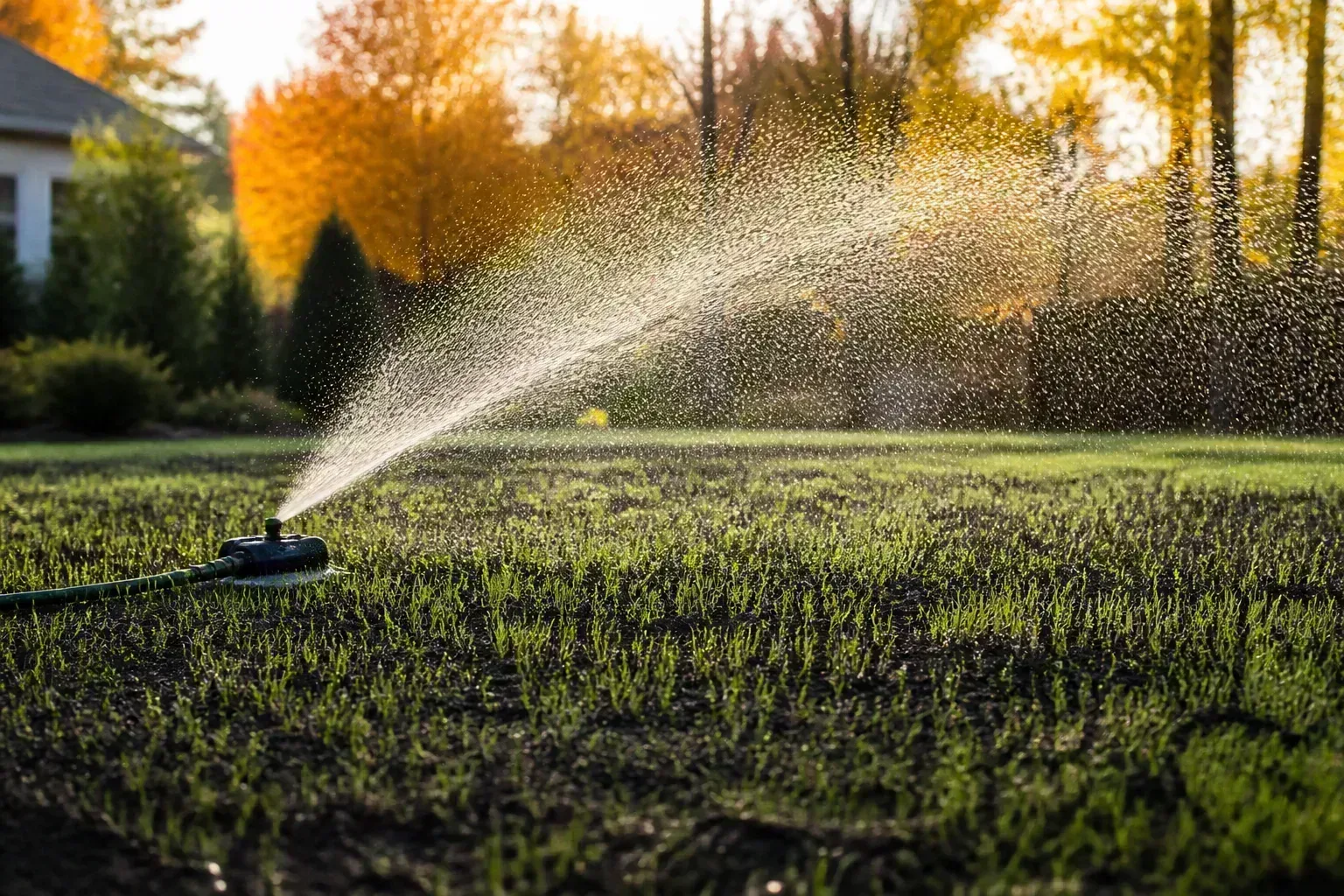
- Hose with fan or oscillating sprinkler — for larger meadows; run short cycles and move heads so nothing puddles.
- Mist setting on a hose nozzle — useful on very light seed that floats.
Avoid hard streams that carve channels and expose seed. Avoid evening flood irrigation that leaves soil waterlogged overnight—inviting rot and fungal damping-off.
Do not bury wildflower seed under heavy soil. Most mixes want seed-to-soil contact with little or no cover; firm by walking or rolling, then keep the surface moist. If birds are an issue, a thin layer of straw (fluffed, not matted) holds moisture without smothering small seed—remove or let it decay after sprouting.
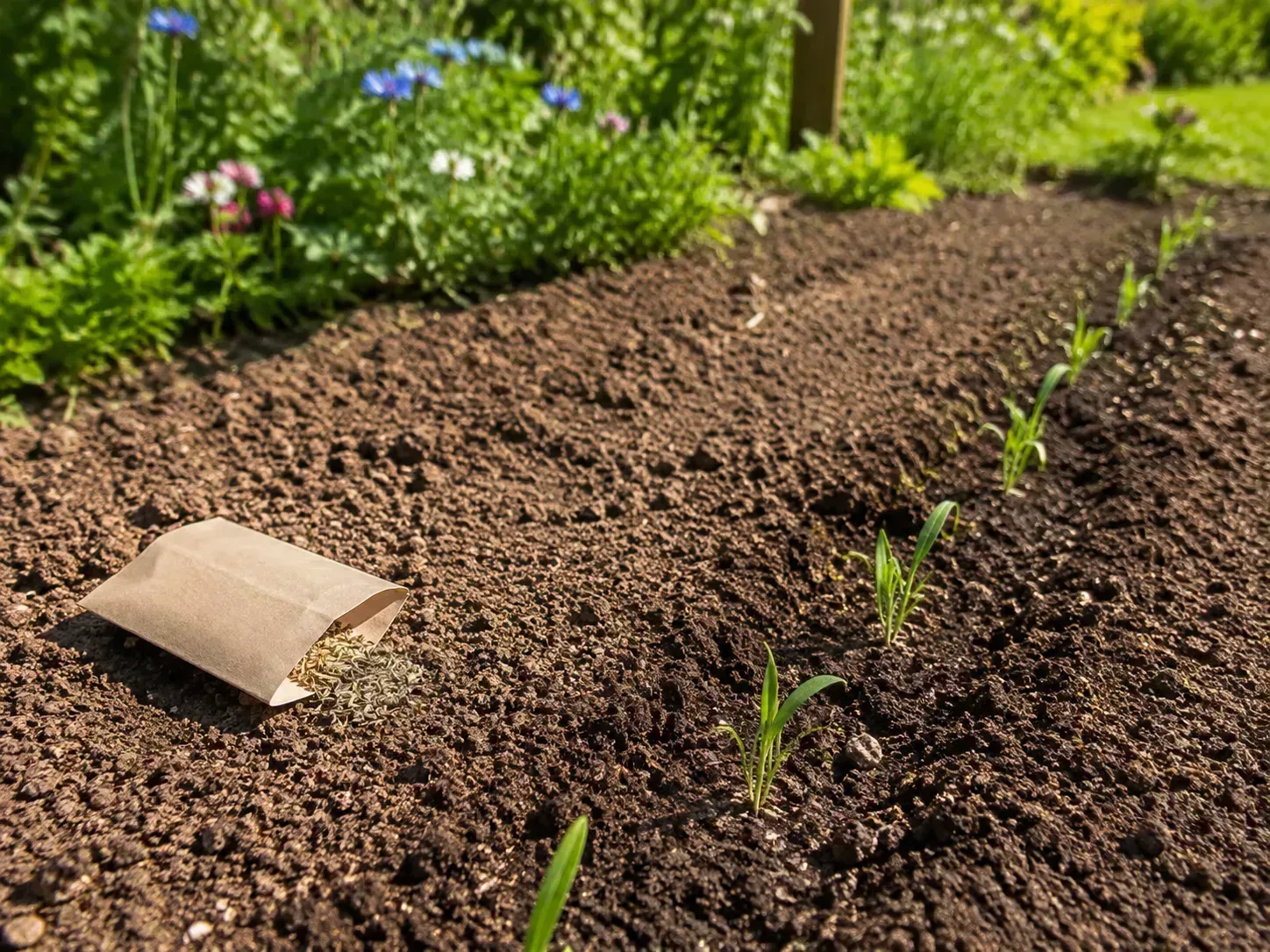
Watering Wildflower Seedlings After They Sprout
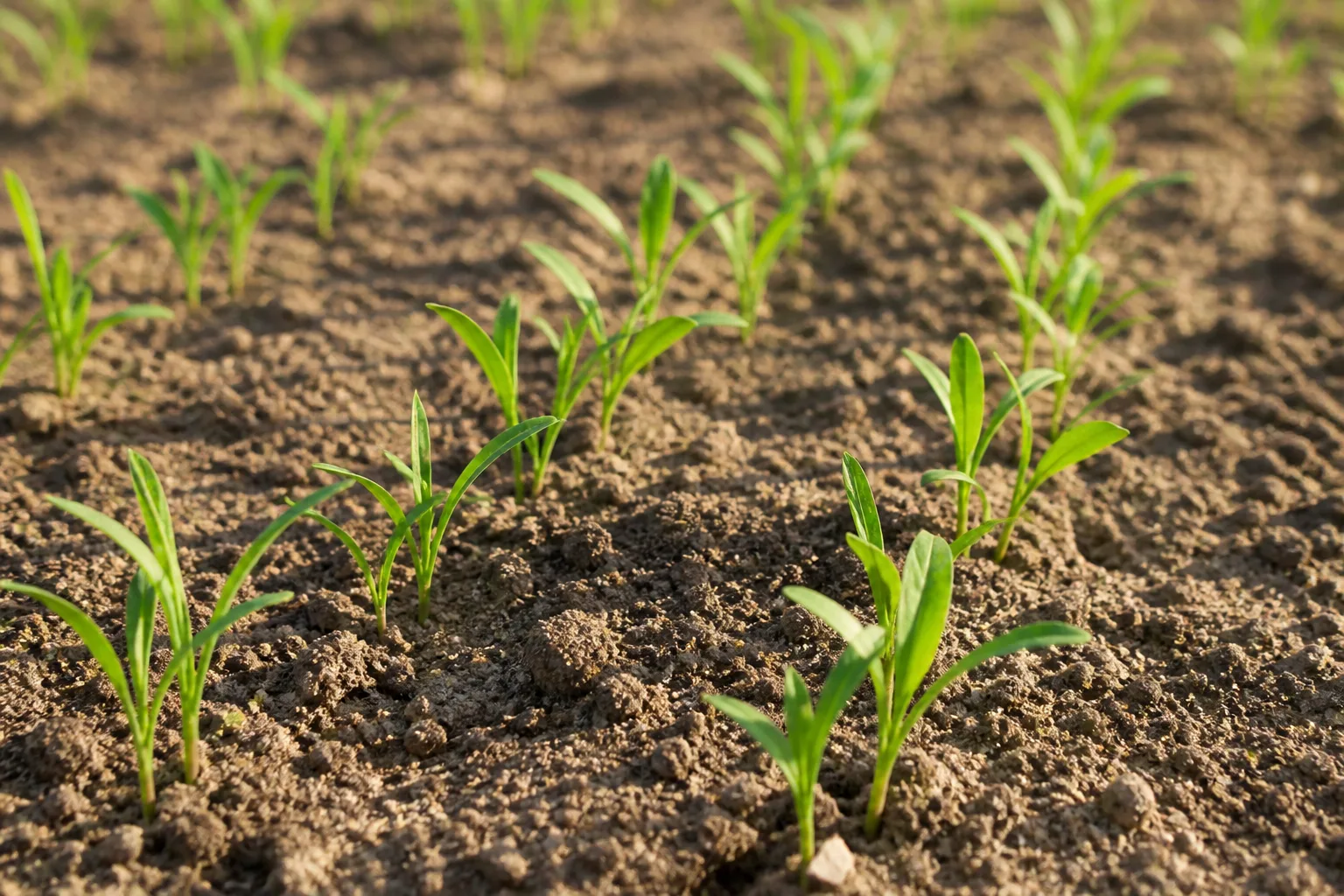
First green loops are relief—and the start of a four-to-six-week establishment window. Seedlings need damp soil while roots deepen. Growing in the Garden suggests that once seedlings reach 4 to 5 inches tall, watering every 7 to 10 days during dry weather is often enough, with many plants surviving on natural rain alone.
Between germination and that height, aim for light watering every one to three days when rain is absent. You want damp soil several inches down, not a daily soak. Seedlings are shallow-rooted; they wilt in afternoon sun on day five of a dry spell even if they looked fine at breakfast.
True leaves change the math. Cotyledons—the first pair of seed leaves—unpack stored energy while the plant builds photosynthetic foliage. Once the second set of true leaves expands, roots are usually deep enough to survive a missed day if weather is mild. Until then, treat every afternoon wilt as an emergency moisture check, not a personality quirk of “wild” plants.
Thin crowded clumps if seedlings emerge in mats—better airflow reduces fungal issues when you are keeping soil moist. Gently pull extras, leaving several inches per plant depending on mature size (check the packet).
When to Taper to Natural Rainfall
Start backing off when all of these are true:
- Seedlings are at least 4 inches tall with multiple sets of leaves
- A gentle tug at soil level meets root resistance
- Forecast shows regular rain or cool cloudy weather that slows evaporation
Taper by stretching intervals—every three days, then weekly—rather than stopping cold. Mixed plantings may still have slow species germinating while others are tall; keep the bed lightly moist until the packet’s longest listed germination time has passed.
How Much Water Wildflowers Need at Each Stage
Wildflower watering is about depth of moisture in the seed zone, not a single gallons-per-week number. Still, these targets help calibrate expectations:
Pre-germination: Frequent light applications that wet only the top ½ to 1 inch. Several short cycles often beat one long soak that runs off bare soil.
Seedlings (1–4 inches): Water long enough to moisten 2–3 inches of soil, then let the surface dry slightly before the next cycle. Think damp sponge, not swimming pool.
Young plants (4–6+ inches): Shift toward deeper, less frequent watering—similar to how you would transition new grass off constant misting. One thorough soak to 4–6 inches every week or ten days in dry weather trains roots downward.
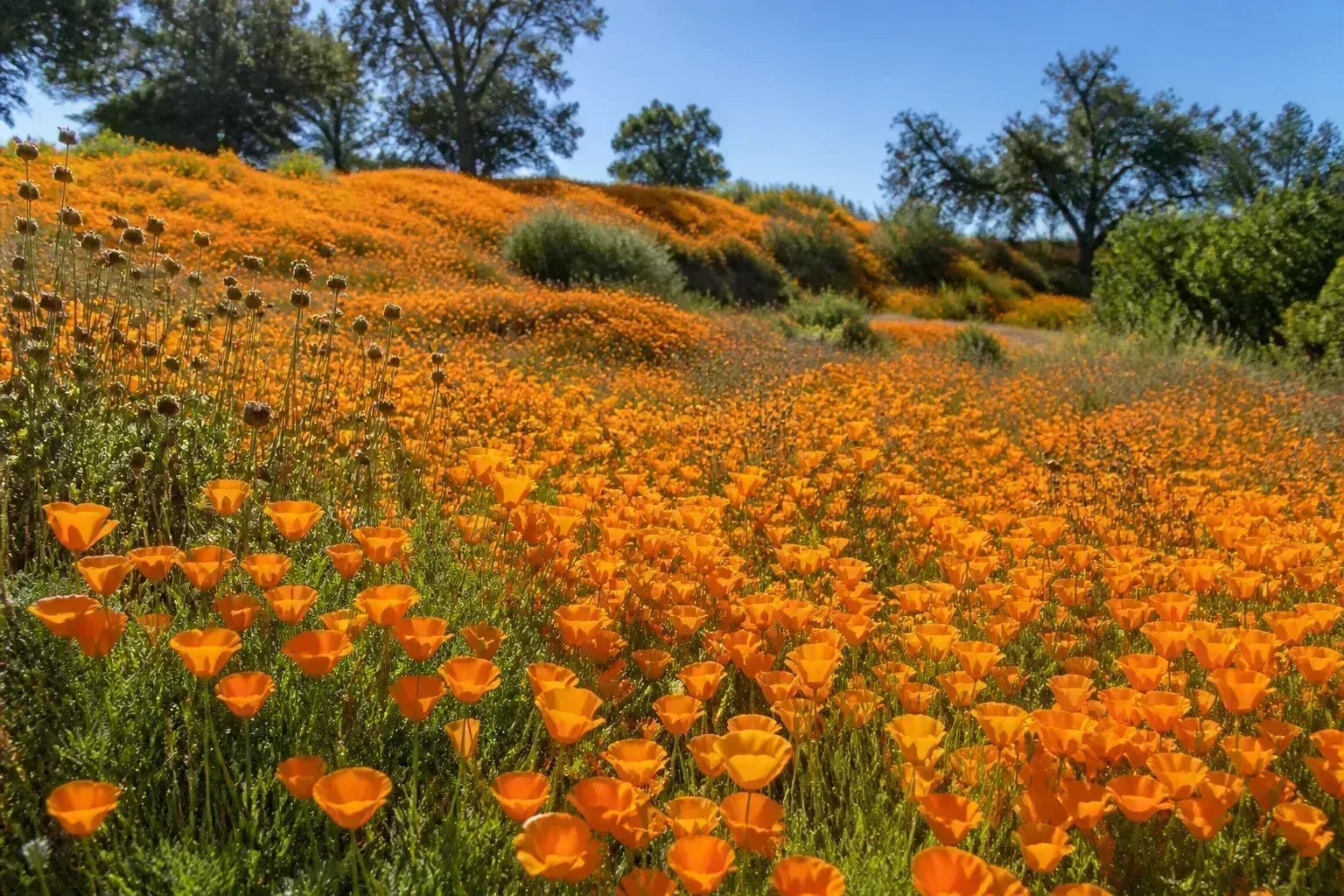
Established perennials: Many native wildflowers adapt to local rainfall patterns. California poppies, for example, want moisture only until several true leaves form, then prefer dry soil and easily rot in summer irrigation. Match water to the dominant species in your mix, not just the word “wildflower” on the label.
Signs You Are Overwatering or Underwatering
Underwatering signals:
- Soil surface pale, dusty, or cracked by midday
- Seedlings collapse in afternoon, recover overnight, repeat daily (classic drought stress)
- Uneven germination—only shaded corners sprout
- Packet date is fresh but nothing emerges after maximum listed days in warm soil
Overwatering signals:
- Green algae or slime on soil surface
- Seedlings pale, floppy, pinched at soil line (damping-off)
- Mold on spent seed coats
- Constant sogginess; earthworms absent from top inch
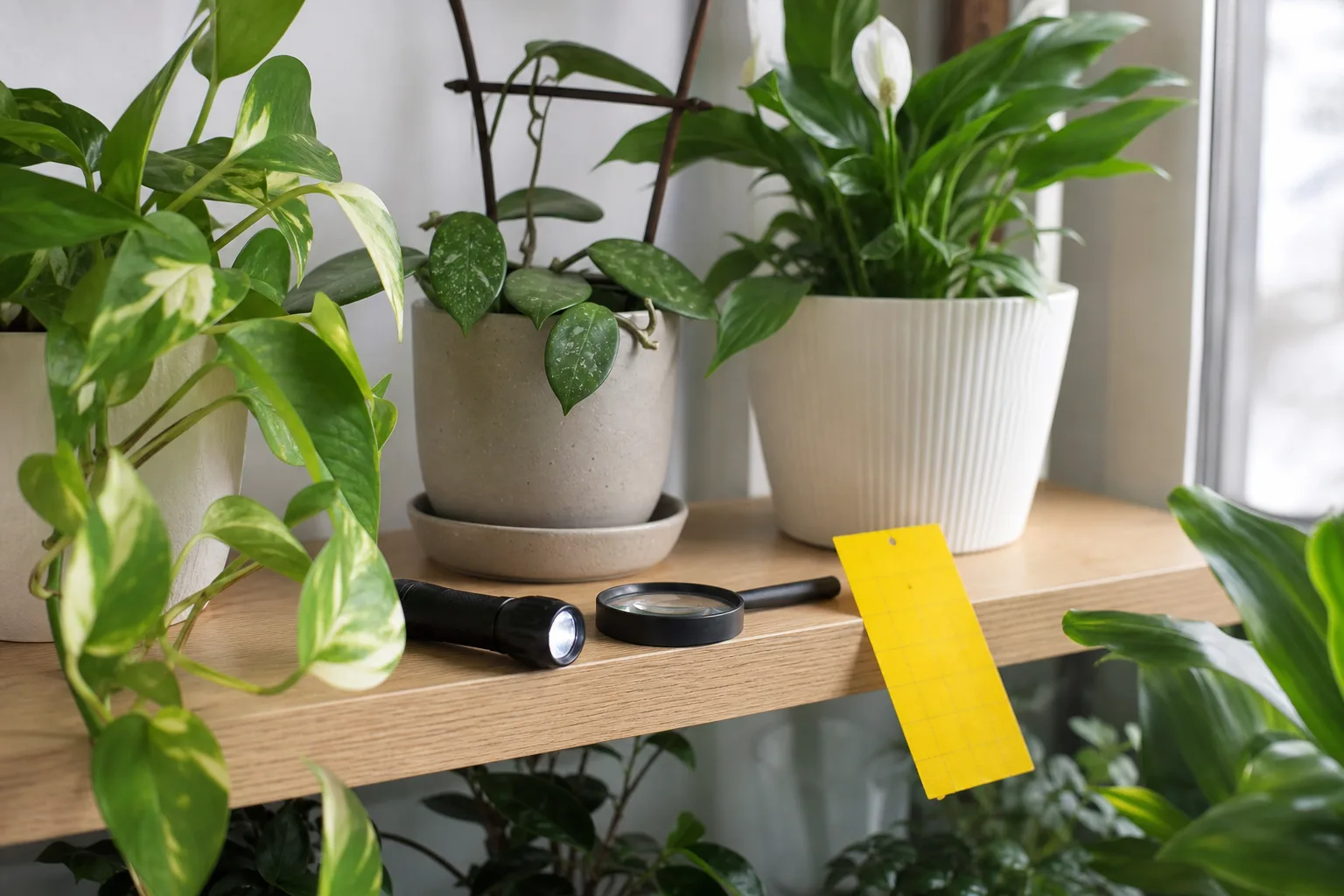
- Fungus gnats hovering over wet mix
Crusting, Rot, and Empty Patches
Soil crust forms when fine soil particles bake after heavy spray or pounding rain. A crust blocks fragile shoots. Fix by very light scratching with a rake tip once soil is dry enough, or prevent with straw mulch and gentler irrigation.
Seed rot happens when oxygen is excluded from waterlogged seed. If you suspect rot, let the surface dry one full day, then resume lighter, more frequent misting—not another flood.
Empty patches after partial sprouting often mean uneven watering (edges dry first) or bird/deer removal, not bad seed. Water the dry zones; consider brief netting until sprouts anchor.
Climate and Site Factors That Change the Rules
Arid and desert climates: Fall-winter sowing aligned with cool-season rain is standard; spring plantings need daily attention through establishment. Afternoon wind desiccates seedbeds in hours.
Humid Southeast and Midwest: Rain may carry you through germination, but fungal pressure rises—prioritize airflow, avoid evening soakings, and thin overcrowded seedlings.
Heavy clay: Holds moisture longer but crusts and compacts. Loosen only the top inch before sowing; water shorter cycles.
Sand and slopes: Dry fastest and wash seed downhill. Use mulch, cross-slope sowing, and more frequent light water.
Containers and raised beds: Dry faster than in-ground plantings—treat like spring sowing with daily checks until plants are established. Ensure drainage holes; wildflowers hate wet feet long term.
USDA zone and frost: Late-spring frosts can kill tender annual seedlings that germinated early during a warm spell. Watering does not prevent frost damage; know your last frost date when choosing sowing windows—see our easiest seeds to direct-sow guide for forgiving starter species.
Interpreting weekly rainfall: Gardeners often hear “an inch per week” as a watering benchmark. Measure with a rain gauge placed in the seeded bed, not on the porch eave where runoff skews totals. Light drizzles may wet leaves while leaving seed dry underneath; a single thunderstorm may dump half an inch in twenty minutes that runs off compacted soil. If the gauge reads adequately but your finger says dust, trust your finger and run a light supplemental cycle.
Weed competition steals moisture. A clean seedbed before sowing matters because established weeds outcompete wildflower seedlings for the shallow water you are trying to maintain. Pull or scuffle new weeds while wildflowers are still small—once plants are 6 inches tall and blooming, their canopy shades the soil and your watering burden drops sharply.
Common Wildflower Watering Mistakes
Assuming the label word “wild” means zero irrigation. It means the species can thrive on local rainfall once established—not on day one.
Watering once deeply at planting, then forgetting. Single soak does not survive three sunny days. Germination needs continuity.
Using a jet nozzle on bare seed. Washes seed into clumps and bare spots. Switch to fine spray.
Stopping water the day the first cotyledons appear. Slow species in the same mix may not have sprouted yet; tall neighbors also still have shallow roots.
Matching a meadow in Scotland to a meadow in Arizona. Regional guides differ because rainfall differs. Copy schedules from your climate band, not a generic blog.
Overhead watering at night in humid weather. Extends leaf wetness and encourages disease. Prefer morning irrigation when you must supplement rain.
Planting a drought-tolerant native mix in a lawn that gets daily sprinkler overspray. Many prairie species rot with constant moisture—site selection beats heroic watering discipline.
Broadcasting seed onto unprepared sod or thick mulch. Seed must touch mineral soil to imbibe water. Scattering on top of thatch or wood chips looks tidy but dries out in hours regardless of how often you spray.
Expecting one watering season to build a permanent meadow. First-year establishment is the labor-intensive year. Years two and three reward patience with self-sown volunteers—if you left seed heads and avoided sterile double-flower cultivars that do not reproduce.
When Established Wildflowers Can Go Hands-Off
After the first growing season, watering strategy splits by life cycle:
Annual wildflowers live one year, set seed, and die. They need moisture through bloom if you want a long show; otherwise natural rain often suffices once roots are deep.
Perennial and biennial natives—coneflower, black-eyed Susan, lupine, many milkweeds—typically need regular water only in year one. By the second season, deep roots access soil moisture; supplemental water is for drought emergencies, not routine care.
Self-seeding meadows regenerate from dropped seed. Letting plants go to seed (rather than deadheading everything) often produces free re-sowing that germinates on the next rain cycle—less hose work each successive year if weeds are managed.
Monitor during extended drought even on mature plantings. A deep soak once every few weeks can prevent perennial loss on sandy soil. Otherwise, enjoy the point of wildflower gardening: plants adapted to your rainfall once you got them past the fragile seedling stage.
Conclusion
You should water wildflower seeds—unless steady fall or winter rain is already keeping the seedbed moist. From spring sowing through the first weeks of seedling growth, consistent light moisture at seed depth is the difference between a meadow and a patch of weeds. Check soil with your finger, use fine spray, taper as plants reach 4 to 6 inches and resist a gentle tug, and let established natives follow local weather.
Get the establishment phase right and the “wild” part of wildflowers finally shows up: self-seeding, pollinator traffic, and years of bloom with far less irrigation than your vegetable bed demands.