Don't Start Pruning Plants Yet — Why You Should Wait
Don't start pruning plants by the calendar alone. Match each cut to flowering time, dormancy, bud break, local weather, and your reason for pruning.
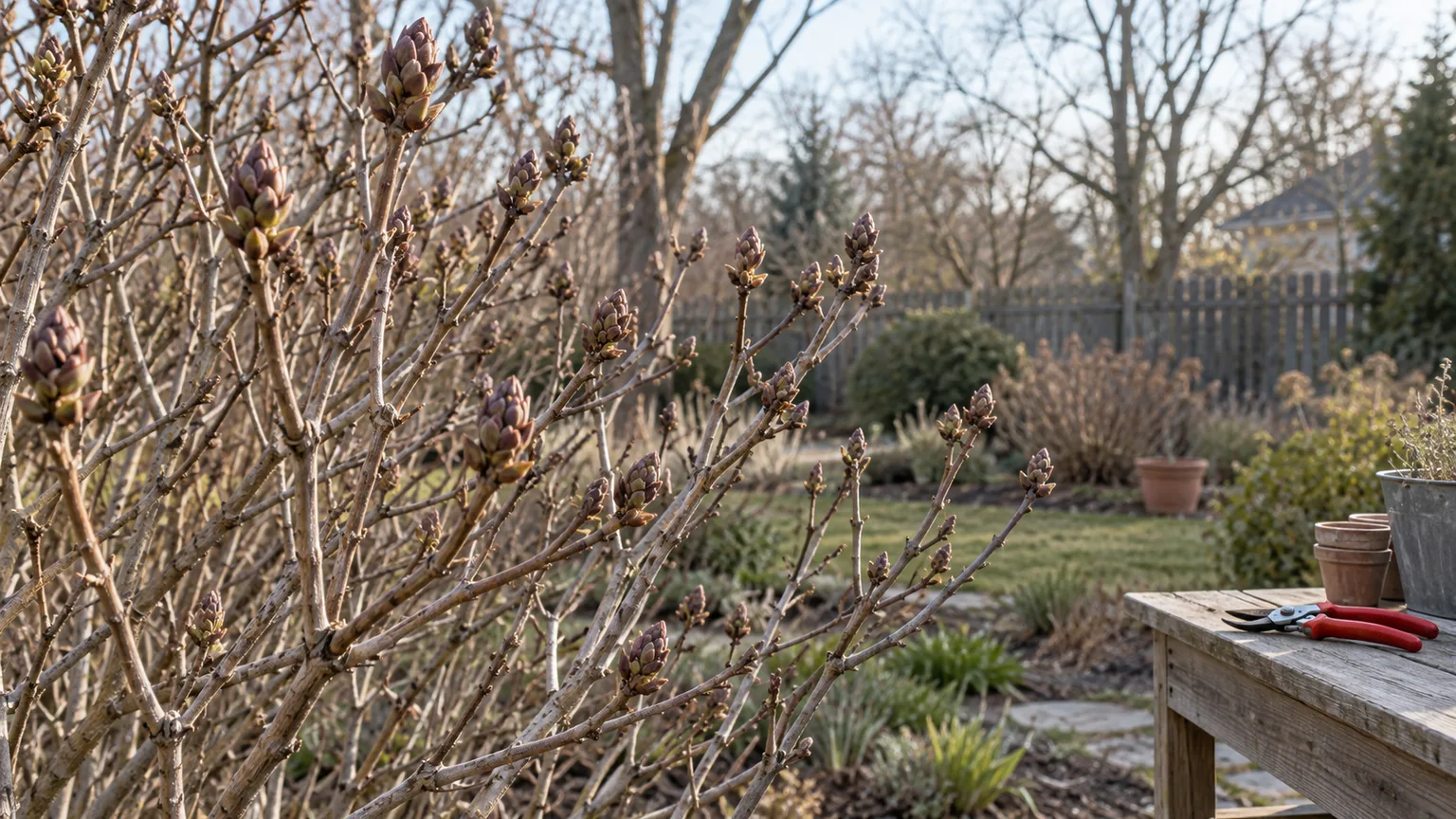
A quiet garden can make pruning look overdue: the leaves are gone, branches are easy to see, and a mild afternoon finally feels like spring. But a bare plant is not automatically ready for a haircut. Some shrubs already carry the flower buds for the coming season, while other plants are best cut before new growth begins.
Before you pick up pruners, identify the plant and decide why you want to cut it. Removing a broken limb, shaping a hedge, renewing an overgrown shrub, and protecting next year’s flowers are different jobs with different timing. If the plant is healthy and the cut is cosmetic, a short pause to check its bloom habit can save flowers and prevent unnecessary work.
The short answer: wait for a cue, not a date
There is no single month when all plants should be pruned. A better rule is to match the cut to the plant’s bloom cycle and growth stage: spring-flowering shrubs are usually pruned after their flowers fade, many summer-flowering shrubs that bloom on new wood are cut during late dormancy, and many nonflowering deciduous trees can be pruned while dormant. Trees, fruiting plants, roses, and evergreens have exceptions, so confirm the species before treating any of those rules as universal.
Penn State Extension describes the central flowering-shrub distinction this way: many spring bloomers flower on old wood and set the next season’s buds soon after blooming, while many summer and fall bloomers flower on new wood and can be pruned in late winter or early spring. The Penn State Extension flowering-shrub guide, RHS shrub-pruning guide, and Gardeners’ World year-round pruning guide all organize timing around plant type and season rather than one all-purpose date.
| Plant or pruning job | Typical starting window | What to verify before cutting |
|---|---|---|
| Spring-flowering shrub | Soon after flowering | Whether it blooms on last year’s growth |
| Summer-flowering shrub | Late dormancy or early spring | Whether that species flowers on new wood |
| Deciduous shade tree | Often during dormancy | Species-specific disease, sap-flow, and structural guidance |
| Evergreen shrub | Often after flowering or a growth flush | Whether it flowers on old wood and how much live growth it tolerates |
| Rose, fruit tree, vine, or perennial | Plant-specific | Cultivar, crop or bloom cycle, and the goal of the cut |
| Broken or hazardous branch | As soon as safe to address | Whether a qualified tree professional is needed |
Treat the table as a starting map, not a pruning prescription. “Wait” means postpone nonurgent live-wood shaping until you have the right information; it does not mean leave a dangerous limb hanging over a walkway or make a plant follow a fixed calendar when your local spring arrives earlier or later.
Why pruning too early can cost you
Pruning removes buds as well as branches. The cut may look small, but if it removes a stem carrying flower buds formed the previous year, the plant cannot replace those buds in time for the upcoming bloom. If your goal is spring flowers, pruning before the display is finished can trade a tidy outline for a season with few or no blossoms.
Timing can also affect what the cut is meant to accomplish. A dormant-season cut may be appropriate for one tree or shrub, while the same cut on a different plant can remove fruiting wood, expose a sensitive plant at the wrong point in its cycle, or trigger a flush of growth that is not useful for your goal. Good pruning starts with a reason and a plant-specific window, not the sight of a branch that looks inconvenient.
Spring flowers may already be waiting on last year’s wood
“Old wood” means stems that grew in a previous season. Many spring bloomers make flower buds on those stems during summer or fall, then hold them through winter; pruning the live stems before bloom removes the buds with them. Lilacs, forsythia, azaleas, rhododendrons, mock orange, and several spring-blooming spireas are common examples, although the exact schedule still depends on the plant.
The safer routine is to let the shrub flower, then prune soon after the display ends if it needs shaping or renewal. That gives new shoots time to grow and mature before the next flowering cycle. The Penn State Extension guide explains this old-wood pattern, and Gardeners’ World likewise recommends waiting until after flowering for many early-flowering shrubs.
A mild spell does not change the plant’s needs
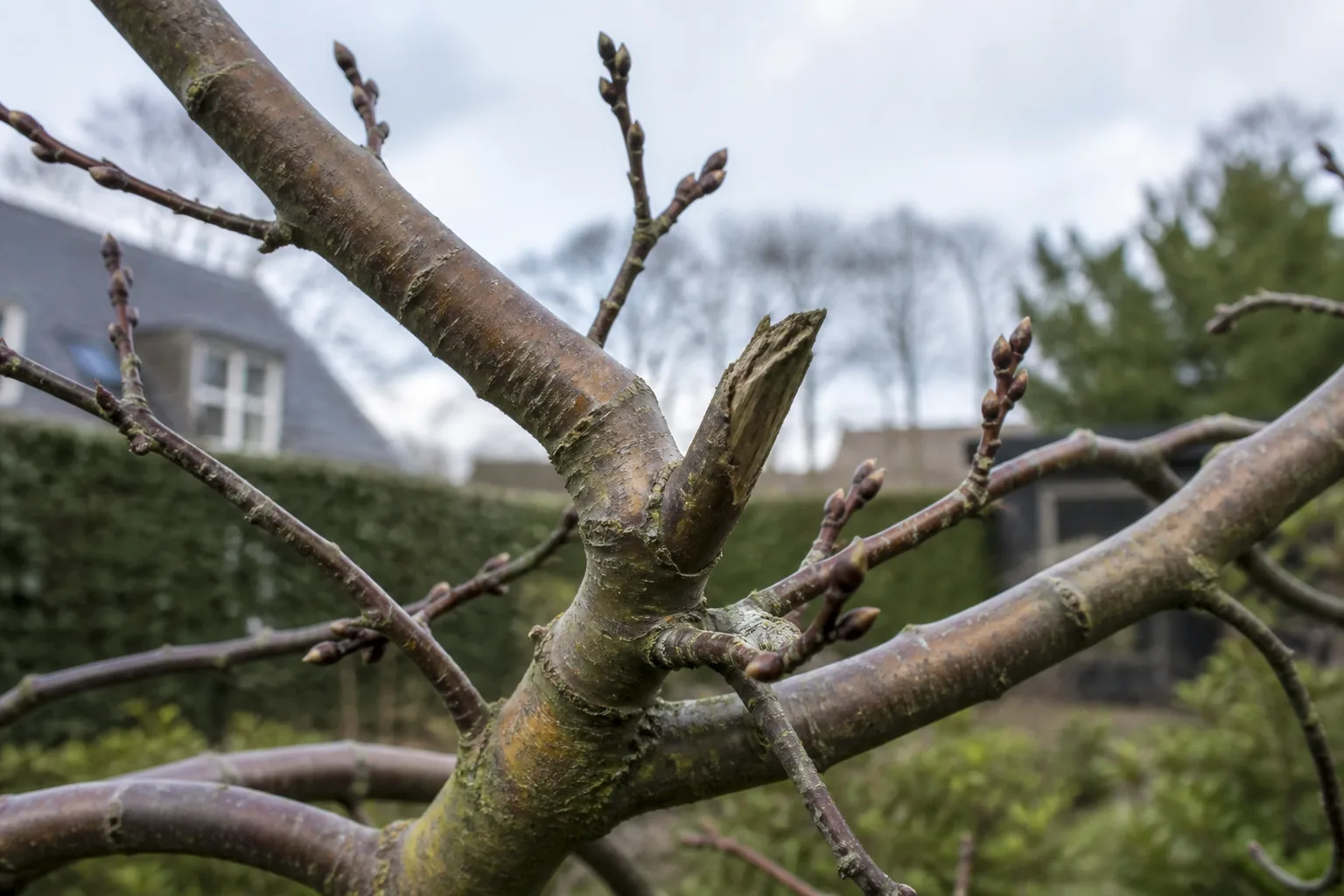
A warm week can make winter feel finished, but it does not change what kind of wood a plant flowers on. It can also move plants closer to bud break, which matters for species that are normally pruned while dormant. Penn State Extension’s landscape-tree guidance advises avoiding certain tree pruning during the period from bud break through full leaf expansion, then resuming once the tree is dormant; the window is a growth stage, not a numbered date.
Late-season and early-season weather can be especially misleading in places with sharp temperature swings. A brief thaw is not a reliable sign that the last hard frost has passed, and an early calendar date is not a reason to rush a plant that is still carrying unopened flowers. If you are uncertain, label the shrub and wait for the flowers or leaves to reveal more before making a large live-wood cut.
Choose the timing by plant and pruning goal
Start by naming the job. Sanitation removes dead, diseased, broken, or crossing material; flowering or fruit pruning protects the parts that will bloom or crop; structural pruning shapes a tree or shrub for healthy form and clearance; and size control reduces a plant that may simply be in the wrong place. The goal affects how much to remove and whether postponing the cut will matter.
Size reduction is often the least urgent reason to prune. Penn State Extension notes that pruning is not a substitute for choosing a plant suited to its location, and that few shrubs respond well to routine shearing. If the plant is healthy but too large, first check its mature size and whether gradual renewal or relocation makes more sense than cutting it back hard in the wrong season.
Spring-flowering shrubs: wait until bloom ends
For many shrubs that bloom in spring, the coming flowers are already attached to branches that grew last year. Lilac, forsythia, azalea, rhododendron, mock orange, and some viburnums and spireas are examples. Pruning them in winter or before flowering can remove the current season’s show, so routine shaping is usually best soon after flowers fade.
When the bloom is over, avoid automatically shearing the outside into a tight ball. First remove dead or damaged stems, then thin a few of the oldest or most crowded stems at their origin if the shrub needs renewal. If it has become badly overgrown, identify the species and use a staged renovation plan rather than taking a large amount of live wood at once.
Flowering trees can need the same pause. Some ornamental trees are pruned after bloom, while many nonflowering deciduous trees are handled during dormancy; do not assume that the “winter is best” rule for a shade tree applies to a tree grown for spring flowers. The Penn State Extension tree-pruning guide specifically distinguishes flowering trees from general dormant-season maintenance.
Summer-flowering shrubs: cut before growth resumes—if they bloom on new wood
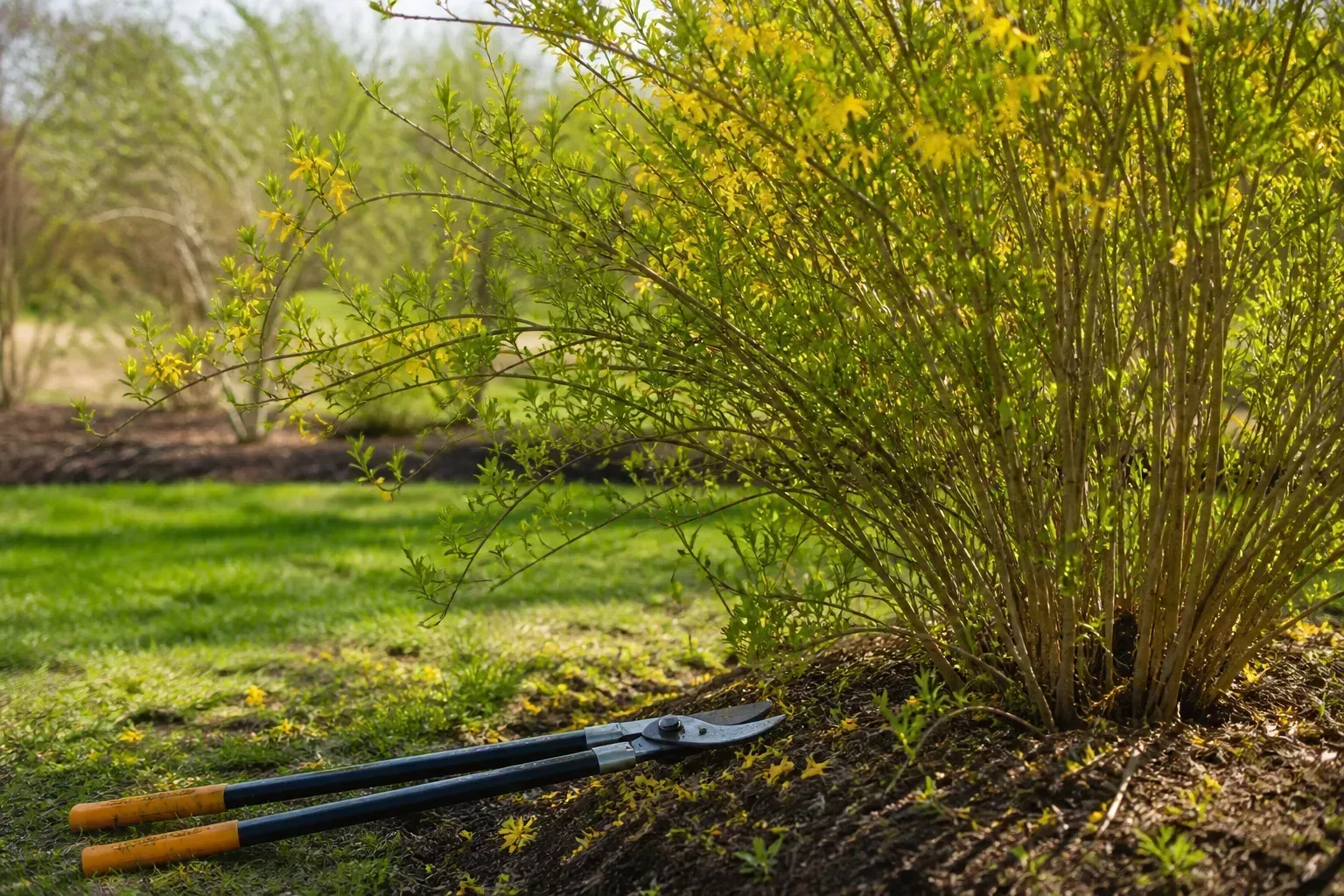
Many shrubs that flower later in summer make their flowers on shoots produced during the current growing season. Those plants are often pruned in late winter or early spring, before new growth extends, so the plant can send out the shoots that will carry flowers. Butterfly bush, smooth hydrangea, and panicle hydrangea are examples in Penn State Extension’s guidance.
That rule is not permission to cut every shrub that happens to flower in summer. “Hydrangea,” “rose,” and “spirea” each include plants with different flowering habits, and some cultivars bloom on both old and new wood. Read the plant label or look up the species and cultivar; if you only know the broad common name, delay hard pruning until you can confirm which growth carries its flowers.
The cut itself should fit the plant’s natural shape. For a shrub that truly flowers on new wood, remove only what the plant needs: dead stems, a few crowded branches, or the amount of last season’s growth recommended for that type. Hard pruning a healthy, well-shaped plant just because it is dormant can create more work and reduce the natural structure you wanted to keep.
Trees, evergreens, roses, fruit trees, and perennials need separate rules
Many deciduous shade trees are pruned while dormant because their structure is visible and they are not carrying a full canopy. But tree timing varies with species, disease pressure, sap flow, climate, and the purpose of the cut. Penn State Extension lists dead, damaged, crossing, defective, or hazardous branches among reasons to prune, and recommends species-aware work rather than a blanket percentage of the canopy.
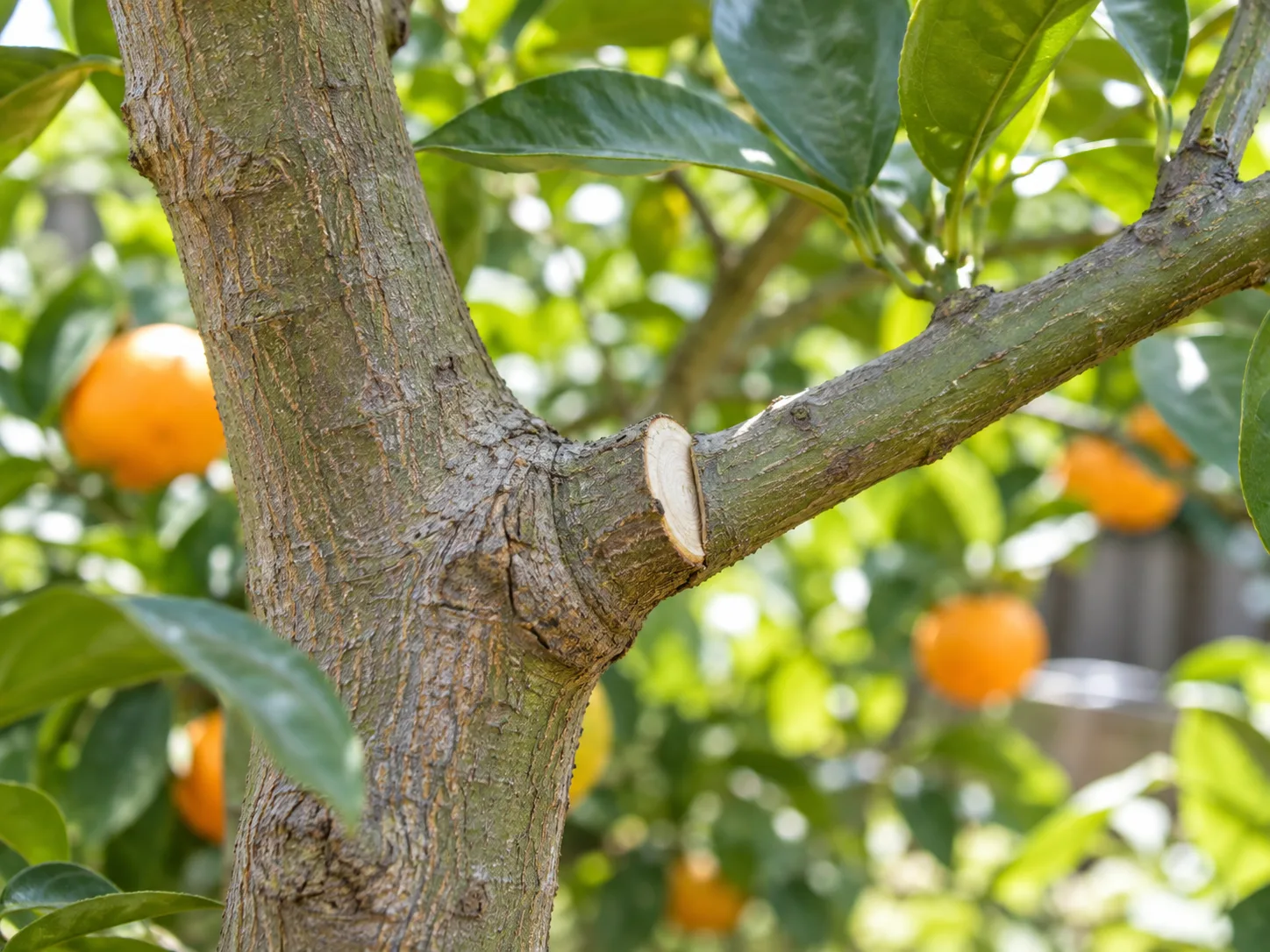
When a tree cut is appropriate, placement matters as much as timing. For a branch-removal cut, preserve the branch collar where the branch joins the trunk; cutting flush into the trunk or leaving a long stub can make the wound harder for the tree to contain. Penn State Extension describes removal and reduction cuts as the standard choices for live trees and warns against topping, which can permanently damage structure and health. That is another reason not to make a rushed cut simply because the tree is bare.
Evergreens are not one group with one calendar. Some broadleaf evergreens need little pruning, some are lightly shaped after flowering or a growth flush, and needle evergreens are often pruned while new growth is still soft. Avoid cutting well back into leafless or bare interior wood unless the species is known to regrow there; a light trim and a renovation cut are not interchangeable.
Roses, fruit trees, vines, and herbaceous perennials are also goal-specific. A rose’s flowering habit, a fruit tree’s crop wood, a vine’s flowering cycle, and a perennial’s seed heads or overwintering stems all affect what you lose when you cut. If the goal is harvest, flowers, or wildlife habitat, follow the plant’s own guidance instead of borrowing a shrub rule.
Fruit trees are especially easy to misclassify because pruning may be intended to shape a young tree, renew a mature canopy, or improve light around fruiting wood. Those are not identical cuts, and a schedule for an ornamental pear or crabapple grown for flowers is not automatically the production schedule for an edible fruit tree. The Penn State Extension tree guide recommends defining the pruning objective and considering the species, condition, and size before deciding what to remove.
Perennials and ornamental grasses raise a different question: whether to cut them back at all before winter. Their standing stems can hold seed and add shelter or structure, while a tidy border may call for cleanup before new basal growth starts. If you value winter seed heads or habitat, leave selected stems in place and make the cutback decision in late winter or early spring; the RHS guide to cutting back perennials explains how that work varies by plant type.
Disease can narrow a window further. Gardeners’ World flags cherries, plums, and greengages as plants that should not be pruned during its summer window because cuts can be more vulnerable to silver leaf disease. That is a regional example rather than a universal month rule; use local extension guidance for stone fruit in your area.
Use growth stages instead of calendar months
A calendar can help you remember a local routine, but plant signals are more useful when weather shifts. A spring that arrives early in a low-elevation garden may still be weeks away in a colder or higher-elevation one. Gardeners’ World notes the same regional variation in its seasonal guidance; dates used in one climate should not be copied directly into another.
Dormancy, bud swell, and active growth
Dormant means the plant is not actively extending new shoots and leaves. For many deciduous plants, this period begins after leaf fall and ends as buds swell and growth resumes. It can provide a useful window for structural cuts, but it does not override a plant’s flowering habit or a disease-specific pruning window.
Bud swell is a prompt to stop and recheck the plan, not a universal “cut now” signal. On a spring-flowering shrub, swollen buds may be flower buds you want to keep; on another plant, the first signs of growth may mean the dormant pruning window is nearly over. Learn to distinguish a maintenance cut from a cut that would remove the whole flowering branch.
Local weather shifts the window
“Late winter” and “early spring” describe a moving window. The same date can fall before bud break in one region and after it in another, and the Northern and Southern Hemispheres experience opposite seasons. Use local extension guidance or a trusted regional garden calendar, and interpret it alongside what your own plant is doing.
A forecast matters too. If severe cold is likely, do not make an unnecessary hard cut on a tender shrub simply because a mild afternoon made gardening comfortable. For plants that are normally pruned after frost risk recedes, wait for that local cue; for plants that need dormant pruning, check the species-specific recommendation rather than delaying until leaves have fully opened.
If you cannot identify the plant, pause live pruning
A plant label may be missing, but its identity is often recoverable. Photograph the whole plant, leaves, buds, flowers, fruit, and the way stems emerge from the ground; note when it blooms and whether it is evergreen. Ask a local extension office or nursery to help narrow the identification, then verify the pruning window for the species or cultivar rather than relying on a generic “shrub” answer.
Until you know what it is, postpone hard shaping, shearing, and renovation. You can mark branches you may want to remove later with loose garden tape, then review them after flowering or once the plant is fully leafed out. A small delay is usually easier to fix than losing an entire bloom season or cutting a slow-growing shrub below the point where it can recover.
If you have already pruned at the wrong time, do not try to “correct” the first cut with several more. Stop, keep the plant watered according to its normal needs, and let the next growth cycle show you how it responds. Missing flowers for one season is frustrating, but extra cuts made from guesswork can compound the problem.
What to do while you wait
Use the pause to make the eventual cut more precise. Write down the plant’s name, take a photo from several sides, and circle the reason for pruning: remove a hazard, improve structure, protect flowers, or reduce size. If you are unsure whether a branch is dead, wait until buds break where practical and compare it with healthy growth before removing a large limb.
Prepare tools without pruning: sharpen hand pruners and loppers, clean sap and soil from the blades, and check that the handles and locking mechanism work. University of Minnesota Extension’s winter pruning-tool guide covers tool types and care for dormant pruning. If you suspect a disease, clean tools between plants and follow a species-specific sanitation recommendation rather than guessing at a disinfectant or concentration.
You can also plan the cut before the plant is in front of you. Decide which stems must stay, mark crossing or damaged branches, and set a conservative stopping point; it is easy to remove more once the shears are open. If the work involves a mature tree, overhead limbs, power equipment, or anything near a wire, use the waiting period to arrange a qualified arborist.
If you intend to trim a hedge, inspect it closely for active bird nests before starting and postpone nonurgent work if you find one. Gardeners’ World places hedge trimming after new growth has stiffened and young birds have fledged in its year-round pruning guide. In borders, decide whether dried flower heads and ornamental grass stems are serving as winter interest or seed for birds; leaving some standing is a deliberate choice, not neglect. Those checks turn the waiting period into useful observation and help avoid a second round of cuts later.
For a winter-specific list of plants that lose flowers or habitat value when cut too early, see which plants you should never prune in winter. This guide covers the broader timing decision; that companion page goes deeper on winter exceptions.
When waiting is the wrong choice
A hanging, split, or badly broken branch can be a hazard regardless of the ideal flowering window. Likewise, a branch that is rubbing a structure or blocking a path may need prompt attention. If a small, reachable branch can be removed safely with a clean cut, address the immediate problem and accept that it may affect flowering; do not make extra shaping cuts while you are there.
Large, heavy, cracked, or overhead branches are different. Penn State Extension advises leaving climbing, power-tool, and potentially hazardous tree work to trained professionals; contact an ISA Certified Arborist for work that involves tree access, heavy limbs, or risk to people or property. Stay clear of damaged limbs and do not attempt to pull down a branch that is hung up in another tree.
Disease can also make timing more important, not less. A dead or diseased branch is not automatically an emergency if it is small and stable, but the right action depends on the plant and disease; some pathogens spread through fresh cuts during particular seasons. If you see cankers, unusual dieback, ooze, or a rapidly declining plant, identify the cause and follow local extension advice before cutting or composting the material.
Run this before-you-cut checklist
Pause for a minute and answer these questions before making a live-wood cut:
- What is the plant? Confirm the species or cultivar, not just “hydrangea,” “rose,” or “evergreen.”
- What is the goal? A safety cut, a dead branch, flower protection, structural training, and size reduction are not the same job.
- When does it flower or fruit? Check whether the buds or crop form on existing growth or on shoots produced after pruning.
- What stage is it in? Look for leaf fall, dormancy, swollen buds, new shoots, flowers, or fruit, and compare those cues with local guidance.
- What could the cut remove? Consider next season’s bloom, fruiting wood, winter shelter, and the plant’s natural shape.
- Is the work within your ability? If you need a ladder, a saw overhead, a power tool, or work near utilities, stop and call a qualified professional.
If you cannot answer the first three, postpone nonurgent shaping and keep researching. If you can identify the plant and the purpose, but local weather has moved the season ahead, use the growth stage and a regional pruning guide to choose the next safe window.
Conclusion
The reason to wait is simple: plants do not share one pruning season. A spring bloomer may already be holding its flowers on last year’s stems, while a summer bloomer or dormant shade tree may be ready for a different kind of cut. Identify the plant, decide what the cut should accomplish, and check its flowering habit and growth stage before you prune.
If the plant is healthy and the cut is only for appearance, give yourself time to get those answers. If a branch is dangerous or badly broken, prioritize safety and get professional help for work beyond your reach. A few minutes of checking now can protect the blooms, structure, and growth you wanted the pruning to improve.