Plants You Should Never Prune in Winter
Winter pruning helps dogwoods and apples—but not lilacs, azaleas, or clematis. Learn old-wood vs new-wood timing so you do not lose spring blooms.
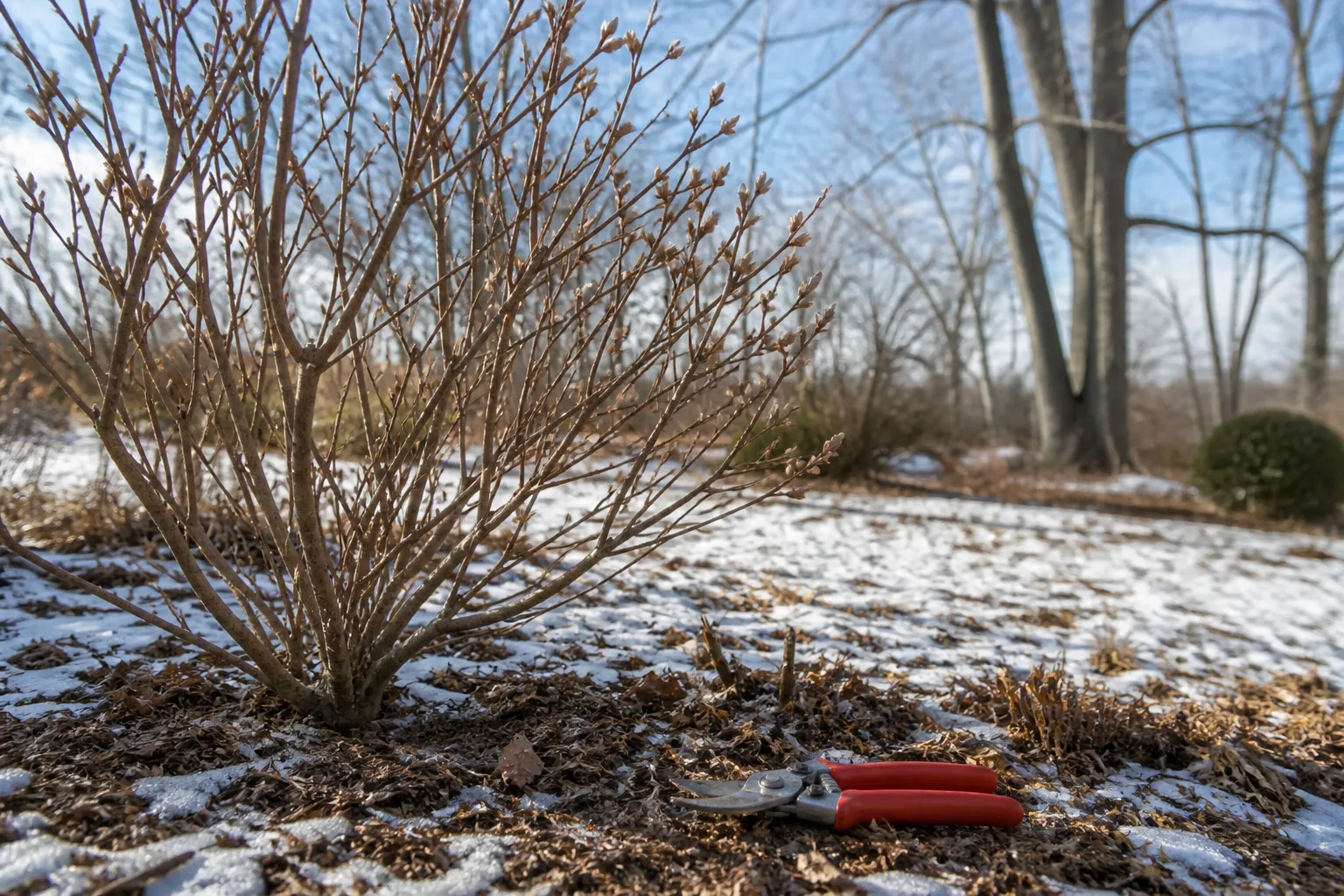
Winter pruning feels productive. The garden is quiet, leaves are off many trees, and a dry January afternoon with sharp bypass pruners can clear a lot of clutter fast. That momentum is exactly what gets gardeners into trouble. One enthusiastic session can delete next year’s flower buds—buds that formed months ago and sit quietly on branches through the coldest months, invisible until spring proves they are gone.
The mistake is not pruning in winter. The mistake is pruning the wrong plants in winter. Dogwoods grown for red stems, apple trees, and summer-flowering shrubs often love a dormant trim. Lilacs, azaleas, many clematis, and a long list of seed-bearing perennials do not. Before you cut, you need one piece of information: did this plant already set the buds that will open next spring on wood that exists right now? If yes, put the shears down until after bloom.
The quick answer: match pruning to where buds form
Do not prune in winter any plant that flowers on old wood—last season’s shoots and branches—unless you are removing dead, damaged, or dangerous wood only. That group includes most classic spring-flowering shrubs (lilac, forsythia, azalea, rhododendron, mock orange), many climbing and antique roses, Group 1 and Group 2 clematis, and several Prunus species where wet-winter cuts raise disease risk.
Winter pruning is appropriate for plants that bloom on new wood grown after you cut (butterfly bush, panicle hydrangea, rose-of-Sharon) and for dormant structural work on many deciduous trees—provided you follow species exceptions for maples, birches, and cherries. If you want the full case for when winter cuts help, see our guide on why to prune in late winter—this page covers the equally important flip side.
Why winter shears help some plants and wreck others
Pruning is not cosmetic surgery. It is resource allocation. When you remove a branch, the plant redirects stored energy to remaining buds. Cut at the right time and you get stronger regrowth, cleaner shape, and better flowers on the wood you meant to keep. Cut at the wrong time and you remove the only buds that were scheduled to bloom.
Old wood vs new wood in plain language
Old wood is growth that hardened last year (or earlier). Spring-flowering shrubs put flower buds on that wood during summer and fall. Those buds overwinter on the branch. A February haircut deletes the entire spring show.
New wood is soft growth that emerges after you prune. Summer-flowering shrubs and many vines bloom on shoots that develop in the current season. Hard pruning in late winter or early spring creates the wood that will flower—so timing works in your favor.
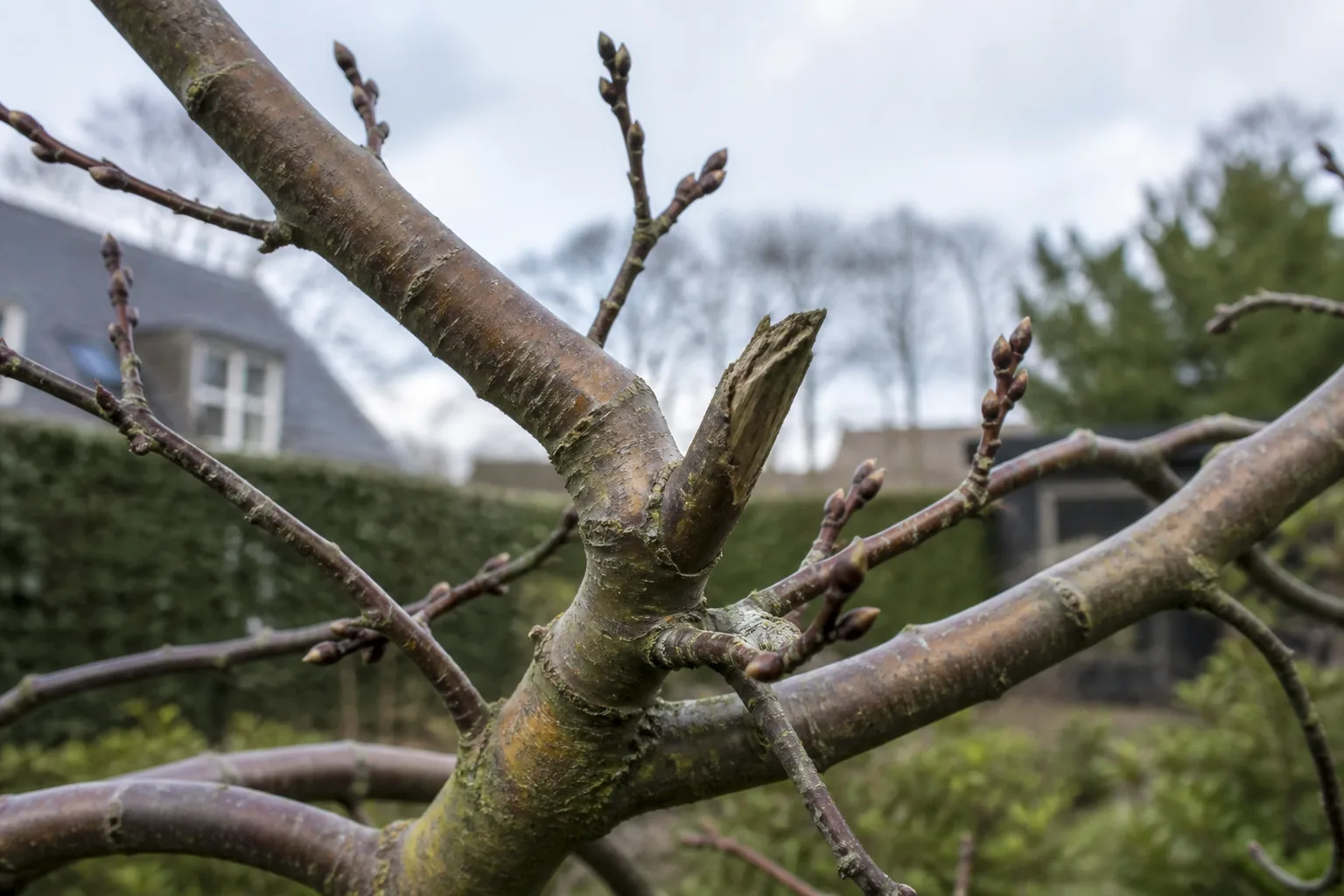
The RHS advice on early-flowering shrubs places most spring bloomers in Pruning Groups 2, 3, and 5: prune immediately after flowering, not in dormancy, so new shoots have all summer to mature and carry next year’s buds.
What “buds set” means on your calendar
“Buds set” sounds technical, but the garden version is simple: the plant committed to next year’s flowers on existing branches. For lilacs, that often happens by early summer after this year’s bloom ends. For azaleas, within a few weeks after flowers fade. Once set, those buds are invisible but present through winter. Cold does not “reset” them. Pruning does.
The two-question test before every winter cut
Run this at the shed door—no app required.
Question 1: Does this plant bloom mainly in spring or early summer on branches that grew last year? If yes, default to after-flowering pruning, not winter renovation.
Question 2: Am I removing live wood for shape or size, or only dead, diseased, damaged, or rubbing branches? Deadwood removal is almost always allowed. Livewood shaping on old-wood bloomers in winter is the bloom killer.
If both answers point to “spring blooms on old wood” and “live shaping,” stop. Mark the plant with twine and revisit after flowers finish. Emergency storm damage is the main exception—remove hazards, accept bloom loss on that stem, and do not compound the error with extra “while I’m here” cuts.
Spring-flowering shrubs you must not prune in winter
These are the plants behind most “where did my flowers go?” emails every April. They are healthy, leafy, and completely bloomless because someone tidied them in January.
Lilacs and other Syringa species
Lilacs (Syringa spp.) are the textbook old-wood shrub. Flower buds form on last year’s growth soon after the current season’s blooms fade. Prune immediately after flowering, shortening spent stems and removing about one-third of the oldest trunks over several years if the shrub is overgrown. Waiting until fall or winter removes every bud destined for next May.
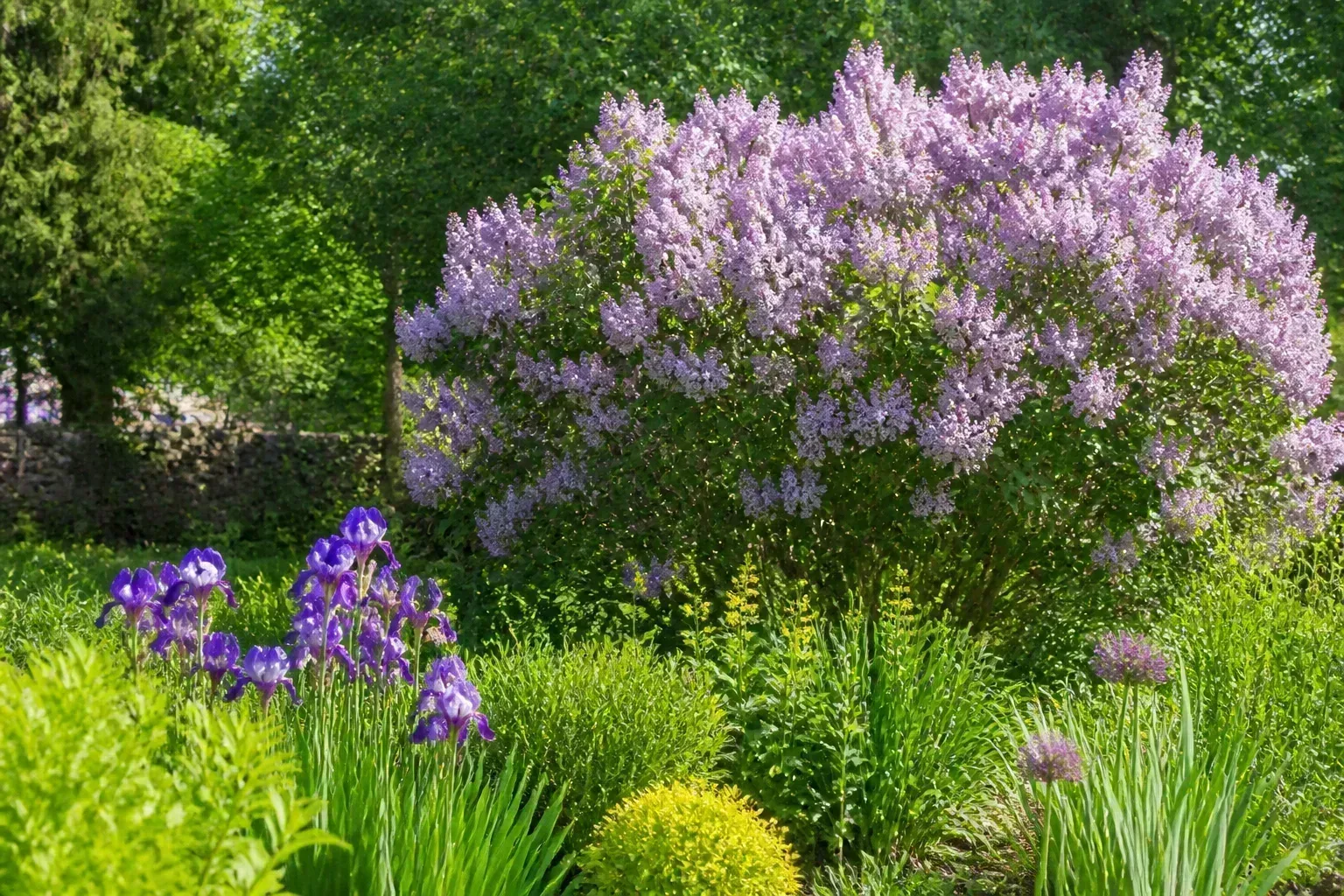
Shape lightly: trim sides a bit harder than the center so new growth stays upright. Remove dead, crossing, and diseased wood first. Epic Gardening’s spring-bloomer roundup notes that next year’s buds begin forming right after this year’s display ends—there is no safe dormant window for size reduction.
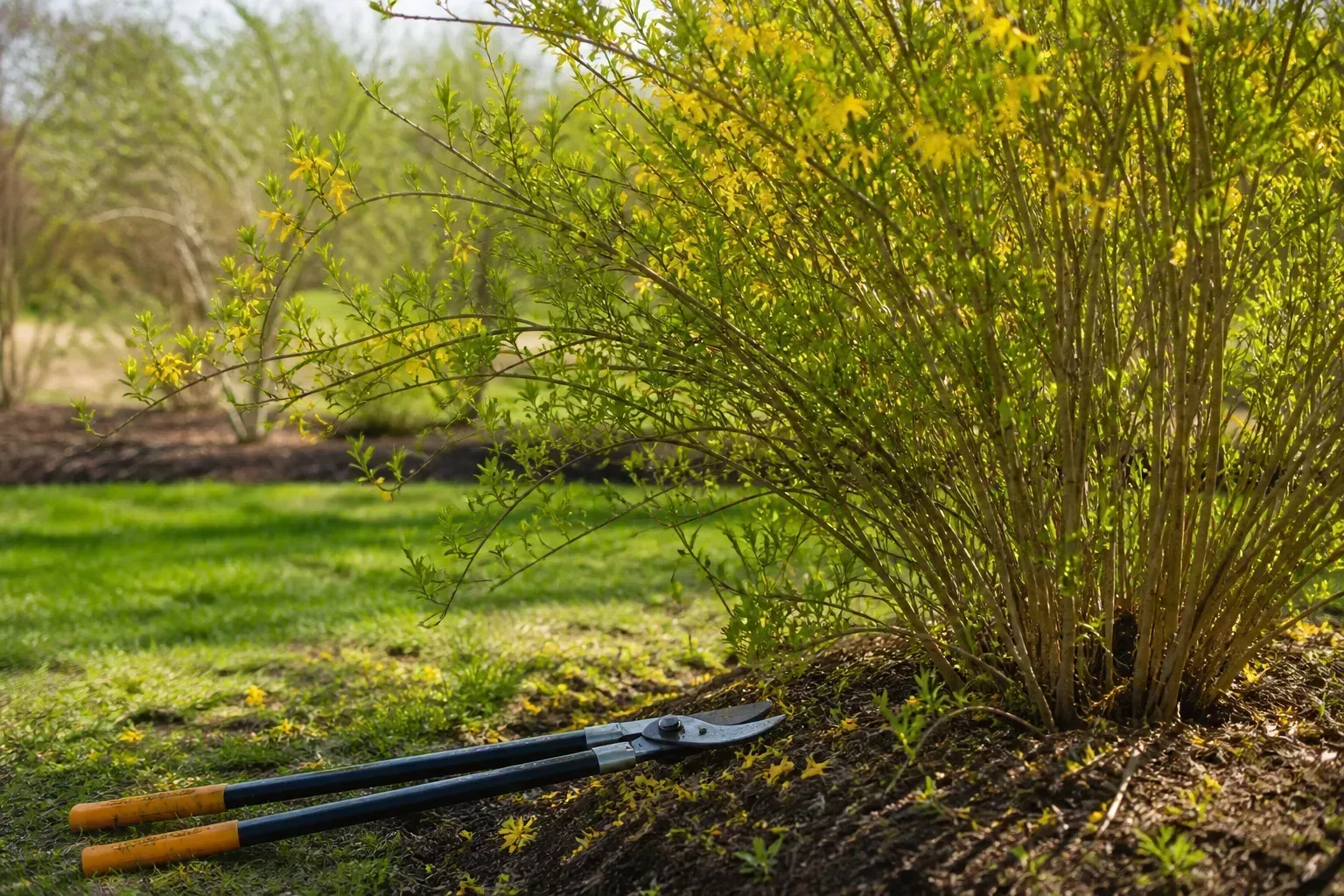
The same rule covers forsythia, mock orange (Philadelphus), weigela, deutzia, and beauty bush (Kolkwitzia): wait until the yellow or white spring show finishes, then prune.
Azaleas and rhododendrons
Azaleas are rhododendrons by botany, and they share timing. Prune for size and air circulation within about three weeks after blooms fade—late spring to early summer depending on variety. After that window, the plant shifts toward setting next year’s flower buds. A winter or fall haircut stunts growth and eliminates spring color.
Light deadheading and removal of damaged shoots are fine anytime. Hard rejuvenation of ancient rhododendrons is a staged, multi-year project best started right after bloom—not in cold months when evergreens cannot easily replace lost foliage. The RHS evergreen shrub pruning guide warns that autumn and winter pruning can unbalance root-to-shoot ratios when regrowth is impossible in cold weather.
Clematis: pruning group decides the season
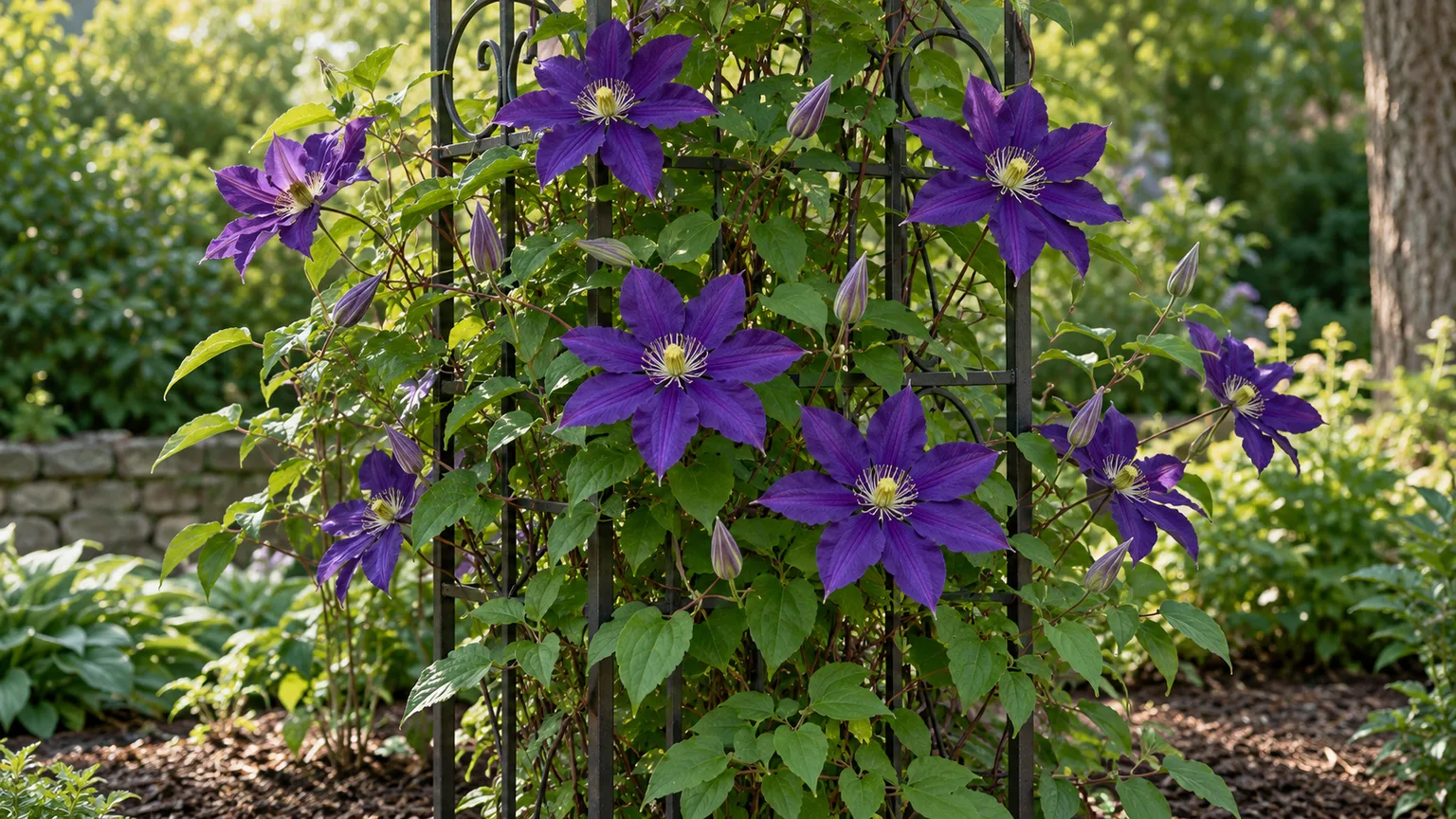
Treating all clematis the same is how you get vines that leaf out beautifully and never flower. Clematis splits into three pruning groups, and winter suitability depends entirely on which one you own.
Group 1 (early spring bloomers such as C. montana and C. alpina): flower on old wood. Prune right after flowering—never a hard winter cut unless you accept losing spring blooms.
Group 2 (large-flowered hybrids blooming mid-spring to early summer): often bloom on old wood with a second flush on new growth. Light shaping after the first flush; avoid aggressive winter pruning of live stems.
Group 3 (summer and fall bloomers such as C. viticella and C. tangutica): flower on new growth. These are cut hard in late winter or early spring before buds swell—often down to strong buds 12–18 inches above ground. This is the clematis group that belongs on your winter task list.
Check your plant tag or variety name before cutting. If you do not know the group, do not hard-prune in winter. The RHS clematis pruning beginner guide walks through identification without guesswork.
Climbing roses and once-blooming antiques
Climbing roses and damask or other once-blooming types need a different clock than repeat-flowering bush roses. Many climbers bloom on older lateral wood. The safest approach is to wait until you see new growth in late winter or early spring so you can tell live wood from dead—then tie, thin, and shorten thoughtfully.
Do not shear climbing roses in mid-winter for neatness. Repeat-flowering modern climbers may take a lighter dormant cleanup, but spring-only antiques should be pruned just after their one flush finishes. Disinfect tools between plants when removing diseased canes; winter moisture helps pathogens travel.
Cherry trees and other Prunus species
Cherry trees sit in two overlapping “do not prune in winter” camps: bloom timing and disease timing.
Sweet and ornamental cherries bloom on wood that formed previously; heavy dormant shaping can reduce flowering. More importantly, Prunus species are vulnerable to silver leaf and related issues when pruned during cool, wet periods. In rainy winter climates, extension guidance often recommends waiting until after flowering or until a dry spell in early summer. In drier regions, very early spring just as growth begins may work better than midwinter.
If you must remove a broken branch in winter, cut back to sound wood, seal nothing (modern advice from the RHS bleeding guide favors natural healing), and skip cosmetic thinning until safer weather. Apples and pears are commonly winter-pruned; cherries are not interchangeable with them.
Maple trees and heavy sap bleed
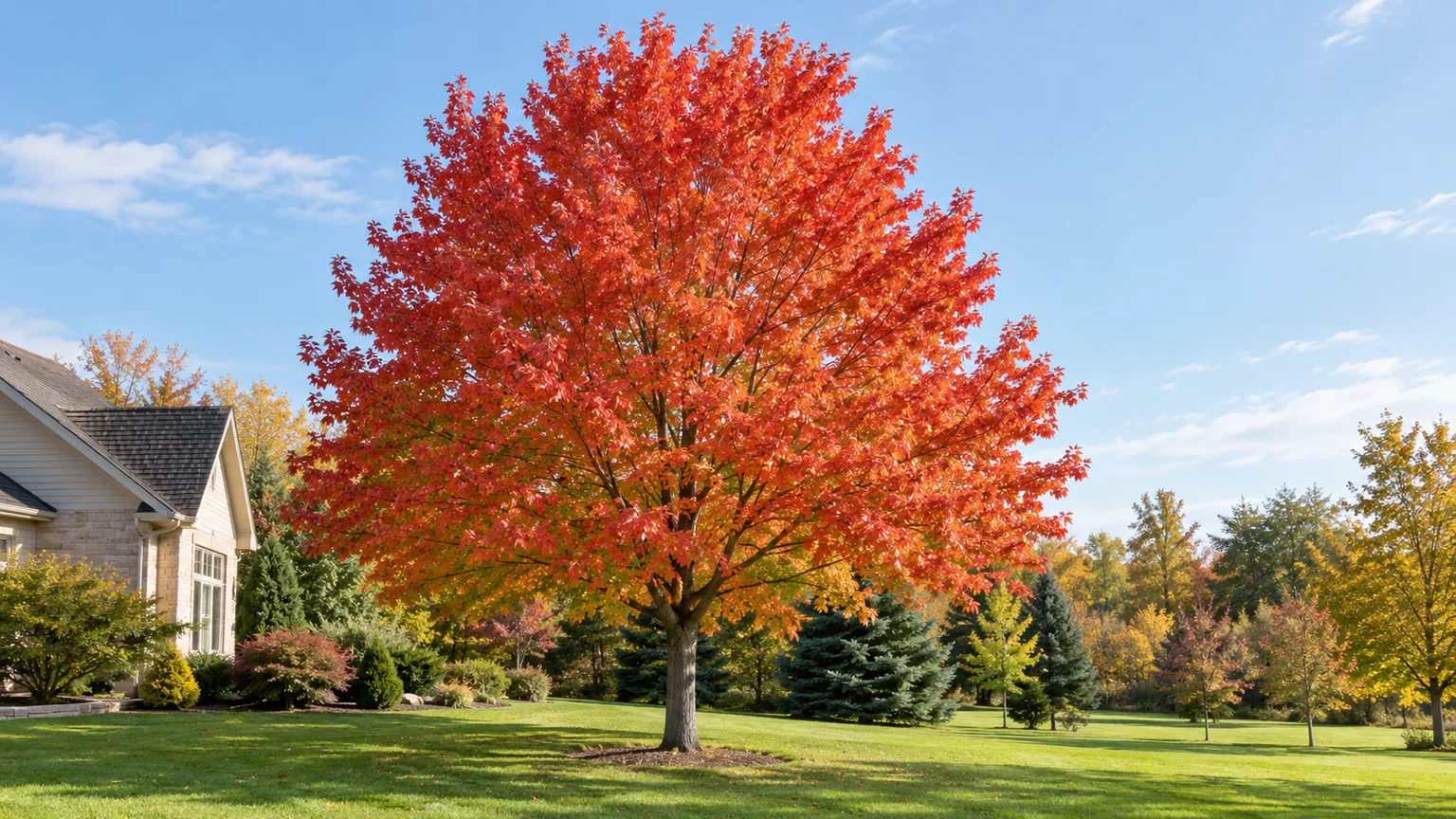
Maple trees—especially sugar, red, and Japanese maples—bleed copious sap when cut while dormant. The flow is usually unsightly, not fatal, but it weakens the tree slightly and makes a mess through March. The RHS notes that pruning at the correct time minimizes bleeding; for maples, that often means late summer after leaves harden, or at minimum after the spring sap rise subsides.
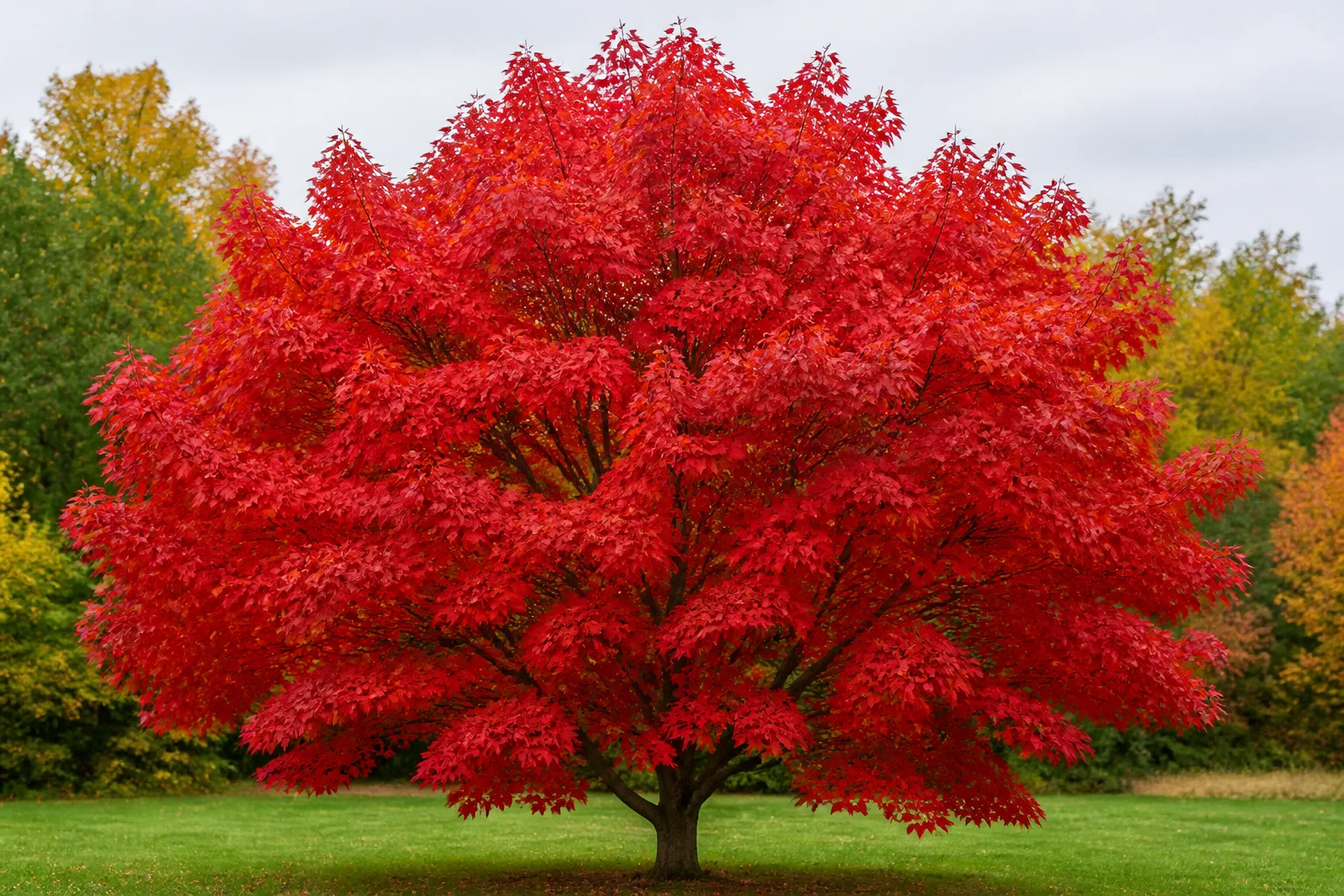
Avoid structural pruning of maples in deep winter and early spring. Limited deadwood removal is fine when safety demands it. If you are pruning for shape, mark branches in summer when the canopy is visible, then return in August.
Lavender types need different calendars
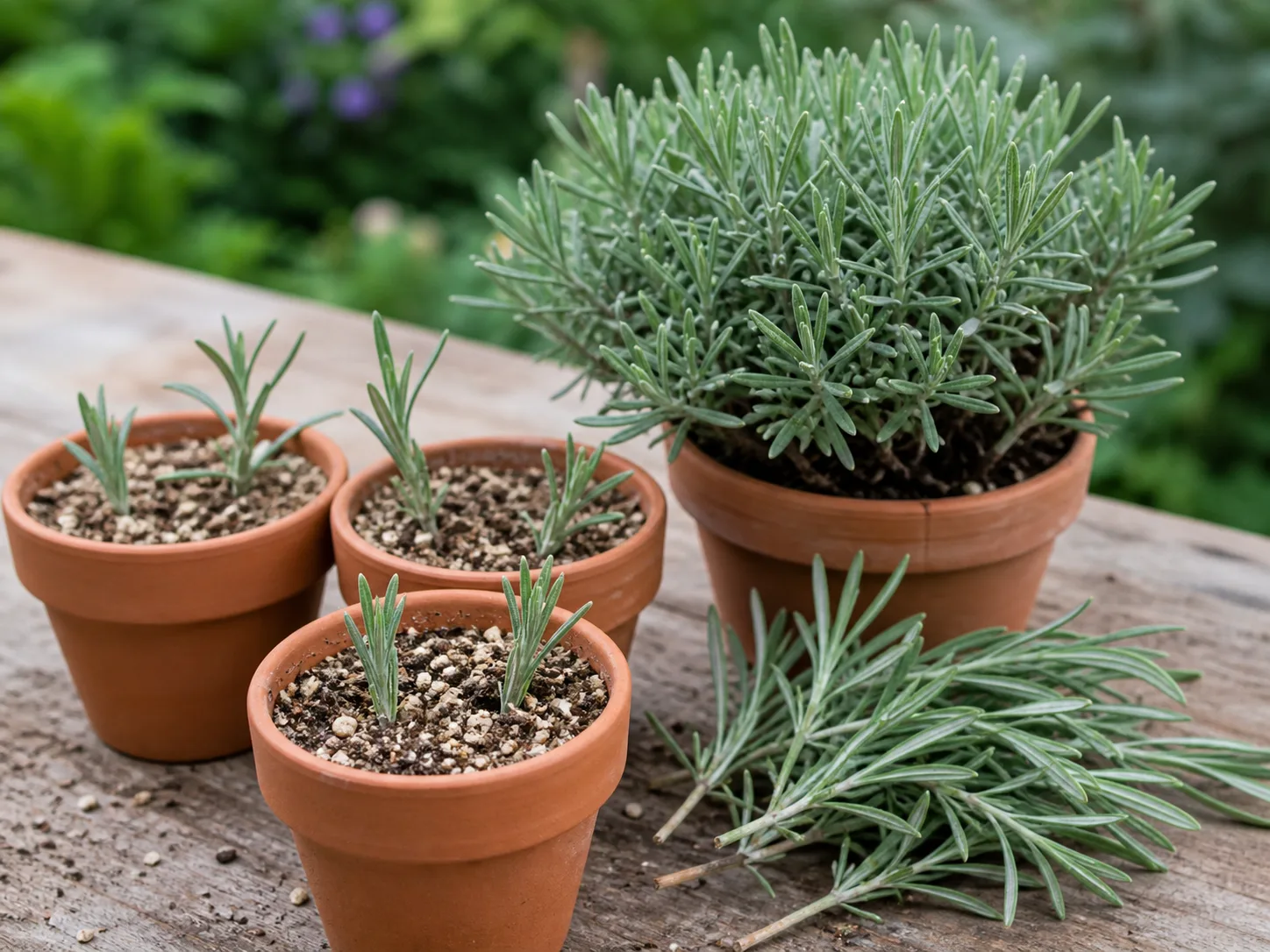
Lavender is another genus where one sentence fails every species. English lavender (Lavandula angustifolia) and many hybrids: light trim after the first bloom in spring, then again after late-summer flowering if you need compact plants. French, Spanish, and tender lavenders (L. stoechas, L. dentata): light trim after first bloom; avoid hard winter cuts that expose semi-woody stems to freeze-thaw damage.
None of the common landscaping lavenders want a hard winter prune. Shearing in January removes bud-bearing tissue and opens bare wood that may not resprout evenly. Spring shaping after you see where live buds break is safer. If stems are truly dead, scratch the bark—brown and dry confirms removal anytime.
Jasmine: summer vs winter bloomers
Jasmine timing splits by species. Summer jasmine (Jasminum officinale and allies): prune immediately after flowering in late summer or early fall to control size and encourage blooms lower on the vine next year. Winter jasmine (J. nudiflorum): blooms on bare stems in late winter and early spring; prune right after that flush in spring, not the previous December.
Confusing the two is an easy way to prune away the wood that was about to carry yellow winter flowers or summer fragrance. Know which vine is on your trellis before you cut.
Coral bells and semi-evergreen perennials
Coral bells (Heuchera) and many semi-evergreen perennials do not need winter cutback. In mild zones the foliage stays ornamental; in cold zones it collapses but still insulates the crown from freeze-thaw cycles and mud splash.
Remove only mushy, diseased leaves. Wait until you see new growth at the base in early spring, then comb out dead foliage by hand or with gentle raking. Power-cutting heuchera crowns in December exposes the plant’s heart to rot when meltwater sits in the center.
Ferns: wait for new fronds
Ferns—lady fern, ostrich fern, autumn fern, and most garden species—carry last year’s fronds through winter. Those brown or bronze remnants protect the crown and hold snow loosely. Cut them back only when new fiddleheads emerge in early spring, or leave them if you like the texture.
Winter pruning of live fern crowns is unnecessary and can invite crown rot in wet soils. A light spring cleanup is enough.
Leave standing for wildlife: milkweed, coneflowers, and sedum
Some plants on winter do-not-cut lists are about blooms; others are about habitat. These perennials are optional to tidy—and often better left up.
Milkweed (Asclepias): monarch caterpillars and other insects use standing stems and leaf litter. Seed floss feeds birds. Cut in spring when new shoots appear at the base, leaving 12–18 inches if you want stem-nesting bees.
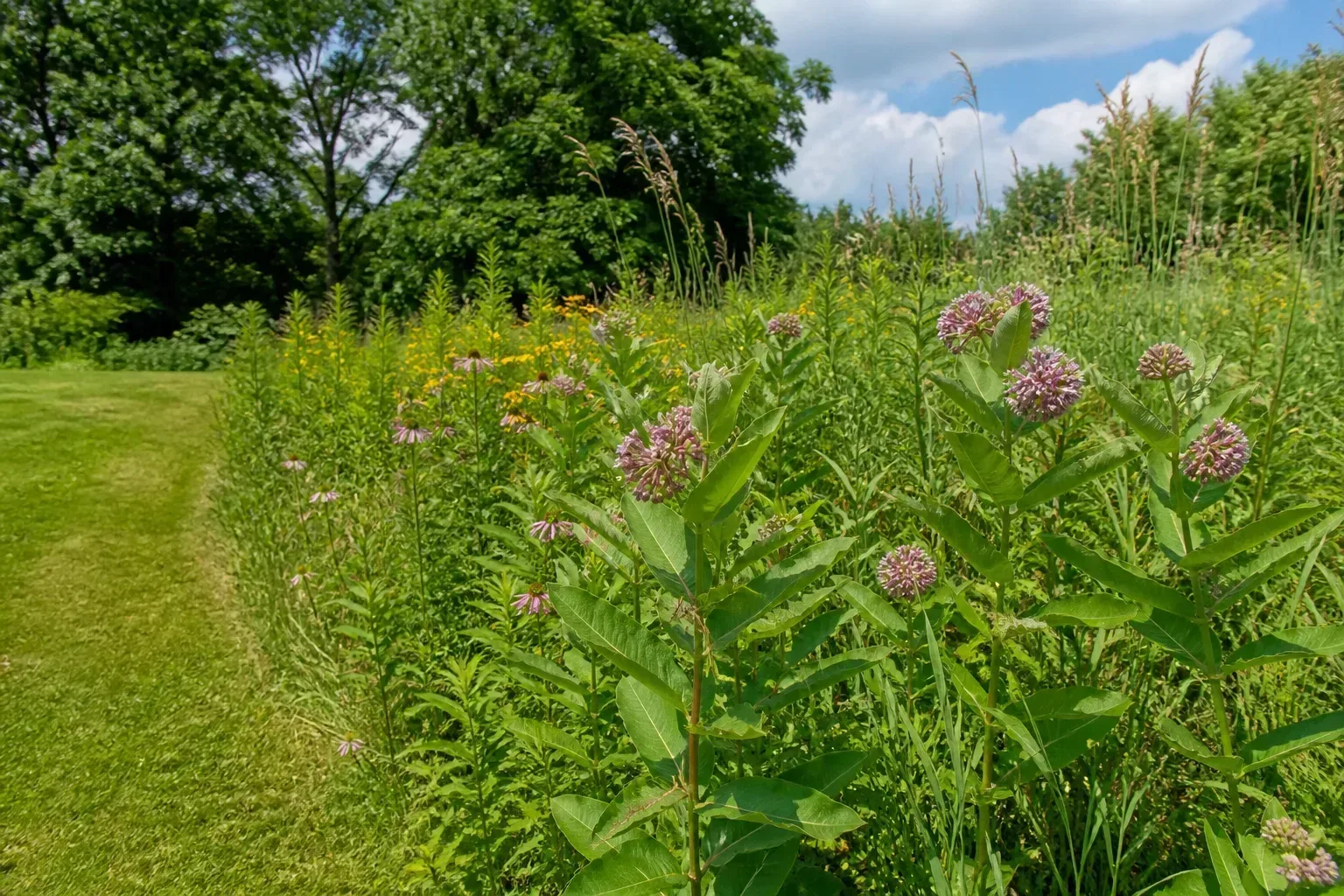
Purple coneflower (Echinacea) and black-eyed Susan (Rudbeckia): seed heads feed goldfinches and other birds through winter.
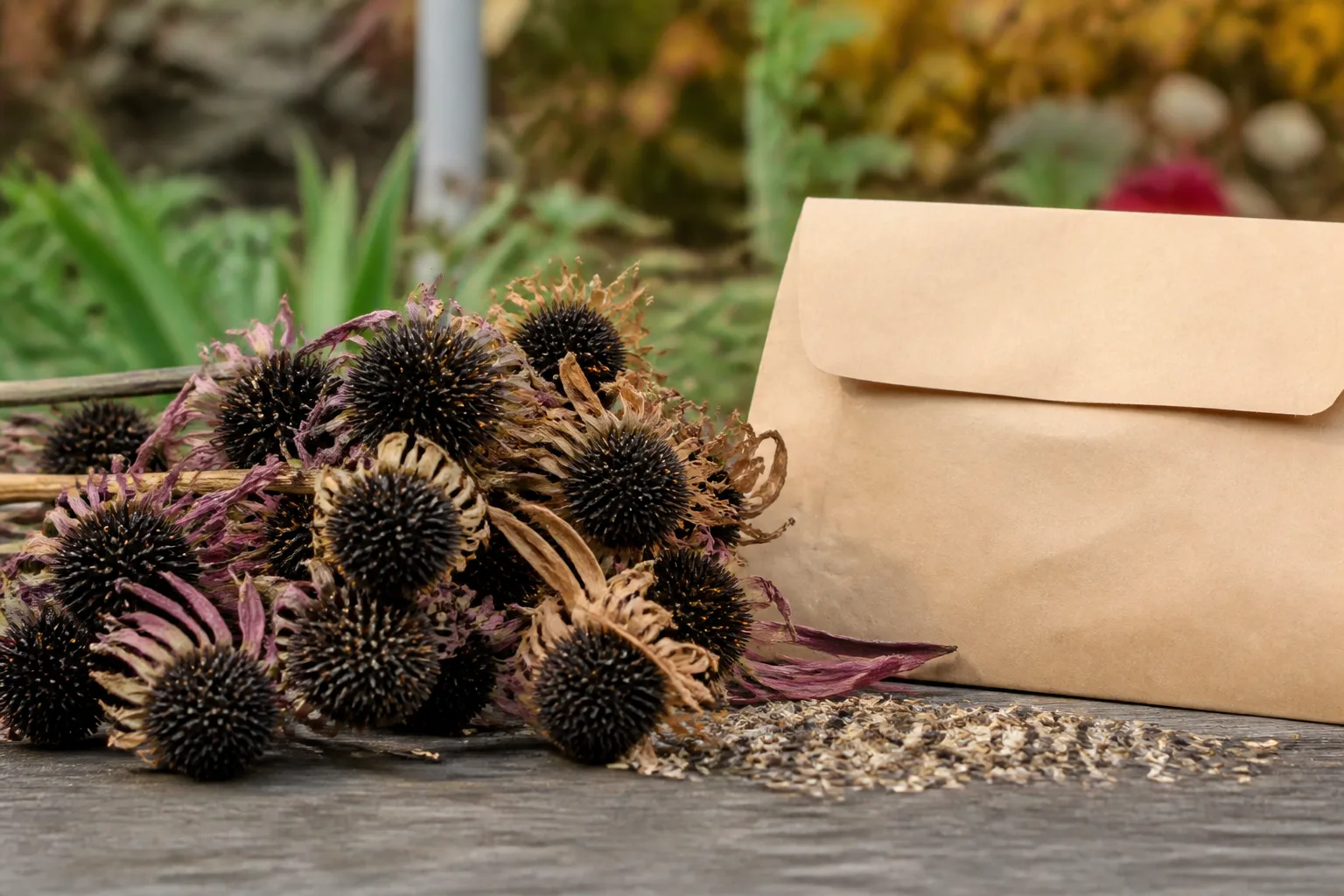 Stems shelter beneficial insects. Fall cutback is a tidiness choice, not a horticultural requirement. If you cut for aesthetics, wait until late winter when insect dormancy is ending, or leave a patch uncut for wildlife.
Stonecrop (Sedum), especially tall upright types: dried flower heads catch frost beautifully and offer perch sites. Cut to new basal growth in early spring when you see green nubs— not in December unless you dislike the look.
The trade-off is honest: neat beds versus ecological value. Many gardeners compromise—cut front-border plants, leave back-meadow patches standing until March.
What is still fair game for winter pruning
Winter is not a pruning blackout. It is a selective season. Productive dormant tasks include:
Summer- and fall-flowering shrubs that bloom on new wood: butterfly bush (Buddleja), panicle hydrangea, rose-of-Sharon, crape myrtle—hard prune in late winter before bud break.
Shrubs grown for winter stem color: red-twig dogwood, willow, and smokebush often get hard cuts in late winter (RHS Group 7) to stimulate vivid young stems.
Many deciduous shade and fruit trees: apples, pears, oaks, and elms are commonly shaped in dormancy—see late-winter pruning principles for structure, safety, and tool hygiene.
Dead, diseased, and dangerous wood on anything: removing a broken limb that threatens a roof line does not wait for June. Just do not use storm cleanup as cover for aesthetic thinning on old-wood spring bloomers.
A month-by-month pruning cheat sheet
Use this as a regional starting point—shift two to four weeks earlier in mild coastal zones and later in cold northern zones.
December–January: Sharpen tools, mulch, plan. Remove hazards only on bloom-sensitive plants. Hard-prune dogwood for stem color if that is your goal.
February: Finish structural work on summer bloomers and fruit trees (not cherries in wet climates). Group 3 clematis hard cut. Still avoid lilac, azalea, rhododendron, Group 1 clematis.
March–April: Maples still bleeding—postpone shaping. Watch climbing roses for live buds before thinning. Ferns and coral bells—hands off live tissue.
May–June: Prime window for lilac, forsythia, azalea, rhododendron, mock orange, and Group 1 clematis—immediately after bloom.
July–August: Cherries and maples if you need summer pruning for disease or sap reasons. Light lavender trims after bloom cycles.
September–October: Summer jasmine after flowering. Optional perennial cutback for tidy beds—skip if wildlife value matters.
November: Put shears away for spring bloomers. Plant bulbs instead.
Conclusion
The winter pruning mistake that kills blooms is not carelessness—it is assuming every dormant plant wants the same haircut. Spring beauty on old wood, summer color on new wood, sap-bleed timing on maples, disease windows on cherries, and seed heads for birds all follow different rules. Run the two-question bud test, know your clematis group, and mark spring-flowering shrubs with twine when you are tempted in January.
Your winter garden work is not wasted. Redirect that energy toward trees and shrubs that reward dormant cuts, sharpen tools, and plan the after-bloom pruning dates that protect next year’s show. The shears can wait. The buds cannot grow back once you have thrown them on the compost pile.