5 Fall Gardening Tasks to Wait On Until It Cools
Learn which fall gardening tasks should wait for cooler soil, dormancy, or a light frost—and what to do now to protect bulbs, crops, soil, and wildlife.
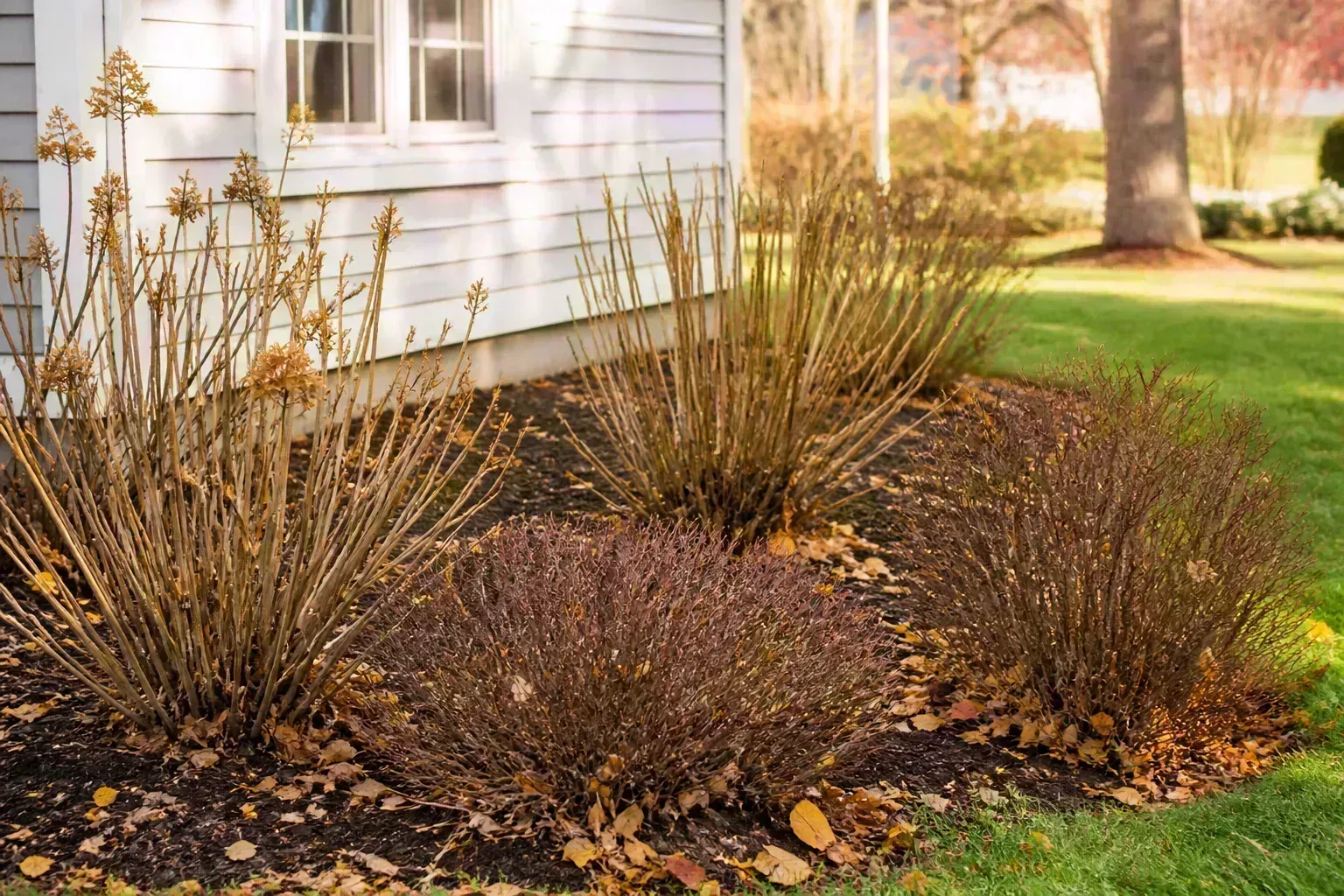
The calendar can say fall while your garden still feels like late summer. Warm soil, balmy nights, active new growth, and dry weather can make an “autumn cleanup” day the wrong day for several jobs.
The useful question is not “Is it fall yet?” It is what cue does this task need? Spring bulbs want cool, workable soil; major pruning is safer when woody plants are dormant; cool-season vegetables need relief from heat but still need enough daylight to establish; and some roots taste better after cold while others should be harvested before a hard freeze. Cleanup is different again: part of it should wait, but diseased material and hazards should not.
Use your local forecast, the plant’s growth stage, and the condition of the soil together. A first frost is a useful signal for some crops, but it is not a universal start button for every fall garden task.
Use weather cues instead of the word “fall”
Before you pick up a shovel or pruners, check four conditions: nighttime temperatures, soil workability, plant dormancy, and the forecast for the next hard freeze. These cues tell you more than a month name because gardens in a coastal, high-elevation, southern, or urban microclimate can move through fall at very different speeds.
“Cooler” also does not mean “as cold as possible.” A light frost is a brief near-freezing event that some hardy crops tolerate. A hard freeze lasts long enough to damage tender leaves, freeze shallow soil, or turn wet root zones into a problem. The response to a light frost may be to cover a bed; the response to a forecast of frozen ground may be to harvest, store, or stop digging.
| Garden cue | Usually safe to consider | Still avoid |
|---|---|---|
| Soil is warm but drains well; nights remain mild | Pull diseased plants, prep beds, order bulbs, install hoops | Planting dormant bulbs into hot wet soil, heavy pruning, sowing a slow crop late |
| Soil is cool and crumbly; nights are consistently cooler | Plant spring bulbs, sow or transplant suitable greens, mulch lightly | Treating every crop as frost-proof, disturbing saturated soil |
| A light frost is forecast | Cover hardy greens, harvest tender crops, leave selected habitat | Picking frozen leaves, laying plastic directly on foliage |
| A prolonged hard freeze is forecast | Harvest ready roots and tender crops, secure covers, protect containers | Starting a crop that needs weeks of growth, digging frozen or waterlogged ground |
The Missouri Botanical Garden’s cool-season vegetable guide places many common spring and fall crops in a broad 50–75°F growing range and notes that their frost tolerance differs. That range is a planning aid, not a promise: variety, plant size, wind, moisture, and the length of the cold event all matter.
1. Planting spring bulbs in soil that is still hot
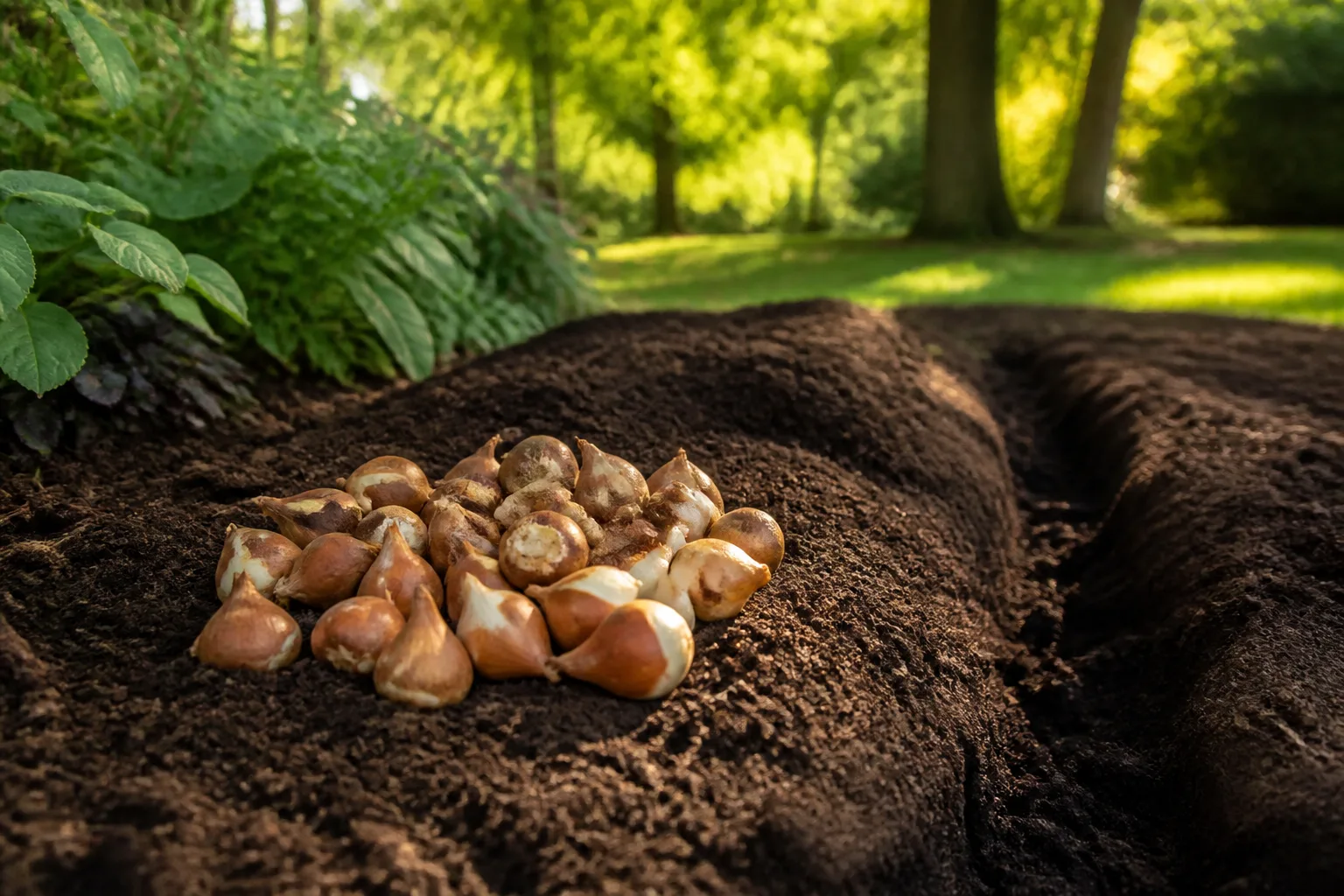
Fall bulbs are not a race to plant on the first cool-looking weekend. Dormant bulbs need time to make roots before winter, but planting them into warm, wet conditions can encourage premature growth or rot, especially in a poorly drained bed. Waiting for the soil to lose its summer heat while it remains workable gives roots a better start without forcing you to wait until the ground is frozen.
Spring-flowering bulbs such as daffodils, tulips, and hyacinths are the familiar examples, while garlic and some onions are edible bulbs with their own local timing. The Royal Horticultural Society’s bulb guide emphasizes that planting time depends on bulb type: many spring-flowering bulbs are planted in early autumn, tulips later in autumn, and tender summer-flowering types at another time entirely. In other words, “fall bulb” is not a single calendar category.
How to tell when a bulb bed is ready
Start with the soil rather than a thermometer reading you found online. Dig a small test hole: if the soil is cool, crumbly, and drains after rain instead of staying glossy and sticky, the bed is moving in the right direction. If the hole is warm, saturated, and smells sour, improve drainage or wait for a drier window instead of burying expensive bulbs in a rot-prone pocket.
Buy firm, heavy bulbs with intact skins and no soft spots. The RHS advises choosing large, undamaged bulbs and planting dormant stock around its proper planting time rather than holding it for months. A bulb that is already soft or moldy will not be rescued by perfect timing.
Prepare the bed before the temperature cue arrives. Loosen compacted soil without turning a wet clay bed into bricks, remove perennial weeds, and use finished compost only if the soil needs organic matter. Most bulbs prefer free-draining soil; a raised or gently sloped bed is safer than a low spot where autumn rain pools.
Plant to the packet’s depth, because “deeper is always better” is not a reliable bulb rule. As a general RHS guide, many true bulbs and corms are planted at about three times their height, but the label for the specific bulb wins. Water once to settle the soil, then avoid keeping the bed constantly wet.
If you are late, plant into cool workable soil as soon as you can rather than waiting for the first hard freeze. A late bulb may flower less reliably, but a frozen planting hole removes your options altogether. In a warm climate, the correct wait may be for a cooling trend and better drainage, not for frost.
2. Clearing every leaf and stem from the garden
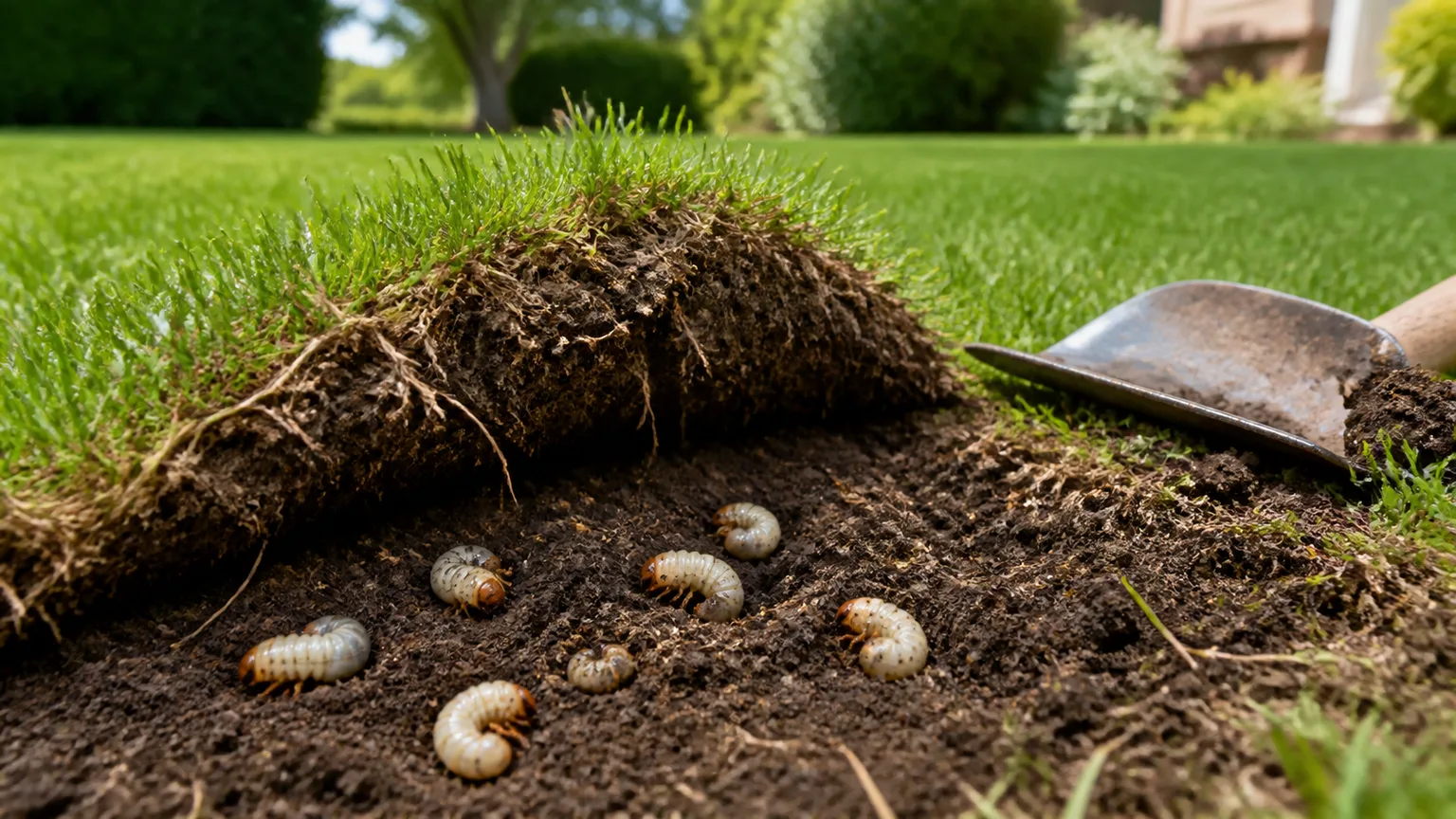
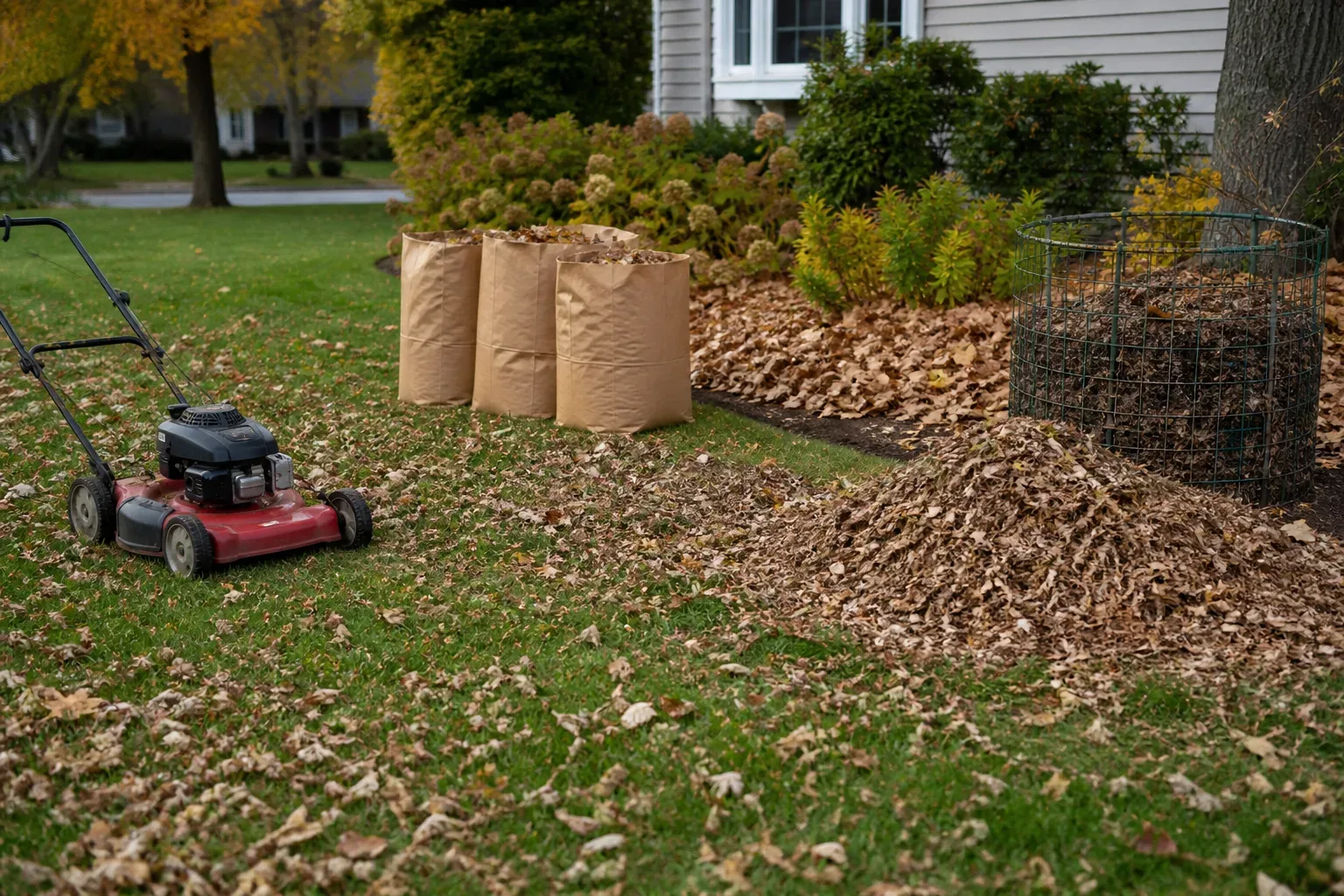
A totally bare garden can look finished, but it is not automatically healthier. Fallen leaves, standing perennial stems, and seed heads can provide winter shelter, food, and cover for wildlife while slowly returning organic matter to the soil. The Missouri Botanical Garden’s October guidance recommends leaving fallen leaves around garden beds for wildlife, while also recommending leaf removal from lawns and cleanup of infected foliage where disease could overwinter.
The better approach is a selective cleanup, not a choice between doing nothing and raking every surface. Let healthy leaf litter remain in ornamental beds under trees and shrubs, leave some sturdy stems and seed heads standing, and move excess leaves into a compost pile or shred them for mulch. At the same time, keep paths, drains, gutters, lawn crowns, and steps clear so leaves do not create slippery surfaces or smother turf.
What to remove now and what to leave
Remove material that is diseased, slimy, collapsed onto a plant crown, or blocking a walkway. If a plant had a recurring leaf spot or severe mildew, do not spread its infected leaves as a blanket over the same bed unless you know your compost system reaches conditions that reliably break down pathogens. Bagging is not the only option, but “natural” does not mean moving a disease problem around the garden.
Leave healthy stems when they offer structure or seed. Hollow stems can shelter overwintering insects, and seed heads feed birds when other food is scarce. The exact amount to leave depends on your garden’s look and wildlife goals; a few intentional patches are enough to make the bed less sterile without turning every border into a tangled hazard.
Do not pile wet leaves against crowns, trunks, siding, or the base of a woody plant. A loose layer can insulate soil, but a dense, soggy mat can hold moisture against stems and block air. Keep mulch in a donut around trunks rather than a volcano, and keep it thin enough around fall-planted bulbs and garlic that shoots are not buried.
Healthy vegetable residue can often be chopped and composted, but inspect it first. Pull plants with obvious disease, remove fallen fruit that is rotting, and leave healthy roots in the ground when they can decompose without harboring a known problem. A nonprofit composting guide from Let’s Go Compost also recommends using finished compost and keeping living roots in the ground where practical, ideas that protect soil rather than treating fall as a waste-removal season.
3. Pruning before woody plants are dormant
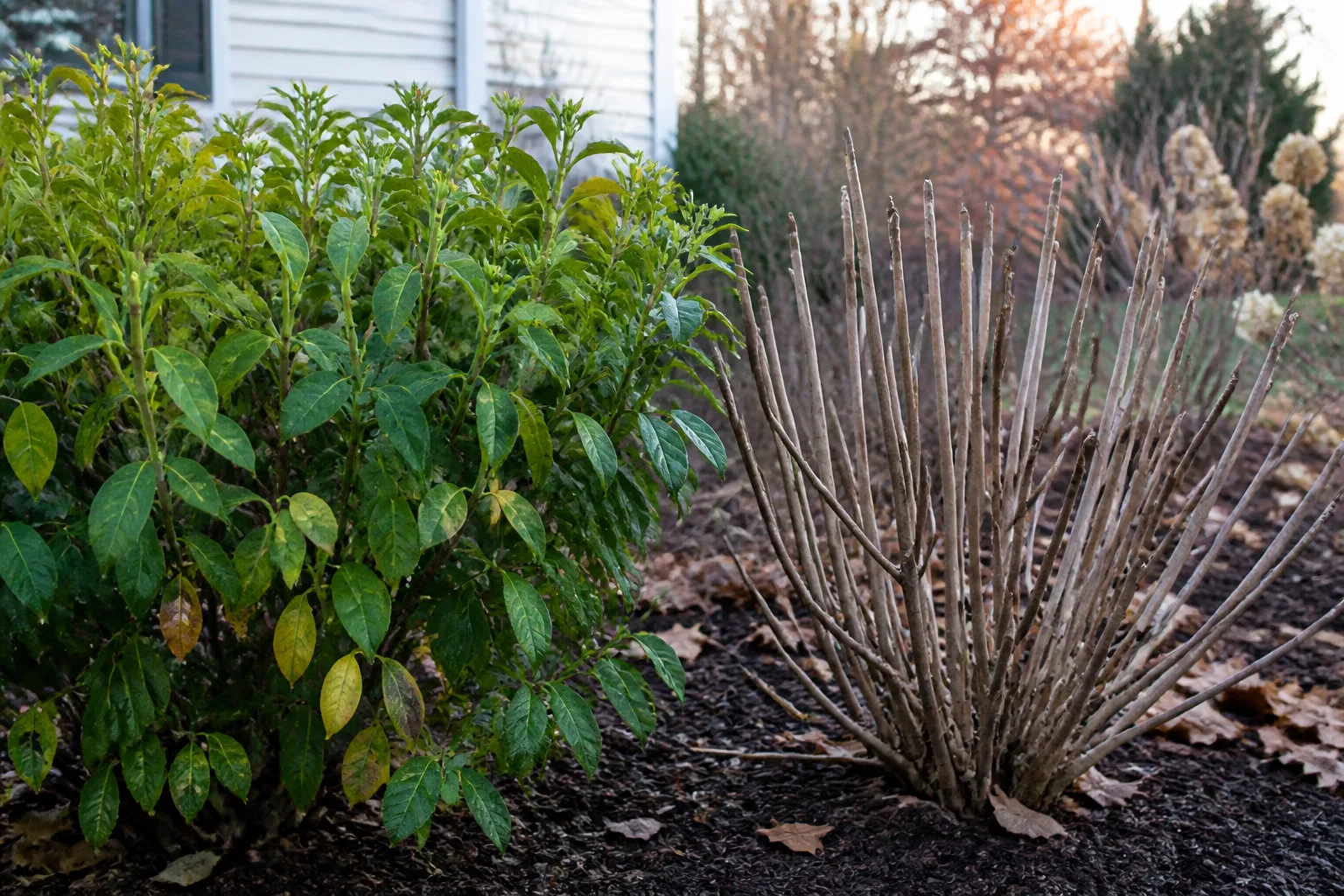
Cool air alone does not mean a shrub or tree has entered dormancy. If a deciduous plant is still pushing soft new shoots, holding green leaves, or responding to warm weather with fresh growth, a hard shaping cut can stimulate tissue that will not have time to mature before cold arrives. That new growth is more vulnerable than older, hardened wood.
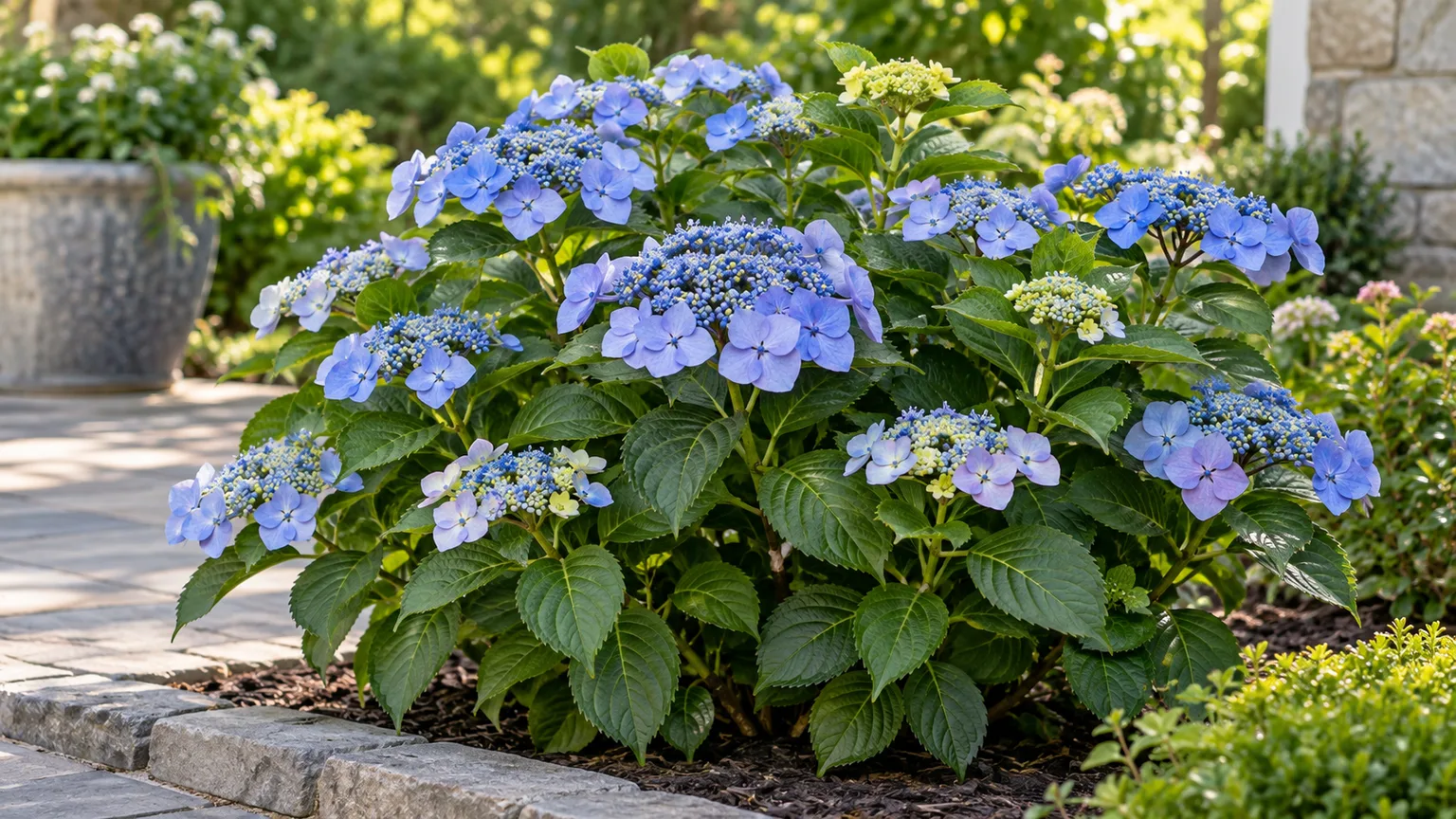
For most major cuts on deciduous woody plants, wait until growth has stopped and the plant is genuinely dormant—often after leaf drop, not simply after the first chilly morning. Timing still depends on the plant. Spring-flowering shrubs may already have next year’s flower buds, and fruit trees have structural and disease considerations that make a blanket fall-pruning rule risky.
The BBC Gardeners’ World Magazine guide to autumn pruning shows why the category is mixed: some fruit bushes, selected perennials, Mediterranean shrubs, hedges, and dormant ornamental trees can be pruned in autumn, while the specific cut and timing vary by plant. Use the plant’s pruning window, not the fact that the calendar has turned September or October.
The pruning exceptions that should not wait
Dead, broken, diseased, or rubbing branches are safety and plant-health work. Remove them when conditions allow, using a clean, sharp tool and making a sound cut outside the damaged area. Branches threatening a roof, utility line, or person need qualified help rather than a ladder-and-pruner improvisation.
Some plants need a light trim before winter because a late hard cut is more damaging. Mediterranean herbs such as rosemary and lavender can suffer if cut deeply into old wood or pruned hard in cold, wet conditions. Gardeners’ World recommends light shaping after flowering but before winter for suitable shrubs and specifically warns against cutting into old wood; the right action is a modest tidy, not a renovation cut.
Perennials also need judgment. Cut back plants with diseased foliage or stems that collapse into a wet crown, but keep attractive seed heads and selected standing stems for winter interest and wildlife. If you are unsure, remove only clearly dead material now and save the structural cut for a dormant window when you can identify the plant’s buds and framework.
Avoid pruning simply because a shrub looks untidy. The Gardening Know How pruning guidance cautions against fall cuts on spring-blooming plants, roses, and apple, cherry, and pear trees when those cuts could encourage tender growth or remove future flowers. Its practical rule is useful: know what you are cutting, what it blooms on, and how much time remains for the cut to heal and harden.
4. Starting cool-season crops while heat still lingers
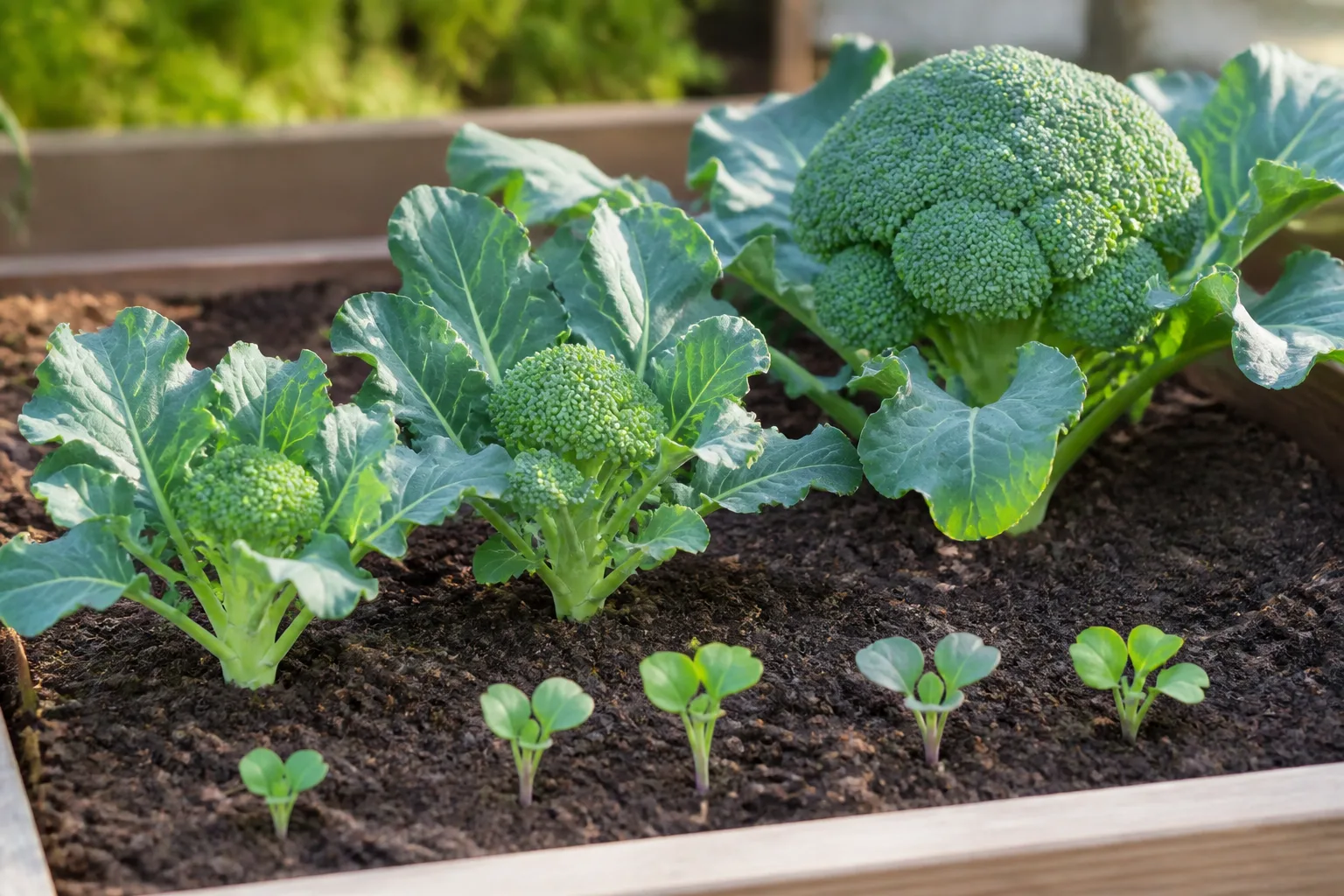
Cool-season vegetables are not automatically “late fall crops.” Broccoli, cauliflower, spinach, lettuce, kale, and other greens benefit from relief from summer heat, but they still need enough light and time to establish. Starting too early in hot weather can produce bolting, bitter leaves, pest pressure, or seedlings that wilt faster than you can water them; starting too late can leave a crop undersized when growth slows.
The Missouri Botanical Garden’s crop guide lists heat sensitivity and frost tolerance crop by crop. It identifies radishes as fast-growing and best direct-sown, broccoli and cauliflower as longer-season crops, lettuce as sensitive to hard frost, and kale as frost-tolerant. Those differences are more useful than putting all “cole crops” on one planting date.
Match the crop to the remaining daylight
Start with days to maturity, then add time for short days and cool nights. A seed packet’s number is usually measured under favorable growing conditions; a crop planted as daylight fades may take longer. If only a few weeks remain before a hard freeze, choose baby leaves, quick radishes, or sturdy transplants rather than expecting a seed-grown broccoli head.
Broccoli and cauliflower deserve special caution because they need time to build a substantial plant before forming a head. In a warm region, a late-summer or early-fall transplant can settle as the heat breaks. In a cold region, a late fall sowing is usually a poor bet unless you have a protected structure and a cultivar suited to that schedule.
Spinach and lettuce are more flexible, but their limits differ. Spinach can keep producing in cool conditions, while lettuce is more vulnerable to a hard freeze and may need a row cover. Direct-sow into a fine, moist seedbed when the soil is cool enough for germination; if the soil is cold and wet, use a healthy transplant or wait for a workable window rather than watering a seedbed that cannot breathe.
Planting in heat is not always wrong. You can sow a crop early if you provide shade, moisture, and pest protection, but that turns a simple fall planting into a management project. Waiting for cooler conditions is sensible when you want the weather to do the work of reducing heat stress, not because every seed must wait for frost.
Cover should be ready before the first cold night. A floating row cover can reduce wind and overnight heat loss, but it is a buffer, not a heated greenhouse. Secure it over hoops, keep it off wet foliage where possible, vent a tunnel on sunny days, and remove it briefly when irrigation or harvest requires access.
5. Harvesting hardy root crops before cold improves flavor
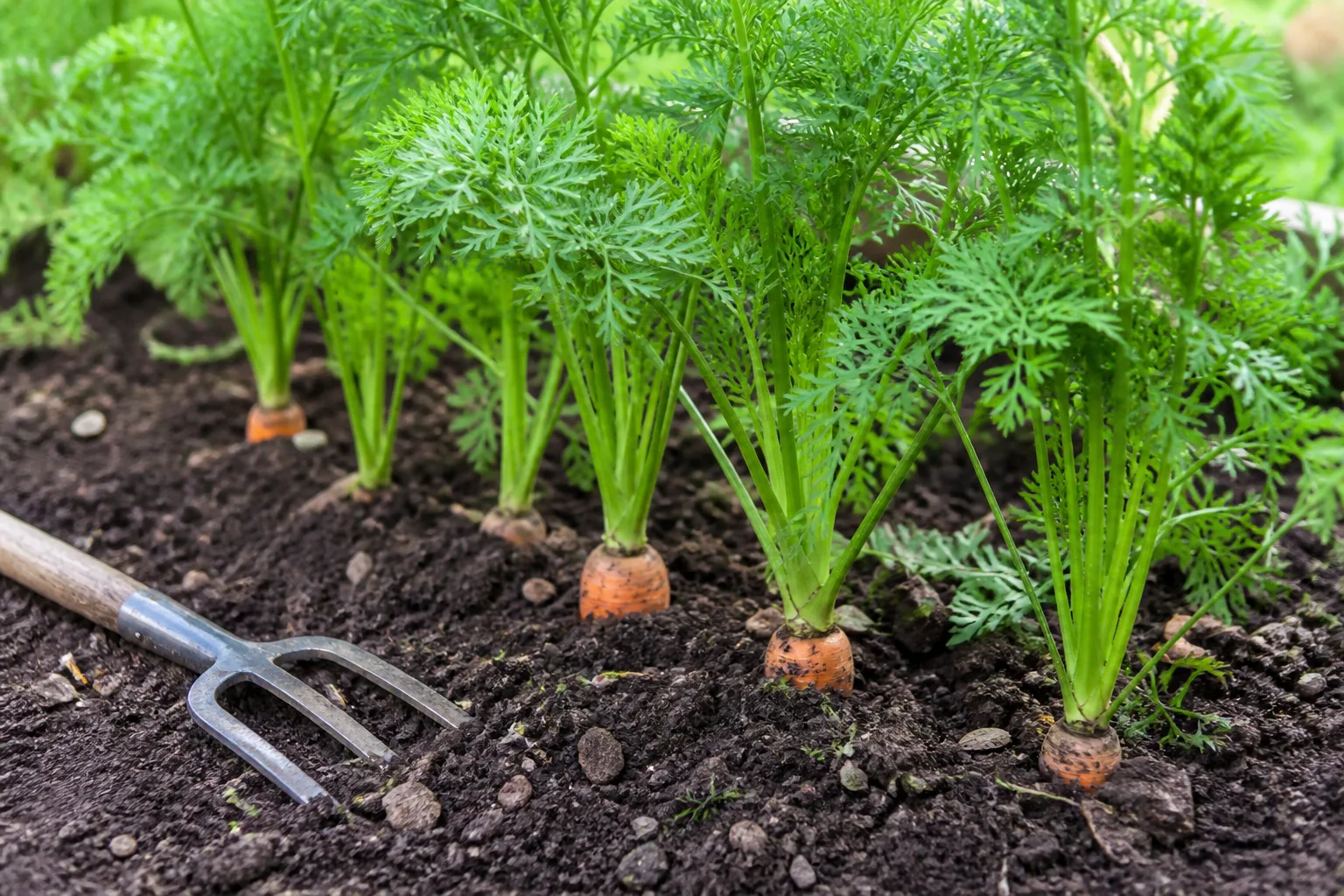
Some fall roots are worth leaving in the ground through a light frost. Carrots, beets, turnips, rutabagas, and parsnips can tolerate cool weather, and many gardeners notice a sweeter, less sharp flavor after the plants have experienced cold. But the crop must be mature enough first. Cold cannot turn a tiny, late-sown root into a finished harvest.
The “frost makes vegetables sweeter” explanation needs one correction: the frost crystal is not a seasoning. As Epic Gardening’s farmer-written guide on cold-season vegetables explains, cold temperatures can cause hardy plants to concentrate simple sugars in their cells, a protective response that helps reduce freezing injury. Gardening Know How’s explanation of winter sweetening makes the same distinction and lists carrots, turnips, rutabagas, beets, brassicas, and leafy greens among crops that may benefit.
Which roots can wait and which crops should come out
Leave mature carrots, parsnips, beets, turnips, or rutabagas in cool, well-drained soil when the forecast calls for light frosts and the ground remains workable. Mulch can moderate temperature swings, but do not cover a wet crown with a dense blanket or assume a mulch layer will make an unprotected crop safe through a prolonged freeze.
Harvest before the ground freezes solid, especially in heavy soil where roots become difficult to lift and may be damaged by repeated freeze-thaw movement. Pulling roots after they are frozen can leave you with cracked, bruised, or mushy produce. If a hard freeze is coming, harvest what is ready, brush off loose soil, remove leafy tops, and store the roots according to the crop rather than gambling on another warm spell.
Potatoes are the important exception to the sweetness rule. They are underground, but cold-induced sugar accumulation is undesirable for the way potatoes are usually cooked and stored. The Penn State Extension explanation of ways to use and handle root vegetables also separates potatoes from taproots, tubers, and bulbs as different root-vegetable categories; do not treat a potato bed like a carrot bed just because both grow below ground.
Root crops also need the right soil before planting. Carrots and parsnips fork in rocky, cloddy ground, while beets and turnips need enough room to swell. If you are just now considering a root crop and the first hard freeze is close, choose a quick crop or a protected bed instead of sowing a long-season variety that cannot size up.
Harvest greens after they thaw. Frozen leaves can bruise and turn limp when handled, even when the plant itself survives. Pick in the afternoon after the foliage has warmed and dried, and keep covers secured for the next cold night.
A fall timing table for warm, cool, and freezing weather
Use this as a short decision guide, then check the plant label and your local frost forecast. The same date can be early in one garden and too late in another.
| Task | Wait for | Act sooner when | Stop or change course when |
|---|---|---|---|
| Spring bulbs | Cool, workable, well-drained soil | Bulbs are softening in storage or a freeze is approaching | Soil is frozen or the bed stays waterlogged |
| Garden cleanup | Plants have finished their display and leaf fall is underway | Material is diseased, hazardous, or blocking drainage | You would remove healthy habitat simply for tidiness |
| Major pruning | True dormancy and the plant’s recommended pruning window | Dead, broken, diseased, or dangerous wood needs removal | The plant is still actively flushing or the forecast is sharply cold |
| Cool-season crops | Heat has eased but enough daylight remains | A healthy transplant is available and the crop can mature under cover | The crop cannot reach useful size before a hard freeze |
| Root harvest | Maturity plus cool weather or a light frost | A hard freeze, prolonged rain, or cracking is forecast | Soil is frozen solid or roots are undersized |
This table reveals why a single first-frost date is not enough. You may plant bulbs after nights cool, leave stems after a frost, prune only after leaf drop, cover broccoli before a freeze, and harvest potatoes before the event—all in the same week.
Common timing mistakes that cost plants and harvests
The first mistake is treating a hardiness zone as a day on the calendar. Zones describe broad winter minimums, not the exact date your soil cools or your first hard freeze arrives. A low bed beside a warm wall, a windy exposed slope, and a shaded clay pocket can each behave differently from the weather station.
The second mistake is adding water to solve every fall problem. Seeds need moisture to germinate, but saturated soil holds less air around roots and stays cold longer. Check drainage before watering a late crop, especially after tropical rain or in heavy clay.
The third is using plastic as if it were frost cloth. Plastic touching leaves can transfer cold and trap condensation, and a sunny day can turn a low tunnel into a hot box. Use hoops, breathable row cover, and ventilation; if you must use plastic, keep it supported off the foliage and manage it actively.
The fourth is pruning by appearance alone. A messy shrub may be carrying flower buds, food for birds, or stems that will protect its crown through winter. Identify the plant and its bloom wood before making a major cut.
The fifth is confusing a light frost with permission to ignore the forecast. Hardy crops may tolerate one brief event and still be damaged by wind, wet foliage, or several nights below freezing. Covering early is easier than trying to revive a crop after a hard freeze.
Finally, do not wait so long that the task becomes impossible. “Wait for cooler weather” does not mean wait for frozen soil, a collapsed plant, or a week of rain. Keep checking the bed: once the cue arrives, act while the ground is workable and the plant is still in good condition.
What to do today if the garden is still warm
There is plenty of productive work for a warm fall day. Pull weeds before they seed, remove diseased foliage, clean and sharpen tools, repair raised-bed edges, clear drains and paths, order bulbs, and build low-tunnel hoops. You can also map where the low autumn sun reaches, mark plants that must not be pruned, and record which areas stayed wet during summer.
Prepare without committing too early. Spread a modest layer of finished compost on a bed that is not waterlogged, but do not till heavy wet soil; gather shredded leaves and straw for later mulch; and keep healthy plant roots in place when they are not diseased. If a bed will receive bulbs, dig and amend it now so planting takes minutes once the soil cools.
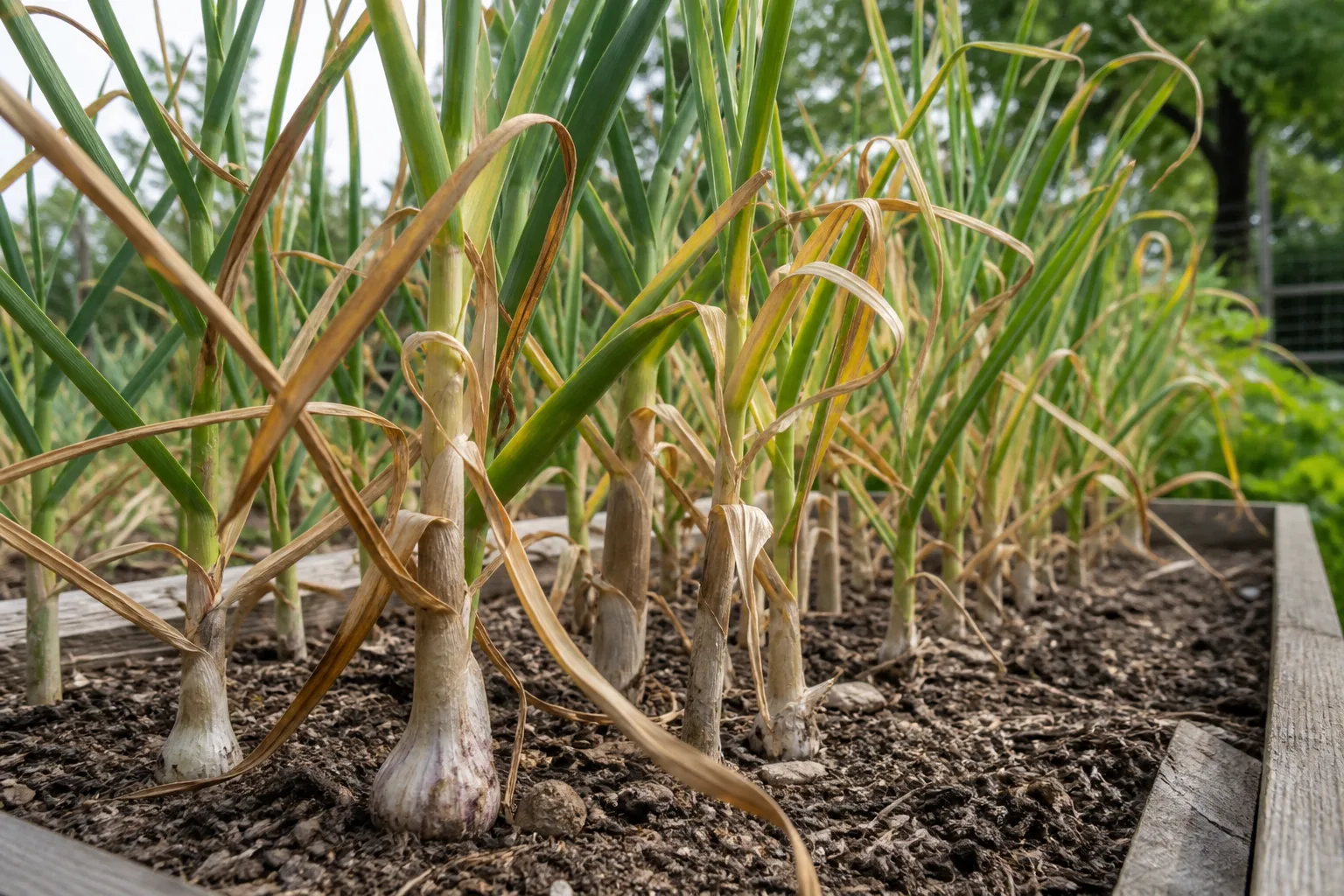
For vegetables, calculate backward from the expected hard freeze. Read the seed packet’s maturity estimate, add extra time for shorter days, and decide whether a cover or transplant makes the plan realistic. If the math fails, grow a quick baby-leaf crop, protect an existing bed, or switch the space to garlic rather than forcing a long-season crop.
When the forecast finally turns, use this order: plant bulbs in cool draining soil; sow or transplant only crops with enough time to establish; cover before the first cold night; leave healthy habitat in selected patches; prune only plants that are in the right window; and harvest tender or mature roots before a prolonged freeze. That sequence keeps “wait” from becoming “missed the season.”
Conclusion
Fall gardening is guided by transitions, not labels. Wait on spring bulbs until the soil is cool and well-drained, delay blanket cleanup so healthy leaves and stems can shelter wildlife, save major pruning for true dormancy, start cool-season crops when heat has eased but daylight remains, and let mature cold-hardy roots experience cool weather without risking a hard-freeze harvest.
The best fall garden is not the one that looks empty by November. It is the one where every cut, planting, cover, and harvest happened in response to the plant and the weather. Keep the soil workable, learn your garden’s microclimates, and let the first real cold spell tell you what is ready to protect, what is ready to harvest, and what is best left alone.