How to Grow and Care for Flowering Ginger
Learn how to grow flowering ginger in beds or containers with species-specific light, watering, soil, feeding, pruning, winter care, and bloom fixes.
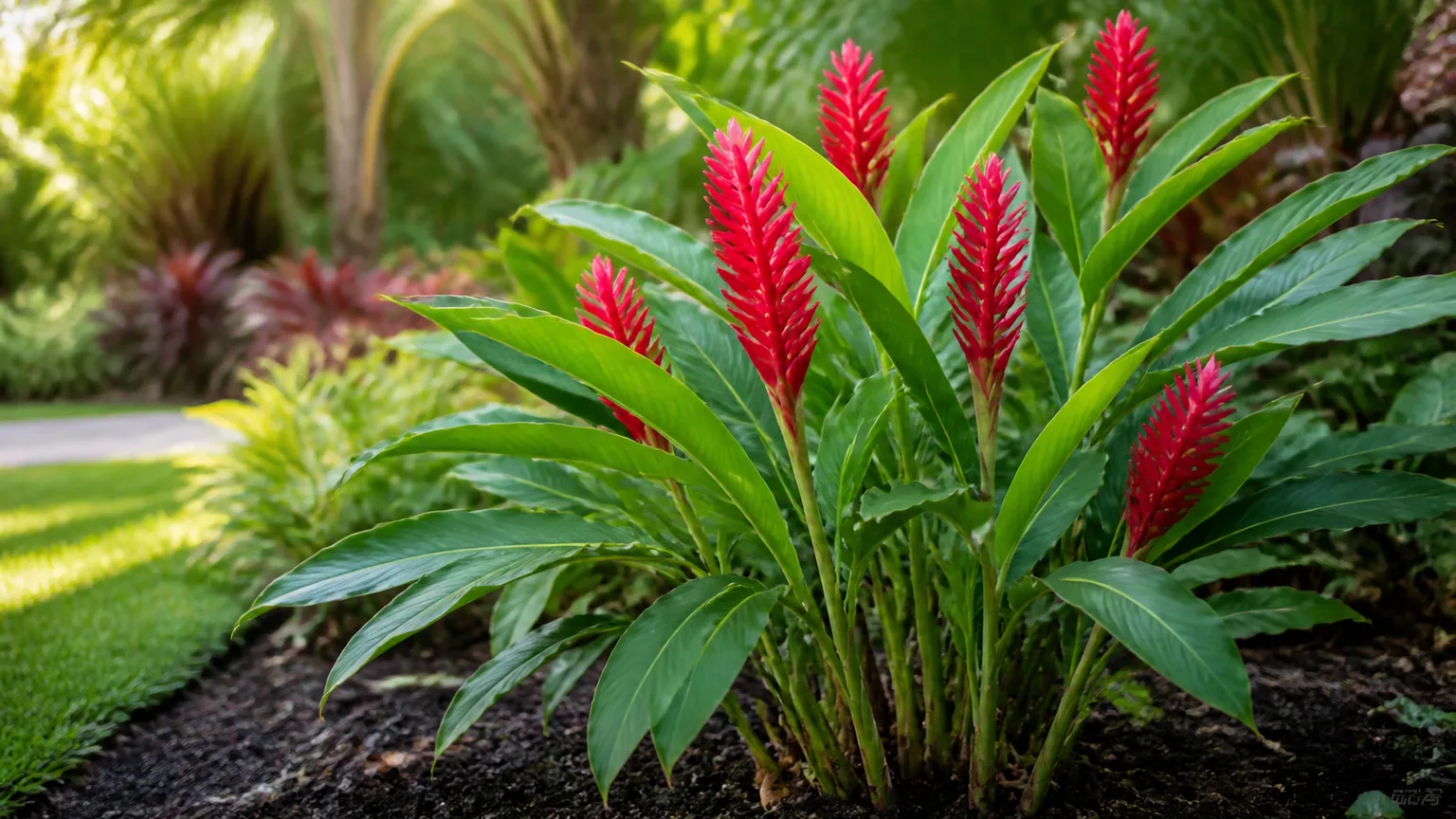
If a plant tag says “flowering ginger,” do not assume it behaves like the ginger root in a grocery store. The name covers a large group of rhizomatous ornamentals, including ginger lilies (Hedychium), spiral gingers (Costus and related genera), beehive and shampoo ginger (Zingiber), torch ginger (Etlingera elatior), and curcuma gingers. They share a love of warmth, organic soil, and steady moisture, but they can differ dramatically in size, bloom season, sun tolerance, and winter survival.
Keep the rhizomes warm, the soil moist but oxygenated, and the foliage in bright filtered light or gentle sun. Choose a plant that fits your winter.
What “flowering ginger” means—and what it is not
Flowering ginger is usually a perennial that grows from a rhizome, an underground stem that stores energy and sends out roots and leafy shoots. The flowers may rise from the leafy stems or emerge on separate stalks from the rhizome. Depending on the plant, the colorful part may be a true flower, a cone of bracts surrounding small flowers, or a long, fragrant spike. That is why two plants sold under the same common name can look and grow nothing alike.
Ornamental ginger is also not automatically edible. Culinary ginger is Zingiber officinale, grown mainly for its aromatic rhizome; many ornamental gingers are grown for flowers and foliage, and some have no culinary value. The University of Wisconsin Extension’s ginger profile makes that distinction clearly and also warns against confusing true ginger with wild ginger (Asarum), which is a different group. Never eat a rhizome simply because a seller used the word ginger.
Choose a species that fits your space
The best flowering ginger is the one whose mature size and winter behavior match the space you actually have. Start with the tag’s botanical name, not the marketing name. If the label gives only “ornamental ginger,” ask the nursery for the genus and cultivar before planting it in the ground.
Useful types to know
| Type | What it offers | Best starting situation | Important caution |
|---|---|---|---|
| Ginger lily (Hedychium spp.) | Fragrant white, yellow, orange, or red flowers, often in late summer and fall | Warm border, large pot, or sheltered courtyard | Hardiness varies; some cultivars tolerate cold while others need winter protection |
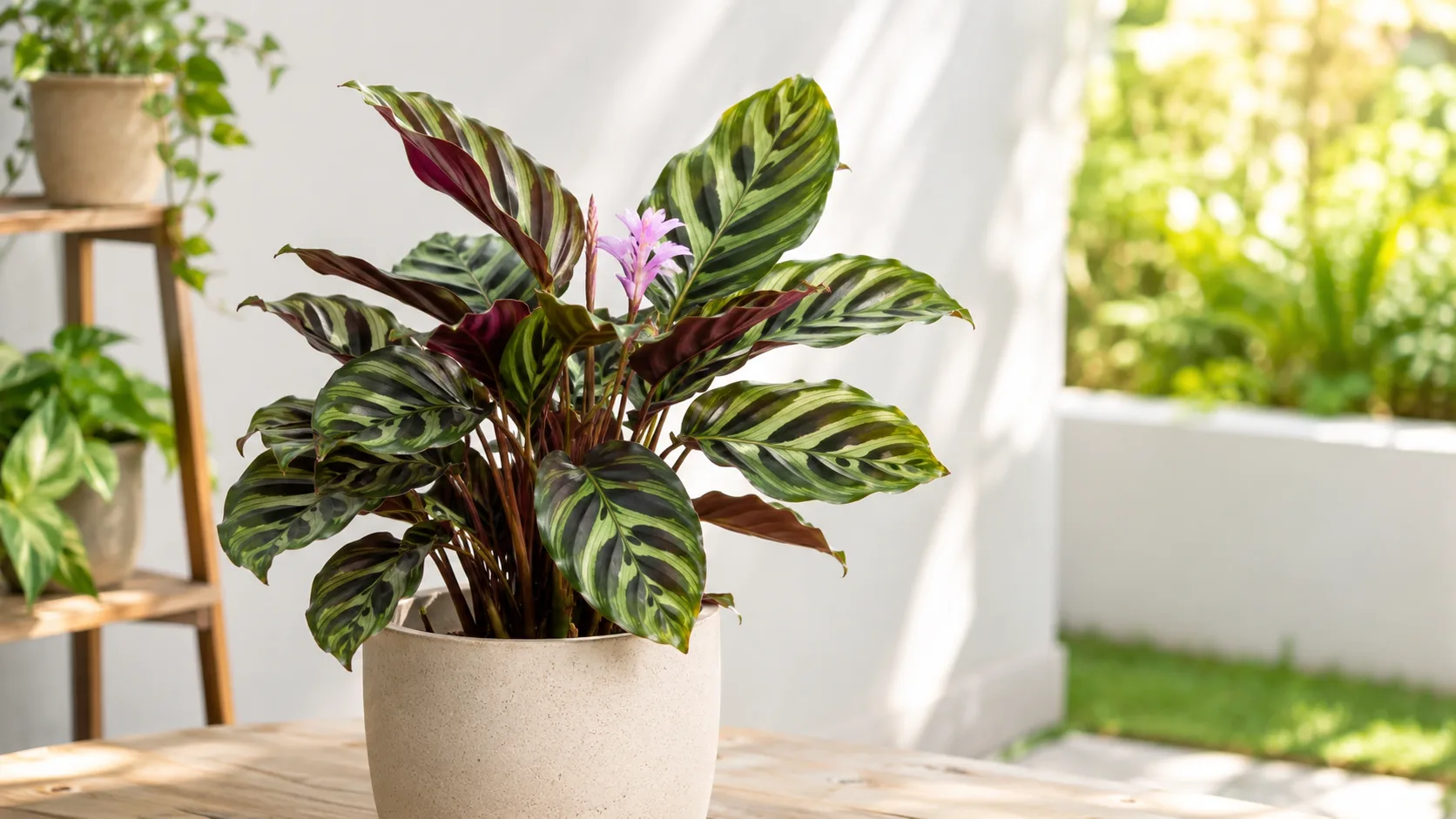
| Spiral ginger (Costus spp.) | Cone-shaped bracts, spiral leaf arrangement, and long-lasting color | Part sun, filtered light, or shade in a moist bed or container | Some clumps spread vigorously; several types can root from stem pieces |
| Beehive or shampoo ginger (Zingiber spectabile, Z. zerumbet) | Architectural cones and tropical foliage | Warm bed or broad container with room for horizontal rhizomes | A plant grown for flowers is not the same as grocery-store ginger |
| Torch ginger (Etlingera elatior) | Large red, pink, or white bracted flower heads on tall bare stalks | Frost-free garden, very large container, or greenhouse | It can reach 6 to 15 feet and is intolerant of frost |
| Curcuma ginger (Curcuma spp.) | Showy bracts and a smaller, often seasonal clump | Warm container or protected bed | Many types go dormant; do not discard the rhizome when foliage dies |
The UF/IFAS guide to spiral gingers is especially useful for recognizing Costus: its leaves spiral around the stems and its flowers sit in colorful, cone-like inflorescences. For a large tropical specimen, the Missouri Botanical Garden profile of torch ginger lists a mature range of roughly 6 to 15 feet tall and 4 to 10 feet wide.
The Epic Gardening overview of flowering ginger varieties is a useful reminder that even within the broad “ginger” label, one plant may prefer full sun while another needs bright shade, and one may stay around 2 feet while another becomes a 15-foot specimen. Use variety roundups to build a shortlist, then verify the exact plant tag before you buy or plant.
Decide between ground, pot, or greenhouse
Plant in the ground when your winters, soil, and available space suit the exact species. An in-ground clump gets better insulation around its rhizomes and can develop into a more impressive display, but it is harder to move, divide, or contain if the plant proves too vigorous. A pot makes the winter decision easier and lets you keep tender types above freezing, but containers dry faster and can become root-bound sooner.
A greenhouse, conservatory, or warm screened patio is the honest middle ground for the largest tropical gingers. If your only indoor location is a cool room with modest window light, choose a smaller, more tolerant ornamental or grow the ginger as a seasonal outdoor plant.
Match the setup to winter temperatures
Use the lowest temperature your plant will actually experience, including a balcony’s wind chill and the temperature beside a cold window. A USDA hardiness zone is a useful starting point, not a guarantee: cultivars differ, wet soil makes cold more damaging, and a sheltered courtyard can be warmer than an exposed bed.
The choices usually break down like this:
- Frost-free or nearly frost-free climate: Plant suitable species in the ground, but reserve room for spread and check local invasive-plant guidance before choosing a vigorous type.
- Light-frost climate: Select a root-hardy ginger lily or other proven cultivar, mulch the crown deeply, and be prepared to protect new shoots in spring.
- Cold winter: Grow a movable container, or dig and store the rhizome only if the nursery’s instructions support that method. Bring the pot inside before cold nights, not after foliage has been blackened.
- Cool, dim interior: Keep a tropical ginger dormant and barely moist rather than forcing wet winter growth. Torch ginger is a particularly poor candidate for a cool indoor room; Missouri Botanical Garden notes that it performs poorly below about 50°F at night and may not flower indoors in cooler climates.
Give flowering ginger the right light
Bright, filtered light is the safest default for an unidentified flowering ginger. Morning sun with afternoon shade works in many gardens, while a bright shade bed can support the more delicate understory types. In a cooler climate, a plant may tolerate more direct sun because the light is less intense; in a hot, bright climate, the same exposure can bleach or brown its leaves.
Watch the plant rather than defending a label that says “full sun.” Scorched leaves show tan or brown patches on the exposed side, crispy margins, and damage that is worst after hot afternoons. A plant in too little light makes thin, floppy shoots, leans toward the window, and produces plenty of foliage but few flowers. Move it gradually: two or three weeks of brighter morning exposure is safer than placing a shade-grown plant straight into midday sun.
Indoors, put a container near the brightest window that does not turn the foliage into a hot pane-side greenhouse. An east window or sheer-curtained south or west exposure may work; if new shoots are weak and flower buds never appear, a grow light may be more useful than extra fertilizer.
Build rich soil that still drains
Flowering ginger wants soil that holds moisture around the rhizomes while letting excess water leave quickly. Improve a garden bed with finished compost or leaf mold, then loosen compacted soil deeply enough that rain does not sit around the crown. Do not bury the rhizome in a heavy, airless pocket of manure or fresh organic material; rich does not mean constantly saturated.
For a container, combine a quality potting mix with material that preserves air space, such as fine bark, perlite, or pumice. The exact recipe matters less than the behavior: after watering, the mix should become evenly moist and then gradually dry near the surface without forming a sour, waterlogged layer at the bottom. A drainage hole is essential, and a saucer should be emptied rather than used as a permanent reservoir.
Most ornamental gingers tolerate a reasonably broad soil pH if the mix is fertile and the roots are healthy. Spend your effort on texture, drainage, and organic matter before chasing a precise pH number. If water runs down the sides of a pot or sits on the surface, the mix is compacted or root-bound and needs correction before more feeding.
Plant rhizomes for a strong start
Plant after the danger of frost has passed and the soil has warmed. Rhizomes wake slowly in cold ground; putting them into wet spring soil too early can cause decay before they have enough warmth to grow roots. If you are starting a container indoors, give the pot warmth and bright light, then move it outside gradually once nights are reliably mild.
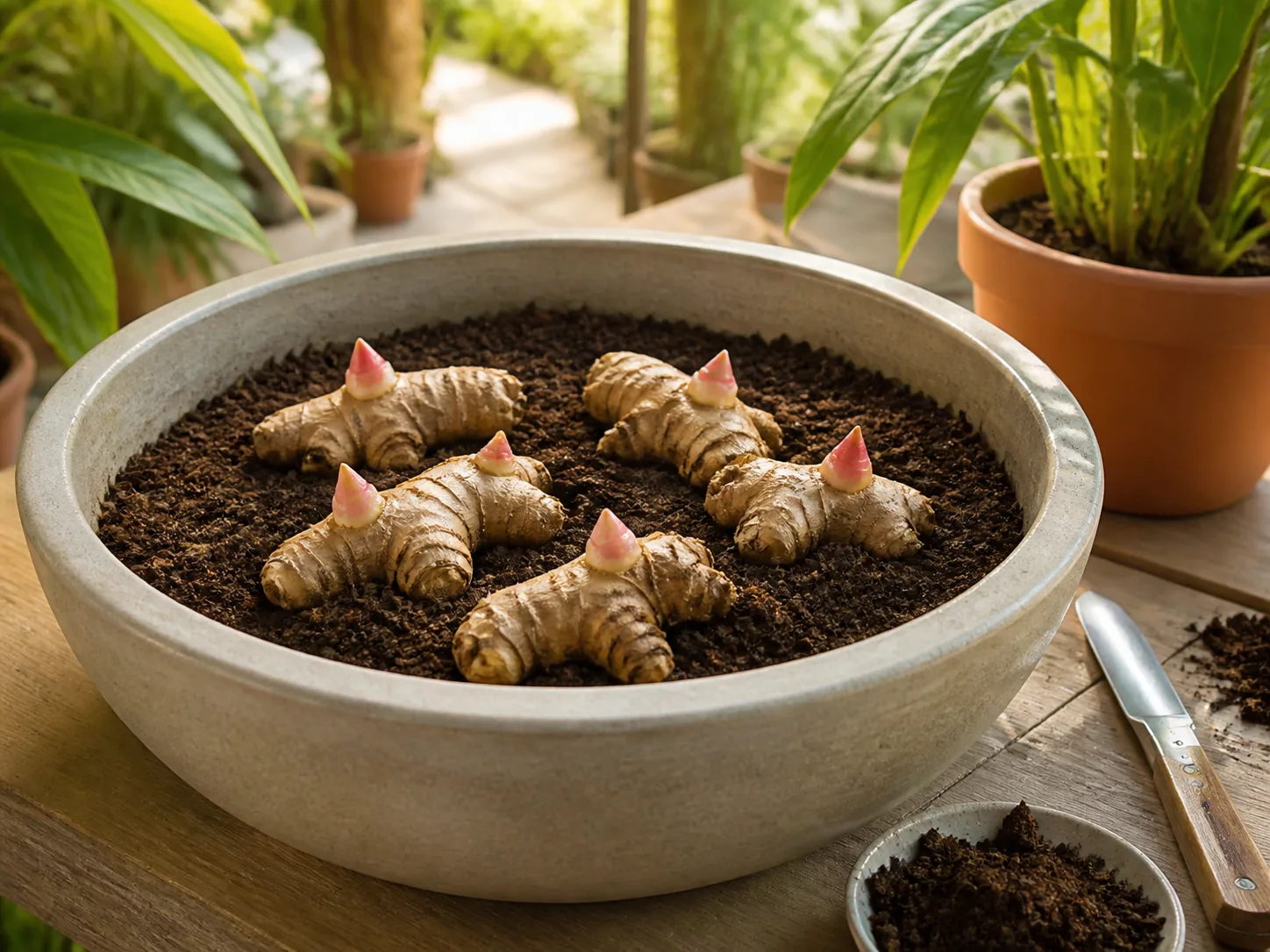
Lay the rhizome horizontally just below the surface, with swollen buds or “eyes” facing upward. A shallow planting is deliberate: the buds should not have to push through a deep layer of wet soil, and the rhizome should remain close enough to warm quickly. Space small spiral gingers about 12 to 18 inches apart; give large ginger lilies and spreading tropicals more room, using the plant’s expected mature width rather than the nursery pot as your guide.
Planting steps that prevent rot
- Choose a firm, clean rhizome or a nursery division with visible buds and some roots. Discard sections that are soft, black, leaking, or foul-smelling.
- Prepare loose, compost-enriched soil that drains after a deep watering. Break up hard clods instead of filling the planting hole with a dense pocket of compost.
- Set the rhizome horizontally with the buds pointing up, then cover it with roughly 1 to 2 inches of mix or soil, depending on the size of the piece.
- Water once to settle the planting, then wait until the surface begins to dry before watering again. A leafless rhizome needs less water than a fully grown plant.
- Mark the spot or label the pot. Dormant gingers can look dead for weeks, and digging them up to check for growth damages the new roots.
BBC Gardeners’ World recommends planting ginger-lily rhizomes after frost, just below the surface and with room between plants; its ginger-lily growing guide also recommends starting tender plants under cover. The timing in your garden may differ, but the principle is consistent: warmth first, steady moisture second.
Water by moisture, not the calendar
During active growth, keep flowering ginger evenly moist without leaving it swampy. Check the top inch or two of soil with a finger or wooden stick, then water deeply when that layer has begun to dry. In a garden bed, probe several inches down because a damp surface after rain can hide a dry root zone; in a small pot, lift it to learn how a genuinely dry container feels.
Water slowly enough to wet the whole root zone, then let the excess drain. In hot, windy weather, a container may need water every few days; in cool, cloudy weather, the same pot may stay moist for a week. A fixed “one inch per week” rule ignores pot material, rainfall, plant size, humidity, and soil structure, so use it only as a rough climate estimate.
The plant’s message matters. Limp leaves with dry mix point toward thirst, wind, or too much sun. Yellowing that starts while the mix remains wet, especially with a soft stem base or sour smell, points toward oxygen-starved roots. Watering more in the second situation makes the problem worse. Reduce irrigation, improve drainage, and inspect the rhizome instead.
Feed during active growth
Feed when the plant is making new leaves and flower stalks, not when it is cold, leafless, freshly divided, or already suffering from rot. A balanced slow-release fertilizer worked into the surface in spring or a diluted complete liquid feed during the growing season is a reasonable starting point for most ornamental gingers. Follow the product label; more fertilizer will not compensate for inadequate warmth or light.
Rich compost can supply much of the nutrition in an in-ground bed. Container plants usually need more deliberate feeding because repeated watering moves nutrients out of the pot. Apply fertilizer to already-moist soil, keep granules away from the stem bases, and water normally afterward.
If a plant grows lush leaves with no flowers, do not automatically switch to a high-phosphorus product. First check the plant’s age, species, bloom season, light, temperature, and moisture rhythm. Excess nitrogen can push soft foliage at the expense of a balanced plant, while a stressed rhizome cannot use fertilizer well. Stop feeding if leaf tips burn, a salt crust develops, or the plant’s roots remain wet for too long.
Container care for flowering ginger
Containers are ideal for tender types and for gardeners who need to control spread. Choose a broad, stable pot with several drainage holes and enough width for the rhizome to extend sideways. A tall, narrow pot can hold more wet mix than the roots need; a wide pot gives a clumping plant room to make new shoots and is less likely to topple as stems arch outward.
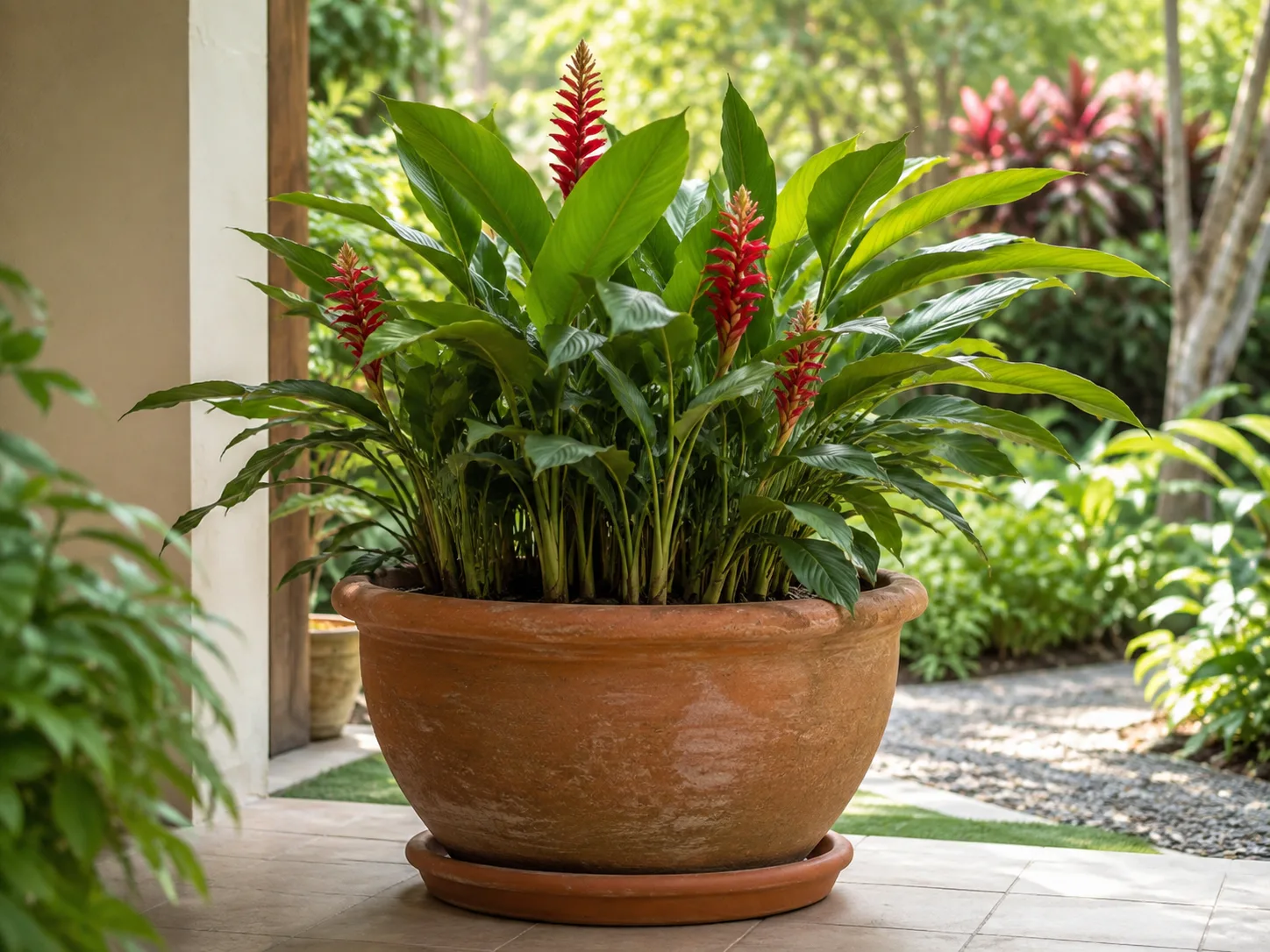
Start with a container only moderately larger than the rhizome or root ball, then size up as the clump fills it. An oversized pot is not a shortcut to a larger plant; it is a large reservoir of wet soil around a small root system. Heavy ceramic or a sturdy grow bag works better than a flimsy pot for a tall ginger, but remember that large containers become difficult to move before winter.
Keep the plant where you can inspect the drainage hole, turn the pot for even growth, and move it before cold weather. If a container dries almost immediately, roots may have filled the mix, the pot may be too small, or the plant may be exposed to intense sun and wind. If it stays wet for many days, check for compacted mix, blocked holes, or a pot that is too large for the root ball.
Indoor flowering is possible for some smaller ornamental gingers, but it is not a default outcome. Give them bright filtered light, warmth, humidity, and airflow; do not seal a damp plant in stagnant air or place it against a heater. Large torch ginger is better treated as a greenhouse or frost-free landscape plant because its scale and warmth requirement—not a lack of misting—are the limiting factors.
Prune and divide without losing next season’s stems
Prune with the growth habit in mind. Remove yellow, broken, or diseased material with clean pruners, but do not cut every green cane after flowering. Some flowering gingers bloom on mature shoots, and a live cane that did not flower this year may contribute to the next display.
Ginger lilies can generally be cut back after flowering or after frost has finished the season, leaving a short stub above the ground. BBC Gardeners’ World recommends cutting ginger lily stems down to about 5 cm after flowering. For torch ginger, each flower stalk is effectively finished after it blooms; Missouri Botanical Garden describes the species as monocarpic at the stem level, with new stems developing from the base. That is different from saying the whole clump dies.
Deadheading is mostly cosmetic for many gingers. It can make the plant tidy and redirect attention to new bracts, but it does not force a second flush when the species has a single seasonal bloom cycle. Dividing an overcrowded clump in spring is more useful when the plant has outgrown its space or the center has become congested.
Overwinter according to species and climate
Winter care is where the label’s botanical name matters most. Some Hedychium selections can survive cold with mulch, while other ginger lilies are tender. The BBC Gardeners’ World ginger-lily guide notes that hardiness varies by variety, citing Hedychium ‘Tara’ as much tougher than tender selections. Treat a named cultivar’s published hardiness as a guide, not permission to ignore a wet, exposed site.
For a hardy or root-hardy ginger in the ground, let the foliage decline naturally, cut back dead stems, and place thick mulch over the crown before the coldest weather. Pull it slightly away from emerging shoots in spring so new growth is not trapped in a wet, airless collar.
For a tender plant in a container, move it before nights approach its known minimum. Inspect the foliage and pot for pests before bringing it indoors, then place it in bright light away from drafts. Reduce watering as growth slows. A dim indoor room plus wet soil is a common recipe for root rot, not a successful tropical winter.
Torch ginger deserves the most conservative plan. Missouri Botanical Garden lists it for USDA Zones 10 to 12, describes it as completely frost-intolerant, and notes poor performance when nights dip below about 50°F. In a colder climate, use a very large movable container only if you have the room and warmth to support it; otherwise choose a smaller, more cold-tolerant ginger lily or treat it as a seasonal tropical.
Encourage more flowers
Flowering ginger usually needs a sequence of good seasons, not one emergency dose of fertilizer. Work through this order:
- Confirm the plant’s identity and bloom season. A ginger lily may bloom in late summer or fall; a spiral ginger may flower at a different time; a young division may spend the first season rebuilding roots.
- Give it enough warmth. Cool nights can keep tropical foliage alive while delaying flowers. A plant that repeatedly experiences cold nights may need a sheltered site or a different species.
- Correct light without causing scorch. Move a dim plant toward brighter filtered light, morning sun, or a grow light. Protect shade-adapted leaves from hot afternoon exposure.
- Keep moisture steady during shoot and bud development. Repeated drought followed by flooding stresses the rhizome and can cause bud abortion or rot.
- Feed moderately while actively growing. Use a complete product at the label rate, and stop if the root zone is wet or the plant is stressed.
- Do not cut live canes too early. If the species flowers on mature shoots, aggressive pruning can remove the season’s potential bloom wood.
- Give the clump time and room. A seed-grown plant can take several years to reach flowering size, and a congested clump may need division rather than more fertilizer.
Healthy leaves with no flowers usually point to age, light, warmth, or the plant’s natural bloom calendar before they point to a missing nutrient. If the plant was recently divided or repotted, judge it over a full warm growing season instead of repeatedly disturbing the roots.
Troubleshoot yellow leaves, brown edges, and wilt
Symptoms overlap, so diagnose the root zone and the pattern of damage together.
Brown margins or crispy tips: Check moisture first, then light and wind. A dry pot, hot afternoon sun, salty fertilizer buildup, or cold draft can all brown leaf edges. Water thoroughly if the mix is dry, move the plant out of harsh exposure, and pause fertilizer while new growth recovers. If the pot is wet, do not respond by watering more.
A few old leaves turning yellow: A mature ginger naturally sheds older leaves, especially as it enters dormancy. Remove only the spent leaves once they are fully yellow or brown. If yellowing spreads quickly or affects new shoots, inspect the roots and stem bases.
Widespread yellowing with a wet mix: Stop on the watering cycle and check drainage. A soft rhizome, collapsing stem base, sour smell, or dark roots indicates rot is more likely than thirst. Remove damaged tissue with sterilized tools, repot firm material into fresh airy mix, and isolate the plant while it recovers.
Rapid wilt even though the soil is wet: Treat this as a serious warning. University of Wisconsin Extension describes bacterial wilt on ginger as yellowing and curling followed by wilt and recommends discarding affected plants rather than trying to save a contaminated clump. Ornamental species are not identical to edible ginger, so do not diagnose from a photograph alone; isolate the plant, avoid sharing tools or divisions, and ask a local extension service or experienced nursery for confirmation.
Pale, stretched shoots: Increase usable light and check whether the plant is too warm for the amount of light it receives. Fertilizer may make the stems grow faster without making them sturdier or more floriferous.
Manage pests and disease safely
Flowering ginger can attract aphids, scale, mealybugs, and spider mites, especially when a plant is stressed or grown under glass. Inspect the undersides of leaves, young shoots, flower bracts, and the junctions where leaf sheaths overlap. Outdoor plants often tolerate minor feeding without treatment, while a greenhouse or indoor collection can allow pests to spread quickly.
Isolate an infested pot, rinse soft-bodied insects away with a firm stream of water, and remove heavily infested leaves. For a confirmed pest, use insecticidal soap or horticultural oil only as its label permits, test a small area first, and keep the plant out of strong sun until the treatment has dried. Do not spray a wilted, drought-stressed, or heat-stressed plant and assume a stronger mix is safer.
The Gardeners’ World ginger-lily guidance identifies red spider mites and aphids as more likely under glass than outdoors. That is a useful reminder that prevention is mostly environmental: provide airflow, inspect plants before moving them indoors, keep foliage from staying wet overnight, and avoid crowding pots.
Do not compost a rhizome with advanced rot or a suspected serious wilt. Clean pruners between plants, discard contaminated potting mix, and do not propagate from a plant that is declining for an unexplained reason. Local extension advice should take priority over a generic pesticide schedule, particularly if you grow several gingers in one bed.
Propagate flowering ginger by division or cuttings
Division is the most dependable general method because each new piece starts with a section of an established rhizome. Divide in spring or at the beginning of warm growth, when the plant can replace roots and shoots quickly. Water the clump the day before if the soil is dry, then lift it carefully rather than tearing stems from the crown.
Brush or rinse enough soil away to see firm rhizomes and buds. Use a clean, sharp knife to separate sections, keeping at least one healthy growth bud and, when possible, a few roots on each division. Remove soft or discolored tissue. Let freshly cut surfaces dry briefly in shade, then plant divisions shallowly in clean, lightly moist mix. Keep them warm and do not fertilize until new growth shows.
UF/IFAS notes that spiral gingers in the Costus group can also be propagated from rooted cuttings; its practical method is to lay warm-season stem pieces flat on the soil. That technique does not transfer automatically to every flowering ginger. If your plant is a Hedychium, Etlingera, or Zingiber, rhizome division is the safer first choice unless the nursery gives species-specific cutting instructions.
Propagation is also the moment to control spread. Do not pass along divisions from a plant that has escaped its bed, and check local invasive-species resources before distributing a vigorous ginger. In a frost-free climate, a clump that is easy to divide can also be easy to underestimate.
Conclusion
Flowering ginger succeeds when you treat it as a warm rhizome with a specific identity, not as one universal plant. Confirm the botanical name, choose ground or container culture around the real winter temperature, give it bright filtered light, and keep the root zone moist without sacrificing drainage.
The most useful seasonal habit is to adjust care as the plant changes: water and feed while shoots are expanding, protect mature canes when the species needs them for flowering, cut back only finished growth, and reduce moisture when the rhizome goes dormant. If flowers are missing, check age, warmth, light, moisture, and pruning before adding more fertilizer. That sequence keeps a healthy clump growing toward its next bloom instead of pushing it into the very rot or scorch you are trying to fix.