5 Front Yard Eyesores and What to Do Instead
From patchy lawns to crooked mailboxes, see which front yard eyesores hurt curb appeal and the practical, lower-maintenance fixes designers favor.
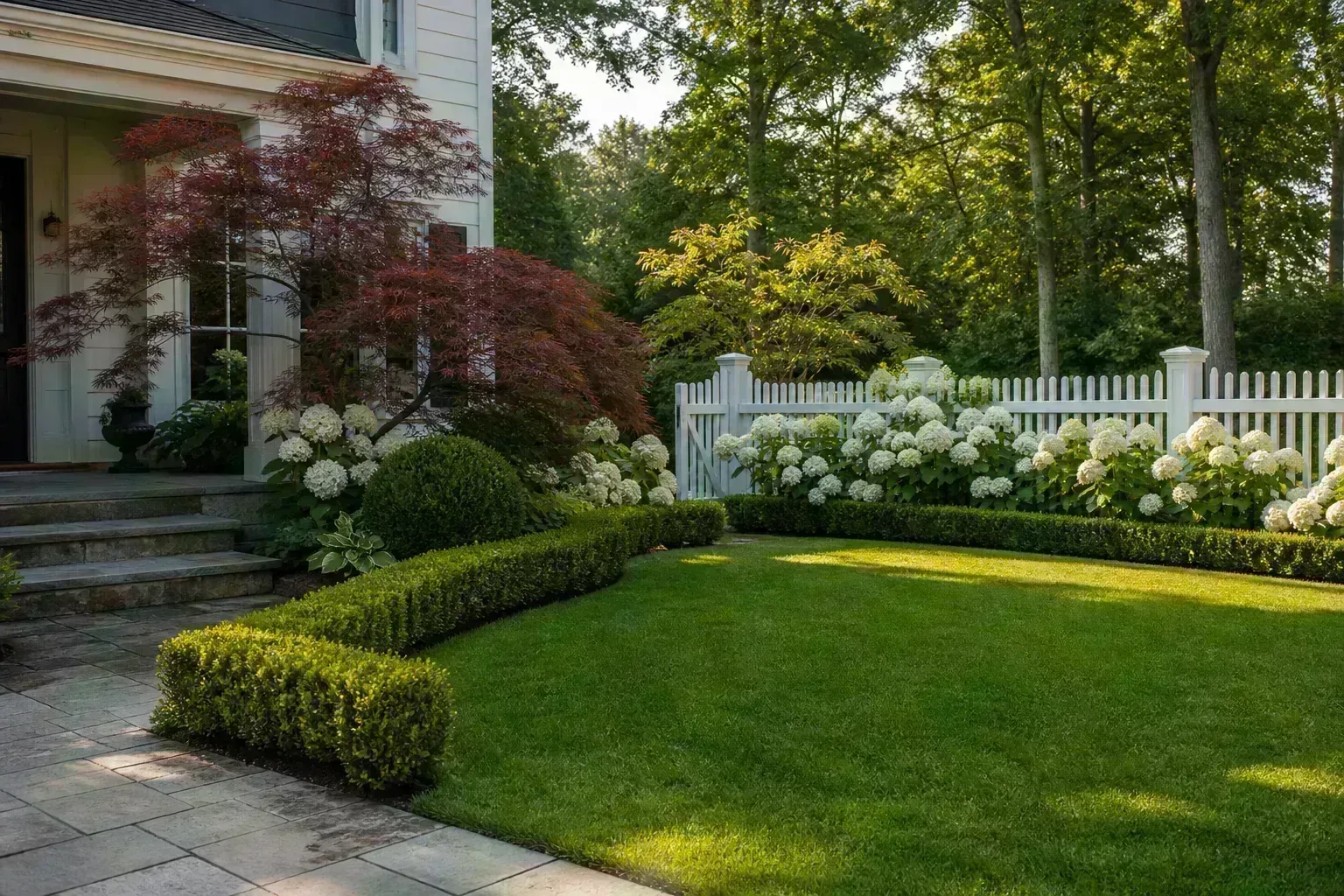
The front yard does not need to look staged to look cared for. What makes a home read as neglected is usually a small collection of signals: a lawn that is failing for an unknown reason, outdoor objects that have faded or multiplied, plants that have died in place, a mailbox that leans toward the road, or containers that look as if they were gathered from five different houses.
Those signals are fixable, but the best fix is not always “remove everything.” A healthy leaf layer can help soil, a bold planter can give a plain porch personality, and a nontraditional garden can be more welcoming than a clipped lawn. The goal is legibility: visitors should be able to see the entry, understand where to walk, and recognize a few intentional materials or plant groupings.
This guide uses that test to separate true curb-appeal problems from harmless personal style. It also gives you a repair-first sequence, so you can improve the public face of your home without committing to a full landscape renovation.
What Makes a Front Yard Look Intentional
Landscape design is not a contest for the most expensive stone or the most unusual plant. A yard feels intentional when its parts relate to one another and still work for the people who use it. UF/IFAS recommends considering plant size, access, sightlines to the front door, repeated materials, and a limited range of colors and forms when shaping a front entry (UF/IFAS Gardening Solutions).
In practice, look for four qualities before you decide what to change:
- A clear destination: The front door, path, and house numbers are easy to find from the street.
- A maintained edge: Grass, beds, paving, and planting do not visibly collide or spill into one another.
- A repeatable palette: One or two colors, materials, or plant forms appear more than once.
- A manageable routine: The design can survive the hottest, wettest, and busiest weeks of your year.
That last point is the one many curb-appeal makeovers ignore. A row of thirsty annuals may look wonderful in June and become the least attractive feature on the property in August if nobody can water it. The University of Wisconsin Extension makes the same broader point: a landscape needs planning around the home, the neighborhood context, the desired effect, and how the outdoor space will actually be used (University of Wisconsin Horticulture).
1. Patchy or Overgrown Lawns
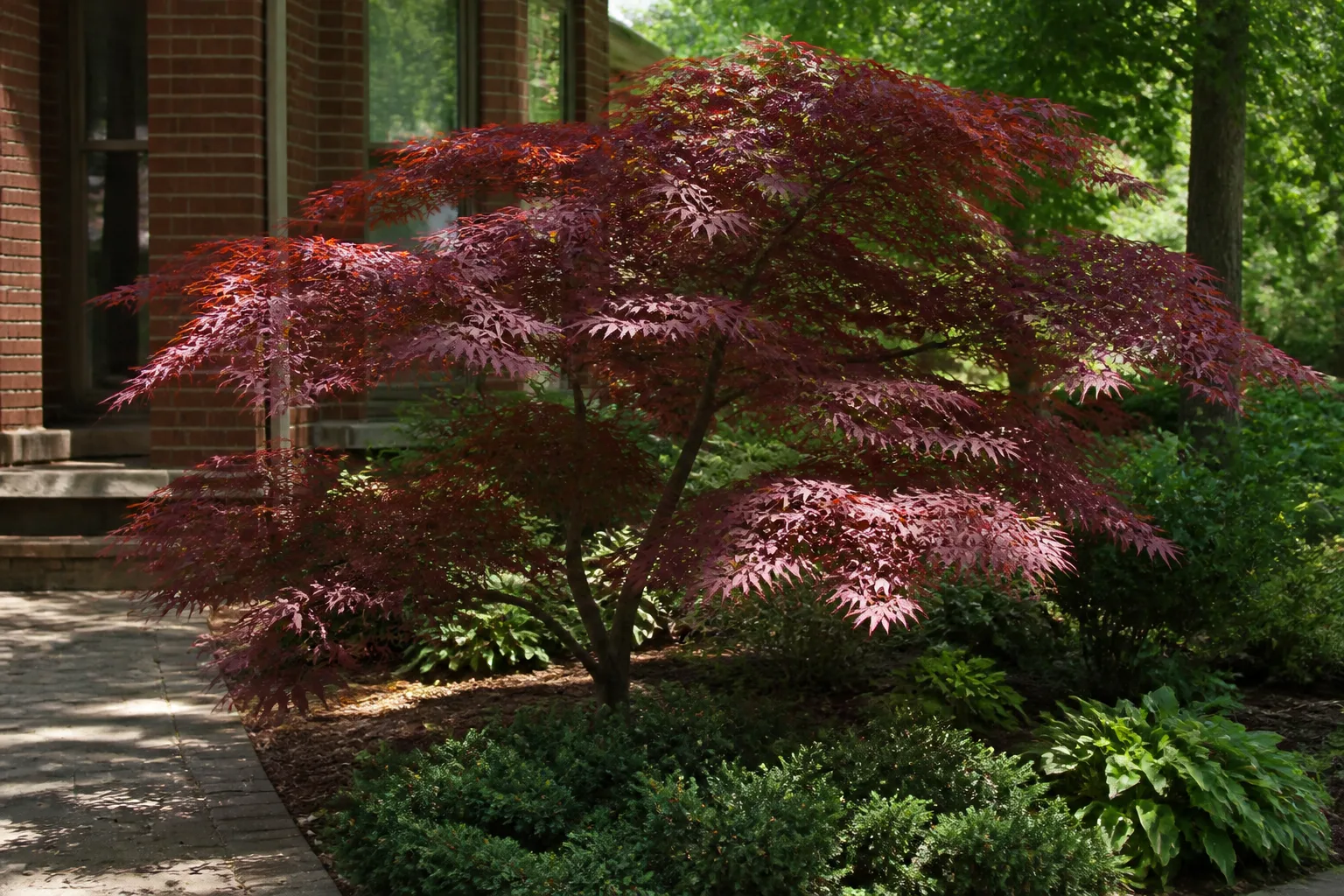
An uneven lawn draws the eye because it is one of the largest shapes in many front yards. Tall grass, bare soil, brown rings, mower scalping, and a ragged sidewalk edge can make the rest of the landscape look unfinished even when the shrubs and porch are in good condition.
The fix is not automatically more water or a heavier fertilizer application. A patch can come from shade, compacted soil, traffic, poor irrigation coverage, insects, disease, the wrong turf for the site, or a tree whose roots compete with grass. Watering the wrong cause can turn a thin area into a wet, weak area while wasting money and encouraging new problems.
Diagnose the Cause Before You Water or Reseed
Start with a five-minute pattern check. Is the damage a neat arc near a sprinkler head, a dry strip along pavement, a shaded zone beneath a tree, or a random collection of spots? Push a screwdriver into the soil in a healthy area and the damaged area after irrigation; a sharp difference suggests compaction or uneven watering rather than a simple need for more water.
Next, check the mowing height and blade condition. The EPA’s WaterSense landscaping guidance recommends keeping turf at the tallest height within the range suited to that grass type because mowing too short can encourage thirsty regrowth, shallow roots, evaporation, and weed pressure (WaterSense landscape design tips). Do not use a generic “golf course” height for every lawn; warm-season and cool-season grasses have different useful ranges, and local extension advice should win.
Use this order of operations:
- Clear the surface: Remove sticks, toys, leaves that are matting the turf, and debris that hides the real pattern.
- Correct the easy edge: Mow at the appropriate height, sharpen the blade, and trim grass that is creeping onto the walk.
- Check moisture: Test irrigation coverage and soil moisture before changing the schedule.
- Identify the failure: Look for shade, compaction, pests, disease, or a site mismatch.
- Repair in season: Reseed, sod, aerate, or replace with a bed or groundcover only when the timing and site fit the chosen remedy.
If the grass repeatedly fails under a tree or beside a hot driveway, redesigning that small area may improve curb appeal more than fighting it every week. A defined mulch bed, regionally appropriate groundcover, or small planting zone can look more deliberate than a permanently thin patch of turf. Just keep the new bed’s edge easy to mow and its plants low enough to preserve the view toward the entry.
2. Plastic Decor That Fades or Fights the House
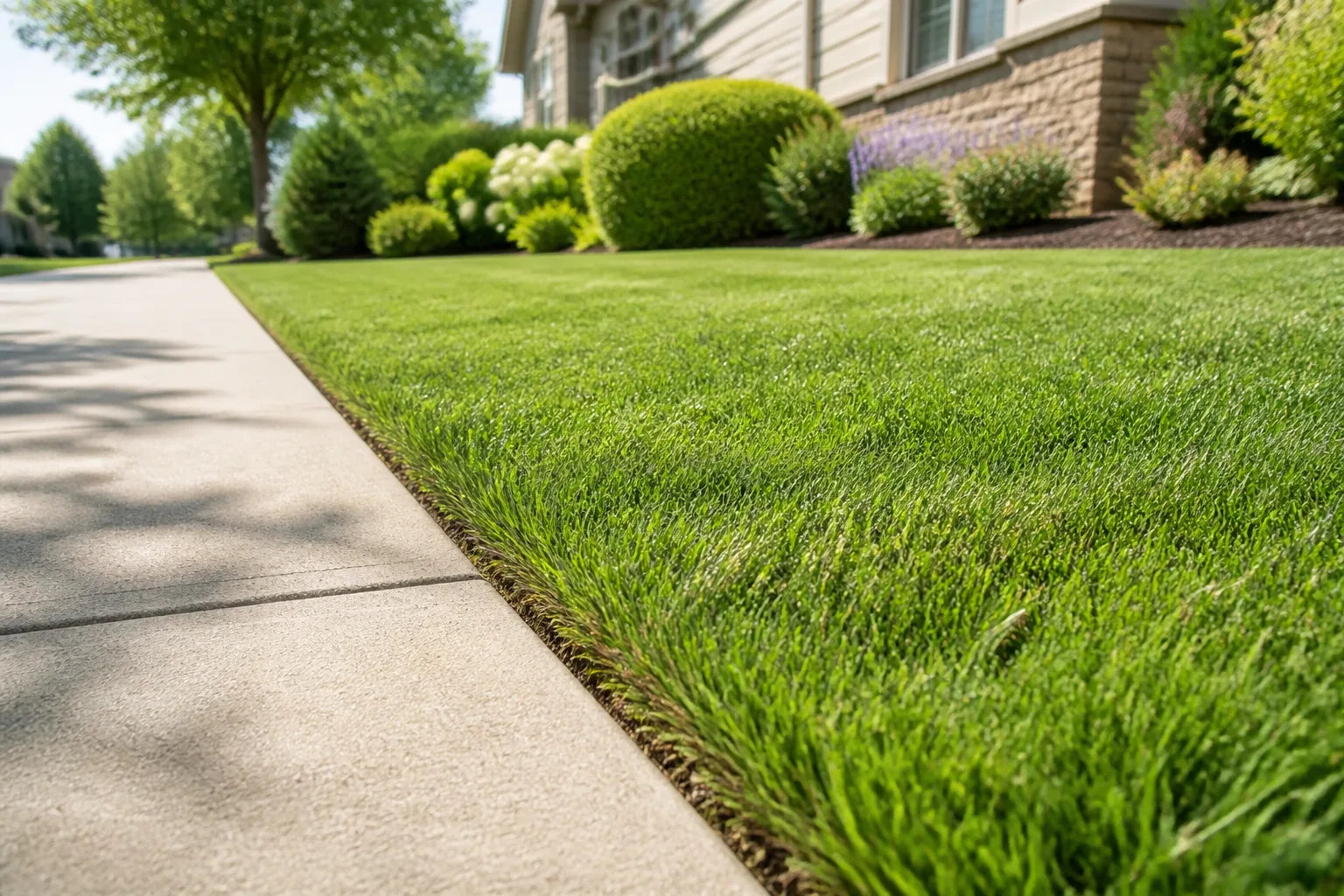
Plastic garden decor is not automatically an eyesore. A well-designed resin planter, a durable recycled-plastic bench, or a single playful object can work perfectly well. The problem is usually the combination of sun-fading, novelty clutter, incorrect scale, and objects that do not relate to the house or planting.
Think of decor as part of the architecture rather than as a collection of souvenirs. One bright object beside a quiet entry can be a focal point; six unrelated objects scattered across a small lawn make the eye stop everywhere and settle nowhere. Epic Gardening’s landscape-design guidance similarly emphasizes scale, proportion, mature plant size, repetition, and consistency of materials when avoiding a cluttered front yard (Epic Gardening).
Use a Four-Part Test Before You Buy or Toss It
Ask whether the piece passes these four tests:
- Job: Does it guide the eye, mark the entry, support a plant, provide light, or express a clear personal idea?
- Scale: Can you see it from the street, and is it large enough to relate to the house without dominating it?
- Condition: Is the color stable, the surface clean, and the material sound after rain, frost, and sun?
- Relationship: Does it repeat a color or material already found in the door, roof, fence, paving, or planters?
If it fails the job and relationship tests, remove it. If it has a job but looks tired, clean, repaint, relocate, or replace it with a more durable version. If it is personal and beloved, keep it—but give it a proper setting, such as a small bed or porch corner, rather than letting it compete with the whole lawn.
The most reliable replacement is often not an expensive object. It may be a better-sized pot, a simple lantern, a clean address plaque, a painted bench, or a length of edging that makes the existing plants look intentional. Fewer pieces with breathing room usually look more considered than a matched set of mass-produced decorations.
3. Dead Plants and Leaf Piles in High-Visibility Areas
Dead annuals beside the front door, collapsed stems across the path, and wet leaves packed into a lawn edge all signal that maintenance stopped halfway through. They also hide the shape of the bed and make it harder to see whether a living plant needs water, pruning, or replacement.
But “remove every leaf” is not a good universal rule. The University of Georgia Cooperative Extension notes that established landscape plants need an ongoing program of watering, pruning, mulching, and pest monitoring, while also identifying fall leaves as useful organic mulch when managed appropriately (Care of Ornamental Plants in the Landscape). In other words, cleanup should be selective, not cosmetic for its own sake.
Clean Up Without Stripping the Whole Bed
Divide the front yard into public surfaces and living soil. Clear leaves, dead stems, and fallen branches from steps, the front walk, the driveway, house numbers, and the strip of lawn that visitors see first. In planting beds, leave healthy leaf litter in a thin, non-matted layer or move it under shrubs where it can break down without covering crowns or smothering small plants.
Remove diseased foliage according to local extension guidance, and do not compost material you know carries a persistent disease. Cut dead annuals at the end of their useful display, but do not cut every perennial immediately if seedheads provide winter structure or food for birds. That choice is part of the garden’s design—not evidence that you have forgotten the yard.
For a fast visual reset, work from the door outward:
- Sweep the steps and make the threshold visible.
- Clear the walking line and trim plants that touch shoulders or shoes.
- Remove obviously dead material that blocks the house number, light, or door.
- Rake or blow matted debris off turf and hardscape.
- Finish the bed by redistributing healthy leaves or adding a thin, even mulch layer.
Avoid volcano-shaped mulch around tree trunks. Georgia Extension recommends keeping mulch several inches away from woody trunks and using an appropriate depth across the root area; piled mulch holds moisture against bark and can create a new plant-health problem while trying to create a tidy look. The cleanest bed is not the one with the most bare soil—it is the one with a clear edge and a deliberate surface.
4. Crooked or Dated Mailboxes
A mailbox is small, but it sits at eye level near the road and often carries the only visible house number. If it leans, rusts, loses its numbers, or disappears behind weeds, visitors and delivery workers notice it before they reach the porch.
Treat the mailbox as a working piece of front-yard infrastructure first and a design accent second. The U.S. Postal Service mailbox guidelines say a curbside mailbox should generally be 41 to 45 inches from the road surface to the bottom of the mailbox or point of mail entry and 6 to 8 inches back from the curb. A location without a raised curb may require local postmaster guidance, so verify before moving a post.
Repair, Replace, or Reframe the Smallest Big Detail
Stand at the street and ask three questions: Can I read the number? Is the box level and secure? Can the carrier reach it without striking plants, a wall, or a decorative post? If the answers are no, fix the functional issue before shopping for a style upgrade.
Tighten hardware, address surface rust, replace faded numbers, and straighten the post if it is sound. If the box or post is beyond repair, choose a replacement that suits the house’s material and proportions. A simple black or metal box can look more intentional than a novelty design that repeats no other finish on the property.
Plant around the mailbox only after its access zone is clear. Use low, tough plants that tolerate road heat, salt, drought, or snowplow spray where those conditions apply. Leave enough room for the door to open, the carrier to approach, and you to repaint or replace the box later. A tidy ring of mulch or a narrow bed edge can frame the feature without hiding it.
5. Mismatched Planters
Planters become visual noise when each one introduces a new color, shape, finish, or scale. A tiny glossy pot beside a large rough concrete urn is not wrong in isolation, but several unrelated containers at the same entry can make the porch feel temporary and crowded.
The answer is not to buy five identical pots. Repetition can come from one shared color, a material family, a rim shape, or a consistent height. UF/IFAS recommends repeating plant materials and using a cohesive color scheme while allowing enough variety in size, texture, and form to keep the landscape interesting (UF/IFAS curb-appeal guidance). HGTV’s container-planning guidance makes a similar practical point: limiting the color palette can simplify plant selection and create a more cohesive container (HGTV container gardening ideas).
Build a Repeated Container Palette
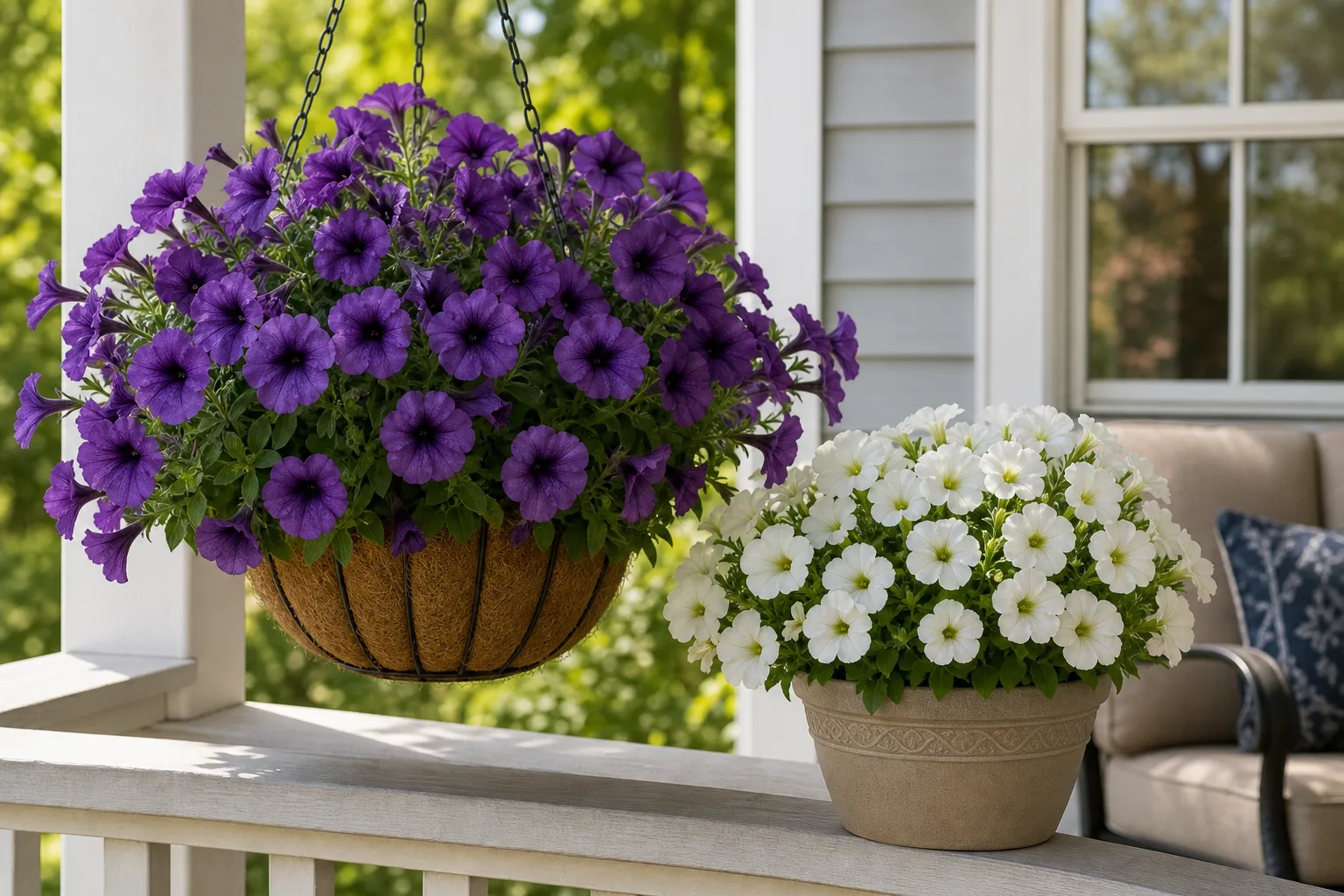
Choose the palette before choosing the plants. For a traditional home, that might be two matching urns in charcoal, aged stone, or terracotta. For a modern entry, it could be a pair of tall matte containers in one neutral color. For a cottage-style house, a mismatched collection can work if the pots share a soft color family and the plants repeat across them.
Then check the practical details that style photos often hide:
- The container must have drainage, and its weight must suit the porch or step.
- The plant must match the light, wind, heat, and watering you can provide at that exact spot.
- The mature plant should not block the doorbell, house number, railing, or walkway.
- Containers in full sun and wind will dry faster than a bed; plan for that maintenance before you add more.
- A pot that is too small for the plant will look cramped and require more frequent watering.
Use one tall container or pair to mark the door, not a row that narrows the walk. If an existing pot is healthy but visually out of place, move it to the backyard, repaint it in the palette, group it with two related pots, or give it a plant whose foliage ties it back to the yard. Editing is often cheaper and more effective than replacing everything.
A 30-Minute Front Yard Reset
When the yard feels wrong, do not begin by browsing plants online. Take a photo from the street, the driveway, and the front door. On each photo, circle the first three things your eye lands on; those are your highest-return fixes.
Fix the Most Visible Problem First
Use a simple triage sequence:
- Safety and access: Clear steps and walkways, reveal house numbers, and move anything that blocks a mailbox or utility access.
- Dead or damaged signals: Remove dead annuals, fallen branches, trash, and visibly damaged decor from the public-facing area.
- Edges: Mow at the appropriate height, trim the sidewalk edge, sweep paving, and redefine the bed line.
- Water and plant health: Check soil moisture, irrigation coverage, and the cause of lawn or plant decline before applying products.
- Visual editing: Remove or regroup decor and containers that fail the job, scale, condition, or relationship test.
- One improvement: Add one repeated material, a single focal plant, a better light, or a low-maintenance bed where the old problem will keep returning.
This order prevents a common waste of money: buying fresh planters for a doorway that is still hidden by overgrown shrubs, or reseeding a lawn before discovering that a sprinkler never reaches it. It also gives you a visible win in one afternoon even if the deeper repair must wait for the correct planting season.
When a “Messy” Yard Is Actually Habitat
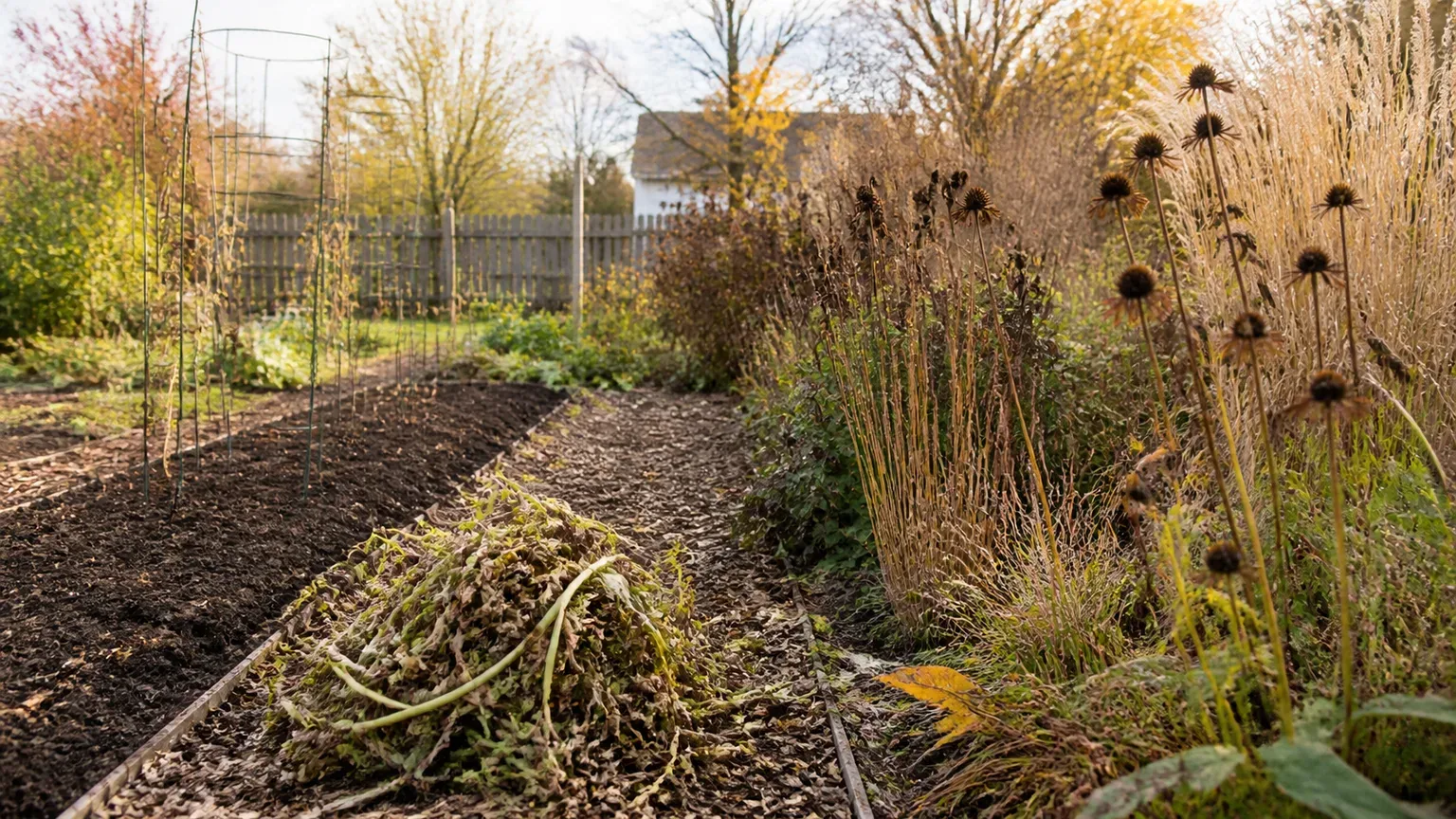
Not every informal front yard is neglected, and not every polished yard is healthy. Seedheads, fallen leaves, dead wood, and layered plants can support insects, birds, and soil life. A pollinator bed may look different from a clipped foundation border while still being carefully designed.
The useful distinction is whether the space communicates its purpose. A naturalistic bed needs a visible edge, a clear path, and enough repetition that it reads as a planting style rather than an accidental pile of plants. Keep leaves off steps and turf where they mat, keep diseased material out of circulation, and preserve healthy organic matter inside beds when it benefits the plants.
You can also create zones. Let the front walk and mailbox stay crisp while allowing a less-edited bed farther from the door. That balance respects habitat and neighborhood expectations without forcing every square foot of the property to look like a formal lawn.
How to Choose One Upgrade That Will Still Look Good Next Season
Before you spend money, choose the job you want the feature to do: frame the door, soften a hard corner, replace failed turf, mark the mailbox, or add seasonal color. If you cannot name the job, the feature is likely to become clutter.
Next, match the upgrade to your site and maintenance budget. UF/IFAS recommends low-growing, compact plants near the entry so the front door remains visible and walkways stay safer. The University of Georgia also notes that low-maintenance landscapes can save time, water, and money when plant care is matched to the site and highly visible areas receive the attention they need.
Use this decision rule:
| If your biggest problem is… | Start with… | Do not start with… |
|---|---|---|
| A lawn that fails in one repeatable spot | A cause check and a site-appropriate replacement | More blanket watering |
| A cluttered entry | Removing half the objects and clarifying the door | Adding another decorative piece |
| A tired mailbox | Leveling, numbers, access, and a simple frame | Planting tall shrubs around it |
| Dead plants and leaf piles | Clearing the public surfaces and sorting bed material | Stripping every leaf from the soil |
| Random containers | One material or color repeated twice | Buying a full matching set before measuring |
The best curb-appeal upgrade is often the one that reduces future work. A right-sized plant, a clear mowing edge, a mailbox that can be reached, or two planters that share a visual language will keep paying back after the first photo-worthy weekend.
Conclusion
The five front yard features most likely to hurt curb appeal are not universal design taboos. They are visible signs that something is failing: the lawn is not suited to its conditions, decor has lost its purpose, dead material is left in the arrival zone, the mailbox no longer works as infrastructure, or planters have accumulated without a shared plan.
Start at the street and fix the first problem your eye finds. Restore access, diagnose plant and lawn trouble, edit before you buy, and repeat a few materials or plant forms so the yard feels connected. You can keep personality, habitat, and a little imperfection—the finished look comes from giving each feature a job and enough care to do it well.



