6 Garden Essentials to Buy at Thrift Stores
Six garden essentials are smarter secondhand than new. Learn where to shop, what to check, and which thrift finds are bargains versus money pits.

The best garden items to thrift are not random chipped mugs and mystery spray bottles. They are the durable, heavy, slow-wearing pieces that retail markup loves: terracotta with real patina, forged hand tools, half-full fertilizer bags, stone birdbaths, and pallets of old brick pulled from a demolished walkway. Buy them smart and you stretch a garden budget without settling for flimsy seasonal merchandise.
Secondhand shopping only works when you shop with a checklist, not a mood. A $4 planter that cracks in the first freeze, a bag of clumped fertilizer with a faded label, or a mower that needs $200 in carb work is not a bargain—it is deferred labor with a receipt. This guide covers the six categories worth hunting, where to find them, how to inspect each one, and what to leave behind.
Why secondhand shopping belongs in a serious garden budget
Gardening has a hidden equipment tax. Pots, edging, tools, and hardscape materials add up fast, and many of those items do not improve with factory freshness. A new glazed pot can look stiff on a porch; a thrifted one with efflorescence and softened edges looks like it belongs. Old forged steel hand tools often outlast stamped big-box sets because the metal was thicker to begin with.
Thrifting also keeps usable materials out of landfills. Reclaimed brick, stone, and metal decor carry weight and texture that new mass-produced pieces imitate poorly. The trade-off is time: you inspect, clean, sharpen, and sometimes repair. If you enjoy that work—or can budget a Saturday for it—secondhand gear often delivers more character per dollar than anything in a spring endcap display.
The goal is not to thrift everything. It is to thrift the categories where age, patina, and simple mechanics matter more than warranties and uniform color. For everything else—especially hoses, sprayers, and safety gear—new is often cheaper once you count replacement cycles.
Where gardeners actually find bargains (and when to show up)
Thrift stores, estate sales, and online listings
Estate sales are the heavyweight source for pots, tools, decor, and leftover lawn products. When a longtime gardener downsizes, entire sheds empty onto driveway tables at once. Arrive early for hand tools and planters; go on the last day for deeper discounts on heavy items nobody wants to lift.
Thrift stores and flea markets rotate quickly. Visit the same shop on different weekdays—donation trucks change the inventory overnight. Outdoor-focused flea markets in spring often have vintage watering cans, crocks, and metal buckets priced below online shipping.
Facebook Marketplace, Craigslist, and neighborhood buy-nothing groups excel for power equipment, pallets of brick, and bulk fertilizer someone inherited. Filter for pickup distance; a free mower two counties away can cost more in truck rental and gas than a serviced used machine nearby.
Garden centers and nurseries sometimes sell opened or discontinued bags at clearance—not classic thrifting, but the same economics apply. Ask the manager about returned or torn-bag inventory rather than assuming everything on the shelf is full price.
What to bring on a secondhand run
Pack like you are doing a small job site audit: work gloves, a flashlight for checking inside pots and tool sockets, a small magnet to test questionable “cast iron,” measuring tape, a multi-bit screwdriver, and trash bags for muddy finds. For estate sales, add moving blankets and ratchet straps if you might haul stone or brick.
Bring your phone with the Marketplace listing photo open so you can match the item in person. Cash and small bills still win at yard sales where sellers do not want to run cards for a $6 trowel.
The four-part test every thrift find must pass
Before anything goes in your cart, run the same four checks on every category:
Structure — Does it do its job without wobbling, cracking, or flexing where it should be rigid? Press on pot rims, rock pedestals, and chair frames. Flex in a tool handle usually means internal rot or a hidden crack.
Material — Look underneath and inside, not just at the display side. Rust, rot, mineral buildup, and old repairs hide on the least photogenic face. A beautiful front often sits on a crumbling base.
Maintenance — Can you realistically clean, sharpen, seal, or repair it with skills and supplies you already own? If the answer is “maybe after I watch twelve videos,” price in that time or walk away.
Total cost — Sticker price plus transport, hardware, sharpening, soil, sealant, and disposal if it fails. A $15 pot that needs a $40 drainage drill bit and a specialty sealant is a $55 pot. Compare that all-in number with a sound new alternative before you celebrate the “deal.”
1. Pots and planters with built-in character
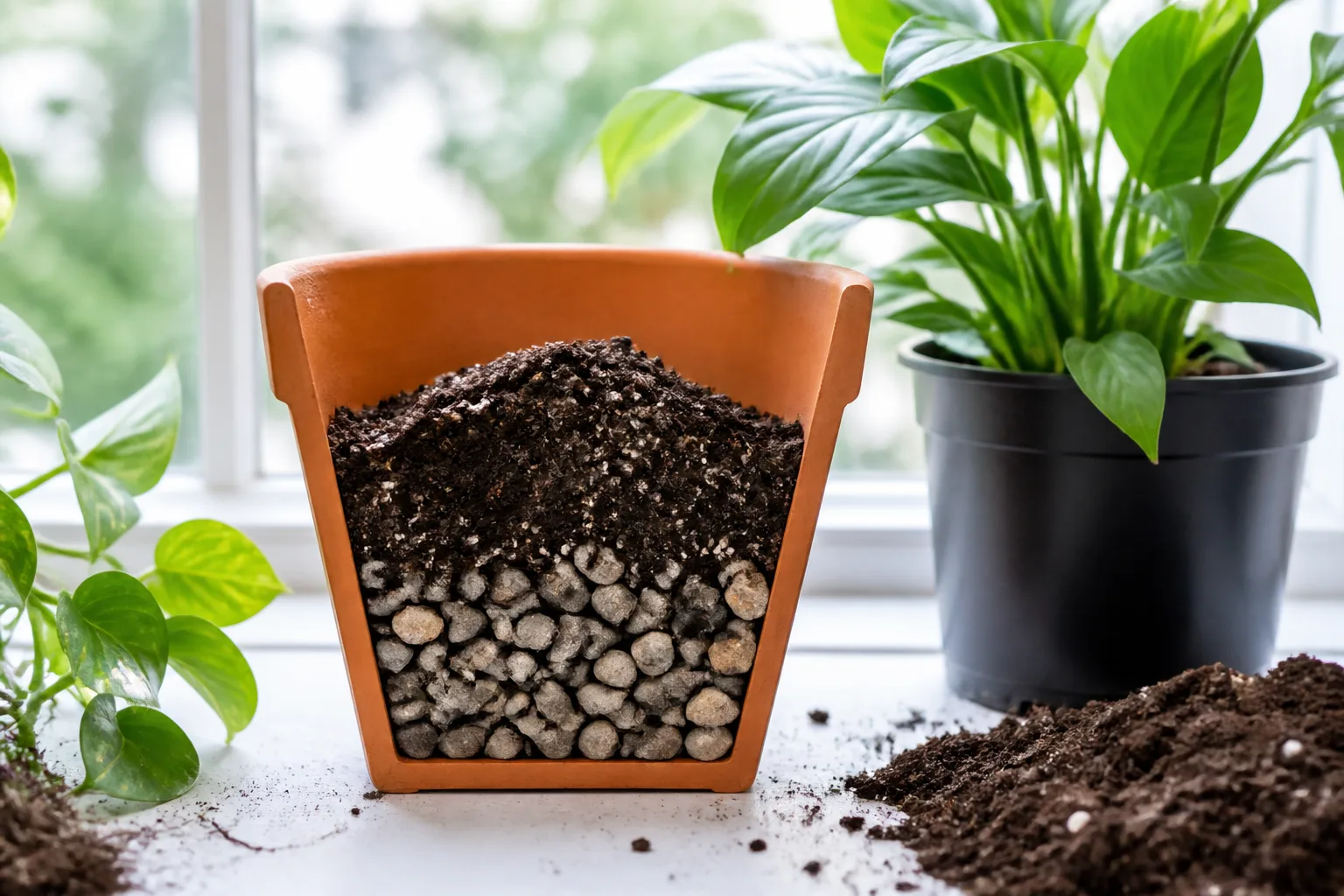
Secondhand pots are the easiest win on this list—and the easiest trap. Retail nurseries sell uniform sizes in three colors; estate sales sell the odd wide bowl, the tall narrow chimney pot, and the glazed piece that already looks weathered on the shelf.
Look for unusual scale and shape first. Low wide bowls suit succulents and trailing annuals. Tall narrow pots anchor entryways. Sets do not need to match if you repeat one color family through the bed. Master Gardener Stacy Ling, who documents thrifted garden styling at Bricks ‘n Blooms, often uses vintage crocks, baskets, and metal pails as cachepots—decorative outer shells with a functional nursery pot inside—because they add character without demanding perfect drainage from a fragile antique.
Drainage, frost risk, and vintage paint checks
Flip every pot over and inspect the bottom before you buy. A drainage hole—or a clear plan to drill one without shattering the piece—separates a usable planter from a waterlogged death bowl. Unglazed terracotta breathes and suits many outdoor plants; glazed ceramics hold moisture longer and can crack when soil freezes and expands unless you store them dry in winter.
Run your fingernail along hairline cracks. A surface crazing line in glaze may be cosmetic; a crack that rings when you tap the pot, opens when you lift it, or runs through the wall is structural. In freeze-prone climates, pass on porous pots with deep cracks unless you plan to use them only as dry cachepots indoors or under cover.
Check old painted ceramics for chipping that exposes unknown coatings. Very old garden pieces may carry lead-based paint. If paint is chalky, alligatored, or flaking heavily on a food-adjacent herb pot, use it as a dry display piece only—or skip it. When in doubt, reserve questionable vintage ceramics for ornament, not edibles.
No drainage hole? You can still use the pot as a cachepot: set a plastic nursery container inside on a layer of gravel so the inner pot never sits in standing water. Our guide on whether rocks belong at the bottom of a planter explains why a drainage layer alone does not replace a real hole—but elevating an inner pot above a saucer is a legitimate workaround for decorative outer shells. Chipped rims and softened glaze often improve outdoor displays. Wash pots with water and a stiff brush before planting; avoid harsh acid on old terracotta until you know the finish. For more on how glaze affects moisture, see are glazed pots bad for plants.
2. Opened fertilizer bags for pennies on the dollar
Garage sales and marketplace listings often include partial bags of lawn and garden fertilizer someone bought for a project that never repeated. Retail bags of specialty tomato or bloom fertilizer commonly run $15–$25 new; opened bags at estate sales frequently sell for a few dollars if the label is legible and the product is dry.
The savings only matter if the product still matches your needs. Fertilizer is not generic sugar—you need the right NPK ratio and form (granular, slow-release, organic) for the plants you are feeding.
Reading labels and spotting a bag worth hauling home
Read the entire label before you buy. Confirm product type, NPK analysis, application rate, and any herbicide warnings—some “weed and feed” lawn products can damage garden beds if misapplied. Clemson Cooperative Extension’s fertilizing lawns guide stresses matching fertilizer type and timing to the plant and season; the same logic applies whether the bag is new or secondhand.
Open the bag slightly and look inside. Granules should be loose and uniform, not fused into a solid brick. Moisture intrusion ruins soluble nutrients and can signal storage in a damp shed. Strong chemical or ammonia odors, torn inner liners, and missing lot codes are passes.
Prefer unopened or barely used bags with a clear expiration or manufacture date when printed. Organic fertilizers like bone meal and blood meal can attract pests if stored open; seal them in a lidded bin once you get home.
Walk away from bags you cannot identify, products with illegible labels, clumped or wet material, and anything that might be herbicide-contaminated (including “mystery white powder” from an unlabeled tub). Saving $8 is not worth guessing whether a product contains weed killer that will torch your vegetable bed. Also skip fertilizer that does not match your program. A high-nitrogen lawn bag is a poor fit for feeding container tomatoes, and a bloom booster with the wrong micronutrients may not be worth shelf space. If you need a refresher on timing and rates, extension offices publish free seasonal guides—use them with the label in hand rather than guessing from the bag color alone.
3. Hand tools that outlast new big-box sets
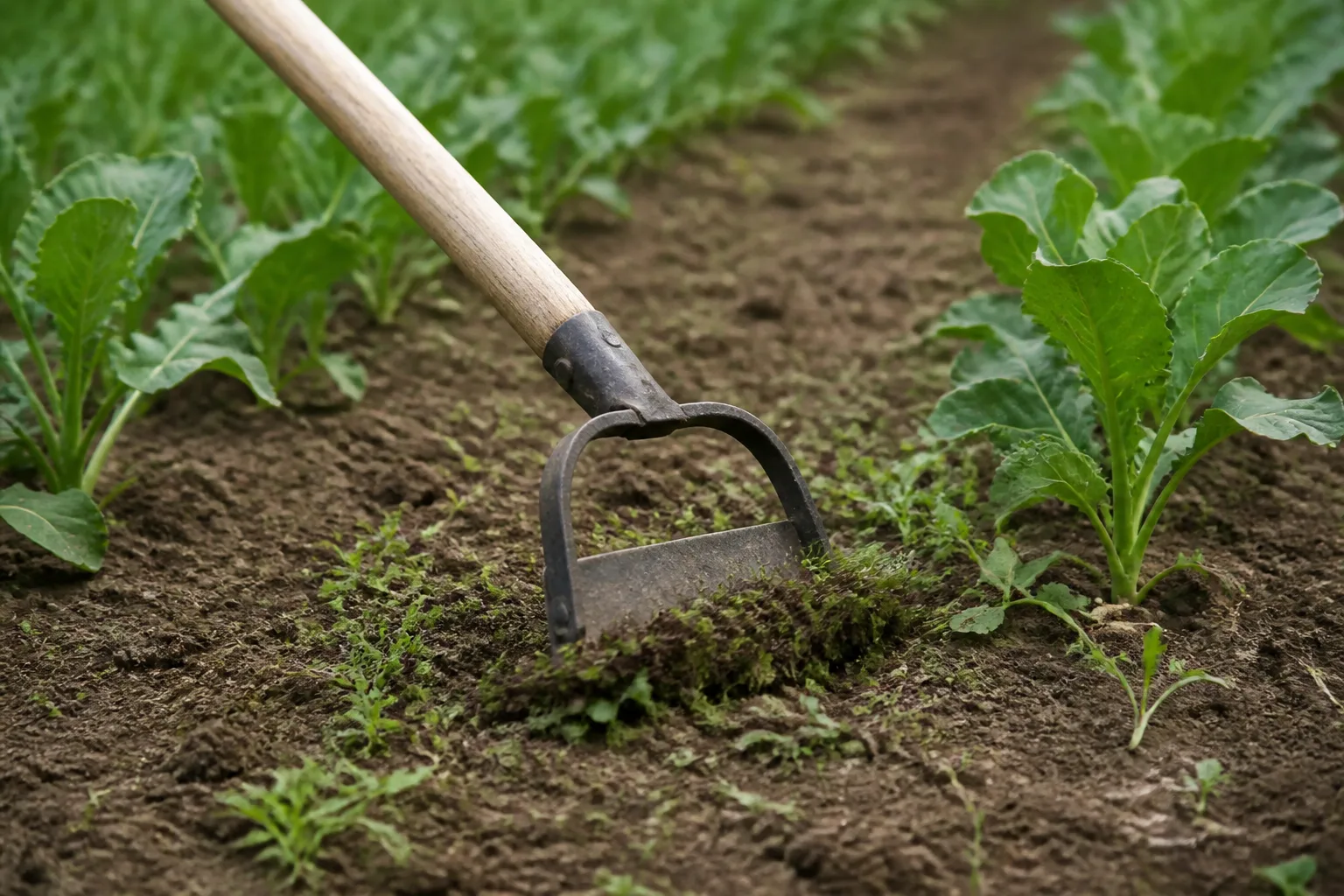
Forged trowels, bypass pruners, hoes, rakes, and loppers from estate sales often outlive modern stamped sets sold in blister packs. The tell is weight and fit: solid metal, riveted connections, and handles that feel balanced in your hand. Light flutter when you wiggle the head usually means a loose socket or cracked ferrule.
Surface rust on steel is common and often cosmetic if the blade edge is still thick. Split wooden handles, bent tines, and pruner blades that no longer align are harder fixes. Test moving parts: loppers should open smoothly; folding saws should lock positively.
Our best weeding tools roundup explains which blade styles suit which weeds—use that lens when you evaluate a used hoe or stand-up weeder. A quality stirrup hoe with a rusty neck may be a ten-minute restoration; a bent stamped trowel with a rolled edge is not.
Cleaning, sharpening, and disinfecting used tools
Treat every used tool as if it touched diseased plant tissue until you clean it. The CDC notes that cleaning with soap and water removes germs and soil that can interfere with disinfectants—clean first, then disinfect when disease transfer is a concern.
A practical field sequence:
- Scrape dried soil from blades and tines with a putty knife or wire brush.
- Wash with soapy water, rinse, and dry completely—moisture drives rust.
- Remove rust from working surfaces with steel wool or a wire brush; oil lightly.
- Sharpen cutting tools on a mill file or whetstone, following the original bevel.
- Disinfect pruners and saws that will contact live tissue—10% bleach solution (one part bleach to nine parts water) or 70% isopropyl alcohol on metal surfaces, per common extension recommendations. Rinse after bleach contact to limit corrosion.
Replace cracked handles rather than taping them. A snapped handle under force sends a sharp tool into your wrist. Store cleaned tools hanging or blade-up in sand/oil mix if you maintain a traditional tool bucket.
4. Gas-powered equipment when you can troubleshoot
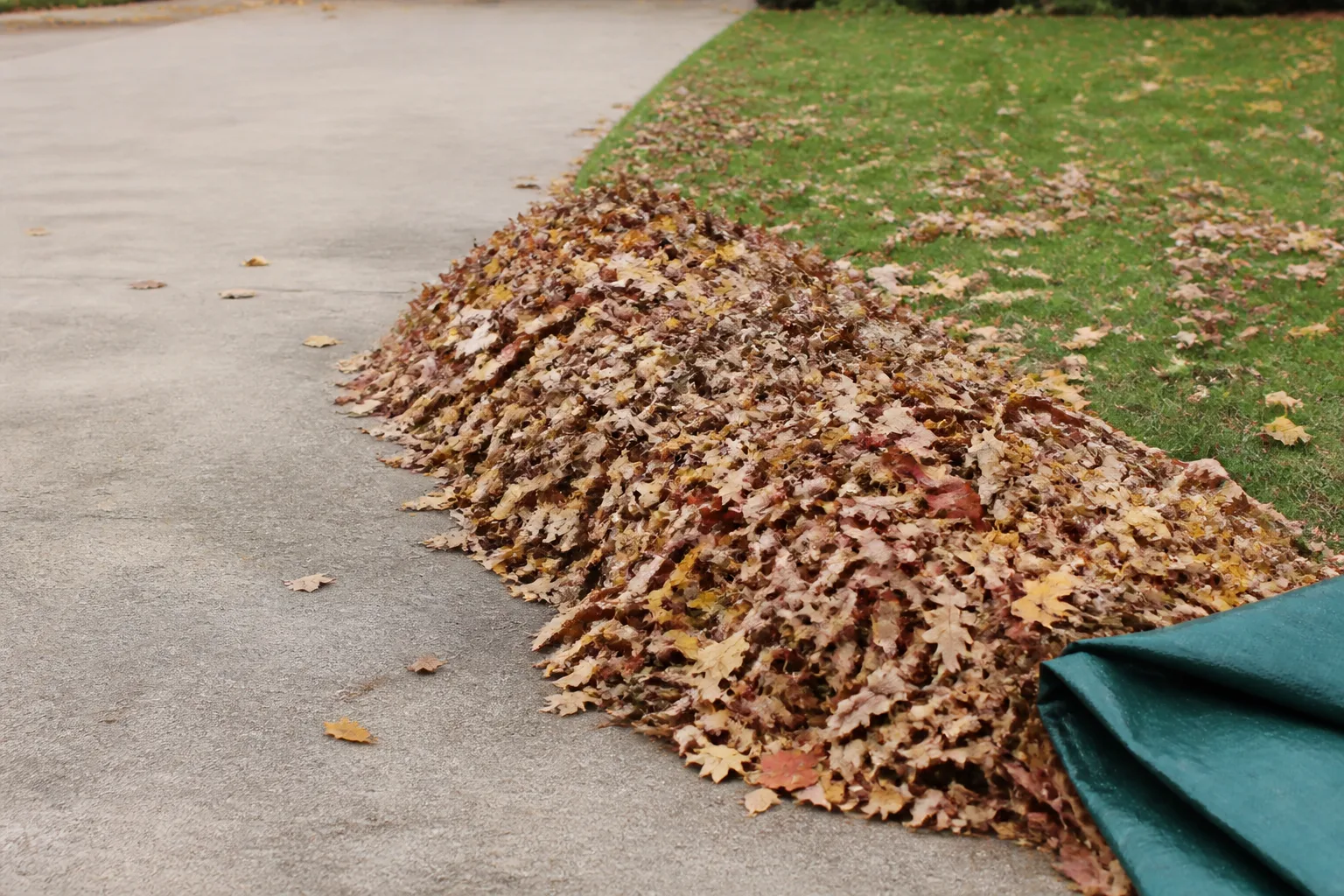
Used mowers, string trimmers, and leaf blowers can be excellent values—or the reason your garage smells like stale gas for a year. Sellers often list equipment that “ran last season” after sitting with ethanol fuel in the tank. Carburetor gunk, cracked fuel lines, and dull blades are fixable; seized engines, cracked aluminum decks, and missing safety guards often are not.
Buy power gear only if you are willing to do basic maintenance or pay a small-engine shop for a pre-purchase tune-up. A $75 mower that needs a $120 service is not a $75 mower.
Quick diagnostics before you load it into the truck
Ask the seller to start it cold while you watch—not after it has been idling for twenty minutes. Pull the starter smoothly; hard pulls or metallic knocking are bad signs. Check oil level and color on four-cycle engines; milkshake-colored oil suggests water intrusion.
Inspect the blade or trimmer head for excessive wear, bends, and missing hardware. On mowers, look under the deck for deep rust holes—not surface flash rust, but perforation that weakens the shell. Pull the air filter cover; a filthy filter hints at long neglect but is cheap to replace.
For electric-start models, confirm the battery holds charge or price a replacement before you commit. Batteries can cost more than the asking price on older cordless blowers and trimmers.
Repairs that pay off versus money pits
Usually worth fixing: fresh gas and carb cleaning, spark plug, air filter, fuel line, blade sharpening, pull-cord recoil spring, and carb kit on a otherwise sound engine. These are learnable DIY jobs with modest parts cost.
Often money pits: cracked engine blocks, blown seals with blue exhaust smoke, bent crankshafts, stripped aluminum threads, and decks rusted through. Set a repair cap before you shop—many experienced buyers will not exceed $100–$150 in parts and labor on a used residential push mower unless it is a high-quality brand they know well.
If you only need seasonal leaf cleanup, compare a used blower against a new electric model with a warranty. Sometimes simplicity wins.
5. Vintage garden decor with stone, metal, and patina

Garden decor is where secondhand shopping feels least like compromise. Stone birdbaths, cement urns, iron trellises, and moss-tinted statues look better with age in a way new resin replicas rarely match. Estate sales are the best source for heavy pieces that cost a fortune to ship new.
Prioritize mass and stability. A birdbath that rocks on its pedestal will dump water—or worse, tip on a child or pet. Stone and concrete pieces should sit flat without shimming. Metal decor should stand without flexing; light spinners and thin sheet metal may not survive your wind exposure.
For birdbaths specifically, choose shallow basins with textured interiors so birds can grip the bottom. Deep slippery bowls look elegant but see less bird use and are harder to clean. The National Audubon Society recommends changing water every few days and scrubbing algae buildup—factor that maintenance in before you haul home a basin with narrow crevices you cannot reach.
Our companion guide on backyard decor designers always thrift goes deeper on pedestals, wrought iron, and fountains if you are building a styled outdoor room around secondhand finds.
Inspecting birdbaths, statues, and fountains
Check fountains and pumps on site if possible. Listen for grinding bearings and look for cracked basins that leak. Replacement pump kits are affordable; a cracked concrete shell that weeps continuously is not.
On statues and gnomes, distinguish surface moss from structural spalling. Soft crumbling concrete that sheds chunks when you press it will not improve outdoors. Hairline character cracks in old cast stone may be fine if the piece stays stationary.
Clean used decor before placement: brush off loose debris, scrub bird contact surfaces with a stiff brush and water, and avoid petroleum-based cleaners in basins birds will drink from. Re-level pedestals on compacted gravel so freeze-thaw cycles do not tilt them each winter.
6. Reclaimed brick, stone, and masonry
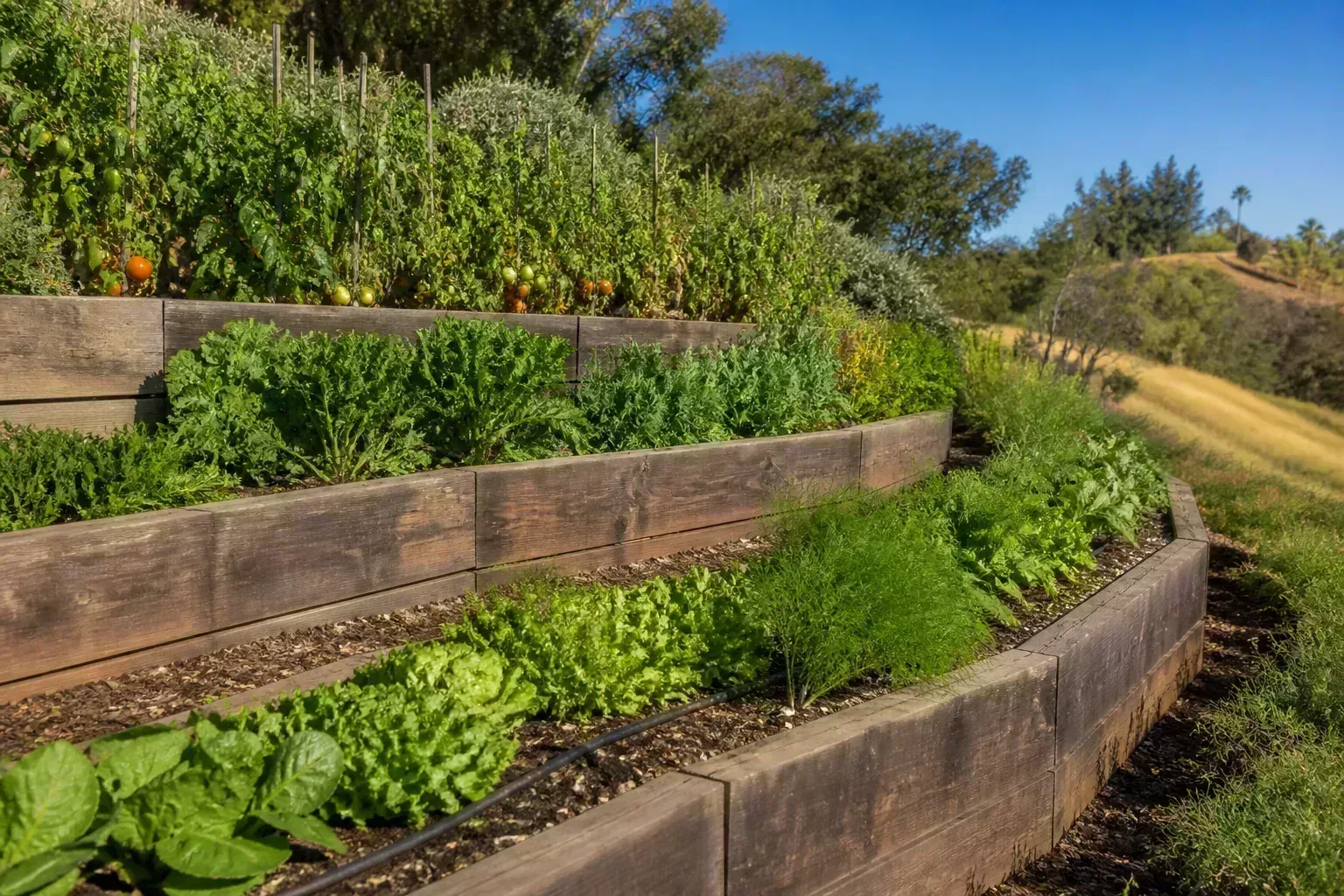
Hardscaping materials are some of the best secondhand values because weight makes them expensive to manufacture and ship. Old brick, fieldstone, concrete pavers pulled from a renovation, and salvaged edging can define paths, raised beds, and seating walls at a fraction of new masonry cost—if you sort and install them correctly.
Salvage yards, demolition listings, and estate sales with “take the patio” ads are prime sources. Uniform thickness matters more than perfect color when you are building a path; save the prettiest faces for the top course and bury odd sizes in the base.
Matching materials and building safely
Sort reclaimed brick into stacking, cutting, and fill piles before you start. Painted brick often belongs in fill, not a walking surface—paint can be slippery when wet and may contain lead. For path basics on a budget, pair salvaged materials with the phased approach in our landscaping on a budget guide: outline beds first, then lay dry paths on compacted gravel and sand without pouring a full concrete slab.
Test stones for freeze-thaw stability. Soft crumbly limestone or flaking concrete may spall in cold climates. Dense brick and hard fieldstone generally perform better outdoors.
Call 811 before digging in paths or beds in the United States to locate utilities. Reclaimed materials are heavy—use proper lifting technique and a hand truck. For raised beds built from salvaged lumber or masonry, see inexpensive raised garden bed ideas for safe height and drainage practices.
Six garden items to skip at the thrift store
Thrifting has a skip list. Avoid these even when the price tag whispers:
Garden hoses and spray nozzles — Rubber and vinyl degrade internally; kinks and leaks appear within weeks. A new hose with a good warranty often costs less per season than replacing three used ones.
Pesticide, herbicide, and fungicide bottles — Partial containers with unclear labels are a safety and environmental hazard. Extension offices recommend following label law for any pesticide application; you cannot follow a label you do not have.
Pressure-treated lumber of unknown age — Older treated wood may contain arsenic-era compounds unsuitable for food beds. If you cannot verify treatment type and age, pass.
Dull, stamped hand tools with bent tangs — Restoration time exceeds value. Wait for forged estate-sale tools instead.
Resin decor with UV crumble — Chalky, brittle plastic that snaps when you flex a thin section will not survive another summer.
Irrigation timers and drip kits with missing parts — Incomplete systems nickel-and-dime you with adapters and leaks. Buy new matched kits when you are ready to install irrigation properly.
When a “deal” fails the skip list, remember the four-part test. Walking away is part of thrifting well.
Conclusion
The six garden essentials worth buying secondhand—pots, fertilizer, hand tools, gas equipment, decor, and reclaimed masonry—share one trait: they reward inspection and basic upkeep more than they reward a factory seal. Shop estate sales and marketplaces with gloves, a flashlight, and a repair budget cap. Run every find through structure, material, maintenance, and total-cost checks before it hits your trunk.
Clean and disinfect used tools, read fertilizer labels like a chemist, and treat vintage ceramics as display pieces until you know their drainage and paint history. Skip hoses, mystery chemicals, and crumbling resin even when they are free. Done this way, thrifting becomes a reliable part of a garden budget—not a gamble that fills your shed with someone else’s abandoned projects.



