Glazed Pots for Plants: When They Help and When They Hurt
Glazed pots are not bad for plants — but the non-porous glaze changes how fast soil dries. Learn when glazed ceramic beats terracotta, which plants prefer each, and why drainage holes matter more than the finish.
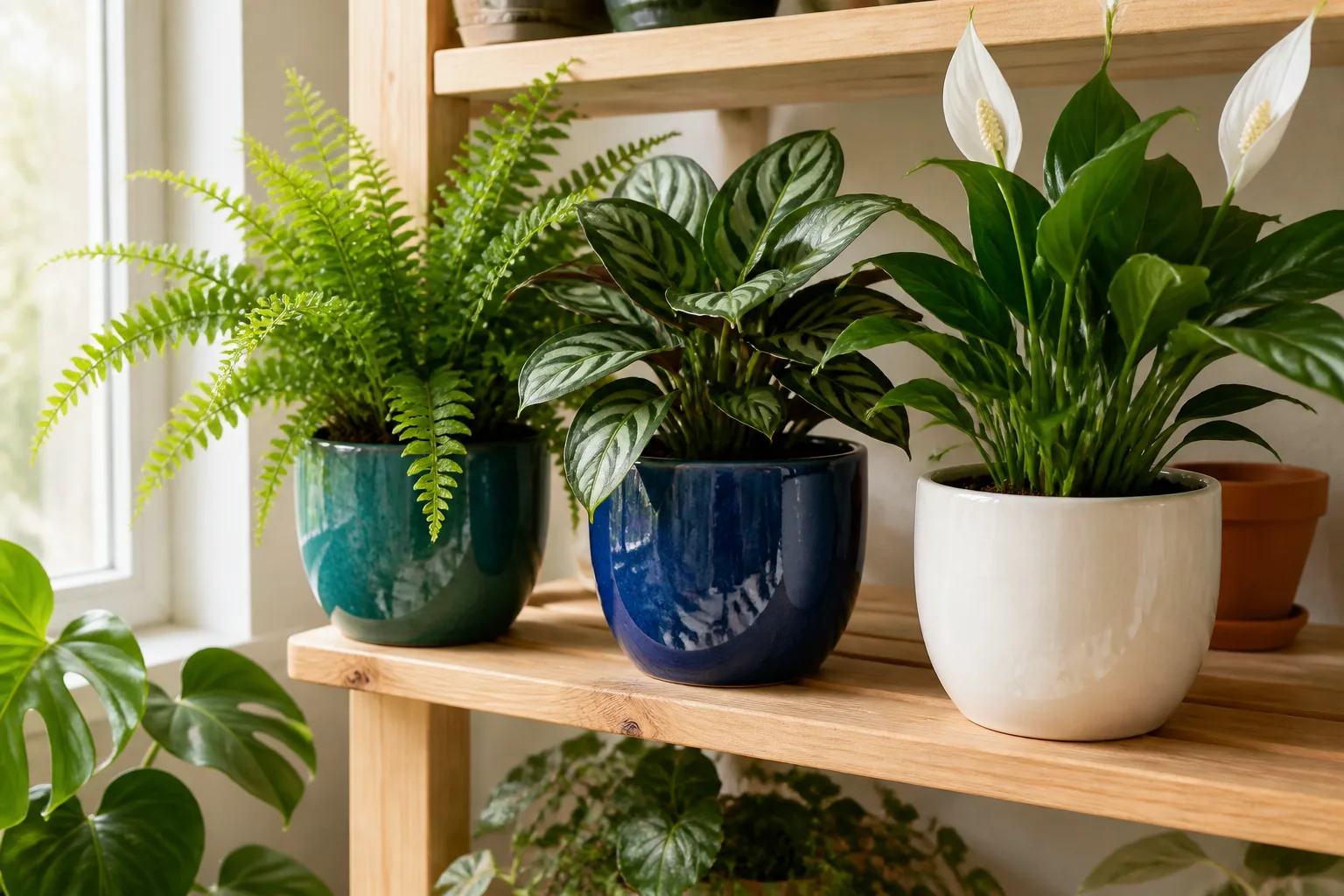
Glazed pots are not bad for plants. They are non-porous pots, and that single property changes how fast soil dries, how forgiving the container is when you overwater, and which plants feel at home in it. Unglazed terracotta breathes through its walls; a glassy glaze seals those pores shut. Neither finish is morally superior — the mistake is treating a glazed showpiece like a fast-drying clay pot, or parking a fern in unglazed terracotta because the orange clay looked rustic.
Professional growers do not ask whether glaze is “good” or “bad.” They ask whether the pot’s drying speed matches the plant’s root-zone needs and your watering habits. Get that pairing right and a glazed ceramic pot keeps a peace lily happy for years. Get it wrong and the same pot becomes a root-rot trap that smells sour within a month.
The Short Answer: Glaze Changes Watering, Not Plant Health
Glazed ceramic pots hold soil moisture longer than unglazed terracotta because the glaze blocks water and air from moving through the pot walls. That is helpful when you grow moisture-loving houseplants, forget to water, or run heat that dries the air. It is risky when you grow succulents, water on a fixed calendar instead of checking the mix, or use a pot with no drainage hole because the glaze looked too pretty to drill.
Extension and botanic-garden guidance on containers consistently puts drainage holes ahead of material choice. The RHS notes that drainage holes in the base are essential and that container plants are prone to winter waterlogging when saucers trap water. The glaze changes timing; drainage and your watering judgment change survival.
How Glazed Ceramic Pots Differ From Unglazed Terracotta
Both start as clay fired at high heat. Terracotta — Italian for “baked earth” — is typically left unglazed, leaving microscopic pores that let water evaporate through the sides. Glazed ceramic gets a glass-like coating during or after firing that seals those pores. Plant Care for Beginners explains the result clearly: terracotta helps excess moisture escape; glazed ceramic keeps the root ball wetter, longer.
Retail labeling blurs the line. Shops call orange clay “ceramic,” sell “terracotta-colored” glazed pots, and stock faux-stone plastic that mimics both. Before you repot, identify what you are actually holding.
What the glaze does to clay porosity
Think of unglazed terracotta as a wick. Water moves from wet soil through the wall and evaporates into the room. That side evaporation can remove a surprising amount of moisture on a hot windowsill — sometimes more than the plant uses — which is why a small succulent in a 4-inch clay pot may need water twice a week in July but only monthly in January.
Glaze turns the pot into a bucket with a single exit — the drainage hole at the bottom (if there is one). Moisture leaves only through the soil surface and that hole. Soil stays darker, longer. Roots get fewer oxygen pulses between waterings. For a calathea in dry indoor air, that slower drying is a feature. For a snake plant in a dim corner, it is a liability unless you adjust the mix and watering cadence.
Glaze also changes temperature behavior. Dark glazed pots on a sunny patio absorb heat. Non-porous walls trap warmed, wet soil around roots longer than breathable terracotta would. Light-colored glazed pots reflect more sun but still dry more slowly than unglazed clay of the same size.
The tap test and how to read the surface
Tap test: flick the rim with a fingernail. Unglazed terracotta gives a dull, soft thump. Fully glazed ceramic rings sharper, like tapping a mug. Painted terracotta can muddy the sound, so combine the tap with touch.
Surface feel: unglazed clay is matte and slightly rough. Glaze is smooth, often glossy, and may show brush marks or color pooling in recesses. Flip the pot: many glazed pieces have an unglazed ring on the bottom where they sat in the kiln — that bare clay does not make the pot “breathable” enough to behave like terracotta; the glazed walls still dominate drying.
Color clue: classic orange-brown usually means terracotta clay, but glaze can mimic any hue. When in doubt, scratch an inconspicuous spot on the base. Bright orange clay underneath suggests unglazed or partially glazed terracotta; a white or gray ceramic body under a thin coat suggests stoneware or porcelain-style ceramic.
Glazed vs Unglazed vs Plastic: A Practical Comparison
| Property | Unglazed terracotta | Glazed ceramic | Plastic nursery pot |
|---|---|---|---|
| Wall porosity | High — breathes | None — sealed by glaze | None |
| Soil drying speed | Fastest of the three | Slow — holds moisture | Slow — similar to glazed |
| Overwatering forgiveness | Highest | Lowest | Low |
| Weight | Heavy | Heavy | Light |
| Frost outdoors | Cracks if wet and freezing | Better if labeled frost-proof | Usually fine |
| Aesthetics | Rustic, uniform earth tones | Wide color and finish range | Functional, often hidden |
| Best default for beginners who overwater | Yes | No | Neutral — depends on mix |
Plastic behaves like glazed ceramic for moisture retention but weighs less and costs less. Many experienced growers keep plants in nursery pots and drop them into glazed cache pots for display — the best of both worlds when the decorative shell has no hole. See our guide on growing without a drainage hole for the safer cache-pot method.
When Glazed Pots Are the Better Choice
Choose glazed ceramic when the plant wants steady moisture, when your room air is dry, or when you tend to underwater rather than overwater. Aaron Steil, consumer horticulture specialist at Iowa State University, frames it the same way in public extension commentary: glazed and other nonporous containers need less frequent watering than unglazed clay — desirable in some situations, less so in others.
Moisture-loving houseplants and tropicals
Glazed pots shine with plants that wilt when the mix dries even slightly:
- Ferns — maidenhair, bird’s nest, and Boston types need even moisture; see our companion piece on plants that struggle in terracotta for why porous clay fights these growers.
- Calatheas and prayer plants — fine roots dry out fast in terracotta; glazed walls buffer swings.
- Peace lilies and anthuriums — prefer evenly moist, not soggy, soil; glazed pots reduce midday wilt on busy schedules.
- Alocasias and begonias — many hybrids resent full dry-downs between every watering.
- Outdoor shade containers — glazed pots on a covered porch dry slower than terracotta, which helps mixed shade annuals through a hot weekend.
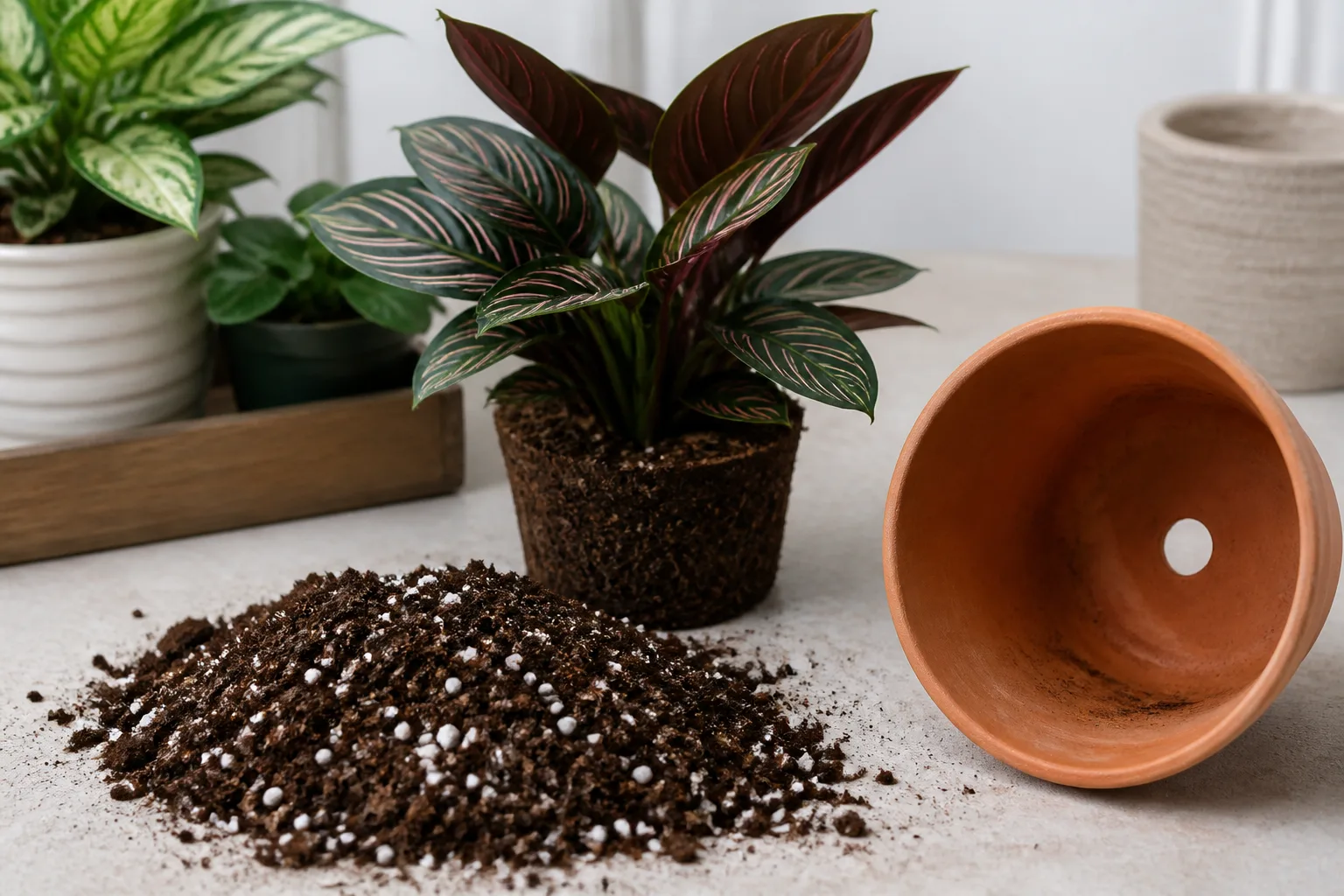
Pair glazed pots with a chunky, well-aerated potting mix, not straight peat. Our best potting mix for indoor plants guide explains why structure matters more as pots get less breathable.
Forgetful underwaterers and dry indoor air
Winter heating, air conditioning, and south-facing glass can pull moisture from soil faster than you notice — unless the pot helps. Glazed ceramic gives you more time between waterings without turning the root ball into a swamp, provided you still check the mix and empty saucers after watering.
If you travel or forget plants for a few days, glazed pots are not a substitute for self-watering systems, but they buy margin that terracotta will not. Combine them with a pebble tray or humidifier for ferns; the pot handles soil moisture, humidity handles leaf edges.
When Unglazed Terracotta Wins
RHS container guidance lists terracotta as attractive but notes unglazed clay dries out more quickly than plastic or glazed alternatives — exactly why dry-foot plants love it.
Succulents, cacti, and dry-foot herbs
Put these in unglazed terracotta when you want the pot to punish excess water:
- Echeverias, haworthias, and most cacti
- Snake plants and ZZ plants in bright light
- Rosemary, thyme, lavender, and oregano outdoors
Can succulents live in glazed pots? Yes — with extra perlite or pumice, strict dry-down checks, and often a smaller pot than you think. Beginners usually get better results in terracotta until watering becomes automatic.
Chronic overwaterers still learning the rhythm
If your history includes yellowing leaves, mushy stems, and mold on the soil surface, unglazed terracotta is the training wheel. The pot forgives an extra splash because side evaporation pulls water away from roots. Glazed ceramic in the same hands keeps soil wet through the next three “just in case” waterings.
That does not mean glazed pots are forbidden forever. It means you should earn the slower-drying container by checking moisture with a finger or skewer for a full season without rot.
Drainage Holes Matter More Than the Glaze
A glazed pot with a drainage hole beats an unglazed pot without one. Every time.
Direct planting — roots and soil live in the pot that drains. Water should exit the bottom within seconds of a thorough soak. If it pools, drill more holes (use a masonry bit on ceramic) or repot into a container that drains.
Cache pots and double potting — the plant stays in a plastic nursery pot with holes; the glazed outer pot is decoration only. After watering, lift the inner pot, dump the saucer, and never let the outer shell become a water reservoir. Our no-drainage-hole houseplants guide walks through drilling vs double-potting safely.
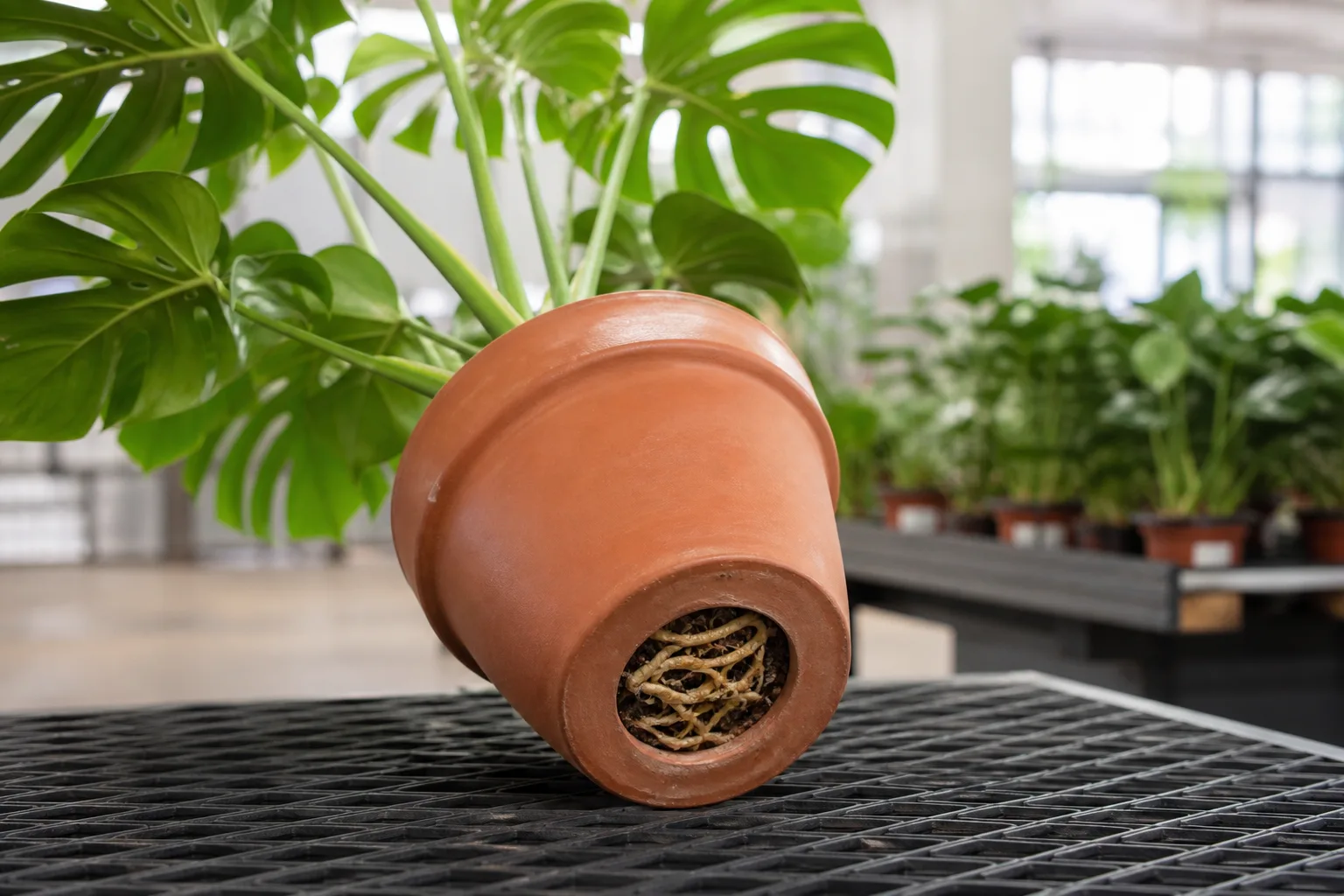
The RHS recommends covering only very large drainage holes with crocks so compost does not wash out — not sealing holes to “keep soil in.” Gravel layers at the bottom do not create drainage; they raise the water table in the pot. Use quality mix and a hole.
Weight, Stability, and Where You Place the Pot
Glazed ceramic is heavy, especially in sizes above 10 inches. That weight helps top-heavy fiddle-leaf figs and tall dracaenas resist tipping, but it makes windowsills and plant stands risky. Plastic inner pots plus glazed cache shells split the difference: stability where the plant lives, lighter weight where you lift for watering.
Dark glazed pots in full sun heat up. Move moisture-sensitive plants back from glass or shade the pot. Light glazed finishes on a west patio still dry slower than terracotta — adjust summer watering for container gardens accordingly.
Tall, narrow glazed cylinders blow over easily. Add weight in the base — large gravel chunk, never foam packing peanuts — or choose a squat shape with a wider footprint.
Winter Freezing, Saucers, and Outdoor Glazed Pots
Unglazed terracotta absorbs water into its walls. When that water freezes, it expands and splits the pot. Glazed ceramic resists absorption through the glazed faces, so labeled frost-proof glazed pots survive outdoor winters better than basic orange clay — though cheap glaze can still craze and let water in over years.
Winter care rules for any container:
- Remove saucers before freeze season so pots are not sitting in ice water. The RHS warns that waterlogged winter compost rots roots.
- Raise pots on feet or bricks so drainage holes stay clear of paving.
- Move tender plants under eaves or indoors; the pot material does not replace hardiness zone math.
If you must leave glazed pots outside, choose frost-rated products, keep soil slightly dry before hard freezes, and accept that any pot — glazed or not — is safer empty or planted with hardy evergreens than packed with soggy summer annuals in November.
Salt Buildup, Mold, and Other Glazed-Pot Problems
White crust on unglazed terracotta is mineral salt left behind when fertilizer- or tap-water minerals travel with evaporating water through the wall. Scrub with a stiff brush and water, or soak in diluted vinegar, then rinse before repotting. Glazed exterior pots show crust less on the sides but may collect salt rings in saucers where water evaporates from below.
Mold on soil in glazed pots usually means the mix stays wet too long — wrong pot type, oversized pot, or watering before the top inch dried. Fix the habit before chasing fungicides; see mold on houseplant soil for when to repot vs adjust watering.
Root rot smells sour, shows yellow leaves on a wet mix, and happens in glazed pots when drainage is blocked or watering is automatic. Terracotta masks early overwatering; glaze exposes it. That is not glaze being “bad” — it is glaze being honest.
Lead in vintage glaze is a real YMYL concern for edibles grown in old decorative ceramics. Modern garden glazes from reputable suppliers are typically food-safe when labeled; skip mystery thrift-store pots for herbs and tomatoes unless you know the glaze history.
How to Switch Pot Types Without Stressing the Plant
Moving from terracotta to glazed (or the reverse) changes drying speed overnight. Ease the transition:
- Repot in active growth — spring or early summer for most houseplants — not mid-winter dormancy unless rot forces your hand.
- Size up only one inch in diameter unless roots clearly circle the pot. Oversized glazed pots stay wet dangerously long.
- Adjust mix — add perlite when going to glazed; reduce perlite slightly when going to terracotta if the plant needs more hold.
- Watch for two weeks — wilt may mean too dry (new terracotta) or too wet (new glazed). Weigh the pot or probe the top 2 inches before reacting.
- Keep the same watering day name but not the same volume — glazed pots often need less water per session, not a longer interval at first.
A Five-Minute Pot-Matching Checklist
Run this before you buy or repot:
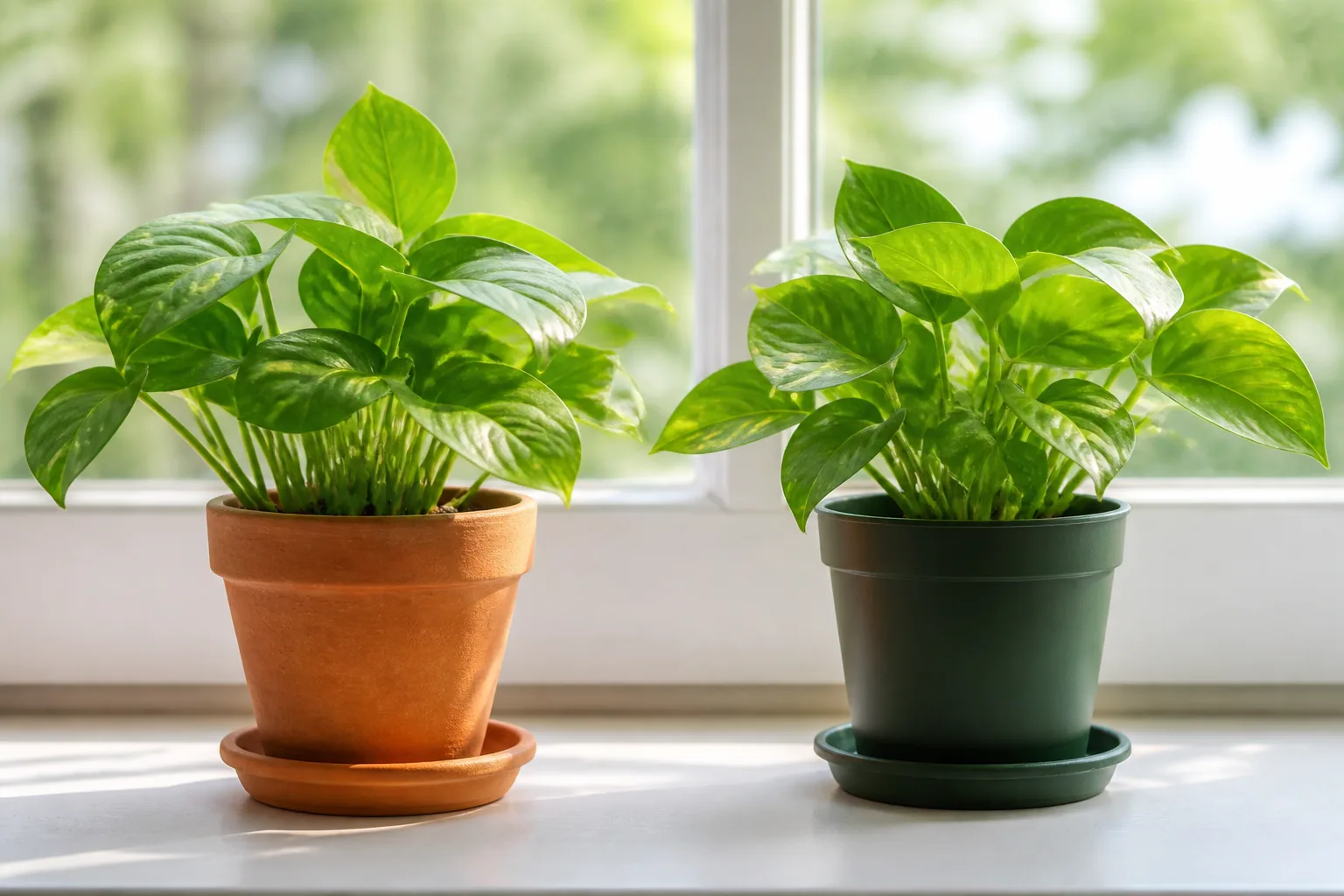
- Does this plant prefer dry-down or steady moisture? Dry-foot → terracotta or very gritty mix in glazed. Steady → glazed or plastic.
- What is my real habit? Overwater → terracotta. Underwater → glazed.
- Is there a drainage hole — or a plan for an inner nursery pot? No plan → stop shopping.
- Where will the pot live? Hot sun + dark glaze → reconsider material or color. Windy balcony → wide base or heavier cache setup.
- Indoor or outdoor winter? Outdoor freeze → frost-rated glazed or plastic; protect unglazed clay.
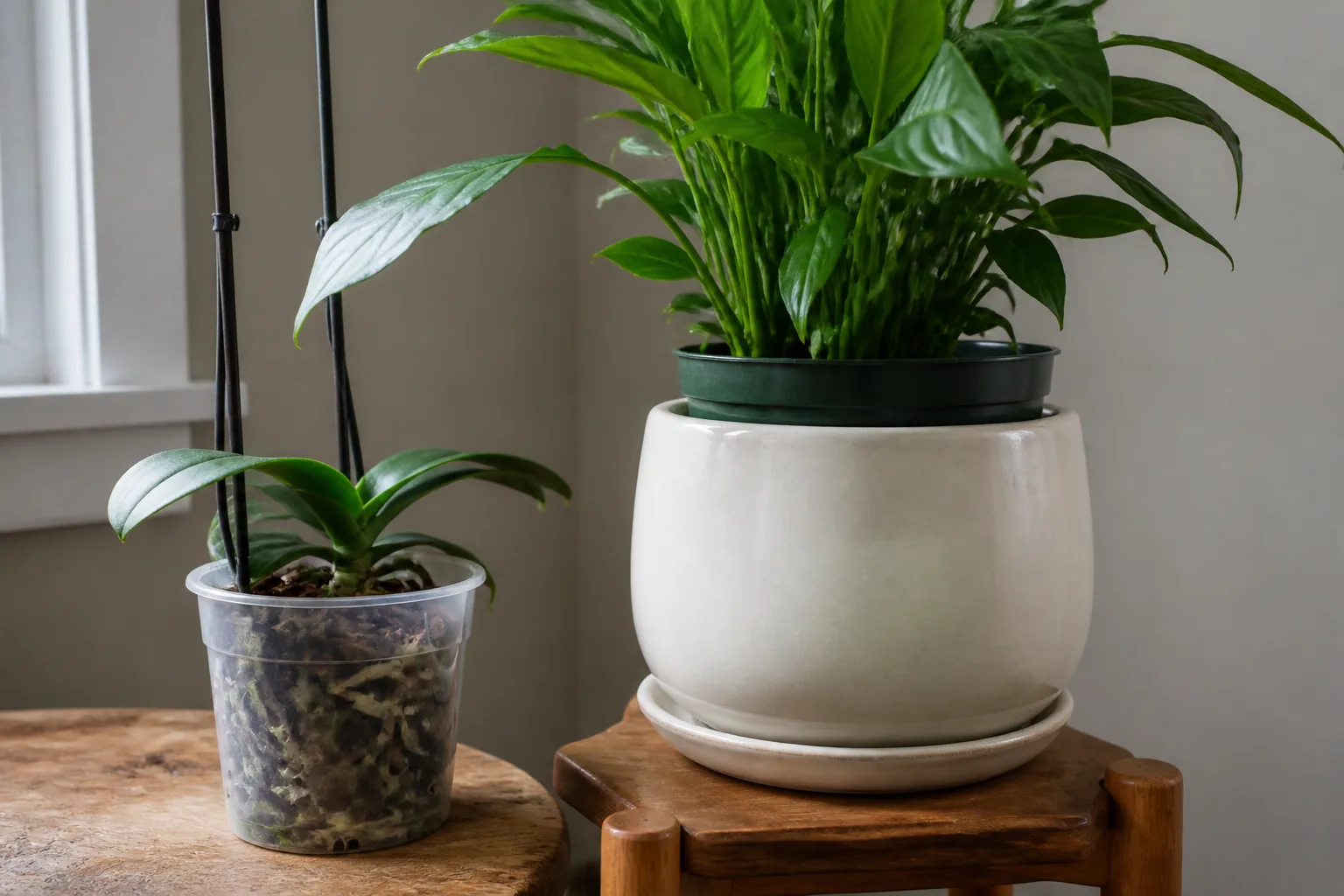
When the checklist points to glazed and the plant is tropical, you are buying time between waterings, not immunity from rot. When it points to terracotta, you are buying forgiveness, not permission to neglect plants that need humidity.
Conclusion
Glazed pots do not harm plants by default. They slow drying, which helps moisture-loving indoor plants and busy underwaterers, and hurts succulents and heavy-handed waterers unless you change the mix and schedule. Unglazed terracotta does the opposite. Drainage holes, pot size, saucer habits, and your willingness to check soil matter more than whether the finish is glossy.
Choose the pot that makes your plant’s normal care easier — not the one that matches the bookshelf. When aesthetics win, use a glazed cache pot and keep the plant in a draining nursery liner. That single habit solves most “are glazed pots bad?” panic before it starts.



