6 Flowers Cheaper to Grow Than Buy for Bouquets
Compare six flowers that can cost less to grow than buy, from easy zinnias and sunflowers to reusable dahlia tubers and lavender.
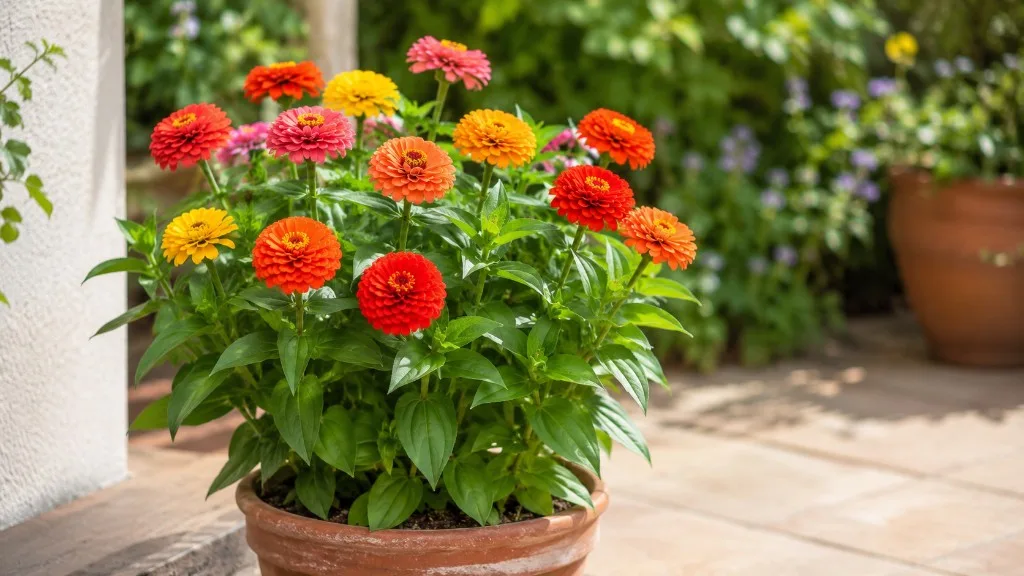
A vase of flowers feels like a small luxury until you start buying one every week. A packet of seeds or a single tuber can look expensive beside the checkout total, but the calculation changes when one planting produces many stems over a season.
The catch is that “cheaper” is not automatic. Soil, water, support, containers, failed seedlings, and your time all count. The six flowers below are good candidates because they either grow readily from seed, produce repeated harvests, or give you planting material that can be reused next year.
What “cheaper to grow” really means
The most useful comparison is not seed packet versus bouquet. It is total growing inputs versus the number of usable stems you actually bring indoors. A low-cost packet that produces weak, short, pest-damaged flowers is not a bargain; a modest dahlia tuber that gives a season of strong stems and divides into more tubers can be.
Penn State Extension recommends starting a cutting garden with good soil and a sunny site, planning for both annuals and perennials, choosing varieties with naturally long stems, and learning the best harvest stage for each flower. Those details are economic decisions because every failed plant, extra support, and short-lived stem raises your real cost.
Use a break-even test instead of a universal price claim
Write down the price of the seeds, tuber, or starter plant, then add the portion of soil, compost, seed-starting mix, trays, fertilizer, trellis, netting, water, and pest protection you will actually use. Divide that total by the number of stems that make it into a vase. Your result is a rough material cost per usable stem.
For example, if a small planting costs $12 in materials and produces 40 stems that you would otherwise buy, the material cost is 30 cents per stem. That does not price your labor, land, or enjoyment, but it gives you a fair baseline. Use the flower shop or grocery price in your area for the second half of the comparison; stem prices and bouquet sizes vary too much to make one national number honest.
Quick comparison: the best flower for each budget
| Flower | Why it can be economical | Main cost or catch | Best fit |
|---|---|---|---|
| Zinnias | Direct-sown annuals produce many colorful stems and can be succession-planted | Replant yearly; overcrowding can invite leaf disease | The easiest first cutting row |
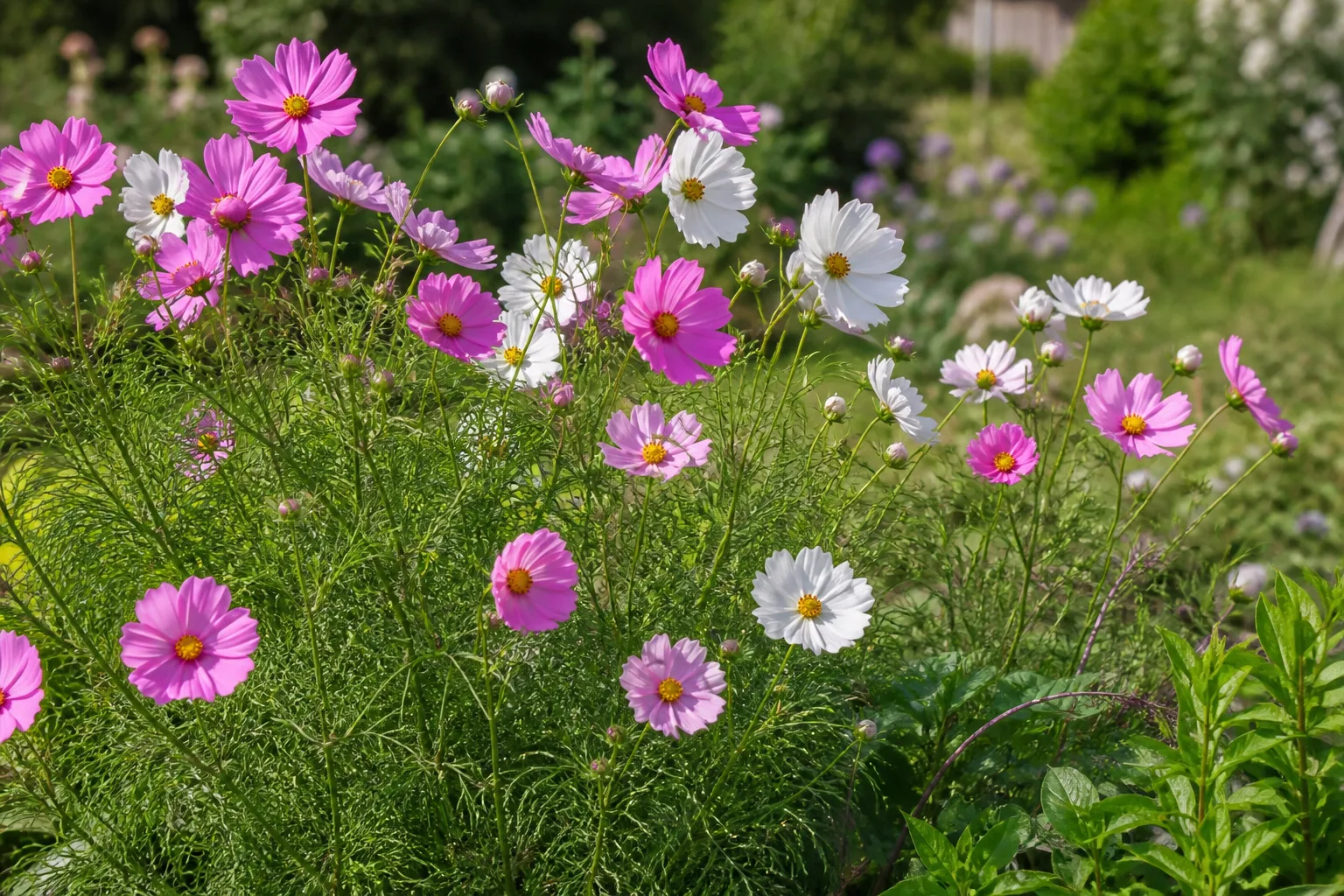
| Cosmos | A small seed purchase can yield a long run of light, useful filler flowers | Plants can sprawl and stems may be less formal | Airy bouquets and pollinator-friendly gardens |
| Sweet peas | Many stems from seed, with fragrance that is costly to replicate in a shop bouquet | Cool-season timing and a trellis are essential | Spring bouquets in mild or cool climates |
| Lavender | Established plants return and provide fresh or dried stems | Slow and unreliable from seed; drainage is non-negotiable | Long-term borders and dried flowers |
| Dahlias | A healthy tuber can produce a large crop and more planting stock | Higher start-up cost, staking, and winter storage | Focal blooms after the first season |
| Sunflowers | Direct seeding is simple and succession planting keeps stems coming | Tall plants need space and can attract birds or deer | Fast, bold summer bouquets |
Zinnias are the best first cut flower
Zinnias are the closest thing to a low-risk entry point for a home cutting garden. They are annuals, so you buy seed again each year, but they germinate readily in warm soil, tolerate a range of garden conditions, and branch into repeated harvests when you keep removing flowers.
The RHS zinnia growing guide lists zinnias as useful cut flowers that can be raised from seed and encouraged to keep flowering by deadheading or cutting blooms. NC State Extension also recommends full sun, good drainage, direct sowing after the last frost, and good air circulation, especially where summers are hot and humid.
Grow tall varieties and keep cutting
Choose a tall, branching variety sold for cutting rather than a compact bedding type. Sow directly after the soil is warm, or start a modest number indoors if your season is short; transplant only after hardening seedlings and the frost risk has passed. Give plants enough room for airflow and water the root zone when it is drying instead of keeping foliage wet overnight.
The savings come from harvest rhythm. Cut long stems just above a leaf pair or side shoot, remove fading flowers, and sow a second small row a few weeks after the first if your season is long. Keep one or two spent heads for seed only after you have harvested the flowers you want; otherwise, the plant is more valuable as a stem-producing machine than as a seed source.
Zinnias are the best choice if you want the lowest learning curve and the fastest route to a full vase. They are less attractive economically if you have deep shade, a short frost-free season, or a recurring powdery-mildew problem that reduces the number of marketable stems.
Cosmos give you airy filler from a small seed investment
Cosmos fill a job that is surprisingly expensive to replace: the light, dancing flower and fine foliage that make a bouquet look full without making it heavy. The plants are usually inexpensive to start from seed and can produce a long succession of blooms in warm weather.
Experienced grower Britney Zondlak of Two Sisters Flower Farm describes cosmos as prolific and useful for their airy movement, while also noting that mature plants can become large and unruly. That is the economic trade-off in one sentence: seed is cheap, but garden space and support are not free.
Give sprawling plants room and harvest often
Sow cosmos directly in full sun after the weather is reliably warm. Avoid overfeeding them with nitrogen, which can produce a lot of foliage and floppy growth without making a better cutting crop. If the plants lean, use a low support grid or grow them in a dense enough block to help stems hold one another up, while still leaving enough airflow to dry leaves after rain.
Cosmos reward regular cutting. Harvest stems before the flower is too old, strip the leaves that would sit below water, and keep cutting rather than waiting for every bloom to open at once. The more frequently you use the flowers, the more valuable that original seed packet becomes.
Cosmos are a better buy than a nursery-grown plant when you have space for their relaxed habit and want filler for mixed bouquets. They are a poor bargain in a tiny container, where a single sprawling plant can consume the space that would have grown several upright stems.
Sweet peas earn their place when fragrance matters
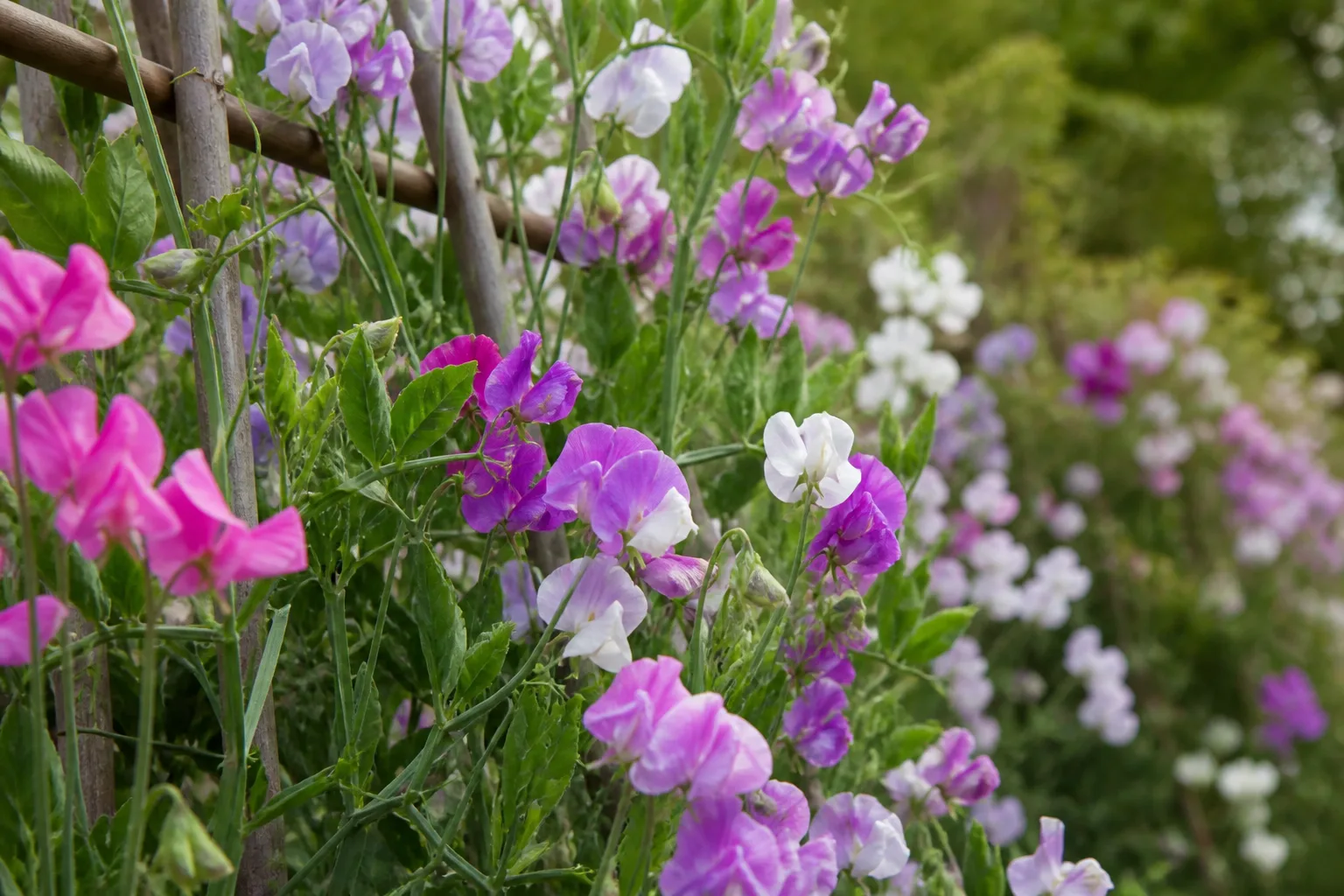
Sweet peas are not always the cheapest flower to grow if you count the trellis, but they can be one of the cheapest ways to add fragrance and a cottage-garden shape to a bouquet. Their scented, ruffled blooms are difficult to replace with ordinary grocery-store stems, and a packet can produce many plants when the timing is right.
The Graceful Gardens cut-flower guide recommends treating sweet peas as cool-season climbers, soaking seed when useful for germination, providing support, and harvesting regularly to keep flowers coming. That advice matters more than the price of the packet: sweet peas sown into hot weather may produce disappointing plants no matter how little the seed cost.
Budget for cool weather and a trellis
Plant sweet peas in the season when your climate is cool enough for them to grow strongly. In many temperate regions that means early spring; in milder areas, a late-summer sowing can set up a fall or winter crop. Check the seed packet for your local timing rather than using a calendar date from another climate.
Give the vines a trellis, netting, or other support before they begin climbing. Keep the soil evenly moist while plants establish, and pick flowers as soon as they are ready instead of letting pods develop. If you skip support, you may still get flowers, but bent vines and hard-to-reach stems make the crop less useful for bouquets.
Sweet peas are an excellent value for a small seasonal crop when fragrance is the reason you want homegrown flowers. They are not the first choice for a hot-summer garden, a no-support garden, or a gardener who wants reliable stems from midsummer through frost.
Lavender pays back slowly but lasts for years
Lavender is economical in a different way. It is not the fastest flower to raise from seed, and a young plant may not provide a large harvest immediately, but an established clump can supply fragrant fresh stems and dried bundles for several seasons.
Utah State University Extension notes that English lavender performs best in full sun and well-drained soil, dislikes waterlogged conditions, and is often propagated from cuttings because seed germination is slow. That is a useful correction to the assumption that every cheap seed packet is the cheapest starting point.
Buy a plant or root a cutting when speed matters
Plant lavender in the brightest, best-drained part of the garden. UC IPM likewise emphasizes cultural conditions rather than constant feeding: lavender does not become more economical when it is repeatedly watered into a wet root zone or pushed into soft, short-lived growth.
If your goal is fresh stems this year, compare the price of a healthy small plant or rooted cutting with the cost of failed seed starts and several months of waiting. If your goal is a long-lived border, seed may still make sense when you enjoy the process and have the right cultivar. Harvest flowering stems when the color is strong, then dry the extras so the same planting serves both fresh and preserved arrangements.
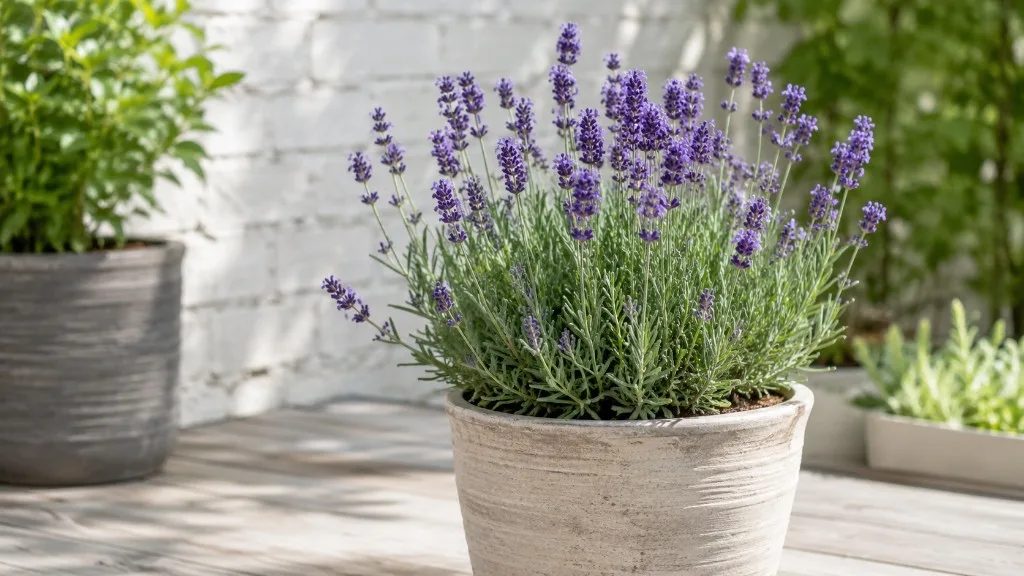
Lavender is a strong long-term value in a dry, sunny garden, especially when you use the foliage and dried flowers as well as fresh stems. It is a poor investment in heavy clay, a wet low spot, or any site where you cannot improve drainage without creating a larger garden project.
Dahlias repay a bigger first purchase
Dahlias reverse the annual-seed logic. A quality tuber can cost more at the beginning than a packet of zinnia or sunflower seed, but it can produce a large crop of focal flowers and often more tuber material by the end of the season. In climates where the tubers can be safely left in the ground, the payback can be especially strong; in colder regions, storage is part of the price.
The RHS dahlia growing guide describes dahlias as tender perennials grown from tubers and explains that they need protection from freezing conditions. West Virginia University Extension also recommends full sun, well-drained soil, support for bloom-heavy plants, and curing and storing tubers after the growing season.
Treat tubers as a reusable flower-producing asset
Start with a viable tuber that has an eye attached to a firm crown. Plant it in warm, well-drained soil, water carefully while shoots emerge, and add support before the stems become top-heavy. Keep harvesting and deadheading through the season; a dahlia that is left to set seed instead of producing more flowers is a less efficient use of the bed.
At the end of the season, decide whether your climate allows tubers to overwinter in place. If frost would kill them, lift them after the foliage has been cut by cold, let them cure as recommended for your conditions, and store them in a cool, frost-free place where they will not dry into shriveled husks or sit wet enough to rot.
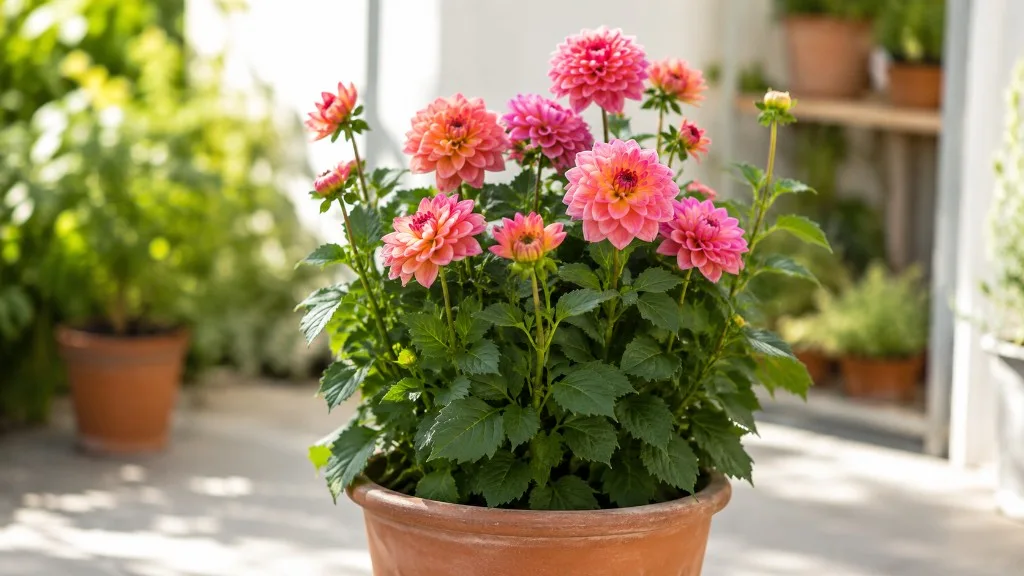
Dahlias become a better value each year you successfully keep and divide the planting stock. They are not automatically cheap: a lost tuber, a broken support, a poor storage setup, or a gardener who does not want autumn digging can make store-bought flowers the more sensible option.
Sunflowers produce fast, high-impact stems
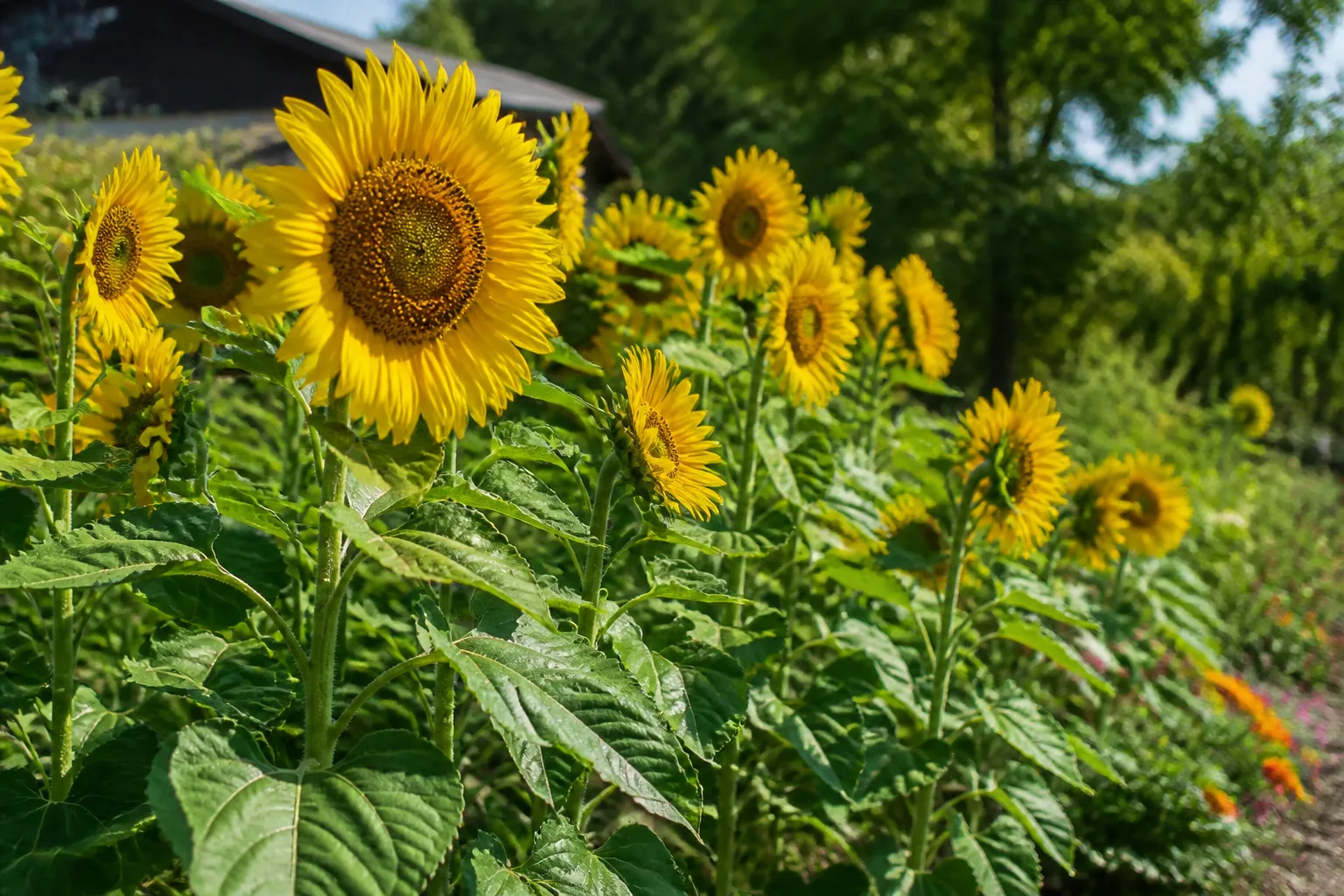
Sunflowers are economical because they combine simple direct sowing with a strong visual payoff. You can fill a vase with a small number of stems, and many cultivars move from seed to flower in one season without the indoor seed-starting equipment that some slower flowers require.
West Virginia University Extension notes that sunflowers are annuals that can be started directly from seed and that succession plantings can extend harvest through summer and fall. It also gives a practical two-to-three-week interval for repeating plantings, while warning that young plants need regular water and that birds, deer, and disease can affect the crop.
Succession-plant for a steady harvest
Choose a sunny location with loose, well-drained soil, then sow a short row after the last frost. Repeat with another row two or three weeks later if your growing season is long enough for the variety to mature. Use branching types when you want many stems from one plant, or single-stem cut-flower types when you want a more predictable harvest window and cleaner rows.
Keep young sunflowers watered while their root systems develop, thin crowded seedlings, and plan for the mature height before planting beside a path or vegetable bed. If deer or birds are common in your yard, add the cost of fencing or protection before you decide the crop is cheaper.
Cut sunflowers in the cool part of the day and move them into water immediately. Their bold scale means you often need fewer stems per arrangement, which is part of their value, but their height and thirst can make them an awkward choice for a tiny balcony or shallow container.
Make the economics work in a small garden
You do not need a dedicated farm plot to lower the cost of flowers. A sunny strip, raised bed, or group of large containers can work if you grow vertically where appropriate, choose cultivars for stems rather than only for garden display, and reserve the best-drained space for the plants that will fail in wet soil.
Harvest before heat and protect vase life
Penn State Extension recommends harvesting before the heat of the day, placing cut ends into water immediately, and using clean equipment and clean vase water. The same source emphasizes that each flower has an ideal harvest stage: a fully open flower can look perfect in the garden and still fade quickly indoors.
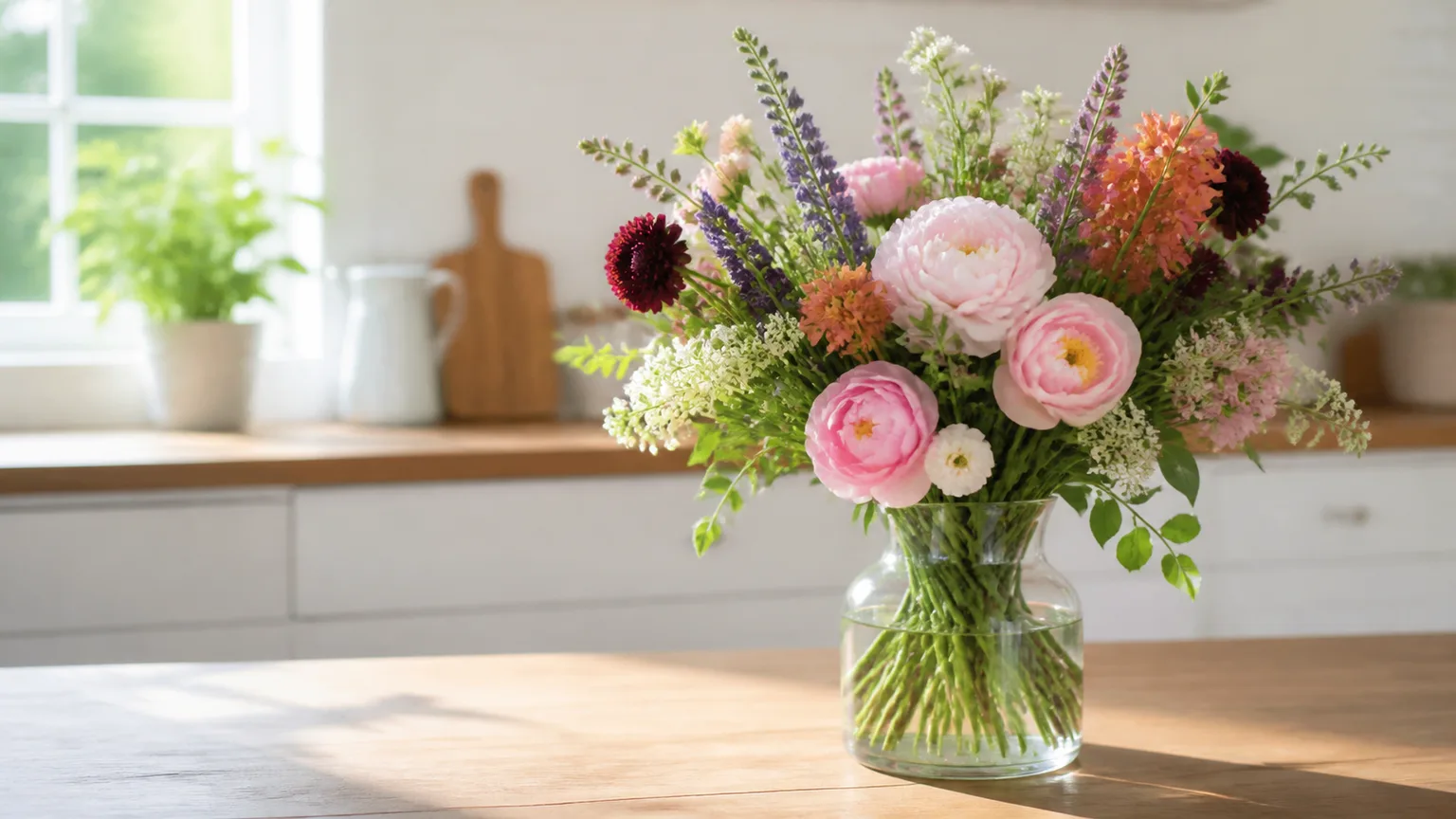
Use a repeatable routine: take a clean bucket of water to the garden, cut the longest usable stems, strip leaves that would sit below the waterline, and condition the flowers in a cool place before arranging. Change vase water when it becomes cloudy and recut stems when needed. Extending vase life protects the savings because a bouquet that lasts several days replaces more than one short-lived bunch.
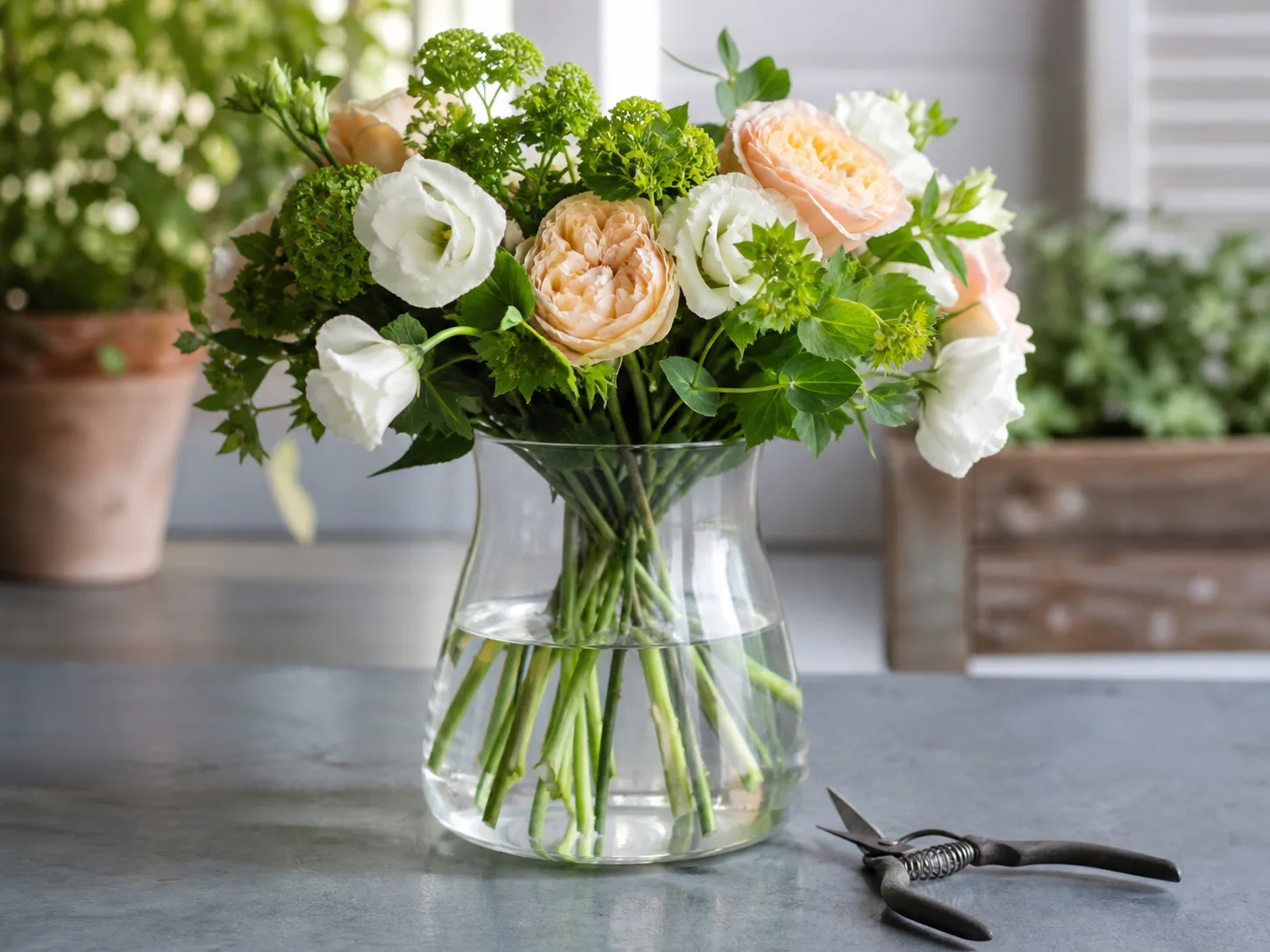
The simplest low-cost plan is to combine roles. Start with zinnias for reliable volume, add sunflowers for focal stems, use cosmos for air, and reserve a small space for either sweet peas, lavender, or dahlias depending on your climate and patience. Plant annuals in succession, but do not buy more seed than you can actually sow and harvest; unused packets are a cost, not a saving.
When buying flowers still makes more sense
Growing wins when you want repeated seasonal bouquets and already have suitable sun, soil, water, and time. Buying often wins for a one-off event, a winter arrangement, flowers that do not suit your climate, or varieties that need specialist greenhouse conditions and long stems.
A home garden also will not produce every stem available at a florist. Penn State Extension cautions that a home cutting garden is not the same as commercial production, and that special-event work requires more consistency than most backyard plantings can provide. That is not a failure; it is a useful boundary that keeps the project enjoyable and the budget realistic.
If you are unsure, trial one small row or container before building a larger bed. Track what you spend, count usable stems rather than total blooms, and note which flowers you actually bring indoors. After one season, you will know whether your garden is saving money, replacing store trips, or simply giving you a hobby whose value is not measured by the vase.
Conclusion
For the fastest and most dependable savings, start with zinnias, cosmos, and sunflowers. They are easy to grow from seed, produce repeated harvests, and make a small planting look generous. Add sweet peas for cool-season fragrance, lavender for a slower long-term return, or dahlias when you are willing to protect reusable tubers.
The winning formula is simple: match the flower to your site, choose varieties bred for stems, succession-plant annuals, harvest early, and calculate your cost per usable stem. That turns “homegrown flowers are cheaper” from a slogan into a result you can check in your own garden.



