Best Fertilizer for Flowers: 2 Smart Picks
Find the best fertilizer for flowers, with practical rates, timing, soil-test caveats, and bloom-saving tips for beds, roses, bulbs, and containers.
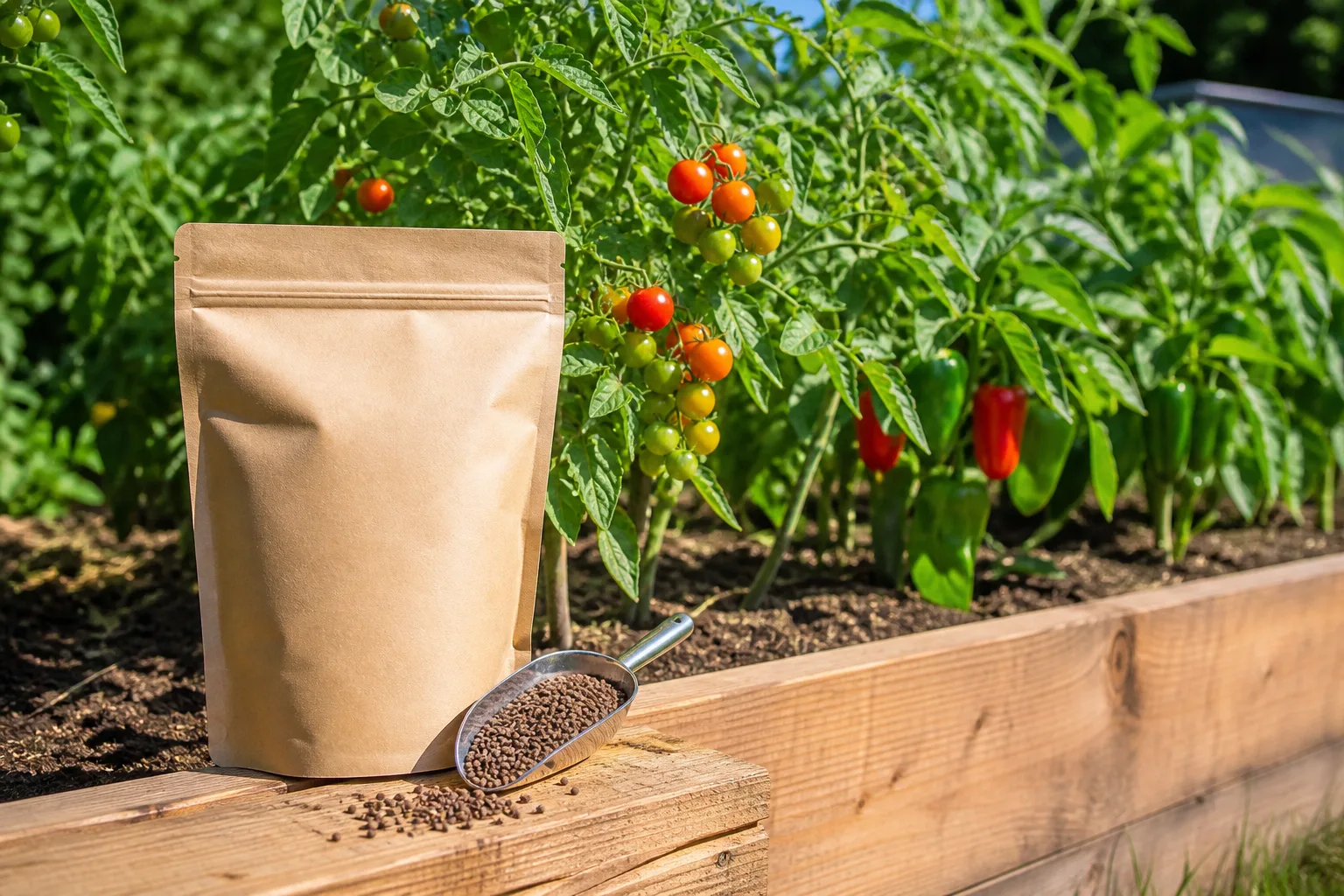
If you want flowers to keep coming, start with the plant’s growing conditions—not the brightest “bloom booster” bag. A good fertilizer can supply missing nutrients, but it cannot replace adequate light, a healthy root system, consistent moisture, or the deadheading that keeps some repeat bloomers from switching to seed production.
Two formulas are especially useful for different jobs: FoxFarm Cultivation Nation Flower 4-35-26 for a measured, water-soluble feed during a plant’s flowering phase, and Down to Earth Rose and Flower Mix 4-8-4 for a slower, dry organic-style amendment used in beds, around roses, and with bulbs. Neither is automatically the best choice for every garden. The right pick depends on how quickly you need nutrients, what your soil already contains, and whether you can measure a concentrated product accurately. The rates in this guide are transcription aids, not permission to exceed the current package label.
The short answer: choose by soil and growing setup
Choose FoxFarm 4-35-26 when you are growing in a container or soilless mix, want a fast and predictable application, and are comfortable following a small-dose label direction. Its high middle number is not a guarantee of more flowers; it is simply a concentrated analysis designed for the middle-to-late flowering stage. The manufacturer describes it as step two in a two-part soluble program, so it makes the most sense when the plant has already built its vegetative framework and is actively setting buds.
Choose Down to Earth 4-8-4 when you prefer a dry, meal-based product for garden soil, want a gentler-feeling side-dress, or need one formula that fits roses, perennials, annuals, bulbs, and some vegetable beds. The current product information lists ingredients including fish bone meal, blood meal, langbeinite, alfalfa meal, seabird guano, rock phosphate, and kelp meal, plus humic acids. That ingredient list explains why it is a bed-building, soil-contact product rather than an instant rescue treatment.
Quick comparison of the two formulas
| Factor | FoxFarm Cultivation Nation Flower 4-35-26 | Down to Earth Rose and Flower Mix 4-8-4 |
|---|---|---|
| Form | Dry, water-soluble powder or dissolved feed | Dry granular/meal-based mix |
| Best fit | Containers, soilless mixes, active flowering | Beds, roses, bulbs, perennials, general garden feeding |
| Speed | Fast once dissolved and watered in | Slower release as soil biology and moisture break ingredients down |
| Main strength | Precise, concentrated flowering-stage feed | Broad nutrient and organic-matter-friendly side-dress |
| Main caution | Easy to overapply; requires accurate measuring | Phosphorus and nitrogen can still accumulate if repeatedly added |
| First question | Can I measure and dilute the label rate? | Does my soil need another dry amendment? |
The practical conclusion is simple: use 4-35-26 for control and speed, and 4-8-4 for a slower garden-bed program. If a soil test shows adequate or high phosphorus, skip the phosphorus-heavy product and address the nutrient that is actually limiting growth.
What the N-P-K numbers really tell you
The three numbers on a fertilizer label are the guaranteed analysis of nitrogen (N), available phosphate expressed as P₂O₅ (P), and soluble potash expressed as K₂O (K) by weight. They are percentages, not a score. A 4-35-26 fertilizer is much more concentrated in all three nutrients than a 4-8-4 product, but the comparison is not “35 is good and 8 is bad.”
Nitrogen supports leaves, stems, and overall vegetative growth. Phosphorus participates in energy transfer, root development, reproduction, and seed formation. Potassium supports many plant processes, including water regulation and stress response. A flowering plant needs all three in appropriate amounts, but the amount already present in the soil or potting mix matters as much as the ratio printed on the bag.
Why “more phosphorus” is not a universal bloom switch
The common advice to reach for a very high-phosphorus fertilizer whenever a plant refuses to bloom is too simple. Penn State Extension explains that phosphorus is relatively immobile in soil, can be estimated with a soil test, and can be lost in runoff from soil, fertilizer, or manure. That is why repeated high-phosphorus applications can waste money and create an environmental problem without solving the reason a plant is flowerless: Penn State Extension’s phosphorus guidance.
UMass Amherst likewise describes soil testing as the most accurate way to determine nutrient and lime needs for flower gardens, and its current guidance emphasizes calculating garden area and applying fertilizer from the test recommendation rather than guessing. If your bed has received years of compost, manure, bone meal, or bloom fertilizer, testing is especially valuable before adding more phosphorus: UMass Amherst’s flower-garden fertilizer guidance.
In a container, the situation is different because frequent watering can move soluble nutrients out of the pot, while repeated dry fertilizer can leave salts behind. In both settings, “high phosphorus” is a tool for a diagnosed need or a defined flowering phase—not a substitute for checking light and roots.
Pick 1: FoxFarm Cultivation Nation Flower 4-35-26
FoxFarm Cultivation Nation Flower is a dry, water-soluble fertilizer with a 4-35-26 analysis. The product directions describe it as the second part of a two-part soluble feeding program and place it in the mid-to-late flowering stage, through harvest. That positioning matters: it is not intended to be the only fertilizer for a seedling or a plant that is still trying to make leaves and branches.
Best use case and trade-offs
This is the better choice for a gardener who wants to dissolve a measured amount into water and know exactly what was applied. It can suit flowering annuals in containers, greenhouse plants, and soilless media where a water-soluble program is already part of the routine. It is also practical when a plant is entering a clear flowering phase and you want a short feedback loop between feeding and observing new growth.
The trade-off is concentration. A tiny error can matter more with 4-35-26 than with a lower-analysis dry mix, especially in a small pot. It is also a poor first response to a plant that is wilted, recently transplanted, heat-stressed, or growing in bone-dry mix. Water stress reduces root function; adding fertilizer to that root zone can increase injury rather than improve bloom.
How to apply a concentrated soluble fertilizer
Use the current package directions for the crop and setup. FoxFarm’s manufacturer directions for Cultivation Nation Flower describe it as a flowering-stage component of a soluble program. Because concentrated directions are easy to misread at home, do not improvise a tablespoon-per-gallon conversion or treat a retailer’s copy as the label; read the package you own, measure accurately, and use only the listed crop, site, and rate.
For a home gardener, the safest routine is to use a gram scale if the label gives grams, mix only what you need, and water the soil rather than spraying flowers or foliage. Keep dry granules away from stems and leaves, moisten a dry container with plain water first, and never stack this product on top of another bloom booster in the same week. If the plant is in ordinary garden soil, confirm that the product and rate fit that use; a soilless feeding schedule should not be copied automatically into a mixed border.
Pick 2: Down to Earth Rose and Flower Mix 4-8-4
Down to Earth Rose and Flower Mix is a dry 4-8-4 product intended for roses, bulbs, annuals, perennials, and garden use. Its current product information describes side-dressing existing plants when new growth appears and applying it in spring or fall when planting bulbs. It is listed as approved for organic production, but “organic” does not mean risk-free or impossible to overapply; the N-P-K analysis still counts, and fish- and animal-derived ingredients can attract animals if left on the soil surface.
Best use case and trade-offs
This is the more natural fit for an established bed where you want to work a measured dry feed into the top layer of soil. It is useful for a rose border, a perennial bed, or bulbs being planted into soil that has not already been heavily amended. Its slower release gives a gardener more time to observe, but it also means it will not correct a deficiency overnight.
The trade-off is variability. Meal-based ingredients depend on moisture, temperature, microbial activity, and root access. A cold early-spring bed will not release nutrients at the same pace as a warm, biologically active summer bed. Do not bury it deep around shallow-rooted annuals, leave a thick ring touching a stem, or assume that a dry product is automatically gentle.
How to side-dress beds, roses, and bulbs
The Down To Earth product page provides use-specific directions rather than one universal rate. Treat any tablespoon, cup, or area range as tied to its exact use case; do not interchange planting-hole, established-plant, and square-foot directions. Use the smallest label-permitted rate for a small plant or fertile soil, and avoid making a concentrated pocket that roots must grow through.
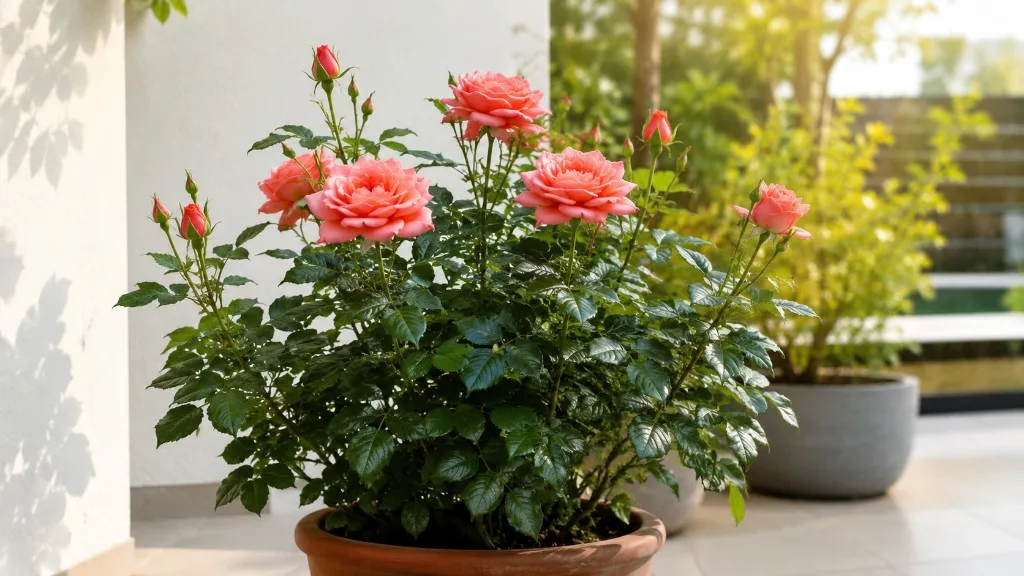
For a side-dress, spread the measured amount in a broad ring near the plant’s active root zone, not against the crown or woody stem. Gently work it into the surface if the label allows, then water thoroughly. With bulbs, feeding at planting can support establishment, but do not keep adding fertilizer to fading spring-bulb foliage; leave the leaves intact so they can recharge the bulb. Use the manufacturer’s current label if it differs from this summary.
How to choose between them in five minutes
Start by asking five questions. The answers will usually make the choice clearer than the front of either package.
- Is the plant in a pot or in the ground? Containers and soilless mixes generally favor the control of a soluble feed; beds generally favor soil-test-led side-dressing.
- Is it actively flowering, or merely not flowering? A plant that lacks light, has been pruned at the wrong time, or has damaged roots needs diagnosis before fertilizer.
- What has gone into the soil already? Count compost, manure, starter fertilizer, rose food, bone meal, and previous bloom boosters.
- Can you measure accurately? If not, use a labeled granular product at its smallest appropriate rate or wait for a soil test rather than guessing with a concentrated powder.
- Do you need speed or continuity? Soluble fertilizer acts quickly but asks for discipline; a dry organic-style mix is slower and depends more on the soil environment.
The simplest decision rule is: FoxFarm for a measured flowering-stage feed in a container or soilless setup; Down to Earth for a measured side-dress in a garden bed; neither if a soil test or plant diagnosis says nutrients are not the issue.
Timing flower fertilizer around the plant’s cycle
Feed after a plant has resumed active growth, not while roots are cold, waterlogged, drought-stressed, or freshly disturbed. Annuals in containers often need more regular feeding because repeated watering removes nutrients. Established perennials and shrubs may need only a spring application or a targeted feed when new growth begins, depending on the soil and the plant’s natural cycle.
For repeat-flowering plants, feeding after a flush of flowers can make sense if the plant is healthy and the label permits it. Homes & Gardens’ practical guidance suggests repeat-flowering plants may be fed every 10–14 days with a high-potassium tomato fertilizer, while single-flowering shrubs are generally fed after flowering to help recovery. Treat that as a category-level gardening rule, not a reason to combine several products or ignore your own fertilizer label: Homes & Gardens’ deadheading and feeding guidance.
Stop or reduce feeding as the plant enters dormancy, as days shorten, or when temperatures make growth stall. Do not push tender late-season growth with nitrogen before a freeze, and do not continue a summer container schedule after bringing a plant indoors unless its light and growth rate still support it.
The right order: light, water, roots, then fertilizer
If a sun-loving zinnia or rose is growing in shade, more fertilizer can produce lanky leaves without the flowers you want. If the soil stays saturated, roots cannot function normally. If a plant is pot-bound, diseased, or repeatedly wilting, nutrients are not the first repair.
Check the root zone before feeding. The soil should be appropriately moist but not soupy, drainage holes should be open, and the plant should show active new growth. Confirm that the species receives enough direct or bright light for flowering, and check for pests that damage buds. Fertilizer is a supporting input; it cannot create the energy a plant does not receive from light.
A safe application routine for beds and containers
Use this sequence whenever you feed flowering plants:
- Read the full label, including crop, growth-stage, dilution, and frequency directions.
- Measure the garden bed or container volume instead of estimating by handful.
- Check whether compost or another fertilizer has already supplied nitrogen or phosphorus.
- Water a dry root zone with plain water before applying fertilizer.
- Keep dry product off foliage, flowers, crowns, and stems.
- Apply to soil, then water as the label directs so nutrients reach the root zone.
- Record the date, product, rate, and plant group in a garden notebook.
- Wait and observe new growth before adding another product.
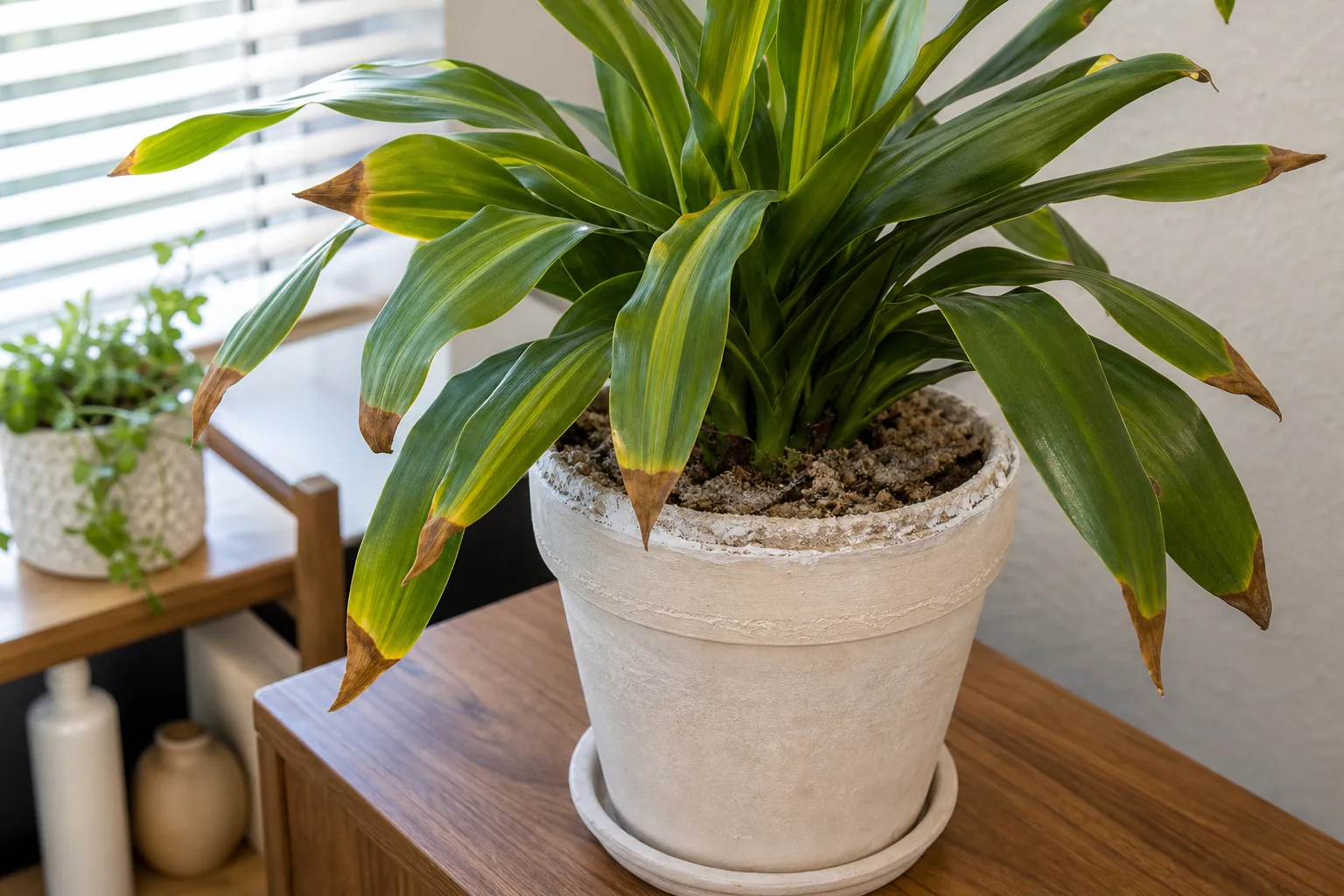
For containers, periodically flush the pot with plenty of plain water if the plant and pot drain freely and the medium has a history of repeated soluble feeding. A white crust on the soil surface, brown leaf margins, or a sudden decline after feeding can indicate soluble-salt buildup, but those symptoms can also come from drought, root damage, or poor water quality. Do not diagnose from one symptom alone.
Why flowers still fail after feeding
Too much leaf growth: Excess nitrogen, low light, or both can favor foliage over buds. Stop adding nitrogen-heavy products, improve light if possible, and allow the plant to regain a balanced growth cycle.
No response in a fertile bed: The soil may already contain adequate phosphorus. Test before adding another bloom booster, and inspect light, pruning time, moisture, and cultivar expectations.
Burned leaf edges or sudden wilt: Concentrated fertilizer, dry roots, or salt buildup may be involved. Move the pot away from additional feeding, water correctly if drainage is good, and remove badly damaged tissue only after the cause is addressed.
Buds form but drop: Heat, cold snaps, drought swings, thrips, poor pollination, or a root problem can all be involved. More fertilizer is not a reliable response to bud drop.
A spring bulb has leaves but no flower: Do not cut or tie the green leaves early. Deadhead the spent flower if needed, but leave foliage in place until it yellows naturally; the leaves are rebuilding the bulb for next season.
Pair fertilizer with deadheading—but know when to stop
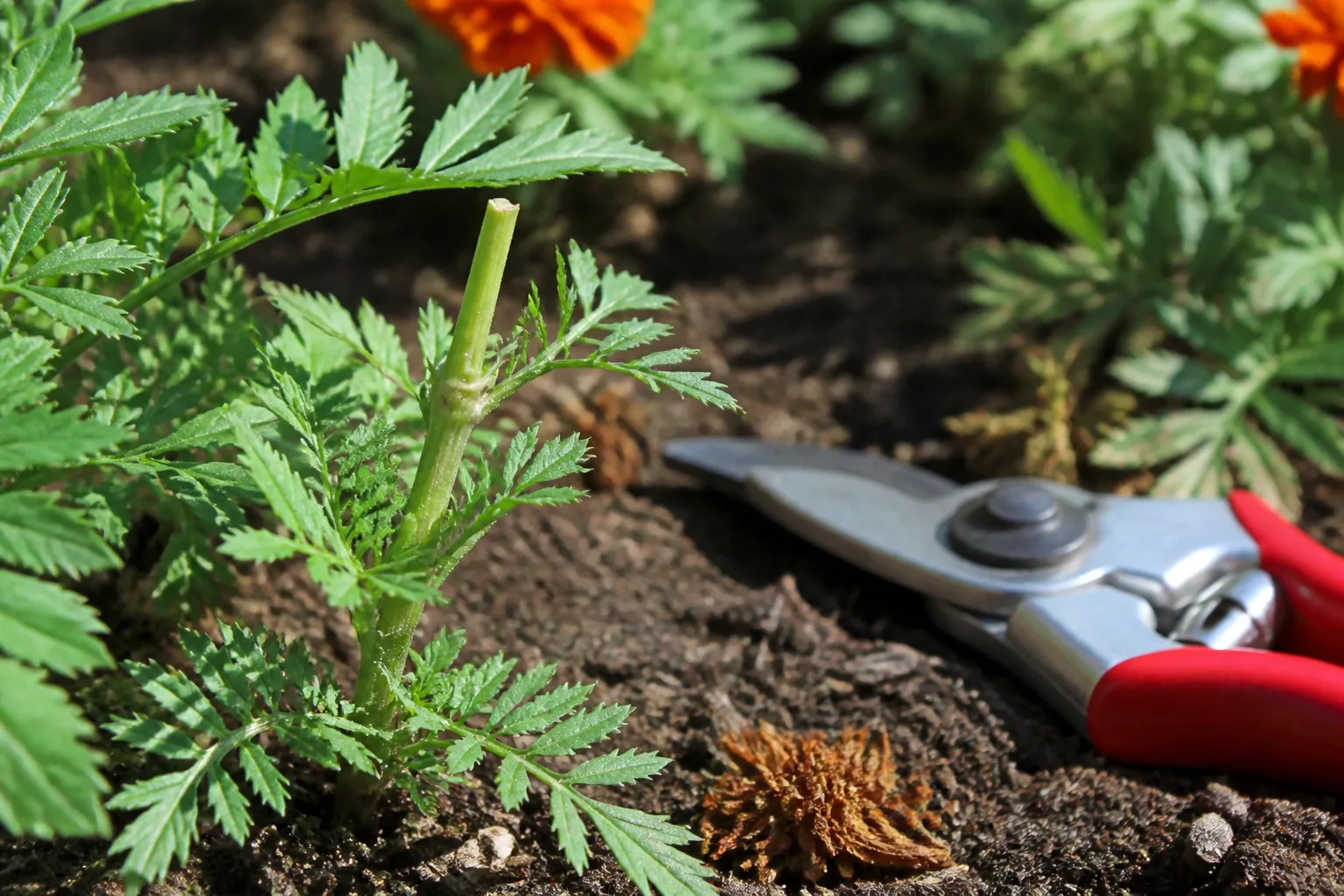
Deadheading is the removal of fading flowers before they mature into seed. It can extend the display of many annuals, roses, and repeat-flowering perennials, but it is not universal. The RHS advises removing spent flowers regularly while leaving plants with ornamental or bird-friendly seedheads, plants you want to self-seed, and plants whose flowers are not practical to remove: RHS guidance on deadheading plants.
For a rose, cut or snap the faded flower and its stalk just above a healthy leaf or bud, taking care not to remove the next flower bud. For a soft-stemmed annual, pinch or snip just below the spent head. For a daffodil, remove the faded flower and seed capsule but leave the green leaves. Clean, sharp tools are important on plants with woody or disease-prone stems.
The useful sequence is deadhead, check moisture and light, then feed only if the plant is actively growing and the label’s schedule calls for it. Do not automatically fertilize every plant after every snip. Some flowers need a rest, some are one-time bloomers, and some are valuable as seed for wildlife.
Conclusion: feed the need, not the label
FoxFarm Cultivation Nation Flower 4-35-26 is the more precise, concentrated option for a flowering-stage soluble program, especially in containers or soilless media. Down to Earth Rose and Flower Mix 4-8-4 is the more natural fit for measured side-dressing in garden soil, around roses, perennials, annuals, and bulbs. Their different strengths are more useful than declaring one universal winner.
Before buying either one, inspect the root zone, light, moisture, and recent amendment history. Use a soil test when a bed has been fertilized repeatedly, follow the current label rather than a copied internet rate, and remember that deadheading and steady care often contribute as much to a long flowering season as the fertilizer itself.