Is This $60 Stainless Steel Garden Hose Worth It?
Is the $60 UZOPI stainless steel garden hose worth it? See its no-kink shell, 25–100 ft lengths, nozzle, fittings, flow, and winter limits.
The quick verdict: who this stainless steel hose suits
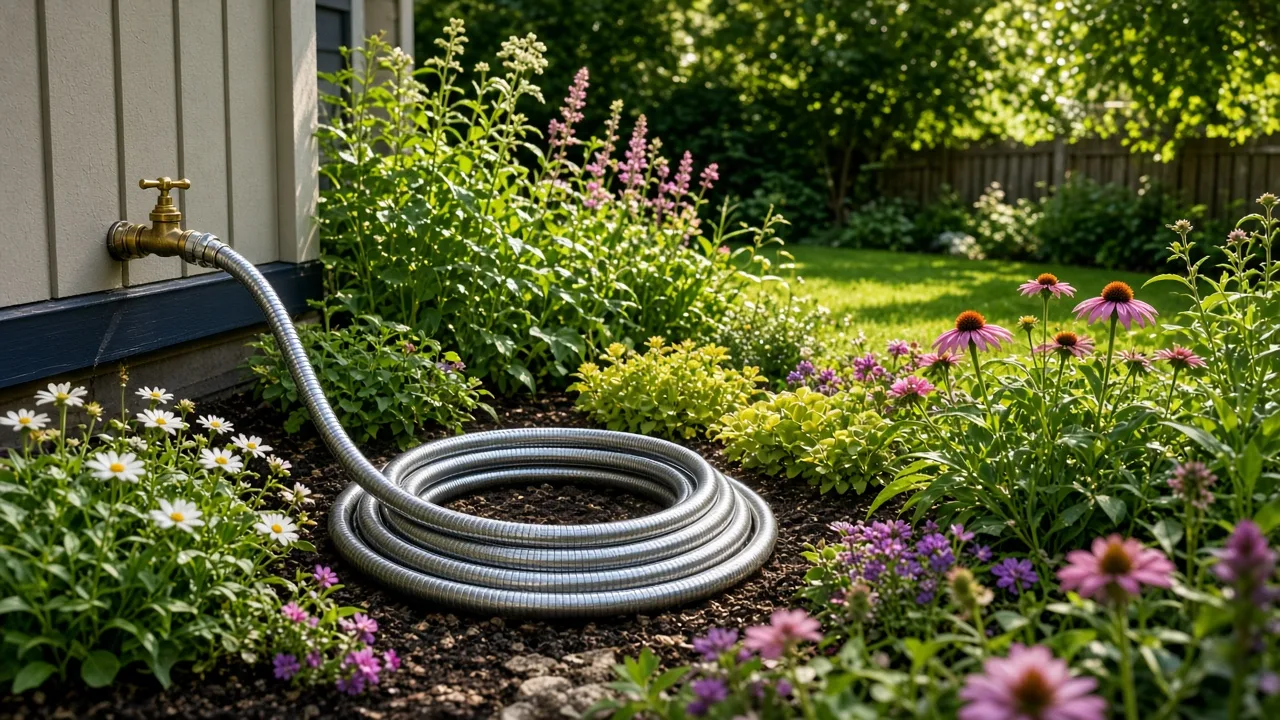
The UZOPI stainless steel garden hose makes the most sense for a gardener who drags a hose across pavers, edging, gravel, or a busy backyard several times a week. Its outer metal shell is designed to resist the classic flat crease that stops water mid-task, and the hose is easier to coil than many thick rubber models. If your daily frustration is wrestling a hose around corners, this is a credible convenience upgrade at around $60.
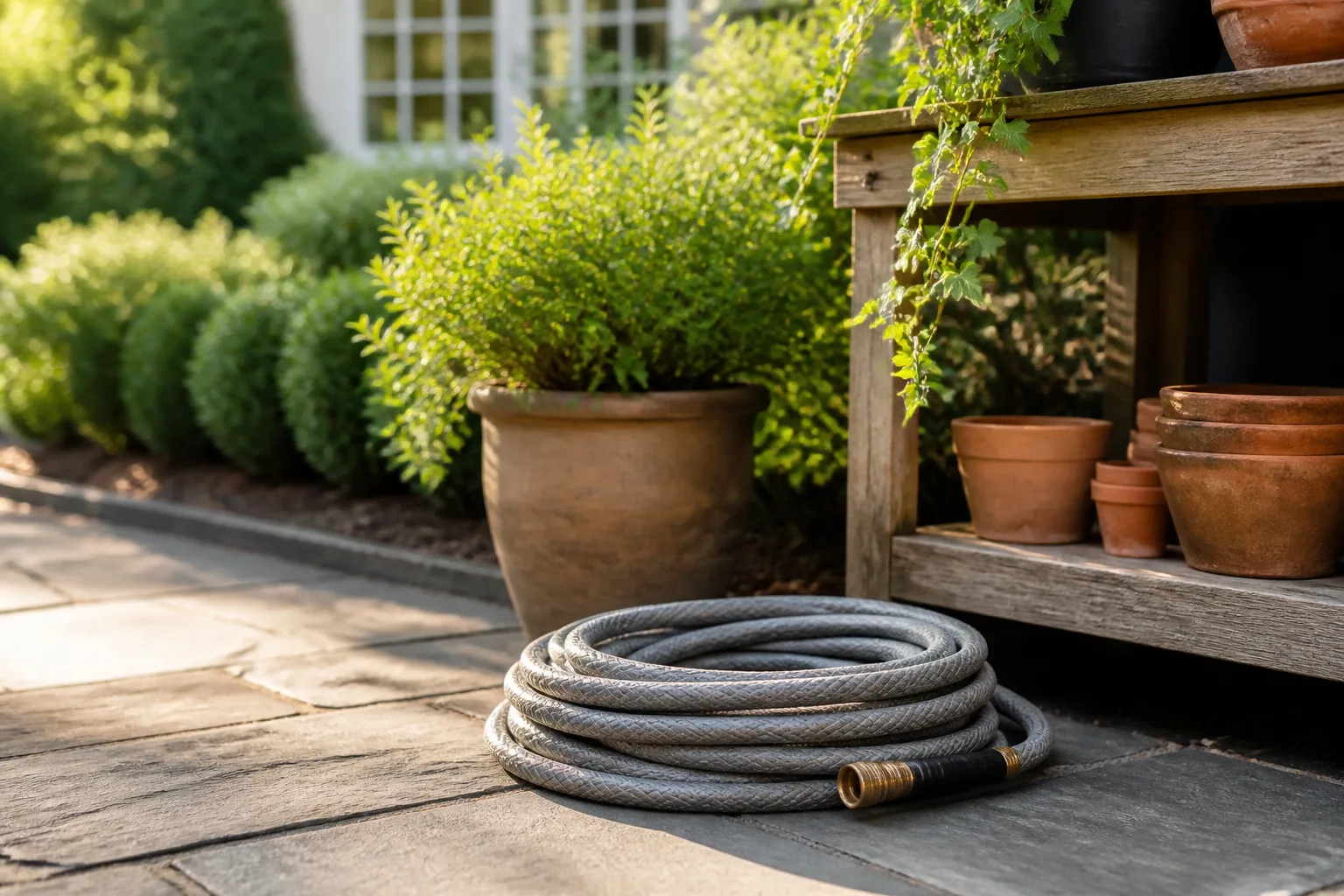
The important qualifier is that “stainless steel” describes the outside, not a solid metal pipe. The water still travels through an inner tube, and the fittings, washers, tight bends, water pressure, and storage conditions still decide whether the hose leaks or lasts. The best way to judge this product is therefore not the dramatic material claim; it is whether the length, flow, connector quality, and handling match your route.
I’m treating the model’s published specifications as product claims rather than an independent long-term laboratory test. Prices, availability, warranty terms, and included accessories can change, so check the current UZOPI product listing before buying. The practical verdict below is based on the construction described, standard hose behavior, and the use cases that expose strengths and weaknesses fastest.
What the UZOPI stainless steel garden hose actually is
The model is a flexible garden hose wrapped in a stainless steel outer layer. The product listing describes a thickened PVC inner tube, three lengths—25, 50, and 100 feet—a 10-function spray nozzle, a 3/4-inch connector, spare washers, and a two-year limited warranty. It also claims that the 100-foot version weighs 10 pounds and is about 30 percent lighter than a rubber hose of the same length. Those details are useful for comparison, but the listing does not substitute for your own scale, faucet, or return-window test.
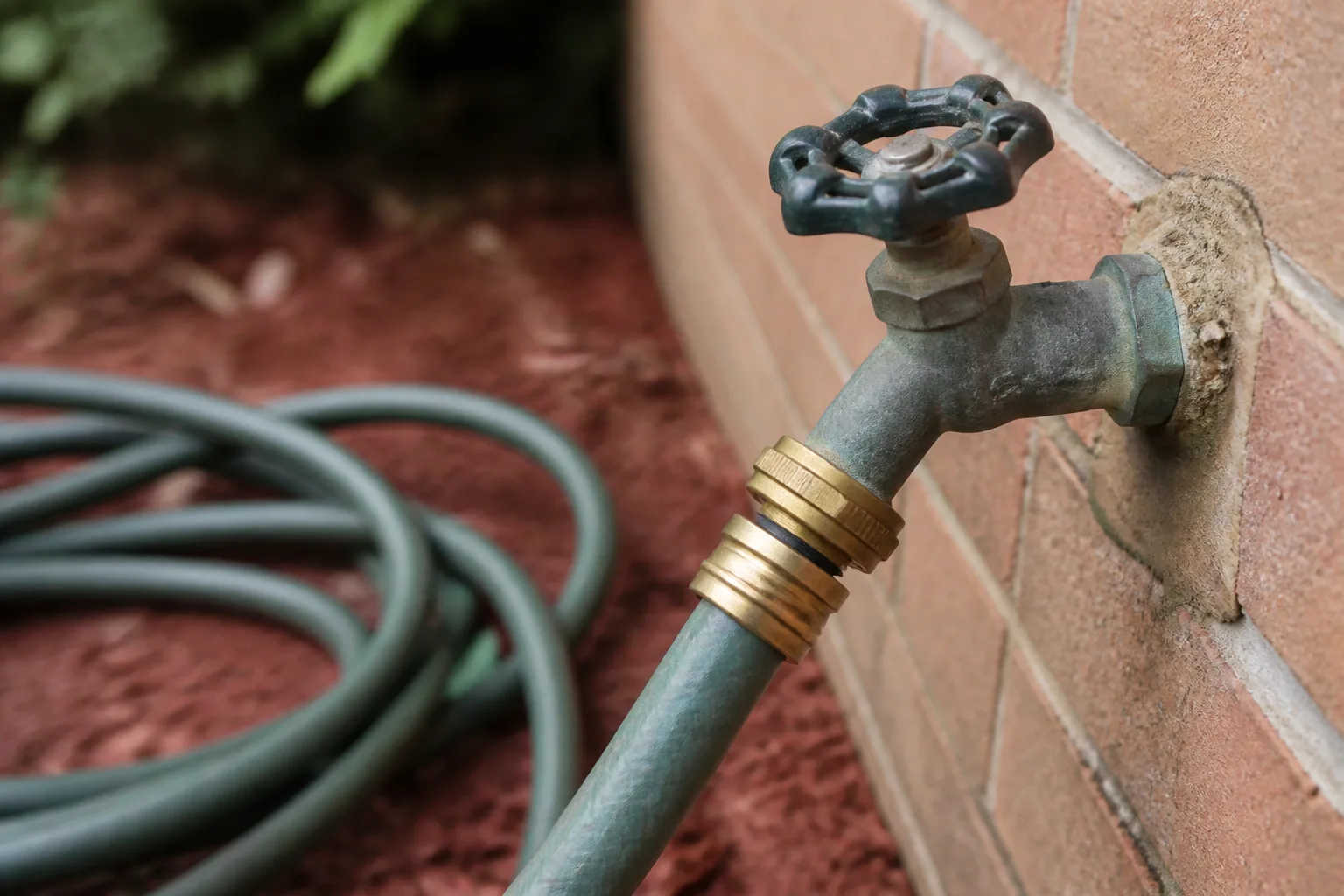
That layered construction explains both the appeal and the limit. The metal skin takes much of the scraping, snagging, and crushing abuse that damages an exposed vinyl wall, while the inner tube carries the water. A sharp fold beside the faucet can still stress the inner tube. A worn washer can still drip. A connector that is pulled sideways all afternoon can still become the first failure point.
The included nozzle is a convenience, not proof that the hose is a complete watering system. You can use the hose to carry water to beds, containers, or a sprinkler, but a standard hose does not automatically deliver slow, even root-zone moisture. For vegetables and dense borders, the right attachment or a separate soaker or drip line may matter more than the hose material.
Why the outer shell changes daily watering
The benefit of a metal-shelled hose appears during transitions: pulling it from storage, laying it around a bed, changing direction near a path, and coiling it after the last plant is watered. A conventional hose can twist into a flat loop that blocks the channel. The shell helps the body keep a rounder profile and shields the inner tube from some surface abrasion.
That can reduce the mental tax of watering. You spend less time walking back to the spigot to restore flow, less time straightening a loop under a shrub, and less time lifting a wet, heavy hose to free a crease. On a small patio, that convenience may be irrelevant. On a large yard with a route that crosses rough ground, it can be the feature you notice every day.
The “no-kink” claim, translated into real yard behavior
Read “no kink” as more resistant to ordinary kinks, not physically impossible to fold. Any flexible hose can flatten when it is pulled around a sharp corner, twisted near a coupling, trapped under a wheel, or forced into a storage container that is too narrow. A metal outer layer protects against many casual bends, but it cannot repeal the geometry of a collapsed inner tube.
The practical test is simple: with the water running, make a wide turn rather than a tight hairpin and watch whether the stream stays steady. If the flow stops, do not yank harder. Walk back along the route, find the flattened section, release the twist, and reroute the hose so it approaches the bed in a broad curve. Repeated sharp folds create a weak spot even when the outside still looks presentable.
This is where the product is likely to feel better than a cheap vinyl hose but not fundamentally different from a well-built rubber or hybrid hose. The shell is a useful layer of protection; it is not permission to drag the hose over every sharp edge or leave it in a tangled heap.
Lightness is helpful, but a 100-foot hose is not weightless
The advertised 10-pound dry weight for the 100-foot model sounds manageable until you add water, a nozzle, and the friction of pulling the line around pots or lawn edging. The hose may be easier to carry than a heavy rubber alternative, but a long wet hose still has momentum. If you have limited grip strength, a shorter length can improve the experience more than a lighter material.
Think about the route you actually walk. A 50-foot hose that reaches the main beds without a fight is often more useful than a 100-foot hose that must be dragged past every plant before it reaches the far corner. When a hose feels difficult to move, gardeners tend to water quickly and shallowly, or leave sections of the garden for later. Usability is part of watering quality.
What you get for the roughly $60 price
The value proposition is not just the stainless outer layer. The package also includes a multi-pattern nozzle and washers, and the connectable design lets you join another hose if a future layout truly demands more reach. Those extras reduce the number of separate pieces you need to buy on day one.
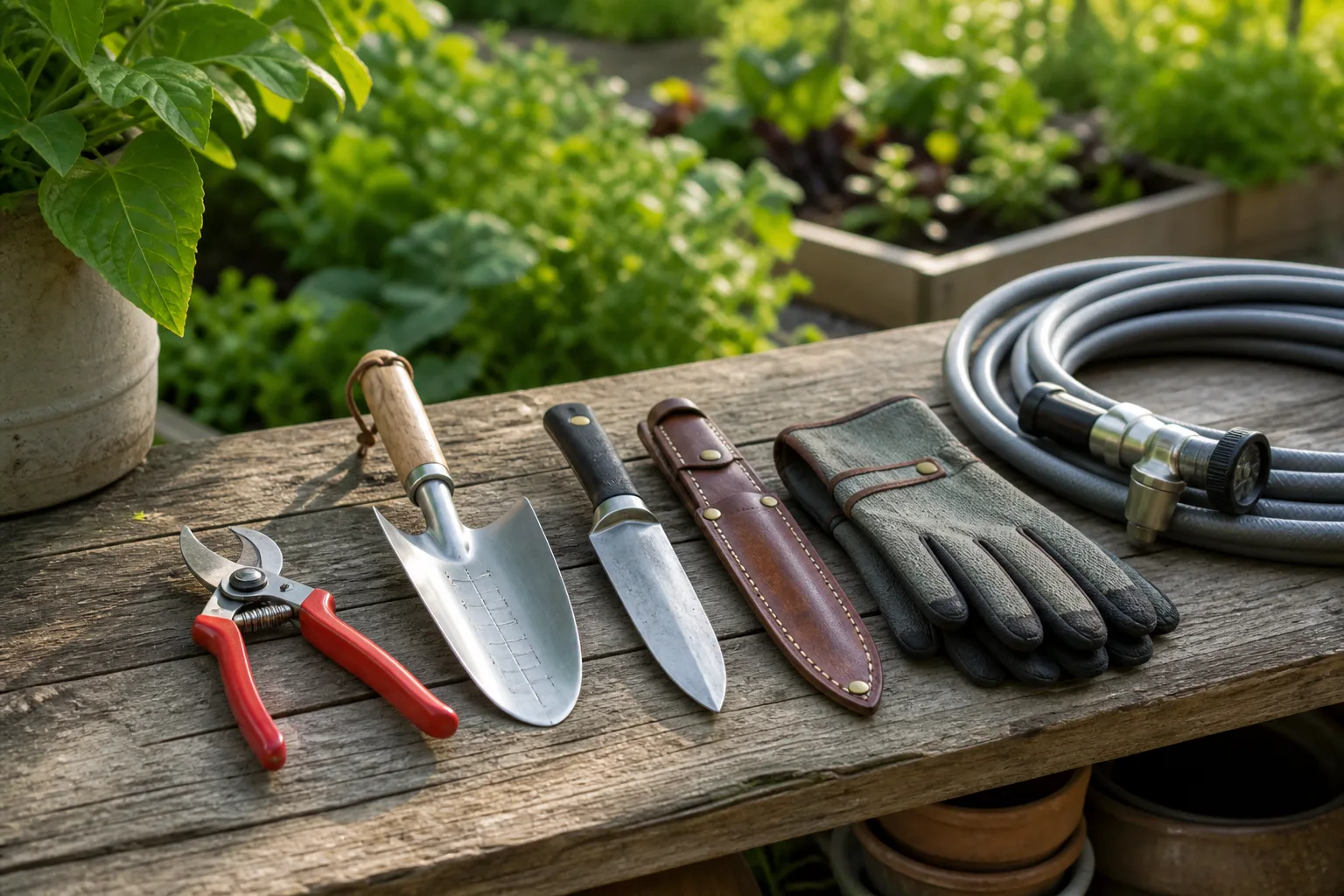
The 10-function nozzle is useful for a mixed garden because one attachment can move from a soft spray for established plants to a stronger stream for rinsing soil from tools. Still, inexpensive nozzles are usually the part that becomes sticky, leaky, or difficult to turn first. If the hose body remains sound but the nozzle disappoints, replacing the nozzle is cheaper than replacing the hose.
The connectable design deserves a little skepticism. Joining hoses can solve a temporary reach problem, but every additional connection adds a washer and another place to snag, drip, or pull sideways. Two shorter hoses are easier to carry and store separately, but the joined setup can lose flow and becomes cumbersome on narrow paths. Use the extension option for a measured need, not as a reason to buy less carefully.
At this price, the product is attractive when it replaces repeated annoyance. It is less compelling if you only water a few pots beside a spigot, need certified potable-water service, or expect a hose to remain outside through hard freezes with no maintenance.
Choose 25, 50, or 100 feet by measuring the route
Start at the outlet where the hose will live, then trace the route to the farthest place you water by hand. Add enough slack to make a broad turn and reach around a bed, but do not add an entire extra half-yard just because the property is large. The Gardening Know How guide to hose types notes that common hose lengths run from 25 to 100 feet and that longer hoses can lose water pressure.
Choose 25 feet for a balcony, small patio, greenhouse bench, or garden bed immediately beside the tap. Choose 50 feet when one spigot serves a compact backyard or a cluster of raised beds. Choose 100 feet only when the farthest bed genuinely needs that reach and you have a storage plan that can hold a long coil without tight bends.
Length is a handling decision, not only a coverage decision. A 100-foot hose may reach every corner, but it also takes longer to drain, takes more floor space to store, and is harder to keep clear of walkways. If your garden wraps around the house, two shorter sections can be easier to carry and isolate when one section needs repair.
Do not buy extra length just for bragging rights
An oversized hose creates three avoidable costs. First, its internal volume and extra length can make the line slower to clear and reduce the usable force at the nozzle. Second, the wet coil is harder to reposition. Third, the unused section lies in the sun, across paths, or near wheels where it can be damaged.
Measure the farthest regular job, not the absolute corner you visit twice a year. If the 100-foot version is the only one that reaches a distant orchard or wash area, it may be justified. Otherwise, the 25- or 50-foot model paired with a second hose for occasional work is the more flexible setup.
Flow and pressure: where metal cannot perform miracles
Hose diameter and length matter at least as much as the outer material. Gardening Know How gives typical examples of about 9 gallons per minute for a 1/2-inch hose, 15 gallons per minute for a 5/8-inch hose, and up to 25 gallons per minute for a 3/4-inch hose, while also warning that longer runs reduce pressure. Those are broad averages, not a promise for this model, your faucet, or the included nozzle.
Do not confuse a 3/4-inch connector with a 3/4-inch water channel. The product listing describes a 3/4-inch fitting, but you should verify the hose’s actual inside diameter and pressure rating if you plan to run a sprinkler, fill a large tank, or split the line. A nozzle can make a narrow stream look forceful while delivering less water overall.
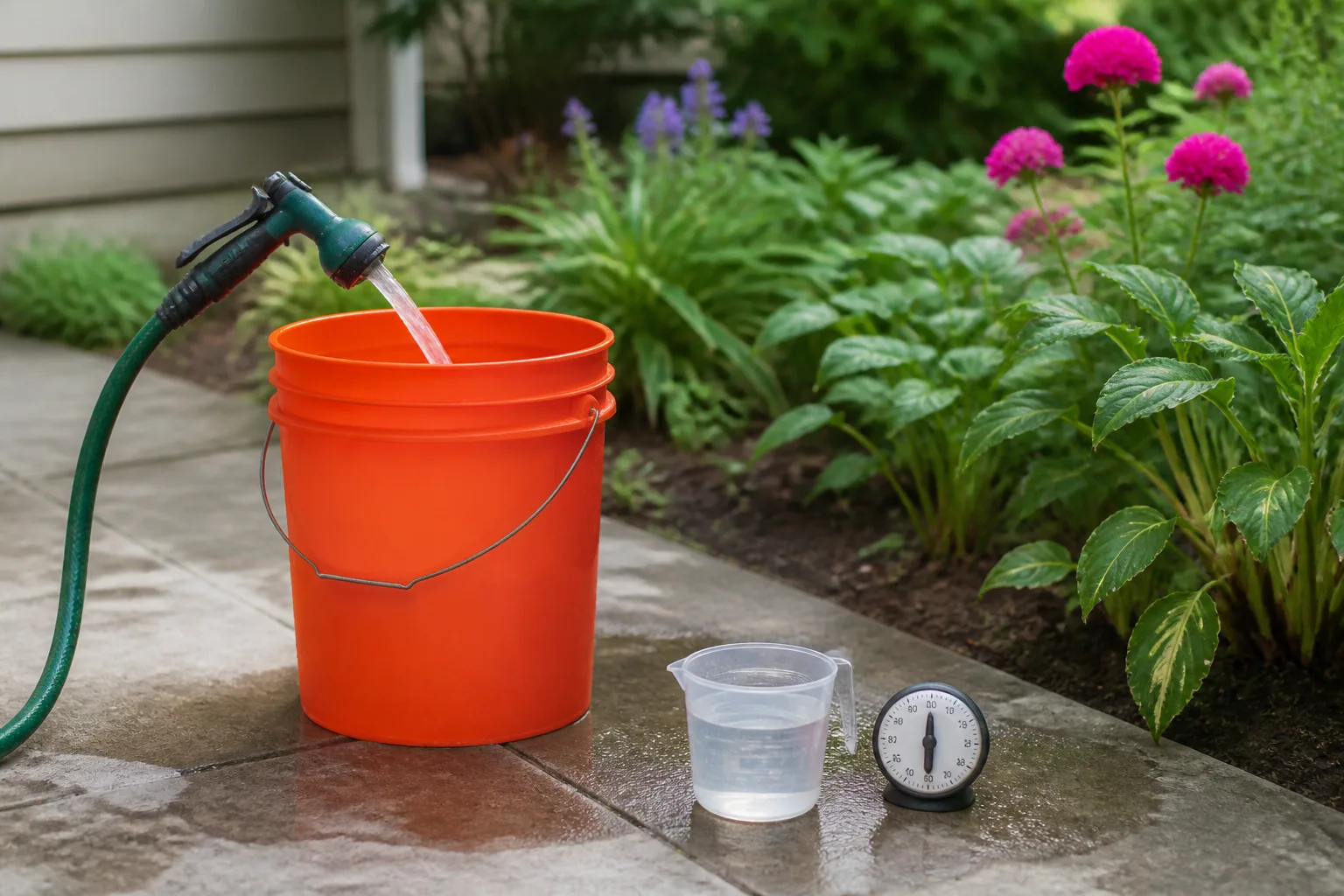
The fastest home check is a bucket test. Put the hose in the exact place you will use it, attach the nozzle, select the normal spray pattern, and time how long it takes to fill a known container. Repeat with the hose laid straight and then along its real route. If the far-end stream collapses only when you add a long run, the problem is friction and supply, not necessarily a defective hose.
If your water supply is weak, a shorter 5/8-inch hose may outperform a long metal one for everyday watering. If you need a high-volume sprinkler, check the sprinkler’s flow requirement and your outdoor faucet before buying a 100-footer. Stainless steel can prevent a kink from stopping the water; it cannot create pressure that is not available at the spigot.
How the 10-pattern nozzle fits plant watering
For garden beds, begin with the softest pattern that reaches the soil. Seedlings, freshly sown seed, and loose potting mix can be displaced by a concentrated jet, while a wide spray may waste water on foliage and paths. Aim at the soil near the root zone and move slowly enough for water to soak in instead of running off.
For containers, hanging baskets, and dense foliage, a long watering wand may be more comfortable than the included pistol-style nozzle. A nozzle is excellent for switching between jobs, but it does not change the basic rule that application should match the plant and soil. Tender seedlings need gentler water than a driveway, and a thirsty raised bed needs a longer soak rather than a few seconds of surface spray.
The nozzle also gives you a useful shutoff at the working end, which saves walks back to the faucet. Use that convenience without leaving the hose pressurized in direct sun for hours. When the task is finished, close the faucet first, release pressure at the nozzle, then disconnect or store the hose.
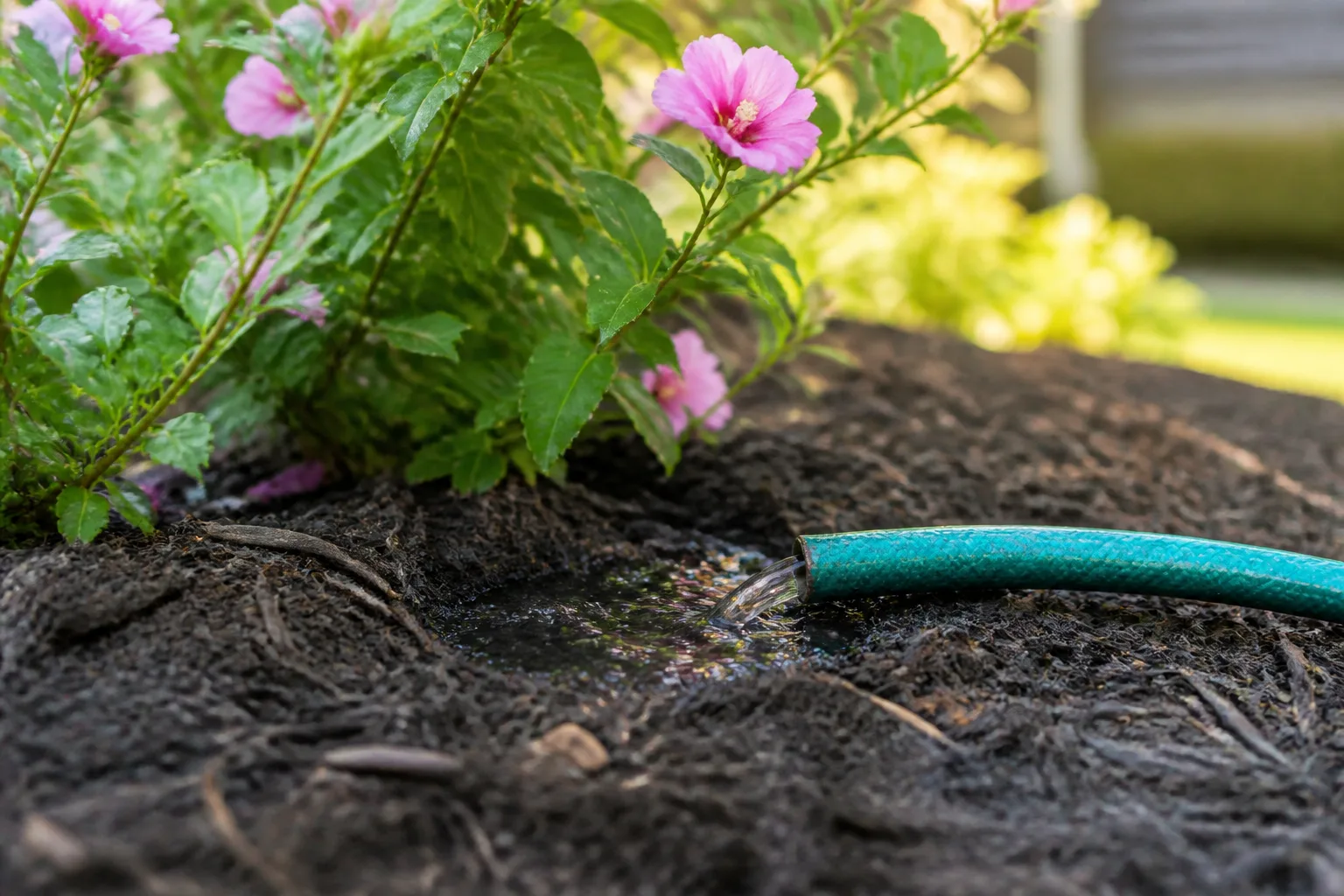
Remember that this is a delivery hose, not a soaker hose. If the goal is uniform moisture along a vegetable row, use a soaker or drip system with the appropriate pressure control. The stainless steel hose can feed that system, but the shell alone will not make watering more efficient at the root zone.
Install it correctly: washers, threads, and the first leak test
Before connecting anything, uncoil enough hose to see both ends and inspect the couplings. Confirm that the rubber washer is seated flat inside the female connector. The washer is the part that compresses against the spigot or attachment to make the seal; a missing, tilted, or hardened washer can leak even when the threads feel tight.
Thread the connector by hand until it is fully seated, then tighten it gently. Do not use pliers to force a cross-threaded fitting into place. Turn the faucet on slowly while the nozzle is open, watch both ends, and then close the nozzle. If there is no drip, run the hose through its normal route and check again while it is being pulled around a corner.
This two-stage test separates installation errors from body damage. A leak that appears at the faucet immediately after connection usually points to the washer, cross-threading, or a worn spigot. A leak that appears in the middle after dragging usually points to a damaged inner tube or a severe fold. Note which one you have before ordering parts.
Fix a leaking connector before blaming the hose
First shut off the faucet and release the pressure. Unscrew the female end, remove the washer, and look for flattening, brittleness, grit, or a split edge. Rinse the sealing surface, install a correctly sized replacement washer, and reconnect by hand. If the leak stops, the hose body was not the problem.
If the coupling still leaks with a fresh washer, inspect the threads and the crimped collar where the hose meets the fitting. A metal shell can make that area look sturdy while the inner tube or strain relief is under stress. Stop using the hose if water sprays from the collar or if the fitting wobbles; a small drip can become a sudden failure under pressure.
Avoid “solving” a washer problem by tightening harder. Excess force can distort the rubber seal, damage the spigot threads, or make future removal difficult. A clean, seated washer and straight connection are more reliable than brute strength.
Stainless steel does not make the hose indestructible
Stainless steel is a useful outer material, but the product listing does not identify a steel grade or provide an independent burst, abrasion, or freeze test. “Rust proof” and “puncture proof” are therefore best treated as marketing shorthand for improved resistance under normal garden use, not an unconditional guarantee.
The vulnerable parts are predictable. The inner PVC tube can split from a sharp repeated fold. A connector can loosen or pull away. A washer can harden. A nozzle can crack. Trapped water can expand in freezing weather. A heavy object or vehicle can crush the hose even if the shell springs back visually.
Heat deserves attention too. Water left inside a hose in full sun can become unpleasantly hot and put additional stress on materials and fittings. The outer shell may shield some direct abrasion and sunlight, but it does not insulate the water or protect every polymer component. Drain the hose after use and shade the coil whenever practical.
Is it safe for edible gardens, kids, and pets?
Do not assume that a stainless steel outer shell makes the hose safe to drink from. The water touches the inner tube and the fittings, not only the visible metal. A Maryland Cooperative Extension answer explains that lead can leach from some vinyl hose layers and metal fittings and recommends a hose labeled for drinking water when animals may drink from it. It also notes that evidence about hose-related intake for animals is limited, so caution is sensible.
The NSF guidance on faucets and plumbing products says products intended for drinking-water contact should be tested and certified to NSF/ANSI/CAN 61, with certification shown on the product or packaging. The UZOPI listing reviewed here describes outdoor watering materials and fittings; it does not, in the information available, establish whole-hose potable certification.
For a vegetable garden, watering the soil is a different exposure scenario from rinsing harvested lettuce, filling a pet bowl, or letting a child drink at the nozzle. If water will touch mouths, pets, or food, choose a hose with an explicit drinking-water-safe claim and recognized certification. Flush standing water until it runs cool before use. For ordinary ornamental watering, the bigger issue is correct delivery and avoiding runoff, but stainless steel alone should never be treated as a safety certificate.
NC State Extension’s lead-in-the-garden guidance also emphasizes that no level of lead exposure is considered safe and that gardeners should reduce exposure where practical. This is a reason to read the whole-hose label, not a reason to panic about every shrub watered with a standard hose.
Best uses—and the situations where I would skip it
I would consider this style of hose for a medium or large backyard where the line crosses hard surfaces, moves around beds, and gets used often. It is especially appealing when a traditional hose’s kinks are the main source of frustration and the gardener values a compact coil more than the absolute maximum flow.
It is also a reasonable option for washing tools, reaching a distant ornamental border, or feeding a gentle wand. The shorter lengths may suit a patio or greenhouse, while the 100-foot version can cover a measured route to a back garden if the spigot has enough flow.
I would skip it or choose a different setup when:
- A 25-foot hose reaches everything. The extra metal and length buy clutter, not usefulness.
- You need high-volume irrigation. Check diameter, pressure, and the attachment before assuming the nozzle will deliver.
- You are watering a long vegetable row. A soaker or drip line is usually the better application tool.
- Children, pets, or harvested produce will drink directly from the hose. Require a clear potable-water claim and certification.
- Your climate freezes and you cannot disconnect and drain the hose. Any trapped water can damage the inner tube or fittings.
- Your route includes very tight corners and delicate seedlings. A lightweight watering wand or a shorter flexible hose may be easier to control.
The right question is not “Is metal better?” It is “Does this construction solve the particular failure I keep having?”
A care routine for heat, sun, and winter storage
The care routine is short enough to make habitual. The trusted maintenance guidance from Gardener’s Path and Homes & Gardens agrees on the fundamentals: protect the hose from direct sun, drain standing water, avoid kinks, and store it in broad, supported loops.
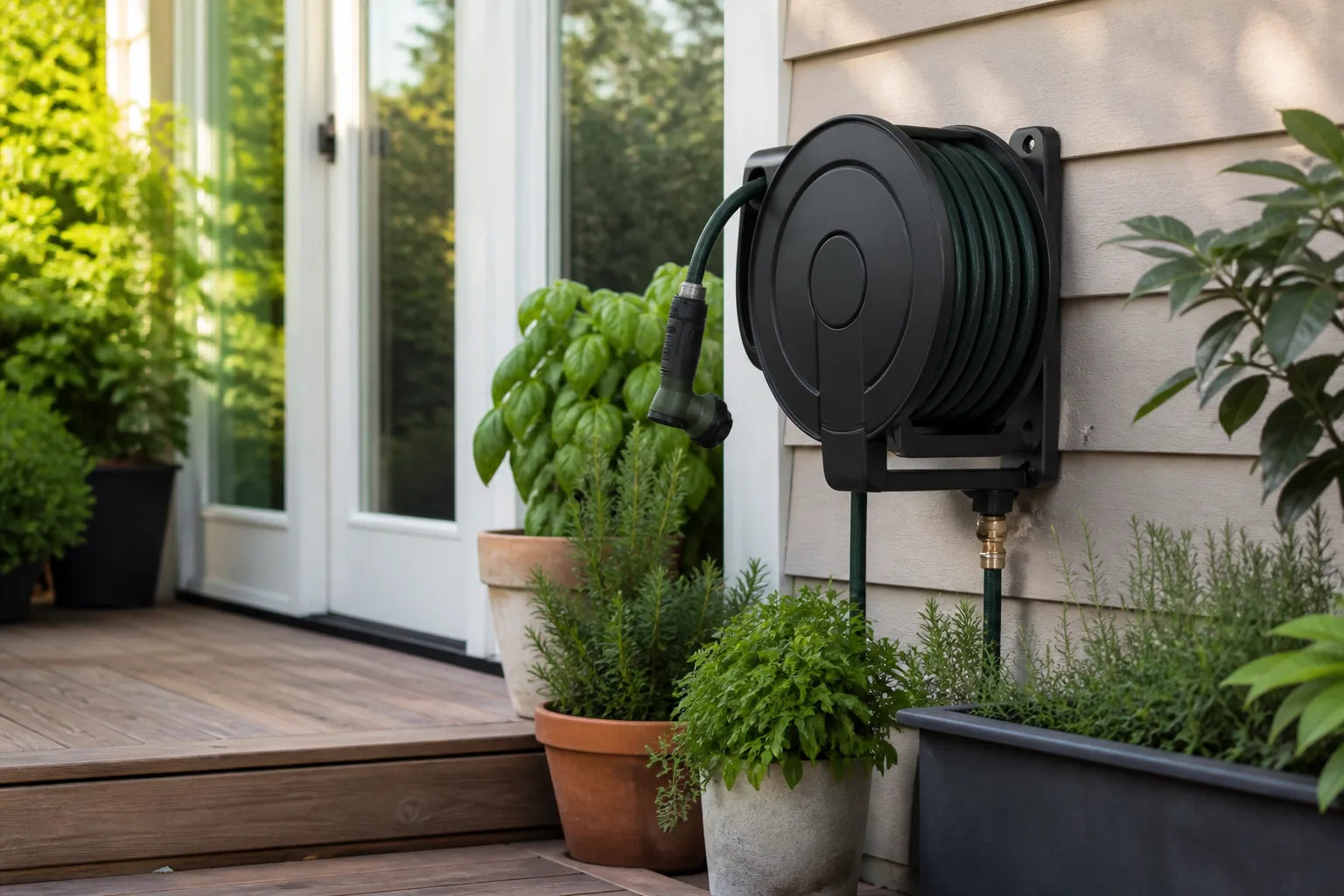
At the end of a session, close the faucet, open the nozzle to release residual pressure, and lift or walk the hose toward the low point so water can drain. Coil it without twisting the body into a tight figure or forcing it into a narrow pot. A wide reel, roomy hose container, or broad wall hanger is gentler than a single small hook that concentrates the weight.
Keep the coil shaded when possible. A stainless shell may tolerate more outdoor abuse than a bare vinyl wall, but the inner tube, washers, nozzle, and couplings still age in heat and ultraviolet light. Do not leave the hose stretched across a driveway, under a mower path, or where a sharp edging tool can catch it.
Before a freeze, disconnect the hose from the spigot, drain it completely, and store it somewhere protected. Do not rely on a covered faucet while water remains trapped in the line. In warmer climates, winter storage may be less urgent, but draining after every use still reduces heat, pressure, and microbial buildup inside the hose.
The one-week performance test to run before keeping it
Use the return window as a structured trial instead of waiting for a failure months later. On day one, connect the hose with a fresh inspection of the washer and measure the route to your farthest regular bed. Run the bucket test at the nozzle, then repeat with the hose around the real corners and obstacles.
On the next watering day, use the softest nozzle pattern on a container and a raised bed, then use a stronger pattern to rinse a tool. Check whether the spray stays consistent when the hose is pulled. Pay attention to whether the shell catches on edging, whether the coil tries to spring into a tight twist, and whether the 100-foot length is actually being used or simply dragged along behind you.
After each session, drain and store it the way you intend to all season. Inspect the faucet end, nozzle end, and the first few feet beside each fitting. A small drip, a flattened washer, or a visible collar movement is more useful information than a star rating because it tells you how the hose behaves with your exact spigot and route.
Keep it if the fit is comfortable, the flow reaches your normal tools, and storage is simple enough that you will do it. Return or exchange it if it is too long, too heavy when wet, incompatible with your attachments, or still leaks after a correct washer installation. That is a fair product test without pretending that a short ownership period proves a decade of durability.
Conclusion: the game changer is less fighting, not magic
This $60 stainless steel garden hose is compelling because it targets a very specific garden nuisance: the hose that folds, stops flowing, and turns every watering round into a tug-of-war. The outer shell should make everyday handling more forgiving, and the included nozzle, washers, and length choices make the package convenient.
Its limits are just as important. The inner tube still matters, a 100-foot line still loses some flow and gains wet weight, a connector can still leak, and stainless steel does not prove drinking-water safety or freeze resistance. Buy the shortest length that reaches your real route, check the fitting and washer before tightening, test flow at the far end, drain it after use, and store it out of harsh sun.
For the gardener who waters across rough paths several times a week, that reduction in fighting can justify the price. For a small patio, a soaker-bed setup, or a potable-water job, a different hose is likely the smarter tool.



