How to Get Rid of Groundhogs: 10 Humane Methods
Learn how to get rid of groundhogs with a practical plan: identify the burrow, protect crops, build exclusion, and avoid unsafe remedies.
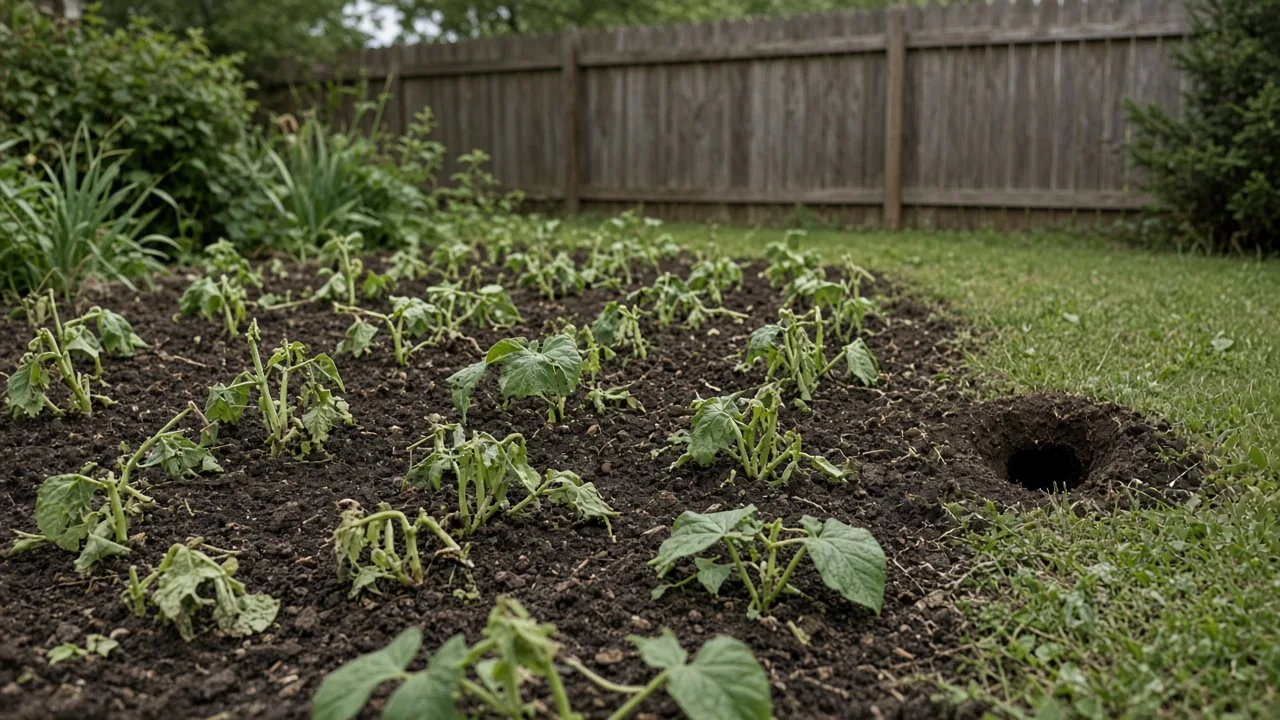
The most dependable way to get rid of groundhogs is to combine exclusion with habitat changes. Scents, sprinklers, and other deterrents may buy time, but a determined woodchuck usually returns if it can still reach an easy vegetable bed or a protected den beneath a shed.
The order matters. Confirm the animal, protect the food it is eating, check whether the burrow is active, then build a barrier that blocks both climbing and digging. Never seal a hole before you know the groundhog—and especially any young—has left.
Start by Confirming the Groundhog Problem
Groundhogs, or woodchucks, are large rodents identified scientifically as Marmota monax. They are mainly above-ground plant eaters, so look for clean bites on beans, lettuce, squash, clover, grasses, berries, or low branches alongside a large open entrance. A hole around 10 to 12 inches wide with a conspicuous mound of excavated soil is a useful clue, but hole size alone is not proof.
Inspect at dawn or in the late afternoon, when a groundhog may be out feeding. Photograph the opening, note whether the soil is freshly disturbed, and look for several openings near a shed, deck, retaining wall, woodpile, or garden edge. A mole makes raised tunnels and cone-shaped mounds while hunting soil invertebrates; a vole leaves small runways and gnawed stems; rabbits usually leave clipped plants without a large den entrance.
The University of Missouri Extension woodchuck guide is a useful regional reference for recognizing burrows and planning exclusion. For a broader field check, Gardening Know How’s animal-hole guide compares hole size, tunnel shape, and feeding clues across common yard animals. These sources support identification, but your local wildlife agency remains the authority for species rules and removal options.
Groundhog signs versus mole, vole, and rabbit damage
| Sign | More likely cause | First response |
|---|---|---|
| Large open hole, fresh soil, clean bites on leafy plants | Groundhog | Watch activity and plan exclusion |
| Raised ridges or cone-shaped mounds, little foliage missing | Mole | Do not assume a groundhog |
| Narrow runways, bark gnawing, small holes under cover | Vole | Reduce cover and use fine mesh |
| Plants clipped near ground, pellets, no large burrow | Rabbit | Use a small-mesh crop fence |
The Quickest Safe Plan for a Yard or Garden
If damage is happening now, begin with a temporary crop barrier while you investigate the den. Cover tender plants with row cover or a secured wire frame, pick ripe produce, and remove fallen fruit. This prevents another night of feeding while you decide whether the long-term fix is a garden fence, an individual plant guard, or professional help.
Do not chase the animal into its burrow, reach into an opening, or use smoke, chemicals, or a lethal trap. Groundhogs generally avoid people, but any wild mammal can bite when cornered, and a hidden opening beside a walkway is a trip hazard. Keep children and pets away from the den until it has been inspected.
Method 1: Remove Food, Cover, and Easy Shelter
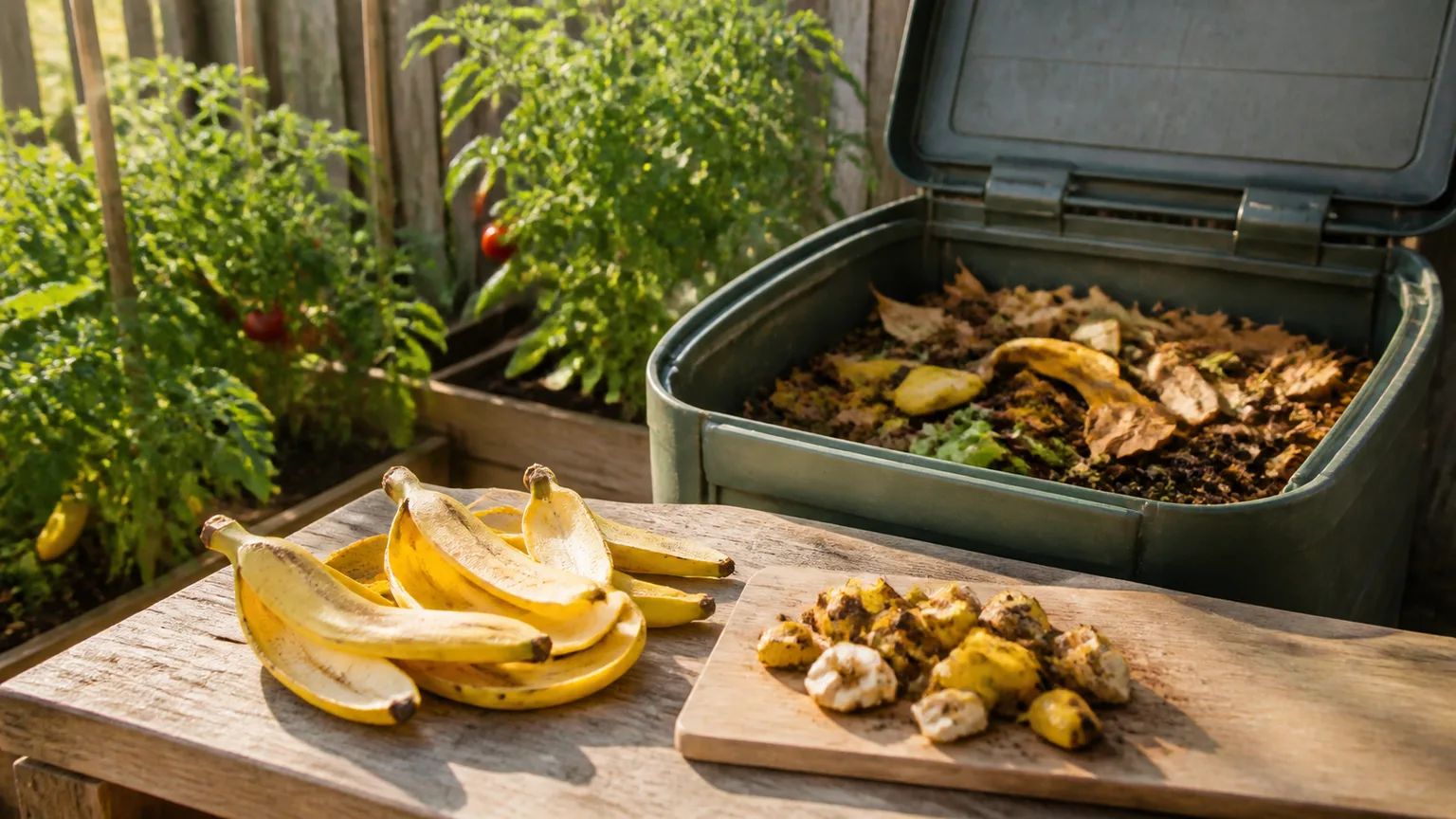
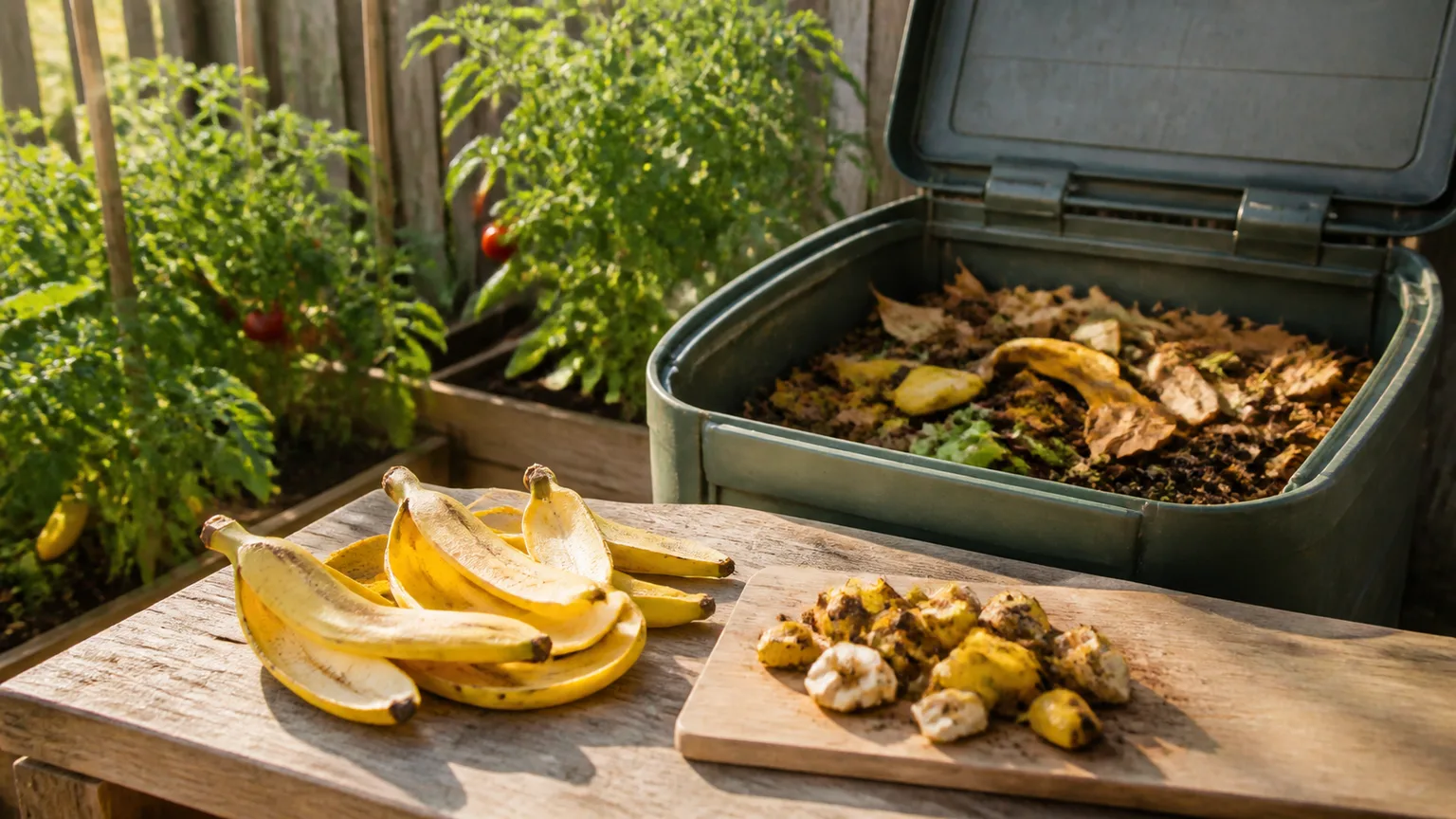
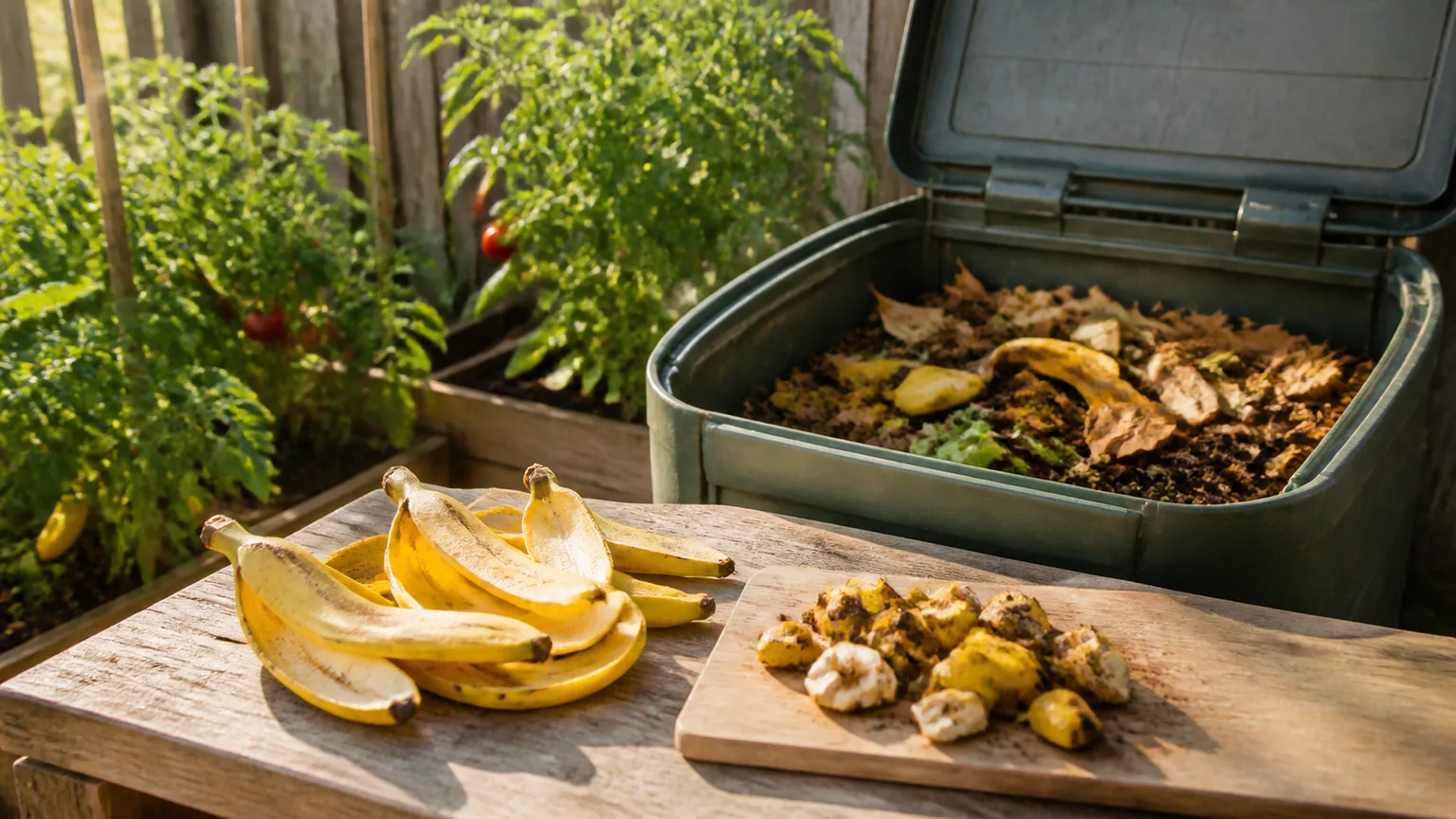
Reduce the reward around the protected area. Harvest vegetables as soon as they are ready, clear fallen apples and cherries, secure compost, clean spilled birdseed, and bring pet food indoors. Mow or trim dense vegetation beside the garden, but keep a deliberately managed wildlife area at the far edge if possible rather than stripping every part of the property.
This will not make a groundhog disappear from a large neighborhood. It does make your garden less convenient and helps a fence do its job. Remove brush piles, stacked lumber, and unused materials beside a shed or deck, and repair gaps under gates where an animal can pass from cover directly into the bed.
Method 2: Protect Crops With Row Covers
Row cover is the fastest non-permanent defense for seedlings and leafy greens. Use a sturdy hoop or low tunnel, anchor the edges with soil or sandbags, and close the ends completely. A loose sheet draped over plants is easy for a groundhog to push aside and may snag on foliage.
Choose a breathable fabric that suits the crop and weather, and check it daily for heat buildup, watering needs, and gaps. For a small bed, a rigid wire frame covered with mesh is more robust than floating fabric. Row covers are a bridge to a proper fence, not a guarantee for a full growing season.
Method 3: Build a Groundhog-Resistant Fence
For a vegetable garden, fencing is usually the best long-term investment. Use sturdy welded wire or hardware cloth, make the above-ground portion high enough to discourage climbing, and add a buried section or outward-facing apron so the groundhog cannot simply dig under the edge. A practical starting design is roughly 3 to 4 feet above ground with the upper portion flexible or angled outward, plus about 12 inches buried or turned outward at the bottom.
The exact height depends on the mesh, gate, nearby shrubs, snow, and how valuable the crop is. The fence must be tight to the ground, and the gate needs the same underground treatment as the sides. Walk the perimeter after rain and frost: settled soil can create a gap, while a leaning panel can become a ramp.
Lawn Love’s practical groundhog-control overview likewise treats fencing and an underground L-shaped apron as the core exclusion measures, while noting that many home remedies are anecdotal. That distinction is important: a scent may change where an animal travels for a few days, but only a maintained barrier consistently protects a defined garden area.
Make the top and bottom difficult to defeat
Do not leave the top next to a trellis, compost bin, stacked pots, or a low branch. Move those climbing aids away from the fence or prune them back. At the bottom, bend mesh outward into an L-shaped apron or bury it deeply enough to resist digging; a narrow vertical strip alone is easier to tunnel beneath.
Electric strands can be effective in some rural settings, but they require careful placement, warning signage, vegetation control, and compliance with local rules. They are a poor choice beside a child’s play area, a heavily used path, or a place where pets can contact the wire. For most home gardens, a well-built non-electric fence is simpler.
Method 4: Guard Raised Beds, Bulbs, and Young Trees
Protect the high-value target instead of trying to remove every groundhog from the neighborhood. Line the bottom and sides of a new raised bed with durable mesh before adding soil, place bulbs and root crops in wire baskets, and use a roomy trunk guard when browsing or gnawing threatens a young tree.
Leave space for root expansion and inspect guards as plants grow. A basket that is too small can restrict roots, and a collar that tightens around a trunk can cause its own injury. Keep the mesh edge below the soil surface or fold it outward so it does not become a sharp exposed hazard.
Method 5: Use Motion-Activated Water as a Temporary Deterrent
A motion-activated sprinkler can startle a groundhog away from a garden and may help while a fence is being installed. Place it at the garden perimeter rather than where people routinely walk, and adjust the sensor so it does not spray every bird, dog, or passing neighbor.
Treat this as temporary pressure, not a permanent answer. Groundhogs can habituate to repeated harmless disturbances, and the unit does nothing to block a burrow or protect a crop when the battery runs down. Check the spray pattern, refill the water, and pair the device with a physical barrier.
Method 6: Try Scent Repellents With Realistic Expectations
Commercial repellents and strong-smelling materials may reduce activity at a particular edge, but rain, irrigation, sunlight, and habituation shorten their usefulness. Follow the product label exactly, especially around edible crops, children, and pets. A repellent should never be poured into a burrow or used in a way the label does not permit.
Predator urine, hair clippings, garlic, cayenne, vinegar, Epsom salt, and aromatic herbs are frequently suggested online. Evidence and performance vary, and an animal that is already feeding heavily may tolerate an odor when the food is worth reaching. Do not use ammonia, mothballs, lime, or irritating chemicals in a den; they can injure wildlife, contaminate soil, or expose people and pets without solving the access problem.
Method 7: Make an Empty Burrow Unattractive
First test whether the opening is active. Lightly pack the entrance with loose soil or leaves and inspect it over the next day or two, while also checking nearby openings. Fresh disturbance means the den is in use; an undisturbed plug is evidence, not absolute proof, so repeat the check before closing a burrow beside a structure.
Once you are confident it is empty, fill the opening firmly with soil and stone, then repair the route that allowed access. A new fence apron, shed skirt, or gate repair matters more than the fill itself. If the groundhog opens a second hole, look for the missed entrance rather than repeatedly filling the same one.
Method 8: Evict a Groundhog From Under a Shed Safely
A den beneath a shed or deck deserves more caution than a hole in an open lawn. Before blocking anything, inspect the perimeter for more than one entrance, check the structure for damage, and consider the season. Groundhogs may have young in late winter or spring, and sealing an occupied den can trap animals or force them into the building.
Because a shed can hide the full tunnel system, a licensed wildlife professional is often the safest choice. If an expert confirms that a one-way exclusion device is appropriate, it should be installed only after checking for young and should be monitored before the final mesh repair. Never use fire, gas cartridges, poison, or a hose to force an animal from beneath a structure.
Method 9: Trap or Relocate Only Through the Proper Channel
Live trapping sounds humane but can create serious welfare and legal problems. Relocation rules vary by state, county, and municipality; moving an animal may be prohibited, may separate it from young, and may place it in unfamiliar habitat where survival is poor. A trap also exposes pets and children if it is placed incorrectly.
If trapping is necessary, contact your local wildlife agency, animal-control office, extension service, or a licensed wildlife-control operator first. Ask who is legally allowed to set the trap, where an animal may be released, and how non-target animals will be protected. Do not improvise with a trap bought online or leave a captured groundhog exposed to heat, cold, or predators.
Method 10: Hire a Wildlife Professional for Structural Damage
Call for help when the den is under a foundation, porch, retaining wall, driveway, or shed; when you see young; when the animal is injured or acting abnormally; or when repeated exclusion attempts fail. A professional can identify all entrances, assess whether the structure is compromised, and plan eviction and repair in the right order.
Ask for a written scope that separates inspection, exclusion, repair, and any trapping. Be wary of a service that promises instant permanent removal with poison or an unlabelled chemical. The goal is not merely to move the visible animal; it is to close access without creating a new hazard.
What Not to Use: Poison, Gas, and Unsafe Traps
Do not use poison baits for groundhogs. They can be eaten by pets or scavengers, and a poisoned animal may die in an inaccessible wall or beneath a structure. Gas cartridges and fumigants are especially dangerous near buildings, roots, utilities, and other burrows, and some uses are restricted by product labels or local law.
Avoid lethal traps in accessible yards. A trap cannot distinguish a groundhog from a cat, dog, raccoon, or curious child. Shooting is also not a general suburban solution: local discharge laws, backstops, and public safety make it unsuitable in many places. Humane control means reducing conflict while protecting people, pets, crops, and the animal—not choosing the most dramatic method.
Prevent Groundhogs From Returning
After the immediate damage stops, inspect the property boundary once each season. Keep the garden fence tight, maintain the outward apron, remove fallen fruit, and trim vegetation that touches the barrier. Check under sheds and decks in early spring before the area becomes difficult to inspect.
Plan crop protection around the plants groundhogs prefer. A small fenced bed of greens and beans may be easier to defend than a whole yard, while a young tree may need its own guard. Keep compost closed, avoid leaving harvested produce outside overnight, and repair holes promptly—but only after confirming they are empty.
Conclusion: Exclusion Beats a Rotating Repellent
The best answer to groundhog damage is a sequence: identify the animal, protect the crop today, remove easy cover and food, and build a fence or structural barrier that defeats digging as well as climbing. Sprinklers and scents can help during the transition, but they are support tools rather than a permanent fix.
If a den is under a structure or may contain young, pause before sealing it and contact the appropriate local wildlife professional. A careful exclusion plan protects your garden without turning one groundhog into a trapped animal, a poisoned carcass, or a recurring hole beside your foundation.



