9 Gardening Lessons From Moms That Still Hold Up
Turn the best gardening lessons from moms into practical habits: plan for your site, protect bulb foliage, multiply plants responsibly, and ask better questions.
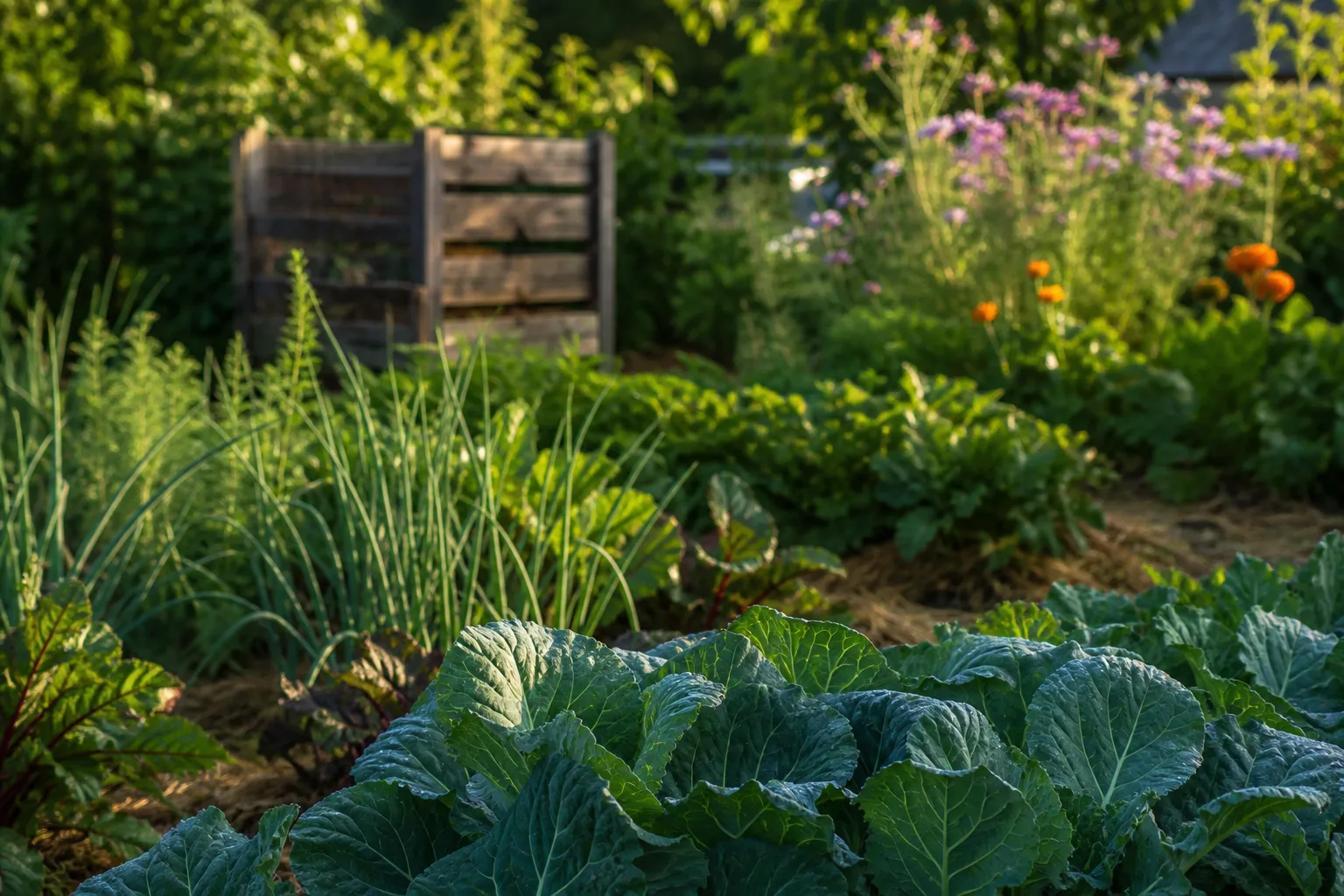
The best gardening lessons from moms are rarely secret recipes. They are habits: wait long enough to see what a plant is doing, notice where water sits, carry pruners, leave bulb foliage alone, and ask someone with local knowledge before guessing. Those small rules save more plants than a shelf of impulse-purchased fixes.
They also deserve a modern filter. A tip can be meaningful and still need adapting for a hot balcony, alkaline soil, a rental garden, a wildlife-friendly yard, or local rules about collecting plants. Here are nine lessons worth keeping, plus the practical details that turn family wisdom into good horticulture.
The practical thread behind inherited garden wisdom
What makes old garden advice durable is not its age. It is that the advice often points attention toward a real cause: roots need a suitable site, bulbs need functioning leaves, cuttings need the right node and moisture balance, and pests are easier to manage when you notice them early.
The useful test is simple: Does this lesson change a condition the plant can actually experience? If it improves drainage, reduces competition, preserves photosynthetic leaves, or helps you choose a better plant, keep it. If it promises that one kitchen scrap, smell, or shortcut will solve every garden problem, test it cautiously or retire it.
1. Start with patience, not pressure
Gardening rewards a different clock from shopping. A newly planted perennial may spend its first season building roots. A divided bulb may need time to regain size. A cutting can look unchanged above the soil while it is forming roots below it. Digging, feeding, or moving the plant every few days because you cannot see progress usually creates the problem you were trying to prevent.
Patience does not mean ignoring a failing plant. It means setting a sensible observation window before intervening. Water a new planting thoroughly, check it at the soil and stem, and then watch for a trend: new growth, firm stems, improved color, or recovery after heat. If the soil stays saturated, the stem softens, or leaves collapse rapidly, act sooner; waiting is not a virtue when roots are rotting.
Use a patience log for plants that matter to you. Write down the planting date, the light pattern, the last deep watering, and what changed. A note such as “new shoots appeared after three weeks of morning sun” teaches you more than a vague memory that a plant “did well last year.” Over time, this is how a beginner builds local expertise.
The emotional part matters, too. A garden is not a performance that must look finished immediately. Give slow plants room to become established, and fill gaps with temporary annuals only when you understand that they are camouflage, not proof that the perennial failed.
2. Match the plant to the place before you buy it
“Right plant, right place” is not a slogan about choosing native plants only or buying the cheapest plant at the nursery. It means matching a plant’s light, moisture, soil, drainage, and temperature tolerance to what a particular spot already provides. Gardening Know How explains the principle well: the site should guide the plant choice, not the other way around (Gardening Know How’s site-matching guide).
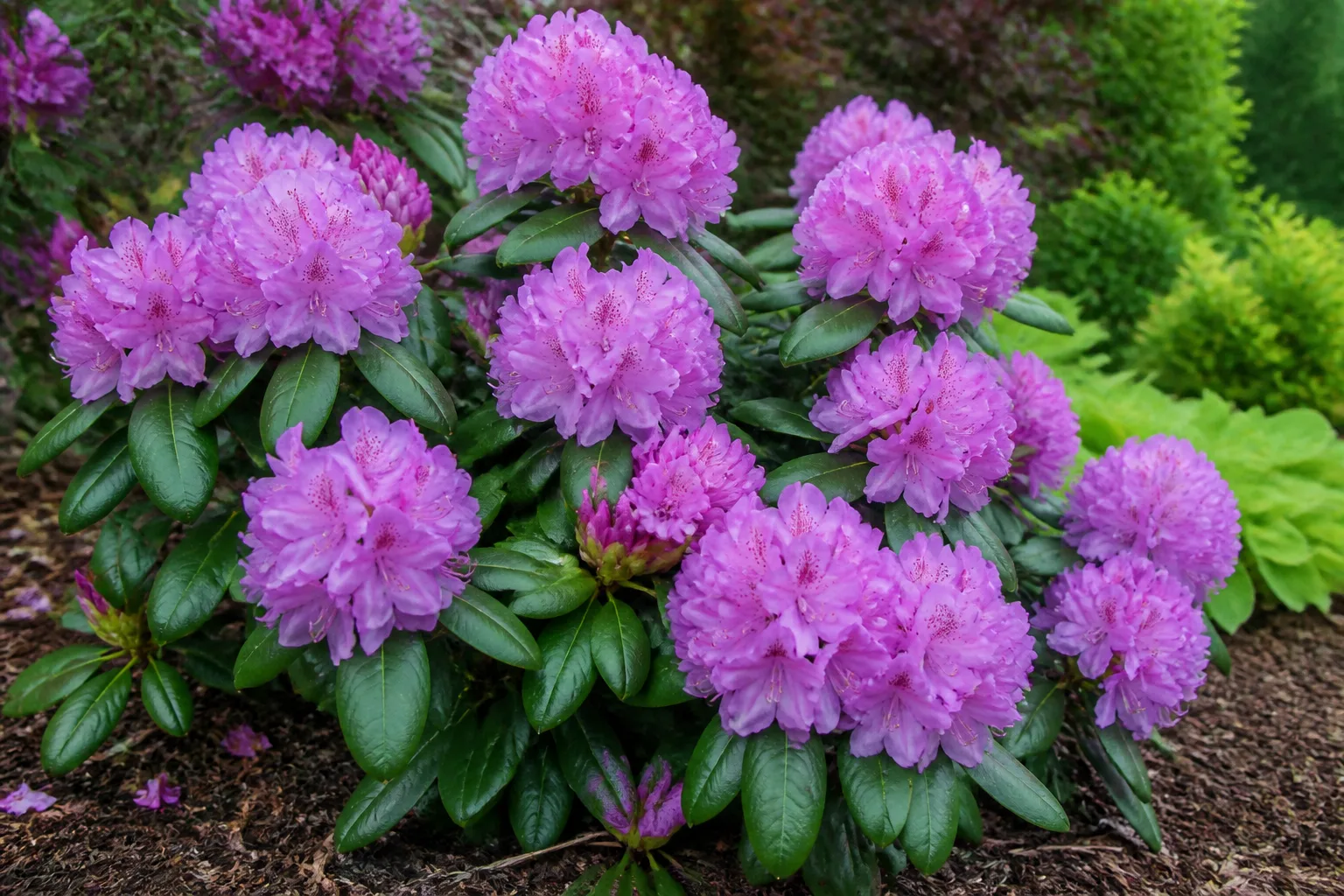
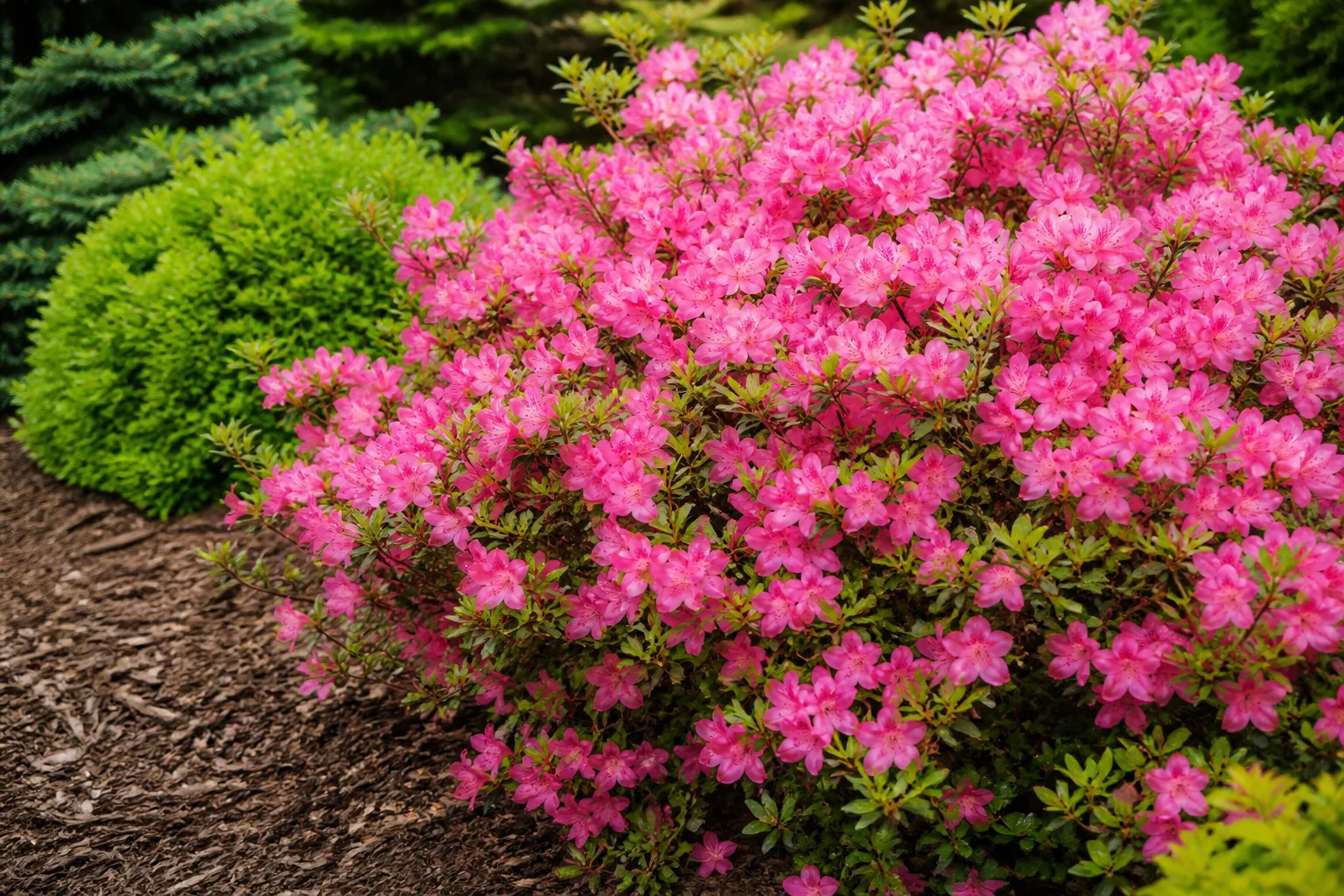
This is the lesson that would have saved many beautiful plants from a slow decline. A rhododendron or azalea may look perfect in a garden center, but a hot, exposed, alkaline bed with poor moisture control is not made suitable by enthusiasm alone. You can improve soil and create microclimates, but if you must constantly rebuild the site to keep one plant alive, choose a better fit.
A ten-minute site audit
Before buying, stand in the proposed spot at three different times of day. Note whether the light is direct, filtered, or reflected from a wall; whether afternoon heat is harsher than morning light; and whether the area is windy or sheltered. A “sunny garden” can contain a cool morning-sun pocket and a blistering afternoon corner only a few feet apart.
Then check the ground after rain. Does water disappear within a reasonable period, or does it pool against a wall? Squeeze a handful of soil when it is damp, not wet: does it hold together like clay, fall apart like sand, or form a crumbly ball? Finally, look upward and outward for tree roots, roof runoff, reflected heat, and the mature size of nearby plants.
Write the result as a plant brief: six hours of sun, fast drainage, dry in summer, exposed to wind, USDA Zone [your zone], container or ground. Read plant tags against that brief instead of reading the tag as a promise. If a plant’s needs and the site disagree on two major points, move on to another plant.
The same logic works in containers. A shallow dark pot on a south-facing balcony is hotter and dries faster than a large ceramic pot on a protected patio. A “full sun” annual may thrive in one and scorch in the other. Container volume, wind, and the color of the pot are part of the place.
3. Let spring bulbs finish their work
Daffodils are a perfect example of why the most visible part of a plant is not always the part doing the important work. The flowers are over quickly, but the leaves continue capturing light and replenishing the bulb. The Royal Horticultural Society recommends removing faded flowers if you want to reduce seed production, while allowing the leaves to yellow naturally before cutting them down (RHS daffodil growing guide).
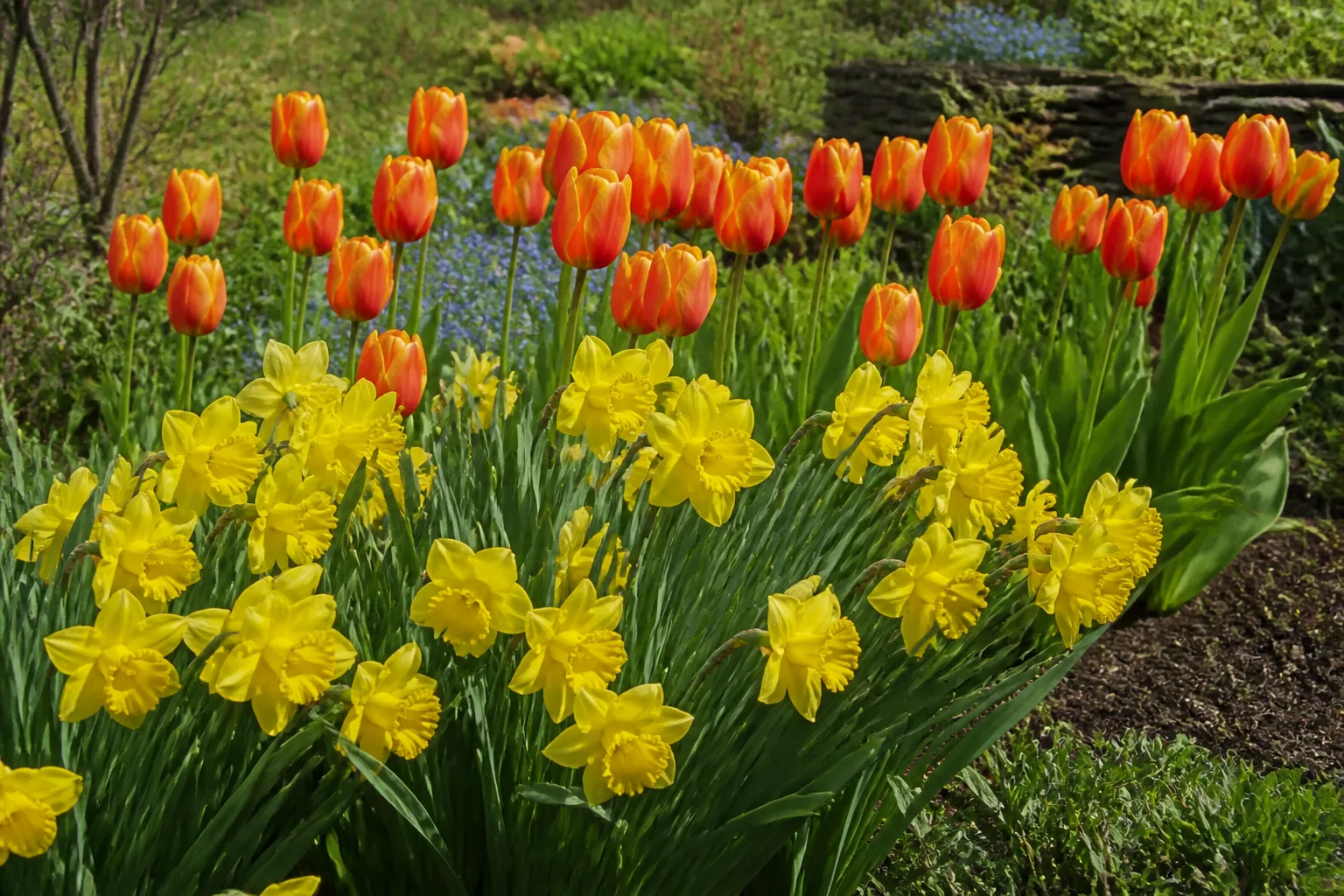
The practical rule is deadhead the flower, not the foliage. Snip or pinch off the spent bloom and seedpod if you want the bulb to put more energy into next year’s flower, but leave the green leaves loose and exposed. Do not braid them, knot them, or tie them into a bundle; reducing leaf surface also reduces the plant’s ability to photosynthesize.
Expect the leaves to take several weeks to fade. Hide the untidy phase by planting daffodils through emerging perennials, placing them at the back of a border, or naturalizing them in a part of the lawn that you can leave unmown until the foliage has yellowed. That is a design solution, not a reason to punish the bulb for looking seasonal.
Site and timing still matter. Daffodils prefer fertile, well-drained soil in sun or light shade, and the RHS advises planting bulbs at a depth around three times the bulb’s height. In containers, drainage is non-negotiable because wet compost in cold weather can rot bulbs. Missouri Botanical Garden also notes that daffodils are generally avoided by deer and rabbits, although no plant is immune to every pest or site problem (Missouri Botanical Garden’s Narcissus plant profile).
If an established clump produces plenty of leaves but few flowers, do not immediately add fertilizer. Check whether foliage was removed too early, bulbs are overcrowded, the planting is too shallow, or the site has become too shady. Fix the cause first; feeding a stressed or crowded clump is rarely the whole answer.
4. Carry the right tool for the job
One of the most charming gardening habits passed through families is also one of the most useful: keep a pair of clean, sharp pruners close. The tool is not an invitation to cut everything. It is a reminder that garden work often happens in small moments—removing a spent flower, taking a legitimate cutting, trimming a damaged stem, or collecting a few seedheads before they scatter.
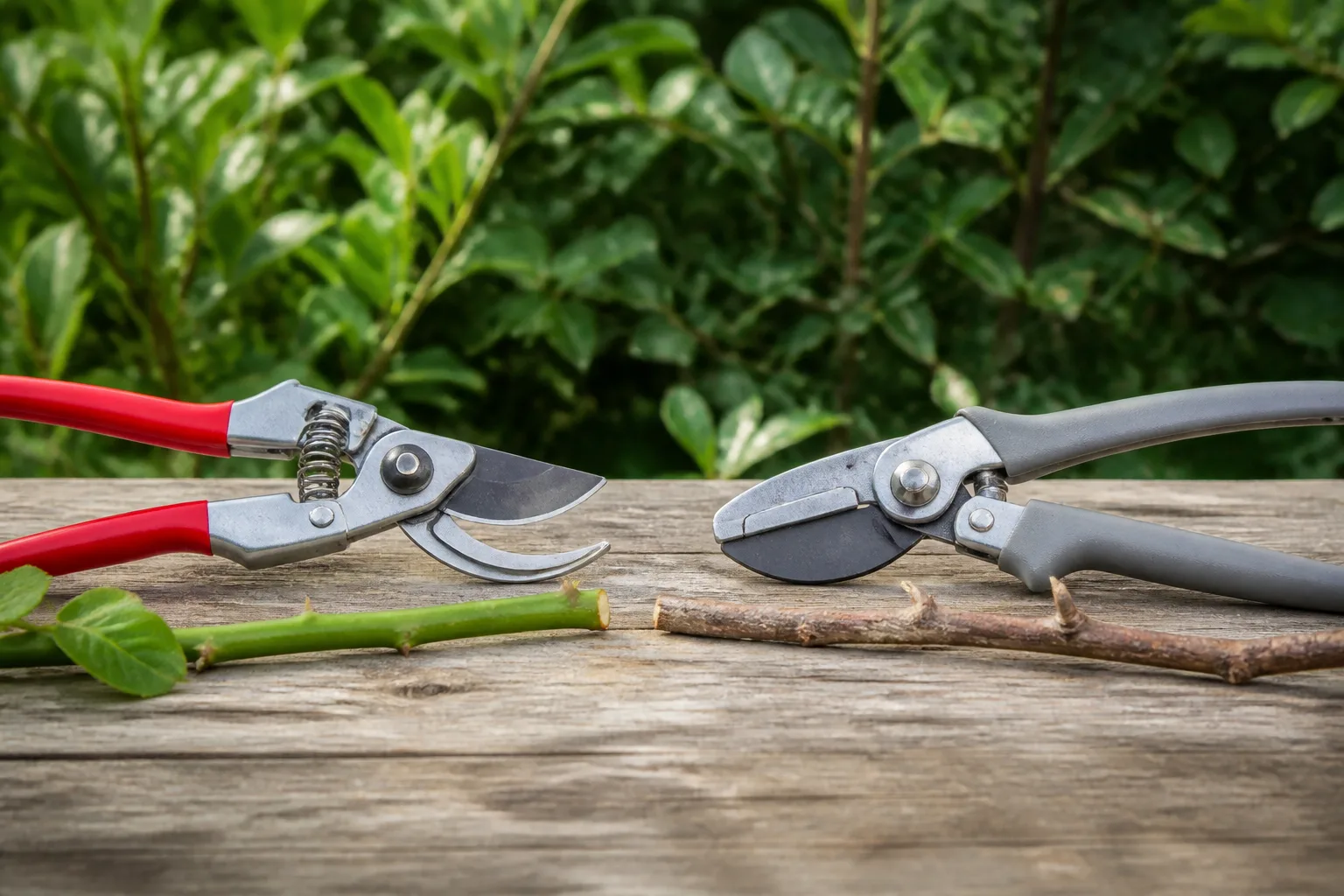
Match the tool to the material. Bypass pruners make a clean scissor-like cut on live, slender stems; anvil pruners are better suited to dry or tougher material but can crush green stems if used carelessly. Wipe blades between visibly diseased plants, and make a deliberate cut just above a healthy node or bud rather than sawing through a long section of stem.
Propagate ethically, especially outdoors
The family tradition of bringing home a cutting can be generous when it comes from a plant you own. It becomes irresponsible when it involves protected land, a neighbor’s property, a rare species, or a plant that could be carrying disease. Before taking anything outdoors, identify the plant, get the landowner’s permission, check local collection rules, and leave protected or vulnerable populations alone.
There is no universal “safe amount” that makes wild collection acceptable. Even a small cutting can matter when a plant is scarce, and careless digging can damage the roots and surrounding soil. The safest way to preserve a wild plant you admire is to photograph it, note the location, and buy a nursery-propagated equivalent or ask a conservation organization about approved sources.
For a plant in your own garden, sterilize the pruners, take a healthy non-flowering stem, label the cutting immediately, and keep the original plant watered but not saturated. Propagation should increase resilience, not become an excuse to weaken the parent plant by removing too much material at once.
5. Build more plants from the ones already thriving
Propagating a favorite plant is gardening’s best lesson in abundance. One successful plant can become a hedge, a gift, a replacement, or the beginning of a new bed. It also makes you pay attention to how a plant actually grows instead of treating every species as if it responds to the same recipe.
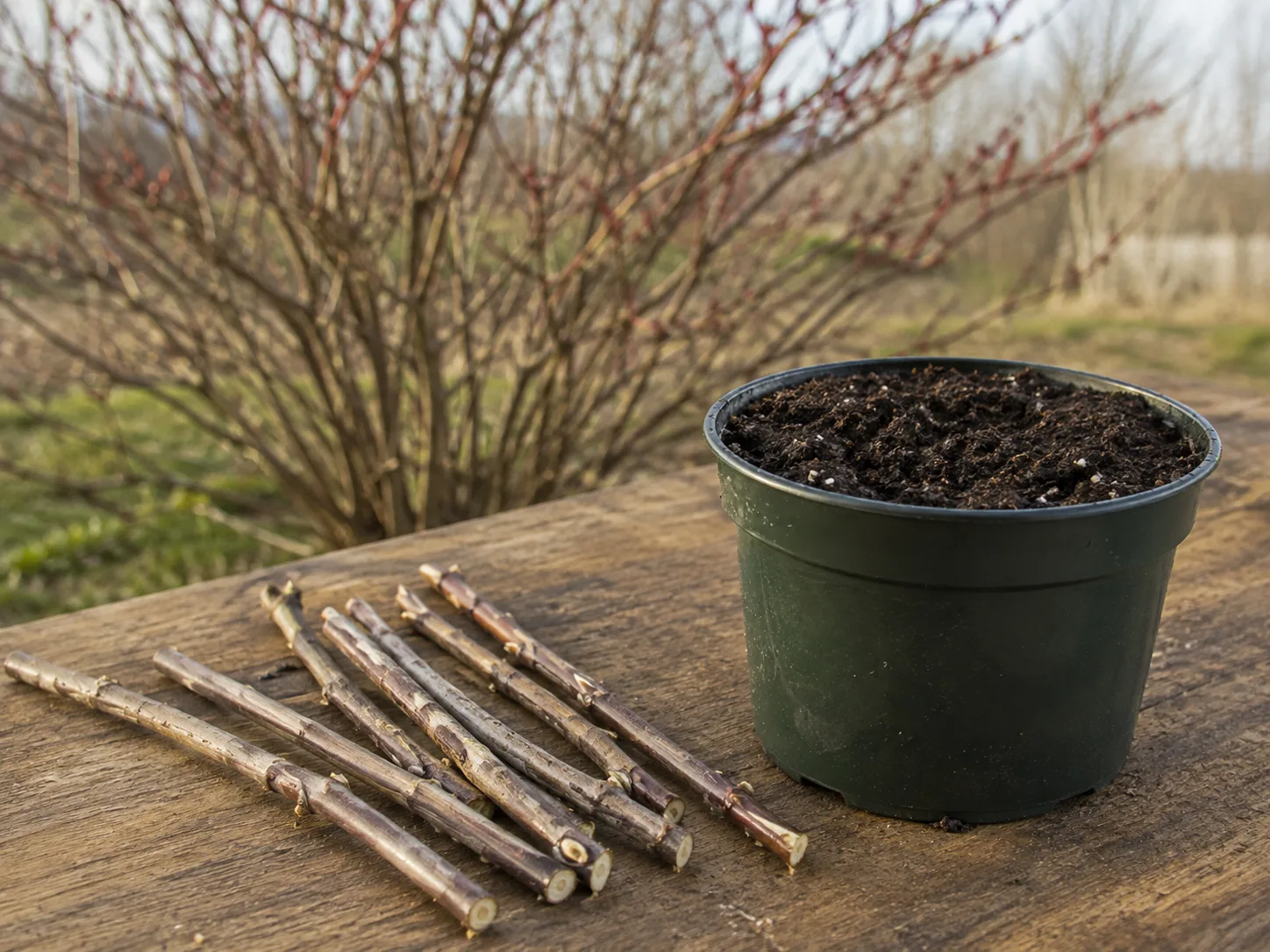
The first decision is not “water or soil?” It is what structure does this plant naturally use to make a new plant? Runners, offsets, divisions, softwood cuttings, hardwood cuttings, layering, and seed each have different timing and failure modes. A spider plant’s offsets and a daffodil’s bulb offsets are not interchangeable with a woody shrub cutting.
Choose the propagation method that fits the plant
Use this quick decision rule:
- If the plant makes offsets, pups, or runners, separate those when they are well rooted or when the plant is naturally being lifted.
- If it is a clumping perennial, divide a healthy clump during the plant’s recommended dormant or post-flowering window, keeping roots attached to each section.
- If it has flexible stems that can touch soil, try layering; the parent plant supports the new section while it roots.
- If it roots readily from stems, take a clean cutting with at least one viable node and use a light, airy medium that stays evenly moist rather than wet.
- If you want genetic variety or a new cultivar, use seed, knowing the offspring may not look exactly like the parent.
For daffodils, natural offsets and division are the practical choices for making more identical plants. The RHS describes offsets as baby bulbs that can be detached and grown on, while seed may take years to reach flowering size; it also lists more advanced techniques such as chipping for experienced propagators (RHS bulb-propagation guidance). A beginner does not need to chip a treasured bulb to prove commitment.
Give every new plant a recovery period. Fresh divisions need consistent moisture while roots re-establish. Cuttings need humidity and light without harsh midday exposure. Seedlings need thinning and airflow before crowding creates damping-off problems. Label the plant and date; propagation without a label turns into a guessing game by the time roots appear.
6. Invite wildlife, but do not outsource the whole pest plan
The old idea of letting chickens or welcoming birds to help with insects contains a useful ecological instinct: a garden is a system, not a sealed box. Birds, predatory insects, amphibians, and soil organisms can all contribute to balance. But “wildlife-friendly” does not mean every animal will protect every crop at every moment.
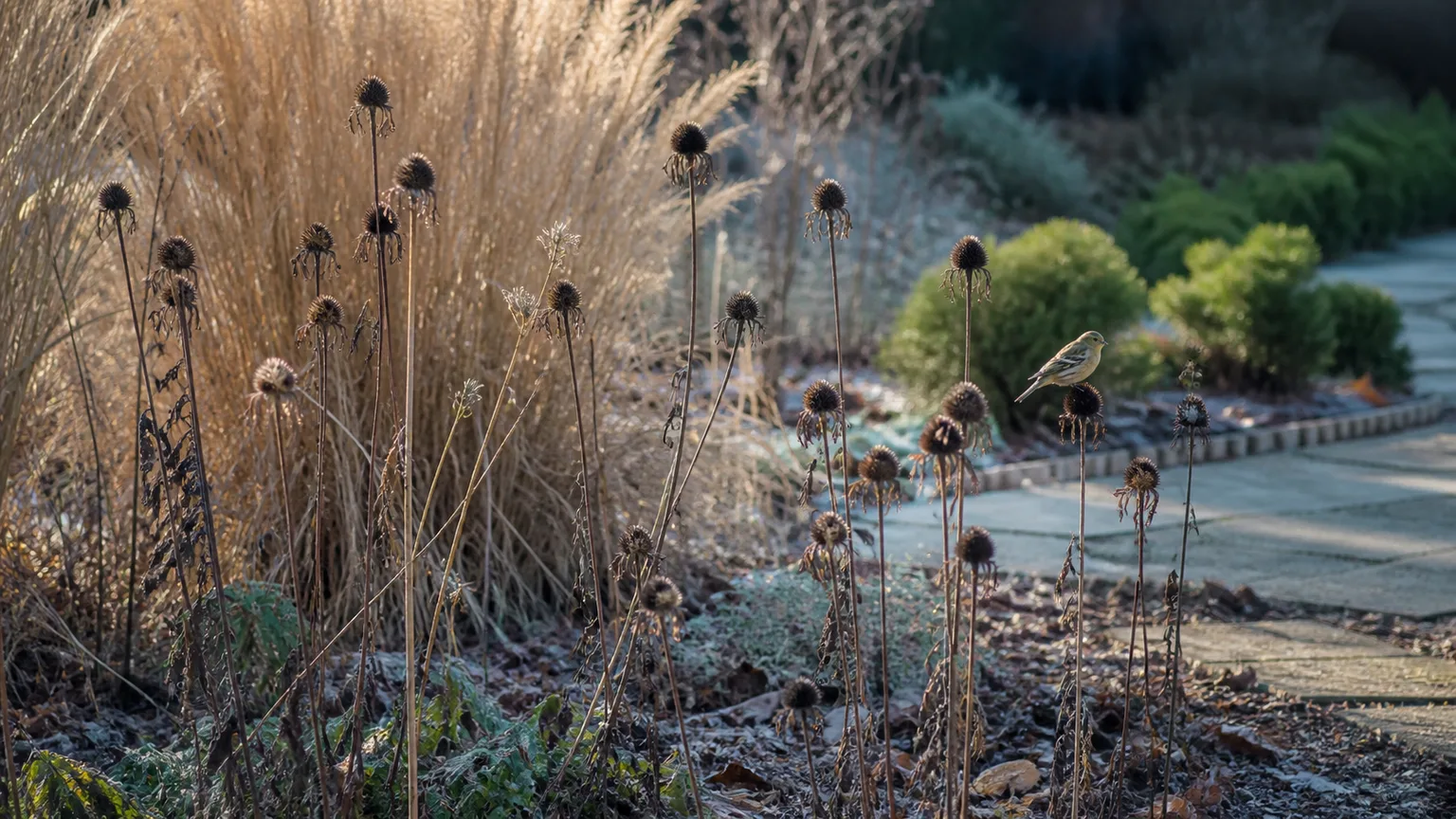
Birds may eat caterpillars, beetles, and other insects, but they may also eat fruit, disturb mulch, or feed on the very caterpillars that become butterflies. Chickens scratch, fertilize, and eat insects, yet they also uproot seedlings and compact damp soil. Use animals where their behavior fits the space, not because “natural” automatically means “harmless.”
Balance birds, caterpillars, and crop protection
Start with habitat rather than a feeder. Keep some seedheads through winter, provide clean water, plant varied layers, and avoid turning every edge into bare lawn. If you add a bird feeder or bath, clean it regularly and place it where falling seed and splashing water will not create a disease-prone mess beside edible crops.
For a pest outbreak, use integrated pest management in order: identify the pest, estimate the damage, protect the most vulnerable plants, and choose the least disruptive effective response. Hand-pick a few large caterpillars, rinse soft-bodied pests from sturdy leaves, use physical barriers for seedlings, and reserve a labeled control for a problem that remains significant after observation.
This approach also prevents a common mistake: spraying a broad-spectrum insecticide as soon as you see one insect. First decide whether it is causing meaningful damage, whether it is a beneficial predator, and whether the plant can tolerate the feeding. A garden with a few chewed leaves can be healthier than a sterile garden where every insect has been eliminated.
7. Make imperfection a design choice
An imperfect garden is not automatically a neglected garden. Crooked stems, self-sown seedlings, holes in a few leaves, and faded seedheads can be signs that the garden is functioning rather than failing. The key is to distinguish intentional looseness from a problem that threatens plant health or access.
Choose the parts that can be relaxed. Let one corner naturalize, allow a few annuals to set seed, or leave winter stems standing for habitat. Keep paths clear, remove diseased material when it is likely to spread, stake a plant that could fall onto a walkway, and prune branches that create a real safety issue. Good design tells the eye where to rest, so a loose border can still have a crisp edge and a navigable path.
This mindset makes experimentation safer. Test an unfamiliar seed source in a small pot instead of converting an entire bed. Try one new companion planting beside a control row. Leave one daffodil clump untouched and divide another overcrowded clump. You will learn more from a small comparison than from a dramatic garden overhaul with no baseline.
8. Choose low-maintenance plants honestly
Low maintenance is a relationship between plant and place, not a permanent label stamped on a species. A geranium in a sunny, well-drained container may forgive a missed watering. The same plant in cold, waterlogged shade can become a constant rescue project.
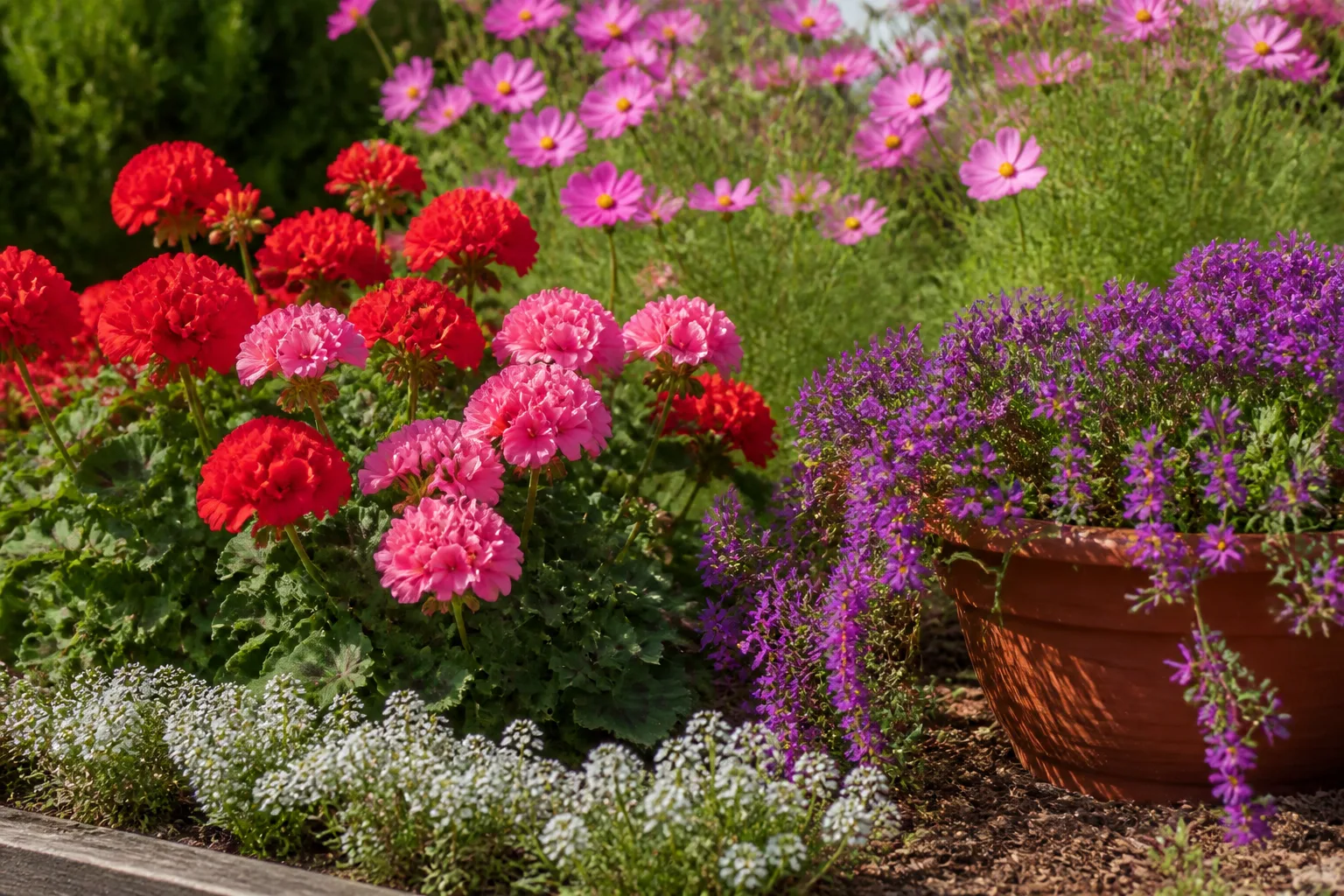
Why geraniums work in the right container
Zonal geraniums are popular because they offer a clear care bargain: strong light, a container that drains, regular but not constant watering, and removal of spent flowers when you want more display. They tolerate a little drying better than many thirstier bedding plants, but they still need water during heat, wind, and active flowering.
Choose the pot before the plant. It should have a drainage hole, enough volume that roots are not packed into a thin hot layer, and a position you can reach with a watering can. In a windy balcony, a heavy pot or sheltered grouping can matter more than a small difference in variety.
The honest low-maintenance test is recovery, not neglect. If the plant perks up after a normal deep watering and continues growing, it may be forgiving. If it repeatedly collapses, sheds leaves, or develops root problems, the site is asking too much. Switch plants or change the container conditions instead of calling the plant difficult.
9. Ask for help before a small problem becomes a season-long loss
Experienced gardeners ask questions constantly. They consult a local nursery grower, a cooperative extension service, a botanical garden, a reliable plant reference, or a neighbor whose garden shares the same climate. Asking is not evidence that you lack a green thumb; it is how you avoid treating a symptom with the wrong remedy.
The five questions that get useful advice
Bring evidence, not only a plant name. Ask:
- What exactly is the plant, and is the identification certain? Common names can describe several species with different needs.
- What changed first? New location, heat, missed watering, pruning, fertilizer, pests, or a wet spell can narrow the cause.
- What are the site conditions? Share light hours, soil or potting mix, drainage, container size, and recent weather.
- What does the damage look like over time? Take clear photos of the whole plant and the affected part, including the underside of leaves.
- What outcome do you want? Saving the plant, getting flowers, propagating it, or reducing maintenance can lead to different recommendations.
The more local the advice, the better. A general care calendar can be useful, but a nursery in your town knows which plants survive your summer, which soils stay wet, and when a “hardy” shrub actually needs wind protection. Better Homes & Gardens’ beginner garden sequence likewise starts with choosing what to grow and finding the best spot before planting (Better Homes & Gardens’ garden-starting guide).
Turn nine lessons into a simple yearly routine
You do not need to practice all nine lessons at once. Use a seasonal loop:
- Before planting: audit light, drainage, wind, mature size, and soil; then buy for the site.
- During active growth: make a short observation walk, identify pests before treating, and record what changes.
- After flowering: deadhead when useful, leave daffodil foliage until it yellows, and decide whether a crowded clump needs division.
- When pruning: use the right tool, clean it between suspect plants, and take only permitted material from plants you own.
- At the end of the season: leave selected habitat, compost healthy plant material, protect paths and structures, and write down what you would change next year.
That routine converts memory into evidence. Your mother’s advice may have been “leave those leaves alone,” but your version can be more precise: “Daffodil foliage stays until it is yellow and pulls away easily; the border planting hides it with emerging perennials.” The principle survives because you made it observable.
Avoid the inherited gardening mistakes that cause the most trouble
Some family habits need a firm update. Do not water on a calendar when the soil is already wet; check the root zone. Do not pile mulch against trunks or stems. Do not fertilize a plant you have not identified, especially when the real issue may be drainage or light. Do not cut every fading leaf for neatness, and do not tie daffodil foliage into knots.
Do not assume that a natural remedy is automatically safe for pollinators, pets, or beneficial insects. Do not release chickens into a bed of young seedlings without a barrier. Do not put up a bird feeder and call the pest problem solved. Do not take wild cuttings because a plant appears plentiful in one roadside patch; permission, conservation status, and local rules still matter.
Finally, do not confuse a single bad season with a bad gardener. Heat waves, late frosts, poor nursery stock, deer pressure, and an unusually wet spring can overwhelm a sound plan. Diagnose what you can, change one variable at a time, and ask for help when the evidence points beyond a simple care adjustment.
Conclusion
The most useful gardening lessons from moms are really lessons in attention. Be patient enough to see a plant’s timeline, observant enough to match a plant to its place, disciplined enough to protect leaves and roots, generous enough to propagate responsibly, and humble enough to ask for help.
Start with one action: walk your garden and choose the spot that repeatedly defeats plants. Record its light, drainage, and wind for a week, then select a plant that actually fits. That small change carries the whole inheritance forward—less forcing, more noticing, and a garden that has a better chance to do what it was planted to do.



