How to Grow and Care for Lychee Trees
Learn how to grow lychee trees outdoors or in containers, with practical advice on climate, soil, watering, pruning, flowering, propagation, and harvest.
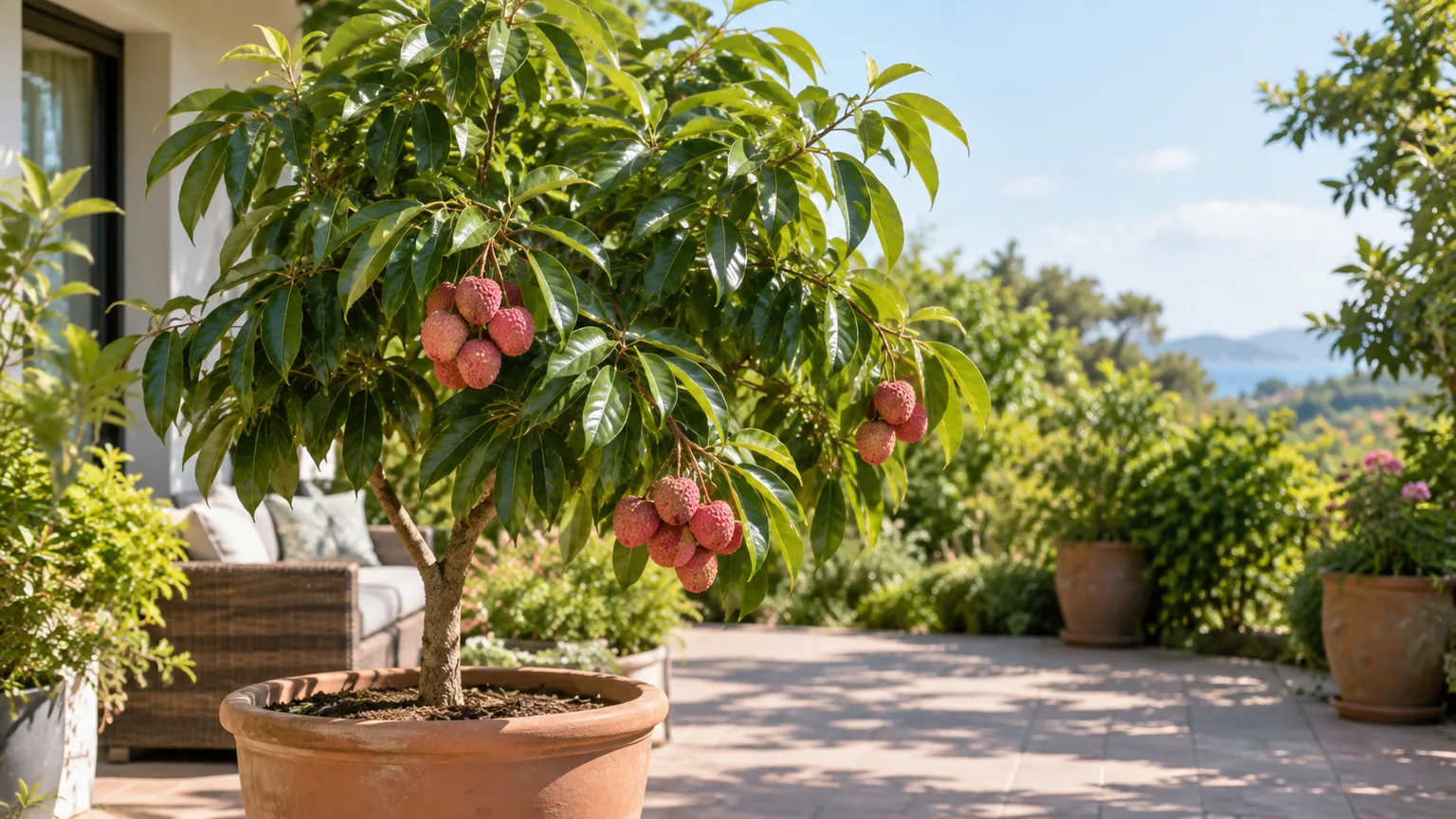
Lychee (Litchi chinensis) is both a handsome evergreen tree and a demanding fruit crop. It can grow into a broad, dense shade tree in a warm subtropical landscape, but the same plant may remain a leafy novelty for years in a cool climate or an indoor pot. The most important care decision happens before planting: match the tree to a site that can provide bright light, excellent drainage, summer warmth and humidity, and a cool, generally drier winter without hard freezes.
The tree is worth growing for its glossy compound leaves and clusters of rough-skinned fruit, but a grocery-store seed is not a shortcut to a predictable crop. Seedlings are genetically variable and can take a decade or more to bear, while air-layered or grafted trees preserve a named cultivar and often fruit in roughly three to five years under favorable conditions. The University of Florida IFAS lychee guide is a useful reference for the climate, spacing, pruning, and fruiting details behind this advice.
Start with the climate decision
Lychee is best suited to warm to cool subtropical regions rather than places with year-round tropical heat or regular winter freezes. A productive site usually combines a three- to five-month cool, relatively dry period for floral induction with a warm spring, a hot and humid summer for fruit development, and a moderately warm fall. That seasonal contrast is why a tree can look perfectly healthy yet refuse to flower in a uniformly warm indoor room.
In the United States, the most dependable outdoor conditions are concentrated in frost-free parts of southern Florida, Hawaii, and sheltered areas of southern California, with other warm pockets possible depending on local exposure. USDA hardiness-zone labels are only a starting point: a protected yard with cold air drainage, wind shelter, and good soil may outperform a nominally suitable site that floods or sits in a wind tunnel.
If your winters are freezing, plan on growing lychee as a movable container specimen rather than promising yourself fruit. A container can keep the plant alive and attractive, but it rarely supplies the root room, light intensity, pollinator access, and seasonal temperature pattern of a mature landscape tree. A greenhouse with strong light and careful temperature control is a different proposition from an ordinary living room.
Give lychee the right light, soil, water, and temperature
Light: Give a planted tree full sun for the strongest growth and best chance of fruit. A young tree moved from a nursery shade house can scorch when suddenly exposed, so harden it off over one to two weeks by increasing morning and then afternoon sun. In a pot, rotate the container regularly so one-sided window light does not create a lopsided canopy; use a grow light if winter daylight is weak.
Soil: Drainage matters more than making the planting hole rich. Lychee tolerates moisture but not a permanently airless root zone. Aim for a slightly acidic soil, roughly pH 5.0 to 6.5, with enough pore space that water leaves the root zone rather than pooling around it. In alkaline or calcareous soil, iron and other micronutrients may become unavailable even when the soil contains them, showing up as pale new leaves with greener veins.
Water: Water newly planted trees deeply and consistently while roots establish, then adjust to weather and soil rather than following a fixed daily schedule. Mature trees have some drought tolerance, but repeated water stress during hot growth or fruit development can reduce vigor and crop quality. On the other hand, automatic lawn sprinklers can water too often, keeping roots wet and raising the risk of decline.
Temperature and humidity: Young trees are more vulnerable than established trunks and can be damaged by temperatures around the upper 20s to low 30s Fahrenheit. Lychee is not a plant to test against a forecasted freeze. Protect a container before cold arrives, and remember that wind can shred new leaves, rub bark at the soil line, and dry the canopy even when the air temperature is acceptable.
Choose a cultivar and planting stock that can fruit
Start with a healthy, correctly identified tree from a reputable nursery if fruit is the goal. ‘Mauritius’ is widely grown and often valued for regular bearing and flavorful fruit; ‘Brewster’ is vigorous and popular but can bear less consistently in some conditions; ‘Emperor’ is more compact and therefore useful for a large container or a small protected patio. Local availability and regional performance should outweigh a catalog description.
A single lychee tree can set fruit because flowers on one tree include male and female phases. Bees and flies do the practical pollination work outdoors. Still, the UF/IFAS reference notes that cross-pollination between cultivars can improve fruit set under some conditions, so two compatible cultivars may be worthwhile if you have room.
Planting stock changes the waiting game. Air-layered and grafted trees are clones of the selected parent and commonly begin bearing in about three to five years after planting, although weather and care can extend that timeline. Seedlings do not come true to the parent and may take ten years or more, so grow one from a seed for the pleasure of raising a tree, not because it is the fastest route to a reliable harvest.
Plant a lychee tree outdoors step by step
Choose a sunny location with room for a broad canopy, protection from prevailing wind, and no history of standing water after ordinary rain. Allow at least 25 to 30 feet from buildings, other large trees, and power lines unless you are deliberately maintaining a smaller patio tree. Shading reduces fruiting, and future pruning should not require you to climb an unsafe mature tree.
In heavy or flood-prone ground, plant on a broad mound or raised bed rather than burying the root ball in a soggy hole. The mound should blend into the surrounding grade and shed excess water; it is not a cone piled tightly around the trunk. Clear grass in a wide ring so the young tree does not compete for water and nutrients, and keep lawn equipment away from its thin bark.
Dig a hole several times wider than the container but no deeper than the root ball. Set the tree so the top of its original potting media is level with or slightly above the surrounding soil. Backfill with the excavated soil, firm it gently, and water slowly to settle air pockets. Do not bury the trunk flare or create a rich compost pocket that holds water around the roots; if you amend native soil, mix the amendment through the backfill rather than layering it.
Stake only if wind or a loose root ball makes support necessary. Use a flexible, biodegradable tie that allows slight trunk movement and remove the support once the tree can stand on its own. Finish with two to six inches of bark or wood-chip mulch over the root zone, leaving an uncovered gap of several inches around the trunk so the bark stays dry.
Grow lychee in a container with realistic expectations
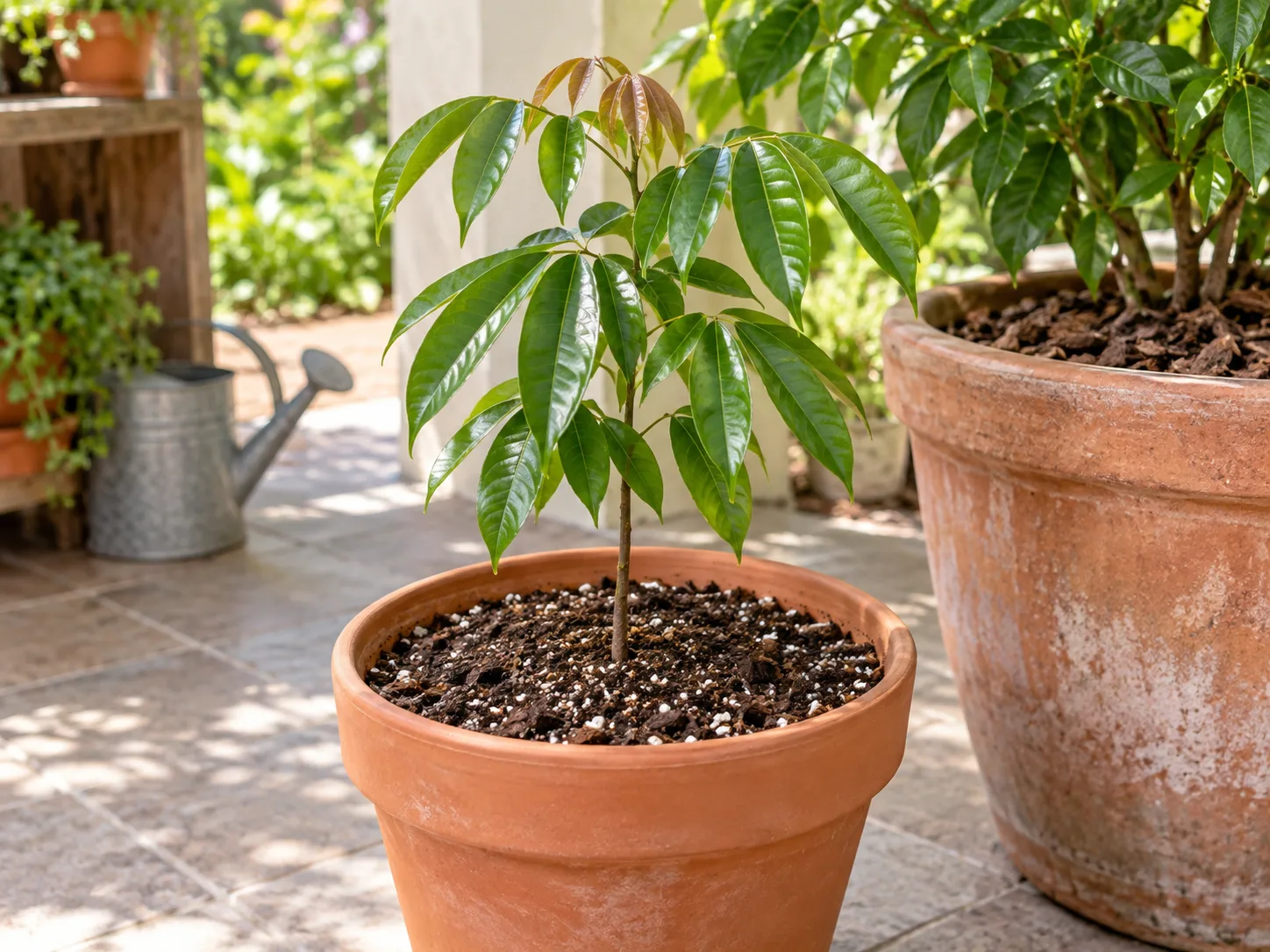
Container lychee is possible as a long-term experiment, a patio tree in a frost-free climate, or a temporary home for a young plant. It is not the same as growing an orchard tree indoors. The container limits root volume, the home usually lacks intense light and cool winter cues, and flowers may not receive the same insect traffic as an outdoor tree. Gardening Know How’s container guidance makes the same practical distinction: a potted tree can stay attractive even when fruit never follows.
Use a pot with a drainage hole and a loose, acidic-leaning mix that drains quickly after watering. A heavy decorative cachepot without drainage is a poor choice unless the plant is kept in a separate draining container and never left standing in runoff. Water thoroughly when the upper layer has begun to dry, empty the saucer, and reduce frequency in dim or cool conditions without allowing the root ball to remain bone dry for long.
Move a potted tree outdoors gradually in spring once nights are reliably warm, placing it first in bright shade and then increasing direct sun. Bring it back before cold weather, but avoid moving it from bright outdoor sun straight into a dark room. If you want a compact plant, use a wide, stable container and prune lightly after each growth flush rather than repeatedly chopping back a stressed tree.
Repot only when roots have filled the container or the mix has collapsed and stopped draining. Step up one pot size, disturb roots as little as possible, and never compensate for a small root system with constant watering. Root restriction can keep a tree smaller, but severe restriction also limits vigor and makes the plant more sensitive to heat and drought.
Feed and mulch for steady growth
Young trees need nutrients to build roots and branches, but more fertilizer is not a fruiting strategy. Excess nitrogen can produce a soft flush of leaves at the time the tree should be settling into a flowering cycle. Once a tree is old enough to bear, avoid pushing nitrogen from late summer through winter in regions where that period should provide dormancy.
Use a complete fertilizer labeled for fruit trees and follow its rate for the tree’s size, soil, and climate. In alkaline soils, pale new growth deserves a soil test and a local extension recommendation before you reach for an iron product; the right form and application method depend on pH. Do not copy a commercial orchard spray schedule onto a backyard tree without checking the current product label and local regulations.
Keep a grass-free mulched zone under the canopy. Lychee has many shallow, fibrous roots, and mulch moderates soil temperature, slows evaporation, and reduces mower damage. Keep mulch off the trunk and avoid piling compost or fertilizer against the base. Mature roots extend beyond the drip line, so heavy fertilization of adjacent lawn can feed leaves at the expense of fruit and contribute to overwatering.
Prune for a manageable, productive canopy
Prune with a purpose: establish a balanced framework when young, keep fruiting wood in light, control height, and remove damaged or crossing branches. Do not strip the lower canopy simply to make the trunk look cleaner; lower branches can shade the soil and may carry flowers and fruit.
For a bearing tree, the safest routine is to prune immediately after harvest. Cut fruit clusters with a short section of stem, then shorten selected shoots enough to keep the tree within reach and open enough for light and air. Removing a few high limbs back to a branch union is more useful than shearing every branch tip. Severe renovation can reduce fruit production for one or more seasons, even if the tree survives it.
Avoid late-season tip pruning when your local tree is preparing for its cool period. It can trigger tender vegetative growth that is vulnerable to cold and less likely to support the next flowering cycle. Once a tree is too tall for ground-based pruning, hire a qualified arborist; climbing an evergreen fruit tree or balancing a ladder in a dense canopy is not a reasonable home-gardening shortcut.
Understand flowering, pollination, and fruit set
Lychee flowers appear in branched panicles at the ends of mature shoots, often from late winter into spring depending on climate and cultivar. The tree may produce a spectacular number of tiny flowers but retain only a fraction as fruit. That is normal; flower count is not the same as harvest potential.
Flowering depends on the sequence of the previous year. The tree needs enough healthy new growth after harvest, then a period of cooler conditions and reduced late-season nitrogen. Keep the soil from becoming bone dry, but do not respond to every dry autumn day with heavy irrigation if your climate normally supplies the cool, drier rest that triggers bloom. This is a climate-sensitive tactic, not a universal instruction for every pot or warm tropical location.
Outdoor pollinators usually handle the transfer between flower phases. One tree may produce a crop, but nearby flowering cultivars can improve the odds in some orchards. If flowers appear and then disappear without fruit, look first at cold snaps, rain or wind during bloom, lack of pollinator activity, tree age, and excessive vegetative growth before assuming the tree needs a second plant.
Harvest and store lychee fruit correctly
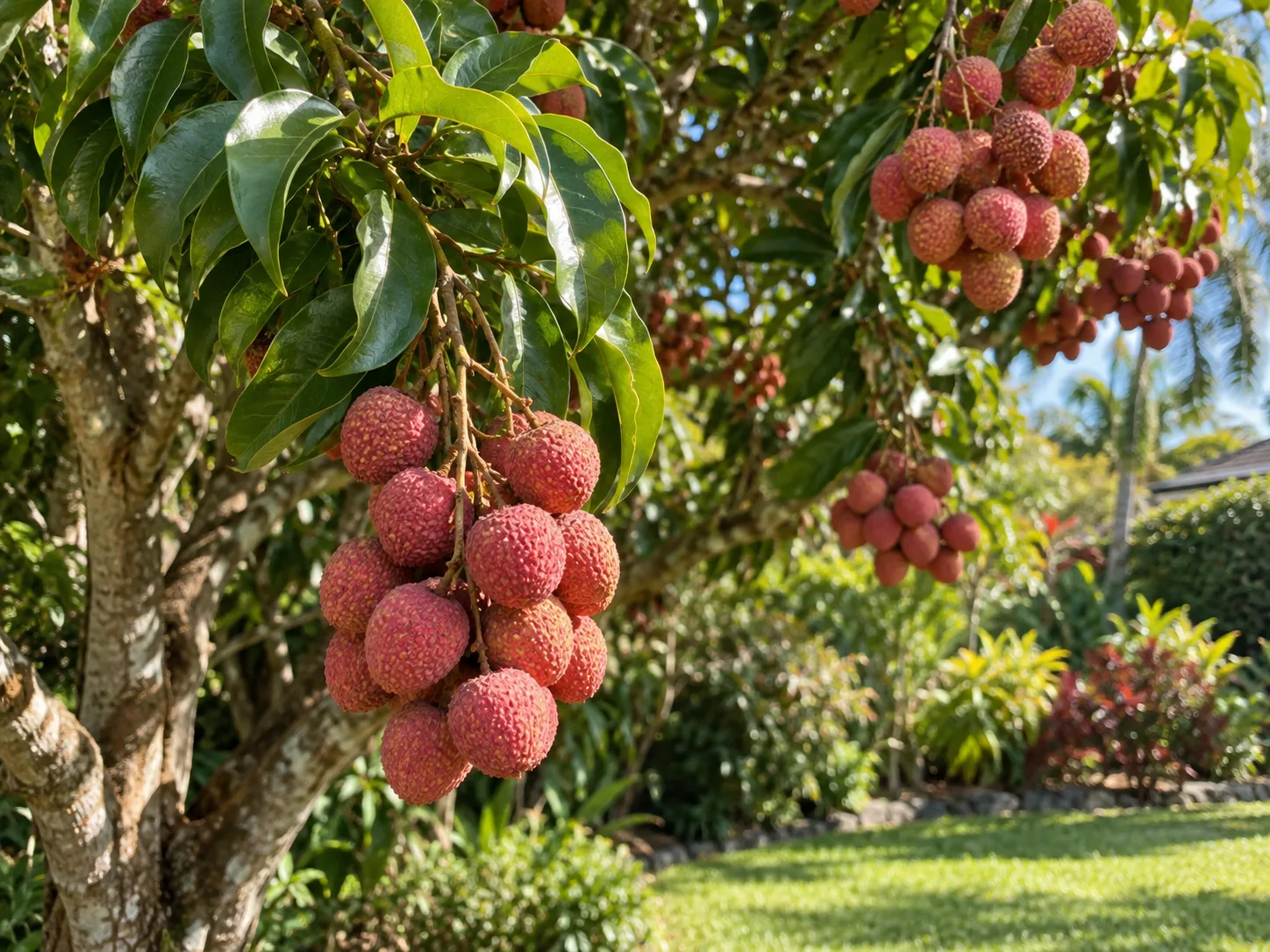
Lychees do not become sweeter after picking, so harvest matters. Wait until the fruit has reached the color and size typical of its cultivar, the skin bumps look less tightly crowded as the fruit swells, and at least one sample from a cluster tastes sweet and fragrant. Green fruit may look promising but will be disappointing if clipped too early.
Cut the whole cluster with a clean pruner, leaving a short piece of stem and, if convenient, a few leaves. This reduces the tearing that can occur when an individual fruit is snapped off and helps the cluster handle storage. Harvest in dry conditions when possible; warm, wet fruit spoils quickly. A mature tree may hold clusters at unsafe heights, so use a purpose-built pole pruner or have the upper canopy harvested professionally rather than climbing into it.
For a detailed account of clipping clusters, keeping a stem attached, and protecting freshly picked fruit from rapid spoilage, compare the Purdue New Crops lychee reference. Its historical production notes are useful context, but local cultivar and weather conditions should guide a home grower’s expectations.
Eat fresh fruit soon after harvest. For short storage, keep clusters cool, dry, and ventilated in the refrigerator; extension guidance commonly gives roughly five to ten days for reasonable freshness, though cultivar and handling change the result. Lychees can also be frozen whole or peeled and pitted for later use. Discard fruit with leaking, fermented, or extensively moldy flesh.
Grow lychee from seed
Fresh seed can sprout readily, but viability drops quickly after the fruit is removed. Rinse a plump brown seed, sow it promptly, and do not let it dry for weeks in a packet. Plant it about one inch deep in a clean, free-draining mix, keep the mix evenly moist, and provide warmth and bright indirect light until the shoot emerges.
Once the seedling has several leaves, move it toward stronger light gradually. A small pot with drainage is easier to manage than a large waterlogged one. Protect the seedling from cold, salt buildup, and sudden full sun. When roots fill the container, pot up only one size and keep the root ball intact.
The trade-off is genetic uncertainty. The seedling may not resemble the fruit you ate, may have a different growth habit, and may need ten years or more before it flowers. That uncertainty is not a failure; it is simply the reason commercial and home orchard growers prefer air-layered or grafted named trees for fruit production.
Air-layer lychee when you want a named clone
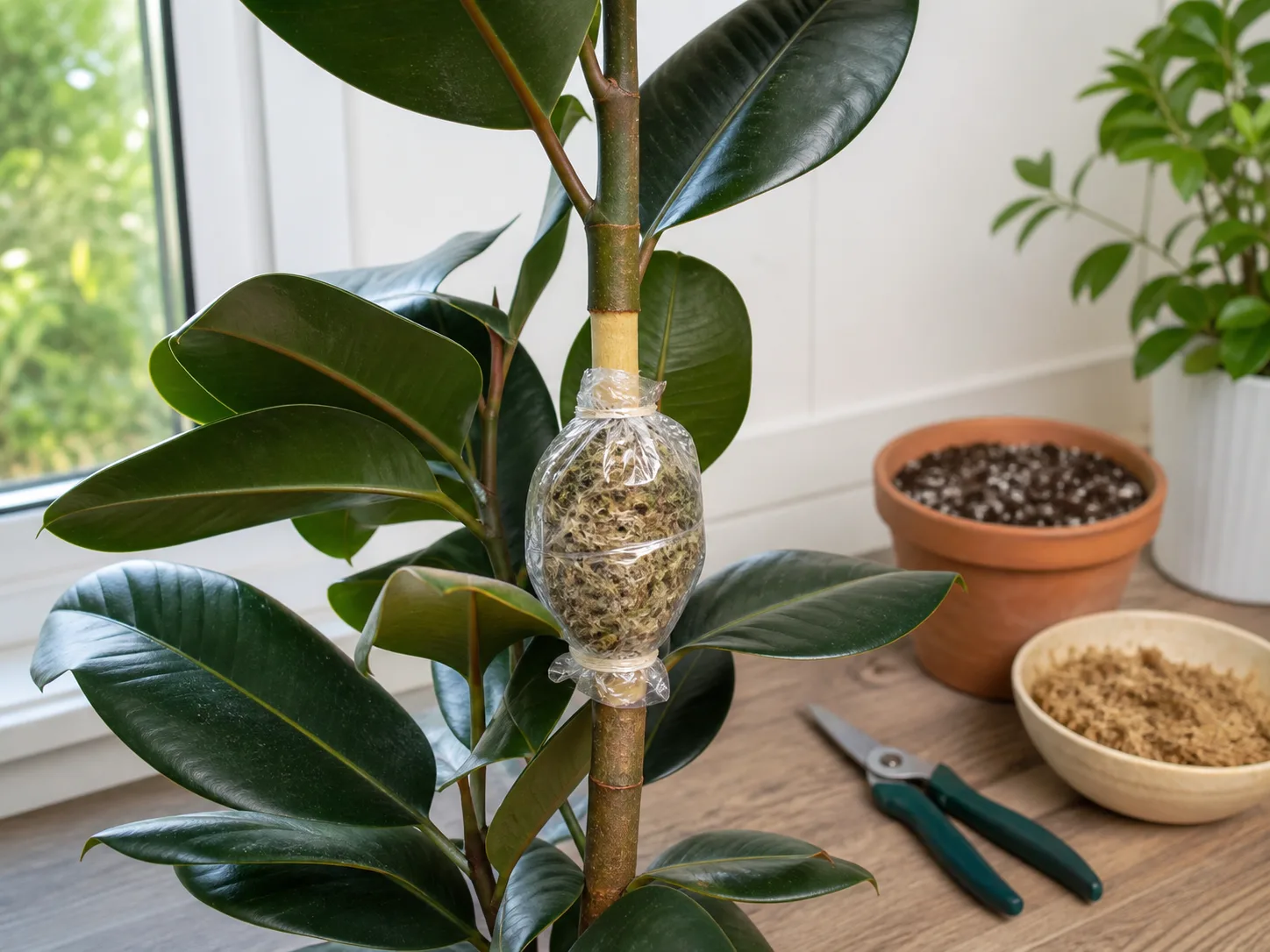
Air layering is the practical home method for reproducing a desirable tree without waiting for a seedling to mature. Choose a healthy, pencil-thick branch that is exposed to light and is roughly one to two years old. On a cleared section of branch, remove a complete ring of bark and the soft cambium beneath it, taking care not to sever the woody center.
Pack the wound with damp, squeezed-out sphagnum moss, wrap it tightly in clear plastic, and seal the top and bottom so the moss stays moist but not submerged. Check periodically for roots. Depending on season and conditions, roots may take several weeks to form; do not cut the branch simply because the moss has stayed wet.
When a substantial root ball is visible through the wrap, cut below the new roots, remove the plastic without breaking the moss and roots, and pot the layer in a well-drained acidic mix. Keep it in bright indirect light and sheltered humidity while it establishes, then acclimate it gradually to sun. Air-layered trees can fruit sooner and preserve the parent’s cultivar, but they often have a weaker, shallower root system than a grafted tree, so drainage, staking, and wind protection matter.
Prevent and identify pests, disease, and damage
Inspect new growth, leaf undersides, stems, and flower panicles every week during active growth. Scale, aphids, mites, and moth larvae can weaken tender shoots; clues include sticky residue, distorted leaves, fine webbing, clustered insects, or dead panicles. Root weevils and nematodes are harder to diagnose from leaves alone, so declining vigor with no obvious canopy pest is a reason to examine roots and contact a local extension office.
Anthracnose can mark leaves, flowers, or fruit with dark lesions, especially when wet conditions and a susceptible cultivar coincide. Remove badly affected fallen material, improve airflow with sensible pruning, and avoid wetting the canopy late in the day. For any fungicide or insecticide, use only a product currently labeled for the crop and pest in your location; a home remedy or a rate copied from an old reference can harm fruit, beneficial insects, or the tree.
Mechanical damage is often more preventable than disease. Keep string trimmers and mower decks away from the trunk, shelter young trees from constant wind, and do not let a container dry until the root ball pulls away from the pot. Healthy new growth is the best defense: the tree should make firm, well-colored leaves rather than a succession of weak, stretched flushes.
Fix a lychee tree that will not flower or fruit
Begin with age and origin. A seedling may simply be juvenile, while an air-layered tree that was recently transplanted may need more time to rebuild roots. If the tree is mature enough, check whether it received a cool season, whether the canopy is shaded, and whether late nitrogen or constant irrigation encouraged leaves instead of reproductive growth.
If flowers form but fruit set is poor, examine the bloom window. Freezing nights, strong wind, prolonged rain, and low pollinator activity can all reduce set. A second cultivar may help in some settings, but it cannot correct a site with poor light, standing water, or the wrong seasonal temperatures.
If the tree flushes repeatedly through winter, stop stimulating it with fertilizer and unnecessary pruning. If it is in an indoor room, the limitation may be environmental rather than a missing product: no amount of misting can substitute for outdoor light, root space, pollination, and a suitable dormant period. Move the goal from “force fruit” to “maintain a healthy plant,” or relocate to a climate where the crop is realistic.
Diagnose leaf drop and weak new growth
Sudden leaf drop after a cold night points toward cold injury, especially if stems later brown or bark splits. Wait before pruning; lightly damaged shoots may recover, while blackened wood can be removed back to live tissue after the extent of damage is clear. Protect the tree from repeat exposure rather than relying on a one-time cover.
Leaf drop after frequent irrigation or a flood suggests root stress. Check drainage, dig carefully at the edge of the root zone for sour-smelling or collapsing roots, and correct the water source. Do not compensate for root rot by watering more because the leaves look wilted; damaged roots can make an overwatered tree appear thirsty.
Pale young leaves with green veins are more consistent with a nutrient-availability problem than with a simple lack of fertilizer. Test soil pH and review irrigation quality before adding micronutrients. Brown, tattered new leaves are more likely to reflect wind, salt, heat, or sun-acclimation trouble when the pattern follows a weather change.
Solve fruit splitting and other crop problems
Fruit splitting commonly follows uneven water supply: a dry spell followed by heavy rain or a sudden soaking can make swelling outpace the skin. Keep soil moisture more even during fruit development with mulch and deep irrigation when needed, while preserving drainage. You cannot control every storm, so treat splitting as a crop-risk signal rather than proof that the tree is doomed.
Small, bland fruit can result from cultivar, crop load, drought, shade, immature harvest, or poor nutrition. Do not judge ripeness from color alone; taste a sample. A tree that carries too many clusters may benefit from sensible thinning in future seasons, but major pruning or root disturbance during fruit development usually creates a larger setback than the original problem.
Fruit that browns or rots before harvest deserves inspection for lesions, insects, bird damage, and wet conditions. Pick sound clusters in dry weather, remove diseased material, and improve airflow. If the problem returns, bring photos and a sample to a local extension diagnostic service instead of guessing at a spray.
Follow a simple seasonal care rhythm
After harvest: Clip clusters cleanly, then prune lightly to keep the canopy low, balanced, and open. Remove broken wood, renew mulch, and inspect new shoots for scale or mites.
Late summer into fall: Let the tree finish and harden its growth. Avoid high-nitrogen feeding on an established bearing tree. Keep young trees watered, but do not create a constantly wet root zone.
Winter: Protect young trees and containers from freezes and persistent cold wind. In a suitable subtropical climate, this cooler, drier period supports flowering; in a warm indoor room, it may be the missing signal.
Spring: Watch for panicles, pollinators, wind damage, and pests. Water consistently as fruit sets and enlarges, and avoid moving a flowering container tree between radically different light or temperature conditions.
Early summer through harvest: Maintain even moisture, keep lawn equipment away from roots and trunk, taste-test fruit, and harvest clusters as they reach cultivar-appropriate color and flavor. Refrigerate or process the crop promptly.
Conclusion
The fastest route to a fruiting lychee tree is not a special indoor trick. It is a frost-free or nearly frost-free subtropical site with full sun, good drainage, wind protection, a cool seasonal rest, and a healthy air-layered or grafted cultivar. If you have only a bright room or a cold winter, grow lychee in a pot as an attractive foliage plant and treat fruit as a bonus rather than a promise.
Choose the planting stock before you choose the fertilizer. Plant high enough to protect the roots from waterlogging, water deeply while the tree establishes, feed lightly, prune just after harvest, and harvest only when the fruit is sweet on the tree. Those decisions solve more lychee problems than misting, frequent repotting, or forcing a seedling to grow faster.