How to Grow and Care for Cast Iron Plant
Grow Aspidistra elatior indoors or in shade gardens: light, watering, soil, division, repotting, cultivars, and fixes for brown tips and root rot.
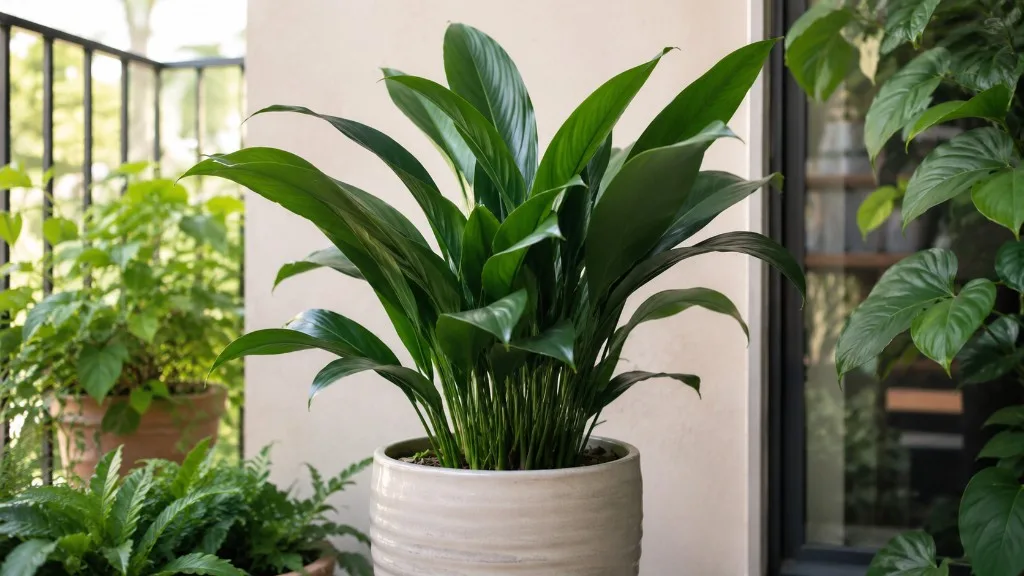
Cast iron plant (Aspidistra elatior) earned its nickname for surviving dim rooms, missed waterings, and the kind of neglect that kills fussier tropicals. That reputation is mostly deserved—but it is not a license to park the pot in a windowless closet or leave the roots sitting in wet soil for weeks. The plant is tough; the fastest way to fail is still too much water or direct sun on the leaves.
Native to the forest understory of Japan and Taiwan, Aspidistra grows from thick underground rhizomes that send up long, lance-shaped leaves on short petioles. There is no central trunk. Indoors it usually stays under three feet tall and two feet wide, growing slowly enough that repotting is a once-every-few-years job rather than an annual chore. Outdoors in warm climates it works as a deer-resistant shade groundcover that spreads by rhizome. (NC State Extension)
If you want the short version before the details: give it bright indirect to medium light, let the top of the soil dry before watering again, use a pot with a drainage hole, and keep temperatures above about 50°F. Everything else—cultivar choice, outdoor planting, division—is built on those four habits.
What Is a Cast Iron Plant?
Aspidistra elatior belongs to Asparagaceae and is also sold as bar room plant or iron plant. Victorian-era homes made it famous because it tolerated coal smoke, gas heat, and dark parlors better than most ornamentals. The common name stuck because the plant survives conditions that would stress many houseplants.
Each leaf emerges directly from the rhizome. Foliage is leathery, dark green, and often compared to a hosta—which is why cast iron plant is a useful evergreen substitute in deep shade beds where hostas go dormant or get eaten. (NC State Extension)
Flowers are easy to miss. Outdoors, A. elatior can produce small purple or cream blooms at soil level in spring or summer. Indoors they are rare. The flowers sit on the rhizome and are pollinated by fungus gnats in the wild—a quirky detail, not a care requirement for your living room.
Quick Identification and Growth Habits
Look for arching leaves 12–24 inches long on petioles roughly 7–12 inches long, rising in upright clumps from the soil surface. New leaves unfurl slowly; old leaves can persist for years if you do not prune them. Because growth is rhizomatous, a healthy plant gradually widens its footprint rather than gaining height like a tree.
Variegated and speckled cultivars exist, but they are not identical to the plain green species in terms of light needs. More on that in the cultivar section. For now, treat any plant with white stripes or yellow dots as needing slightly brighter, still indirect light than a solid-green specimen.
Cast Iron Plant Care at a Glance
| Care factor | Indoor target | Outdoor target (zones 7–11) |
|---|---|---|
| Light | Medium to bright indirect; tolerates low light with slower growth | Partial to full shade; no direct midday sun |
| Water | Water when top 2–3 inches of mix are dry; drain fully | Regular moisture spring–fall; sparingly in winter drought |
| Soil | Well-draining houseplant mix; avoid heavy, water-retentive blends | Rich, well-drained loam; tolerates clay or sand if drainage is good |
| Temperature | Roughly 60–75°F ideal; protect below 50°F | Hardy in frost-free areas; shelter from cold winds |
| Humidity | Average household humidity is fine | Not critical |
| Feeding | Diluted balanced fertilizer monthly in spring–summer, or skip | Light spring feed if soil is poor |
| Pets | Non-toxic to cats and dogs per ASPCA | Same |
Use the table as a compass, not a rigid schedule. A cast iron plant in a dim hallway dries slower than one on a warm, bright porch. Check the soil and the leaf color every time instead of watering on autopilot.
Best Light for Cast Iron Plants Indoors and Out
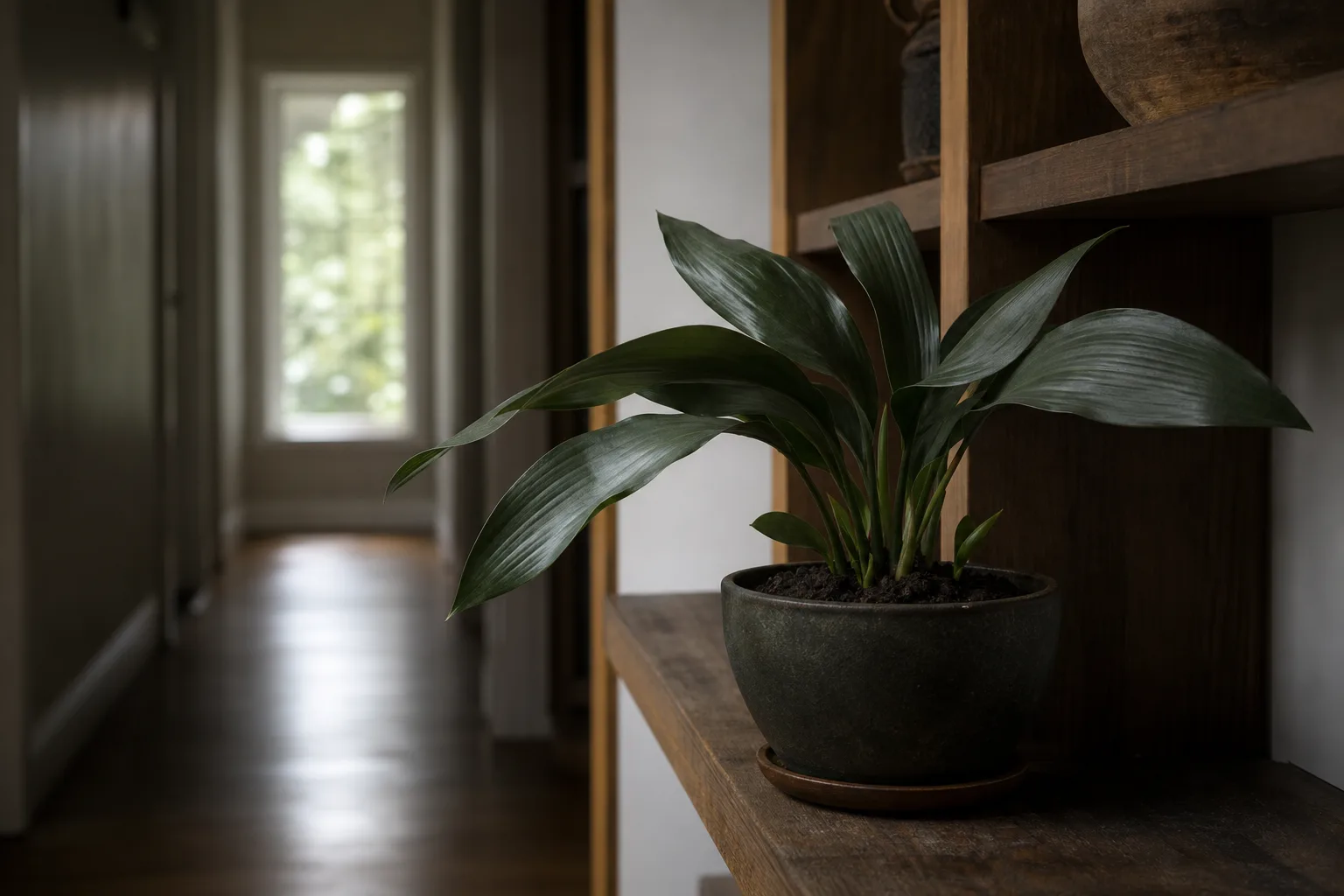
Cast iron plant is one of the few houseplants that genuinely tolerates low light, which is why it shows up in offices, north-facing rooms, and corners far from windows. NC State Extension lists it for dense shade and heavy shade tolerance. (NC State Extension)
That does not mean zero light. All green plants need photosynthesis. In very dim spots the plant usually survives but produces fewer new leaves, and existing foliage may look thinner or more spaced out over time. Medium to bright indirect light produces the lushest clumps indoors. The RHS describes ideal positions as full or partial shade—never sunbaked exposure. (RHS)
Direct sun is the main enemy. Even an hour of hot afternoon sun through glass can bleach leaves to yellow-green or leave crisp brown patches. Outdoors, plant under trees, on the north side of a structure, or in a shaded courtyard. Indoors, a north window, an east window with sheer curtain, or the middle of a bright south- or west-facing room (not the sill) all work.
Signs Your Plant Is Getting Too Much or Too Little Light
Too much light: bleached or washed-out leaf color, brown scorched patches, leaves that feel papery on the sunny side. Move the pot back from the glass or add a sheer curtain the same week you notice damage.
Too little light: very slow or no new leaves, long petioles with small blades, overall pale green color, or a plant that leans toward the brightest corner. If the pot is healthy otherwise, try a spot with brighter indirect light for six weeks before assuming the plant is dying.
Variegated cultivars show light stress sooner than plain green ones. If you bought a striped or speckled form, give it a brighter indirect position than you would a standard green cast iron plant.
Watering Without Inviting Root Rot
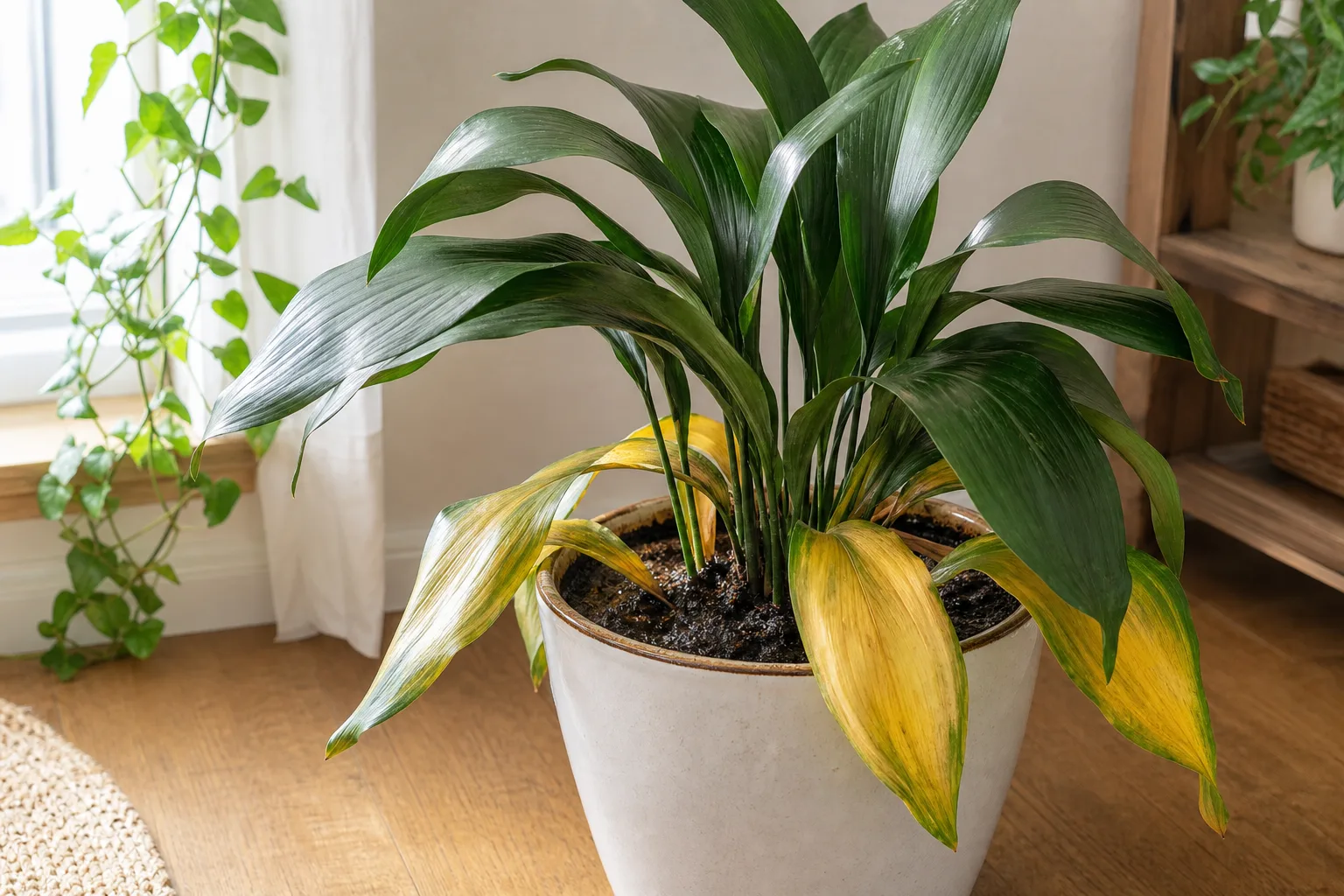
The classic cast iron plant mistake is overwatering, not underwatering. The species is drought tolerant and can survive dry spells, but rhizomes and roots rot quickly in soggy mix. NC State recommends regular water spring through autumn and sparingly in winter. (NC State Extension)
The finger test still wins. Stick your finger into the top 2–3 inches of soil. If it feels dry, water until a little runs from the drainage hole, then empty the saucer within 30 minutes. If it still feels cool and damp, wait.
Here is the detail many care guides gloss over: cast iron plant rhizomes sit near the soil surface, not deep in the pot. Gardener’s Path notes that soaking the entire root ball every time is unnecessary and can contribute to rot because the lower profile of the mix stays wet while the surface feels dry. Water thoroughly enough to moisten the upper half of the container, then let it dry again. (Gardener’s Path)
Use room-temperature water when you can. Cold water shock is minor on this plant, but chlorine-heavy tap water can brown leaf tips on sensitive specimens over time. If tips brown despite correct dryness, try filtered water or let tap water sit overnight.
Winter and Low-Light Watering Adjustments
Growth slows in cool, dim months even indoors. Cut frequency before you cut volume: many pots need water half as often in winter. A plant in a cold draft near a door may go nearly dormant and need very little moisture until spring.
If leaves droop and the soil is bone dry several inches down, water once and wait. If leaves droop and the soil is wet, you have a root problem—do not add more water. See the troubleshooting section.
Soil, Pot Size, and Drainage
Aspidistra is adaptable about soil texture. NC State notes tolerance for dry, nutrient-poor soils and a range of textures outdoors. (NC State Extension) Indoors, prioritize drainage over richness. A standard peat- or coir-based houseplant mix with perlite or bark is enough. Avoid straight garden soil in a pot—it compacts and holds water against shallow rhizomes.
Pot depth matters less than width. Shallow containers six to nine inches deep can hold a mature plant because roots spread horizontally. Choose a pot only one size larger at repot time—about two inches wider in diameter. Oversized pots hold excess wet mix and slow drying.
Every container needs a drainage hole. Decorative cachepots are fine only if you lift the nursery pot out to water and drain. Sitting in a puddle is how “indestructible” cast iron plants die.
Temperature, Humidity, and Where to Put It
Indoors, 60–75°F is the comfortable range most homes already provide. Brief dips are tolerated, but foliage damage starts around 50°F, and prolonged cold can kill leaves or rhizomes. Keep pots away from air-conditioning vents, frequently opened winter doors, and cold window glass in northern climates.
Humidity is a non-issue for most growers. Unlike calatheas or ferns, cast iron plant handles dry heated air well. You do not need a pebble tray or humidifier unless you are growing it beside moisture-loving plants for aesthetics.
Best indoor placements:
- A north-facing window where leaves never touch sunbeams
- Several feet back from a south- or west-facing window in a bright room
- A hallway with a skylight or adjacent room light—acceptable if growth is slow but steady
- Offices with fluorescent or LED overhead light plus some daylight
Avoid blasting heat from radiators directly into the foliage. Leaves can brown at the margins from repeated hot dry air even when watering is correct.
Fertilizing a Slow-Growing Plant
Cast iron plant is not hungry. Heavy feeding pushes soft growth that this species does not need. During active growth—roughly spring through early fall—a diluted balanced liquid fertilizer once a month is plenty. You can also use a slow-release product at half the label rate in spring.
Skip fertilizer in winter and on newly repotted or divided plants for six to eight weeks. Always apply to moist soil, never to dust-dry mix, to reduce salt burn on surface roots.
If you never fertilize, a healthy plant in good light may still look fine for years. Fertilizer is an optional accelerator, not a rescue tool for a plant in the wrong light or a wet pot.
Popular Cultivars Worth Knowing
The species is green and glossy, but collectors grow dozens of named forms. NC State Extension lists many cultivars worth seeking out. (NC State Extension)
| Cultivar | Look | Light note |
|---|---|---|
| ’Variegata’ (syn. ‘Okame’) | White stripes on green leaves | Needs brighter indirect light than plain green |
| ’Asahi’ | Green leaves with white tips | Variegation fades in deep shade |
| ’Hoshi-zora’ | Green leaves speckled yellow-white (“starry sky”) | Keep out of direct sun; speckles need moderate light |
| ’Lennon’s Song’ | Yellow-green striping | Slower; brighter indirect |
| ’Milky Way’ | Small white spots on dark green | Popular; avoid dark corners |
| ’Ginga Giant’ | Large leaves with yellow flecks | Floor specimen; needs space |
When you buy a variegated plant, ask yourself whether your room can support it. A dark bathroom may keep a green cast iron plant alive but will gradually plain-green a variegated one.
How to Propagate by Division
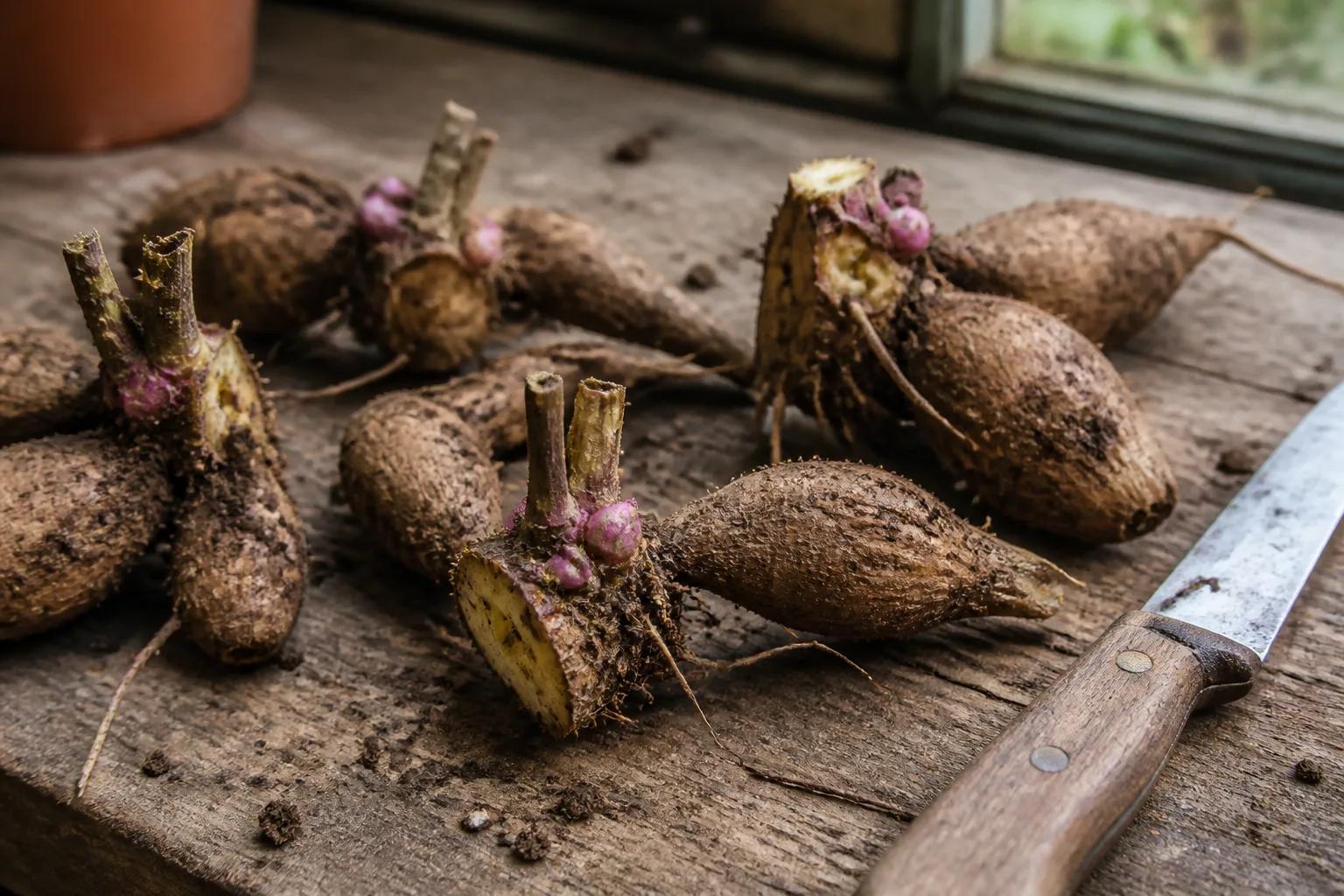
Cast iron plant does not propagate reliably from leaf cuttings or seed at home. Division is the practical method—and it is straightforward because each rhizome section can carry its own leaves.
Best timing: spring or early summer when the plant is actively growing. You can divide at other times, but recovery is slower.
Steps:
- Water the day before so the root ball is flexible.
- Slide the plant out and brush away loose soil to expose rhizomes.
- Identify natural splits where clusters of leaves attach to separate rhizome sections.
- Pull or cut apart with a clean knife, keeping at least two leaves and healthy rhizome per division.
- Pot each section in fresh mix with the rhizome about an inch below the surface and leaves pointing up.
- Water lightly to settle soil, then keep evenly moist—not wet for two to three weeks while new roots establish.
- Return to the normal dry-between-waterings routine once you see new growth.
Divisions are a smart way to fill shady outdoor beds in zone 8 and warmer, or to share plants without buying new pots every year.
When and How to Repot
Repot when roots circle the pot, emerge from drainage holes, or when water runs straight through without absorbing—usually every three to five years for a typical indoor plant. Spring is ideal.
Choose a pot one size up. Remove the plant, tease off old loose soil without breaking healthy white roots, and replant at the same depth. Water once, drain, and skip fertilizer for a month. Cast iron plant tolerates being slightly rootbound, so do not rush repotting just because the pot looks full if growth and watering are still normal.
For a full walkthrough of timing and mix choice, see our cast iron plant repotting guidance on LeafyPixels.
Growing Cast Iron Plants Outdoors
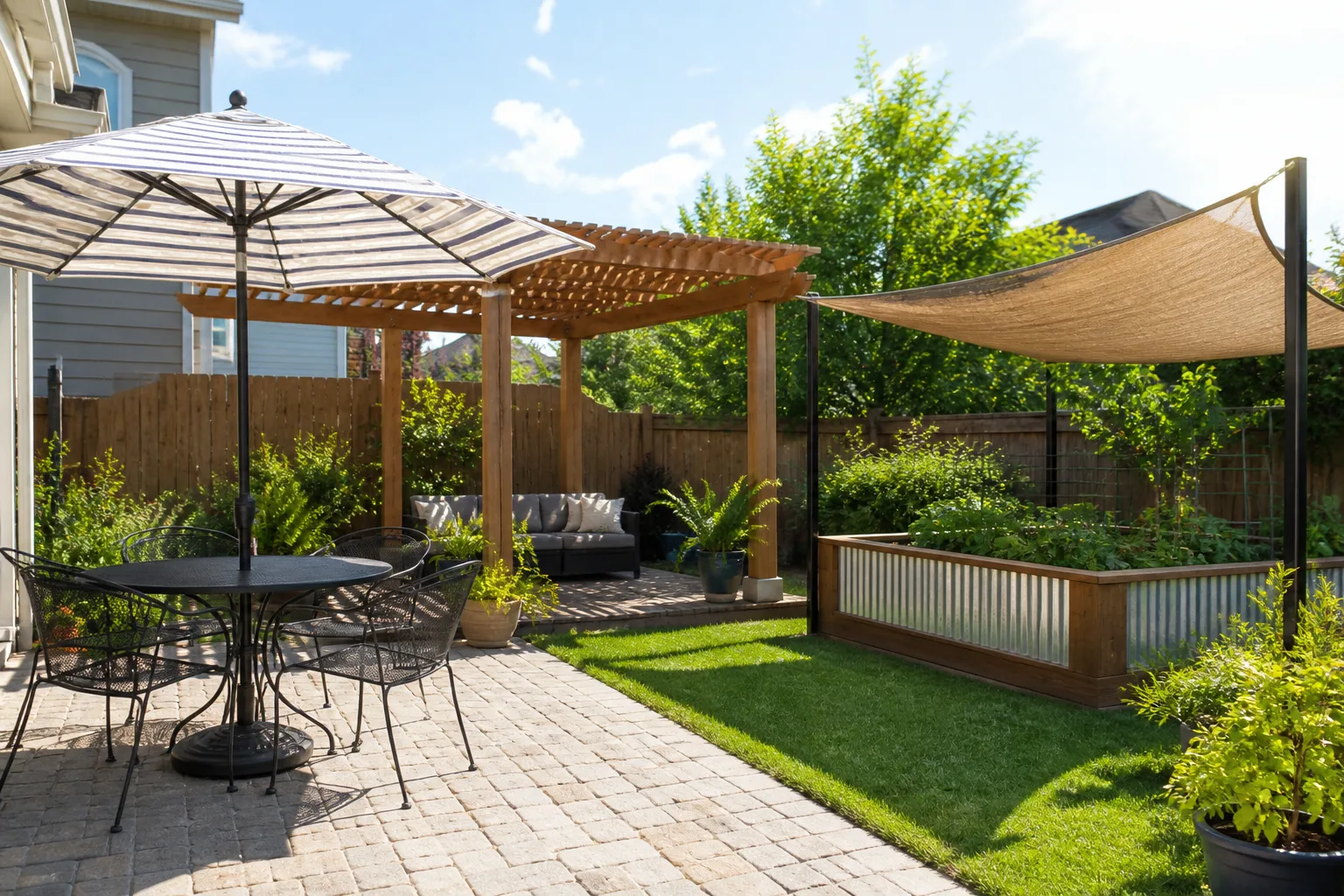
In USDA zones 7 through 11, Aspidistra elatior can live outdoors year-round in frost-free areas and in sheltered shade gardens where winters stay mild. NC State recommends it for exterior landscapes in the South and as a spreading groundcover in shade. (NC State Extension)
Plant rhizomes in rich, well-drained soil under trees or along north foundations. Space divisions 12–18 inches apart for a groundcover fill-in over a few seasons. Mulch lightly to keep rhizomes from drying out the first summer.
In zone 7 and marginal zone 8 sites, foliage may die back after hard freezes while rhizomes survive if mulched. Cut damaged leaves in spring and let new shoots emerge. Potted outdoor plants should move indoors before nights drop below 50°F.
Deer and rabbits generally ignore it. That alone makes it valuable under oaks and pines where hostas disappear overnight.
Pests and Diseases That Still Show Up
“No serious pest problems” is what NC State says—and that is mostly true outdoors. (NC State Extension) Indoors, stressed plants can attract scale, spider mites, and mealybugs, especially if air is very dry and light is poor. The RHS lists mealybug, glasshouse red spider mite, scale, thrips, and vine weevil as possibilities under glass. (RHS)
Scale looks like brown bumps on leaf bases and undersides. Wipe off lightly with a damp cloth on small infestations; use insecticidal soap on heavier ones.
Spider mites leave fine webbing and stippled leaves. Increase airflow, rinse foliage, and treat with horticultural soap or oil if needed.
Root rot is the main disease—and it is almost always cultural. Mushy rhizomes, sour-smelling soil, and yellowing lower leaves mean pull the plant, trim rotten tissue, repot into fresh mix, and fix the watering habit. Our root rot guide for cast iron plant walks through recovery limits honestly: severe rot may not be reversible.
Troubleshooting Brown Tips, Drooping, and Decline

Brown leaf tips on cast iron plant usually trace to overwatering, not underwatering—opposite of many tropicals. Check soil moisture first. If the mix stays wet for a week, reduce water and confirm the pot drains. If soil dries quickly but tips still brown, consider fluoride or salt in tap water, or cold drafts.
Whole leaves turning brown often means too much direct sun or cold damage. Scan the window path across the day. Move the plant before trimming leaves so you are not fighting the same stress repeatedly.
Drooping leaves with dry soil: water once and wait several days. Drooping with wet soil: inspect roots immediately; do not fertilize your way out of it.
No new growth for a year: common in very low light. Move to brighter indirect light for one growing season. If still nothing, check whether the rhizome is firm—not mushy.
Leggy, sparse clumps: increase light slightly or divide an old crowded pot to refresh vigor.
For deeper dives, see our pages on brown tips, not enough light, and low humidity—though humidity is rarely the primary culprit on this species.
Is Cast Iron Plant Safe for Pets?
Yes. Cast iron plant is non-toxic to cats and dogs according to the ASPCA toxic and non-toxic plants list. (ASPCA) Pet Poison Helpline also highlights it as a pet-safe option for homes that want greenery without constant worry. (Pet Poison Helpline)
That does not mean you should encourage chewing. Any plant material can upset a sensitive stomach. Place pots where pets are less likely to use them as salad, especially if you use fertilizers or pest sprays—those products are not pet-safe even when the plant is.
Rabbit-specific data is thinner. NC State tags the plant as rabbit resistant outdoors, which suggests it is not a preferred snack, but house rabbits should still be kept away from houseplants unless a veterinarian confirms safety.
Conclusion
Cast iron plant rewards a hands-off approach: bright shade indoors, dry soil between waterings, a pot that drains, and temperatures above 50°F. It will tolerate darker corners and missed water better than almost any tropical foliage plant—but it will not survive sunburn or soggy rhizomes.
Choose a cultivar that matches your light, divide when you want more plants instead of buying new ones, and treat brown tips as a signal to check water and sun before reaching for fertilizer. Get those habits right and Aspidistra becomes the low-drama anchor plant Victorian parlors relied on—without the coal smoke.