Scented Geranium Care: Growing Fragrant Pelargoniums
Grow scented-leaved geraniums with fuller growth and lasting fragrance. Learn the right light, soil, watering, pruning, cuttings, and frost-free winter routine.
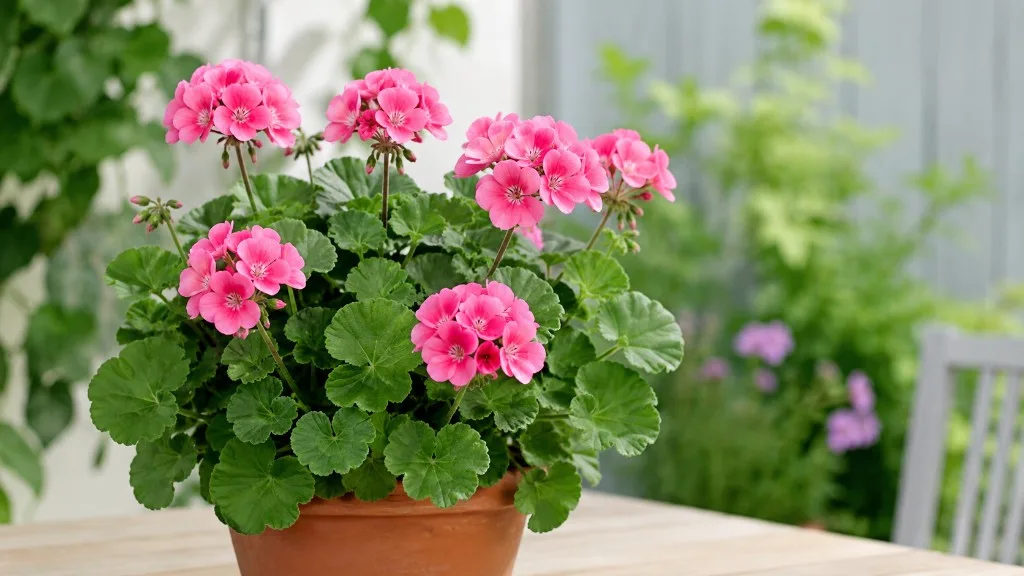
Scented-leaved geraniums reward the small everyday contact that many flowering plants do not: brush a leaf on the way past, and its fragrance rises from the foliage. The name covers a varied group of tender Pelargoniums rather than one uniform species, so a rose-scented plant, a mint-scented one, and a citrus-scented one may differ in leaf shape, size, and growth habit even when their basic care is similar.
The reliable formula is bright light, a pot or bed that drains promptly, and watering that responds to the soil instead of a calendar. The other big decision is winter: these plants tolerate warmth and some dryness, but most cannot remain outdoors through a hard freeze. Once you know which plant you have and how you will protect it, the rest is straightforward.
What scented-leaved geraniums are—and what they are not
The familiar plant called a scented geranium is a Pelargonium, a member of the Geraniaceae family. “Geranium” is still used in the common name, but hardy garden Geraniums—often called cranesbills—belong to a separate genus. The distinction is practical: a scented Pelargonium is frost-tender in most climates and often grown as a seasonal patio plant, while many cranesbills are hardy perennials that stay in the ground.
Scented Pelargoniums are grouped for aromatic foliage, not for a single flower shape or color. Their leaves can be round, lobed, finely cut, velvety, or variegated; the flowers are often smaller than those of bedding geraniums. NC State Extension describes Pelargonium as a diverse genus with annual and tender perennial forms, including the scented group, and notes that common cultivated types need sun and well-drained soil (NC State Extension).
The fragrance comes from the foliage. Many cultivars release more aroma when a leaf is lightly brushed or rubbed, while the flowers themselves may have little or no noticeable scent. That means a plant with modest blooms can still be the right choice if you want fragrance beside a path, doorway, or sunny kitchen window.
Choose a variety for fragrance, leaf texture, and space
Shop by the scent you enjoy and the shape you can accommodate, rather than by a flower photo alone. Gardeners’ World describes scented-leaf Pelargoniums with rose, lemon, ginger, and strawberry notes; NC State Extension lists examples such as rose-scented Pelargonium graveolens, apple-scented Pelargonium odoratissimum, lemon-scented selections, and mint-fragrant Pelargonium tomentosum (Gardeners’ World, NC State Extension).
The label matters because nursery common names are inconsistent. “Rose geranium” may refer to more than one cultivar or species, and a “citronella” or “mosquito” label does not identify a guaranteed fragrance strength or pest-control result. If possible, gently rub one leaf and smell it before buying; this samples the foliage directly without relying on the flower color or marketing name.
Match habit to location. Compact plants suit a small pot on a bright sill; upright, woody growers can become sizeable patio specimens; and trailing forms spill over a basket edge but dry faster in wind and sun. Leave enough room for air to move through the mature plant, and place it where brushing the foliage is pleasant rather than where people or pets will constantly crush it.
Give the plant bright light with climate-aware shade
Give scented Pelargoniums several hours of direct sun or the brightest outdoor position you can provide. Adequate light keeps stems shorter and supports flowering; in a dim corner, the plant tends to stretch toward a window, hold fewer leaves, and become harder to shape. NC State Extension likewise links insufficient light with leggy growth and poor bloom.
Hot afternoon sun is a different problem from low light. In a very hot climate, a plant in a small dark pot against a west-facing wall can overheat even when it is technically receiving “full sun.” Try morning sun with light afternoon shade, especially during heat waves, and watch the leaves: pale scorch patches or crisp margins indicate the exposure or heat load is too intense.
Indoors, start with a bright south- or west-facing window, then adjust if the leaves press against hot glass or bleach. Rotate the pot every week or two so growth stays even. If natural light is weak, a grow light can support foliage through winter; extra fertilizer cannot compensate for a plant that is reaching for light.
Use a fast-draining mix and a pot with an open exit
The roots need air between waterings, so choose a loose, container potting mix rather than dense garden soil. A standard indoor or outdoor potting mix is usually sufficient; if it stays wet for days in your conditions, blend in a coarse drainage amendment such as perlite or pumice and reassess your watering. The aim is not a desert-dry pot, but a root zone that can be thoroughly watered and then drain.
Use a container with unobstructed drainage holes. A decorative cachepot without a hole can hold a scented geranium only if you remove the nursery pot for watering and empty all collected water before returning it. A layer of stones at the bottom does not fix a blocked hole or heavy mix; it simply reduces the depth available to roots.
Choose a pot only modestly wider than the root ball, and repot when roots circle densely, water runs straight through without wetting the mix, or growth stalls despite good conditions. Move up one size rather than placing a small plant in a very large container. Extra unused soil stays wet longer and raises the risk of root problems.
Water thoroughly, then let excess moisture leave
Check the top inch or two of mix and lift the pot before watering. If the upper layer is dry and the container feels light, water slowly across the soil until excess runs from the drainage holes; then empty the saucer. If the mix is still damp or the pot feels heavy, wait and check again later.
This wet-then-dry rhythm is more reliable than watering every Tuesday or following a generic weekly schedule. A small terracotta pot on a windy patio may dry quickly, while a larger plastic pot in a cool room may remain damp much longer. NC State Extension notes that established Pelargoniums tolerate dry conditions and container plants can dry between waterings, while moderate moisture supports fuller growth.
Do not deliberately keep the root ball bone-dry for long periods. Extended drought can cause limp growth, yellow leaves, or leaf drop, and a severely dry mix may repel water until it is rewetted gradually. Rehydrate a very dry pot in stages, allow it to drain, and return to normal checks instead of compensating with repeated small splashes.
Keep temperatures mild and air moving
Scented geraniums grow best in a warm, bright growing season and are damaged by frost. In genuinely mild, frost-free climates, some Pelargoniums can persist outdoors; elsewhere, plan to bring the plant inside or take cuttings before a freeze. The plant’s label and local weather matter more than a hardiness number copied from a different cultivar.
In a home, normal comfortable room temperatures are generally suitable while the plant is actively growing. Avoid placing it directly over a heater or beside a cold draft, and do not press foliage against winter window glass. Cool nights can slow growth, but a plant kept cool and wet is more vulnerable to rot than one kept cool with a freely draining mix.
Good airflow helps leaves dry after rain or watering and reduces the damp, stagnant conditions that favor gray mold and other fungal problems. Give neighboring pots some space, remove fallen leaves, and avoid crowding the plant into a humid corner. High humidity is not a substitute for healthy roots or light.
Fertilize lightly while the plant is actively growing
Scented Pelargoniums do not need to be pushed into rapid growth. If the plant is in a garden bed with reasonably fertile soil, extra feeding may be unnecessary; a container loses nutrients through repeated watering, so a light dose of balanced liquid fertilizer during active spring and summer growth can help. Follow the product label and begin at the lower end of its recommended schedule.
Stop or sharply reduce feeding when growth slows in fall and winter. Roots in a cool, dim room cannot use fertilizer as efficiently as a plant growing in bright light, and salts can accumulate in a pot. Resume only after new growth is visible and the plant has moved back into brighter conditions.
A heavy nitrogen feed can produce long, soft stems and abundant leaves at the expense of a compact shape. Gardening Know How also cautions that overfertilizing scented geraniums can worsen legginess (Gardening Know How). Claims that deliberately starving the plant will always intensify its fragrance are too broad; cultivar, light, leaf age, and growing conditions all affect what you smell.
Grow scented geraniums in beds, patio pots, or indoors
A container gives you the most control over drainage and makes winter protection easier. Use it on a sunny patio or balcony, but check it more often during hot, windy weather because small pots dry quickly. A hanging basket can work for a trailing cultivar, provided it has reliable drainage and you can reach it to water and inspect leaves.
In a warm climate, plant into a raised or naturally free-draining bed after frost danger has passed. Avoid low spots that stay wet after rain. In cooler regions, treat a bed-grown plant as seasonal or lift it before cold weather; moving a potted specimen indoors is usually less disruptive than digging up a large root system at the last minute.
Indoors year-round is possible if you can provide bright light and room for a shrub-like plant to branch. Turn it periodically, prune back growth that crowds the window, and inspect leaf undersides before bringing it near other houseplants. If it becomes persistently lanky indoors, the practical fix is more light or a shorter seasonal indoor stay—not a larger fertilizer dose.
Shape stems and harvest leaves without stripping the plant
Pinch the soft growing tips of a young plant to encourage side branches. On an established plant, use clean snips to shorten a long stem just above a leaf node; several new shoots may then develop below the cut. Make larger shaping cuts during active growth so the plant has time to replace foliage before winter.
The leaves are the feature, so avoid shearing the whole plant into a tight ball. Remove damaged, yellowing, or crossing stems first, then step back and preserve an open shape that lets light reach inner leaves. Clean tools between plants when you are removing diseased tissue.
If you harvest leaves for their aroma, take a few from several stems instead of stripping one branch. Regular light picking can double as tip pruning, but removing too much foliage at once reduces the plant’s ability to grow. Do not eat or use a plant as a culinary herb just because the cultivar smells pleasant: confirm the plant’s identity and intended use, and avoid leaves from ornamental nursery stock that may have been treated with products not labeled for food crops.
Propagate with stem cuttings for a faithful copy
Cuttings are the best way to preserve a named scented cultivar because a stem cutting is a clone of the parent. Seed-grown offspring can differ, while a healthy cutting carries the parent’s growth habit and foliage scent. The RHS lists softwood cuttings as a propagation method for Pelargoniums from spring to autumn (RHS Pelargonium growing guide).
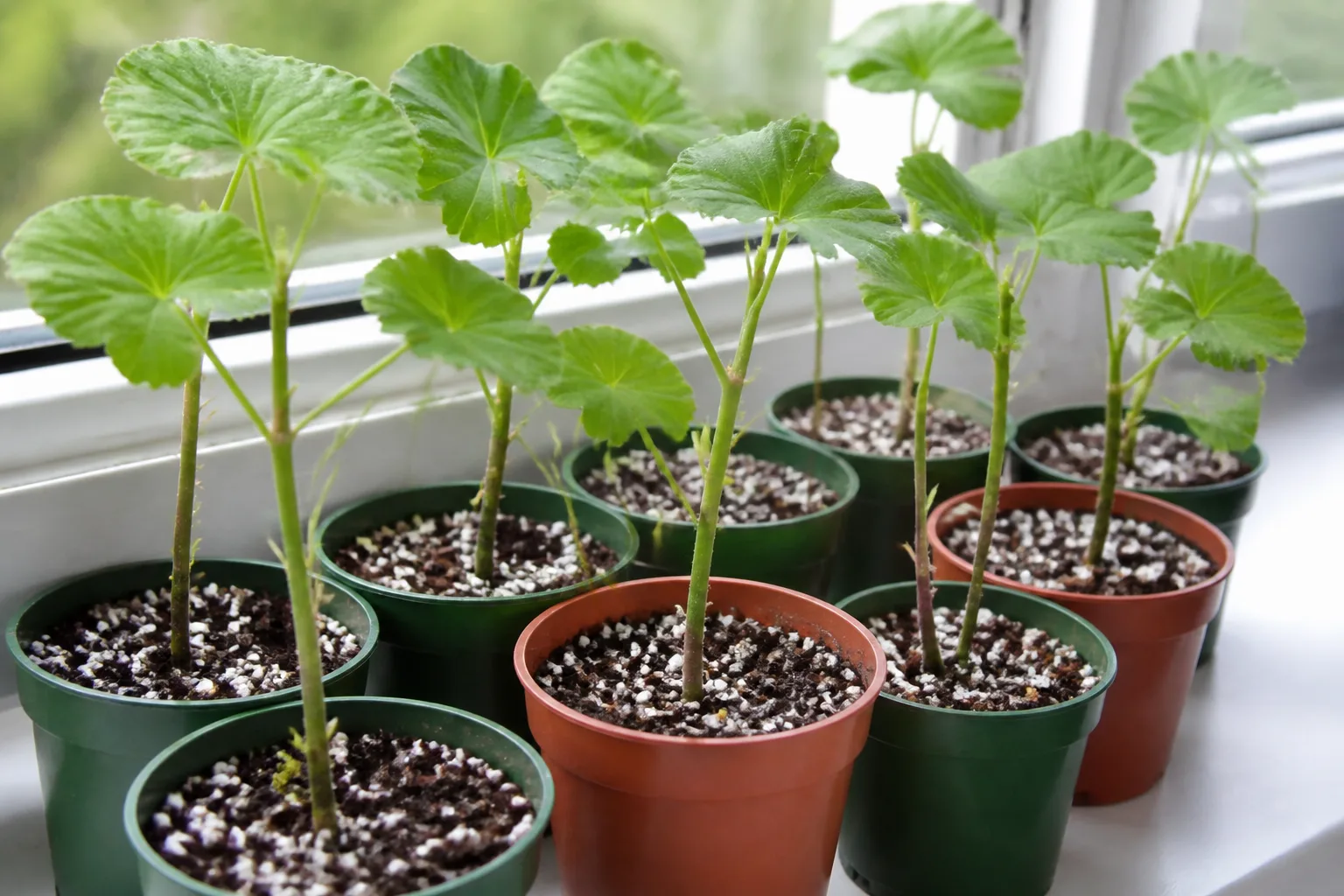
Take several cuttings from healthy, actively growing stems rather than relying on a single piece. Choose a non-flowering tip about 3 to 5 inches long, make a clean cut just below a node, remove the lower leaves, and leave a few leaves at the top. If the stem is very soft or your room is humid, let the cut surface dry briefly before planting; do not leave it lying around until it shrivels.
Insert the cutting into a small pot of lightly moist, airy propagation mix, burying at least one node. Keep it in bright indirect light and warm conditions, with enough airflow to keep the leaves from staying wet. The medium should feel lightly moist, not saturated, and the pot needs a drainage hole.
Rooting hormone is not essential for every Pelargonium cutting. Rooting in water can work, but the stem base can soften if it remains submerged or is transferred after growing fragile water roots; a free-draining medium is a simple way to reduce that risk. New growth is a useful sign, but wait until the cutting resists a gentle tug before potting it on.
Grow from seed only when the variety makes it worthwhile
Seed is useful when you are growing a species or a seed strain and do not need each plant to match the parent exactly. Named selections are often maintained by cuttings because seedlings may vary in leaf shape, scent, and habit. Check the seed packet or supplier’s notes rather than assuming a seed from a scented plant will produce an identical one.
Sow in a warm, bright, protected place and keep the seed-starting medium evenly damp but not waterlogged. Once seedlings have several true leaves, pot them individually and give them strong light; crowded, shaded seedlings become thin and difficult to manage. Their growth and fragrance may take time to assess, so label varieties as you sow.
If your goal is to keep one particular rose or mint fragrance, take cuttings instead. Seed-starting can be satisfying, but it is a less predictable shortcut for reproducing a cultivar you already love. The RHS includes Pelargonium odoratissimum among species that can be grown from seed, while also listing cuttings as a general propagation route (RHS Pelargonium growing guide).
Choose a winter plan before the first frost
Treat scented Pelargoniums as tender perennials: they may live for years where winters stay frost-free, but cold-climate gardeners usually grow them as summer annuals unless they protect them. Decide early whether to keep the whole plant active, store a cut-back pot, or preserve a few cuttings. The RHS recommends moving container plants under cover before autumn frost and notes that cuttings can be a useful overwintering method.
For active indoor growth, move a compact healthy plant to your brightest window before frost, check carefully for pests, and reduce watering as winter light declines. This method uses more space but lets you enjoy foliage through winter. Keep it away from other plants for a short observation period so hitchhiking whiteflies or mites do not spread.
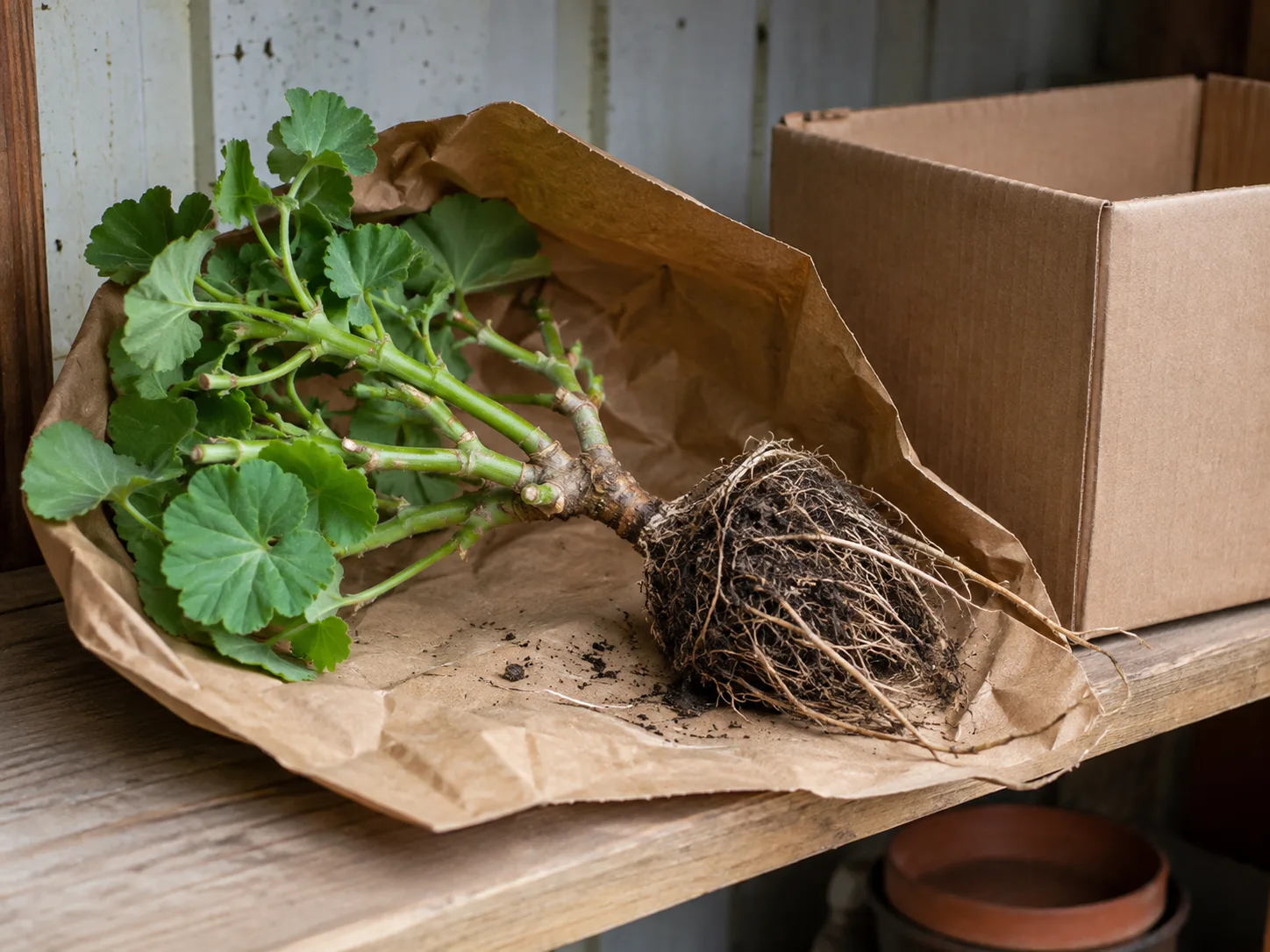
For a dormant potted plant, shorten soft growth, remove dead leaves, and store the pot in a cool, frost-free place where air circulates. Water sparingly and check monthly; the goal is to prevent the roots from becoming saturated while stopping the stems from shriveling completely. Bare-root storage is possible with some robust, woody plants, but the RHS calls it less reliable than keeping Pelargoniums in pots or taking cuttings.
In spring, bring the plant back into bright light and increase watering as new growth appears. Harden it off outdoors gradually, starting in a sheltered bright-shade spot and extending its time outside over roughly a week or two. Return it to full sun only after it has acclimated and frost danger has passed; if you cannot risk losing a favorite plant, overwinter both the parent and a few cuttings.
Encourage flowers without losing the foliage goal
Most people grow scented geraniums for leaves, so a low flower count is not automatically a care failure. Many cultivars produce small clusters of white, pink, or red flowers when they receive enough light and are actively growing. Their foliage, rather than their blooms, is usually the source of the characteristic fragrance.
If flowers matter to you, give the plant bright light, avoid constant wet soil, and remove spent flower stalks after blooming. A plant that is heavily pruned, shaded, or pushed with excess nitrogen may focus on long leafy growth instead of producing as many flowers. Allow new shoots to mature after pinching before expecting a flush of blooms.
Do not judge fragrance from the flower cluster. Lightly rub a healthy leaf and smell your fingers; if there is little aroma, the plant may simply be a mild-scented cultivar or the wrong labeled type. Nursery tags and direct leaf sampling are more useful for choosing a fragrance than waiting for flowers.
Diagnose yellow leaves, leaf drop, weak scent, and leggy growth
A few old leaves turning yellow at the base can be normal as stems grow. If many leaves yellow while the soil is wet, inspect drainage and roots first; if leaves crisp while the pot is light and the mix has pulled away from its sides, the plant may be too dry. Yellowing is a symptom, not a diagnosis, so check soil moisture before adding fertilizer or changing every care condition at once.
Soft, yellow leaves with a persistently wet mix point toward excess water or poor drainage. Let the container drain, move it out of rain, and inspect the root ball if the stem base is soft or smells sour; remove only clearly mushy roots and repot into fresh, airy mix. If the roots are firm and the mix is dry, water thoroughly and return to a slower check-based routine.
Long spaces between leaves and stems leaning toward a window usually mean inadequate light. Move the plant brighter gradually, rotate it, and pinch or prune the longest stems once growth is active. Weak fragrance alone is harder to diagnose because cultivar and leaf maturity matter; check the plant label and test more than one healthy leaf before changing fertilizer or watering.
Sudden leaf drop after moving indoors can follow a sharp change in temperature, light, or watering. Remove fallen leaves, check the remaining stems for firmness, and stabilize the location before making another change. If the plant is otherwise firm and beginning to push growth, give it time to adjust rather than pruning it back repeatedly.
Manage pests and prevent damp-weather disease
Inspect the undersides of leaves, stem joints, and new growth when you water. Whiteflies, aphids, mealybugs, and spider mites can build up on a plant moved indoors or crowded among patio pots. Isolate an affected plant, rinse off what you can, and repeat inspections; if you use a pesticide or insecticidal soap, follow the product label for the plant, pest, and indoor or outdoor location.
Remove dead leaves and spent flowers before they collect around the stems. Pelargoniums are more vulnerable to gray mold and other fungal problems when foliage stays wet, air is stagnant, or the plant is packed tightly. Water at the soil surface when practical and let the canopy dry between rain showers.
Do not treat every spot with a spray. Small holes may be chewing damage, stippling can come from mites, and spreading dark spots may have several causes; look for the pest or pattern on both sides of the leaf before acting. If a problem keeps spreading despite sanitation and improved airflow, isolate the plant and seek a locally appropriate diagnosis rather than applying several products at once.
Handle the plant with pet safety in mind
Keep scented Pelargoniums and clipped leaves where cats, dogs, and horses cannot chew them. The ASPCA lists geraniums as toxic to those animals and identifies geraniol and linalool as toxic principles (ASPCA geranium listing). A fragrant leaf is not a safe treat, and a fallen cutting should be picked up promptly.
If you suspect a pet has eaten part of the plant, contact a veterinarian or animal poison-control service for advice rather than waiting for symptoms. Wash your hands after pruning, and wear gloves if handling the foliage irritates your skin. Place the pot where a pet cannot knock it over or reach the soil, fertilizer, or pest products used around it.
Conclusion: build care around the scented leaves
Choose a scented Pelargonium by testing the foliage and checking its label, then give it bright light, a free-draining root zone, and a thorough watering only when the mix has begun to dry. Pinch and prune to keep stems branching, feed lightly while growth is active, and use cuttings when you want to preserve a named fragrance.
The only seasonal deadline that should not surprise you is frost. Decide whether the whole plant, a dormant pot, or a few cuttings will fit your winter space, and move the plant before cold weather damages it. With that simple plan, the leaves can stay the main attraction from the first warm days through the next growing season.



