Fruit Trees: How to Choose, Plant, and Grow Them at Home
Growing fruit trees starts with climate, variety, rootstock, and pollination. Get practical planting, pruning, watering, and harvest guidance for yards or pots.
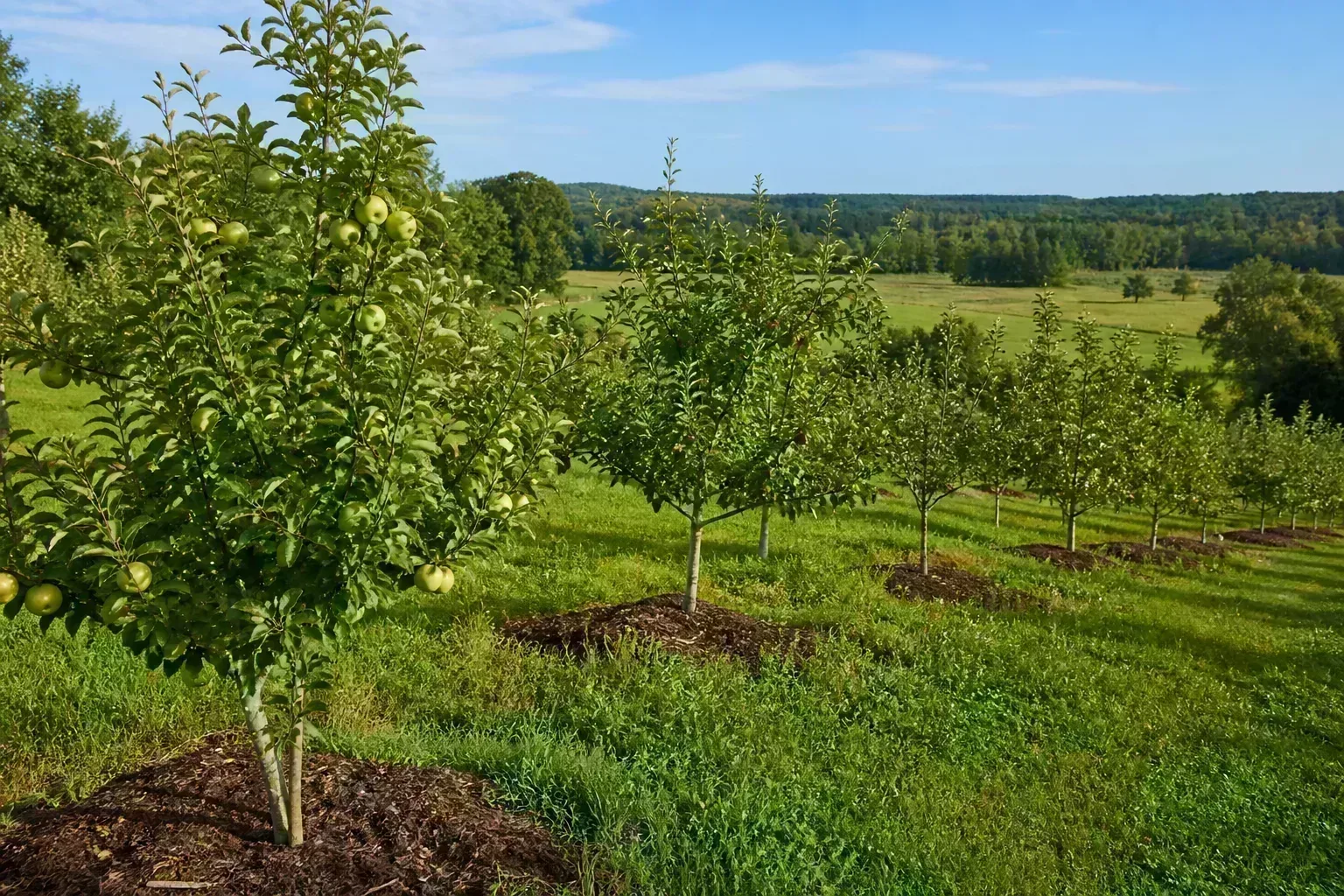
A fruit tree is a long-term choice, so the best place to start is not with the prettiest tree at the garden center. Start with your winters, summers, available space, and willingness to prune and protect a crop. The right combination can turn a sunny corner or patio into a useful harvest; the wrong one can produce years of blossoms without ripe fruit.
Growing fruit trees is a sequence: match a species and cultivar to your climate, select a rootstock that fits the site, confirm pollination needs, plant it correctly, then manage water, canopy, crop load, and pests. Details differ among apples, pears, stone fruit, citrus, figs, and other warm-climate trees, so use the general framework below and check local extension guidance for variety-specific recommendations.
Start with your climate, not the nursery display
A hardiness zone tells you something about winter survival, but it does not tell the whole story. A fruit tree can survive winter and still fail to crop because it needs more winter chill than your area supplies, blooms too early for your spring frost pattern, or cannot ripen fruit before the growing season ends. Hot-summer regions add another filter: some cultivars need protection from extreme afternoon heat or are poorly suited to humid conditions.
For deciduous fruit trees, ask a local nursery or extension office about the cultivar’s chill requirement, commonly described in chill hours or chill portions. The calculation method and local weather pattern matter, so do not treat one nursery number as a precise universal threshold. Also ask when the tree blooms and ripens where you live. A late-blooming cultivar may avoid some frost damage in a cold spring, while an early-ripening type can be a safer choice where summers are short.
Citrus and many figs follow a different climate logic from apples and plums. In colder regions, they may need a protected microclimate, a container that can be moved, or winter shelter. For a first tree, choose a plant recommended for your county or region, not simply one advertised as “easy.” A locally adapted tree is often easier because it fits the weather and the pest pressures you actually have.
Choose a fruit and variety that fit your goals
Decide what you want to eat and how much of it you can use. One mature apple tree can produce more fruit than a small household can eat fresh; a pair of trees may extend the harvest but also increases pruning, cleanup, and pest-management work. If you prefer baking fruit, choose varieties with suitable texture and harvest timing. If you want to eat fruit straight from the tree, prioritize flavor at full maturity and a harvest window you can monitor.
Species shape the workload. Apples and pears are broadly adaptable in many temperate areas, but pollination and disease resistance can be decisive. Peaches, nectarines, apricots, plums, and cherries bring attractive blossoms and fruit, yet their pruning, frost exposure, and disease risks vary by species and region. Warm-climate choices such as citrus, figs, persimmons, and loquats need different winter planning. Do not assume one set of pruning or spray rules applies to all of them.
Compare named cultivars rather than buying only by species. Look for local performance, disease resistance, bloom group, harvest season, flavor, and storage life. Washington State University Extension’s home-orchard chapter emphasizes that cultivar and rootstock choices should be made against the growing conditions and management a gardener can provide; its recommendations are specific to the Pacific Northwest, so use your own region’s extension service for the final shortlist.
Understand the tree you are buying: scion and rootstock
Most named fruit trees are grafted. The scion is the upper portion that produces the chosen cultivar; the rootstock forms the roots and influences vigor, mature size, soil adaptation, and sometimes disease tolerance. The cultivar name answers “what fruit?” The rootstock answers “how will this tree grow here?” Ask the nursery for both names when possible, plus the mature-size range and whether the tree needs permanent support.
A standard tree generally needs the most space and takes more work to prune, net, and harvest. Dwarfing or semi-dwarfing rootstocks can keep a tree more manageable and may bring it into bearing earlier, but smaller trees may need staking, irrigation, and closer attention to crop load. Rootstock labels are not an exact height guarantee: soil, cultivar vigor, climate, and pruning all change the final canopy. Measure the actual site and use the nursery’s spacing recommendation for that rootstock and training system.
A seed-grown fruit tree is a poor shortcut when you want a predictable named variety. Seedlings are genetically variable and can take longer to mature; they may not resemble the fruit you saved the seed from. For a dependable crop, buy a healthy, correctly labeled grafted tree from a reputable nursery. Keep the graft union above the soil after planting so the scion does not root and defeat the rootstock’s size effect.
Plan pollination before planting
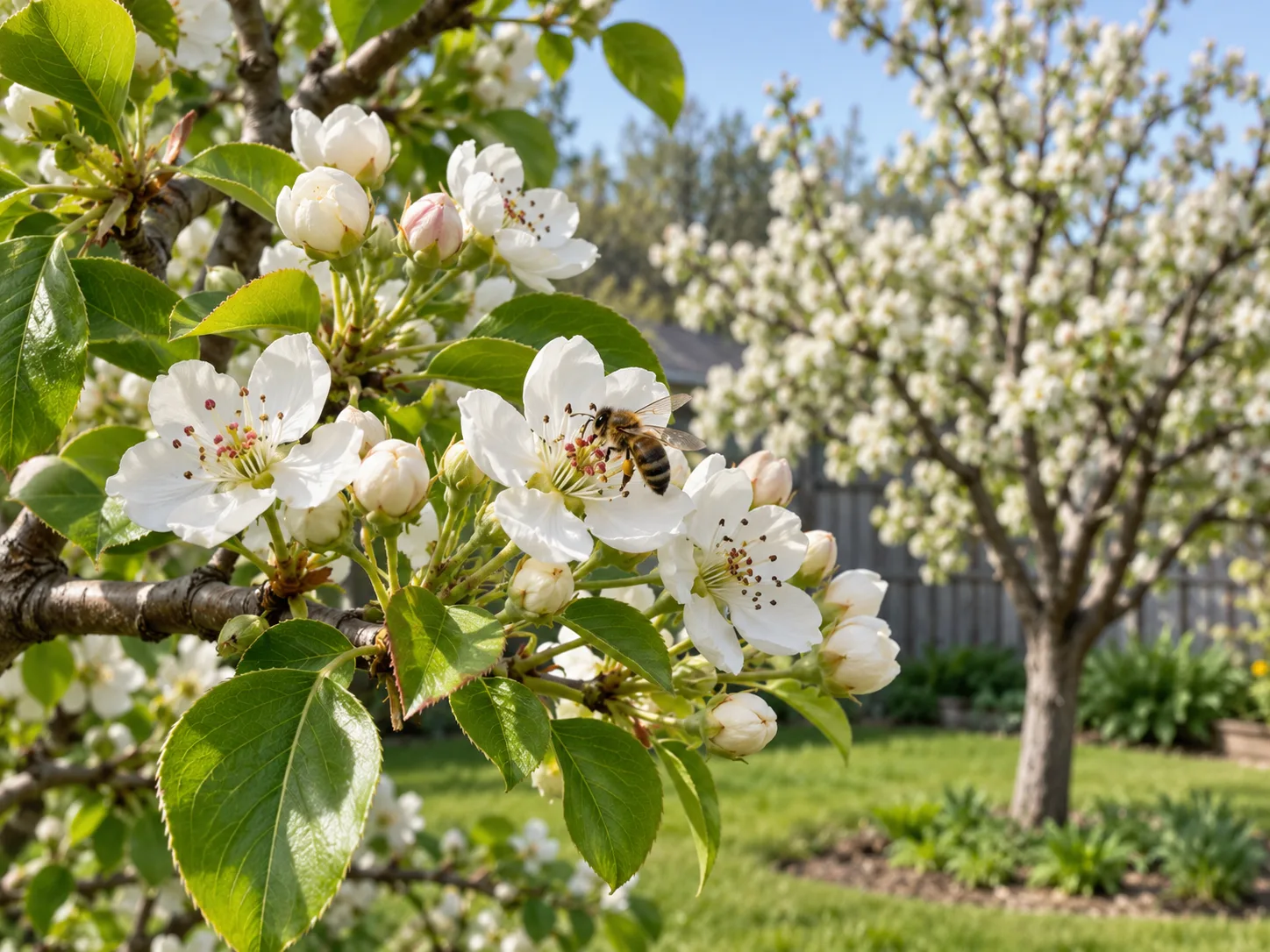
Some fruit trees can set a crop with their own pollen; others need pollen from a compatible cultivar flowering at the same time. Self-fertile does not always mean “a second tree can never help,” and cross-pollination requirements vary by cultivar. Ask the nursery for the pollination group and compatible partner, rather than relying only on a generic species chart.
The partner must overlap in bloom, be close enough for insects to move between flowers, and produce compatible pollen. Penn State Extension’s orchard pollination guidance distinguishes a pollinizer tree, which supplies pollen, from a pollinator insect, such as a bee, that transfers it. It also notes that weather affects both insect activity and pollen-tube growth. In a home garden, a neighbor’s compatible tree may provide pollen, but verify the cultivar and bloom timing before you count on it.
Protect bloom rather than spraying casually around it. Avoid insecticide use on open flowers and follow product labels and local rules if a treatment is necessary. Keep a range of flowering plants nearby so pollinating insects have forage across the season, but do not let weeds crowd the root zone. For one-tree spaces, look for a cultivar documented as self-fertile, a multi-grafted tree with compatible varieties, or a fruit type that reliably sets without a partner.
Choose a site with sun, drainage, and room to grow
Most fruit trees crop best in an open site with several hours of direct sun; many need a full-sun position for reliable flowering and fruit ripening. Morning light is especially useful because it dries dew from leaves and blossoms. Check the sun at the season when the tree is leafed out, not only in winter when bare branches make a shaded corner look brighter.
Good drainage is essential. Roots need oxygen, and prolonged saturation can weaken or kill them. If water stands in the area after rain, do not solve the problem by adding gravel to the bottom of a planting hole; choose a better site or correct drainage across a wider area before planting. A soil test can identify pH or nutrient issues that are worth correcting. Penn State Extension’s orchard-planning guide discusses why site and soil preparation should come before planting; its scale is commercial, but the basic lesson carries to a home yard: poor drainage and a bad site are hard to repair after a tree is established.
Avoid frost pockets where cold air settles, and account for nearby buildings, overhead wires, paths, patios, and property lines. Allow room for the canopy at maturity, not just the small tree you bring home. A narrow espalier or fan-trained tree can use a sunny wall, while a full-size shade tree may shade a vegetable bed or block access. Confirm local spacing rules and utility locations before digging.
Plant at the right time and depth
Plant during the locally recommended dormant season, when the soil is workable and the tree is not under heat or drought stress. Bare-root trees are usually sold while dormant and are often less expensive, but their roots must stay moist from purchase through planting. Container-grown trees offer a longer buying window; loosen circling roots gently and water the root ball before setting it into the ground.
Dig a hole wide enough to spread roots without bending them, but no deeper than needed to keep the root flare at grade. Set the tree so the graft union remains above the finished soil line, following the nursery’s instructions for the particular rootstock. Backfill with the excavated soil, firm it enough to remove large air pockets, and water thoroughly. Do not put concentrated fertilizer or fresh manure against roots in the planting hole.
Stake only if the tree rocks in wind or the rootstock requires support. Use a flexible tie and remove or adjust it as the trunk grows; a tight tie can girdle bark. Spread an organic mulch ring over the root zone, leaving a gap around the trunk. A “mulch volcano” holds moisture against bark and invites decay and rodents. Newly planted trees benefit from a quick check a few days after planting to make sure soil has not settled over the flare.
Establish roots with deliberate watering and mulch
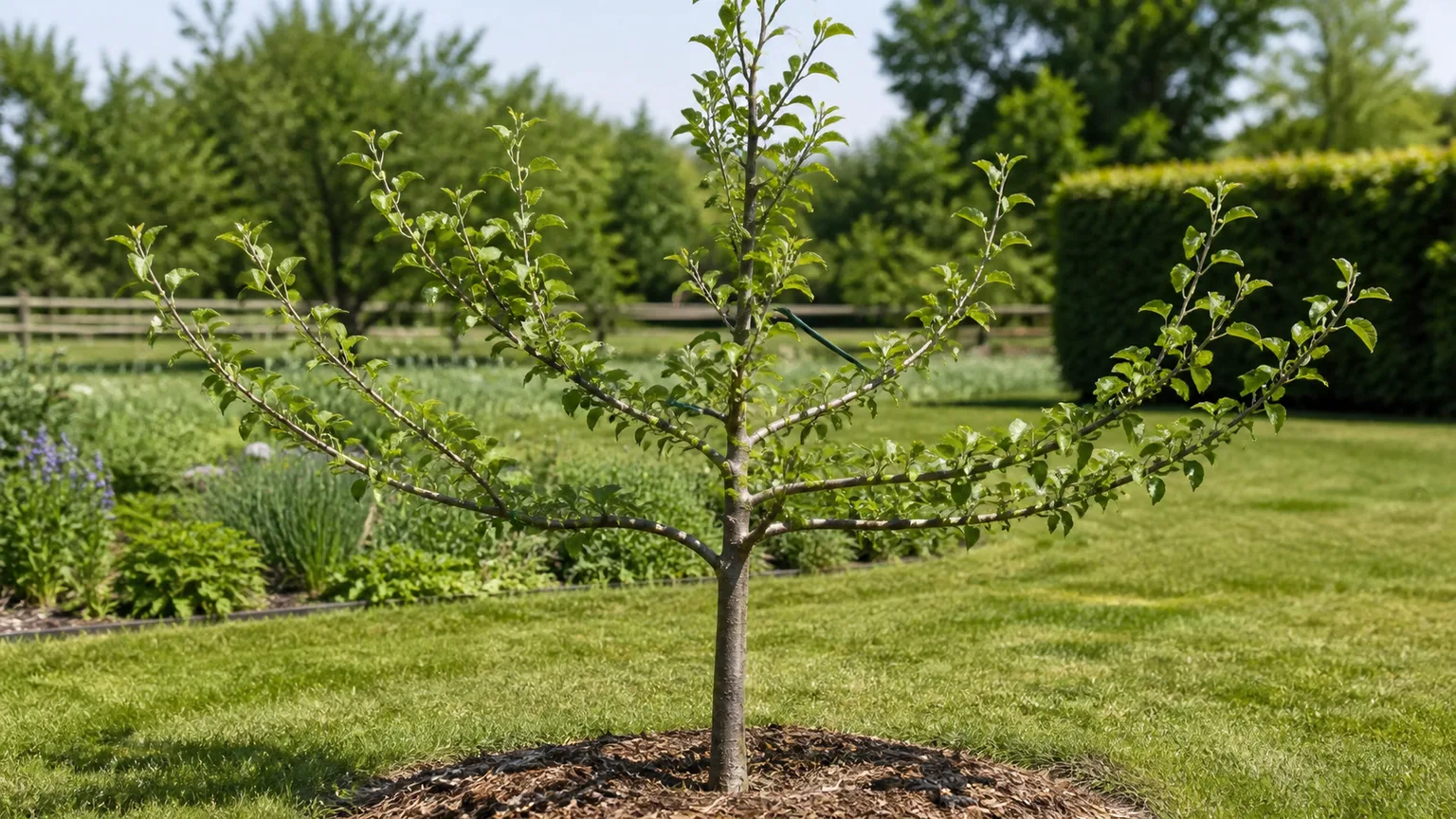
During the first growing season, check soil moisture regularly and water slowly enough to soak the root zone. The right interval depends on soil texture, rainfall, heat, tree size, and container versus in-ground planting. Rather than watering by the calendar alone, feel the soil several inches below the surface near the edge of the root ball. If it is dry at root depth, water deeply; if it is still wet, wait and check drainage.
A newly planted tree has not yet spread roots far beyond its original root ball, so the surrounding lawn can outcompete it for water. Keep grass and weeds out of a broad circle around the tree and maintain a shallow mulch layer. Expand that circle as the canopy grows. In hot weather, a tree can need water even when the lawn appears green, especially in sandy soil or during fruit enlargement.
Containers dry much faster than ground soil and may need daily checks during hot, windy weather. Water until excess drains from the pot, then empty any saucer so roots do not sit in standing water. Reduce watering when growth slows or weather cools, but do not let a container root ball become bone-dry. A rain gauge or simple soil check is more useful than assuming every tree needs the same weekly amount.
Train the young tree before pruning becomes a rescue job
Training shapes the main scaffold branches while they are young and flexible. Common systems include a central leader, often used for apples and pears, and an open center or vase shape, often used for peaches and some other stone fruit. Espalier and fan training can fit trees to a wall or narrow strip, but they require regular tying and pruning. Choose the system that matches the species and the space before branches become thick.
In the first years, focus on a strong trunk, well-spaced scaffold limbs, and branches with sturdy crotch angles. Remove competing leaders and branches that rub, grow inward, or emerge from the rootstock below the graft. Do not strip off every lower branch or make a severe shape correction in one session. Small, timely cuts are easier for the tree to close over and easier for a gardener to evaluate.
Prune mature trees for light and manageable growth
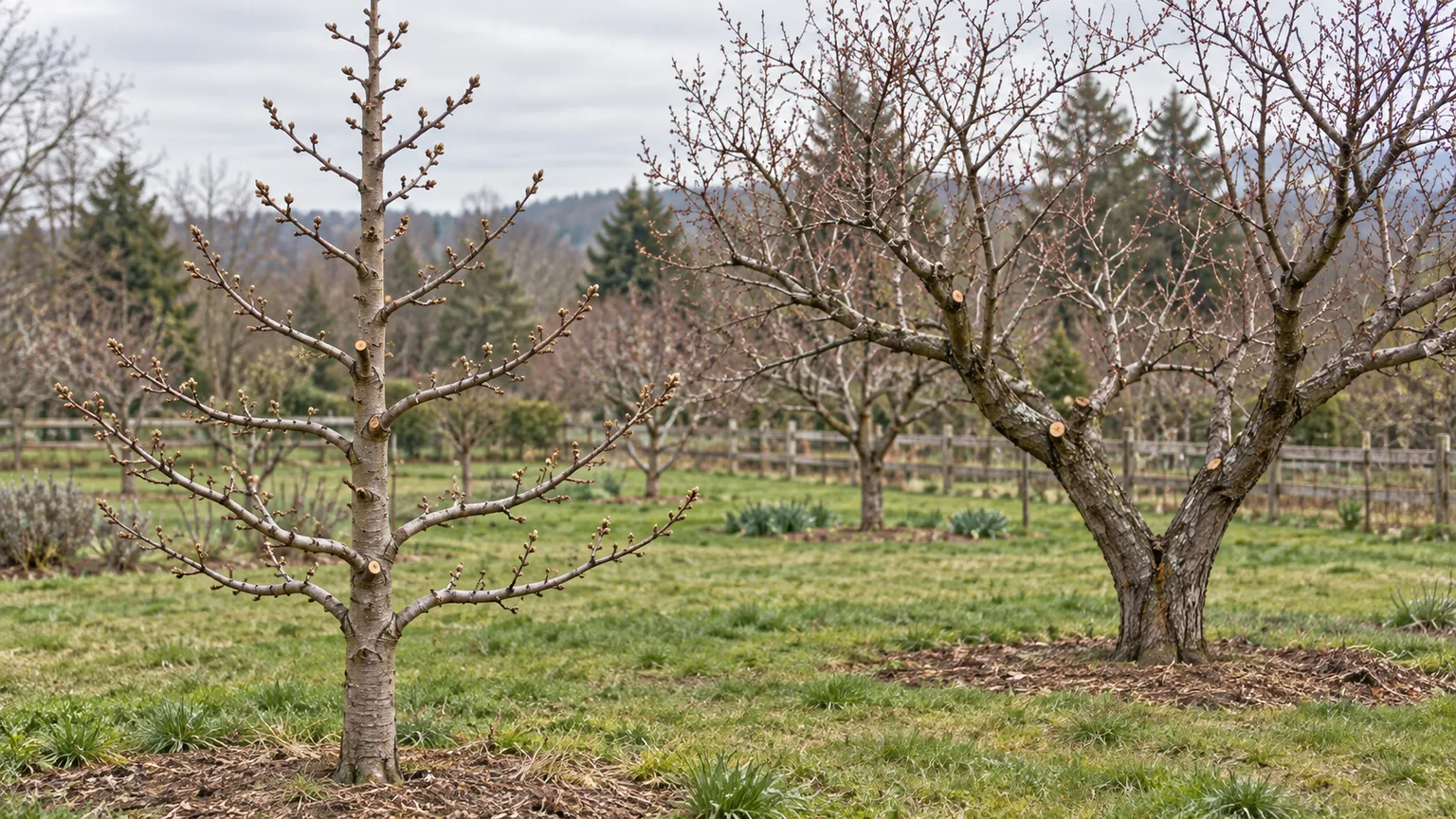
Pruning should admit light and air, remove damaged or crossing wood, and keep harvest within reach. It should not be a yearly attempt to make the tree smaller by removing the top. Heading cuts stimulate dense regrowth, while topping can leave weak shoots and a crowded canopy. Remove a limited number of well-chosen branches back to a branch junction, and pause to look at the shape before making more cuts.
Timing depends on species and disease risk. Dormant-season pruning is common for apples and pears, while some stone fruit, including nectarines and plums, is often pruned in warmer, drier weather to reduce the risk of wood diseases. The Royal Horticultural Society’s nectarine guide gives species-specific pruning timing and explains why stone-fruit pruning should not be treated as identical to apple pruning. Always follow regional guidance, particularly where bacterial canker or silver-leaf disease is a concern.
For an older, neglected tree, spread major renovation over several seasons rather than removing a large share of the canopy at once. Remove dead, diseased, and hazardous branches first. If a limb is too high to prune safely, hire an insured arborist; ladders and chainsaws are a poor combination for home fruit work.
Fertilize based on soil and growth, not habit
A fruit tree does not need a fertilizer product simply because it is a fruit tree. Excess nitrogen can push long, leafy shoots at the expense of flower buds and fruit, delay hardening before winter, and make some pest problems worse. Start with a soil test when the site is new or growth is consistently poor, then follow its recommendations for pH and nutrients.
Observe the tree’s annual growth. A young tree that is making healthy, moderate shoots may not need extra feeding beyond a mulch layer and good establishment care. A mature tree with weak growth could be short of nutrients, but root damage, drought, waterlogging, shade, disease, or competition can produce similar symptoms. Identify the cause before applying fertilizer, and keep any product away from the trunk and within label directions.
Thin heavy crops to protect fruit and branches
A tree can set more fruit than it can ripen well. Natural fruit drop is normal after bloom, but a heavy remaining crop can produce small fruit, bend branches, and make some species alternate between a large crop one year and little the next. Thinning reduces competition and gives the branches a safer load.
Thin after the main natural drop and while fruitlets are still small, using the species-specific spacing recommended by your extension service. Apples and pears are often thinned to one fruit per cluster with several inches between fruit; peaches and nectarines generally need wider spacing because each fruit becomes large. Do not use one spacing rule for every species or cultivar. Remove damaged or misshapen fruit first and keep the healthiest fruit where it has room to grow.
Grow fruit trees in containers with realistic expectations
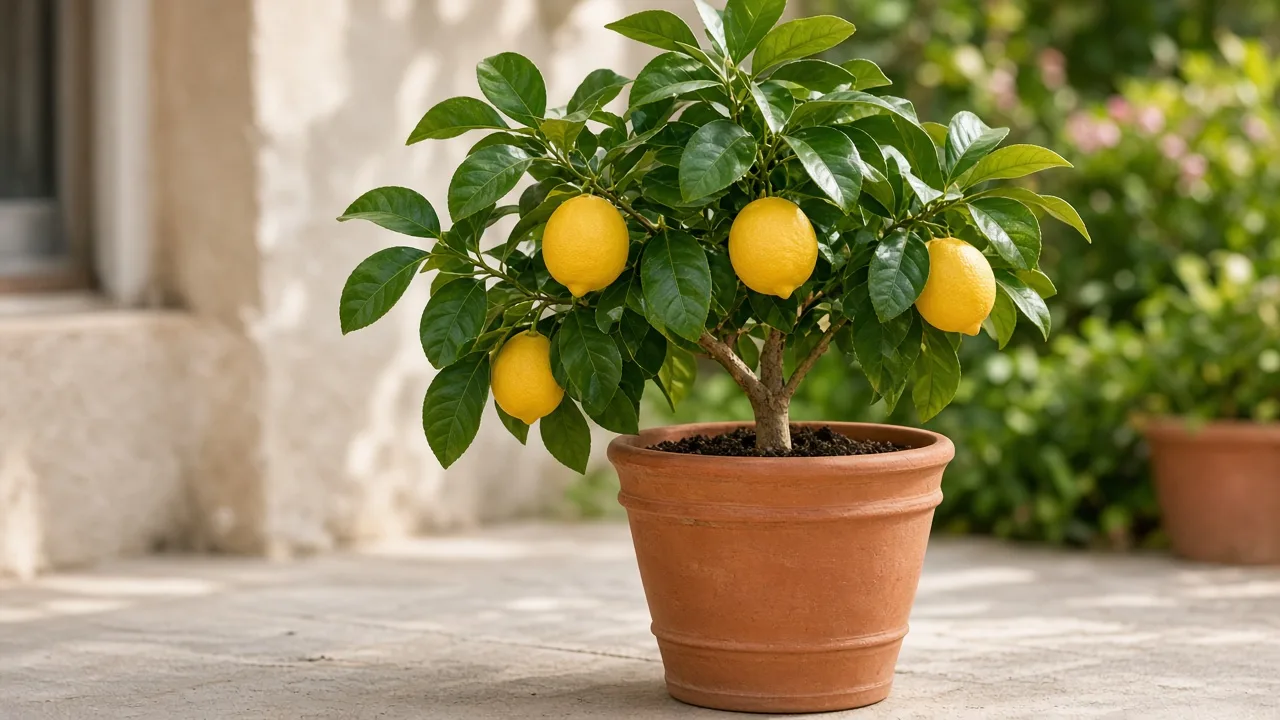
A pot can work for compact citrus, figs, or a dwarf grafted tree, but it is a managed growing system, not a way to make any large tree stay small. Choose a cultivar and rootstock sold for container culture, use a sturdy pot with drainage holes, and position it where the canopy gets the light the species needs. A small pot dries quickly and restricts roots, so use the largest container you can safely move and support.
Use a free-draining container mix, water when the root zone begins to dry, and feed according to the product directions during active growth. Container trees may need repotting or root pruning as they become root-bound, but severe root work can set back fruiting. Their roots also experience colder temperatures than roots in the ground, so plan winter protection or a frost-free storage site for tender trees. A pot on a hot paved patio may need more frequent watering than the same tree in a sheltered garden.
Pollination still matters in a container. A self-fertile cultivar is usually easier than relying on a second tree that may not bloom at the same time. Trees kept indoors during flowering may need hand-pollination, but do not bring a temperate deciduous tree into warm indoor conditions through its required winter dormancy. The RHS notes that compact nectarines can be container-grown in suitable conditions; this is a species-specific option, not proof that every fruit tree is a good houseplant.
Gardener’s Path gives a useful species-level example in its Asian pear growing guide: dwarf Asian pear cultivars can suit containers, but cultivar choice and pollination still matter. Use that as a prompt to check the exact tree label, not as a rule that applies to every pear or fruit tree.
Manage pests and disease before reaching for a spray
Inspect leaves, flowers, branches, and fruit regularly so you can spot a problem before it spreads. Remove fallen fruit and diseased material when appropriate, keep the trunk clear of weeds and mulch, and use netting or a fruit cage before birds begin feeding. A clean harvest matters too: missed fruit can attract pests and remain a source of disease or insects.
Identify the pest or disease before treating it. A leaf spot, curled leaf, or damaged fruit is a symptom, not a diagnosis. Local extension offices can help identify regional issues and recommend an integrated pest-management approach that starts with sanitation, monitoring, resistant cultivars, and physical barriers where practical. If a pesticide is warranted, use only a product labeled for that crop and pest in your area, follow the label and preharvest interval, and protect bees and other beneficial insects. Product availability and legal directions vary by location, so do not follow an old spray calendar from another region.
Harvest by fruit maturity, not by the calendar alone
A calendar date is only a rough guide because weather shifts ripening. Check color, aroma, texture, seed color where useful, and whether the fruit separates with a gentle lift or twist. Apples generally develop their characteristic color and flavor before harvest; peaches soften and become aromatic as they ripen. Different fruit species also mature differently: European pears are commonly harvested mature but firm and allowed to ripen off the tree, while Asian pears are typically picked when ready to eat. Confirm the cue for your cultivar.
Harvest in several passes if fruit does not ripen all at once. Handle it gently and move damaged or overripe fruit out of storage. Refrigerate fruit that benefits from cold storage, and preserve or share a large crop promptly. Picking on time is part of pest management: overripe fruit attracts insects and wildlife and can weaken the tree’s return bloom if an excessive crop remains.
Diagnose a tree that flowers but does not fruit
Start by identifying where the process stopped rather than applying fertilizer or pruning harder. The tree’s visible symptoms narrow the likely cause:
| What happened | Check first | Practical next step |
|---|---|---|
| No flowers | Tree age, shade, last year’s pruning, cultivar, and winter chill | Confirm the cultivar fits the climate; protect fruiting wood and improve light gradually. |
| Flowers opened but no fruitlets formed | Bloom frost, rain or cold weather, missing pollination partner, or poor insect activity | Check bloom overlap and local frost history; ask an extension office about compatible cultivars. |
| Tiny fruit formed and then dropped | Drought, waterlogging, frost injury, disease, or normal seasonal drop | Check soil moisture and fruit condition before changing fertilizer or pruning. |
| Fruit is small or branches bend | Crop load, shade, and branch strength | Thin the crop and support a weak limb; open the canopy carefully after harvest or during the correct pruning window. |
| A large crop alternates with a poor one | Heavy previous crop and insufficient thinning | Thin early next season and keep a record of bloom, harvest, and care. |
A young grafted tree may also need time to establish before it carries a useful crop. A tree grown from seed can take longer and may not produce fruit like its parent. When diagnosing low yield, write down what happened from bloom through harvest for two seasons; that simple record often reveals a pattern that memory misses.
A practical establishment plan for the first year
Before buying, write down your sun exposure, winter minimums, spring frost pattern, soil drainage, and the tree’s available canopy space. Use those facts to shortlist locally recommended cultivars, then confirm rootstock size and pollination partners. If any of those are unclear on a plant label, ask the nursery before purchase.
At planting, protect the roots from drying, keep the flare and graft union correctly positioned, water thoroughly, and mulch without touching the trunk. Through the first summer, check soil at root depth, keep grass away from the root zone, and watch for ties that rub. In the dormant season, make only the structural cuts needed for the training system and remove broken or diseased wood at the locally recommended time.
The next year, compare shoot growth, leaf color, and branch structure before feeding or pruning more aggressively. If flowers appear, protect pollinators and note whether fruit sets. Thin only when the tree is strong enough to carry a crop. A short annual record of bloom date, frost, irrigation, pests, thinning, and harvest makes future care more precise than a fixed schedule.
Conclusion
Fruit trees reward planning more than quick fixes. Choose a cultivar that fits your climate and space, learn whether it needs a pollination partner, plant it at the correct depth, and establish a healthy root zone before pushing growth or fruit production. After that, prune according to the species, thin crops when needed, and treat pest problems only after you identify them.
If you are choosing your first tree, make the decision with your local climate and the harvest you actually want in mind. One well-matched tree is a better start than several mismatched varieties, and a compact grafted tree can produce a worthwhile crop when its pollination, light, water, and winter needs are met.



