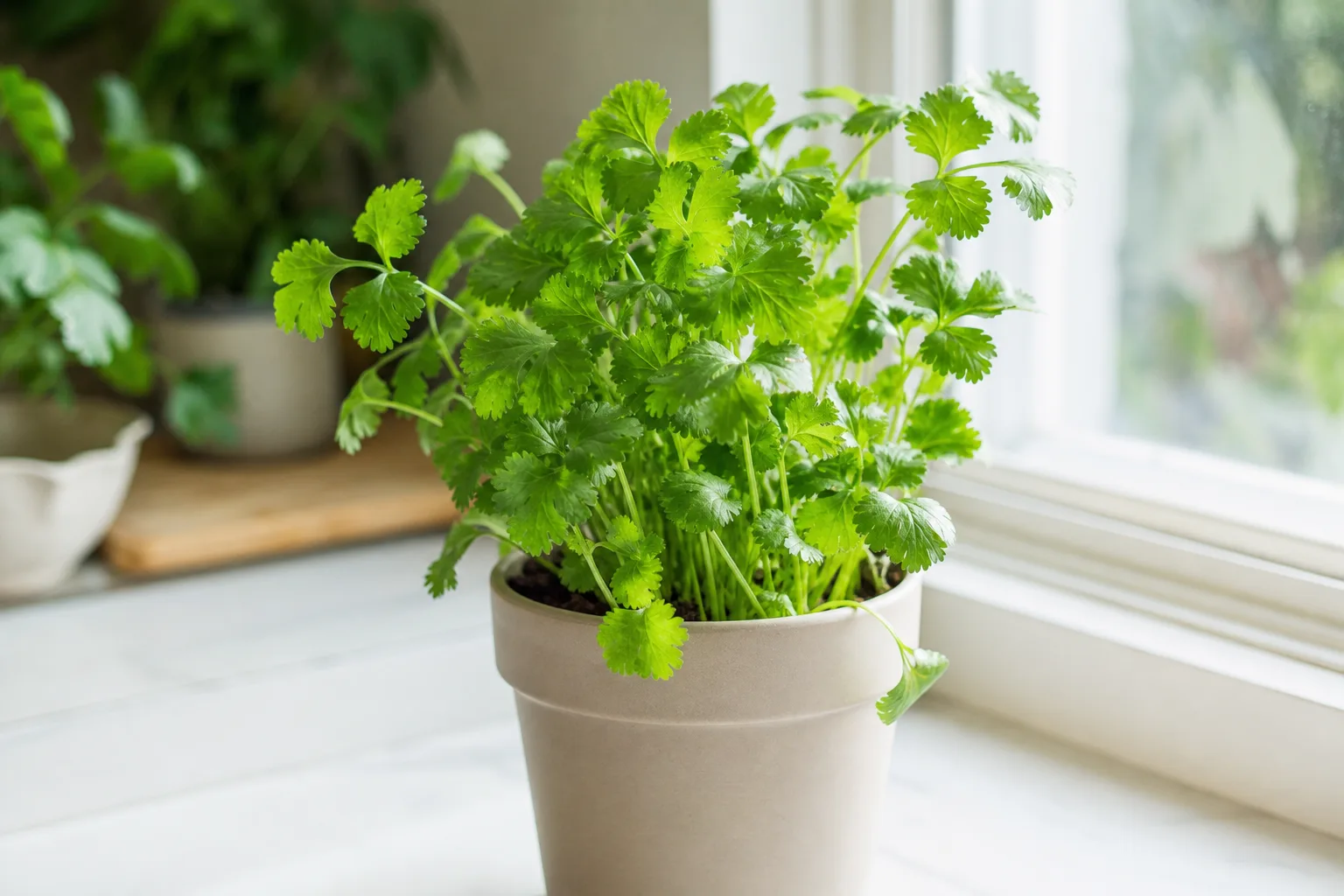
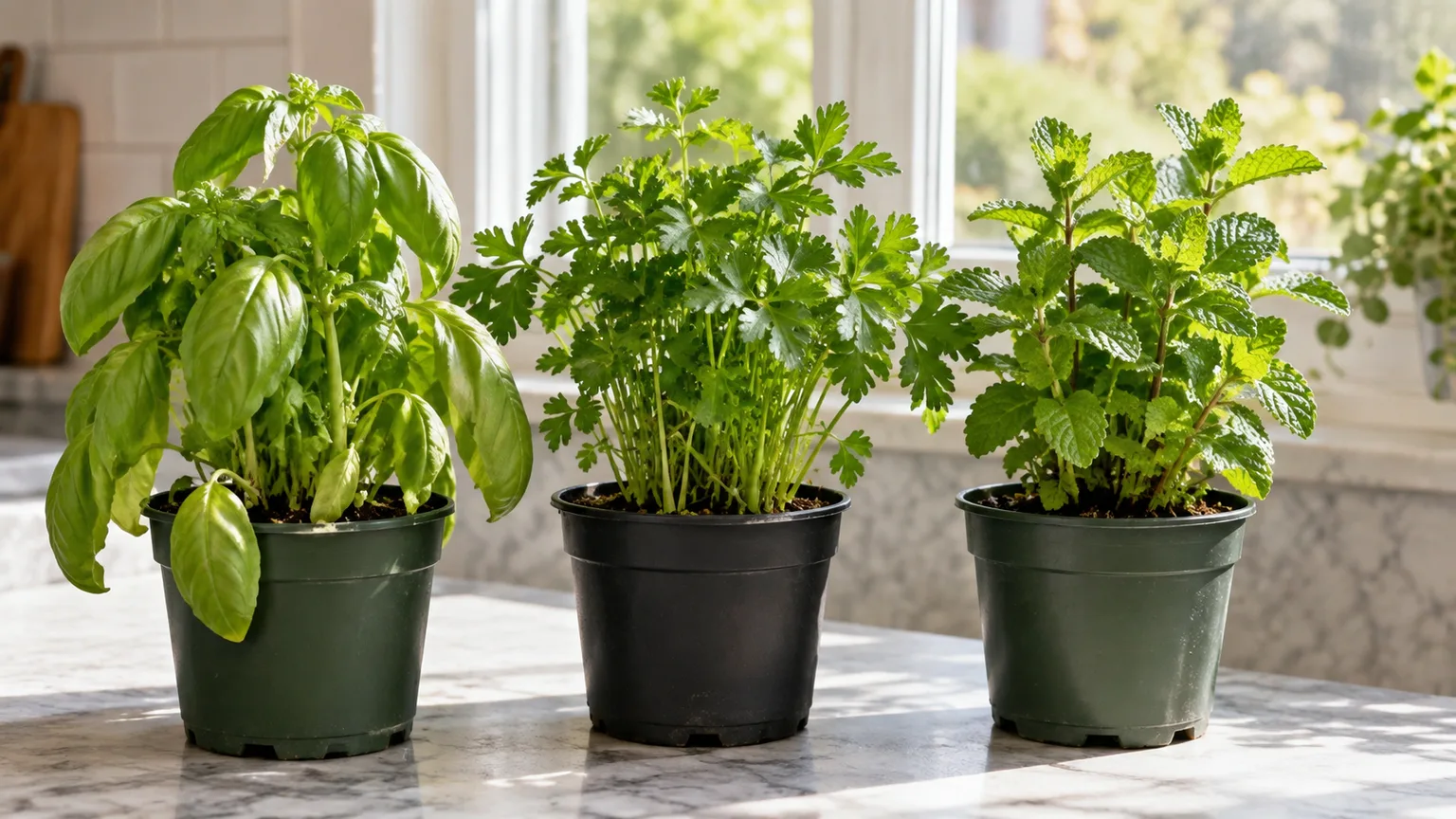
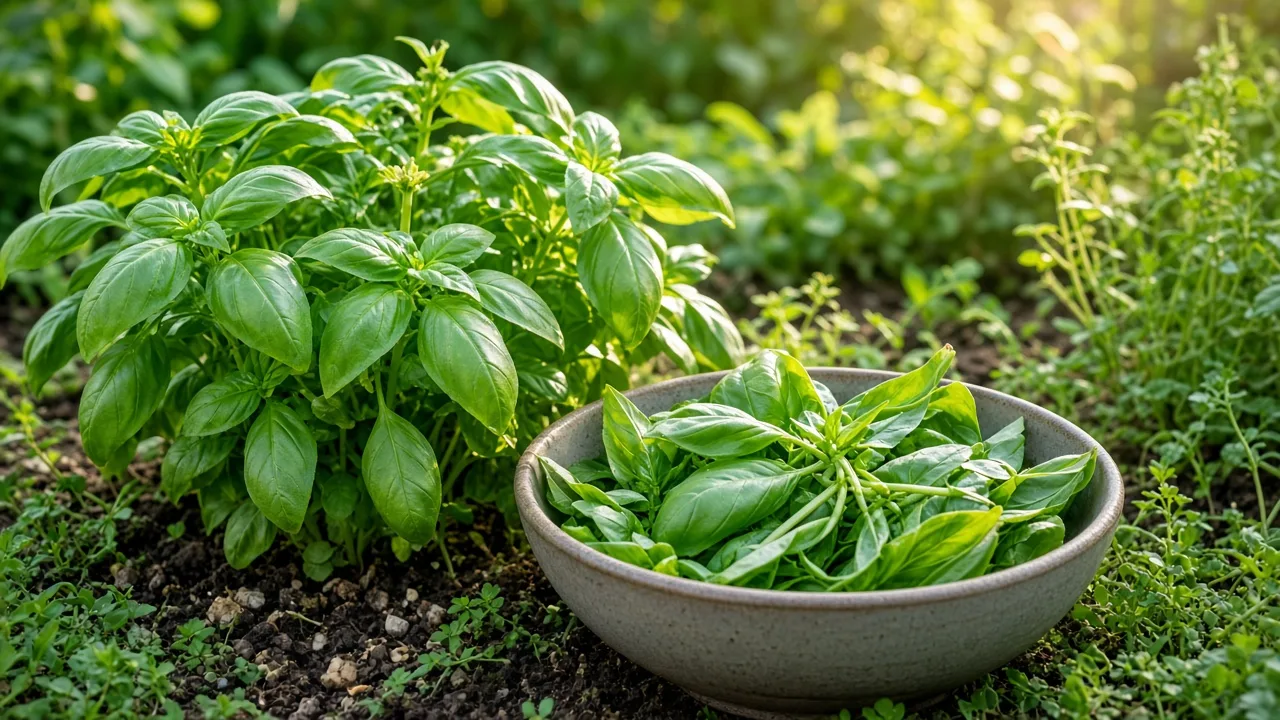
Growing Herbs in Containers: A Practical Guide
Growing herbs in containers is easier with the right pot, soil, light, watering routine, plant pairings, and harvest timing for indoor and outdoor setups.
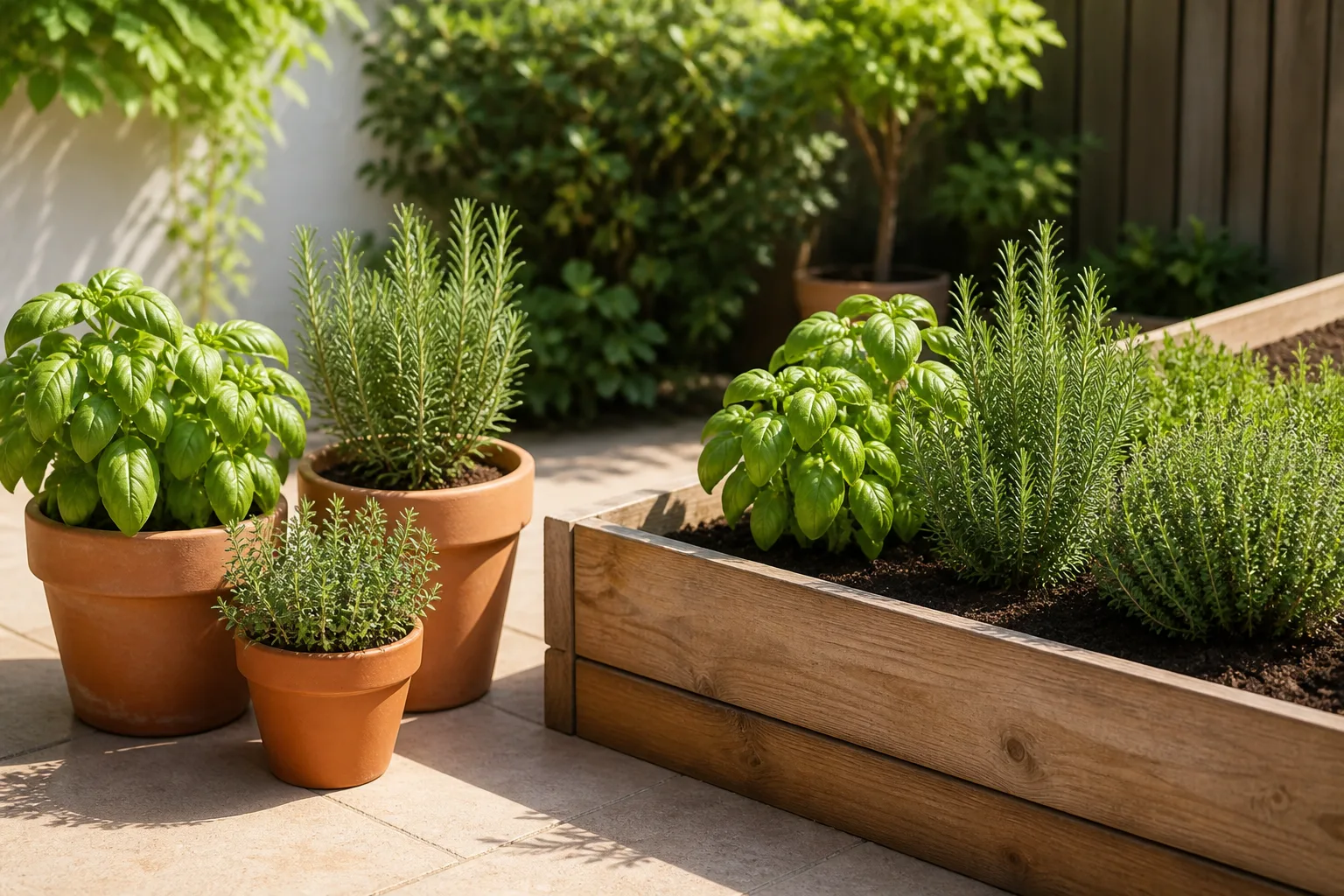
A good container herb garden starts with three decisions: choose herbs you will use, give each enough root room, and group plants that tolerate similar light and moisture. Then match the pot and routine to your space. A sunny patio can support heat-loving basil, thyme, or rosemary; a bright indoor window is a smaller, slower-growing setup, and it will not produce the same harvest as outdoor sun.
Containers are useful because they let you control the growing mix, move plants out of harsh weather, and keep spreading herbs contained. They also dry out faster than garden beds, so the easiest setup is one you can reach, inspect, and water consistently. The N.C. Cooperative Extension recommends well-drained pots and at least six hours of direct sunlight for most culinary herbs; use that as a starting point, then adjust for the species and your climate.
Start With the Herbs You Will Actually Use
Write down a few herbs you cook with often before buying pots or plants. A small group of productive favorites is easier to manage than a large assortment chosen because every seedling looked appealing at the garden center. If you cook with basil every week, make room for a healthy basil plant; if you only use a few rosemary sprigs at a time, one slow-growing plant may be enough.
Consider whether you want annuals, perennials, or both. Basil, cilantro, and dill are usually grown as annuals; mint, chives, thyme, oregano, sage, and rosemary can persist where climate allows. Cilantro and dill may flower when heat arrives, so sowing small batches at intervals can extend the leaf harvest.
Think about where you will use and grow the plants. A pot beside the kitchen door makes frequent harvesting easy, while a balcony with strong afternoon sun may need heat-tolerant herbs and more frequent watering. An indoor windowsill should be judged by the light it receives, not by how bright it looks to your eyes.
Group Herbs by Growing Needs, Not by Cuisine
Herbs share a pot successfully when their light, moisture, and growth habits overlap. A “pizza garden” can look attractive, but basil, rosemary, oregano, and thyme do not all want exactly the same moisture or long-term root space. Arrange by care first and flavor second; you can place separate pots together to create a themed display without forcing different needs into one root zone.
| Growing group | Herbs to consider | Main adjustment |
|---|---|---|
| Sunny and relatively dry between waterings | Thyme, oregano, sage | Use a free-draining mix; let the surface begin to dry before watering again. |
| Sunny and more evenly moist | Basil, parsley, chives | Check moisture often in hot weather and avoid letting the root ball dry hard. |
| Moisture-tolerant or partly shaded | Mint, lemon balm, parsley | Provide light and airflow, and manage vigorous growth. Keep mint in its own pot. |
| Cool-season or quick to flower in heat | Cilantro, dill, chervil | Sow in small batches and give some afternoon shade when temperatures climb. |
These are starting groups, not rigid rules: cultivar, pot size, wind, humidity, and balcony exposure change how fast the mix dries. UGA Extension describes herbs with different tolerances for shade, moist soil, and dry soil; its Southern-garden guidance is especially useful in hot, humid regions, where a container helps control growing conditions.
Pair sun-loving herbs that like a drier mix
Thyme, oregano, and sage can make a practical sunny grouping because they tolerate free-draining mix that dries somewhat between waterings. Check mature sizes before combining them: oregano can spread, sage can become a small woody shrub, and young transplants conceal their eventual size.
Rosemary also needs bright light and excellent drainage, but can become a larger, woody plant that lives for years in a mild climate. Give it a pot of its own if you expect it to mature or need to move it for winter; pairing it with basil can force you to water one plant for the other.
Group leafy herbs that prefer steadier moisture
Basil and parsley can share a larger, regularly checked planter if they get enough sun and do not dry completely; chives can join if there is room for the clump to expand. Cilantro may bolt as temperatures rise, so sow replacements rather than expecting one plant to supply leaves indefinitely.
Their needs still differ: basil wilts quickly when dry, parsley appreciates steady moisture as it establishes, and settled chives tolerate short dry spells. Leave space for air and water each root area evenly.
Give spreading herbs room of their own
Mint is the clearest candidate for a separate container. It spreads through vigorous underground stems and can crowd neighboring plants, so one mint plant in its own pot makes harvesting and containment straightforward. The container also lets you move it to a spot with some afternoon shade if a very hot patio scorches the leaves.
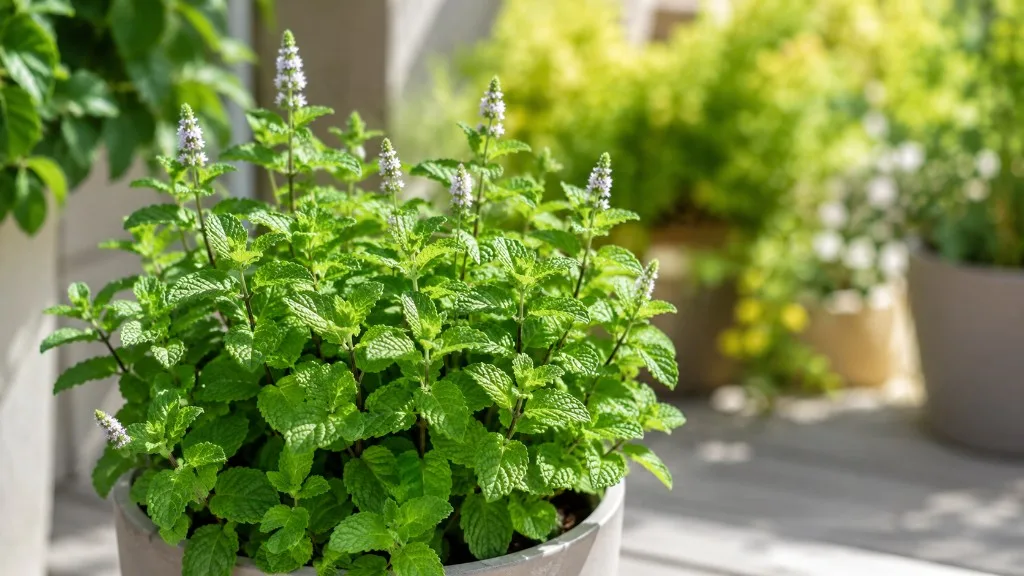
Lemon balm and vigorous oregano may also need separate pots or more trimming. If one herb suddenly overwhelms its neighbors, divide or repot it rather than feeding the entire planter to compensate.
Choose a Pot for Root Room and a Reliable Moisture Buffer
A pot needs enough depth for roots and enough volume that the mix does not swing from saturated to bone-dry within hours. For many culinary herbs, about eight inches of soil depth is a reasonable minimum; larger woody herbs and mixed plantings benefit from a deeper, wider container. Hartley Botanic, quoting garden designer Sue Goetz, suggests that most herbs need at least eight inches of depth and gives a single basil plant as an example for a six- to eight-inch-wide pot. That is a compact starting point, not a promise that every mature plant will stay comfortable in a small pot.
For a beginner, a pot around 10 to 12 inches wide is a more forgiving choice for one medium herb or a small pair of compact herbs with matching needs. Give a large rosemary, mature sage, or mixed planter more volume. Follow the expected mature size on the plant tag and leave space between stems instead of packing seedlings tightly to make the container look full on planting day.
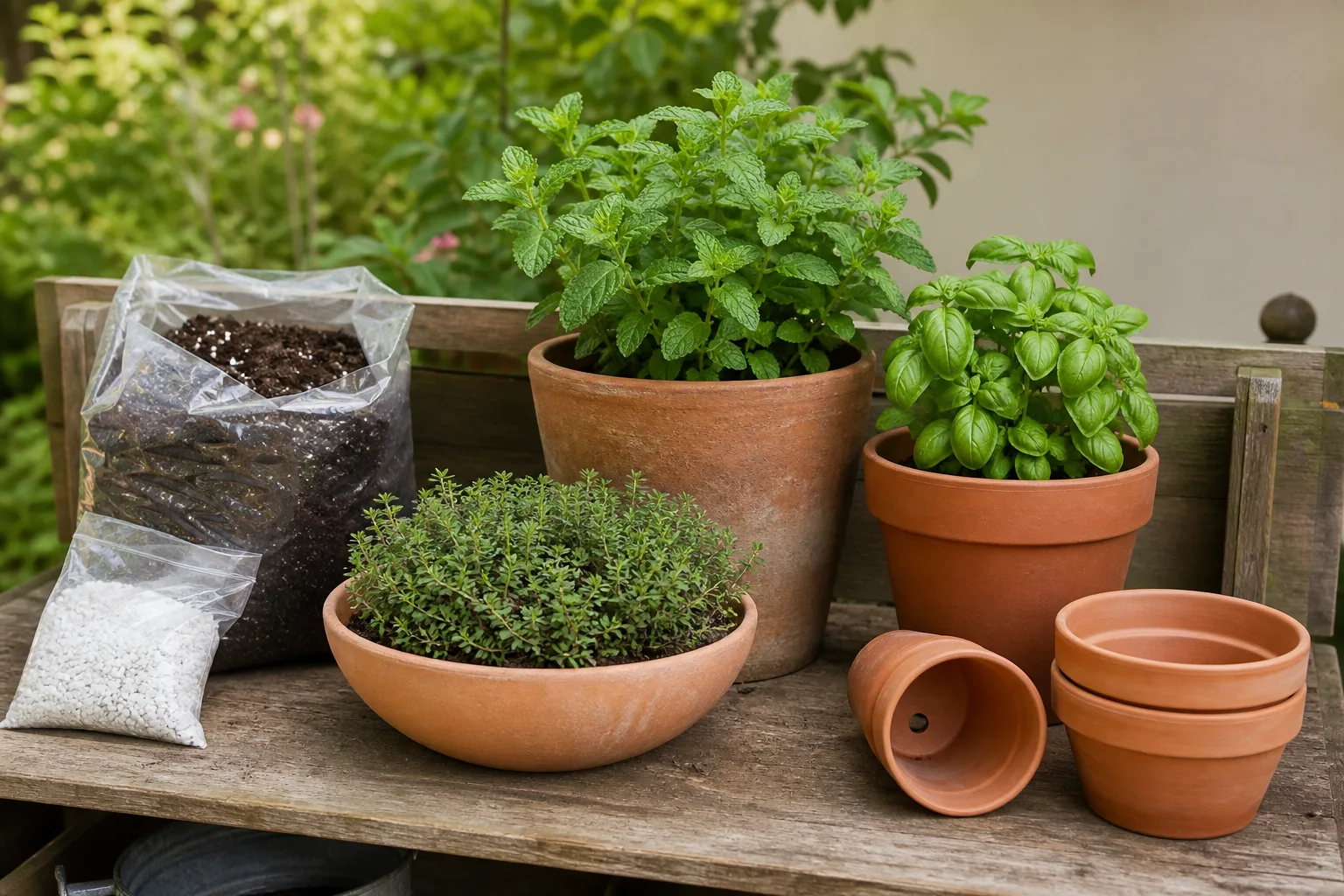
Container volume changes how often you will need to water. A small terracotta pot can dry quickly in sun and wind, while a larger glazed or plastic container usually holds moisture longer. Very large planters are heavier and harder to move, so decide where they will live before filling them; mobility matters if you plan to bring a perennial inside or shift it during a heat wave.
Hanging baskets and narrow window boxes suit trailing thyme or compact annuals, but their small soil volume needs close checks in warm, windy weather. Self-watering planters can help basil, parsley, chives, or mint; they are less suitable for drier-rooted herbs unless you can manage the reservoir. Choose a pot whose watering behavior fits both the herb and your schedule.
Use Drainage Holes and a Container-Ready Potting Mix
Every herb pot needs unobstructed drainage holes. Water should be able to pass through the mix and escape rather than collecting around the roots; an outer decorative cachepot is fine if you remove standing water after watering. A gravel layer at the bottom does not replace a drainage hole or fix a dense, waterlogged mix.
Use a quality potting mix made for containers rather than scooping soil from the garden. Garden soil can compact in a pot, leave too little air around the roots, and drain poorly. UGA Extension recommends a lightweight, well-drained artificial soil mix for container herbs, and its guidance also stresses emptying water from saucers so roots do not sit in stagnant moisture. The National Gardening Association’s indoor-herb guide likewise recommends individual pots indoors so each herb can receive the care it needs and its roots remain easy to manage.
Most herbs do not need a heavy, highly enriched medium. A fresh all-purpose potting mix with good structure is adequate for many culinary plants; if the mix is very dense, choose a product formulated for containers rather than trying to correct it with a handful of sand. Avoid filling a pot with straight compost, which can hold too much water and shrink as it decomposes.
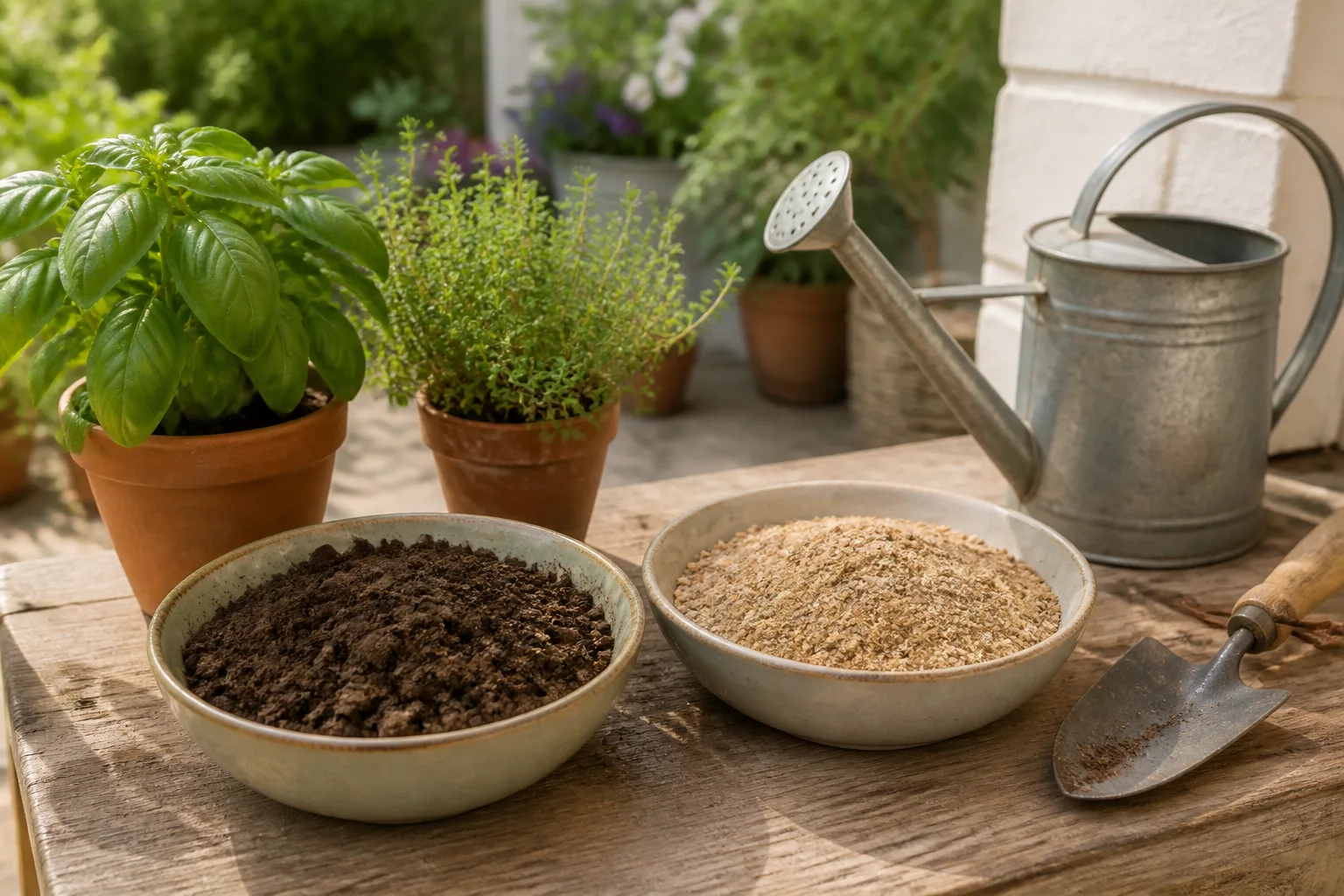
Pot material changes the care routine. Unglazed terracotta dries faster, which can suit thyme, oregano, or sage but calls for closer checks with basil and parsley. Plastic and glazed ceramic retain moisture longer; keep the mix from staying wet, and ensure runoff will not pool beneath another planter.
Decide Between Seeds and Nursery Plants
Buy a transplant when you want a fast harvest or are new to germinating herbs. A healthy nursery plant gives you a head start, and N.C. Cooperative Extension notes that gardeners who have not started seeds before may find transplants more successful. Check for fresh growth, firm stems, and roots that are not tightly circling the bottom of the pot.
Seeds are worthwhile for herbs that grow quickly, are inexpensive to sow, or are best planted in small repeat batches. Cilantro and dill can be sown every couple of weeks during their preferred cooler season, giving you fresh young leaves while earlier plants mature. Basil is also straightforward from seed when you can give seedlings warmth and strong light.
Rosemary, thyme, and sage take longer to establish from seed than from transplants or cuttings, and saved seed may not come true to type. Start with a transplant for a dependable harvest this season, and experiment with seed separately.
Plant the Container Without Crowding the Root Balls
Before planting, water dry nursery root balls so they release from their pots without crumbling. Arrange the herbs on top of the mix first, with taller plants toward the center or back and lower, trailing varieties near the edge. If two plants will grow at different rates, leave enough space to remove one later without disturbing all the roots.
Set each plant at the same depth it grew in its nursery pot. Fill around the root ball with potting mix, firm gently to remove large air gaps, and leave an inch or so between the soil surface and the rim so water can soak in instead of running over the edge. Do not bury woody stems deeply or pack mix hard enough to squeeze out air.
Water slowly after planting until the mix is evenly moist and some water drains from the bottom. If the surface sinks, add a little more mix without covering the stem crown. Put the pot in its final location, then observe how quickly it dries over the next week; this first check is more useful than adopting a watering calendar from a different climate.
Place Outdoor Herbs Where They Get Enough Sun
Most culinary herbs produce compact, flavorful growth with at least six hours of direct sun. N.C. Cooperative Extension uses six hours as a general target, but a hot climate can change what “best spot” means: afternoon sun reflected off a wall or paved balcony can heat the root zone and dry the pot faster than an open garden. In very hot weather, move the container to a place with morning sun and light afternoon shade, especially for parsley, cilantro, and mint.
Watch the plants rather than relying only on direction. Long gaps between leaves, weak stems, or growth leaning toward light suggest insufficient brightness. Scorched patches facing a reflective wall or a pot that heats quickly suggest concentrated heat; shift it and check moisture before feeding.
Wind is another container-specific issue. A balcony may have strong gusts that bend stems, tip light pots, and pull moisture from leaves. Use a heavier container for tall rosemary or sage, group pots where air can move without creating a wind tunnel, and secure railing planters according to the manufacturer’s instructions.
Put the herbs near a kitchen door or cooking area if that makes you more likely to harvest them. BBC Gardening’s archived container-herb guide recommends a sunny, convenient position; easy access is practical because frequent snipping encourages many leafy herbs to branch. Keep the pot out of the path of hot exhaust vents and avoid placing edible leaves where pets can repeatedly disturb or soil them.
Grow Herbs Indoors With a Realistic Light Plan
Indoor herbs need the brightest window available, not simply a place near glass. UGA Extension notes that herbs grown indoors need roughly four to six hours of sunlight and may become tall and spindly when light is inadequate; even a bright-looking room can be dim at plant level. Put pots close to an unobstructed window, rotate them periodically, and check whether new growth stays compact.
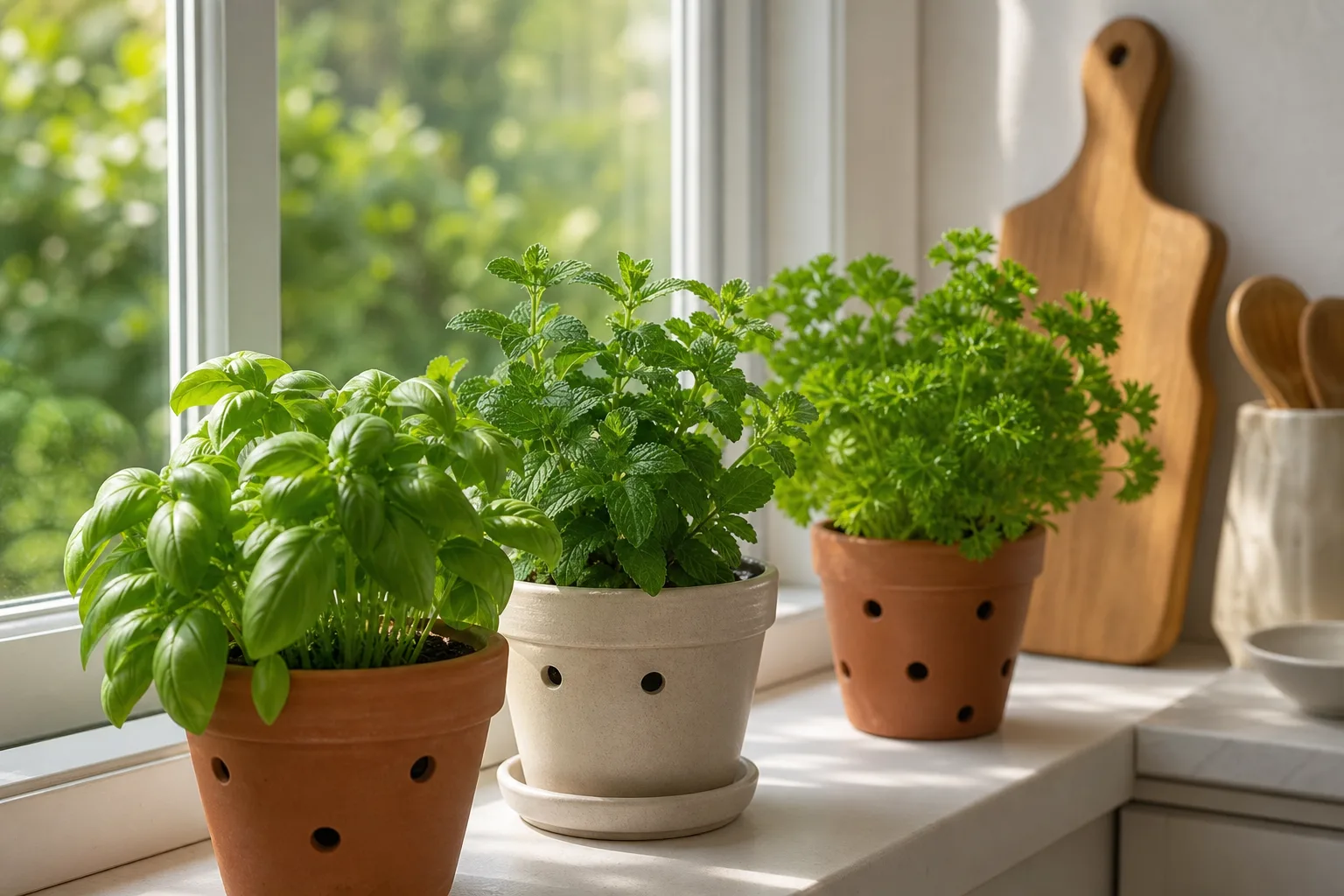
Basil, rosemary, thyme, and oregano usually need stronger light than parsley or mint. If a plant becomes stretched, pale, or tilted toward the window, first move it closer to brighter light and turn it every few days. A grow light can help when the window does not provide enough sun; use the fixture’s placement and timing instructions rather than assuming the indoor plant will thrive in a dark kitchen.
Indoor growth is usually slower than outdoor growth, and the harvest may be smaller. UGA Extension specifically cautions that indoor herbs tend to grow more slowly and produce fewer leaves, and the National Gardening Association notes that even a bright window may provide too little light for strong winter growth. Keep expectations practical: one or two thriving pots can provide fresh garnish and small amounts for cooking, while a large batch of pesto may require an outdoor plant or several containers. If winter growth slows, reduce harvests and check moisture before increasing fertilizer.
Indoors, leave air space between pots and do not let them sit in runoff. Keep foliage dry between waterings and inspect stems for yellowing leaves, aphids, or webbing.
Water by Checking the Mix and the Herb
There is no reliable schedule that works for every herb pot. Weather, pot size, material, plant growth, and root development all change how quickly the mix dries. Check the top inch of mix with a finger and lift the container when possible; a light pot and dry mix indicate it is time to water, while a heavy pot that is still wet needs more time.
When you water, wet the full root ball rather than sprinkling only the surface. Pour slowly until water exits the drainage holes, then let the pot drain and empty the saucer. This encourages roots to use the whole container and helps prevent salts from accumulating near the surface. If dry potting mix repels water and it runs down the sides, water in two or three slower passes with a short pause between them.
Adjust the check to the herb. Basil and parsley should not be allowed to dry hard during active growth, particularly in a small pot during hot weather. Thyme, oregano, rosemary, and sage tolerate a drier interval better, but “drought tolerant” does not mean they should be left bone-dry for long periods in a small container.
A plant that droops in afternoon heat is not automatically thirsty. Check the mix first: if it is moist and the plant perks up later, the leaves may simply be reducing water loss during heat. If the mix is dry, water thoroughly; if it stays wet and the plant remains limp, look for blocked holes, a saucer holding water, or damaged roots rather than adding more.
Check new transplants closely during their first week, then increase checks as roots fill the pot and leafy growth accelerates. Indoor herbs use less water in low-light winter conditions, so do not keep a summer watering schedule.
Feed Lightly and Adjust to Growth
Container herbs have a limited supply of nutrients, but more fertilizer does not automatically mean better flavor or more usable leaves. Fresh potting mixes often include starter nutrients; check the package before adding fertilizer so you do not layer one product on top of another. Herbs grown for frequent leaf harvest may need some replacement nutrition during active growth, while woody Mediterranean herbs are usually less demanding.
Published schedules vary. N.C. Cooperative Extension suggests a low dose of water-soluble fertilizer about every two weeks, UGA Extension describes monthly fertilizing for containers, and garden designer Sue Goetz advises in Hartley Botanic that most herbs do not need extra feed until the mix is depleted over time. The useful takeaway is to avoid a rigid universal schedule: use the product label, account for nutrients already in the potting mix, and adjust to growth and harvest intensity.
If basil or parsley continues producing leaves but growth becomes weak or pale after months in the same mix, a modest label-directed feed may help. Do not feed a plant that is stressed by waterlogged roots, extreme heat, or insufficient light; fertilizer cannot repair those problems and may add stress. If white crust forms on the mix or pot rim, flush the medium thoroughly and reduce feeding rather than adding more.
Prune and Harvest So Plants Refill
Frequent light harvests can keep leafy herbs branching and prevent a small plant from becoming tall and sparse. Use clean scissors, and cut just above a pair of leaves or a healthy side shoot so new growth can emerge below the cut. Take no more than about one-third of a plant at once while it is establishing; once vigorous, continue harvesting in stages rather than stripping every stem.
Basil benefits from pinching the growing tips and removing flower spikes if your goal is a steady supply of leaves. Letting it flower is not a failure, but flowering shifts the plant’s energy toward reproduction and leaf flavor can change. Parsley is best harvested from the outside of the clump, leaving the central new growth intact; chives can be clipped in small bunches rather than pulled from the roots.
Harvest rosemary, sage, thyme, and oregano selectively from soft, leafy growth. Avoid cutting far back into bare old wood unless you know the particular plant can resprout from it. The goal is to shape and use the herb without leaving it unable to photosynthesize or recover.
Harvest dry leaves and use or preserve them promptly. If a plant flowers before it has produced enough leaves, it may be too warm, too dry, or near the end of its season; sow a replacement when conditions suit that herb.
Troubleshoot Leggy Growth, Wilt, and Crowding
Leggy growth most often points to insufficient light, especially indoors. Move the plant toward stronger light, rotate it, and pinch the longest stems above a healthy leaf pair. If the container holds several crowded seedlings, thin or divide them rather than waiting for a fertilizer boost to create sturdier growth.
Wilting can come from dry mix, waterlogged roots, hot wind, or a recently disturbed root ball. Feel the mix before acting: water if it is dry, allow drainage and improve airflow if it is saturated, and give a newly transplanted herb a few days to settle. Persistent wilt in wet mix may indicate root damage, so check that holes are open and the pot is not sitting in runoff.
Yellow leaves are a symptom rather than a diagnosis. Older leaves can yellow naturally, but widespread yellowing alongside wet soil suggests a drainage or watering problem; yellowing with dry, crumbly mix may follow drought. Compare the moisture, light, and recent feeding history before changing several things at once.
Inspect stems and leaf undersides for aphids, fine webbing, or small white insects, especially on indoor plants. Isolate a pot with a clear pest problem, remove badly affected leaves, and rinse foliage with a gentle stream of water if the herb and setting allow. Keep the canopy open and avoid water sitting on leaves overnight; crowded growth and poor air movement make many problems harder to spot early.
Adapt Care to Heat, Rain, and Winter
Container plants experience faster temperature and moisture swings than herbs in the ground. During a heat spell, group pots to reduce wind exposure without blocking airflow, move the most moisture-sensitive herbs out of the hottest afternoon sun, and check small containers daily. A larger pot and light-colored container can moderate root-zone heat, but neither removes the need to inspect the mix.
During prolonged rain, make sure drainage holes stay clear and remove saucers that hold water. Pull pots away from walls where runoff splashes soil onto leaves, and space them so foliage dries after rain. In humid regions, good air movement can matter as much as extra sunlight for keeping a dense herb planter healthy.
Annual herbs naturally slow, flower, or die as their season ends. For perennial herbs, cold hardiness applies to the plant in the landscape; roots in a pot are more exposed to winter temperatures. Check the herb’s local hardiness guidance, then move a pot to a sheltered spot, insulate the container, or bring it inside if that plant is not expected to survive your winter outdoors.
Before bringing outdoor herbs inside, inspect stems and leaf undersides for pests and acclimate the plants gradually if you can. Indoor light is often much weaker than outdoor light, so expect slower growth and water less as the plant’s use of moisture declines. Do not bring a large group of stressed plants into a dark room and expect the same winter harvest.
Three Simple Container Setups to Start With
For the lowest-maintenance start, choose one herb in one pot. A single pot of mint, chives, basil, or rosemary lets you learn its watering pattern without balancing different root needs; mint should remain separate, while rosemary benefits from a sunny place and a mix that drains well.
For a shared sunny planter, combine a few compact plants that need similar moisture, such as basil with a small parsley or chive plant, only if the container is roomy enough and you can monitor it. Keep the mix evenly moist but not soggy, and leave clear space between plants so mature leaves do not form a solid wet canopy. If one herb grows much faster, move it to its own container before it crowds the rest.
For a drier Mediterranean-style pot, select thyme, sage, or oregano, and place rosemary in a separate container if you expect it to become large. Use a pot with good drainage, give the plants direct sun, and resist daily watering when the mix is still damp. These simple layouts make it easier to adjust one variable at a time and learn which herbs suit your climate and routine.
Conclusion
Growing herbs in containers is easiest when the pot reflects the plants’ real needs. Start with herbs you use, group them by light and moisture, give roots enough depth, and use a free-draining container mix with open drainage holes. A sunny outdoor pot will usually grow more quickly than an indoor windowsill, but either can work when the light and watering routine match the plants.
Check the mix instead of following a fixed calendar, feed modestly when active growth calls for it, and harvest in small cuts that leave the plant able to refill. Keep vigorous herbs such as mint on their own, adjust pots during heat or cold, and use separate containers when two plants want different conditions. A few well-chosen pots will usually give you a steadier harvest than an overcrowded collection.